

Table of Contents
What Is a Lead Generation Agency?
Why Start a Lead Generation Agency in 2026
Key Steps to Start a Lead Generation Agency
How to Start a LinkedIn Lead Generation Agency
Tools You Need to Run a Lead Generation Agency
Common Mistakes When Starting a Lead Generation Agency
How to Scale Your Lead Generation Agency
How Cleverly Built a Scalable Lead Generation System
Conclusion
Frequently Asked Questions
Modified On :
March 30, 2026
Key Takeaways
- Niche down first — a specific ICP makes targeting, messaging, and closing dramatically easier.
- Your outreach system matters more than any single tactic — consistency beats cleverness every time.
- Start lean with three to four core tools and only add more when your workflow demands it.
- Your first clients come from hustle; your next twenty come from documented, repeatable processes.
- Multi-channel outreach (LinkedIn + cold email + cold calling) outperforms any single channel alone.
- Track meetings booked, pipeline generated, and ROI from day one — data is what retains clients.
Every B2B company needs a steady pipeline. Most of them have no idea how to build one.
That's exactly why lead generation has become one of the most in-demand services in the B2B world right now, and why more people than ever are looking into how to start a lead generation agency.
The barrier to entry is low. You don't need a big team or a fancy office. What you do need is a repeatable system, because random outreach tactics don't scale. Agencies that win in 2026 are the ones that have dialed-in processes for prospecting, outreach, and booking meetings consistently.
If you're thinking about starting a lead gen agency from scratch, this guide walks you through exactly that. From picking your niche and building your service stack to landing your first clients and scaling operations, we're covering every key step so you can move fast and build something real.
Let's get into it.
What Is a Lead Generation Agency?
A lead generation agency finds and delivers qualified prospects to businesses so their sales teams can focus on closing.
In the lead generation business in 2026, that typically means running outbound campaigns across multiple channels and booking sales-ready meetings directly onto a client's calendar.
Core services most lead gen agencies offer:
- LinkedIn outreach — connecting with and messaging decision-makers on LinkedIn.
- Cold email campaigns — targeted email sequences to prospects at scale.
- Appointment setting — qualifying leads and booking meetings for clients' sales teams.
- Cold calling — direct phone outreach for faster pipeline generation.
Lead gen agency vs. marketing agency — what's the difference?

A marketing agency focuses on brand awareness, content, and top-of-funnel visibility. A lead generation agency focuses purely on pipeline.
The goal isn't impressions or clicks. It's qualified conversations booked on the calendar, and that distinction matters a lot when a client is paying for results.
Also Check: How B2B Lead Generation Agencies Actually Work
🚀 Want Clients? We’ll Book the Meetings.
Cleverly runs LinkedIn + cold email outreach that has generated $312M in pipeline for 10,000+ companies. Plans start at just $397/mo.
Why Start a Lead Generation Agency in 2026
If you're thinking about starting a lead gen agency from scratch, the timing is solid. Here's why:
- Demand is growing — Outbound sales is making a comeback. Businesses that relied on inbound are now investing in outbound channels to hit pipeline targets faster.
- Recurring revenue model — Most lead gen agencies run on monthly retainers, which means predictable income from day one.
- Scalable by design — Once your outreach systems are built, adding new clients doesn't require a proportional increase in headcount.
- Low initial investment — You don't need office space or a big team. A laptop, the right tools, and a solid process is enough to get started.
The opportunity is real. The question is whether you're willing to build the systems to back it up.
Key Steps to Start a Lead Generation Agency
Here are the key steps to start a lead generation agency that can actually deliver results from day one.
Step 1: Choose Your Niche
Don't try to serve everyone. The more specific your niche, the easier it is to build messaging that converts and case studies that close deals.
Popular niches to consider:
- SaaS — High LTV, strong appetite for pipeline, understands outbound
- B2B service agencies — Consulting firms, marketing agencies, IT service providers
- Real estate — Commercial brokers, property developers, RE investment firms
- Professional services — Legal, accounting, financial advisory, logistics
Pick one. Get good at it. Expand later.
Step 2: Define Your Offer
Your offer needs to be specific and tied to a business outcome, not a list of activities.
Strong offer examples:
- "We book 10 to 20 qualified sales calls per month for B2B SaaS companies using LinkedIn outreach"
- "We run full-funnel multi-channel outreach (LinkedIn + cold email + cold calling) for B2B service firms"
- "We handle all appointment setting so your AEs spend 100% of their time closing"
Vague offers lose. Specific offers win.
Step 3: Build Your Outreach System

This is the engine of your agency. Without a repeatable system, you're just doing random outreach and hoping for the best.
- LinkedIn outreach — Build targeted prospect lists, send connection requests, and follow up with personalized message sequences.
- Cold email campaigns — Set up domain infrastructure, build sequences, and A/B test subject lines and CTAs.
- Cold calling — Layer in phone outreach for high-intent prospects or industries where calling converts better.
The goal is a system that runs consistently, not a one-off campaign you set and forget.
Step 4: Set Up Your Tech Stack
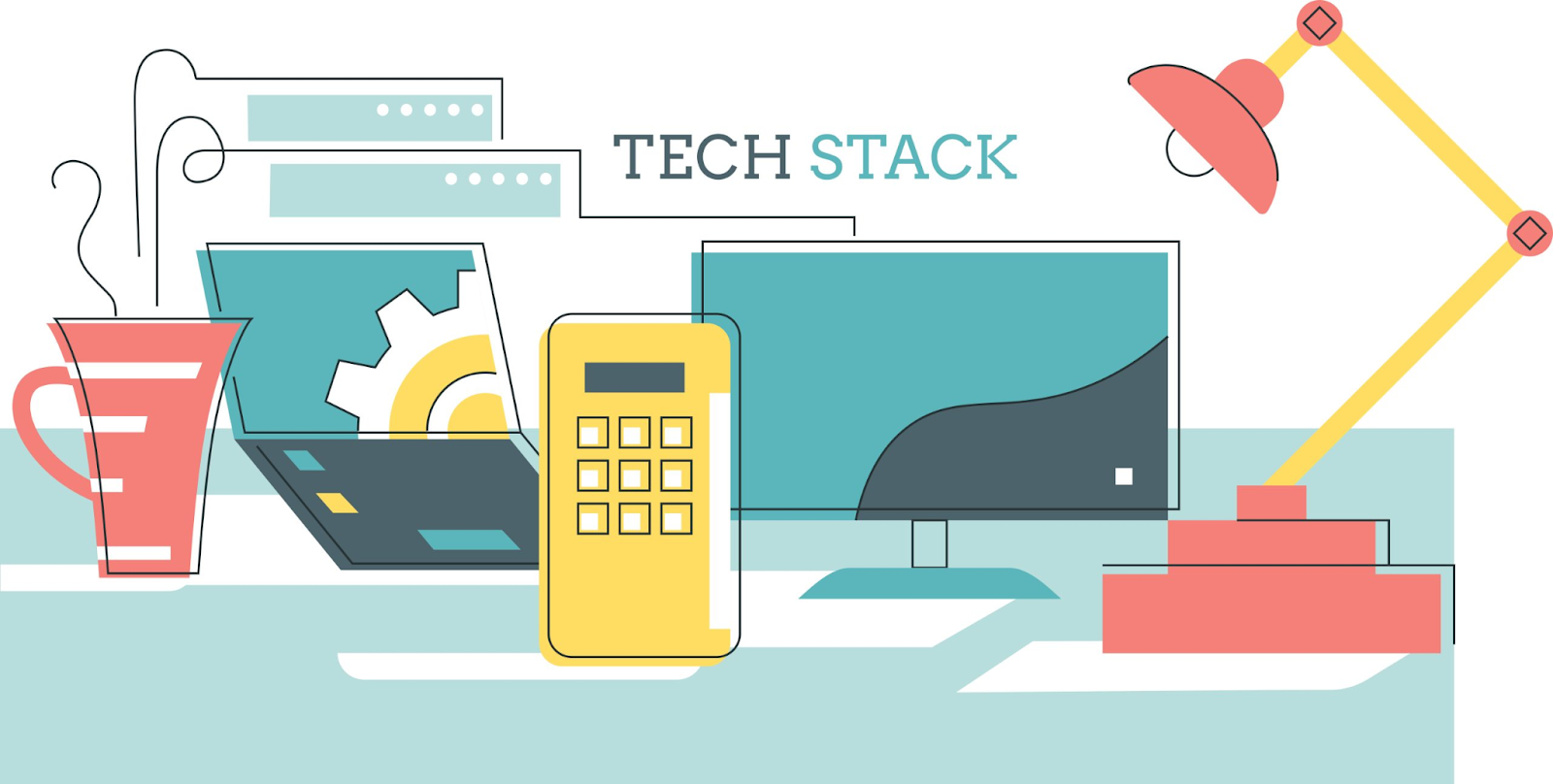
You don't need 15 tools. You need the right ones.
- CRM — HubSpot, Pipedrive, or Salesforce to track leads and pipeline.
- Email outreach tools — Instantly, Smartlead, or Lemlist for cold email sequences.
- LinkedIn tools — Sales Navigator for targeting, Dripify or Expandi for automation.
- Data and enrichment tools — Apollo, Clay, or ZoomInfo for building and enriching prospect lists.
Keep your stack lean, especially when starting out. Add tools only when a gap in your workflow demands it.
Step 5: Create Your Pricing Model
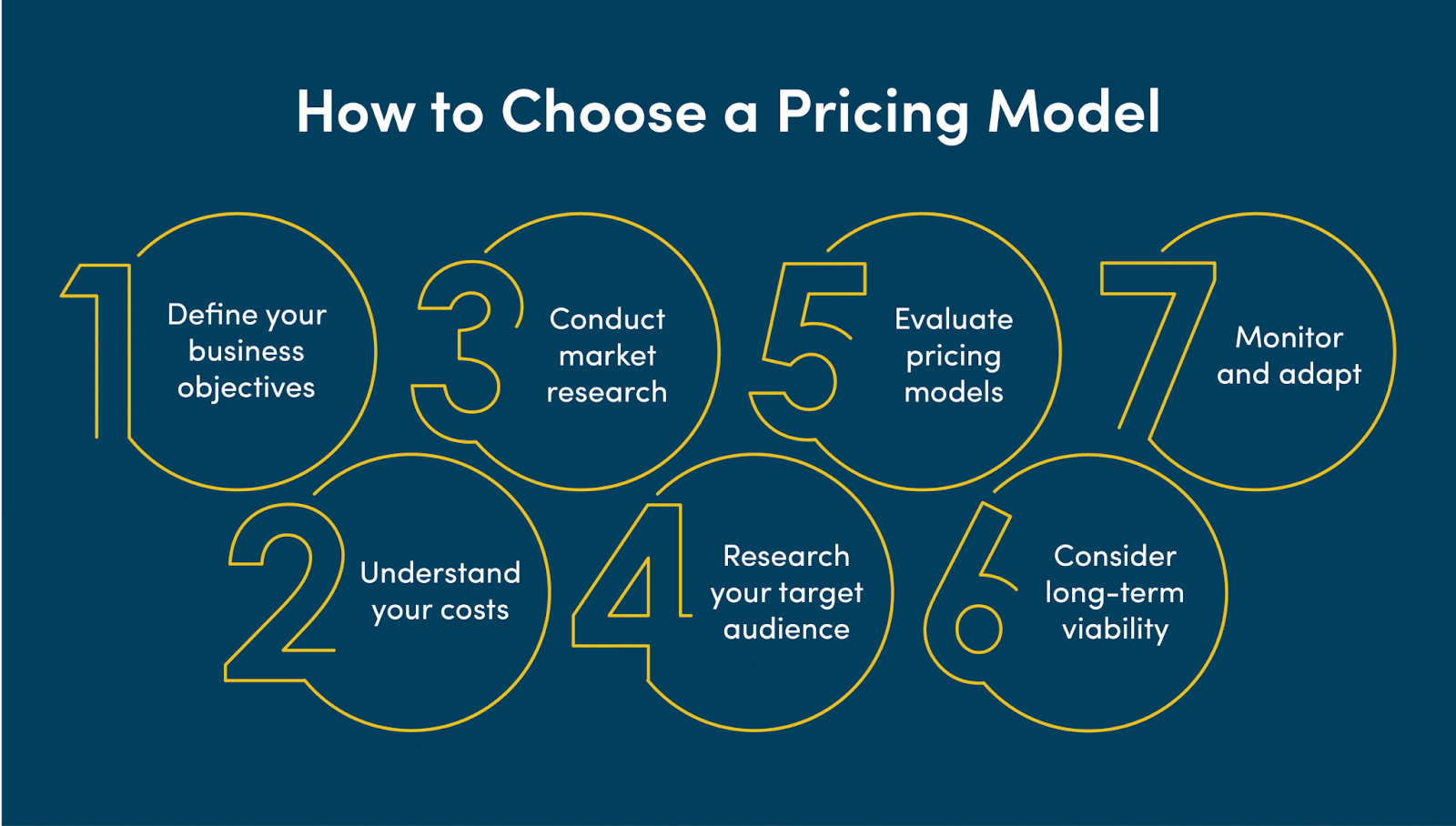
There's no single right pricing model. Pick one that fits where you are and what you're promising.
- Monthly retainer — Most common. Predictable for both sides. Works well when you're delivering ongoing outreach.
- Pay-per-meeting — Client pays only for meetings booked. Higher per-unit value, but requires confidence in your conversion rates.
- Performance-based pricing — Hybrid model where a base fee is combined with a bonus for hitting meeting targets.
When starting out, a retainer with a performance layer is often the easiest sell.
Step 6: Get Your First Clients

This is where most new agencies stall. Here's what actually works:
- Outbound prospecting — Use the exact services you're selling. Run LinkedIn and cold email campaigns targeting your ideal client profile.
- LinkedIn content — Post about lead generation, outbound strategy, and results. Warm inbound leads are easier to close.
- Referrals — If you deliver results for your first client, ask for an intro to two others. Simple and effective.
Your first three to five clients will come from hustle and personal network. Your next twenty will come from your system.
Step 7: Deliver Results and Build Case Studies
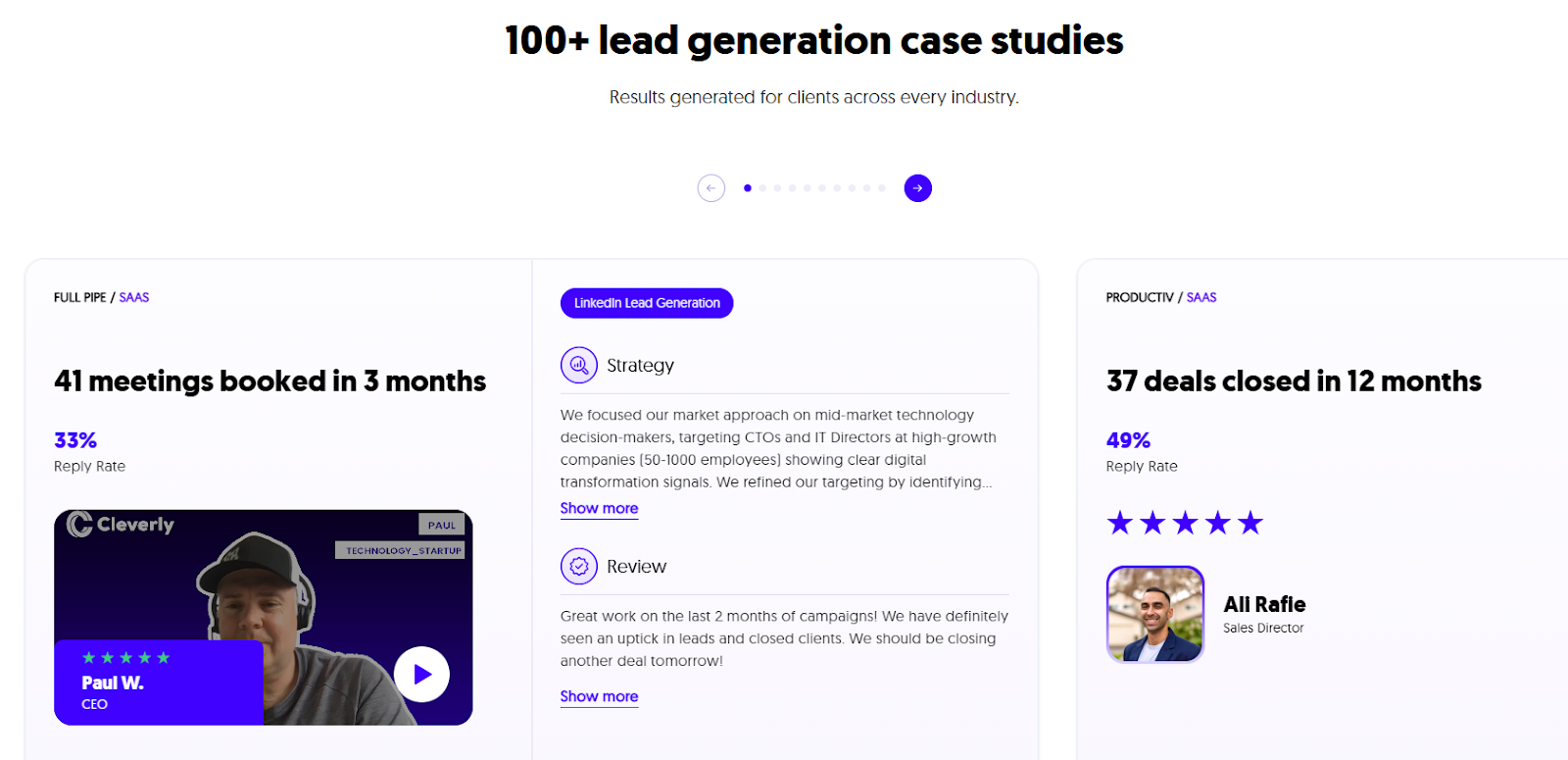
Every client you work with is a future case study. Treat delivery like it's your best marketing asset, because it is.
- Focus on ROI — Track meetings booked, pipeline generated, and deals closed. Numbers close future deals faster than anything else.
- Collect testimonials — Ask for a short video or written testimonial after the first 60 to 90 days.
- Build case studies — Document the niche, the challenge, the approach, and the outcome. Post them on your site and LinkedIn.
One strong case study in your niche is worth ten cold emails to a new prospect.
📞 Scale Outreach Without Hiring SDRs
Our $5M cold calling system books 10–30 qualified sales calls every month with trained appointment setters. Guaranteed meetings—or we replace the SDR.
How to Start a LinkedIn Lead Generation Agency
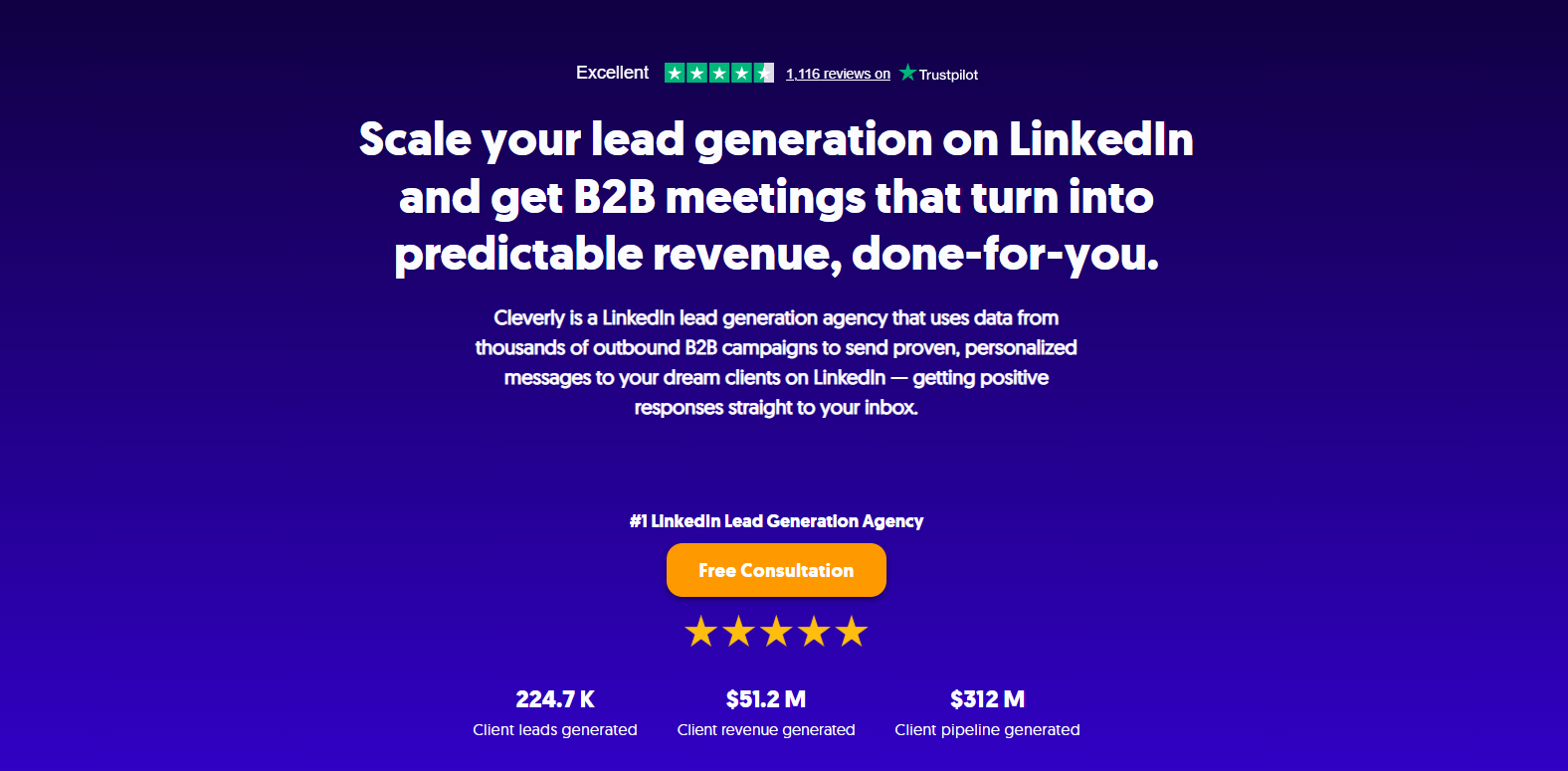
LinkedIn is the highest-performing B2B acquisition channel for most industries right now. If you want to build a LinkedIn lead generation agency, here's what you need to understand before you start.
- Targeting decision-makers is the advantage — LinkedIn's search filters let you reach VP-level and C-suite buyers by title, industry, company size, and geography. No other channel gives you that precision out of the box.
- Personalization is what separates good from great — Generic "hope you're doing well" messages get ignored. Reference something specific about the prospect's company, role, or recent activity. It takes an extra 30 seconds and it works.
- Consistent execution beats clever tactics — The agencies that win on LinkedIn aren't necessarily the most creative. They're the most consistent. Steady connection volume, follow-up sequences, and fast response times compound over time.
- Conversion happens in the conversation — LinkedIn outreach isn't about sending one perfect message. It's about starting a real conversation and moving it toward a meeting.
If you can nail ICP targeting, personalized messaging, and consistent follow-up, you can build a profitable LinkedIn lead generation agency around those three things alone.
Tools You Need to Run a Lead Generation Agency
Running a lead generation business in 2026 means using tools that cut manual work and help you scale without adding headcount. Here's a practical breakdown:
CRM
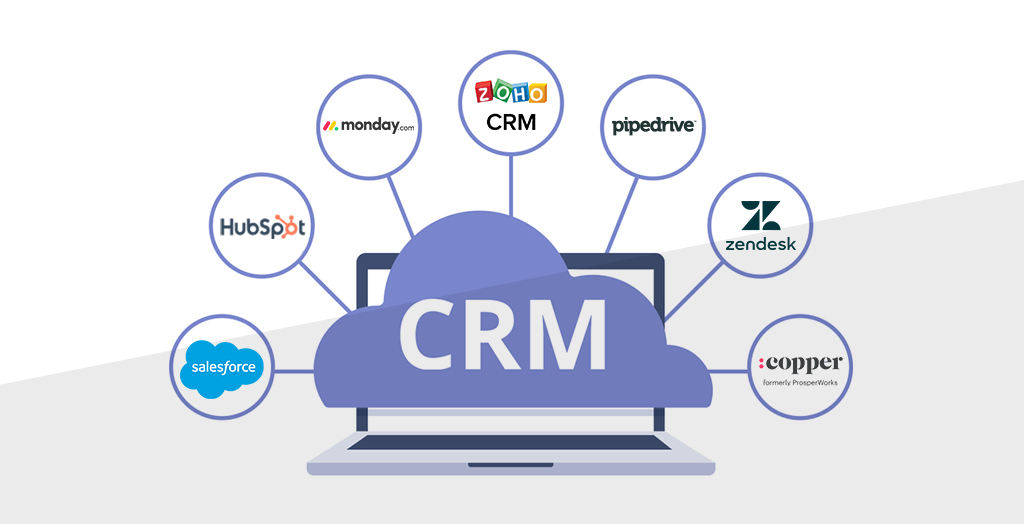
- HubSpot (free tier is solid for starting out)
- Pipedrive (great for pipeline-focused teams)
- Salesforce (better for larger operations)
Email outreach
- Instantly or Smartlead for high-volume cold email
- Lemlist for personalized sequences with images/video
LinkedIn tools
- Sales Navigator for list building and advanced search
- Dripify or Expandi for automated LinkedIn sequences
Prospecting and data enrichment
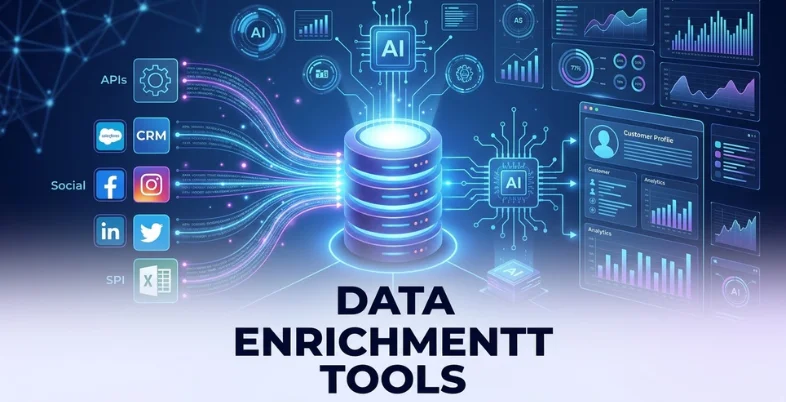
- Apollo.io for list building and email finding
- Clay for advanced enrichment and AI-personalized outreach
- ZoomInfo for enterprise-grade contact data
Start with Apollo + Sales Navigator + one email tool + a CRM. That's enough to run campaigns for your first few clients without overcomplicating things.
Common Mistakes When Starting a Lead Generation Agency
Most new agencies fail for the same reasons. Here's what to avoid:
❌ Targeting too broad an audience — "We help B2B companies get leads" is not a niche. The more specific your ICP, the better your messaging and conversion rates.
❌ Unclear or weak offer — If a prospect can't immediately understand what you do and what result they'll get, they won't move forward.
❌ Poor outreach messaging — Leading with your services instead of their problems kills responses. Make every first message about them, not you.
❌ Focusing on volume over quality — Sending 1,000 generic messages will underperform 100 targeted, personalized ones every time.
❌ Not tracking performance — If you're not measuring reply rates, meeting rates, and pipeline generated, you can't improve and you can't prove value to clients.
These are fixable. But catching them early saves a lot of wasted time and lost clients.
How to Scale Your Lead Generation Agency
Once you've got a few clients and a working system, here's how to grow without things falling apart:
- Build a team — Hire an SDR or outreach specialist to handle execution while you focus on strategy and sales. Your first hire should reduce your bottleneck, not create a new one.
- Standardize your processes — Document everything. Onboarding, list building, campaign setup, reporting. If it lives only in your head, it doesn't scale.
- Automate repetitive outreach tasks — Use tools to handle follow-up sequences, data enrichment, and reporting. Automation should free your team to focus on conversations and conversion.
- Expand your service offerings — Once you've mastered one channel, add another. If you started with LinkedIn, layer in cold email. Then cold calling. Multi-channel clients have higher LTV and churn less.
Scaling isn't just about adding clients. It's about building infrastructure that can handle more without breaking.
How Cleverly Built a Scalable Lead Generation System
We've spent years refining what it actually takes to generate qualified pipeline at scale, and here's how we approach it.
ICP-first targeting — Before any campaign goes live, we identify exactly who the ideal customer is: industry, company size, job title, and buying signals. Sending to the wrong people is the fastest way to waste a budget.
LinkedIn-first outbound — LinkedIn is where B2B buyers spend their time and make decisions. Our LinkedIn outreach service starts at just $397/month and has helped over 10,000 clients generate pipeline with companies like Amazon, Google, Uber, PayPal, Slack, and Spotify.
Multi-channel campaigns that cover all the bases — LinkedIn gets the relationship started, cold email scales the volume, and cold calling closes the loop. Our cold email service is performance-based, meaning you only pay for meeting-ready leads we deliver to you.
Our $5M cold calling system takes it a step further. We place a no-accent appointment setter, write the call scripts, handle all data and tech including a power dialer, and guarantee appointments or we replace the SDR. Half the cost of building it in-house. We've made 1M+ cold calls, set 53K+ appointments, and generated $312M in pipeline revenue.
Personalized messaging at scale — We don't do generic outreach. Every campaign is built around messaging that speaks directly to the prospect's pain points and role.
If you want to see what a fully built, results-driven lead generation system looks like in practice, book a FREE consultation with Cleverly and we'll walk you through exactly how it works.
Conclusion
Building a lead generation agency is one of the most straightforward service businesses you can start in 2026, but straightforward doesn't mean easy. What separates agencies that scale from those that stall is simple: systems.
Focus on getting three things right from the start:
- Targeting — Know exactly who you're going after and why they need what you offer
- Messaging — Make every touchpoint relevant, specific, and outcome-focused
- Execution — Run outreach consistently across the right channels and track everything
When those three things are working together, you have a repeatable engine. And a repeatable engine is what turns a freelance hustle into a real agency.
Frequently Asked Questions
Free Resource
How to Scale a Profitable Cold Call System
Get the complete guide — download it instantly now.
Free Ebook
Download the Free Guide
Enter your details to get instant access.
You're all set! 🎉
Your ebook is downloading now.
Click below if the download didn't start automatically.


