Table of Contents
How We Evaluated the Best Omnichannel Software
Quick Comparison Table: Best Omnichannel Software Platforms
10+ Best Omnichannel Software Platforms (2026 List)
Best Omnichannel Customer Support Software
Best Omnichannel Advertising Software
How to Choose Omnichannel Software for Your Team
Omnichannel Software vs Omnichannel Strategy
How Cleverly Turns Omnichannel Outreach into B2B Pipeline
Conclusion
Frequently Asked Questions
Modified On :
August 26, 2026
Key Takeaways
- Omnichannel software unifies customer engagement across email, LinkedIn, SMS, calls, and web into one coordinated system instead of disconnected tools.
- The best platform depends on your business type - enterprise teams need Salesforce or Marketo, while SMBs often succeed with HubSpot or ActiveCampaign.
- Software alone doesn't drive results; you need clear ICP targeting, strong messaging, and consistent execution across all channels.
- Orchestration matters more than channel count - coordinated touchpoints that build on each other convert better than random multi-channel spam.
- Omnichannel sales software typically improves conversion rates 15-30% by timing messages based on actual buyer behavior across channels.
Your buyers don't live in one channel anymore. They check your cold email on their phone, click your LinkedIn message during lunch, visit your website before a meeting, and finally pick up your call on the way home.
But, the problem? B2B teams are running five different tools that don't talk to each other. Your email platform doesn't know what happened on LinkedIn. Your CRM can't see which ads they clicked. Your sales team is flying blind.
That's where omnichannel software comes in.
Instead of juggling disconnected tools, omnichannel marketing software unifies every touchpoint into one coordinated system. You can see the full buyer journey, coordinate messages across channels, and actually understand what's working.
We've tested dozens of platforms while running outreach for 10,000+ clients. Here are the 10 best omnichannel software solutions that actually deliver results for B2B teams in 2026.
What Is Omnichannel Software?
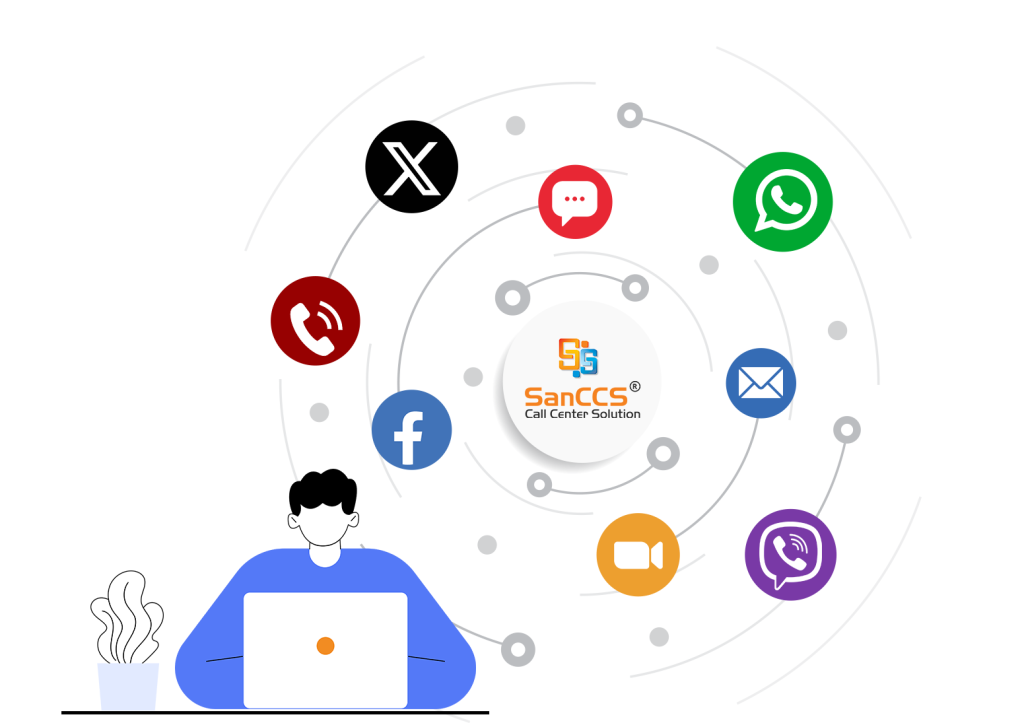
Omnichannel marketing software is a platform that connects all your customer touchpoints into one unified system.
Multichannel vs Omnichannel: What's the Difference?
Most teams think they're doing omnichannel when they're actually just multichannel. Here's the difference:
In-Detail Here: Omnichannel vs Multichannel Marketing Explained (With Examples)
Channels Typically Supported
The best omnichannel marketing platform software usually connects:
- Cold email and email marketing campaigns
- LinkedIn outreach and social selling
- SMS and text message sequences
- Outbound sales calls and phone tracking
- CRM data and website visitor behavior
- Paid ads and retargeting campaigns
Why B2B Teams Need Omnichannel
B2B sales cycles are long. A prospect might ignore your first three emails, engage with your LinkedIn post two weeks later, then finally book a call after seeing a retargeting ad.
Omnichannel sales software tracks all of this so you know exactly which touchpoints are moving deals forward and which ones aren't pulling their weight.
When everything's connected, you stop wasting time on channels that don't work and double down on what actually books meetings.
Explore: B2B Omnichannel Customer Journey: Stages, Maps, and Tactics That Close Deals
🔗 Omnichannel That Actually Books Meetings
Cleverly runs LinkedIn outreach, pay-per-meeting cold email, and guaranteed cold calling—executed together as one revenue system.
How We Evaluated the Best Omnichannel Software
We didn't just Google "best omnichannel software" and copy the first list we found. We've actually used most of these platforms while running campaigns for thousands of B2B clients, so we know what works in real sales environments versus what just looks good in a demo.
What we look at:
Channel Coverage & Orchestration
Does it actually connect your channels, or just put them in the same dashboard? We prioritized platforms that let you trigger a LinkedIn message based on email behavior, or pause outbound calls when someone books a meeting through another channel.
Sales + Marketing Alignment
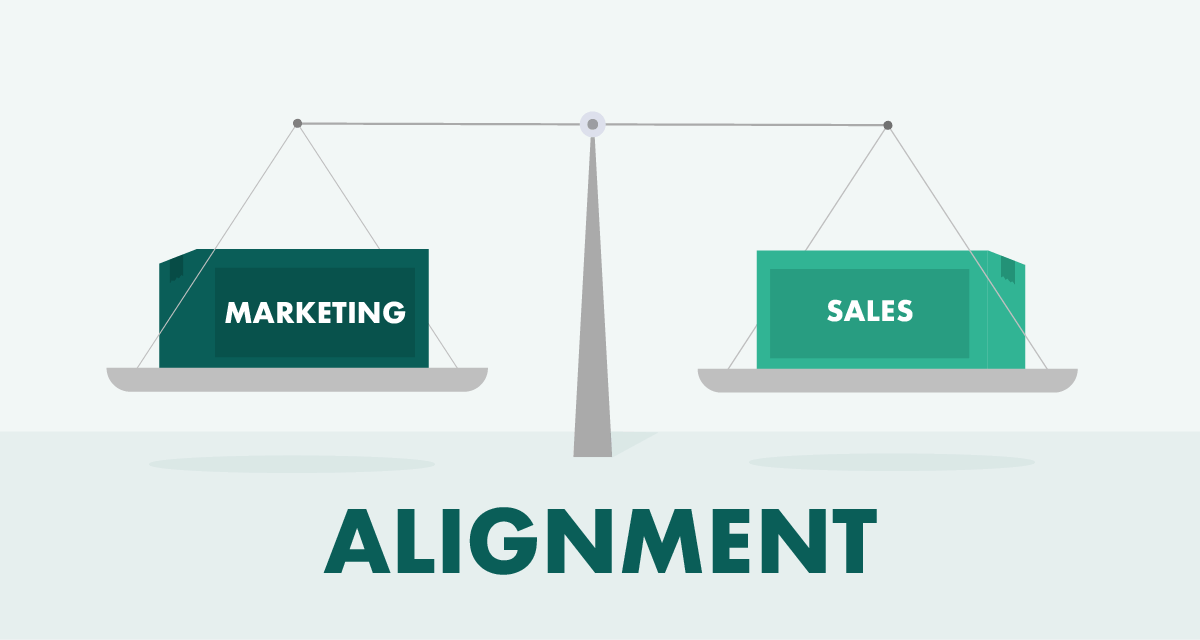
The best omnichannel software doesn't force sales and marketing into separate silos. We looked for tools where both teams can see the same data, coordinate on accounts, and hand off leads smoothly.
Personalization Depth
Can you personalize beyond {{FirstName}}? We tested how well each platform handles account-based messaging, dynamic content, and channel-specific personalization that actually feels human.
CRM & Data Integrations
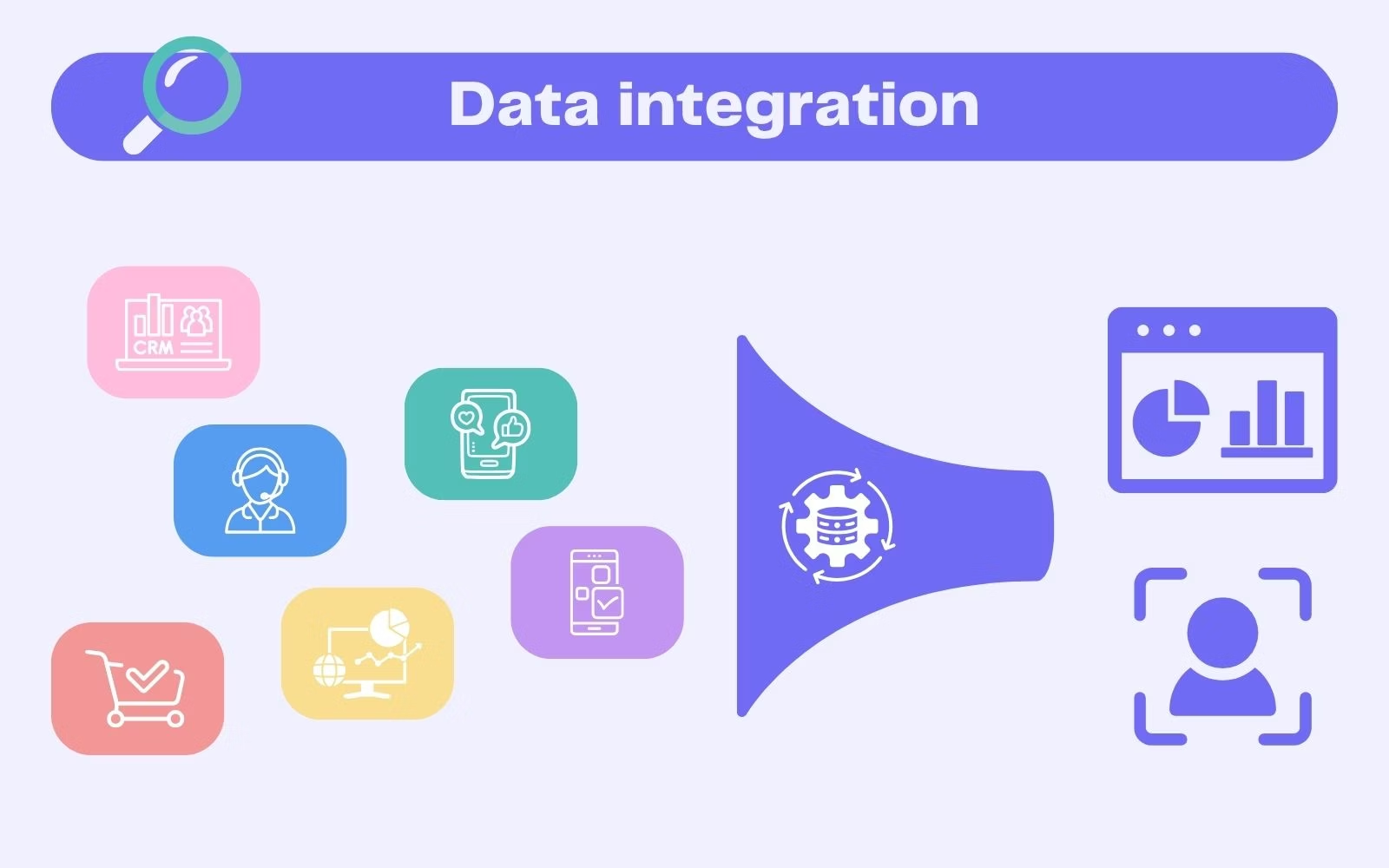
If it doesn't sync with your CRM, it's useless. We checked native integrations with Salesforce, HubSpot, and other major platforms, plus how well data flows both ways without constant manual updates.
Automation & Sequencing
Smart automation saves time. Dumb automation annoys prospects. We evaluated how flexible each platform's sequencing is and whether you can build logic that responds to actual buyer behavior.
Reporting & Attribution
Which channel closed the deal? Omnichannel marketing software should show you the full path to revenue, not just last-click attribution that makes everything look like it came from your website.
B2B vs B2C Fit

Most omnichannel platforms were built for ecommerce. We focused on tools that understand B2B sales cycles, multiple decision-makers, and longer buying journeys.
Pricing Transparency
We hate "contact us for pricing." We prioritized platforms that publish real numbers so you can actually budget without sitting through a sales pitch.
Quick Comparison Table: Best Omnichannel Software Platforms
🚀 Software Is Useless Without Execution
10,000+ companies trust Cleverly to turn omnichannel tools into sales-ready meetings and $312M+ in pipeline.
10+ Best Omnichannel Software Platforms (2026 List)
Best Omnichannel Marketing Platforms for B2B
Most omnichannel marketing platforms were built for ecommerce — short sales cycles, single buyers, and high transaction volume. B2B is different.
B2B buying involves multiple decision-makers, 3 to 6 month sales cycles, and touchpoints that span LinkedIn, email, paid retargeting, and sales calls before a deal closes. The platforms that work for B2B specifically need to handle:
- Account-based marketing (ABM): Targeting accounts, not just individual contacts, with coordinated messaging across channels
- CRM sync in both directions: Every email, ad click, and social engagement needs to flow into Salesforce or HubSpot without manual data entry
- Long-sequence nurture: B2B buyers don't convert on first touch. The platform needs to run 30, 60, and 90-day sequences that adapt based on engagement
- Multi-stakeholder visibility: One account often has 4 to 6 buying contacts. The platform needs to track engagement at the account level, not just the contact level
From the platforms below, the strongest B2B marketing omnichannel options are HubSpot (for all-in-one teams), Salesforce Marketing Cloud (for enterprise ABM), Marketo (for complex B2B nurture), and ActiveCampaign (for SMBs running account-based outreach).
If your primary goal is generating meetings with qualified B2B decision-makers — not managing marketing campaigns — LinkedIn outreach combined with cold email delivers a tighter feedback loop and faster pipeline than marketing automation alone.
Each platform below supports omnichannel engagement, but they differ in focus, scale, and ideal use case. Let’s look at some of the best omnichannel platforms -
Best Omnichannel CRM Software
A CRM is the data foundation that makes omnichannel work. Without unified contact records that capture every touchpoint — email opens, LinkedIn replies, ad clicks, support tickets, call notes — your channels can't coordinate because they don't share context.
Omnichannel CRM software goes beyond storing contact records. It tracks engagement across every channel and surfaces that data in real time so your sales, marketing, and support teams always have the same view of each prospect and customer.
The two most widely adopted omnichannel CRM platforms for B2B teams are HubSpot (ideal for SMB to mid-market teams that want marketing, sales, and support in one system) and Salesforce Marketing Cloud (the enterprise standard for teams running complex, data-driven omnichannel programs). Both are covered in detail below.
1. HubSpot
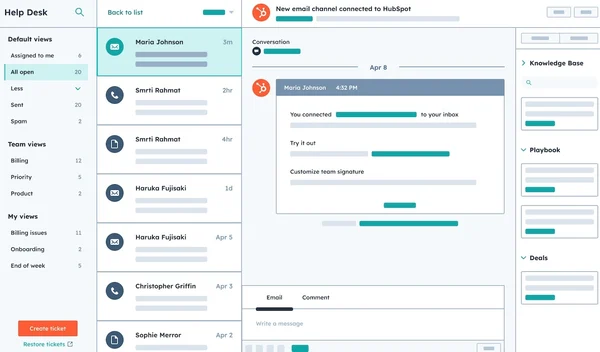
HubSpot is the all-in-one platform that connects your marketing, sales, and service teams in one system.
As omnichannel software, it tracks every customer interaction from website visits to support tickets, then lets you engage across email, social media, SMS, and live chat without jumping between tools.
Key Features
- Unified inbox manages messages from email, chat, social media, and SMS in one place.
- 360-degree CRM shows every interaction a prospect has had across all channels.
- Breeze AI handles up to 65% of customer inquiries automatically across touchpoints.
- Omnichannel automation triggers follow-ups based on behavior across different platforms.
- Seamless handoffs between chatbots and human agents across channels.
- Built-in feedback tools with NPS and CSAT surveys.
Best For: All-in-one marketing, sales, and CRM omnichannel software workflows for teams that want everything under one roof.
Pricing:
- Free CRM with basic contact management and live chat.
- Starter: $15-$20/user/month
- Professional: $500-$890+/month with full omnichannel features
- Enterprise: $1,200-$3,600+/month for large teams
2. Respond.io

Respond.io is a customer conversation management platform built specifically for high-volume businesses where messaging drives revenue.
As omnichannel software, it centralizes communications across WhatsApp, Instagram, TikTok, SMS, email, and voice into a single unified workspace. By leveraging autonomous AI Agents to qualify leads and trigger workflows, it allows sales and support teams to manage the full customer lifecycle without constantly switching between fragmented tools.
Key Features
- Omnichannel inbox centralizes messages from WhatsApp, Instagram, TikTok, SMS, Telegram, email, and voice into one unified interface.
- Autonomous AI Agents handle incoming conversations, qualify leads, update lifecycle stages, and execute platform actions automatically.
- Voice AI Agents manage inbound WhatsApp Business Calling and VoIP, collecting key details and generating call summaries.
- AI-powered agent tools provide instant conversation summaries, one-click reply generation, and message translation directly within the inbox.
- Customer lifecycle management tracks contacts across every sales stage to identify high-intent leads and pinpoint pipeline drop-offs.
- Native CRM integrations seamlessly sync cross-channel conversation data and lifecycle stages with HubSpot and Salesforce.
- Comprehensive reporting tracks human agent performance, AI Agent resolution rates, and lifecycle conversions across all channels.
Best For: High-volume conversational sales and support teams that need to turn social messaging and chat channels into scalable, organized revenue engines.
Pricing
- Starts at $99/month for core omnichannel and automation features
- Custom pricing required for higher conversation volumes and higher API rate limits
- No permanent free plan available
3. Salesforce Marketing Cloud
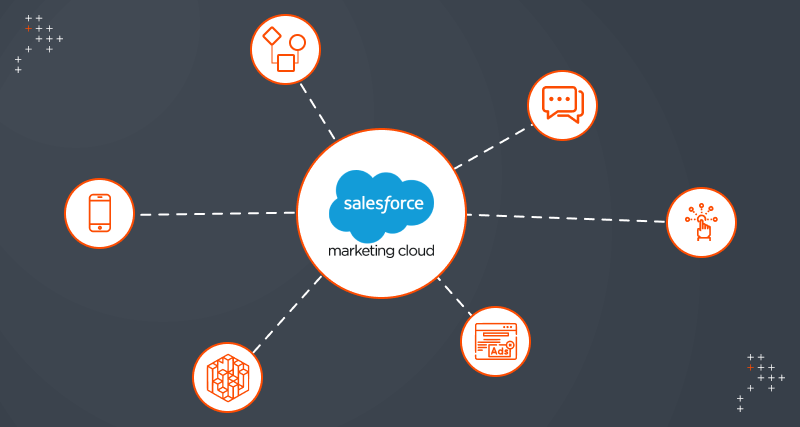
Salesforce Marketing Cloud is enterprise-grade omnichannel marketing software that orchestrates personalized customer journeys across email, mobile, social, web, and advertising from one platform.
It connects directly with Salesforce CRM to give you a complete customer view and uses Einstein AI to automate complex, behavior-based campaigns in real time.
Key Features
- Journey Builder visually maps and automates multi-step customer paths across all channels based on real-time behavior.
- Unified customer data platform creates one "golden record" by connecting sales, service, and marketing systems.
- Email & Mobile Studio sends personalized messages across email, SMS, and push notifications at scale.
- Social & Advertising Studio manages social engagement and syncs first-party data for targeted ads on Meta and Google.
- Einstein AI and Agentforce deliver predictive intelligence, send-time optimization, and autonomous interactions.
- Personalization Studio shows dynamic website content and product recommendations based on individual behavior.
- Cross-channel analytics dashboard tracks campaign performance and ROI across every touchpoint.
Best For: Enterprise omnichannel marketing and sophisticated customer journey orchestration for large B2B and B2C teams.
Pricing
- Starter packages: $25-$100/user/month for limited functionality
- Standard plans: Start around $1,500/month per organization
- Enterprise/Premium: Tens to hundreds of thousands annually for full AI and data capabilities.
4. Netcore
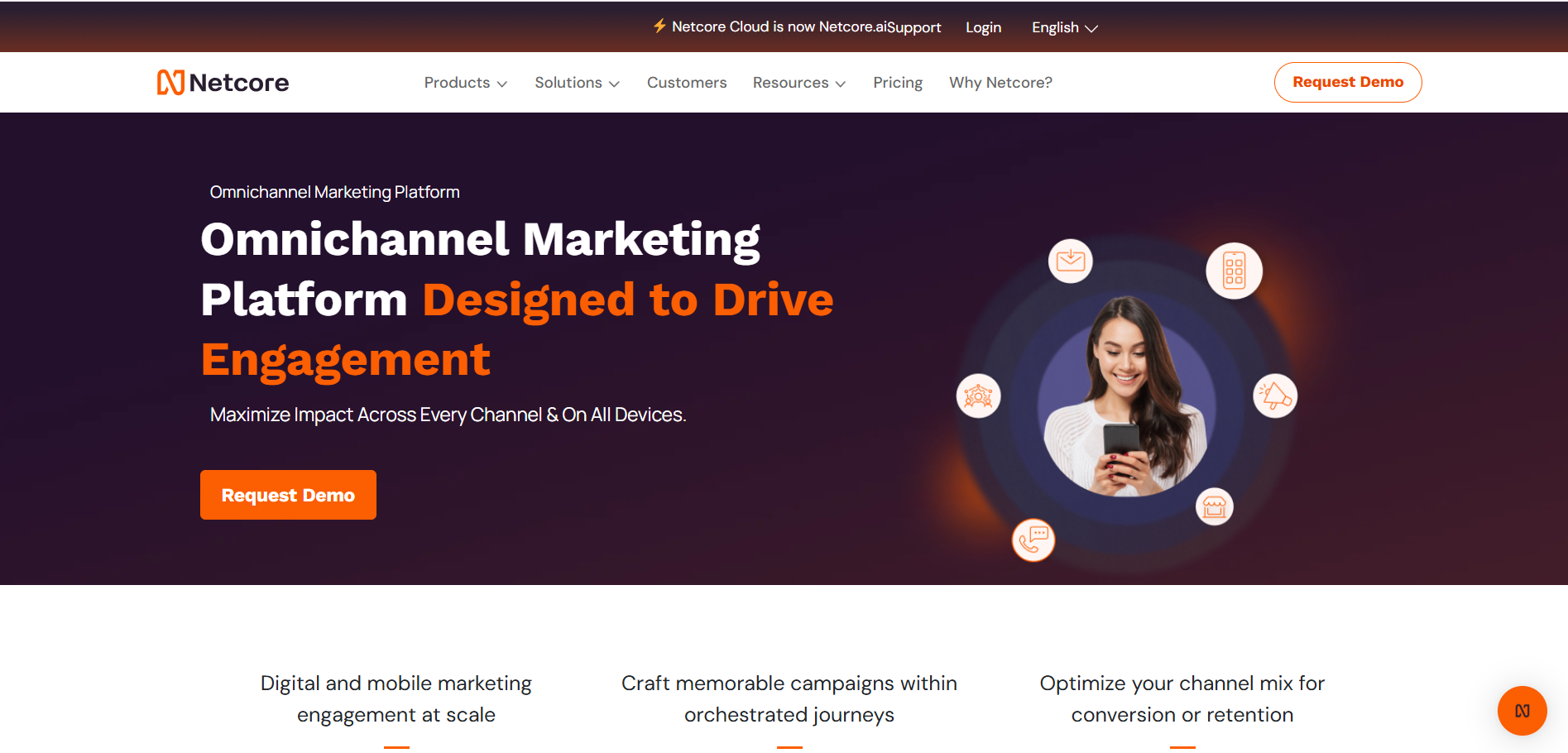
Netcore is an agentic omnichannel marketing platform built specifically for high-growth consumer brands and enterprise teams.
As omnichannel marketing software, it unifies behavioral data across your website, app, and offline channels to orchestrate real-time, personalized journeys across email, SMS, WhatsApp, and push notifications, leveraging predictive AI to maximize conversions and reduce customer churn.
Key Features
- Combines interactions and purchase history into single profiles.
- Orchestrates automated campaigns across email, SMS, and WhatsApp.
- Lets customers buy and browse directly inside inbox emails.
- Forecasts customer churn and predicts lifetime value.
- Delivers enterprise-grade sending infrastructure for maximum inbox placement.
Best For: Omnichannel marketing for mid-market and enterprise brands prioritizing predictive AI, interactive messaging, and high-volume email deliverability.
Pricing
- Custom quote-based pricing (no public rates)
- Based on messaging volume, active users, and platform modules selected
- Enterprise-focused with dedicated onboarding and support
- No free tier or self-service pricing available
5. Marketo (Adobe Marketo Engage)
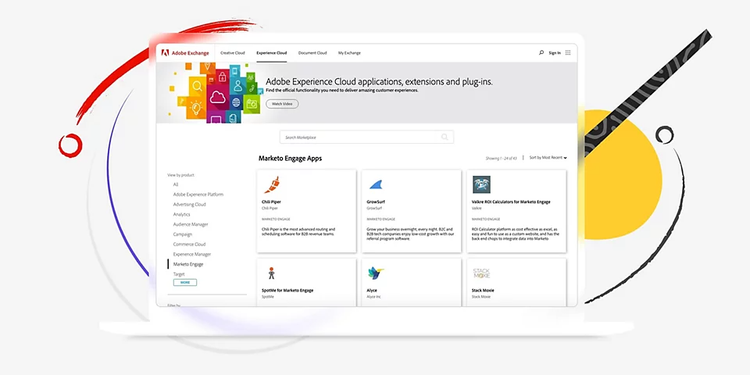
Marketo is Adobe's enterprise-grade marketing automation platform built specifically for B2B teams running complex, multi-touch campaigns.
As omnichannel marketing software, it orchestrates personalized journeys across email, web, mobile, social, and digital ads while keeping marketing and sales aligned through deep CRM integration.
Key Features
- Centralized campaign hub manages and executes cross-channel campaigns from one platform.
- Real-time behavioral tracking captures engagement signals across all channels to build unified customer profiles.
- AI-powered personalization uses Adobe Sensei to dynamically adjust content, messaging, and timing based on behavior.
- Automated nurture flows deploy sophisticated multi-step journeys that adapt to customer responses.
- Deep CRM integration with Salesforce and Dynamics provides 360-degree customer visibility for sales and marketing.
- Dynamic Chat engages buyers in real-time on websites and social media.
- Marketo Measure tracks multi-touch attribution across all online and offline channels for true ROI visibility.
Best For: B2B omnichannel marketing automation at scale for enterprise teams with complex nurture sequences and long sales cycles.
Pricing
- Tiered by database size and features (Select, Prime, Ultimate, Enterprise)
- Starts around $1,000+/month
- High-end enterprise setups: $40K-$200K+ annually
- No free version available
6. ActiveCampaign
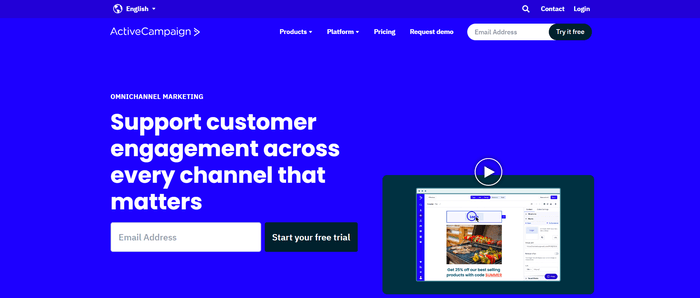
ActiveCampaign is an AI-powered customer experience platform that connects email, SMS, WhatsApp, social media, and website messaging into unified customer journeys.
As omnichannel software for SMBs and mid-market teams, it offers 950+ integrations to centralize your marketing stack without enterprise-level complexity or cost.
Key Features
- Unified automation builder creates cross-channel workflows triggered by customer behavior across email, SMS, and site messaging.
- Integrated CRM tracks customer interactions, deals, and pipelines to align sales and marketing teams.
- Behavioral targeting tracks website visits and clicks to trigger personalized follow-ups automatically.
- Advanced segmentation divides audiences by demographics, engagement, and purchase history for precise targeting.
- AI-powered optimization includes predictive sending, content generation, and smart segmentation.
- E-commerce integration syncs with Shopify and WooCommerce for automated abandoned cart recovery and retargeting.
Best For: SMB and mid-market omnichannel marketing software for teams that need enterprise automation features without the enterprise price tag.
Pricing
- Starter: $15-$29/month for basic automation
- Plus/Pro: Mid-tier plans add SMS, CRM, and advanced omnichannel tools
- Enterprise: Full automation with unlimited users and dedicated support
- 14-day free trial (no permanent free plan)
7. Iterable
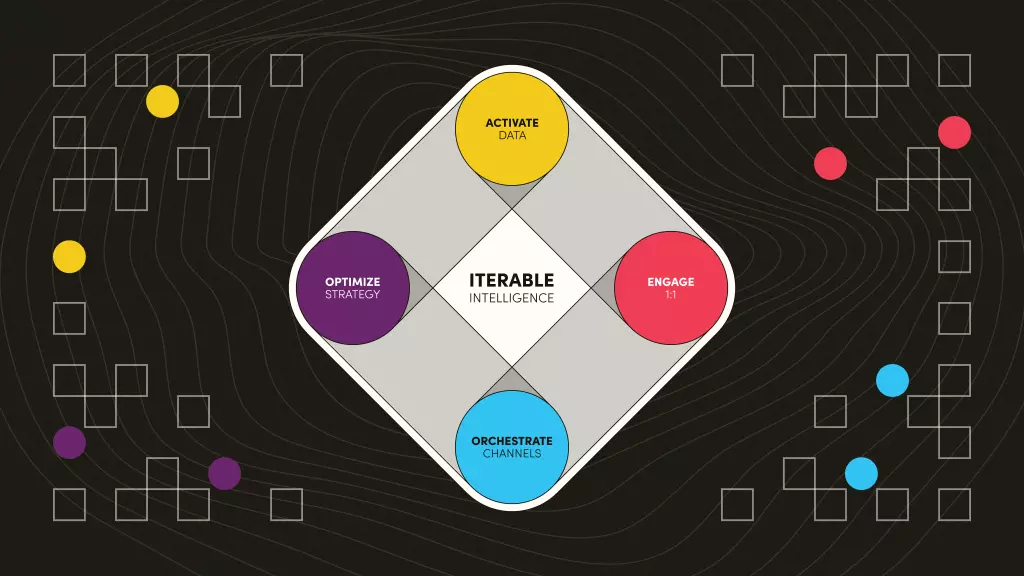
Iterable is an AI-powered marketing platform that orchestrates personalized customer journeys across email, SMS, push notifications, in-app messaging, and web channels.
As omnichannel marketing software, it unifies data from multiple sources to deliver real-time, consistent messaging without needing engineering support, making it a favorite for high-growth brands like DoorDash, Zillow, and Spotify.
Key Features
- Unified cross-channel orchestration manages and synchronizes campaigns across email, SMS, push, and web from one platform.
- Workflow Studio provides drag-and-drop journey builder for complex, multi-stage campaigns without coding.
- Real-time data personalization delivers dynamic content based on live user behavior and interactions.
- Advanced segmentation targets audiences precisely using behavioral, demographic, and profile data.
- Iterable AI Suite optimizes send times, channel selection, and message content automatically for maximum engagement.
- Robust API and integrations connect with CRMs, data warehouses, and platforms like Shopify to unify customer profiles.
Best For: Cross-channel customer engagement and lifecycle messaging for high-growth companies managing complex customer journeys.
Pricing
- Usage-based model (not fixed tiers) based on message volume and user profiles.
- Enterprise-focused with annual contracts typically $50K-$200K+.
- Custom pricing based on scale and features needed.
8. Klaviyo
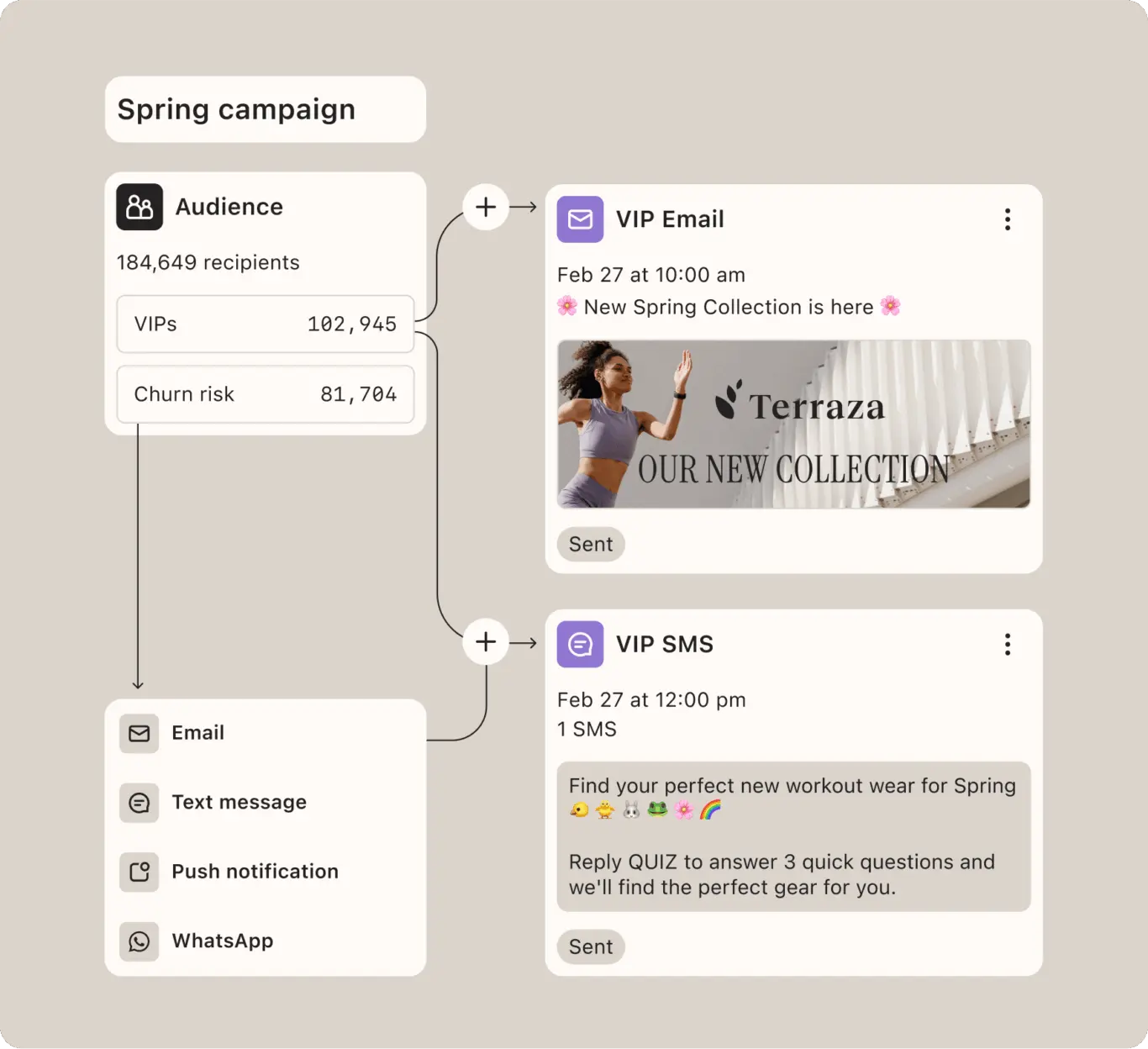
Klaviyo is a B2C CRM and marketing automation platform built specifically for ecommerce brands.
As omnichannel marketing software, it unifies customer data from your website, email, SMS, and in-store POS into real-time profiles, then orchestrates personalized campaigns across channels using AI-powered insights to drive conversions and customer loyalty.
Key Features
- Unified customer profiles consolidate behavioral data, purchase history, and interactions into one 360-degree view.
- Omnichannel campaign builder creates and coordinates campaigns across email, SMS, WhatsApp, and push notifications from one interface.
- AI-powered channel affinity learns customer preferences in real-time to route messages through their preferred channels.
- Native two-way messaging supports conversational SMS, WhatsApp, and RCS for interactive customer communication.
- Multi-touch attribution tracks how different channels contribute to revenue beyond last-click models.
- Predictive analytics forecasts customer lifetime value, churn risk, and next purchase date to personalize outreach timing.
Best For: Omnichannel marketing for ecommerce-focused brands with deep Shopify integration and revenue-focused automation.
Pricing
- Free: Up to 250 profiles with 500 emails and 150 SMS credits
- Email-only: Starts at $20/month for 500 profiles
- Email + SMS: $20-$35/month with included SMS credits
- Usage-based pricing scales with contact count and SMS volume
9. Braze
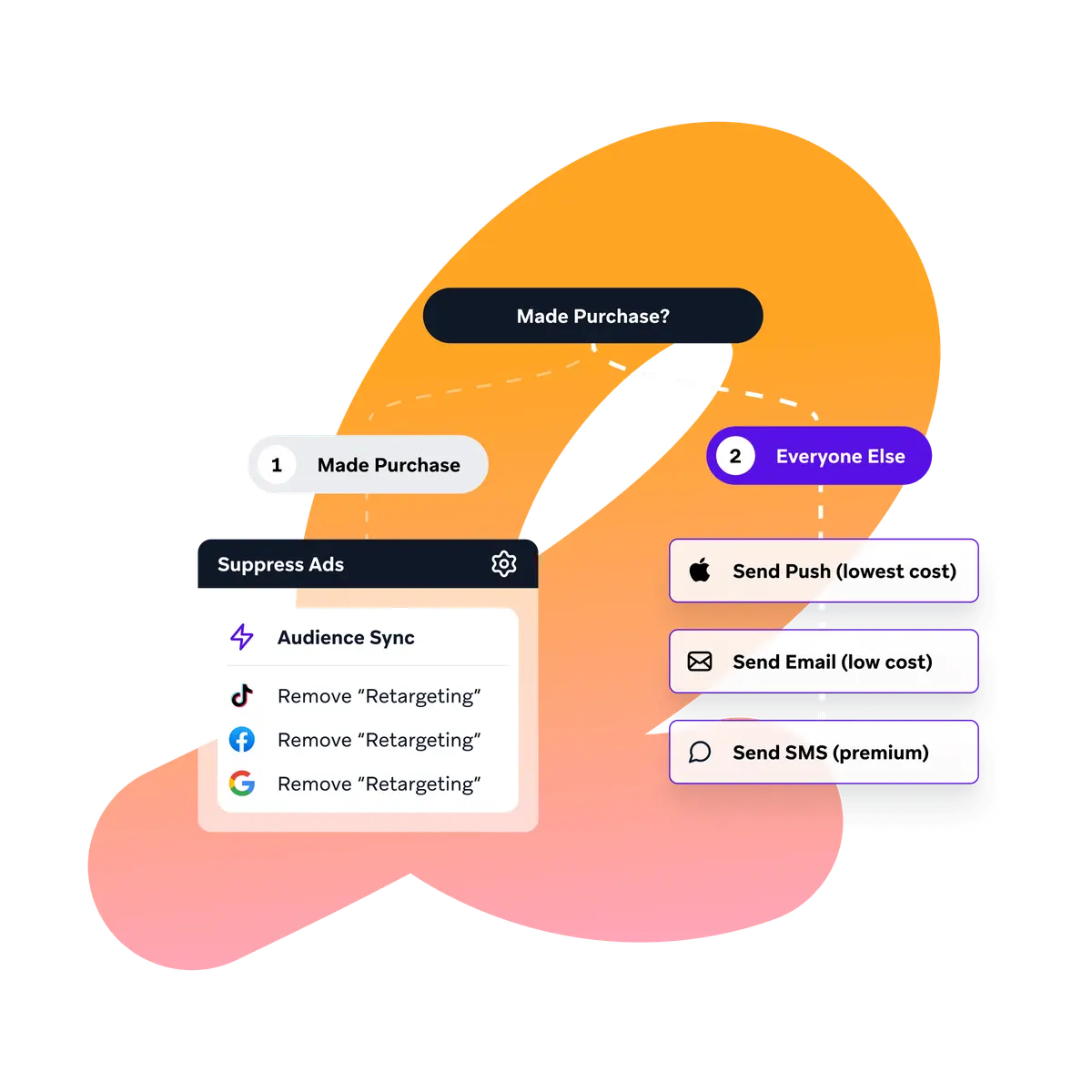
Braze is an enterprise-grade customer engagement platform built with a mobile-first approach for product-led companies.
As omnichannel software, it acts as a centralized hub for real-time, behavior-based messaging across email, SMS, push notifications, in-app messages, and web, powering personalized experiences for B2C brands like Burger King, HBO, and KFC.
Key Features
- Unified customer view integrates data from multiple sources into one actionable profile for real-time segmentation.
- Canvas orchestration provides drag-and-drop journey builder for complex multi-channel customer flows.
- Cross-channel messaging delivers consistent communication across email, SMS, push, in-app, Content Cards, and web.
- Real-time data streaming (Currents) processes customer behavior instantly to trigger campaigns at the moment of interaction.
- BrazeAI predicts user behavior, optimizes send times, and personalizes content at 1:1 scale.
- Connected Content pulls live data from external APIs directly into messages for extreme personalization.
- Built-in A/B/n testing experiments with channels, content, and journeys within the workflow.
Best For: Mobile-first and product-led omnichannel marketing software for consumer apps and brands prioritizing real-time engagement.
Pricing
- Custom quote-based pricing (no public rates)
- Based on Monthly Tracked Users (MTUs) and platform edition
- Enterprise-focused: typically $60K-$200K+ annually depending on scale
- No free tier or self-service pricing
10. Outreach
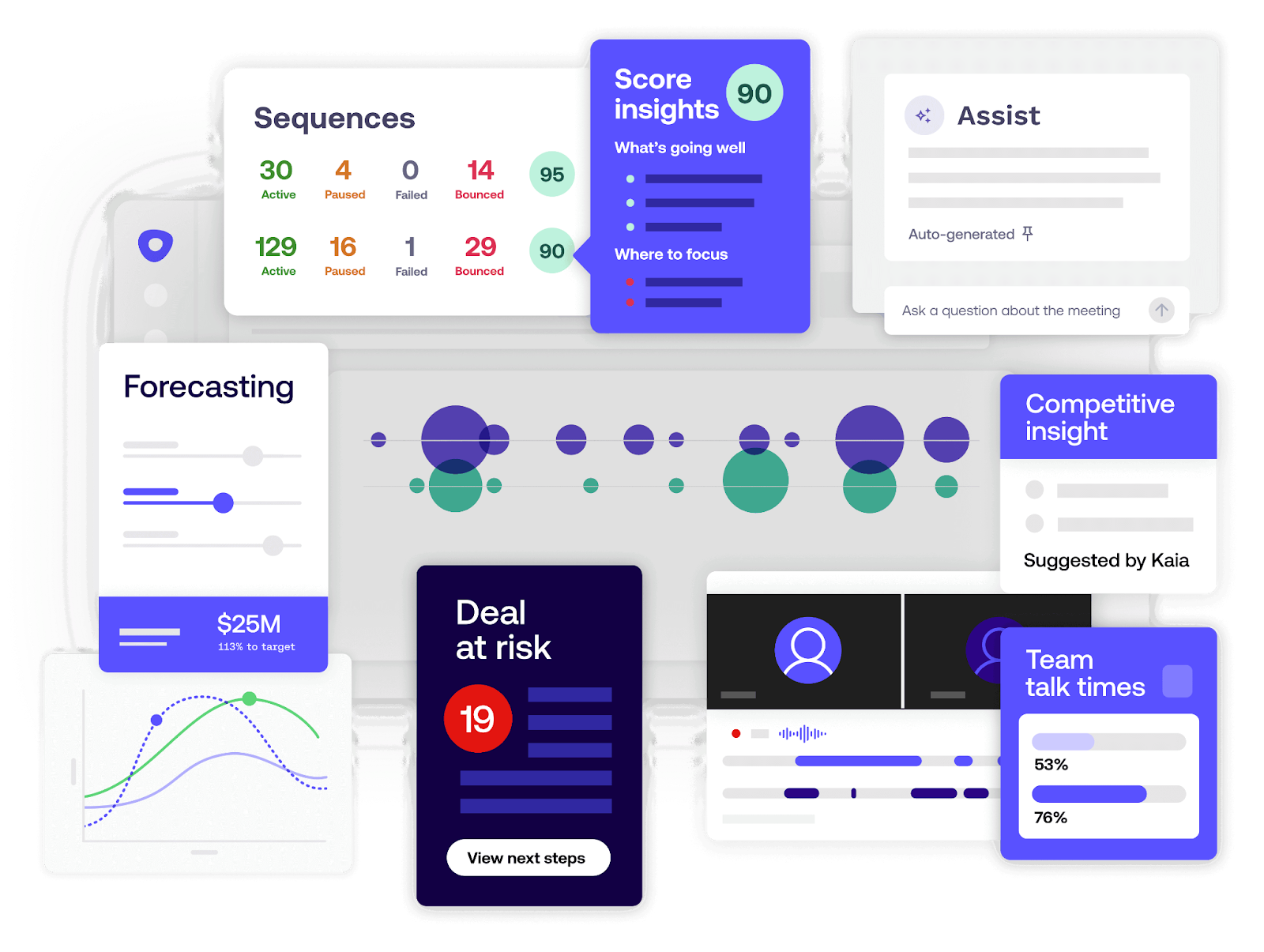
Outreach is an AI-powered sales execution platform that unifies sales engagement, conversation intelligence, and deal management into one system.
As omnichannel sales software, it orchestrates coordinated outreach across email, phone, and social media, helping B2B sales teams with over 5,500 customers accelerate pipeline growth through data-driven workflows.
Key Features
- Multichannel sequences create blended cadences combining automated email, manual emails, voice calls, and social tasks.
- Unified inbox centralizes interactions from email, calls, and LinkedIn into one interface for seamless communication management.
- Native built-in dialer provides power-dialing capabilities with automatic call recording and logging.
- LinkedIn integration supports connection requests and InMail steps directly within sequences.
- AI-powered conversation intelligence (Kaia) records, transcribes, and analyzes meetings to surface insights and action items.
- Seamless CRM sync offers bidirectional integration with Salesforce, HubSpot, and Microsoft Dynamics.
- Out-of-office detection automatically pauses sequences when prospects are away and resumes when they return.
Best For: Omnichannel sales software and SDR workflows for enterprise B2B teams managing high-volume outbound at scale.
Pricing
- Per-user annual contracts only (no month-to-month)
- Estimated $100-$160+ per user/month
- Additional one-time setup fees: $1K-$8K+
- No public pricing or free tier
11. Salesloft
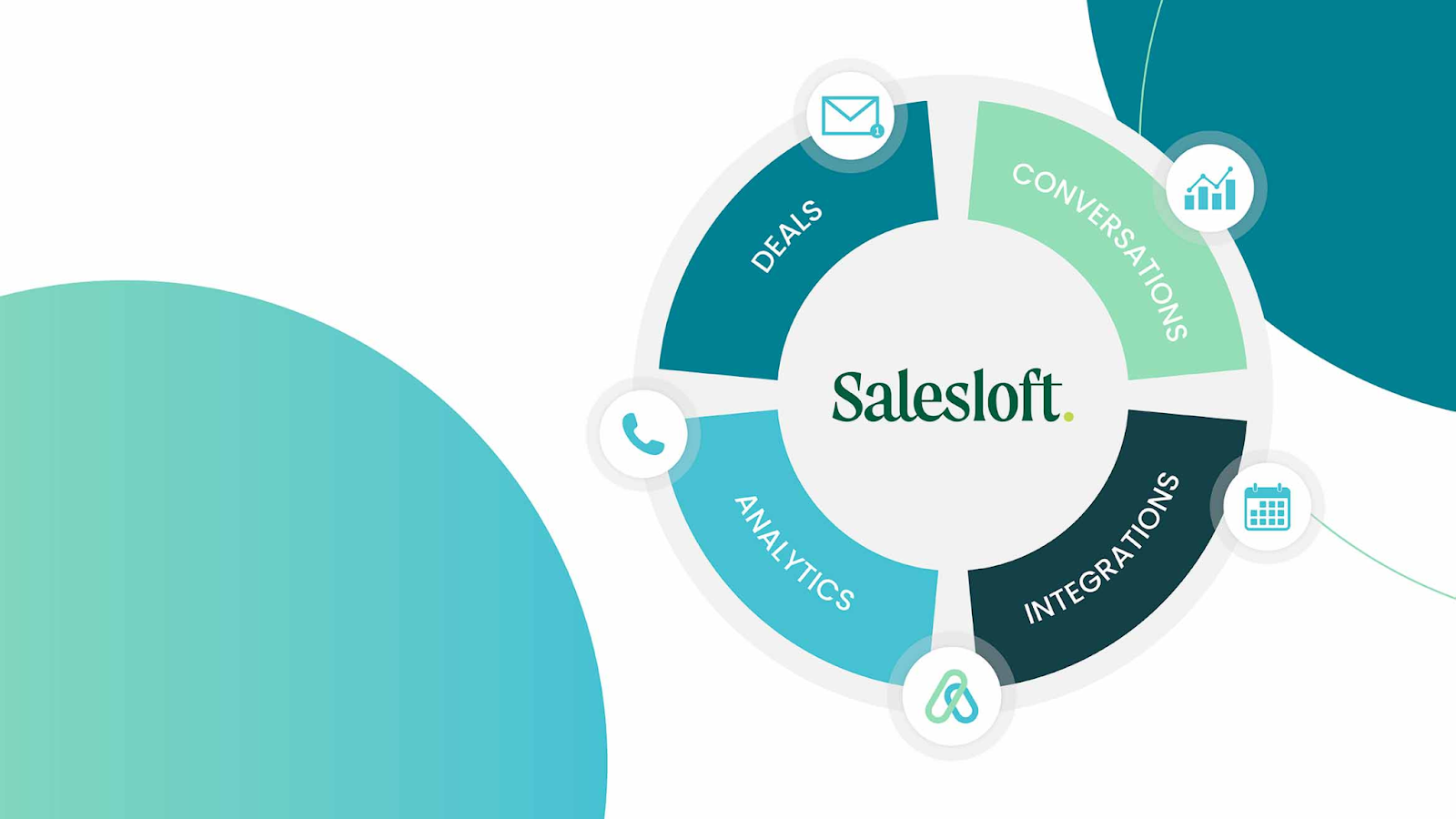
Salesloft is an AI-powered revenue orchestration platform that streamlines the entire sales process from prospecting to renewal.
As omnichannel sales software, it centralizes communication across email, phone, social media, and video into cohesive buyer experiences, with deep CRM integration and AI guidance to prioritize the highest-value actions for B2B sales teams.
Key Features
- Unified cadences automate and track multi-channel outreach across email, calls, social, and video in single workflows.
- Integrated dialer offers one-click browser-based or mobile calling with local presence and automatic activity logging.
- Conversations AI records, transcribes, and analyzes virtual meetings and calls to provide coaching insights across channels.
- Social and video integration enables direct engagement through LinkedIn Sales Navigator and personalized video messaging.
- Comprehensive CRM sync bidirectionally syncs all activity with Salesforce, HubSpot, and Microsoft Dynamics for data consistency.
- Rhythm AI engine prioritizes seller actions based on real-time buyer signals across all channels, not just task order.
Best For: Omnichannel sales execution and pipeline acceleration for enterprise B2B teams focused on revenue orchestration.
Pricing
- Tiered plans (Advanced, Premier) require custom quotes
- Estimated $125-$165 per user/month
- Additional costs for dialer usage and high-volume contracts
- Enterprise-focused with multi-year commitments
More Tools: Best GTM Tools to Accelerate Your Growth
Best Omnichannel Customer Support Software
The platforms above focus on marketing automation and sales engagement. If your primary need is managing customer conversations after the deal closes, a different category of omnichannel software applies.
Omnichannel customer support software unifies email, live chat, phone, social DMs, and WhatsApp into one agent workspace so your support team sees the full conversation history regardless of how the customer reached out. The key difference from marketing platforms: these are built around tickets, agent queues, and SLAs rather than campaigns and sequences.
Here are the three most widely used platforms in this category:
Zendesk
Zendesk is the largest omnichannel customer support platform on the market, serving 100,000+ customers. It handles email, live chat, voice, social media, WhatsApp, and SMS from a unified agent workspace with over 1,300 integrations.
Best For: Mid-market and enterprise teams that need deep integration coverage, complex routing logic, and robust compliance certifications (SOC 2, GDPR, HIPAA).
What It Does Well: The ticket automation engine is the most mature in the category. Its reporting suite tracks agent performance and SLAs across every channel from a single dashboard.
Tradeoff: Per-seat pricing compounds at scale. A 100-agent team on the Suite Professional plan crosses $20K/month before AI add-ons. Teams frequently outgrow the value at the 50-to-100 agent mark and switch to alternatives.
Pricing: Suite Team from $19/agent/month. Suite Professional from $55/agent/month. AI Copilot add-on at $50/agent/month.
Intercom
Intercom pioneered in-product messaging and remains the default choice for SaaS companies where support happens inside the product. Its Fin AI chatbot resolves conversations and executes workflows rather than just routing them — widely regarded as the strongest AI support agent in the category.
Best For: Product-led SaaS companies where in-app messaging, AI deflection, and proactive customer onboarding are the primary goals.
What It Does Well: Fin AI handles autonomous resolution, not just deflection. Strong product tour and onboarding sequences reduce inbound support volume before it hits the queue.
Tradeoff: Fin AI is priced at $0.99 per resolution. As AI deflection scales, monthly costs can triple in the first few months. Best modeled carefully before committing.
Pricing: Base access from $29/month. Fin AI at $0.99 per resolved conversation. 12-month contracts standard.
Gorgias
Gorgias has the highest G2 rating in the customer support category (4.6/5 across 540+ reviews) and is purpose-built for ecommerce. Agents can manage refunds, update shipping status, and edit orders directly inside the helpdesk without switching to a separate system.
Best For: Ecommerce brands on Shopify or BigCommerce where the majority of support volume is order-related and workflow automation beats broad CRM integration.
What It Does Well: Native Shopify and BigCommerce integrations let AI handle order status, return initiation, and shipping updates without human intervention. Ticket-based pricing (not per-seat) works well for brands with many part-time agents.
Tradeoff: Not designed for B2B workflows or complex enterprise routing. Knowledge base and reporting lag behind Zendesk at similar price points.
Pricing: Starter from $40/month (50 tickets). Basic from $90/month (300 tickets). Pro from $550/month (2,000 tickets).
Note: Freshworks (Freshdesk Omni), covered above in the main list, is also a strong mid-market option for omnichannel customer support — particularly for teams that want Zendesk-level features at a lower entry price.
Best Omnichannel Advertising Software
Omnichannel advertising means your paid campaigns know what happened on your other channels — and adjust accordingly. If a prospect replied to your LinkedIn message, your retargeting ad shouldn't serve them a cold intro ad two hours later. If a prospect visited your pricing page, your next email sequence should know that too.
Most of the platforms listed above (HubSpot, Salesforce Marketing Cloud, Marketo) include ad management as part of their omnichannel stack. But B2B teams also use dedicated advertising coordination tools to manage paid channels across the full funnel:
LinkedIn Campaign Manager is the most important paid channel for B2B advertising. It supports Sponsored Content, Message Ads, and Dynamic Ads with account-level targeting by company size, industry, job title, and seniority. When connected to your CRM, LinkedIn Matched Audiences let you serve ads specifically to your outreach prospect lists — making it a natural complement to LinkedIn outreach sequences.
Google Ads handles bottom-funnel capture for prospects who are already searching. Branded terms, competitor terms, and solution-aware queries ("best omnichannel software for B2B") convert at higher rates than cold paid social when the prospect is actively evaluating.
Meta Ads (Facebook/Instagram) work best for retargeting audiences that have already engaged with your brand across other channels. Pixel data combined with a CRM list upload creates a warm retargeting pool that performs significantly better than cold prospecting.
ABM advertising platforms — including RollWorks, Demandbase, and 6sense — take omnichannel advertising further by serving coordinated ads to target accounts across channels (LinkedIn, display, Google) while syncing engagement signals back to your CRM and sales team in real time. These are most relevant for enterprise B2B teams running account-based programs with named account lists.
The common thread: advertising works best when it's timed to what's already happening in your other channels. An SDR sends a LinkedIn message on Monday. A retargeting ad from the same company appears on Tuesday. A follow-up email lands Wednesday. That's coordinated omnichannel, not random paid spend.
How to Choose Omnichannel Software for Your Team
The right platform depends on what you're trying to orchestrate — marketing, sales, support, or all three — and on your team size, budget, and existing stack.
By primary use case:
If your biggest need is marketing automation and lead nurture across email, ads, and social — HubSpot, ActiveCampaign, or Marketo depending on your scale and budget. HubSpot works for most SMB and mid-market teams. Marketo is built for complex, multi-touch B2B nurture programs. ActiveCampaign sits in the middle at a price point both can justify.
If your biggest need is outbound sales — coordinating email, LinkedIn, and phone outreach across a list of target accounts — Outreach or Salesloft are purpose-built for that motion. These are not marketing platforms. They're built for SDR workflows, high-volume sequencing, and pipeline acceleration.
If your biggest need is customer support — managing conversations across email, chat, phone, and social after the deal closes — Freshworks, Zendesk, or Intercom are the right categories. Choose Freshworks for mid-market value, Zendesk for enterprise depth, Intercom for SaaS teams with strong AI deflection needs.
If your biggest need is unified CRM data across all channels — Salesforce Marketing Cloud or HubSpot, depending on whether you're already in the Salesforce ecosystem.
By team size:
- Under 10 people: HubSpot free tier, ActiveCampaign Starter, or Freshworks Growth. These don't require a dedicated admin to configure.
- 10 to 50 people: HubSpot Professional, ActiveCampaign Plus, or Freshworks Pro. This range benefits most from omnichannel automation but needs to watch per-seat costs.
- 50+ people: Salesforce Marketing Cloud, Marketo, or Zendesk Enterprise. At this scale, routing logic, attribution, and enterprise security become differentiators.
The question most teams skip: Who owns execution? Buying the platform is step one. Building the sequences, writing the copy, maintaining the lists, and interpreting the attribution data is the work. Most omnichannel software implementations underperform because the strategy and execution side wasn't staffed when the platform was purchased.
Omnichannel Software vs Omnichannel Strategy
The truth most vendors won't tell you: omnichannel sales software doesn't automatically create an omnichannel strategy. The tools just give you the ability to execute one.
Software Enables, Strategy Defines
You can buy the most expensive platform on this list and still get zero results if you don't know who you're targeting, what you're saying, or when to say it. Omnichannel software is the vehicle, but you still need to know where you're driving.

Tools Don't Replace Fundamentals
Before you spend thousands on software, make sure you have:
- Clear ICP and buyer personas
- Messaging that actually resonates with your target accounts
- Channel sequencing based on buyer behavior, not guesswork
- Content tailored to each channel's context
No platform can fix unclear positioning or generic messaging. The best omnichannel sales software in the world won't book meetings if your outreach sounds like everyone else's.
The Biggest Mistake We See
Companies buy expensive tools, integrate them with their CRM, then realize nobody owns the actual execution. The software sits there with default templates and half-built sequences because the team doesn't have the bandwidth or expertise to run coordinated campaigns.
Buying the tool is easy. Running effective omnichannel campaigns consistently is the hard part.
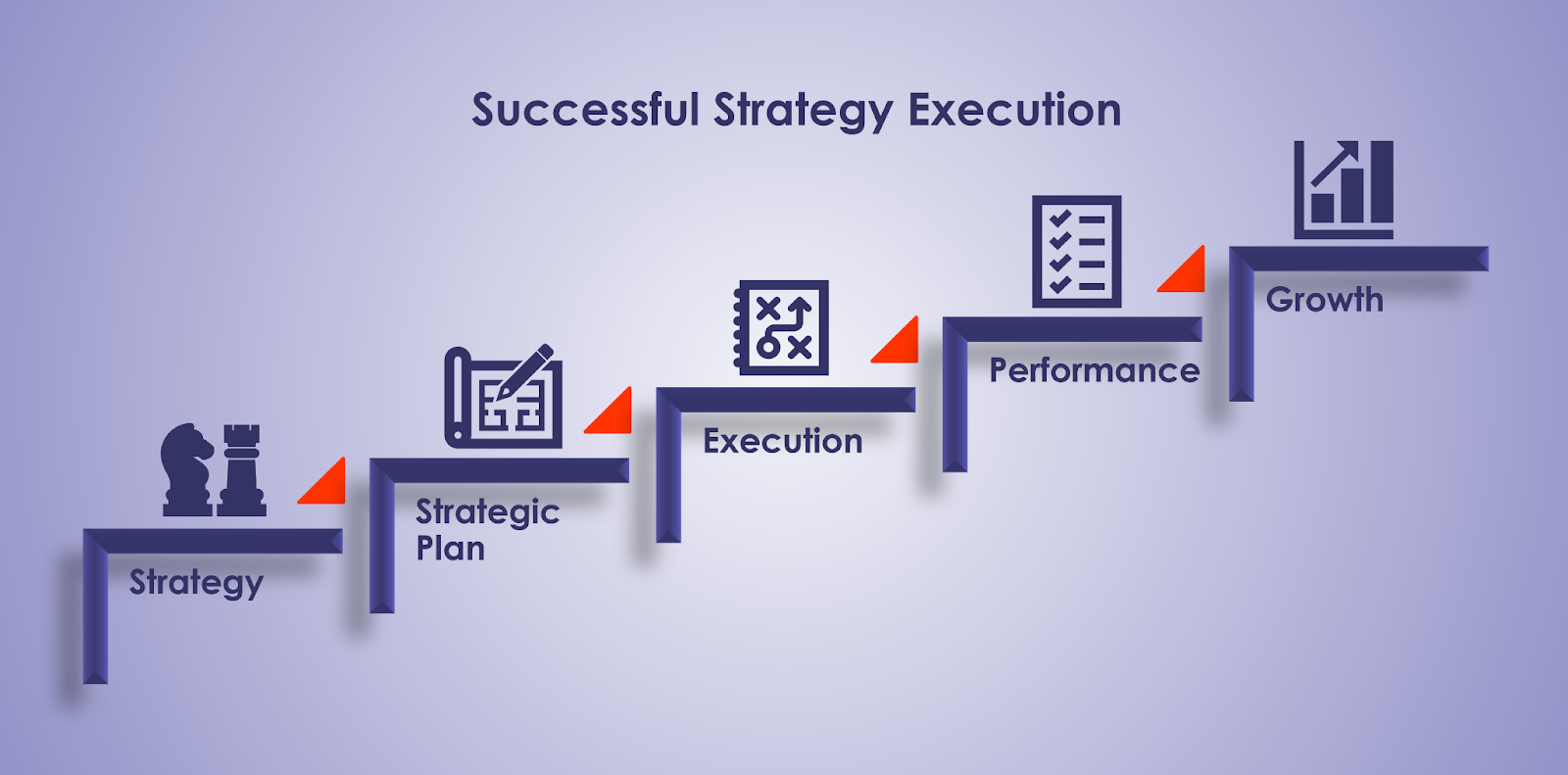
Orchestration Beats Channel Count
Having email, LinkedIn, phone, SMS, and ads doesn't make you omnichannel. It just makes you multichannel and probably annoying.
Real omnichannel means your channels work together:
- Your email references the LinkedIn message they ignored.
- Your call comes after they've engaged with content, not randomly.
- Your retargeting ad shows up after they've visited your pricing page.
- Each touchpoint builds on the last instead of repeating the same pitch.
That's orchestration. And it requires strategy, not just software.
How Cleverly Turns Omnichannel Outreach into B2B Pipeline
We're not omnichannel software. We're your omnichannel execution partner.
The Difference?
Tools give you dashboards. We give you qualified conversations.
How We Execute Omnichannel for B2B
We don't just connect channels. We orchestrate them at the account level:
- LinkedIn outreach that starts conversations with decision-makers
- Cold email sequences timed around LinkedIn engagement
- Cold calling that follows up on warm signals, not cold lists

What Makes Cleverly Different
Most platforms focus on automation and analytics. We focus on what actually matters: getting your team on calls with qualified buyers.
- Account-level orchestration, not spray-and-pray.
- Message sequencing that adapts based on engagement.
- Real appointments with decision-makers, not vanity metrics.
Our Track Record
We've helped 10,000+ B2B companies generate $312 million in pipeline revenue. Not through better software, but through better execution across LinkedIn, email, and phone.
The Setup
- LinkedIn lead gen starts at $397/month.
- Cold email is pay-per-meeting-ready-lead (you only pay for results).
- Cold calling includes a trained SDR, scripts, data, and power dialer with guaranteed appointments.
No dashboards to learn. No campaigns to build. Just qualified pipeline flowing into your calendar.
Ready to turn omnichannel into actual revenue?
Book a strategy call and we'll show you exactly how we'd orchestrate outreach for your ICP across all three channels.
Conclusion
The best omnichannel software for your team depends entirely on your go-to-market motion. Enterprise teams with complex buyer journeys need different tools than fast-moving SMBs running high-volume outbound.
But here's what matters more than the platform you choose: execution.
Tools don't book meetings. Coordinated strategy does. B2B teams win when their channels, messaging, and follow-up actually work together instead of competing for the same prospect's attention.
Omnichannel software gives you the infrastructure. A clear outbound strategy tells you what to build on it. And consistent execution is what turns that infrastructure into pipeline.
Pick the tool that fits your motion. Then focus on running it well. That's where revenue happens.
Frequently Asked Questions
Free Resource
How to Scale a Profitable Cold Call System
Get the complete guide — download it instantly now.
Free Ebook
Download the Free Guide
Enter your details to get instant access.
You're all set! 🎉
Your ebook is downloading now.
Click below if the download didn't start automatically.