Table of Contents
What Is Voice of the Customer?
Why Is Voice of the Customer Important for B2B Sales?
Voice of Customer vs. General Market Research
Where to Collect Voice of Customer Data
Voice of Customer Examples: What VoC Looks Like in Practice
How to Apply VoC Insights to Cold Outreach
Voice of the Customer Best Practices for B2B Sales
Best Voice of Customer Tools for B2B
How Cleverly Applies VoC Insights to B2B Lead Generation
Conclusion
Frequently Asked Questions
Modified On :
July 24, 2026
Key Takeaways
- Generic outreach fails because it's written from your perspective, not the buyer's. Voice of customer research fixes that by putting real buyer language into your messaging.
- The highest-value VoC sources aren't surveys. Win/loss interviews and sales call recordings capture unscripted, unfiltered language you can use almost word for word.
- VoC should shape more than email copy. It belongs in your ICP targeting, objection handling, and persona-specific messaging too.
- Different people in the buying committee describe the same problem in completely different words. A VP, a manager, and a CFO each need their own messaging brief.
- Treat VoC as a continuous input, not a one-time project. The teams pulling ahead in 2026 are running interviews weekly, not annually.
Cold outreach reply rates in 2026 sit around 3% to 5% for most B2B teams, according to Apollo's benchmark research pulling from multiple industry sources. But the gap between that average and the top performers is bigger than most people realize.
Many a time top-quartile B2B senders hit 15% to 25% reply rates, and highly targeted, personalized campaigns pushing as high as 40% to 50%.
That gap almost never comes down to send volume or a clever subject line trick. It comes down to one thing: whether your message sounds like it was written by someone who actually understands the buyer's problem, or by someone guessing at it.
Voice of customer research is how you close that gap. It's the process of capturing the exact words, pain points, and outcomes your buyers use when they describe their own problems, in their own language, not yours.
This guide walks through what VoC actually is, where to find it, how to turn it into outreach that converts, and the tools that make it scalable.
Whether you're running your own campaigns or working with a partner like Cleverly, the principle is the same: the closer your messaging sounds to how your buyer already talks, the more it reads as relevant instead of generic.

What Is Voice of the Customer?
Voice of Customer (VoC) is the systematic process of capturing what your customers and prospects actually say, not what you assume they think. It covers their expectations, their preferences, their pain points, and most importantly, the exact language they use to describe the problem your product or service solves.
In B2B sales, VoC goes well beyond a satisfaction survey. It captures:
- The words buyers use to describe their challenges.
- The outcomes they care about most.
- The objections they raise before they buy.
- The reasons they chose you (or chose someone else).
VoC data shows up in two forms.
- Direct sources include interviews, surveys, and sales calls.
- Indirect sources include review sites, support tickets, community discussions, and social listening.
A practical payoff: when your cold email subject line or opening sentence uses the exact words a buyer already uses to describe their problem, it doesn't read like outreach. It reads like relevance.
🎯 ABM Finds the Right Accounts. We Start the Conversations.
Our LinkedIn, cold email, and cold calling campaigns generate 15–30 qualified meetings every month with your ideal buyers.
Why Is Voice of the Customer Important for B2B Sales?
Generic outreach fails for a predictable reason. It's written from the seller's point of view, leading with product features, company credentials, or broad value statements that don't connect to the specific pain someone is dealing with today.
VoC-informed outreach flips that. It leads with the buyer's problem, in their own words, which makes the message feel specifically relevant instead of mass-produced.
A few things worth knowing:
- Personalization tailored to the recipient can lift response rates by roughly a third compared to generic messaging, and customized subject lines can improve open rates by around 50%
- VoC doesn't just improve individual emails. It shapes your ICP definition, targeting criteria, sequence structure, and objection handling, improving your entire outreach system
- VoC has shifted from a marketing research exercise into an ongoing sales intelligence layer. In 2026, the strongest B2B sales teams treat customer insight as a continuous input, not a once-a-year project.
Voice of Customer vs. General Market Research
These two get confused constantly, but they answer different questions.
Market research tells you about a category: trends, total addressable market, buyer demographics. It's useful for strategy, but it produces messaging that sounds like everyone else's ("B2B teams struggle with lead generation").
Voice of customer tells you what specific buyers think, feel, and say. It produces messaging like this instead: "our sales team was spending 3 hours a day on prospecting and booking 2 meetings a week."
That specificity is the whole point. It's what makes cold outreach read like a peer conversation instead of a vendor pitch.
🚀 Turn Strategy Into Predictable Pipeline
With 53,000+ meetings booked and $312M+ in pipeline generated, Cleverly helps 10,000+ businesses turn ABM and demand gen into real revenue.
Where to Collect Voice of Customer Data
Customer Win/Loss Interviews
Win/loss interviews are the single highest-quality VoC source for B2B sales. Conducted within 30 days of a decision, while recollection is still sharp, they capture exactly why a buyer chose you (or a competitor) in their own words.
Questions worth asking:
- What problem were you trying to solve?
- How did you describe this problem to your leadership team?
- What other options did you consider?
- What almost stopped you from buying?
- What outcome were you most focused on?
That second question is gold. How a buyer explains a problem to their own leadership is nearly identical to how they'd want a cold email to explain it to them.
Pro tip: run 8 to 10 win/loss interviews per quarter, and assign them to a researcher or CS leader who can ask without a sales agenda hanging over the conversation.
Sales Call Recordings and Conversation Intelligence

Every recorded sales call is a VoC goldmine. Buyers articulate pain, priorities, objections, and their own definition of success in real time, with no filter.
Conversation intelligence tools like Gong or Chorus (ZoomInfo) transcribe and analyze these calls automatically, surfacing the most common pain phrases, objections, and competitor mentions across hundreds of conversations.
What to actually mine from these recordings:
- The exact phrases buyers use to describe their problem (direct material for email openers).
- Common early-call objections (material for your objection-handling sequences).
- The outcomes buyers describe as "success" (your value proposition language).
This is the most scalable VoC source available, and most teams running 50+ discovery calls a month are sitting on a pile of it they never extract.
Voice of the Customer Surveys

Structured surveys capture VoC at scale, deployed post-onboarding, at key lifecycle moments, or to churned customers to capture what they wish had been different.
Useful survey types for outreach:
- NPS with open-text follow-up: "what almost made you choose a different solution?"
- Onboarding surveys: "what was the primary problem you hired us to solve?"
- Churn surveys: "what would have made you stay?"
Best practice: segment respondents by revenue contribution and survey your highest-value customers first. Their language most closely reflects the ICP you actually want more of. And survey across hierarchy levels, since a frontline user, a middle manager, and an executive sponsor will describe the same problem in three completely different ways.
Common tools: Typeform, SurveyMonkey, Qualtrics, CustomerGauge (built for B2B account-level NPS), and Refiner (in-app surveys for SaaS).
Review Sites and Community Feedback
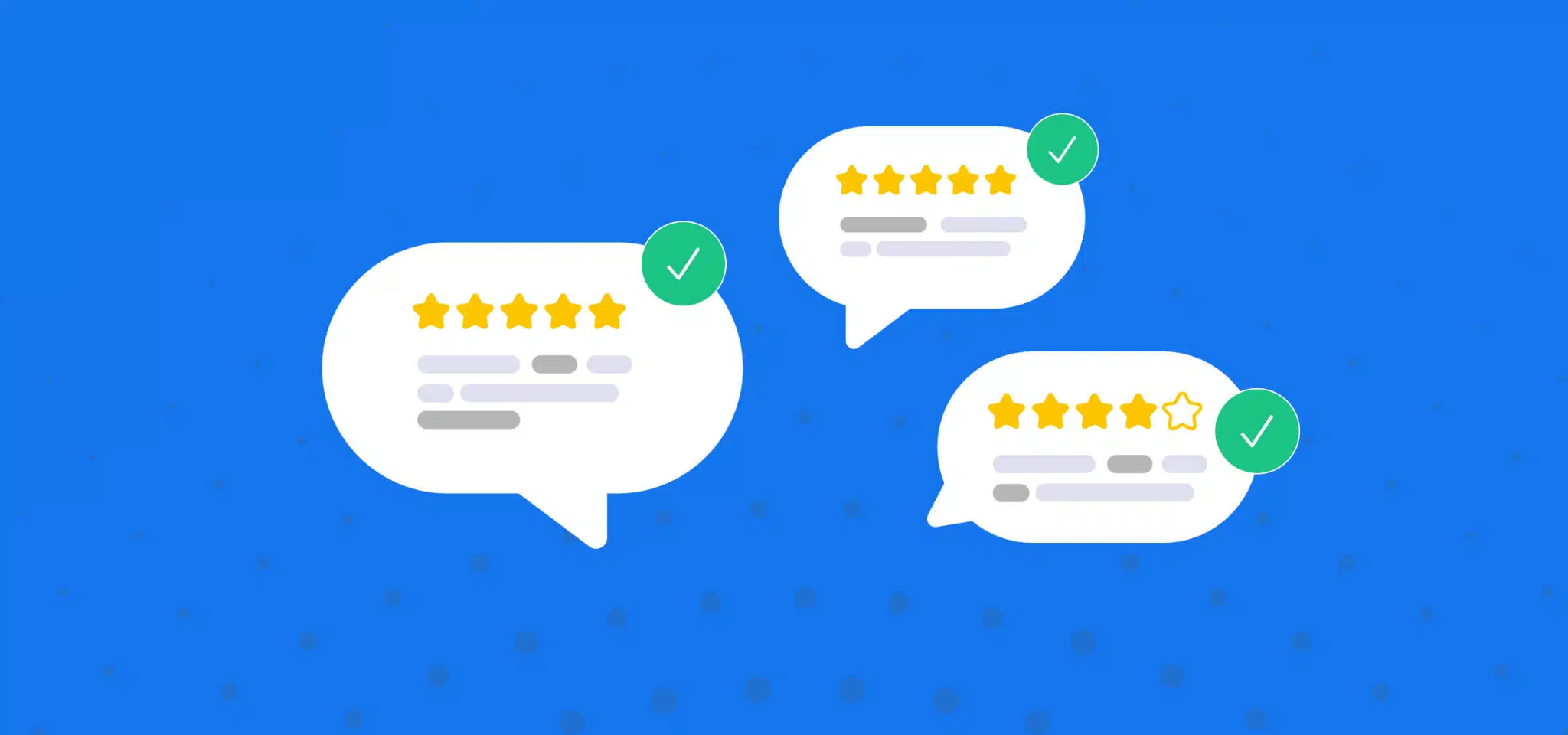
G2, Capterra, and Trustpilot reviews are public VoC. Buyers describe, unprompted, what problem they were solving, what they liked, and what they wish worked differently.
The "what problem were you solving" and "what do you wish it did better" sections of G2 reviews are especially useful, since reviewers write those without any vendor influence.
Also worth monitoring:
- LinkedIn comments and industry Slack groups, where your ICP discusses the problem you solve in organic, peer-to-peer language.
- Competitor reviews, which often reveal unmet needs and frustrations your outreach can directly speak to.
Support Tickets and Customer Success Conversations

Support tickets show how customers describe problems when they're frustrated: unfiltered, specific, and often more revealing than a polished interview answer.
CS conversations, especially during onboarding and renewal, surface what customers value most and how they describe ROI internally.
In 2026, AI tools like BuildBetter.ai and Crescendo.ai automatically analyze CS transcripts and support tickets to synthesize themes across hundreds of conversations, turning data you already have into usable outreach intelligence. Connecting a tool like Zendesk or Intercom to a VoC platform makes this searchable by theme.
Voice of Customer Examples: What VoC Looks Like in Practice
The difference between generic and VoC-informed outreach is easiest to see side by side.
Example 1: Opening line
- Generic: "We help B2B companies improve their sales process."
- VoC-informed: "Most sales leaders I talk to say their SDRs are spending 3 hours a day on research and booking fewer than 5 meetings a week." (Sourced from win/loss interviews)
Example 2: Subject line
- Generic: "Quick question about your sales team."
- VoC-informed: "How [similar company] cut SDR ramp time by 40%." (Sourced from a customer success story)
Example 3: Value proposition
- Generic: "Our platform streamlines your outbound process."
- VoC-informed: "Teams like yours are cutting prospecting time in half and doubling booked meetings in the first 60 days." (Sourced from onboarding surveys and call recordings)
The pattern across all three: vague category language gets replaced with specific, buyer-verified language. The message reads like it was written for this person, not blasted to a list of ten thousand.
How to Apply VoC Insights to Cold Outreach
Use Customer Language in Subject Lines and Openers
Your subject line and first sentence decide whether the email gets opened and read at all. This is where VoC language has the most immediate payoff.
Pull the sharpest, most specific phrases from win/loss interviews and call recordings, not your paraphrase of them, the buyer's actual words. Test "how we helped [company] book 3x more meetings" against something generic like "quick question." VoC-derived specificity wins consistently.
Key source: the win/loss question "how did you describe this problem to your leadership?" produces language calibrated for busy executives, which is exactly who's receiving your cold email.
Map Pain Points to ICP Targeting Criteria
VoC doesn't just improve messaging. It reveals which pain points correlate with your best, highest-value customers, which should shape your targeting.
If win/loss interviews consistently surface a specific trigger ("we expanded into 3 new markets and our outbound process broke"), build targeting around companies experiencing that trigger right now, not just companies that fit a demographic profile.
That's the combination that actually converts: the right message (VoC) delivered at the right moment (intent signal).
Replace Generic Value Props with Specific Customer Outcomes
"We help you scale your outbound" applies equally to every competitor you have. It's forgettable by design.
VoC-informed value props use specific, customer-verified outcomes instead: "teams like yours book 2 to 3x more meetings in the first 60 days." Specificity also builds credibility. "Increase revenue" gets ignored. "A 40% reduction in SDR ramp time in the first quarter" gets investigated.
Pull this language from onboarding surveys, QBR notes, and win stories, then test variants and track reply rate by version.
Preempt Objections Using Real Objection Language
The objections you hear in cold outreach are predictable. They show up repeatedly in call recordings, win/loss interviews, and support conversations.
Build sequences that get ahead of them. Email 3 might open with, "I know the usual concern with [category] is [objection], here's how a team like yours dealt with it." Using the buyer's own objection language, instead of your paraphrase, makes the preemption feel prescient rather than scripted.
Build an objection library from your conversation intelligence data, tagged by stage: first response, post-demo, pricing conversation.
Build Persona-Specific Messaging Frameworks
Interview buyers at different levels of the hierarchy and you'll notice the same problem gets described in completely different ways:
- VP of Sales: strategic and outcome-focused ("we need pipeline predictability and shorter time-to-close")
- SDR Manager: operational and day-to-day ("my reps spend more time on admin than selling")
- CFO: financial and risk-focused ("I need CAC to come down before I approve more headcount")
Build a separate messaging brief for each persona in the buying committee. Same product, same outcome, completely different framing, all pulled from VoC research at each level.
Voice of the Customer Best Practices for B2B Sales
A few principles that separate teams who get real value from VoC from teams collecting data that never gets used:
- Make it continuous, not quarterly. VoC collected once a year goes stale fast. Build a cadence: 1-2 interviews a week, automated survey triggers at lifecycle moments, regular call recording reviews.
- Prioritize high-value customers first. Segment by ACV and start with your highest-revenue accounts. Their language reflects the ICP you actually want more of.
- Keep collection separate from sales. Buyers open up more to a neutral researcher or CS leader than to the rep trying to sell them something.
- Tag and organize by theme. A shared library in Notion, Airtable, or a dedicated VoC platform, with pain points, objections, and outcome language tagged and searchable, is what makes this usable across sales and marketing.
- Close the loop with product. Anything VoC reveals about unmet needs should flow to your product team. It improves retention and keeps your outreach honest about what the product actually delivers.
- Measure the impact. Track reply rate and meeting rate before and after applying VoC-derived messaging. The delta is how you build a case for investing more in the program.
Best Voice of Customer Tools for B2B
How Cleverly Applies VoC Insights to B2B Lead Generation
Knowing what your customers say is only half the equation. The other half is getting that language in front of the right prospects, at scale, across the right channels, which is where most teams run out of time or bandwidth.
Cleverly runs LinkedIn outreach, cold email, and cold calling for B2B companies, and campaign performance tracks closely with how well the messaging reflects real buyer language instead of generic value props.
When clients share VoC data, whether that's win/loss insights, pain point phrases, or customer outcome stories, our team builds it directly into outreach copy, replacing category-level statements with the specific language that actually converts.

That's part of how we've generated $312M in pipeline and $51.2M in closed revenue across 10,000+ clients: not through higher send volume, but through messaging that leads with the exact pain points your best customers already describe, speaks to the outcomes they achieved, and gets ahead of the objections your sales team hears every week.
If you're sitting on VoC data you haven't put into outreach yet, a strategy call is the fastest way to see what it looks like in a live campaign.
Book a strategy call here
Conclusion
The gap between a 2% reply rate and a 20% reply rate is almost always a messaging gap, and VoC research is the most reliable way to close it. Win/loss interviews, call recordings, surveys, review sites, and support tickets each surface a different flavor of buyer language, and each improves a different part of your outreach system.
The bigger shift in 2026 is that VoC has stopped being a quarterly research exercise. It's now a continuous intelligence layer feeding your copy, your targeting, your objection handling, and your persona messaging in real time.
Start small: pull 10 win/loss quotes, find the 3 sharpest pain point phrases, and test them in your next sequence. The reply rate will tell you everything you need to know.
Frequently Asked Questions
Free Resource
How to Scale a Profitable Cold Call System
Get the complete guide — download it instantly now.
Free Ebook
Download the Free Guide
Enter your details to get instant access.
You're all set! 🎉
Your ebook is downloading now.
Click below if the download didn't start automatically.