Table of Contents
What Is SPIN Selling?
The SPIN Selling Methodology Explained
SPIN Selling Technique: How to Apply It in Sales Conversations
SPIN Selling Examples
Why SPIN Selling Works in Modern B2B Sales
SPIN Selling vs Traditional Sales Approaches
Common Mistakes When Using SPIN Selling
How to Use SPIN Selling in Outbound Lead Generation
How Cleverly Applies SPIN Selling in B2B Outreach
Conclusion
Frequently Asked Questions
Modified On :
August 14, 2026
Key Takeaways
- SPIN selling is a research-backed consultative framework built on four question types: Situation, Problem, Implication, and Need-Payoff.
- The goal is to understand buyer problems deeply before presenting any solution.
- Implication questions are the most overlooked stage and often the most powerful.
- The SPIN selling technique works across live calls, cold email, and LinkedIn outreach.
- Common mistakes include over-asking situation questions, pitching too early, and ignoring prospect responses.
- Pairing the SPIN selling methodology with structured outbound campaigns significantly improves conversion rates.
Cold pitches are getting ignored more than ever. Modern B2B buyers don't want to be sold to. They want to be understood.
That's where SPIN selling comes in.
It's a proven, research-backed framework that shifts the focus from pitching to asking the right questions. Instead of leading with your product, you lead with curiosity and guide prospects to their own conclusions.
In this guide, we cover:
- What SPIN selling is and where it came from
- How the SPIN selling methodology works, stage by stage
- Real SPIN selling examples you can learn from
- How to apply the SPIN selling technique in B2B outbound sales
Let's get into it.
What Is SPIN Selling?
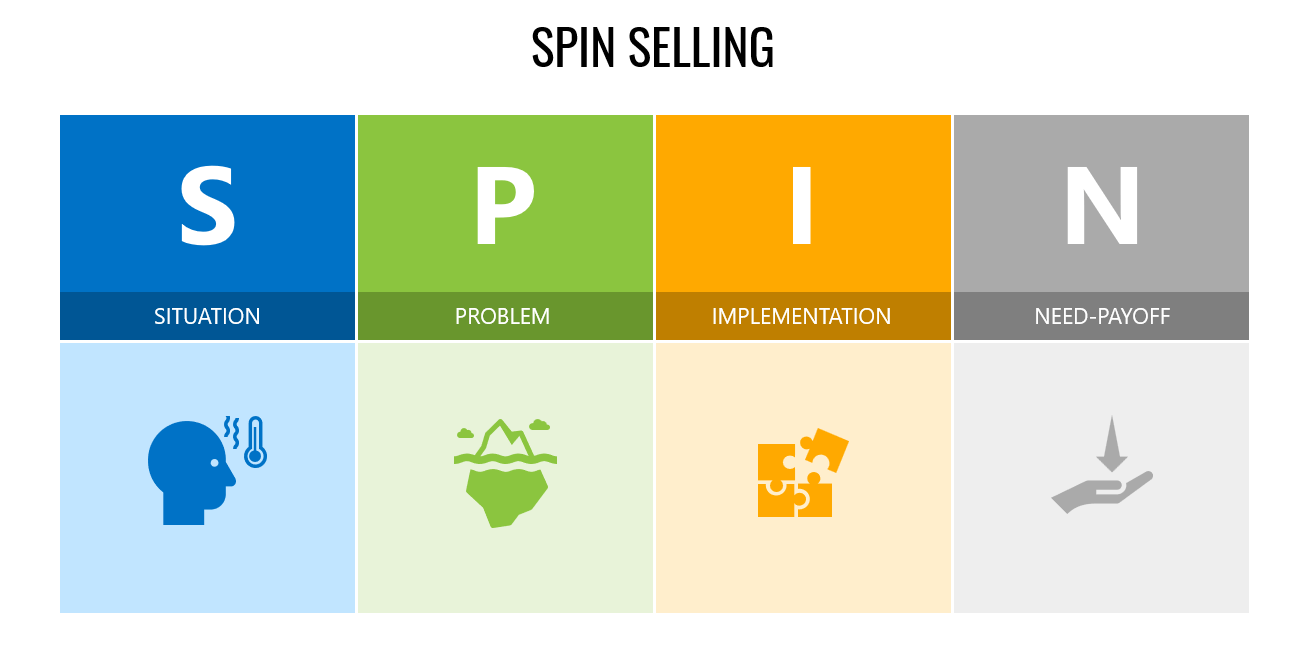
SPIN selling is a consultative sales methodology developed by Neil Rackham, introduced in his 1988 book SPIN Selling. Rackham and his team studied over 35,000 sales calls and found that top performers weren't pitching harder. They were asking better questions.
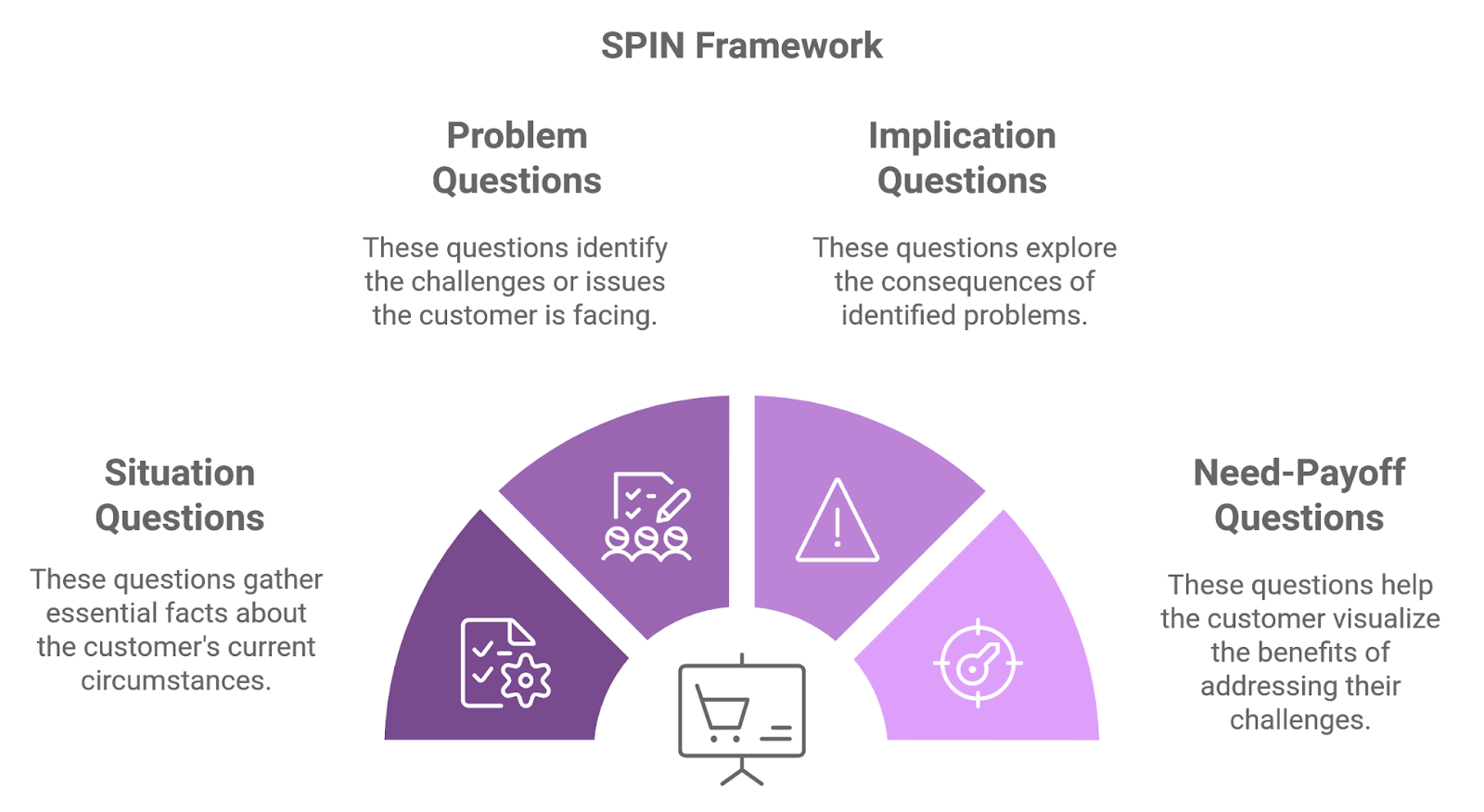
The framework is built around four types of questions:
- S - Situation
- P - Problem
- I - Implication
- N - Need-Payoff
Instead of jumping straight to your solution, SPIN selling helps you understand what's really going on with your prospect before you say a word about what you offer.
That's what makes it different from traditional selling.
Also Check: Selling vs Sales - What’s the Real Difference (And Why It Matters in B2B)?
📅 Fill Your Calendar With Sales Calls
Cleverly’s LinkedIn and cold email outreach has generated $312M in pipeline for 10,000+ clients. Plans start at just $397/mo.
The SPIN Selling Methodology Explained
The SPIN selling methodology follows a natural conversation flow. Each stage builds on the last, moving your prospect from awareness of a problem to wanting a solution.
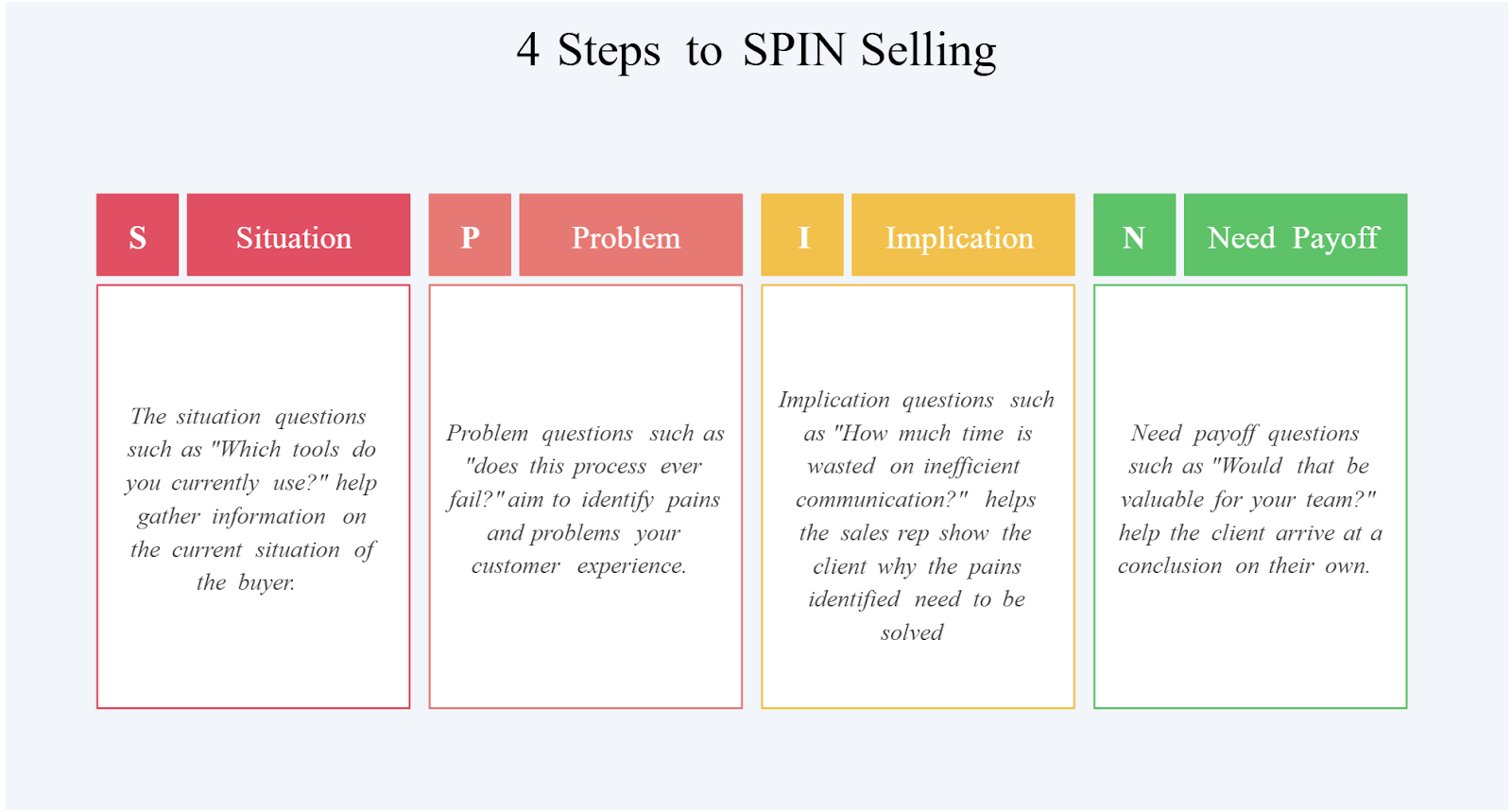
Situation Questions
These questions are about understanding where your prospect is right now. You're gathering context before anything else.
Examples:
- "How does your team currently handle lead generation?"
- "What tools are you using for outbound sales?"
- "How many SDRs do you have on the team?"
Keep these brief. Too many situation questions feel like an interrogation. Get the context you need and move on.
Problem Questions
Now you dig into the challenges. Problem questions uncover pain points your prospect may not have fully articulated yet.
Examples:
- "Are you happy with the volume of qualified meetings you're getting?"
- "What's the biggest bottleneck in your current outbound process?"
- "Is lead quality a concern for your sales team?"
This is where the real conversation starts. You want the prospect to say the problem out loud, because that makes it real for them.
Implication Questions
This is the most powerful stage of the SPIN selling methodology. Implication questions help your prospect understand the cost of not solving the problem.
Examples:
- "If your pipeline stays this thin, what does that mean for Q3 targets?"
- "How much revenue do you think you're leaving on the table with the current approach?"
- "If the issue isn't fixed, how does that affect the rest of the team?"
You're not scaring them. You're helping them connect the dots between the problem and its real impact.
Need-Payoff Questions
Now you flip it. Instead of telling them what your solution does, you ask them to imagine what life looks like with the problem solved.
Examples:
- "If you were consistently booking 15 qualified sales calls a month, how would that change things?"
- "Would it help if someone handled the entire outreach process for you?"
- "How valuable would it be to have a predictable pipeline every month?"
By the time you answer "yes" to these questions, your prospect has basically sold themselves. That's the power of the SPIN selling technique.
Know More About: Target Account Selling (Methodology, Plan & Template)
SPIN Selling Technique: How to Apply It in Sales Conversations
Knowing the framework is one thing. Using it well is another. Here's how to apply the SPIN selling technique without it feeling scripted or robotic.
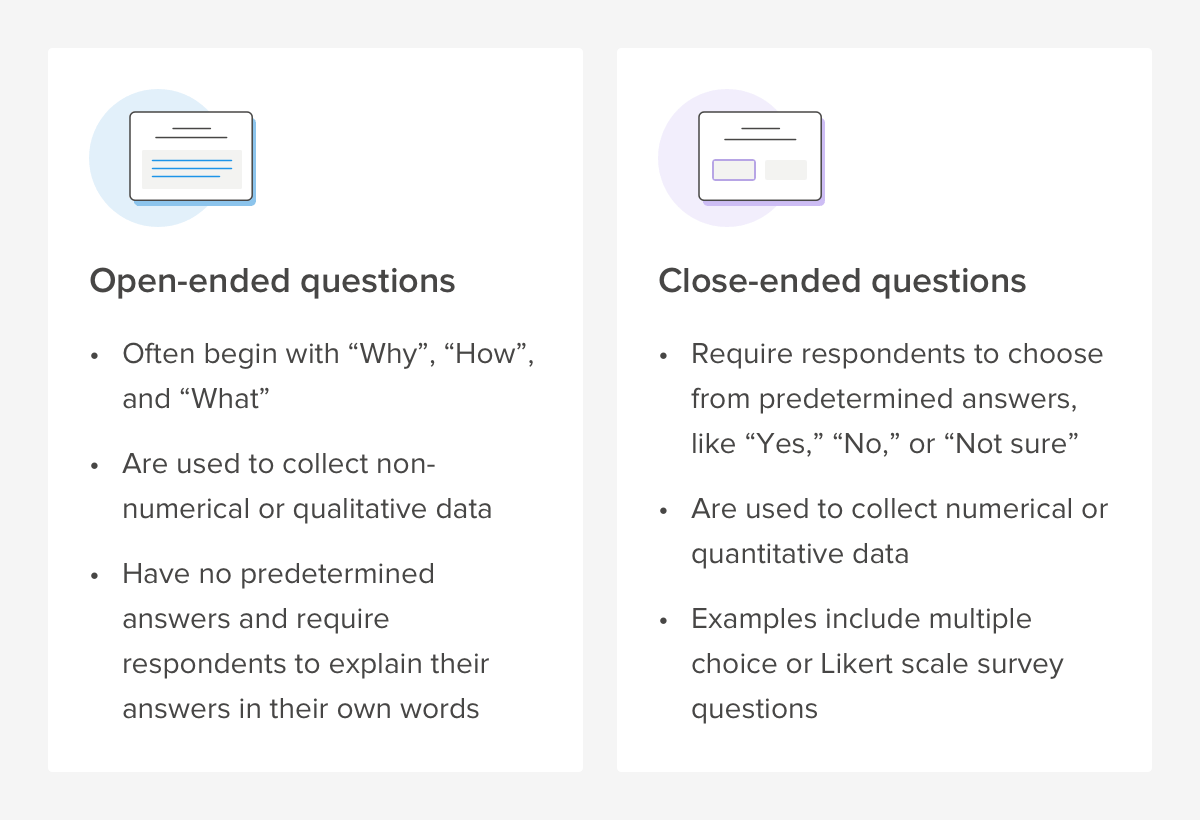
Ask open-ended questions
Yes/no questions shut conversations down. Open-ended ones open them up. Start with "how," "what," or "tell me about."
Don't pitch too early.
This is the most common mistake. If you jump to your solution before the prospect feels heard, you lose them. Let the conversation breathe.
Guide, don't interrogate
The best SPIN selling conversations feel natural. You're not firing off a checklist. You're having a real back-and-forth.
Focus on their problems, not your product.
Your solution only matters after the problem is clear. Keep the spotlight on them for as long as possible.
Move toward value, not features.
Need-Payoff questions should connect your solution to their specific outcome, not generic benefits. Make it personal.
Adapting SPIN selling for short, transactional sales.
Not every deal deserves the full sequence. If you're selling a $200/month tool with a two-week sales cycle, walking a prospect through all four SPIN stages in order can slow down a conversation that was ready to close on the first call.
Here's how to adjust:
Compress or skip stages entirely. For lower-ticket, faster-moving deals, you often don't need a full Situation-Problem-Implication-Need-Payoff arc. A quick Situation question and one sharp Problem question can get you enough context to move forward.
Lean on Situation and Problem, trim Implication and Need-Payoff. The urgency-building work that Implication questions do matters most when the deal is big enough, or risky enough, that the prospect needs help seeing the cost of inaction. On a $500/month tool, that cost is usually obvious. Skipping straight to a light Need-Payoff question ("Would this save your team time each week?") often does the job just as well.
Watch for a lead that's already warm. If a prospect books a call and opens with "I saw the demo video, I just need pricing," running the full SPIN sequence anyway isn't thorough, it's a mismatch. Deals under roughly $15K in contract value typically close in 14 to 30 days, which doesn't leave room for a discovery process built for a nine-month enterprise cycle. Optifai
Match question depth to deal complexity, not habit. The goal was never to ask all four question types every time. It was to understand the prospect well enough to make the next step obvious. For a five-figure deal with three stakeholders, that might take fifteen minutes of Implication questions. For a self-serve tool, it might take one good question and a straight answer.
🤝 Turn Conversations Into 10-30 Meetings Monthly
Our $5M cold calling system puts trained SDRs in your corner booking qualified sales calls. Guaranteed appointments — or we replace the SDR.
SPIN Selling Examples
Three practical SPIN selling examples across different B2B contexts.
Example 1: SaaS Sales Call
You're selling a sales engagement platform. How a SPIN selling sequence might look:
- Situation: "How is your team currently managing outbound sequences?"
- Problem: "Are reps spending a lot of time on manual follow-ups?"
- Implication: "If reps are buried in admin work, how much actual selling time are they losing each week?"
- Need-Payoff: "If follow-ups were fully automated, do you think you'd see more conversations happening?"
By the end of this, the prospect isn't waiting for a pitch. They're asking to see the product.
Example 2: B2B Service-Based Business
You're selling consulting or agency services. This is where SPIN selling examples get especially useful because the sale is relationship-driven.
- Situation: "What does your current lead gen setup look like?"
- Problem: "Is the team struggling to book consistent meetings with the right decision-makers?"
- Implication: "If that keeps happening, what does that mean for growth targets this year?"
- Need-Payoff: "Would it help to have a dedicated team running outreach so your reps can focus purely on closing?"
This works because it frames your service as a solution to a problem they've already named.
Example 3: Outbound Sales Conversation

Even in cold outreach, you can embed SPIN selling principles into your messaging.
- Situation (email opener): "I noticed you're scaling your sales team at [Company]."
- Problem (pain point): "A lot of companies at your stage struggle to get enough qualified meetings to keep new reps busy."
- Implication (consequence): "Without a consistent pipeline, ramp time drags and revenue targets slip."
- Need-Payoff (CTA): "Would it be worth a quick call to see if we can solve that for you?"
You don't need a live conversation to use SPIN. The framework works just as well in written outreach.
Learn More About: B2B Lead Intelligence
Why SPIN Selling Works in Modern B2B Sales
SPIN selling isn't just a technique from the 80s that got lucky. It works because it matches how modern B2B buyers actually make decisions.
Here's why it holds up:
- It's consultative. Buyers today have done their research. They don't want a pitch. They want a trusted perspective.
- It builds trust fast. When you ask smart questions, prospects feel like you actually understand their world.
- It surfaces real pain points. A lot of problems don't come up unless someone asks the right question. SPIN forces that conversation.
- It improves conversion rates. Rackham's original research showed that sellers using structured questioning significantly outperformed those relying on traditional pitching.
It's built for complex, high-ticket sales. The longer and more complex the deal, the more SPIN selling pays off. This is exactly the terrain most B2B sales teams operate in.
Pros, Cons & When SPIN Selling Isn't the Right Fit
SPIN selling has held up for almost four decades, but that doesn't mean it's the right call for every conversation. Here's the honest version, not just the highlight reel.
Where it can slow you down:
❌ It can stretch out your sales cycle. Four deliberate question stages take time. The median B2B mid-market sales cycle sits at roughly 92 days as of 2026, and a rep who insists on walking through every SPIN stage in full, even when the deal doesn't call for it, can add unnecessary weeks to a process that was ready to move faster.
❌ It's not built for pre-qualified, ready-to-buy leads. If a prospect already knows their problem, has budget approved, and is comparing vendors, spending ten minutes on Situation questions feels like a step backward. They didn't come to you to be walked through a discovery process. They came to buy.
❌ The four-stage sequence can feel scripted to experienced reps. SPIN was designed as a flexible framework, but reps who treat it as a rigid script (Situation, then Problem, then Implication, then Need-Payoff, in that exact order, every time) end up sounding like they're reading from a form. The framework works because it mirrors how real conversations unfold. Force it into a checklist and you lose that.
❌ Blending it carelessly with other frameworks creates "methodology overload." Some teams layer SPIN, MEDDIC, and Challenger on top of each other without deciding what each one is actually for. The result is reps who spend more time filling out CRM fields for three different frameworks than they spend talking to prospects.
When SPIN isn't the right fit:
- A warm inbound lead who's already told you their problem and budget in the demo request form.
- A short sales cycle where deals under roughly $15K in contract value tend to close in 14 to 30 days, and there simply isn't room for a four-stage question sequence.
- A prospect who's clearly in a hurry and has explicitly asked to skip the discovery and see pricing.
None of this makes SPIN selling a bad framework. It makes it a framework, which means it has a job it's good at and situations it wasn't built for. The trick is knowing which conversation you're in before you decide how much of it to use.
SPIN Selling vs Traditional Sales Approaches
Here's a straight comparison:
The difference isn't subtle. Traditional selling puts the salesperson at the center. SPIN selling puts the buyer there instead.
SPIN Selling vs Other Sales Methodologies
SPIN selling doesn't exist in a vacuum. Most B2B sales teams have also run into Challenger, MEDDIC, or Sandler at some point, and it's worth knowing where each one actually sits relative to SPIN instead of treating them as interchangeable.
Here's the part that gets missed in most head-to-head comparisons: these frameworks aren't really competing for the same job.
SPIN is a questioning technique. It tells you what to ask and in what order. MEDDIC is a qualification framework. It tells you whether the deal deserves your time at all. Challenger is a conversation posture. It tells you whether to lead with curiosity or with a point of view. You can run all three in the same deal without any of them canceling each other out.
That's exactly why most mature sales teams don't pick one and abandon the rest. Korn Ferry's research shows organizations with methodology adoption above 75% see roughly 15% higher win rates and 6% higher revenue attainment compared to teams without a consistent approach, but that adoption rarely means "we only do SPIN." It usually means SPIN questions inside a MEDDIC-qualified pipeline, sometimes with a Challenger-style insight opening the call.
If you're building a sales process from scratch, a reasonable starting point looks like this: use SPIN to structure the actual conversation, use MEDDIC (or a lighter qualification checklist) to decide which conversations are worth having, and borrow Sandler's upfront contract if your team struggles with prospects who drag out calls without real intent to buy.
Common Mistakes When Using SPIN Selling
Even experienced reps mess this up. Here are the most common mistakes to avoid:
❌ Overdoing situation questions. Asking five situation questions in a row feels like an intake form, not a sales conversation. Two or three is usually enough.
❌ Rushing to pitch. If you jump to your solution before implication questions, you skip the most important part of the process.
❌ Skipping implication questions entirely. This is the stage that creates urgency. Don't gloss over it.
❌ Reading from a script. SPIN selling is a framework, not a script. If it sounds rehearsed, the prospect disconnects.
❌ Ignoring what the prospect actually says. The best follow-up question always comes from something the prospect just told you. Stay present in the conversation.
Handling Objections With SPIN Selling
Objections don't come out of nowhere. In a properly run SPIN conversation, most of them can be traced back to a stage you rushed through or skipped altogether.
Value-based objections vs. capability-based objections
Not all pushback means the same thing. A capability-based objection ("Can your tool do X?") is about whether you can solve the problem. A value-based objection ("Is this worth it?") is about whether solving the problem is worth the cost, time, or change involved. Sales research increasingly points to committee misalignment and perceived risk, not price alone, as the real driver behind late-stage pushback, which means most of what looks like a value objection is actually a value objection you haven't fully built yet.
Most objections trace back to skipped or rushed Implication questions
If a prospect says "I'm not sure this is a priority right now," that's rarely a new problem. It's usually a sign the Implication stage got skipped. The prospect never had to sit with the real cost of their current situation, so the urgency never got built. Reps who handle objections well close roughly 30% more deals than peers who don't, and the difference usually isn't a clever rebuttal. It's whether the groundwork got laid earlier in the call.
Reframe pushback as a shared problem, not a deal-killer
The instinct when you hear an objection is to defend your product. Resist it. Objections respond better to curiosity than to defense. Instead of "let me explain why that's not an issue," try "that's fair, walk me through what's making you hesitate." You're not arguing against the prospect. You're getting back into the same question-first mode that got you this far in the conversation.
Use the prospect's own words from earlier stages to answer objections
This is the part most reps forget under pressure. If a prospect told you in the Problem stage that missed quota is their biggest concern, and now they're objecting on price, the strongest response references their own language: "You mentioned missed quota was the bigger risk here. Walk me through how you're weighing that against the cost." You're not inventing a new argument. You're handing their own words back to them at the moment they need to hear them most.
Handled this way, an objection stops being a wall and starts being exactly what SPIN was built to surface in the first place: more information about what the prospect actually cares about.
How to Use SPIN Selling in Outbound Lead Generation
SPIN selling isn't just for live calls. You can weave the framework into every outbound channel.
In cold emails

Structure your message around a known pain point (Problem), hint at what happens when it goes unsolved (Implication), and close with a value-driven question (Need-Payoff). Skip the situation stage here since you haven't spoken yet.
In LinkedIn outreach
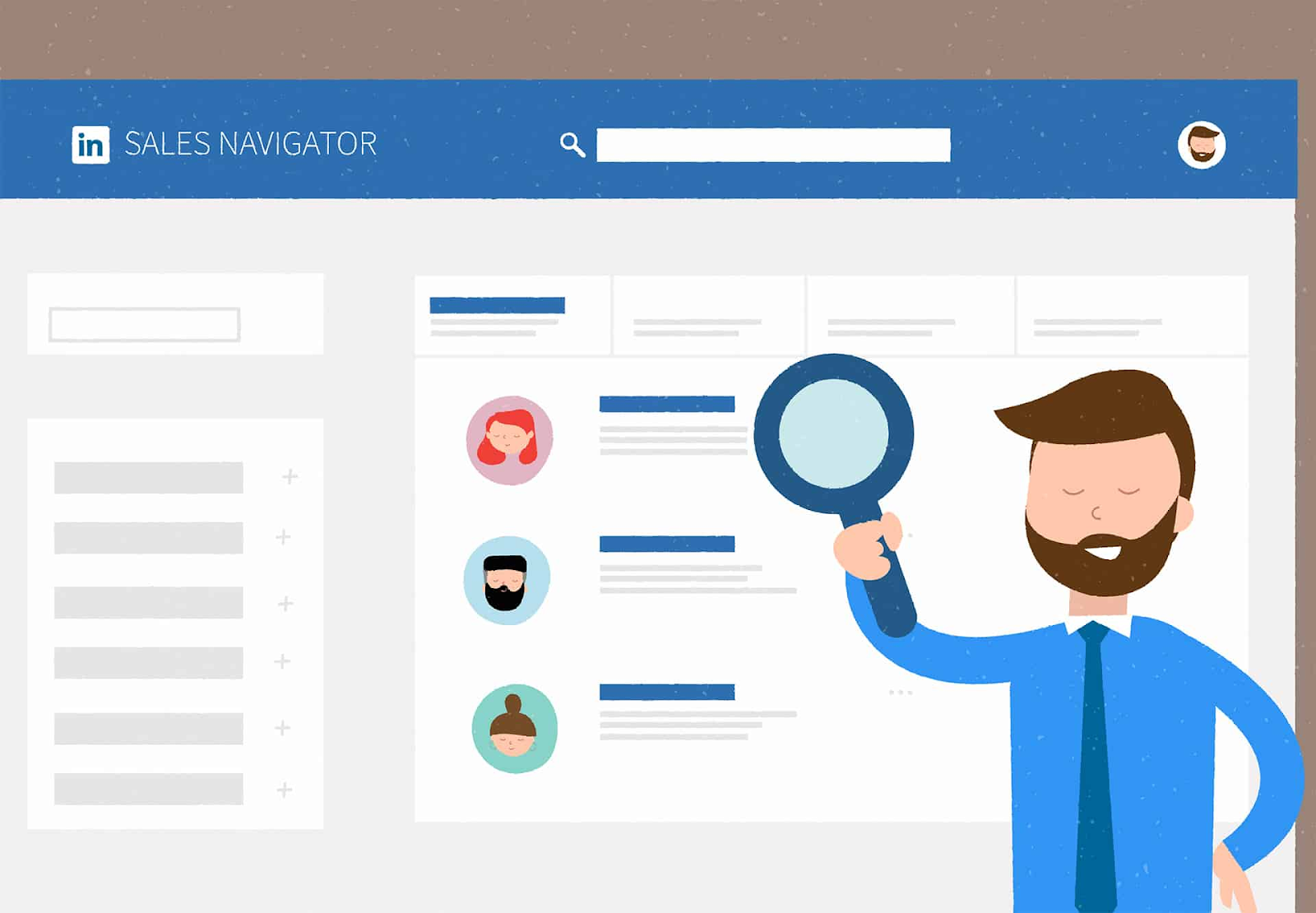
Open with a relevant observation about their business (Situation), reference a challenge common in their space (Problem), and ask a question that opens the door to a conversation (Need-Payoff). Short, direct, and focused on them.
Qualifying leads through conversations
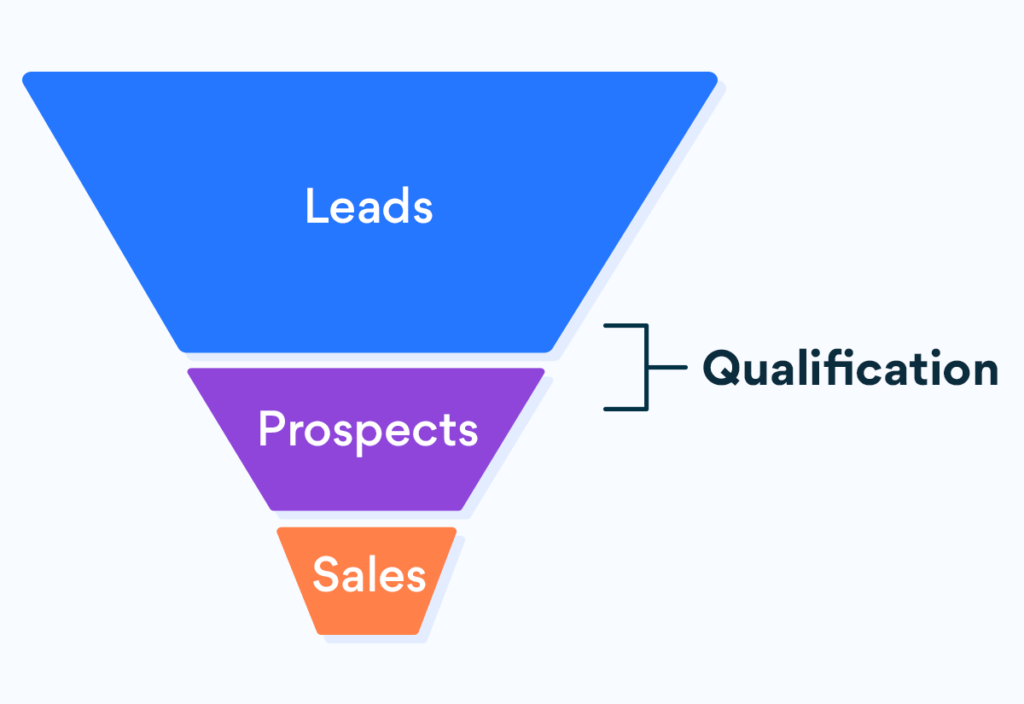
Use Situation and Problem questions to quickly figure out if a prospect is worth pursuing. If they don't have a real problem you can solve, better to find out early.
Moving prospects toward meetings
Need-Payoff questions are your best tool here. When a prospect articulates the value of solving their problem, booking a meeting becomes the natural next step.
How Cleverly Applies SPIN Selling in B2B Outreach
At Cleverly, we've always believed that the best outreach feels like a conversation, not a broadcast.
That's why SPIN selling principles are baked into everything we do as a B2B lead generation agency.
How we put it into practice:
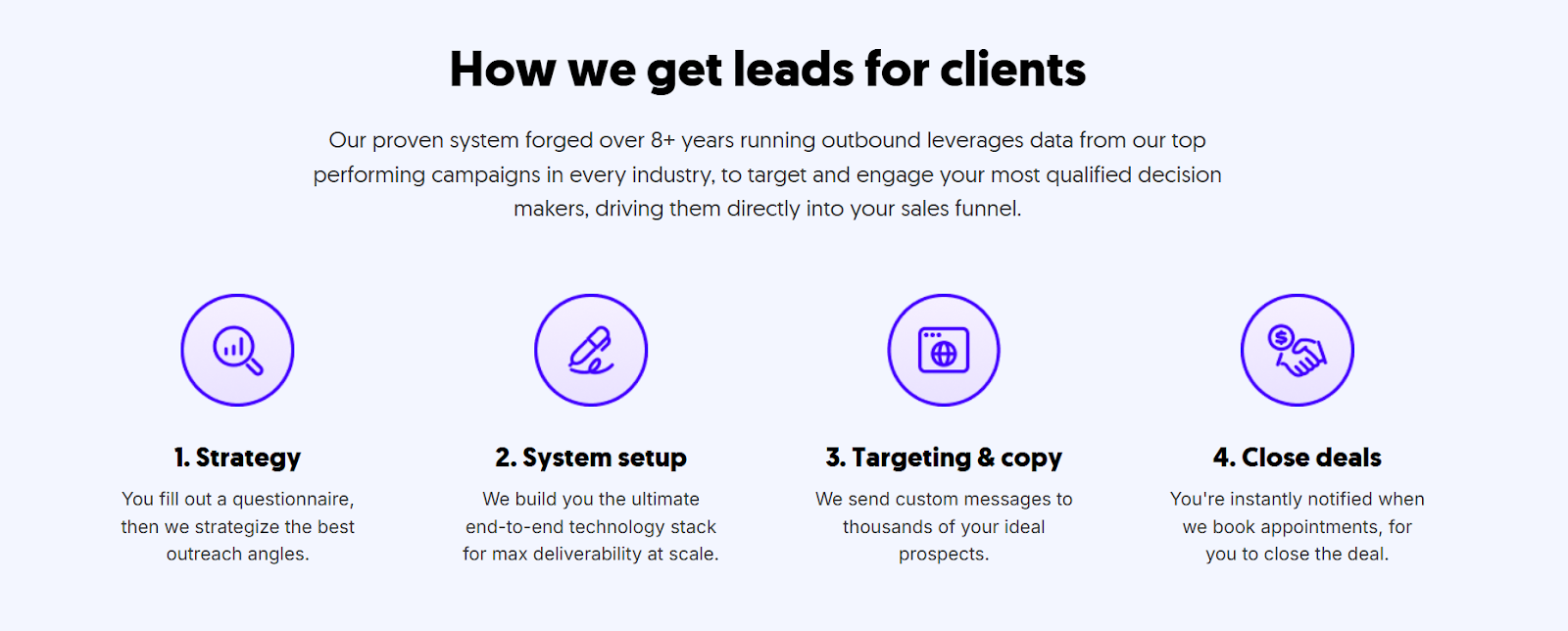
1️⃣ We lead with relevance, not a pitch. Every campaign we run starts with understanding the prospect's world. We research the pain points that matter most to your target audience before we write a single line of copy.
2️⃣ Our messaging is consultative. Whether it's LinkedIn or cold email, our outreach is built around the prospect's problems, not a list of features. We ask the questions that open doors.
3️⃣ We run multi-touch outbound campaigns. One message rarely does it. We build sequences that gradually move prospects through the conversation, from awareness of a problem to wanting to talk.
4️⃣ We focus on qualified meetings, not just volume. Anyone can blast a list. We focus on identifying prospects who actually have the problem you solve, so the meetings you get are worth taking.
🔥 For LinkedIn outreach, our services start at just $397/month and we've helped over 10,000 clients generate leads with companies like Amazon, Google, Uber, PayPal, Slack, and Spotify. That's led to $51.2 million in closed revenue through LinkedIn alone.
🔥 For cold email lead gen, you only pay for meeting-ready leads. No retainer, no fluff.
🔥 And if you want boots on the ground, our cold calling system places a no-accent appointment setter on your account, handles training, writes breakthrough call scripts, and guarantees 10 to 30 qualified sales calls every month or we replace the SDR. We've made over 1 million cold calls, set 53,000 appointments, and generated $312 million in pipeline.
If you want a B2B lead generation agency that actually thinks like your best sales rep, let's talk.

Conclusion
SPIN selling works because it respects how buyers actually think. Instead of pushing a pitch, it pulls out the problems that matter most and helps prospects connect those problems to real solutions.
For B2B sales teams, this framework is especially powerful. The deals are bigger, the cycles are longer, and trust is everything. SPIN gives you the structure to build that trust fast.
And when you pair it with smart, targeted outreach, things really start to move. That's exactly how we approach every campaign at Cleverly.
Frequently Asked Questions
Free Resource
How to Scale a Profitable Cold Call System
Get the complete guide — download it instantly now.
Free Ebook
Download the Free Guide
Enter your details to get instant access.
You're all set! 🎉
Your ebook is downloading now.
Click below if the download didn't start automatically.