Table of Contents
What Is Product-Led Growth?
How PLG and Outbound Sales Differ — And Why Both Matter
Signs Your PLG Motion Is Ready for Outbound
What Is a Product-Qualified Lead (PQL) — And Why It's the Bridge Between PLG and Outbound
Product-Led Growth Examples — Companies That Cracked the PLG + Outbound Combo
Key Product-Led Growth Metrics to Track When Layering Outbound
Common Mistakes When Combining PLG with Outbound
How Cleverly Helps PLG Companies Accelerate Revenue with Outbound
Conclusion
Frequently Asked Questions
Modified On :
May 21, 2026
Key Takeaways
- Product-led growth is no longer a differentiator — 58% of B2B SaaS companies already run some form of PLG motion, and 91% plan to increase investment in it.
- PQLs (product-qualified leads) convert at 25–30%, roughly 3–5x better than traditional MQLs — making them the highest-value leads your sales team will ever work.
- The biggest PLG mistake isn't choosing the wrong model — it's adding outbound before your self-serve flywheel is working and your PQL infrastructure is in place.
- The winning GTM formula in 2026 isn't PLG or outbound — it's PLG generating intent signals and outbound converting that intent into pipeline at speed.
- Outbound built around product context — referencing usage behavior, feature adoption, team signals — converts significantly higher than generic cold sequences.
The "PLG vs. sales-led" debate is officially settled. In 2026, the fastest-growing B2B SaaS companies aren't choosing sides — they're running both, and doing it in the right order.
58% of B2B SaaS companies now operate some form of product-led growth motion, and PLG companies achieve 50% higher revenue growth rates than traditional sales-led counterparts while spending 39% less on sales and marketing to do it. That efficiency is hard to ignore.
But here's the catch most teams miss: PLG alone doesn't maximize revenue. Pure self-service motions are struggling to move upmarket without human intervention, while pure sales-led motions are collapsing under the weight of bloated CAC and lengthened sales cycles.
The answer is a hybrid motion — and the companies that get this right are separating themselves fast.
This guide breaks down exactly how to combine product-led growth with outbound sales: when to make the move, how to identify product-qualified leads (PQLs), and how to build a sales motion that accelerates revenue without breaking what the product has already built.
If you're a founder, GTM leader, or SDR at a B2B SaaS company running or thinking about a PLG model, this is your playbook.
What Is Product-Led Growth?
Product-led growth is a go-to-market strategy where the product itself drives customer acquisition, activation, retention, and expansion. Users discover, try, and experience real value before ever talking to a salesperson. The product opens the door — not the sales team.
That's the core difference from traditional sales-led growth. In a sales-led model, the rep initiates every conversation. In PLG, the product does the heavy lifting first. Sales comes in later, once value has already been established.
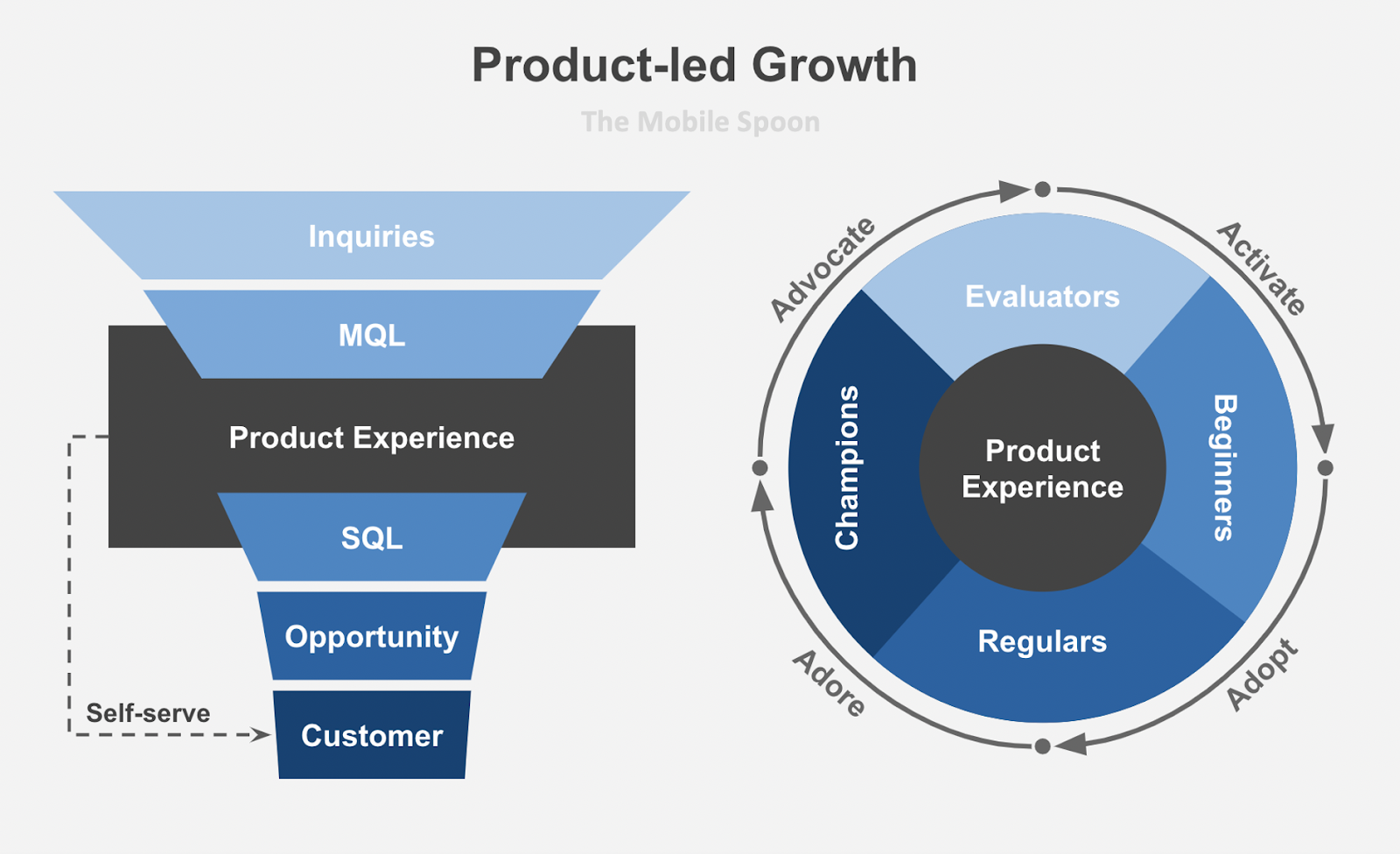
Every successful product-led growth strategy runs on three levers:
- Acquisition — free trial or freemium brings users in with zero friction
- Activation — users hit their "aha moment" fast; time-to-value is measured in hours, not weeks
- Expansion — natural upgrade triggers drive revenue growth from inside the account
91% of B2B SaaS companies with over $50M in ARR have implemented PLG strategies, and the numbers back up why: lower CAC, higher NRR, and faster time-to-revenue.
But here's the nuance that matters most going into 2026:
PLG is a distribution strategy, not a product strategy. Having a great product alone doesn't make you PLG. You need the infrastructure — onboarding, activation milestones, usage tracking, and upgrade triggers — actually working. Without that, layering outbound on top is just expensive guessing.
🚀 PLG Creates Signups. Outbound Creates Revenue.
We turn product interest into qualified sales conversations. LinkedIn, cold email & calling—done for you.
How PLG and Outbound Sales Differ — And Why Both Matter
Understanding the gap between these two motions is the first step to combining them well.
Where PLG Wins
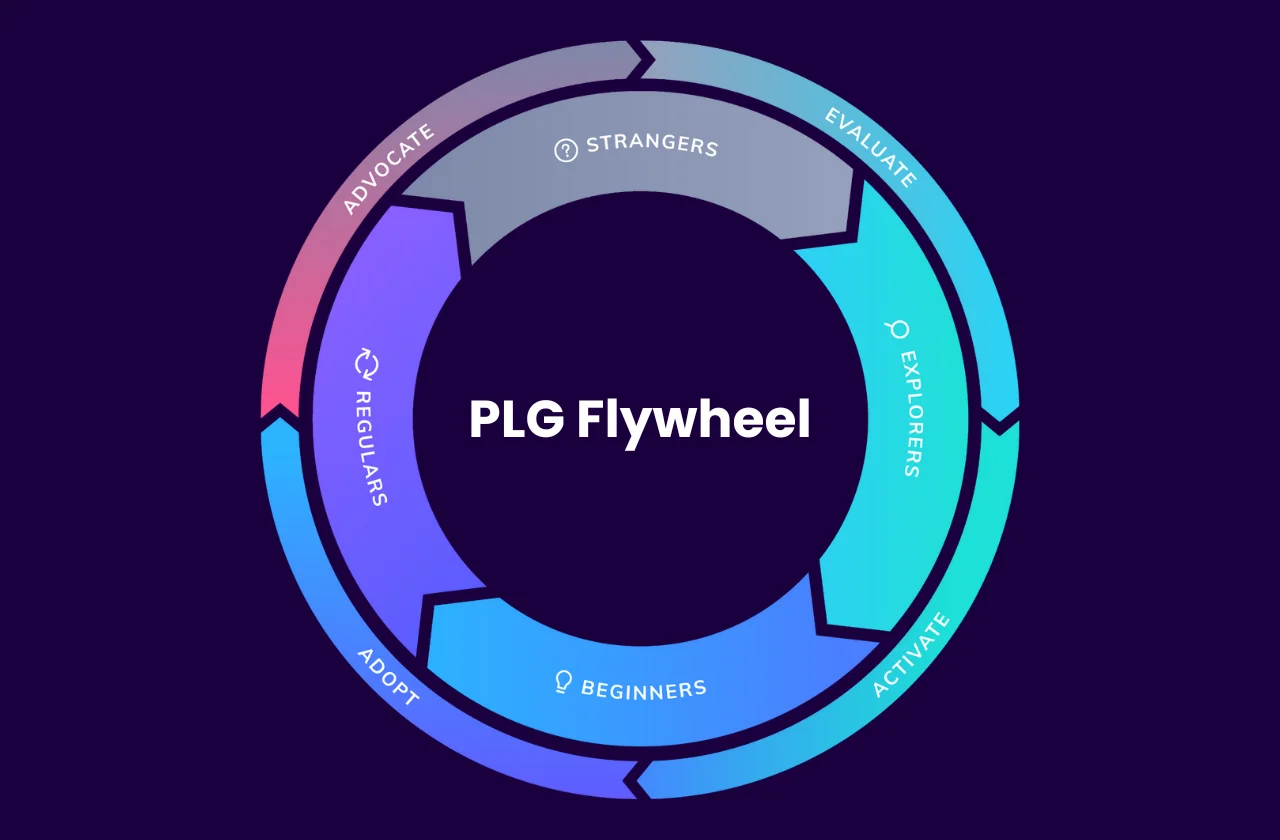
Product-led growth generates self-serve acquisition at low cost. Users pull your product into their organizations. Viral loops form naturally — one user invites three teammates, those teammates invite their own.
Product usage itself becomes a trust signal. You're not convincing someone to try your product; they already are.
Where PLG Falls Short
The weakness is just as real. PLG leaves high-value accounts uncontacted. There's no mechanism to reach large enterprise accounts that will never self-serve through a freemium flow.
Expansion from existing accounts is passive — users hit limits and either upgrade on their own or stall out. That stall is where revenue gets left on the table.
Where Outbound Wins
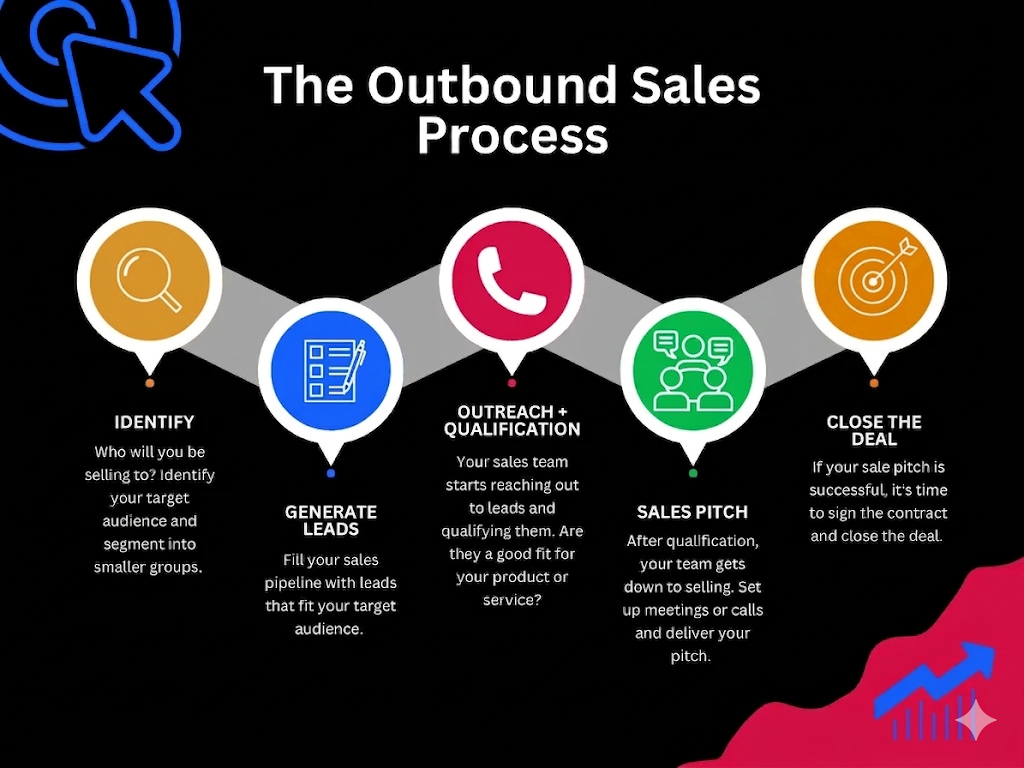
Outbound creates a proactive pipeline. It can reach enterprise accounts and multi-stakeholder deals. It qualifies faster, starts direct conversations, and shortens sales cycles when done well.
Without product signals to guide it, though, cold outreach is guesswork — expensive, high-effort, and low-conversion.
Why the Hybrid Beats Both
Combining them changes the math entirely. PLG generates intent data and activated users. Outbound converts that intent into pipeline at velocity.
PLG companies focusing on Activation Rate and NRR as primary KPIs see 2x faster revenue growth — and that advantage compounds when outbound is layered in to capture the demand PLG surfaces but can't fully close on its own.
Signs Your PLG Motion Is Ready for Outbound
The number one mistake PLG companies make: adding a sales team before the self-serve flywheel is actually working.
You can't layer outbound onto a broken product experience. Sales ends up chasing users who haven't found value yet, and you burn goodwill before you've earned it.
Before you hire your first sales rep or build your first outbound sequence, look for these signals.
You Have a Repeatable Self-Serve Conversion Rate
Free-to-paid conversion is consistent and predictable month over month. Users are finding value without hand-holding — your onboarding is working, your activation milestones are being hit, and upgrades are happening without a sales push. If this isn't stable yet, fix the product experience first.
You're Approaching or Past $10M ARR
At $10–15M ARR, your self-serve engine is generating enough volume to give a sales team a real funnel to work. Below this, sales effort typically outpaces available signal.
You end up with reps making outreach decisions based on gut feel rather than actual usage data — and that's where resources get wasted.

High-Value Accounts Are Self-Serving and Stalling
Large-company users activating but not converting is one of the clearest readiness signals there is.
These accounts aren't stalling because the product isn't good — they're stalling because they need pricing clarity, procurement approval, or security documentation that no product nudge will provide. That's a sales-assist opportunity sitting unattended.
Users Are Asking for a Human
Pay attention to support ticket patterns. When tickets shift from "how do I use this feature?" to "how do I deploy this for 1,000 people across our organization?" — that's enterprise-level demand surfacing through your support channel.
Add inbound requests for demos, procurement questions, and security reviews to that list. All of it signals that users want a conversation you're not having with them.

Expansion Revenue Is Plateauing
Users are hitting usage limits or feature walls without upgrading. Team invitations are happening but account-wide adoption isn't following.
If your expansion revenue is flat or slow despite healthy activation rates, outbound to existing accounts can accelerate the conversation that the product alone isn't closing.
📈 The Best GTM Teams Don’t Choose One Channel
$312M pipeline generated across outbound channels. We help you scale pipeline beyond inbound alone.
What Is a Product-Qualified Lead (PQL) — And Why It's the Bridge Between PLG and Outbound
A PQL isn't just someone who signed up for a free trial. That's the common mistake.
A product-qualified lead is a user who has experienced meaningful value through the product and shown behavioral signals that predict conversion or expansion. Fit plus usage plus intent — all three together.
Why this matters: overall, 9% of free accounts across all PLG models convert to paid, but products using PQLs convert at 25% to 30%, compared to 5% to 10% for MQLs. That gap is the entire argument for building PQL infrastructure before you hire your first outbound rep.
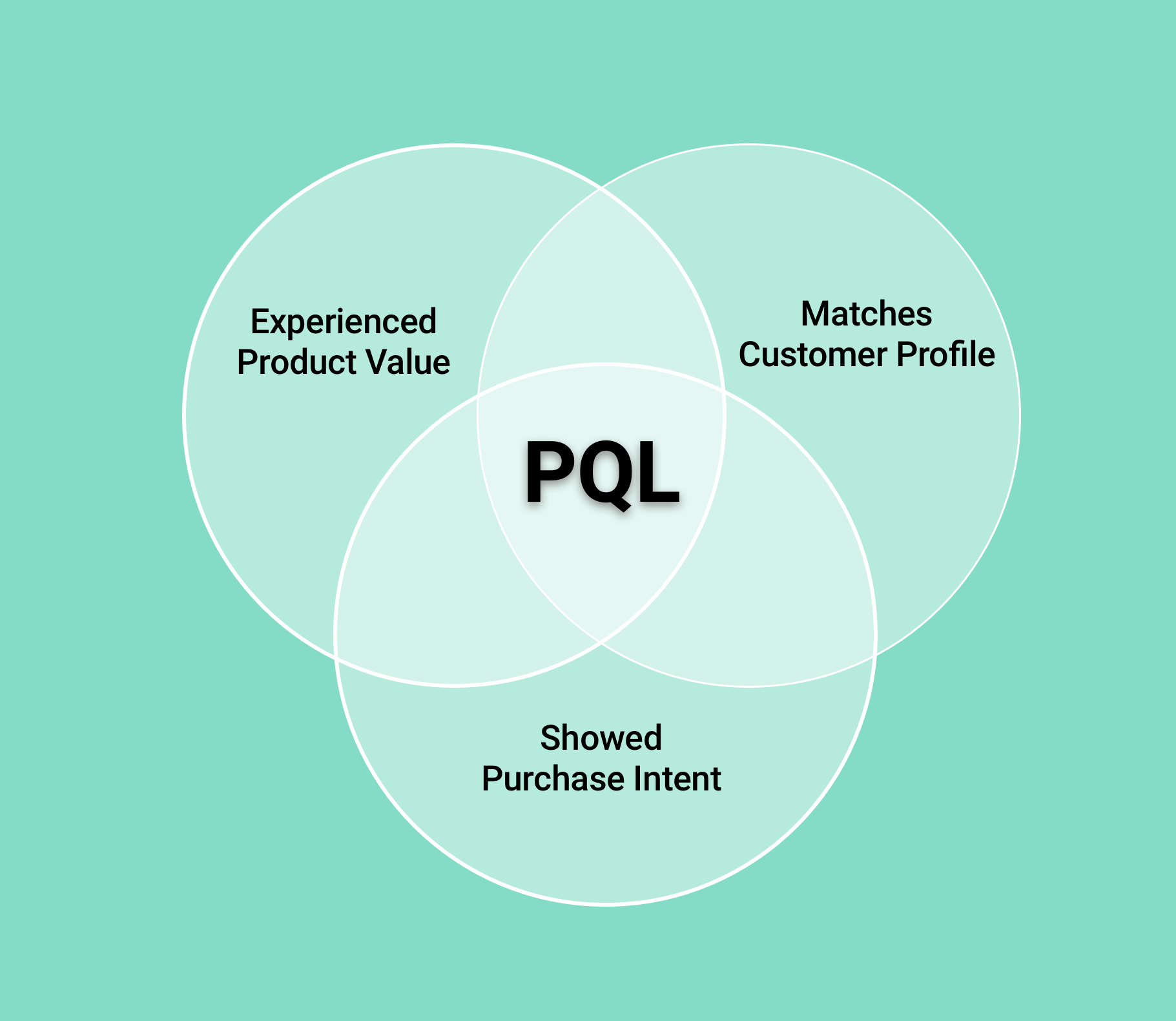
The Three Dimensions of a Strong PQL
- Fit — Does this user match your ICP? Company size, industry, role. A small business user activating a feature built for enterprise is not a PQL regardless of how active they are.
- Value — Has this user completed key activation milestones? Have they used the product meaningfully, not just clicked around? There's a big difference between someone who logged in three times and someone who has actually built something in your product.
- Intent — Is this user showing hand-raising behavior? Pricing page visits, upgrade clicks, team invitations, usage limit hits — these are signals the user is thinking about more.
Common PQL Trigger Signals to Track
- Activation events completed (onboarding milestones hit)
- Usage frequency thresholds crossed (logged in 5+ times in 7 days)
- Feature depth signals (using sticky or premium-tier features)
- Team expansion signals (invited 3+ teammates, created multiple workflows)
- Explicit intent signals (visited pricing page, clicked upgrade, requested a demo)
How to Operationalize PQLs
Build a scoring model that combines fit, usage, and intent. Route to sales when a user crosses a defined threshold. Start simple — a three-variable model outperforms no model by a wide margin.
What happens without this infrastructure: outbound reps contact users with no signal, waste conversations on accounts unlikely to convert, and damage your brand perception with free users who weren't ready for a sales conversation.
Product-Led Growth Examples — Companies That Cracked the PLG + Outbound Combo
These aren't theoretical case studies. Each of these companies built the model, hit the limits of pure PLG, and layered outbound in a way that amplified what the product had already built — not replaced it.
Atlassian
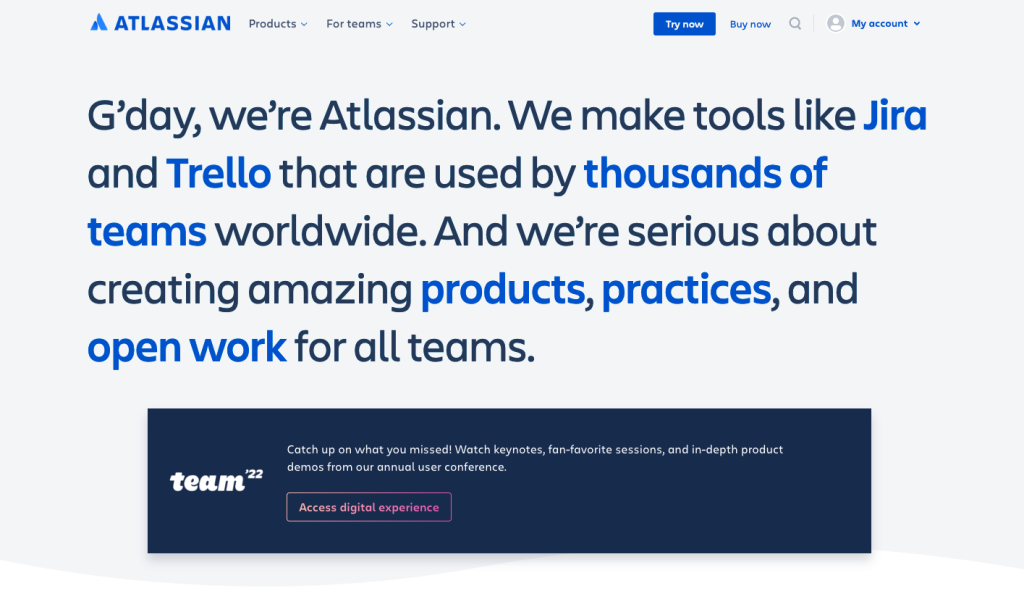
Atlassian built the entire category on PLG for years — no enterprise sales team. Bottom-up adoption spread through engineering teams. Viral team invitations drove growth without a dollar spent on traditional sales.
Then, as large accounts needed procurement support, SSO configuration, and compliance documentation, enterprise sales became necessary.
Atlassian's revenue grew from $320M to $3.5B after introducing enterprise sales in 2016. The lesson: PLG can scale to hundreds of millions in ARR before a sales team is needed — but enterprise expansion eventually requires a human in the conversation.
HubSpot
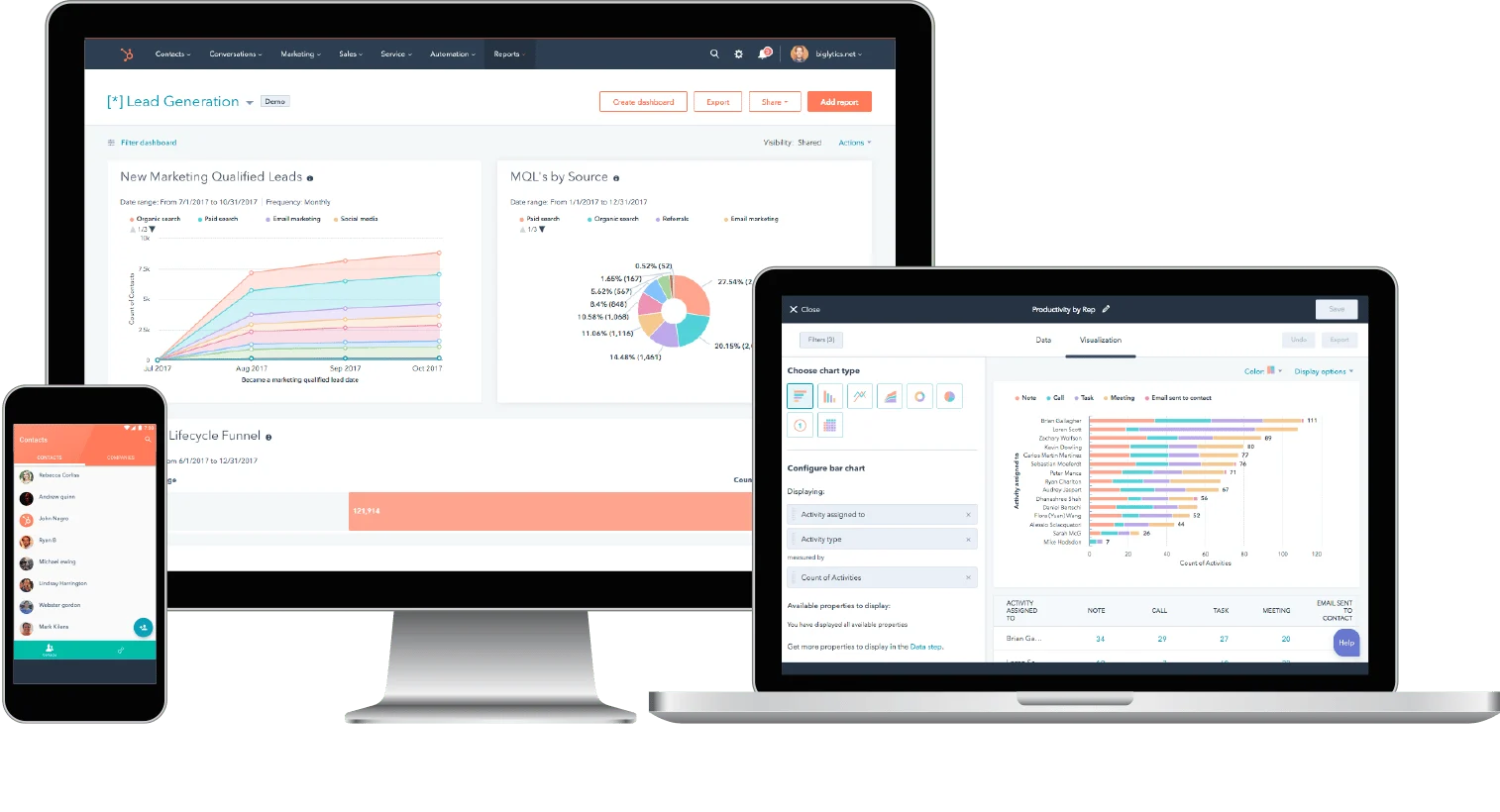
Free tools — Website Grader, free CRM — drive massive bottom-up adoption. The sales team pursues enterprise accounts and expansion conversations once product engagement is established.
Product usage signals feed directly into the CRM so reps know exactly who to prioritize and why. The free product is the top-of-funnel magnet.
The sales team is the expansion engine.
Figma
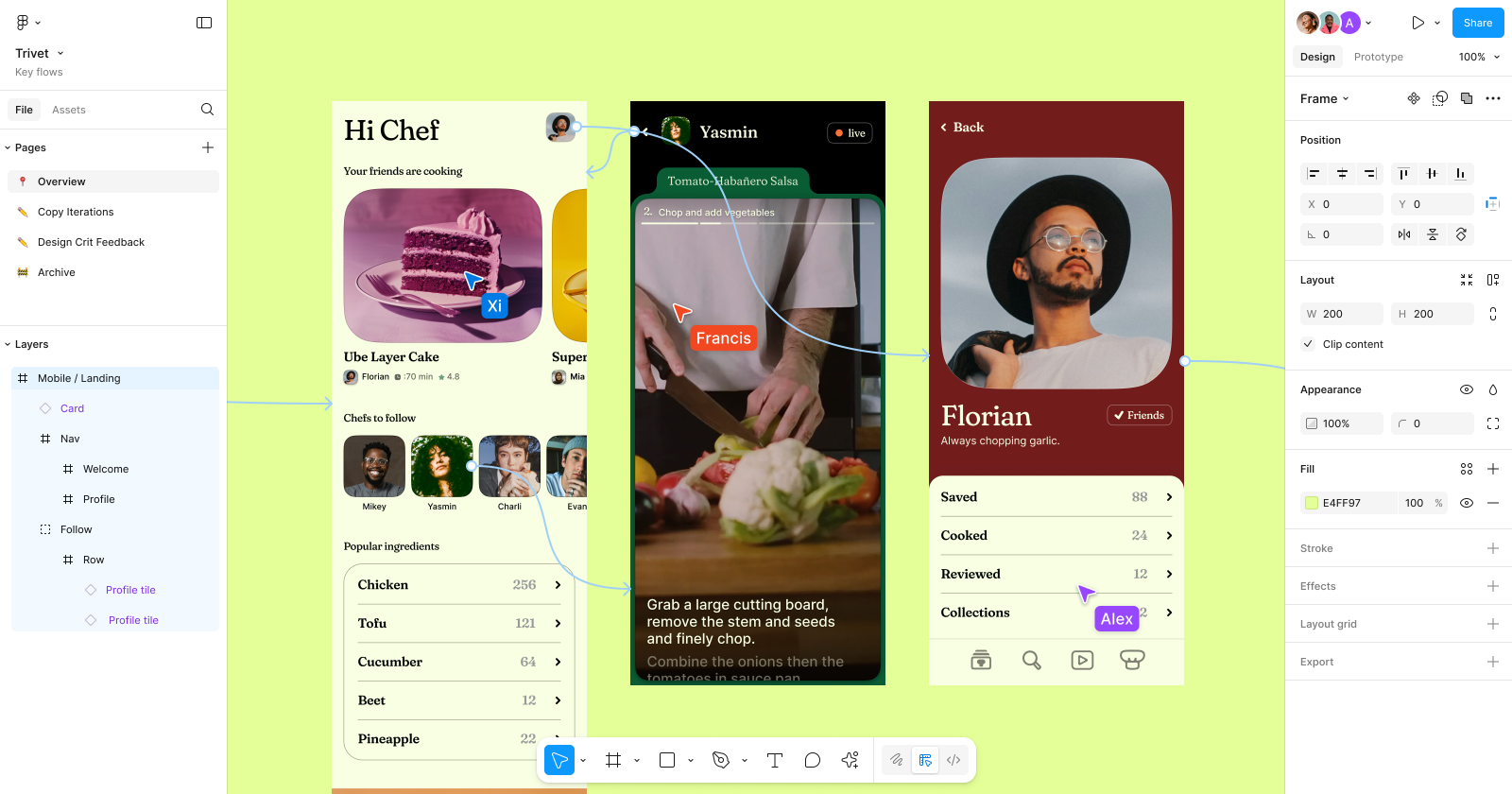
Classic B2B product-led growth motion: designers sign up free, invite teammates, and create viral adoption loops inside design and product teams.
As individual users pulled Figma into organizations, the enterprise sales team engaged those accounts — not with cold outreach, but with warm outreach targeting companies where adoption was already spreading organically. The product signals made outbound warm, not cold.
Notion
Freemium drives individual and team signups at scale. The enterprise sales team engages accounts where multiple teams are independently using Notion — the consolidation need, along with security and admin requirements, creates the natural opening.
Horizontal viral adoption inside large companies is one of the most reliable enterprise expansion triggers in the product-led growth playbook.
How to Build a PLG + Outbound Sales Motion (Step-by-Step)
This isn't an all-at-once build. Each step unlocks the next. Skipping ahead creates the exact problems most PLG companies run into when they add outbound too early.
Step 1 — Define Your ICP at the Account and User Level
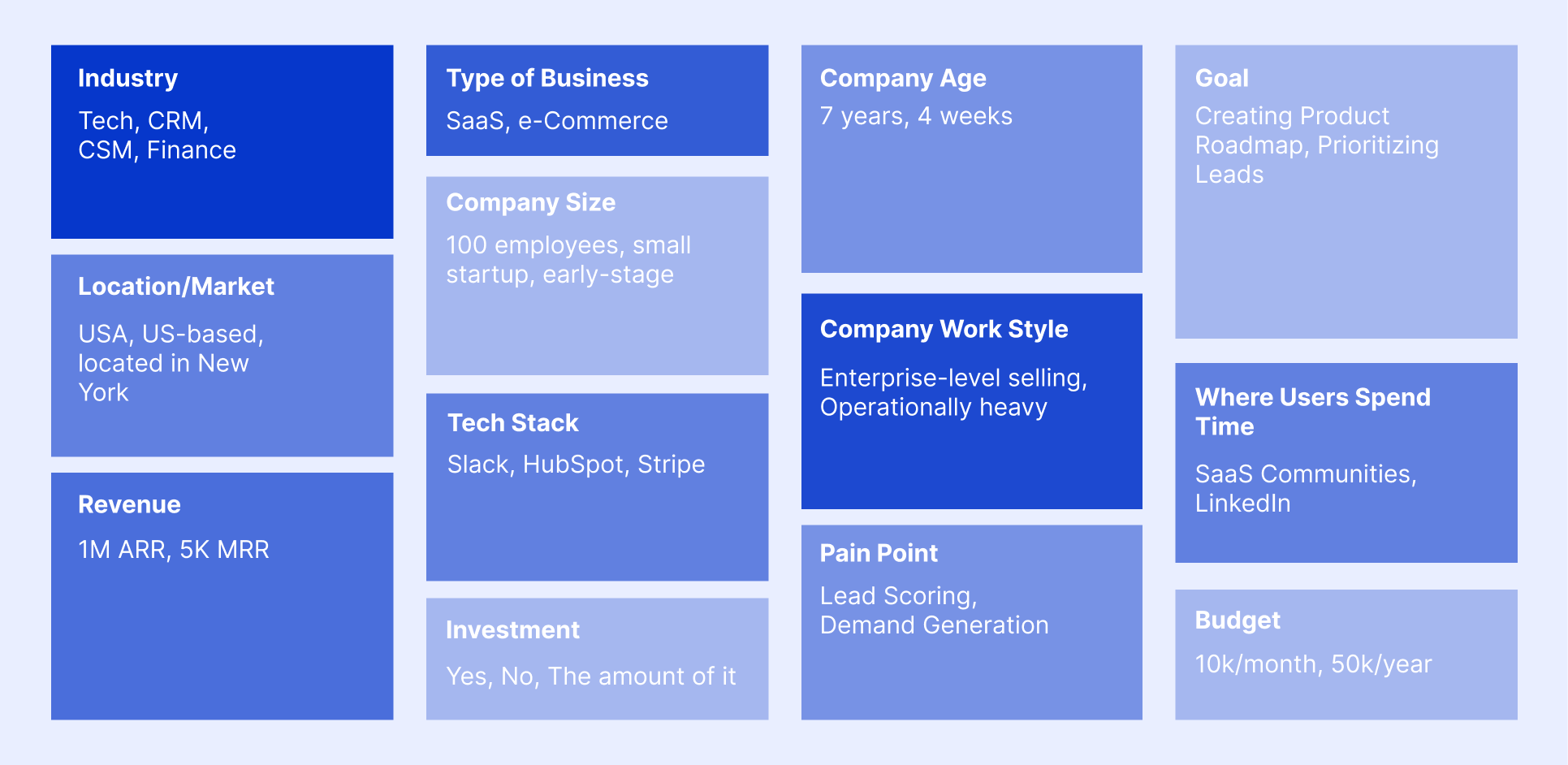
Most PLG companies define their ICP loosely. Tighten it: company size, industry, tech stack, and the specific role most likely to activate and expand. Note that account-level ICP (who to target with outbound) and user-level ICP (who drives product adoption inside the account) can differ. Align them before you build anything else.
Step 2 — Build Your PQL Scoring Model
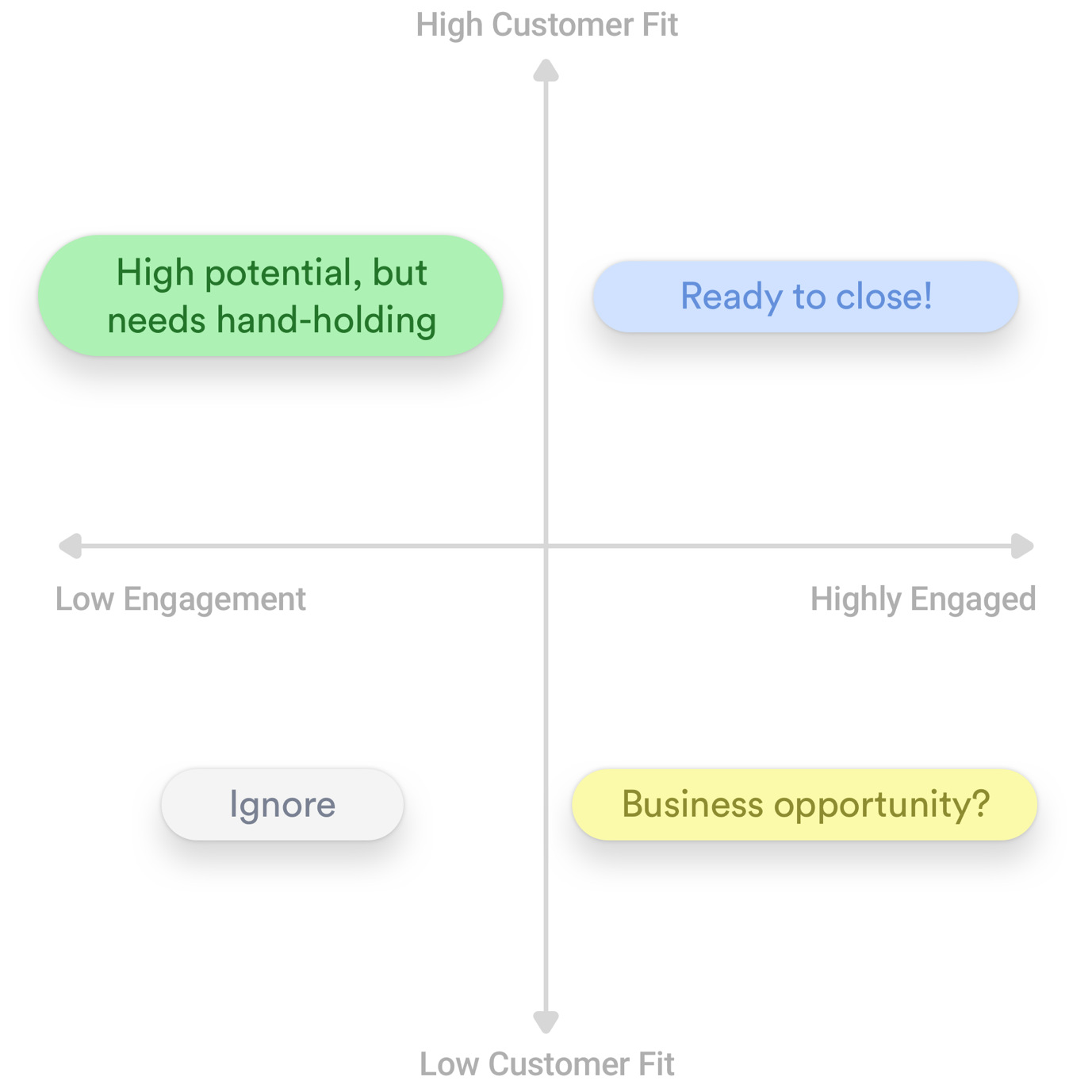
Map your product's activation milestones — what does "value experienced" look like specifically for your product? Assign scores to fit signals, usage events, and intent behaviors. Set a routing threshold: above a certain score, the account routes to sales; below it, they enter product-led or email nurture sequences. Your first model doesn't need to be sophisticated. It needs to exist.
Step 3 — Instrument Your Product for Sales Signals
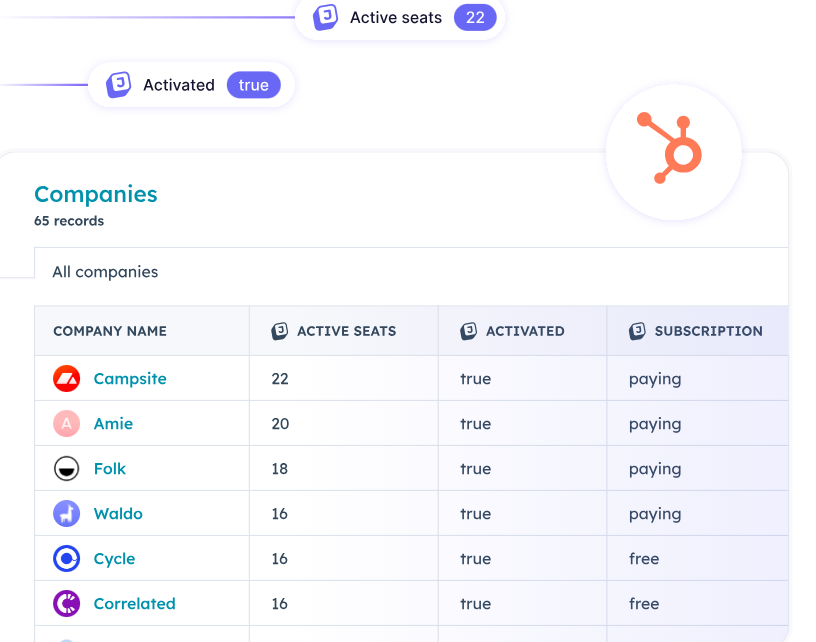
Connect product analytics to your CRM. Sales reps need to see usage context before reaching out. Key data points to surface: last login, features used, team size, usage trend (growing or declining), pricing page visits. A rep who can reference specific product behavior in their outreach converts at a meaningfully higher rate than a rep sending a generic sequence to the same account.
Step 4 — Build the Outbound Motion Around Product Context
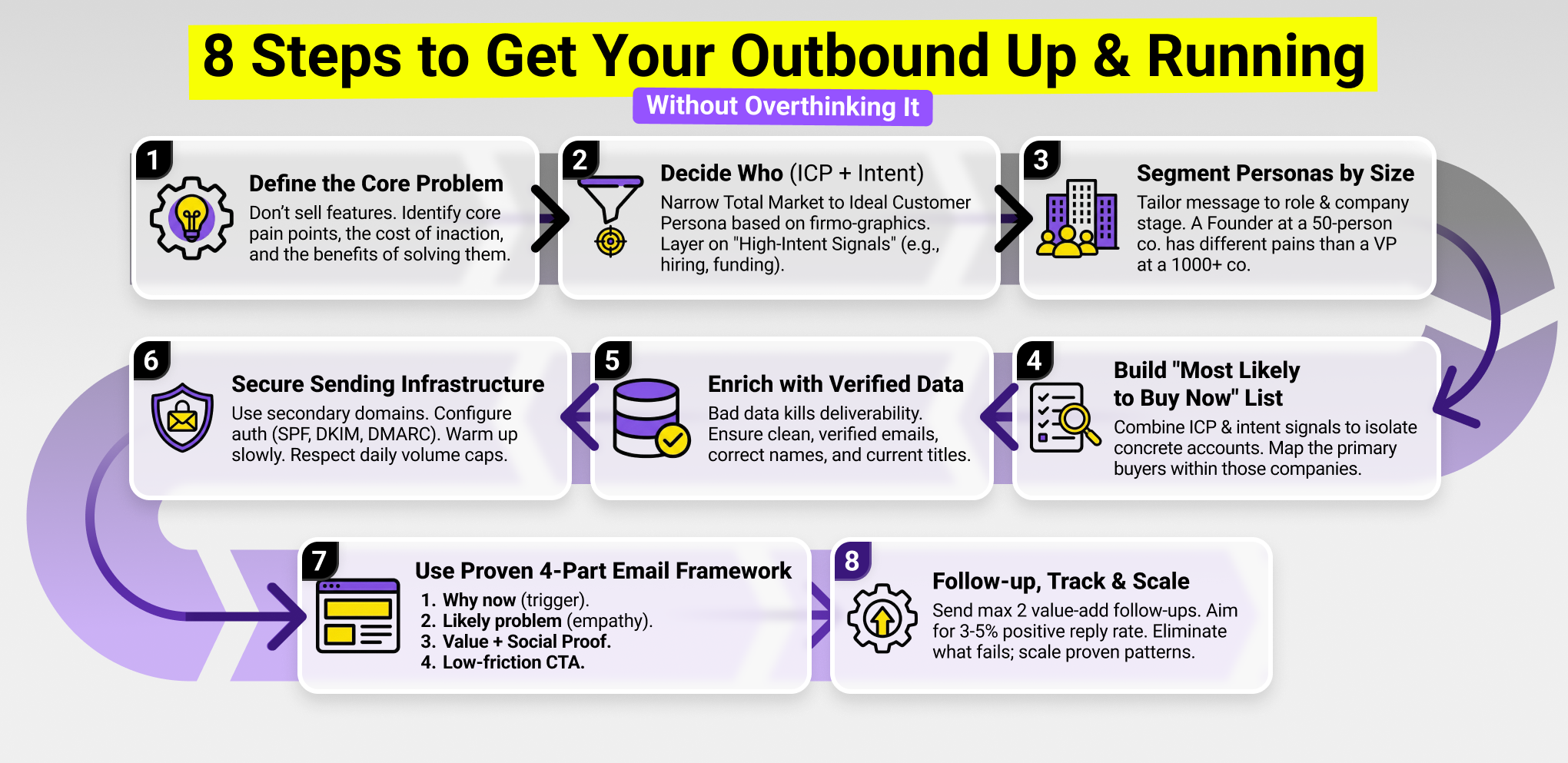
Outreach to PQLs should reference what users have actually done in the product. Something like: "I noticed your team has been using [feature] — wanted to share how companies at your stage typically scale that workflow." Segment PQL outreach by signal type: expansion outreach for growing teams, upgrade outreach for accounts hitting usage limits, enterprise outreach for large accounts activating via self-serve.
For channel mix: LinkedIn plus email for most PQL outreach; add cold calling for high-ACV enterprise accounts where speed matters.
Step 5 — Define the Sales-Assist vs. Full Sales Motion
These are two different things, and conflating them creates coverage problems.
- A sales-assist motion is for self-serve users who need help converting — lower friction, often just removing blockers like billing questions, security reviews, or procurement requirements.
- A full sales motion is for enterprise accounts that won't fully self-serve — multi-stakeholder deals, custom contracts, procurement cycles. Define the ACV or account profile threshold that triggers each. Without this clarity, reps default to the same approach for every account, which works for neither.
Step 6 — Measure, Iterate, and Protect the PLG Flywheel
The risk of adding outbound is real: reps who push users too hard create friction that damages self-serve conversion rates. Set guardrails — define what outbound can and cannot do. No cold outreach to free users below the PQL threshold.
Track metrics at the intersection of PLG and outbound consistently. The flywheel is your primary growth driver; outbound is the amplifier.
Key Product-Led Growth Metrics to Track When Layering Outbound
Different metrics matter at different stages. Activation metrics matter most early. Expansion metrics matter most once outbound is running. Track both from the start so you have a baseline to measure against.
Activation Rate
The percentage of signups who reach the "aha moment" — the product milestone that predicts long-term retention. Top-performing PLG companies now achieve activation rates of 65% or higher (top 10%), compared to the 33% average.
For outbound, this matters directly: a low activation rate means your PQL pool is thin and your reps will struggle to find enough high-quality targets to work.
Product-Qualified Lead (PQL) Volume and Conversion Rate
How many users or accounts cross the PQL threshold each week or month. What percentage of those turn into opportunities. PQLs convert at 25% on average, up to 39% for accounts in the $5K–$10K ACV range.
Track the trend over time: is the PLG engine generating more PQLs as the product improves? If not, the problem is upstream.
Time-to-Value (TTV)
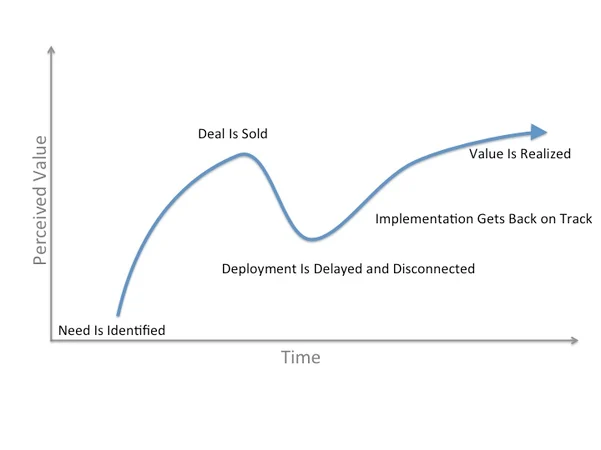
How long it takes a new user to reach their first activation milestone. Faster TTV means more users qualifying as PQLs faster — which means more pipeline for your sales team.
Improving onboarding directly impacts outbound pipeline volume. This is the most direct lever the product team can pull to help sales.
Free-to-Paid Conversion Rate
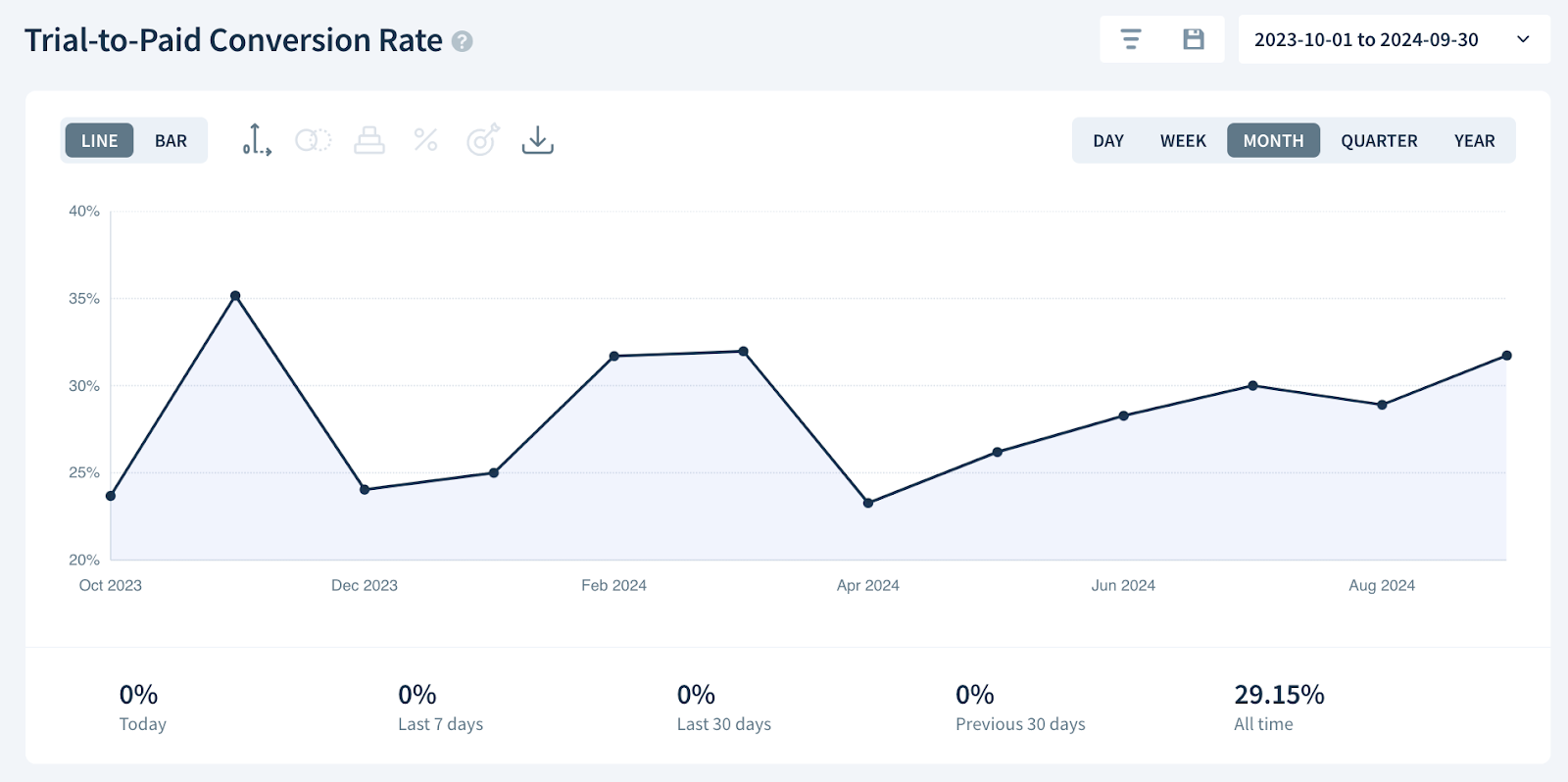
The baseline measure of PLG engine health. Median free-to-paid conversion sits at 9%, with top-quartile execution reaching 24% for products under $1K ACV.
Segment by self-serve conversions vs. sales-assisted conversions. That separation shows you exactly how much incremental value outbound is adding — and where the ROI case for your sales team actually lives.
Net Revenue Retention (NRR)
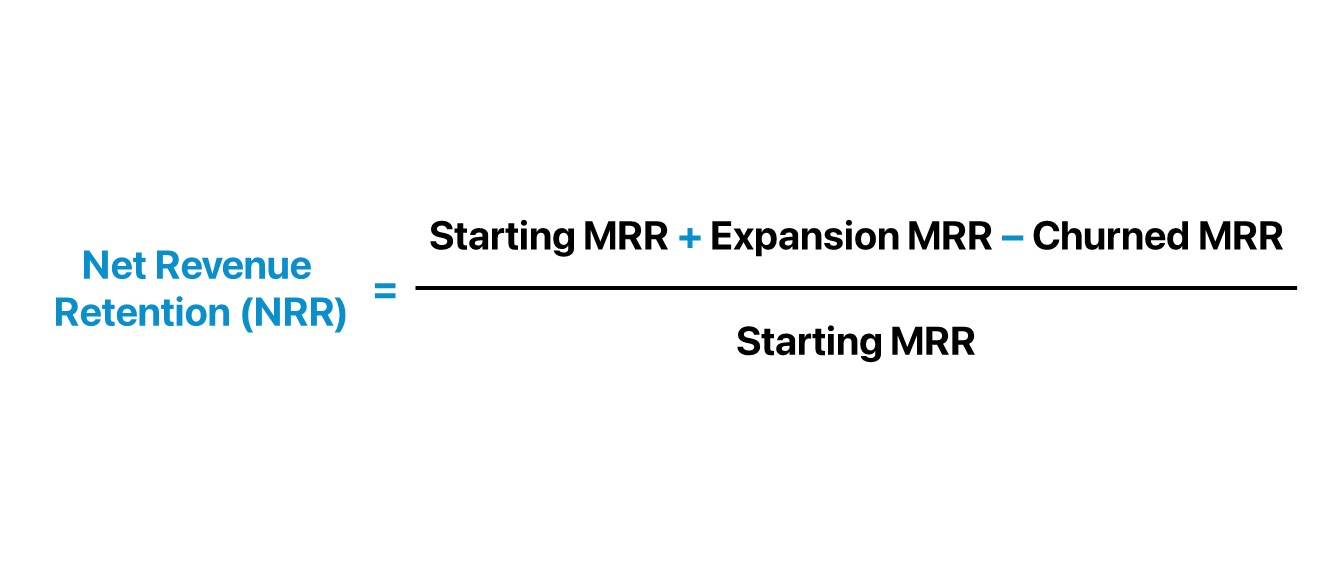
The ultimate product-led growth health metric. Companies identifying as product-led report 15% to 20% higher Net Revenue Retention compared to their sales-led counterparts.
NRR above 120% signals a strong expansion motion — often driven by combining product-led adoption with targeted expansion outbound. Best-in-class PLG companies maintain NRR rates above 120%, with standouts like Slack at 140% and Snowflake exceeding 150%.
Pipeline Sourced by PQL vs. Cold Outbound
Track pipeline created from PQL outreach separately from traditional cold outbound. This data proves — or disproves — whether product-led signals actually improve sales efficiency. In most cases, PQL pipeline converts faster and at higher ACV than cold pipeline. That comparison is the internal business case for investing in PQL infrastructure.
Common Mistakes When Combining PLG with Outbound
These come up consistently across B2B product-led growth teams. Most of them are execution problems, not strategy problems.
❌ Adding outbound before the product creates consistent activation. Sales ends up chasing users who haven't experienced value yet. No amount of outreach quality compensates for that.
❌ Treating all free users as leads. Outreach without PQL filtering burns goodwill fast. A free user who just signed up yesterday and got a sales email today will churn before they ever activate. That's a brand perception problem as much as a conversion problem.
❌ Building outbound sequences that ignore product context. Generic cold email to product users is worse than no outreach — it signals that you're not paying attention to their actual behavior. If you have product data, use it.
❌ Hiring a full sales team before defining the PQL model. Reps with no signal to work from default to volume-based outreach. That approach fails in a PLG context because your users aren't expecting it.
❌ Letting sales override the self-serve motion. The product should remain the primary conversion driver for sub-enterprise accounts. Reps who push every user toward a call create friction that makes your PLG metrics look worse than they are.
❌ Not instrumenting the CRM with product data. Sales and product teams operating in silos is the most common execution failure in hybrid GTM. If reps can't see usage context, they're guessing. If product can't see sales context, they can't prioritize the right improvements.
❌ Measuring outbound success with lagging indicators only. Revenue is a lagging indicator. Track PQL conversion rate, time-to-close from PQL, and free-to-paid rate broken out by channel so you catch problems before they show up in the revenue line.
How Cleverly Helps PLG Companies Accelerate Revenue with Outbound
PLG gives your product the ability to generate and qualify demand at scale. But converting that demand into a consistent pipeline requires an outbound execution layer that most PLG teams aren't built to run in-house — at least not efficiently.
That's where we come in. At Cleverly, we build and run targeted outbound systems for B2B product-led growth companies designed to reach the right accounts at the right moment in their buying journey. That means ICP targeting, verified list building, messaging that actually sounds like a person wrote it, and reply management — all done for you.
We work across LinkedIn outreach, cold email, and cold calling, and each channel is set up to complement your product-led motion, not compete with it.
Where we fit in the PLG + outbound stack: we help you reach enterprise accounts where PLG adoption signals indicate expansion opportunity, and we reach net-new ICP accounts that match your best self-serve customers but haven't discovered your product yet. The targeting is built around your product's data — not generic persona lists.
What makes this different from standing up outbound internally: our verified lists and tested messaging frameworks remove the trial-and-error that burns most teams' first six months.
Cleverly has helped 10,000+ B2B companies generate qualified pipeline through done-for-you outreach — and with $312M in pipeline generated across our client base, we know what works in different GTM motions.
The outcome isn't raw outreach volume. It's qualified meetings with the right decision-makers, booked into your calendar.
Running a PLG motion and ready to add outbound that actually fits your stage? Book a strategy call with Cleverly and we'll map out the right approach for where you are.
Conclusion
Product-led growth and outbound sales are not competing philosophies. They're complementary motions that, when sequenced correctly, produce faster growth than either one can create alone.
The formula is straightforward: let the product drive acquisition and activation, use product signals to identify the highest-intent accounts, and deploy outbound to convert those signals into pipeline.
The companies winning in 2026 aren't asking "PLG or sales?" — they're asking what their product is telling them about who to call and when.
Start with the product. Build the PQL infrastructure. Then add outbound as the amplifier, not the replacement. That's the playbook.
Frequently Asked Questions
Free Resource
How to Scale a Profitable Cold Call System
Get the complete guide — download it instantly now.
Free Ebook
Download the Free Guide
Enter your details to get instant access.
You're all set! 🎉
Your ebook is downloading now.
Click below if the download didn't start automatically.