Table of Contents
Why Conference Attendee Outreach Works Better Than Standard Cold Outreach
Three Types of Event Outreach — Choosing the Right Play
How to Find Conference Attendees on LinkedIn
How to Enrich and Validate Your Conference Attendee List
How to Write Event Outreach Copy That Gets Replies
How to Execute Conference Attendee Outreach at Scale
How Cleverly Helps You Turn Conference Attendees Into Pipeline
Conclusion
Frequently Asked Questions
Modified On :
September 29, 2026
Key Takeaways
- LinkedIn Events, Sales Navigator, and scraping tools let you build a verified attendee list weeks before the conference opens — the earlier you start, the less competition you face for calendar spots.
- Event-based outreach consistently outperforms cold outreach because shared event context gives you a built-in, relevant reason to reach out — attendees already know the space.
- The three phases of event outreach — before, during, and after — turn a single conference into a multi-week pipeline opportunity, not just a one-day networking activity.
- Your copy needs to match the event type: in-person conferences, webinar follow-ups, and hosted events each require a different angle and CTA.
- Most B2B teams either skip pre-event outreach entirely or start too late — that gap is exactly where you win calendar spots.
Conferences are one of the highest-density environments for your ideal buyers. Everyone in that room, by definition, cares about the same category of problem your product solves.
And yet, most sales teams still treat events the same way they treat trade shows from 20 years ago — they show up, work the booth, collect badge scans, and wonder why pipeline never materializes.
The teams generating the most pipeline from conferences are the ones running 8–12 week outreach cadences before the show opens. While everyone else is sending the same templated LinkedIn message the week before the event, they've already got 10–20 meetings booked.
According to Vendelux's 2026 B2B Events Survey, 55% of teams start outreach less than four weeks before the show — and 70% cite lack of visibility into attendee lists as their top barrier to booking meetings before events. Both of those are fixable problems.
LinkedIn is the most powerful tool for finding conference attendees, enriching contact data, and launching personalized outreach before, during, and after an event.
This guide walks through how to build the attendee list, validate the data, write copy that actually gets replies, and execute the full sequence — so you arrive at your next conference with your calendar already full.
Why Conference Attendee Outreach Works Better Than Standard Cold Outreach
Cold outreach works. But finding and reaching conference attendees unlocks a dynamic that standard prospecting can't replicate: shared context.
When you reach out referencing a specific event, you're not a stranger. You're a peer who's going to be in the same room. That changes the psychology of the open, the reply, and the conversation.
Attendees are pre-qualified by definition. Registering for an industry conference requires time, money, and budget approval. These are not passive browsers. They've publicly signaled active interest in a category that almost certainly aligns with your offer. The filtering has already been done for you.
According to Linked Helper's internal data, campaigns that interact with event attendees before connecting show at least 10% higher acceptance rates than cold invites alone. That number climbs further when the outreach references specific event context — a session, a speaker, or a topic on the agenda.
Trade show leads followed up within 24–48 hours are roughly 60% more likely to convert, yet only about 18% of event leads ever receive serious follow-up. Most companies do the hard part — getting to the event — and then fumble the execution on either end of it.
The three windows where event outreach works:
- Before the event: set meetings in advance, arrive with a booked calendar
- During the event: coordinate meet-ups, coffee conversations, and side gatherings
- After the event: follow up while the shared context is still fresh and top of mind
🎯 Your Dream Clients Won’t Reach Out First
We help you systematically engage high-value accounts at scale. LinkedIn, cold email & calling — fully done for you.
Three Types of Event Outreach — Choosing the Right Play
Not every event is the same. Your outreach strategy should match the event type, the audience's intent level, and what you're realistically trying to accomplish.
Play 1: In-Person Industry Conferences
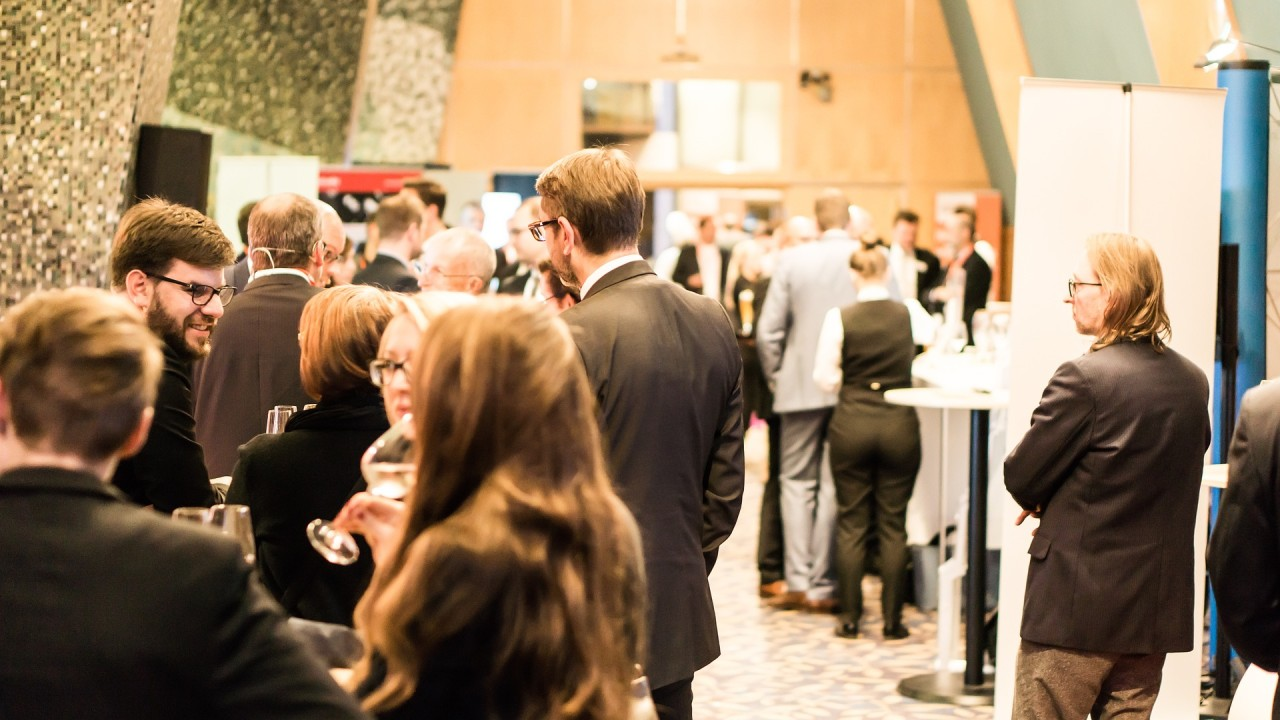
In-person conferences are the highest-value event type for pipeline generation. The people attending are typically senior, often decision-ready, and had their attendance approved by someone holding budget. Getting on their calendar at the conference is one thing. Getting on their calendar before they arrive is the real advantage.
The goal for in-person events is simple: arrive with 10–30 short meetings already booked instead of relying on hallway conversations. A 5-minute coffee between sessions is infinitely more productive than a badge scan with no follow-through.
Start outreach at least three months out. The data supports 8–12 week outreach cadences as the benchmark for teams generating meaningful pipeline from events. The earlier you reach out, the less competition you're up against for open calendar slots. By the time most SDRs send their first message, the best time blocks are already gone.
Play 2: Webinars and LinkedIn Virtual Events
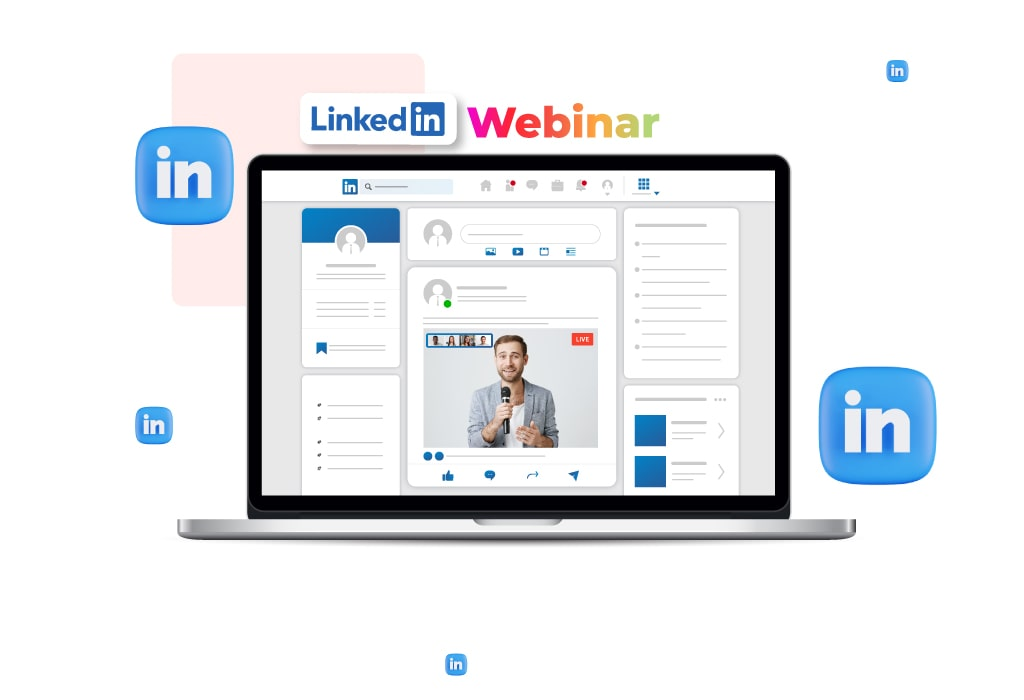
Virtual event attendees have just consumed content in your space. They have demonstrated, active interest in the topic — that's why they showed up.
The best play here is a follow-up that references specific content from the event. A speaker point, a stat shared on screen, or a topic that generated a lot of chat activity. That level of specificity proves you were genuinely engaged — and it opens a peer-to-peer conversation instead of a pitch.
Companies that engage with profiles based on warm signals — including event attendance — see reply rates of up to 25%, roughly 3x higher than cold outreach alone. Webinar follow-up outreach, when it's specific and timely, is among the highest-converting plays in outbound.
Play 3: Events You Are Hosting
When you own the event, the outreach goal shifts from "can we grab time" to "here's why you should show up."
Lead with the top one or two reasons they should attend. A compelling speaker, exclusive content, or an intimate executive format carries more weight than a generic invite. Co-hosting with a recognizable name in the industry significantly increases conversion — the social proof does a lot of the heavy lifting.
For hosted events, local targeting matters. You want to reach people who are geographically likely to attend and match your ICP on role, seniority, and company type. A tight invite list with personalized outreach beats a broad blast every time.
How to Find Conference Attendees on LinkedIn
LinkedIn is the primary source for finding conference attendees — especially for industry events that list attendees publicly or have an associated LinkedIn Events page. Here are the three methods we use, in order of warmth.
Method 1: LinkedIn Events — Native Attendee Access
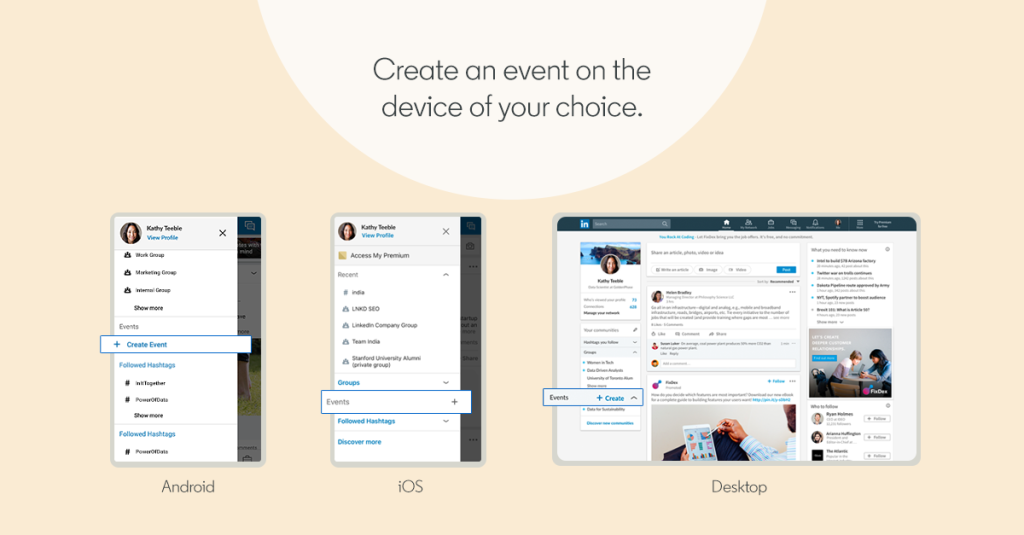
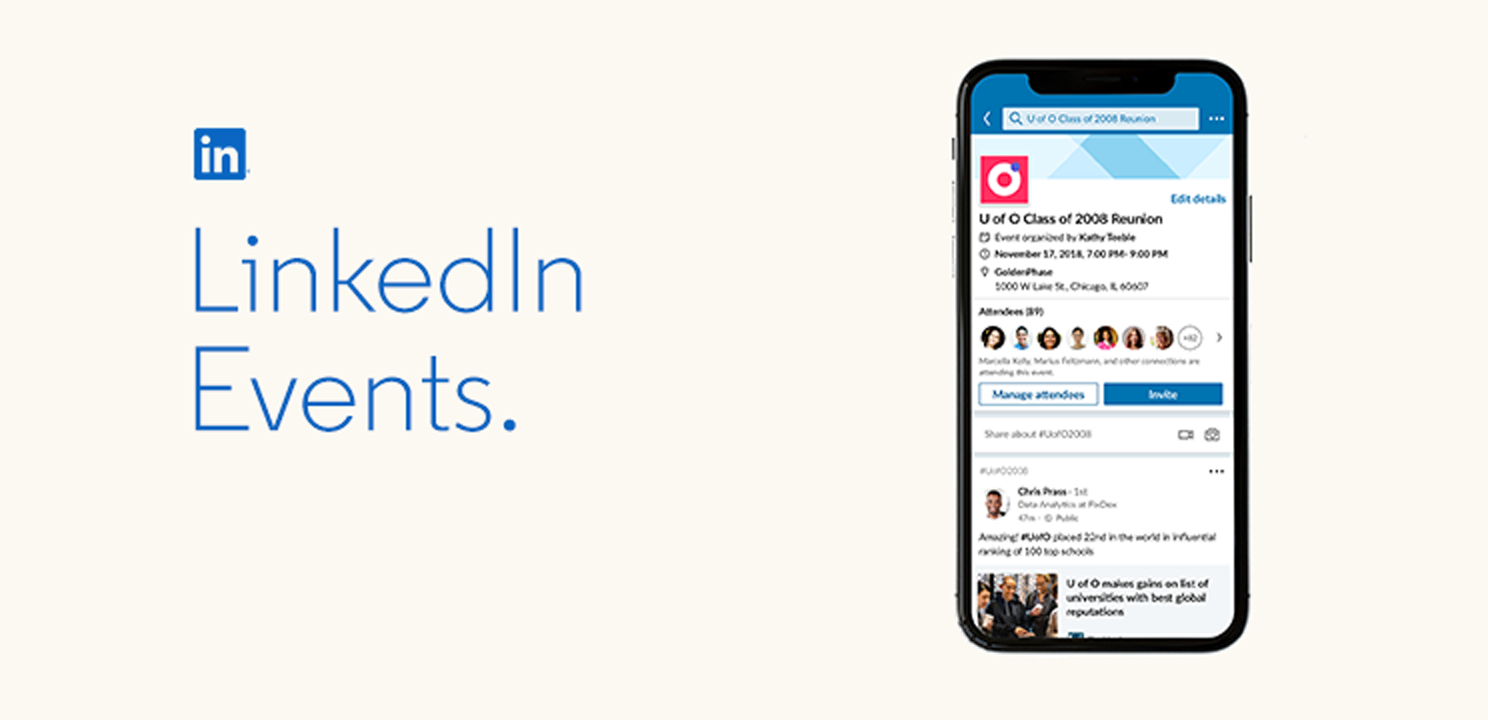
If the conference has an associated LinkedIn Event page, attendees who RSVP are visible directly inside the platform. This is the warmest list you can build — these people have publicly declared intent to attend.
Here's how to find it: search the event name in LinkedIn's search bar and filter results to "Events." Once you're on the event page, click "Attending" to browse the full attendee list — names, job titles, companies, and profile links are all there.
For small events, you can work through the list manually. For larger conferences, tools like PhantomBuster, Evaboot, or Linked Helper can extract the list at scale so you can enrich and sequence it properly.
Attendees who RSVP on LinkedIn have opted in to hear from others in the context of that event — which makes subsequent outreach significantly warmer than a cold list built from a database.
Method 2: Buying the Attendee List Directly from the Event
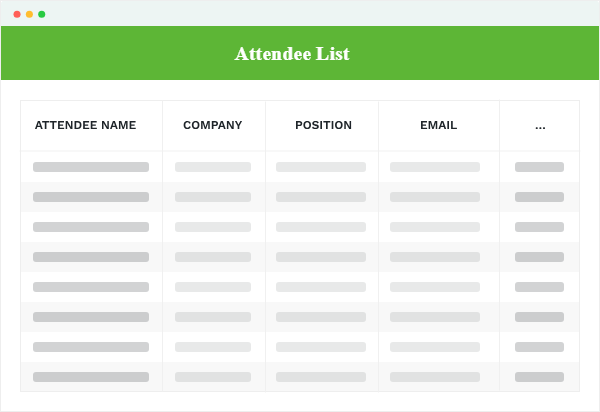
Many large industry conferences sell attendee lists through their sponsorship or partnerships team. Look at the event website's "Sponsor" or "Exhibitor" section — list access is often bundled into a package.
What you typically get: name, job title, company, and sometimes an email or LinkedIn URL. The advantage is completeness. The trade-off is cost, and the fact that every competitor who bought the same package is reaching out to the same names.
Best practice: treat the purchased list as a starting point, not a finished asset. Run it through LinkedIn enrichment to add profile URLs, verify contact data, and layer in additional context before you launch any outreach.
Method 3: Manual LinkedIn Research Using Sales Navigator
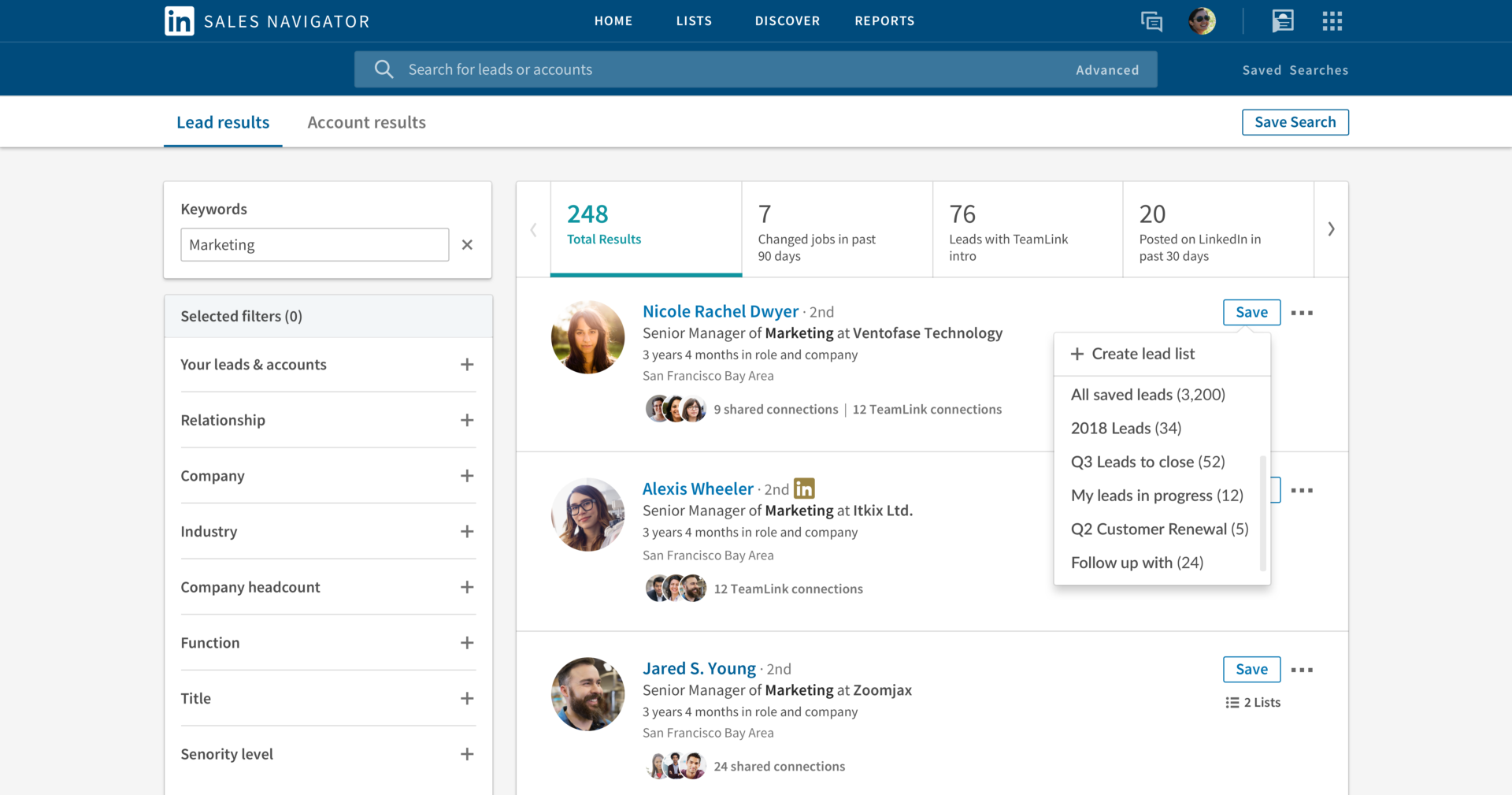
Sales Navigator lets you build highly targeted lists even when no official attendee data exists. Use it to find people who work at companies known to attend or sponsor a specific event.
Filter by industry, job title, seniority, company size, and geography. Layer in companies listed as sponsors or exhibitors on the event's public agenda — these companies almost always send multiple people. Then search the event hashtag on LinkedIn to surface people already posting about attending.
One underused tactic: search "[Event Name] + [Year]" directly in LinkedIn's search bar. People who have mentioned the conference in their profile activity or recent posts will surface — these are the warmest prospects on your list.
🚀 Targeting the Right 100 Companies Changes Everything
We identify, contact, and book meetings with your ideal prospects. You focus on closing deals while we fill the pipeline.
How to Enrich and Validate Your Conference Attendee List
A raw list of names and companies isn't enough to launch outreach. Before you sequence anything, you need verified contact data and clean segmentation.
Step 1: Enrich LinkedIn profiles with emails and direct dials
Tools like FullEnrich, Lusha, or ForeverLeads cross-reference LinkedIn profiles against multiple data sources to surface verified contact information. Don't rely on a single enrichment tool — waterfall enrichment (running the list through multiple providers in sequence) gets you higher coverage without sacrificing accuracy.
Step 2: Validate every email address before loading anything into a sending platform
Run the list through a tool like MillionVerifier or ZeroBounce. Unvalidated lists cause deliverability damage that doesn't just affect one campaign — it degrades your sender reputation for everything that follows.
Step 3: Segment by channel
Not every contact should receive the same outreach. LinkedIn connection requests, cold email sequences, and phone outreach each require different data and different copy. Segment before you sequence.
Step 4: Add personalization fields
For each contact, capture their job title, company, and any relevant signal you can find — a session they're speaking at, a topic they've posted about, or a company initiative that connects to your offer. This data goes directly into your copy.
Data hygiene principle worth internalizing: a smaller, clean, verified list will always outperform a large unvalidated one. Volume without quality creates deliverability problems and ruins the account-level reputation you're trying to build.
How to Write Event Outreach Copy That Gets Replies
The most common mistake in event outreach on LinkedIn is using the same generic cold outreach template with an event name swapped in. "I noticed we're both attending [Event]" is not a hook — it's the baseline that every prospect already filters out.
The goal is to sound like a peer reaching out to connect, not a salesperson running a sequence.
Copy Framework for In-Person Conference Outreach
Lead with the event as the opener, but make it specific. A venue, a date, a speaker, or a session on the agenda. Vague event references signal that you're blasting — specific ones signal that you're paying attention.
Propose something concrete and low-commitment. A 5-minute coffee between sessions, a quick handshake at a particular session, or drinks at the venue hotel. The lower the ask, the higher the conversion.
Side event play: if you're hosting a small gathering at the conference — dinner, drinks, a roundtable — use that as your CTA. An invite to an exclusive event converts significantly better than a generic meeting request.
Keep the message to three or four lines maximum. Brevity signals respect for their time. Long messages in this context read as desperation.
Example angle:
"[Name] — heading to [Event] in [City] next month. Would love to grab a quick coffee between sessions if you're around. Any time blocks working for you?"
Copy Framework for Webinar and Virtual Event Follow-Up
Reference something specific from the event content. A speaker point, a stat, or a topic that generated discussion. This proves you were genuinely there and gives the message immediate relevance.
Open with a question based on the event topic — not a pitch. Asking for their take on something they just heard creates a real conversation instead of a sales funnel entry point.
Example angle:
"[Name], what did you think of what [Speaker] said about [specific topic]? We've been seeing the same thing with our clients — would be great to swap notes."
Copy Framework for Events You Are Hosting
Lead with the strongest reason to attend — value proposition first, invite second. Name a co-host or speaker up front if applicable. Social proof on a hosted event invite does more work than any copy you could write.
Keep the CTA clear and frictionless: an RSVP link, a reply to confirm, or a cell number to text closer to the date.
Example angle:
"[Name] — we're hosting a small dinner for [industry] leaders in [City] on [date]. [Speaker/Co-host] will be joining — keeping it to 15 people so it stays high-value. Interested?"
How to Execute Conference Attendee Outreach at Scale
The tactical sequence, start to finish:
Step 1: Build the attendee list using the methods above — LinkedIn Events, a purchased list, Sales Navigator research, or a combination of all three.
Step 2: Enrich and validate all contact data before loading into any tool. This is not optional.
Step 3: Segment by channel — LinkedIn sequences for connection-based outreach, cold email for direct inbox access, or both running in parallel for high-priority accounts.
Step 4: Write event-specific copy matched to the event type. In-person, webinar follow-up, and hosted event invites each need their own angle and CTA.
Step 5: Launch sequences — keep the tone 1:1 throughout. Broadcast-style templates are the fastest way to kill reply rates on what should be your warmest outreach.
Step 6: Monitor replies and route engaged contacts into a meeting booking workflow immediately. Speed of follow-through here matters — a warm reply that sits for 48 hours cools fast.
Step 7: Post-event follow-up within 48–72 hours. Everyone you met, messaged, or connected with at the event should receive a follow-up while the shared experience is still fresh. Only about 18% of event leads ever receive serious follow-up — this is where most teams leave the majority of their conference ROI on the table.
The golden rule: event outreach dies the moment it reads like a mass campaign. Personalization at scale is the execution challenge, not the list building.
How Cleverly Helps You Turn Conference Attendees Into Pipeline
Building a conference attendee outreach system requires list sourcing, data enrichment, personalized copywriting, and multi-channel execution — all at the same time your team is actually at the event, running meetings and managing logistics. Most sales teams don't have the bandwidth to do this well without dropping something.
Cleverly's Event Networking Outreach Playbook walks through the full process end-to-end: how to find conference attendees on LinkedIn, enrich and validate the data, write copy matched to the event type, and launch outreach through both LinkedIn and email.
We've helped 10,000+ B2B companies generate pipeline through done-for-you LinkedIn outreach, with $312M in pipeline generated across clients ranging from early-stage companies to names like Amazon, Google, Uber, and PayPal.
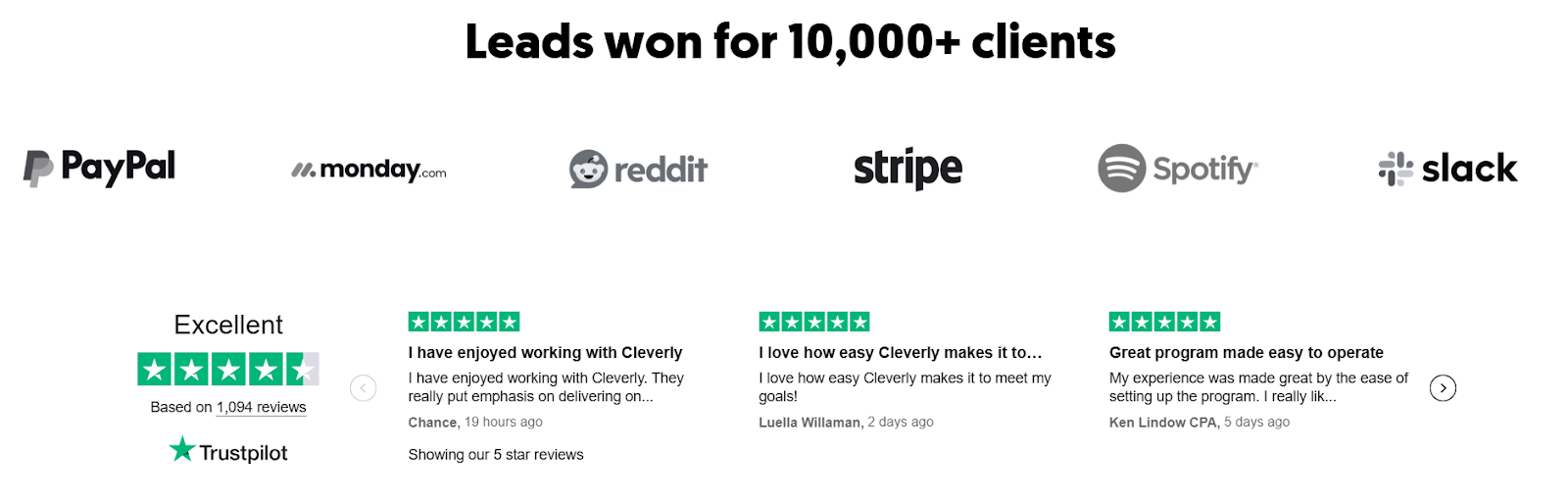
As a LinkedIn lead generation agency, we handle attendee list sourcing, enrichment, personalized outreach sequences, and reply management — so your calendar fills up before you land at the venue.
LinkedIn lead generation starts at $397/month, with no long-term contracts and month-to-month pricing.
The outcome: you arrive at conferences with meetings already booked, not hoping to catch the right person in the hallway.
Want your next conference to generate real pipeline? Book a strategy call with Cleverly.
Conclusion
LinkedIn makes it possible to identify, reach, and warm up conference attendees weeks before the event doors open. The window is wide open — most teams either skip this entirely or start too late, which means showing up early with a strong list is a genuine competitive advantage, not just a nice-to-have.
The before/during/after approach turns a single conference into a multi-week pipeline event. Match your copy to the event type, keep it personal, and start earlier than feels necessary.
The best conference ROI doesn't come from what happens on the show floor — it comes from the outreach you launched before you packed your bag.
Frequently Asked Questions
Free Resource
How to Scale a Profitable Cold Call System
Get the complete guide — download it instantly now.
Free Ebook
Download the Free Guide
Enter your details to get instant access.
You're all set! 🎉
Your ebook is downloading now.
Click below if the download didn't start automatically.