Table of Contents
What Is a B2B Partnership Pipeline and Why Does It Matter?
Types of B2B Partnerships Worth Building
How to Identify the Right B2B Partnership Targets
How to Build Your B2B Partnership Outreach List
How to Write Outbound Copy That Starts Partnership Conversations
How to Structure Your B2B Partnership Incentive Model
Best Ways to Scale B2B Partnerships Effectively
How to Nurture and Retain Your B2B Partners Long-Term
How Cleverly Helps B2B Teams Build an Outbound Partnership Engine
Conclusion
Frequently Asked Questions
Modified On :
June 5, 2026
Key Takeaways
- B2B partnerships are one of the highest-ROI growth channels available — partner-sourced deals close 53% more often and carry 40% higher average order value than direct-sourced leads.
- A B2B partnership pipeline is a structured, outbound-driven system — not a passive referral program that waits for contacts to send you deals.
- The best partners are not the biggest brands — they are the businesses already serving your exact ICP that don't compete with you.
- Referral partner programs aged 3 to 4 years average $330K per year in partner-sourced revenue; the ones that stall do so because of attribution opacity and neglected nurture, not bad incentives.
- The fastest way to activate a partnership is to combine curiosity-led outreach copy with a small first ask — a 15-minute call, not a signed agreement.
Somewhere along the way, B2B companies decided that partnerships were something you "earned" over time — organic relationships that developed naturally after enough industry events, LinkedIn connections, and mutual referrals. So they waited.
The companies actually winning with B2B partnerships right now built them on purpose. They treated partner acquisition the same way they treat lead generation: with an outreach list, a messaging strategy, and a follow-up cadence.
The result is a pipeline channel that compounds in ways paid ads and cold outreach never can.
The data backs this up. Partner-sourced deals have a 40% higher average order value, are 53% more likely to close, and convert 46% faster than deals without partner involvement.
Meanwhile, 84% of B2B decision-makers say their buying process starts with a referral. That's not a marginal edge — that's a fundamentally different sales motion.
This guide covers everything you need to build an outbound-driven B2B partnership pipeline from scratch: how to identify the right partner types, source your outreach list, write partnership copy that gets replies, structure your incentive model, and nurture partners for long-term, compounding pipeline.
If you're a B2B founder, sales leader, or growth team that wants a pipeline channel that doesn't require more headcount or ad spend, this is where to start.
What Is a B2B Partnership Pipeline and Why Does It Matter?
A B2B partnership pipeline is a structured, repeatable system for sourcing, activating, and managing partner relationships that generate pre-qualified leads and revenue on your behalf.
This is not the same as having a referral program page on your website and hoping someone uses it.
A referral program is passive. It waits for contacts to remember you, find the form, and send over a name. A partnership pipeline is active — it's built on outbound prospecting, intentional relationship development, and consistent nurture. The distinction matters because the passive version almost never scales, and the active version compounds.
Here's why compounding math is so different from cold outreach: every partner you activate continues referring without requiring additional outreach investment from your side.
One strong referral partner might send you three qualified introductions this quarter and four more next quarter, with no incremental cost on your end. Cold outreach doesn't behave that way — you spend to reach a prospect once, and then you spend again to reach the next one.
The reason most teams miss this: they skip the outbound step entirely. They wait for partners to find them. Proactively identifying adjacent providers and reaching out is exactly where most partnership programs fail before they even start.
🤝 Partnerships Start With Conversations
We help you reach the right decision-makers at scale. LinkedIn, cold email & calling—fully done for you.
Types of B2B Partnerships Worth Building
Not all partnership types require the same investment or deliver the same type of pipeline. Choose based on your ICP, deal size, and how much operational bandwidth you have.
Referral Partnerships

The most accessible and highest-leverage B2B partnership type for most companies.
The model is simple: an adjacent provider — someone who already serves your exact ICP but doesn't compete with you — recommends your service when a client needs what you do. In exchange, they earn a referral fee or revenue share.
The lead arrives with trust already established. You skip the credibility-building phase that makes cold outreach expensive. Referred B2B clients have a 25% shorter sales cycle and stay 2.1x longer as customers. That's not just better conversion — it's better retention, which changes your entire CAC math over time.
Best partner profiles: agencies, consultants, complementary SaaS tools, and adjacent service providers that already have your ICP as clients and a trusted relationship with them.
Co-Sell Partnerships
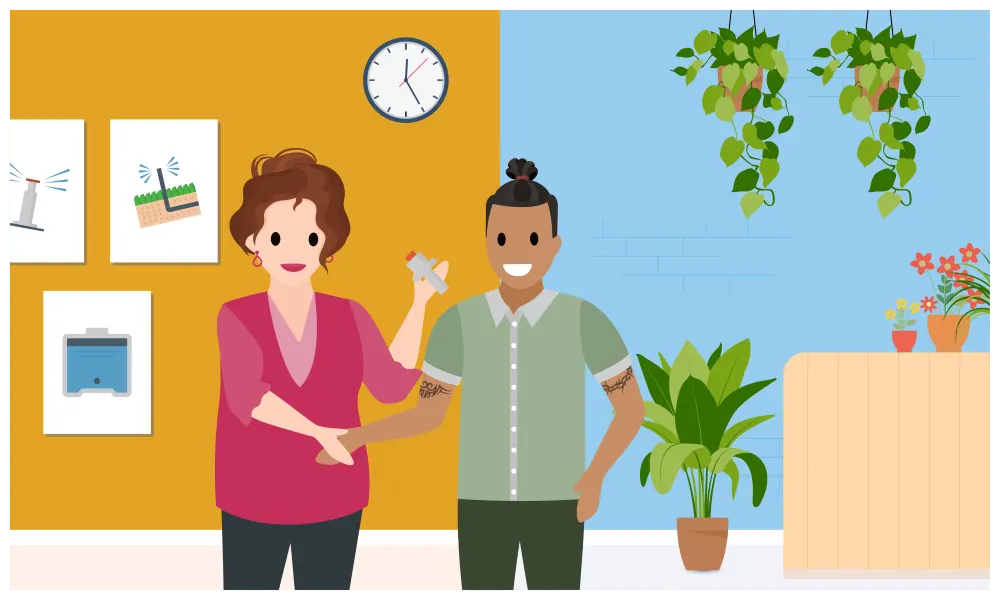
More active than referral arrangements — both companies engage together in selling into shared accounts.
This works best when your offer and your partner's offer are genuinely bought together by the same buyer at the same time. Think of a marketing agency co-selling with a CRM platform, or a RevOps consultant co-selling alongside a sales enablement tool.
Co-sell requires deeper alignment: a shared ICP definition, coordinated messaging, and clear agreement on who owns the customer relationship post-sale. It's a bigger lift upfront, but when the alignment is genuine, it delivers some of the most qualified pipeline available.
Affiliate and Commission-Based Partnerships
Lower-touch and more scalable than referral or co-sell arrangements — partners promote your offer to their audience in exchange for a commission tracked through affiliate software.
This works best when your offer has clear, demonstrable ROI and either a self-serve or low-touch sales motion. If your sales cycle is six months and involves five decision-makers, affiliate is probably not the right primary model.
Tools like PartnerStack automate attribution, tracking, and payouts — which removes the operational friction that kills most affiliate programs early. The PartnerStack Network hit $2.7B in all-time GMV in 2025, fueled by a 52% year-over-year surge in transaction volume — which tells you the affiliate and partner ecosystem is not slowing down.
Strategic Alliances and Integration Partnerships

The deepest form of B2B partnership marketing — formal arrangements involving joint GTM, product integrations, co-authored content, or shared resources at scale.
These are best suited for companies with established traction and the bandwidth to invest meaningfully in partner enablement. The upfront investment is significant, but the compounding return when genuine alignment exists is unlike anything else.
Microsoft generates 95% of its commercial revenue via partners — an extreme example, but one that illustrates the ceiling of what partnership-led growth can become.
How to Identify the Right B2B Partnership Targets
The best partner is not the most recognizable name in your space. It's the business whose clients most closely resemble your ideal accounts and who your ICP already trusts.
The targeting question is simple: who is already serving your ICP before, during, or after they buy from you?
A founder selling RevOps consulting should be looking at CRM implementation partners, sales enablement agencies, and fractional CFO networks — not the biggest consulting firms in the industry.
Method 1: Lookalike Partner Discovery
If you already have one strong referral partner or one company you'd love to partner with, use that as a seed to find more. Tools like DiscoLike let you input an existing adjacent provider and surface lookalike organizations operating in the same space with similar audience profiles.
This is your starting universe for outbound partner prospecting. Export the list, layer in your own qualification criteria, and you have a targeted outreach list in a fraction of the time it takes to build one manually.
Method 2: Manual Research via LinkedIn and Google
Search LinkedIn for agencies, consultants, and service providers targeting your ICP using role and industry filters in Sales Navigator. Pair that with Google searches for "[your industry] + agency" or "[your ICP problem] + consultant" to surface adjacent providers with strong market presence.
One of the best research signals is often your own clients. Ask them directly: "Who else do you work with that helps you with [adjacent problem]?" The businesses they name repeatedly are your warmest partnership targets — your clients already trust them and can facilitate introductions.
Method 3: Your Existing Network and Client Relationships

Your current clients are your fastest path to warm partner introductions. They already know who serves them well, and a warm intro from a mutual client collapses the trust-building timeline from months to a single conversation.
Build this question into your onboarding process and your quarterly business reviews: "What other agencies, tools, or consultants are you working with right now?" Track the answers. Patterns emerge fast.
🚀 Building Partnerships Shouldn't Be a Full-Time Job
We handle prospecting, outreach & follow-ups end-to-end. You focus on closing partnerships and growing revenue.
How to Build Your B2B Partnership Outreach List
Once you've identified your target partners, the list-building process follows a specific sequence.
Step 1: Export your target partner list from your lookalike discovery tool or LinkedIn research. This is your raw universe.
Step 2: Identify the right decision-maker at each organization. Focus on founders, owners, and partners who have the authority to agree to a referral arrangement — not marketing managers or SDRs who will bounce the conversation up the chain anyway.
Step 3: Enrich contact records with verified email addresses and LinkedIn profiles. Clay's waterfall enrichment is the most reliable method here — it runs contacts through multiple data providers in sequence and stops when it finds a verified match, which dramatically improves deliverability compared to pulling from a single data source.
Step 4: Validate email addresses before uploading to any outreach tool. A tool like MillionVerifier catches invalid and risky addresses before they affect your sender reputation.
Step 5: Add personalization fields to each record. What does this partner do? Why is there a natural fit? Are there any mutual connections or shared clients you can reference?
On list size: start with 20 to 50 high-fit partners rather than a broad list of 500. Partnership outreach is a peer-to-peer conversation, not a mass email campaign. It does not scale well at high volume if the copy feels impersonal — and with partnerships, a generic opener is a deal-killer.
How to Write Outbound Copy That Starts Partnership Conversations
The single biggest mistake in partnership outreach is leading with a pitch.
"We'd love to explore a potential partnership" with no context, no specificity, and no indication of why you're reaching out to this particular company is exactly what a mass-sent template looks like. It reads as one, and it gets treated as one.
B2B partnership marketing outreach needs to feel like a peer-to-peer message — someone who did their homework and genuinely sees a logical fit, not a sales rep running through a list.
Lead With Why Them — Not Why You
The first thing the reader should understand from your message is why you're reaching out to them specifically. Reference what they do, who they serve, and why there's a natural connection.
"Your [agency/firm type] keeps coming up when I talk to our clients in [industry]" is a strong opener because it's specific, it signals research, and it tells the recipient something true about their market position. Generic openers like "I think there could be a great fit here" read as copy-pasted and get ignored.
Specificity signals genuine intent. Vagueness signals mass outreach.
Make the Ask Small
The goal of the first message is a 15-minute exploratory conversation, not a signed partner agreement. Every element of friction you add to the ask reduces your reply rate.
"Would it make sense to have a quick 15-min call to see if there's a fit?" is the right call to action for a cold partnership outreach.
Attachment-heavy emails, multi-paragraph pitches, and requests for immediate commitment in the first touch all kill reply rates — and for partnership outreach specifically, they set the wrong tone for the relationship before it even starts.
Include the "Why Now" When Possible
A timely hook makes your outreach feel relevant rather than opportunistic. A mutual client, a recent industry announcement, a piece of content they published, or a relevant trend in their market all work.
Here's what a strong partnership opener looks like in practice:
"Hey [Name] — your [agency/firm type] keeps coming up when I talk to our clients in [industry]. We handle the outbound side for B2B companies — a lot of the [firm types] we work alongside end up sending referrals our way when a client needs pipeline but that's not their wheelhouse. Would it make sense to hop on a quick 15-min call to see if there's a fit?"
That message is specific, low-friction, peer-toned, and has a clear, small ask. It does not sound like a mass-sent template — because it isn't one.
How to Structure Your B2B Partnership Incentive Model
The biggest source of referral partner churn is not low commissions — it's ambiguity. Partners stop sending referrals when they don't know what counts as a qualified referral, when they'll get paid, or whether a deal they sent is even in your pipeline.
Define this before you activate a single partner: what qualifies as a referral, how attribution works, and what the payout timeline looks like.

Revenue Share
The most sustainable model for long-term partner engagement. Partners who refer multiple clients per year want to feel proportionally rewarded, and a flat fee that looks great on a small deal looks underwhelming on a $50K ACV contract.
Typical range: 5 to 15% of first-year contract value for B2B services. For SaaS with recurring billing, recurring commissions are more compelling — HubSpot's 30% recurring commission structure is a widely referenced benchmark in the SaaS affiliate space.
Flat Referral Fee
Simpler to administer and easier for partners to understand, especially when your offer has predictable contract values. A flat fee works well for lower-ticket services where the math is clear and consistent.
The risk: when a partner refers a high-value client and receives the same fee as a mid-market deal, it can feel underwhelming. Know your average deal size and structure the flat fee accordingly.
Double-Sided Incentives
Reward both the referring partner and the referred client. Over 78% of programs reward both the referrer and the referred, creating a win-win dynamic that encourages participation.
A sample structure: the referring partner earns 10% of the first-year contract value; the new client receives a discounted first month or onboarding credit. This model drives the highest activation speed because it gives both parties a concrete reason to move quickly.
Two-Way Referrals
The most natural incentive structure for true co-sell or co-referral relationships — both parties agree to send each other opportunities without a formal commission, because both benefit roughly equally from the arrangement.
This works when both companies serve the same ICP and have roughly equivalent deal sizes. It requires clear tracking and mutual commitment to follow through — "we'll refer each other" without a system to hold both sides accountable tends to fade within a quarter.
Best Ways to Scale B2B Partnerships Effectively
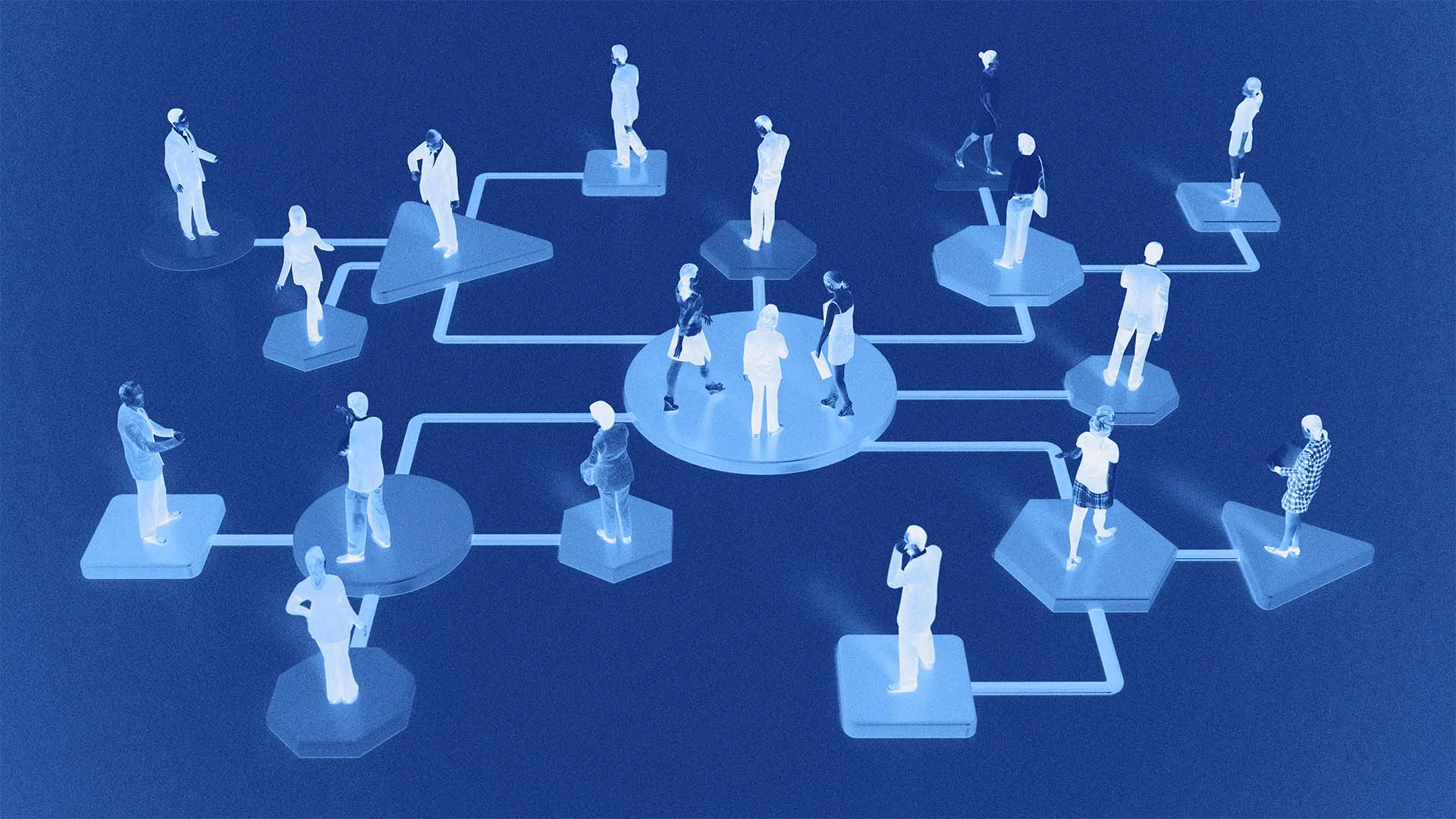
The temptation when a partnership program starts working is to immediately expand it — recruit 50 partners, launch a formal program, build an affiliate portal. Resist this for longer than feels comfortable.
The best ways to scale B2B partnerships effectively start with depth, not breadth.
Activate two or three high-fit partners fully before adding more. One strong referral partner generating consistent introductions can materially change your CAC math without adding any headcount.
And the lessons you learn from those first partners — what messaging works, what objections come up, what the ICP really looks like from their perspective — will make every subsequent partner relationship stronger.
A few principles that separate the programs that scale from the ones that stall:
✅ Enable before you ask. Partners need to know exactly how to position your offer and exactly who to send your way. A one-page partner brief that covers your ICP, your offer in one sentence, and two or three example client profiles is worth more than a 40-slide partner deck. Short, practical enablement outperforms comprehensive onboarding every time.
✅ Follow up fast on referrals. When a partner sends you an introduction, speed of follow-up is a trust signal. A slow response tells the partner that referrals are not a priority — and they will stop sending them. Treat a partner-sourced introduction with the same urgency as a booked inbound demo.
✅ Over-deliver on the first referred client. Then circle back and tell the partner. This single behavior — closing the loop after a positive outcome — is the most reliable way to convert a one-time referral into a habitual behavior.
✅ Make attribution transparent. The number one killer of referral partner programs is attribution opacity. If partners can't see deal status and payout timelines in a dashboard, they stop sending you deals. Use PartnerStack or a comparable tool so partners have real-time visibility into what happens to the introductions they send.
Referral partner programs aged 3 to 4 years average $330K per year in partner-sourced revenue. Programs under one year average $120K. Consistency and patience matter more than aggressive early expansion.
How to Nurture and Retain Your B2B Partners Long-Term

Activation is where most partnership programs put their energy. Nurture is where most programs fall apart.
A partner who referred you twice in Q1 and heard nothing back — no updates, no wins to share, no acknowledgment of the deals that closed — is a partner who quietly stops referring. It does not feel like a partnership anymore. It feels like a transaction they completed.
The nurture cadence does not need to be complex:
✅ Monthly touchpoints. Share a relevant client win, a new case study, a market insight, or a piece of content that helps your partner position your offer more confidently. This keeps you top of mind and demonstrates that you are actively building something worth referring clients toward.
✅ Quarterly check-ins. Review referral activity, ask about friction points, and reconfirm ICP alignment. ICPs drift. Your partner's client base evolves. A quarterly conversation catches misalignment before it costs you referrals.
✅ Co-marketing. Co-author a piece of content, run a joint webinar, or share each other's audiences on a relevant topic. This strengthens the relationship and creates mutual visibility in front of each other's networks — it compounds in ways that a simple referral arrangement does not.
✅ Recognition. Dual-sided reward structures increase referral participation by 29%. Publicly acknowledging top-performing partners — even informally through a message or a shoutout in a shared community — reinforces the behavior you want more of.
When to cut a partner: if a relationship has produced zero qualified introductions in six months despite consistent nurture, reallocate your time. Not every partner will activate, and holding on too long comes at the cost of time you could spend building relationships that will.
How Cleverly Helps B2B Teams Build an Outbound Partnership Engine
Building a B2B partnership pipeline through outbound requires the same discipline as any lead generation campaign — the right list, the right copy, and consistent follow-through.
The difference is that most companies never start because they treat partnership development as relationship-building that happens naturally over time rather than a systematic outreach motion they can control.
At Cleverly, we run partner outreach campaigns alongside direct outbound — so you are building pipeline from two directions simultaneously. Our team handles the list building, the copywriting, the sequencing, and the follow-up cadence, so your team stays focused on conversations that are already warm.
We've helped 10,000+ B2B companies build outbound systems that generate qualified pipeline — working with teams across industries from early-stage startups to enterprise brands including Amazon, Google, Uber, and Slack.
Our LinkedIn outreach starts at $397/month and our cold email services operate on a pay-per-lead model, so you only pay for meetings that land in your calendar.
If you're spending time on cold outreach that isn't converting at the rate you need, a parallel partner channel built the right way is often the highest-ROI move available. We can help you build both at the same time.
Book a strategy call with Cleverly and we'll walk you through exactly how a partnership outreach campaign would work for your ICP.
Conclusion
B2B partnerships are not a passive strategy you wait to benefit from. The companies generating consistent partner-sourced pipeline built it the same way they built every other pipeline channel — with a list, an outreach process, and intentional follow-through.
Start with 20 to 30 high-fit adjacent providers, reach out with copy that sounds like a peer rather than a pitch, and activate a small number of strong partners before trying to scale. The compounding math is real: a well-nurtured partner channel grows in output without growing proportionally in effort. The best time to build it was two years ago — the second best time is now.
Frequently Asked Questions
Free Resource
How to Scale a Profitable Cold Call System
Get the complete guide — download it instantly now.
Free Ebook
Download the Free Guide
Enter your details to get instant access.
You're all set! 🎉
Your ebook is downloading now.
Click below if the download didn't start automatically.