

Table of Contents
What Is Lead Generation in Digital Marketing?
Why Lead Generation Matters for Your Business
9 Proven Lead Generation Strategies in Digital Marketing
How to Measure Lead Generation Success
How Cleverly Generates B2B Leads Across Multiple Digital Channels
Conclusion
Frequently Asked Questions
Modified On :
June 24, 2026
Key Takeaways
- Lead generation in digital marketing is the process of capturing potential buyers through online channels — the goal is always a sales conversation, not just a contact record.
- Inbound strategies (SEO, content, referrals) and outbound strategies (LinkedIn, cold email, cold calling) serve different roles — the most effective programs run both simultaneously.
- Lead quality matters more than volume: high-intent, well-qualified leads produce better close rates and shorter sales cycles than large unqualified lists.
- Every lead generation channel should be measured on cost per opportunity and cost per closed deal — not just cost per lead.
- Done-for-you outbound (LinkedIn, cold email, cold calling) lets B2B teams generate pipeline without building SDR infrastructure internally
There's a version of digital marketing that drives traffic, builds brand awareness, and generates zero pipeline. Plenty of companies are running it right now.
Lead generation in digital marketing fixes that. It's the discipline of turning digital attention into identifiable, contactable prospects — people who've shown enough interest that a sales conversation makes sense. And in 2026, the pressure to get this right has never been higher.
Lead generation is the top growth priority for 34% of companies, yet 80% of leads never convert. That gap between effort and outcome is where most businesses are losing.
Content marketing generates 3x more leads than outbound at 62% lower cost — but outbound fills pipeline immediately when inbound hasn't scaled yet. The answer isn't one or the other. It's knowing how each channel works and where to deploy it.
This guide covers what lead generation in digital marketing actually means, why it matters for business growth, and 9 proven strategies across inbound and outbound channels — from SEO and content to LinkedIn outreach, cold email, and referrals.
Whether you're a founder building your first pipeline or a marketing leader looking to diversify channels, this is the framework worth understanding before you spend another dollar on digital.
What Is Lead Generation in Digital Marketing?
Lead generation in digital marketing is the process of attracting, identifying, and capturing the contact information of potential customers using online channels — with the goal of moving them into a sales process.
A lead is anyone who has expressed interest in your product or service and shared enough information (name, email, company, phone) to begin a conversation. That's the baseline. A prospect is what a lead becomes after it's been qualified — meaning someone who has both interest and realistic buying potential.
Inbound vs. Outbound Lead Generation
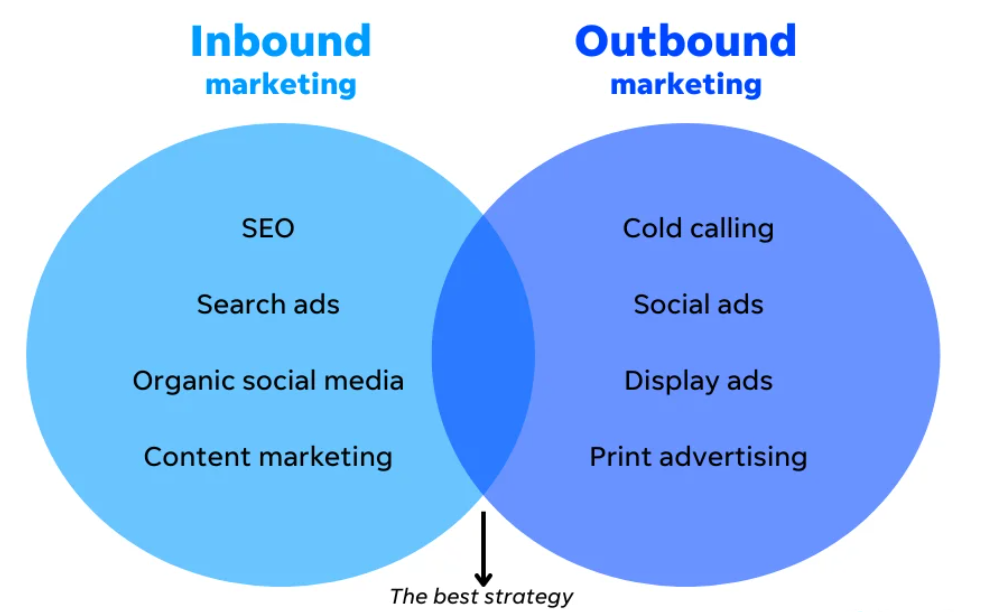
There are two fundamental approaches (inbound vs outbound), and they work differently:
Inbound lead generation means prospects come to you. They find your content through search, consume it, and convert through a form, gated download, or CTA. SEO, content marketing, and referrals are all inbound.
Outbound lead generation means you go to them. Cold email, LinkedIn outreach, and cold calling put your offer in front of a specific prospect regardless of whether they've searched for you. It's faster to turn on but requires more precision in targeting and messaging.
The most effective B2B programs run both. Inbound builds compounding pipeline over time. Outbound fills the gap while inbound scales — and reaches the people who aren't searching yet.
The Lead Generation Funnel
The funnel moves from awareness to interest to consideration to conversion. Lead generation sits at the awareness-to-interest transition — the moment a visitor becomes an identifiable contact. Everything before that is marketing. Everything after is sales. Lead generation is the bridge.
🚀 Need 15–30 More Qualified Meetings Per Month?
We combine LinkedIn, cold email, and cold calling to turn ideal prospects into real sales conversations.
Why Lead Generation Matters for Your Business
Without a systematic lead generation function, revenue depends on referrals, repeat business, or inbound interest that can't be predicted or scaled. That's a risky position. One relationship dries up, and the pipeline goes with it.
Lead generation converts digital marketing spend into a consistent, measurable funnel. Every stage — impressions, clicks, leads, opportunities, closed deals — becomes trackable. Which means every decision about budget, channel, and message can be grounded in data rather than instinct.
Lead Quality vs. Lead Volume
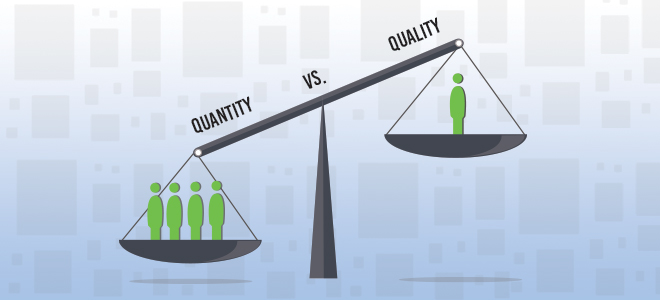
This is where a lot of teams get it wrong. Chasing volume feels productive. But MQL-to-SQL conversion rates have compressed from 13% in 2024 to 9.8% in 2026 — the drop is primarily a definitional issue: more teams are routing marketing-engaged contacts to sales without intent qualification. More leads routed to sales without qualification just burns sales capacity.
The programs that win are optimizing for quality — high-fit, high-intent contacts who are actually likely to buy — not the number of people who filled out a form.
The Compounding Effect
A well-optimized blog post, a referral program, or a high-converting landing page doesn't stop generating leads when you stop paying for it. These assets compound. Businesses that publish blogs consistently generate 13x more leads and achieve better returns — and the ROI keeps improving as the asset ages and accumulates authority.
That compounding advantage is what separates lead generation from advertising. Paid traffic stops when the budget stops. Lead generation assets keep running.
9 Proven Lead Generation Strategies in Digital Marketing
The strongest lead generation programs don't pick a single channel and go deep. They combine inbound strategies that attract prospects with outbound strategies that reach them — building pipeline from multiple directions at the same time.
Here's how each of the 9 core strategies works in practice.
1. Search Engine Optimization (SEO)
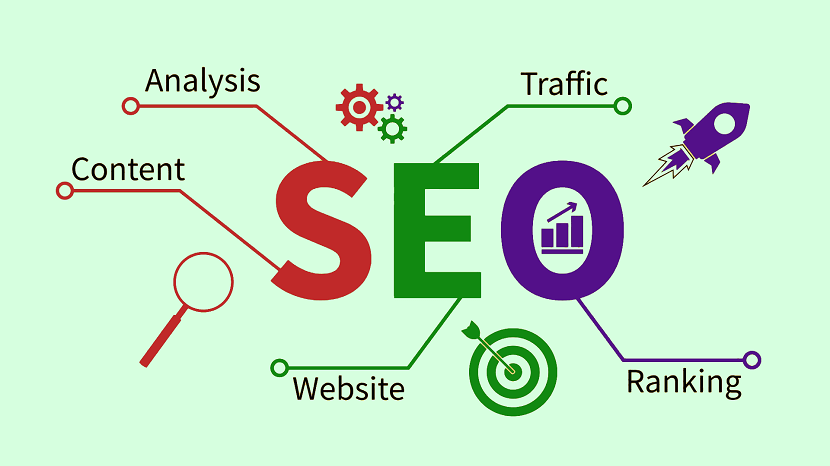
SEO captures demand that already exists. When someone searches "best CRM for small businesses" or "how to reduce customer churn," they've already identified a problem. SEO puts your content in front of them at that exact moment.
How it generates leads: ranking for high-intent keywords drives organic traffic; CTAs, gated content, and contact forms on those pages convert visitors into leads. The match between search intent and the offer is what makes the conversion rate high.
What to target:
- Informational keywords ("how to generate B2B leads") for awareness
- Comparison keywords ("best lead gen tools") for consideration
- Product/service keywords ("LinkedIn outreach agency") for decision
The compounding advantage is real — unlike paid ads, organic traffic doesn't stop when the budget runs out. A well-optimized page keeps generating lead generation in digital marketing results months after publication.
Pro tip: Target BOFU keywords first. "Best X for Y" and "X alternatives" convert at a much higher rate than broad informational terms — and they're often less competitive because most brands focus on traffic over intent.
2. Content Marketing and Blogging

Content marketing generates leads by answering the questions your ICP is actively searching for — converting search traffic into brand trust, and brand trust into contact information.
87% of B2B marketers successfully use content marketing to generate leads for their organizations. The mechanism is simple: a reader finds a useful piece of content, reads it, and hits a CTA that offers something more — a template, a guide, a checklist. They exchange their email for that resource. Lead captured.
Content types that convert best:
- How-to guides (high search volume, practical value)
- Comparison and "best of" posts (high buying intent)
- Tool and resource pages (repeat traffic, strong CTA placement)
The distribution multiplier matters too. A single blog post can be repurposed into LinkedIn posts, email sequences, and social content. You produce it once; it keeps reaching new audiences across channels.
What makes content actually convert isn't the writing — it's matching the CTA to the reader's stage. A reader at the awareness stage won't book a demo. But they will download a relevant guide, which puts them in your nurture sequence.
3. Email Marketing
Email is both a lead capture channel and a lead nurture channel — and most teams only use it for one.
Email marketing drives an average ROI of $36 for every $1 spent. For lead generation specifically, email works in two directions: capturing new contacts through opt-in campaigns and gated content, and nurturing existing contacts toward conversion through structured email sequences.
The nurture function is underused. Prospects who aren't ready to buy when they first convert often become buyers 30, 60, or 90 days later — if you've stayed relevant. A well-timed email sequence does that without requiring any manual follow-up.
Segmentation is the lead quality lever. Segmented email campaigns see 30% higher open rates and 50% higher click-through rates than non-segmented sends. Segment by role, by behavior (what content they consumed), and by funnel stage — and you get a measurably different result.
Metrics that matter in lead generation strategies in digital marketing via email: open rate, click-through rate, reply rate, and ultimately conversion to meeting or opportunity. The deliverability foundation is non-negotiable — if emails land in spam, the entire channel fails regardless of copy quality.
4. Social Media Lead Generation
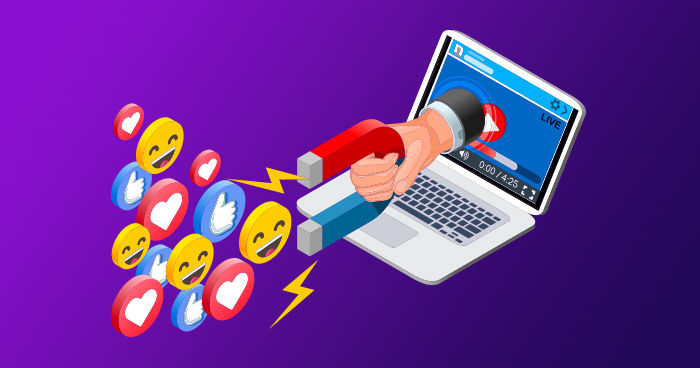
Social media generates leads through three distinct mechanisms: organic content that builds audience and trust, paid advertising that reaches cold audiences with targeted offers, and direct outreach that starts conversations directly on platform.
Social media now drives leads for 68% of marketers, with LinkedIn as the most effective channel for B2B.
Platform match to ICP:
- LinkedIn dominates for B2B — precise targeting by title, seniority, company size, and industry.
- Instagram and Facebook for B2C and visual-product B2B.
- YouTube for awareness-stage lead generation through long-form educational video.
Native lead forms reduce friction significantly. LinkedIn Lead Gen Forms and Facebook Lead Ads let prospects submit their information without leaving the platform — you're not asking them to click through to a landing page and fill a separate form. Conversion rates are meaningfully higher.
The most effective programs combine organic and paid. Organic builds credibility and warms the audience. Paid reaches cold audiences at scale. Together, they're more efficient than either one alone.
5. Pay-Per-Click (PPC) Advertising
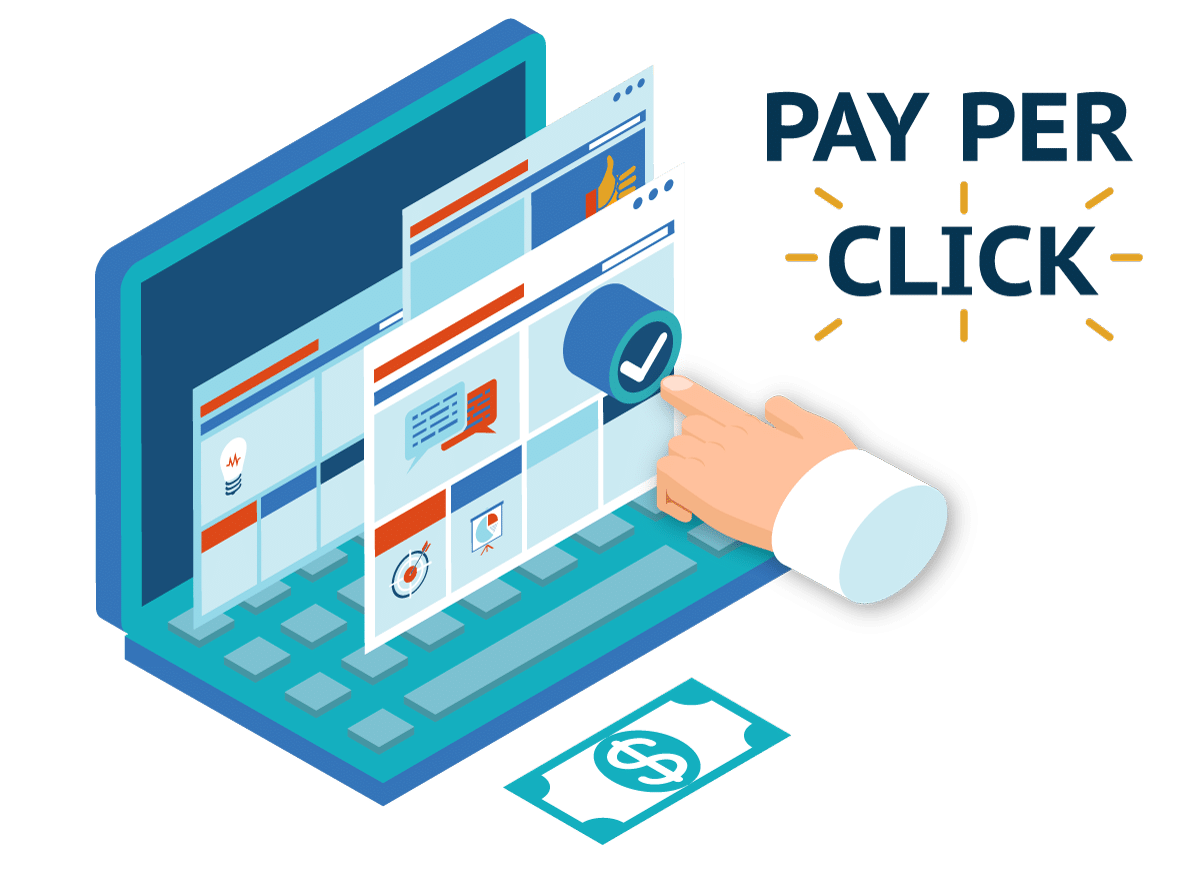
PPC is the fastest way to generate leads from digital marketing. Unlike SEO, there's no ramp-up time — you can have a campaign live and generating traffic the same day.
The intent hierarchy matters here:
- Search ads (Google): capture existing demand — people actively searching for what you offer.
- Social ads (LinkedIn, Meta): create demand — reaching people who match your ICP but haven't searched yet.
With effective optimization, PPC can yield average returns of $2 for every $1 spent. But that return is heavily dependent on where the traffic lands. Sending paid traffic to a homepage is one of the most common causes of poor PPC lead gen performance. The landing page is the conversion point — it needs one specific offer, one CTA, and minimal distraction.
Cost efficiency levers: tightening keyword match types, refining audience targeting, improving Quality Score, and testing offer-specific landing pages. These optimizations compound over time — each improvement lowers cost per lead without reducing volume.
PPC works best as a complement to SEO, not a replacement. Use it to test new messaging quickly, enter new markets, and generate leads while organic content is still building authority.
6. LinkedIn Outreach
LinkedIn outreach is one of the highest-performing B2B lead generation channels we've seen across thousands of campaigns. The reason is simple: precise targeting combined with a professional context where outreach is expected.
89% of B2B marketers use LinkedIn for lead generation, and 62% say it produces leads for them effectively.
A structured multi-touch LinkedIn sequence — connection request, follow-up message, InMail — moves a cold prospect from awareness to a booked meeting without requiring them to visit a website or fill a form. That's a fundamentally different motion than inbound.
The personalization requirement is real. Generic connection requests produce low acceptance rates. Messages that reference the prospect's specific role, recent activity, or company situation produce 3-5x higher positive reply rates. Relevance is what separates replied to from ignored.
LinkedIn Sales Navigator is the backbone of effective LinkedIn lead generation. It lets you build ICP-matched lists with buying trigger filters — recent job changes, company growth, new funding rounds — signals that make your outreach far more timely and relevant.
The sender's profile matters too. Acceptance rates and reply rates are directly influenced by headline credibility, experience section quality, and recent content activity. A weak profile hurts even a strong message.
7. Cold Email Outreach
Cold email reaches prospects who aren't searching for your solution yet — putting your offer in front of the right person at the right time, regardless of whether they've engaged with your brand.
The deliverability foundation is what separates functional cold email programs from broken ones. Domain warm-up, proper DNS configuration (SPF, DKIM, DMARC), and list hygiene are operational requirements. Emails that land in spam don't generate leads — full stop.
What makes cold email convert:
- A specific subject line (not clickbait — something that earns the open).
- A message that references the recipient's real situation or a relevant buying trigger.
- A low-friction CTA — "15 minutes Thursday?" converts better than "Schedule a demo at your convenience".
Most positive replies come from follow-up touches, not the first email. A 4-6 touch sequence significantly outperforms a single send. The first email opens the door; the follow-ups are what actually get replies.
Personalization at scale is the lever that separates good programs from great ones. Merge tags handle the basics. The highest-converting cold email campaigns layer in researched personalization for the top-tier ICP segments — where the relationship value justifies the time investment.
8. Landing Pages and Lead Magnets
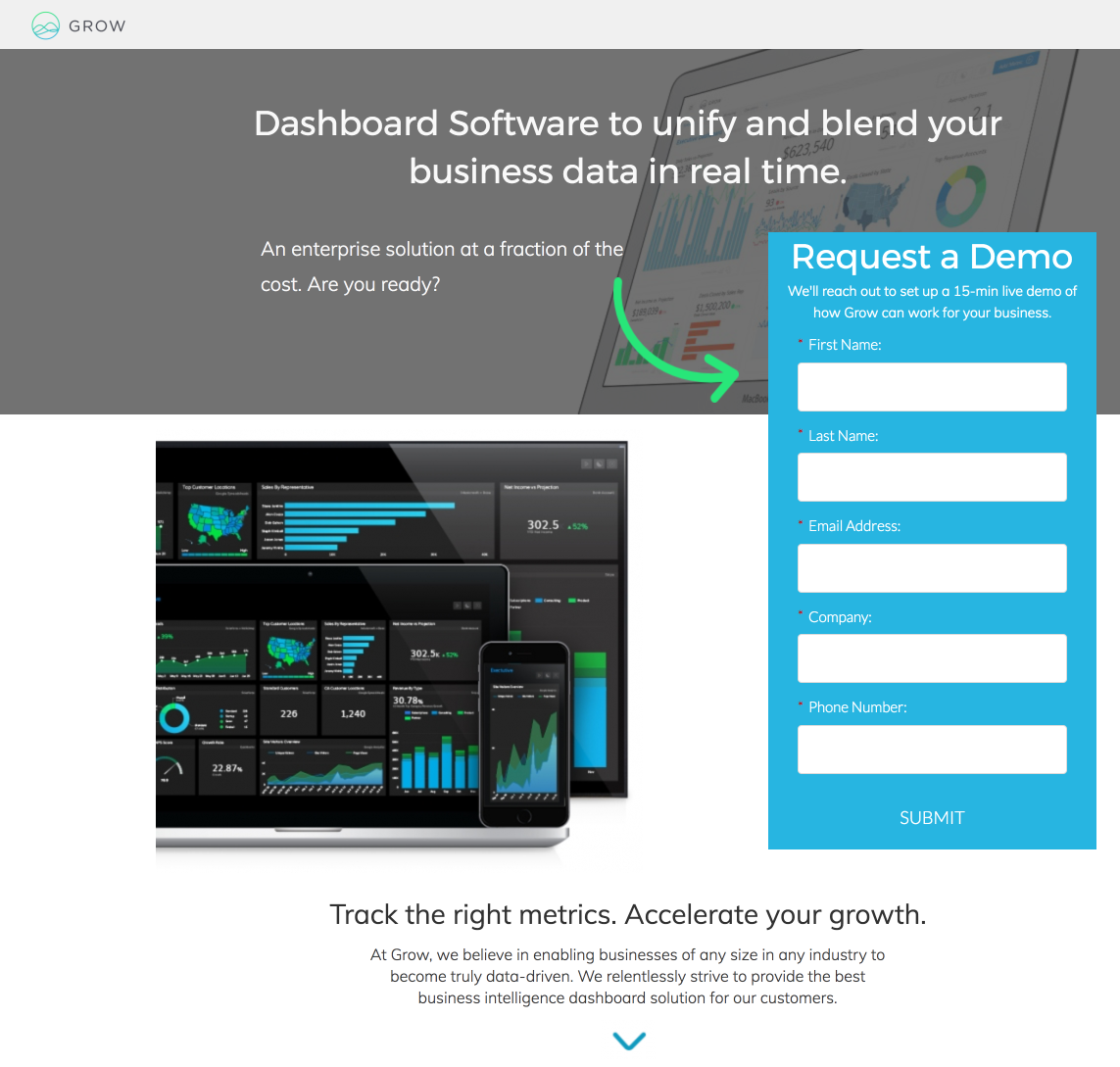
Every channel in this guide drives traffic somewhere. Where it lands determines whether visitors become leads.
A high-converting landing page has: one specific offer, one CTA, a headline that matches the traffic source's intent, social proof (logos, testimonials, numbers), and a form that only asks for what's needed to start the conversation. That's it. Every additional element is a potential distraction.
Lead magnets are the conversion incentive. A resource — guide, template, calculator, checklist, webinar — offered in exchange for contact information. The more specific and relevant the resource is to the ICP's immediate problem, the higher the conversion rate. "The Complete Marketing Guide" converts worse than "Cold Email Sequence Template for SaaS Sales Teams."
81% of marketers say interactive content captures attention more effectively than static content. Interactive lead magnets — quizzes, assessments, ROI calculators — outperform static downloads because they generate engagement and provide additional qualification data alongside contact information. You learn something about the lead at the same time they're converting.
A/B testing is the compounding lever here. Systematically testing headline, CTA copy, form length, and lead magnet offer on high-traffic landing pages produces ongoing improvements that reduce cost per lead without requiring additional traffic.
9. Referral and Partner Marketing

Referral leads are the highest-converting lead source across almost every industry. They arrive with pre-built trust — a recommendation from someone the prospect already knows compresses the sales cycle and increases close rate.
Building a systematic referral program means:
- Defining the ask clearly (who to refer, what to say)
- Making the process frictionless (unique referral links, automated confirmation)
- Rewarding referrals in a way that actually motivates the referrer (discounts, commissions, upgrades)
Partner marketing extends the same principle. Co-marketing with non-competing businesses that serve the same ICP — joint webinars, co-authored content, shared email promotions — generates warm leads from an already-built audience. You're not building from zero. You're borrowing trust.
Timing the referral ask matters. Immediately after a positive outcome — a successful implementation, a strong first result, a meaningful milestone — is when customers are most motivated to refer. Build the ask into your post-success workflow rather than leaving it to chance.
One thing to track carefully: referral leads typically have higher deal size, shorter time-to-close, and better retention than cold channel leads. Attribute these correctly in your CRM so the channel gets the budget investment it deserves.
📈 $312M+ Pipeline Generated for 10,000+ Clients
See how our done-for-you outbound campaigns help B2B companies create predictable pipeline growth.
How to Measure Lead Generation Success
Vanity metrics feel good but don't drive decisions. Impressions, followers, and page views measure awareness — not lead generation in digital marketing performance. The metrics that actually matter:
Lead generation metrics that drive decisions:
The lead quality score is a framework worth building. Score leads by fit (how well they match your ICP) and by intent (behavior signals — pages visited, content consumed, emails opened). This ensures sales prioritizes follow-up on the most likely-to-convert leads, not just the most recent ones.
Attribution is where most teams are losing visibility. Without tracking which channel generated each lead and how it progressed through the funnel, budget decisions are based on assumptions rather than performance. Multi-touch attribution is complex but worth investing in — it tells you where to put more money and where to pull back.
Review cadence: check channel-level metrics (volume, CPL) weekly. Review funnel-level metrics (lead-to-opportunity, opportunity-to-close) monthly. The data should be driving decisions, not just documenting what already happened.
How Cleverly Generates B2B Leads Across Multiple Digital Channels
Most B2B teams understand what lead generation strategies in digital marketing look like in theory. Executing them consistently across multiple channels while running everything else in the business is a different problem.
That's the problem we solve at Cleverly. We're a fully done-for-you lead generation agency that runs outbound campaigns across LinkedIn, cold email, and cold calling — handling ICP targeting, list building, copywriting, sequence management, deliverability, and meeting booking end-to-end. Your team focuses on closing. We fill the calendar.
Our LinkedIn lead gen campaigns are built on Sales Navigator-sourced ICP lists with multi-touch personalized sequences.
Our cold email programs include full domain warm-up, deliverability management, and conversion-tested copy.
Our cold calling system deploys parallel dialer infrastructure, dedicated no-accent SDRs, and breakthrough scripts — booking 10-30 qualified calls per month with a replacement guarantee if targets aren't hit.
The multi-channel model is what creates real pipeline stability. Cleverly clients aren't dependent on any single lead generation channel failing or underperforming in a given month. LinkedIn, cold email, and cold calling run simultaneously — each reaching different prospects at different stages of awareness, creating multiple pipeline entry points from one managed system.
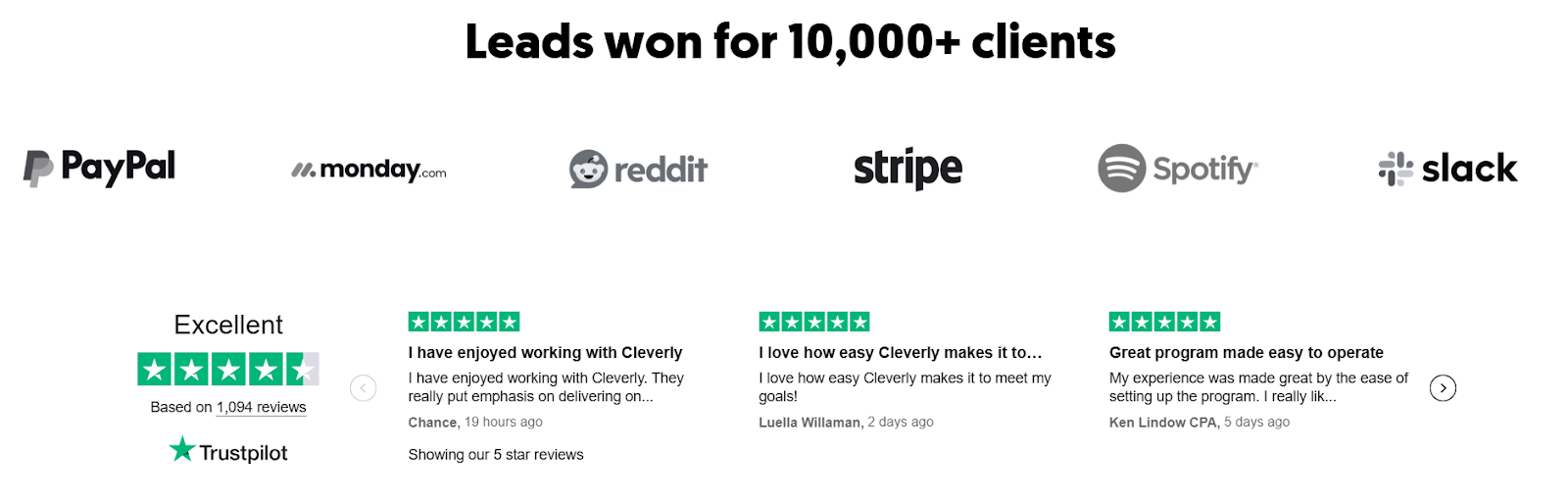
We've generated 224.7K client leads, $312M in pipeline, and $51.2M in closed revenue for 10,000+ clients including eBay, Airbnb, DocuSign, Loom, and Airtable. Rated 4.6/5 on Trustpilot across 1,136+ reviews — LinkedIn outreach starts at $397/month, with month-to-month pricing and no long-term contracts.
Ready to add a systematic outbound channel to your digital marketing mix? Book a strategy call with Cleverly and find out which channels fit your ICP and growth goals.
Conclusion
Lead generation in digital marketing is not a tactic — it's a system. SEO and content build inbound pipeline that compounds over time. LinkedIn outreach, cold email, and cold calling fill the gap immediately, reaching prospects regardless of whether they've searched for you. Referrals and partner programs close the loop with the highest-converting leads in your mix.
The 9 strategies in this guide work best when layered — not when you pick one and hope for the best. Start with the channels most aligned to how your ICP actually buys and what your team can realistically operate. Measure consistently. Expand as each channel proves its return. That's how pipeline stops being unpredictable and starts being a function you can actually control.
Frequently Asked Questions
Free Resource
How to Scale a Profitable Cold Call System
Get the complete guide — download it instantly now.
Free Ebook
Download the Free Guide
Enter your details to get instant access.
You're all set! 🎉
Your ebook is downloading now.
Click below if the download didn't start automatically.


