Table of Contents
Clay vs. Apollo — The Core Difference You Need to Understand First
Clay vs. Apollo — Features Compared
Clay vs. Apollo — Pricing Compared
Clay vs. Apollo — Automation Capabilities Deep Dive
📊 Clay vs. Apollo — Head-to-Head Comparison Table
How Cleverly Uses Data Enrichment to Power Cold Email Campaigns That Get Replies
Conclusion
Frequently Asked Questions
Modified On :
April 20, 2026
Key Takeaways
- Clay and Apollo are not direct competitors — Apollo is an all-in-one prospecting platform; Clay is a data enrichment and workflow automation engine built on top of 150+ providers.
- Apollo wins on speed, simplicity, and built-in outreach — you can go from zero to sending cold emails in under an hour.
- Clay wins on data accuracy and personalization depth — users report enrichment rates jumping from 40% to 87% after switching to Clay's waterfall approach.
- The smartest outbound teams in 2026 don't debate Clay vs. Apollo — they use Apollo for list sourcing and Clay for enrichment and personalization, then push to a dedicated sending tool.
- The right choice comes down to your team's technical sophistication, existing stack, and whether speed or data quality is the bigger bottleneck right now.
The biggest mistake in the Clay vs. Apollo debate? Thinking they’re the same kind of tool. And, that’s where things go wrong.
Clay and Apollo are fundamentally different products that happen to overlap in a few areas. Choosing between them without understanding those differences is like comparing a Swiss Army knife to a power drill because they can both drive screws.
In 2026, the stakes are higher. Inbox filters are sharper. Data decay is faster. And a single bad list can burn your sending domain before you book a single meeting. The tool you pick — and how you use it — directly determines whether your outbound lands or quietly dies in spam.
This guide gives you an honest, side-by-side breakdown of Clay and Apollo across features, data quality, automation, pricing, and real user sentiment.
By the end, you'll know exactly which tool fits your team (or whether you need both).
Clay vs. Apollo — The Core Difference You Need to Understand First
Before comparing features, you need to get the philosophy straight.
Apollo in one sentence
An all-in-one prospecting platform with a proprietary 275M+ contact database, built-in sequencing, a dialer, and CRM integrations — designed for speed and consolidation.
Clay in one sentence
A data enrichment and workflow automation engine that connects to 150+ data providers — it doesn't own a database, can't send emails natively, and picks up where Apollo stops.
Apollo wins for teams wanting everything in one login. Clay wins for teams prioritizing data accuracy and advanced personalization who already have outreach tools.
The right framing for the Apollo vs Clay question is this: Apollo finds the person. Clay builds the dossier on that person.
And the way many high-performing outbound teams actually deploy these tools? Apollo for list sourcing → Clay for enrichment and AI personalization → a dedicated sender like Instantly or Smartlead for delivery. That's not a workaround. That's the stack.
🧠 Stack Smarter. Or Skip the Stack Entirely.
We don’t just enrich data—we turn it into booked meetings. Cold email—fully done for you. Pay per meeting ready lead!
Clay vs. Apollo — Features Compared
Contact Database & List Building
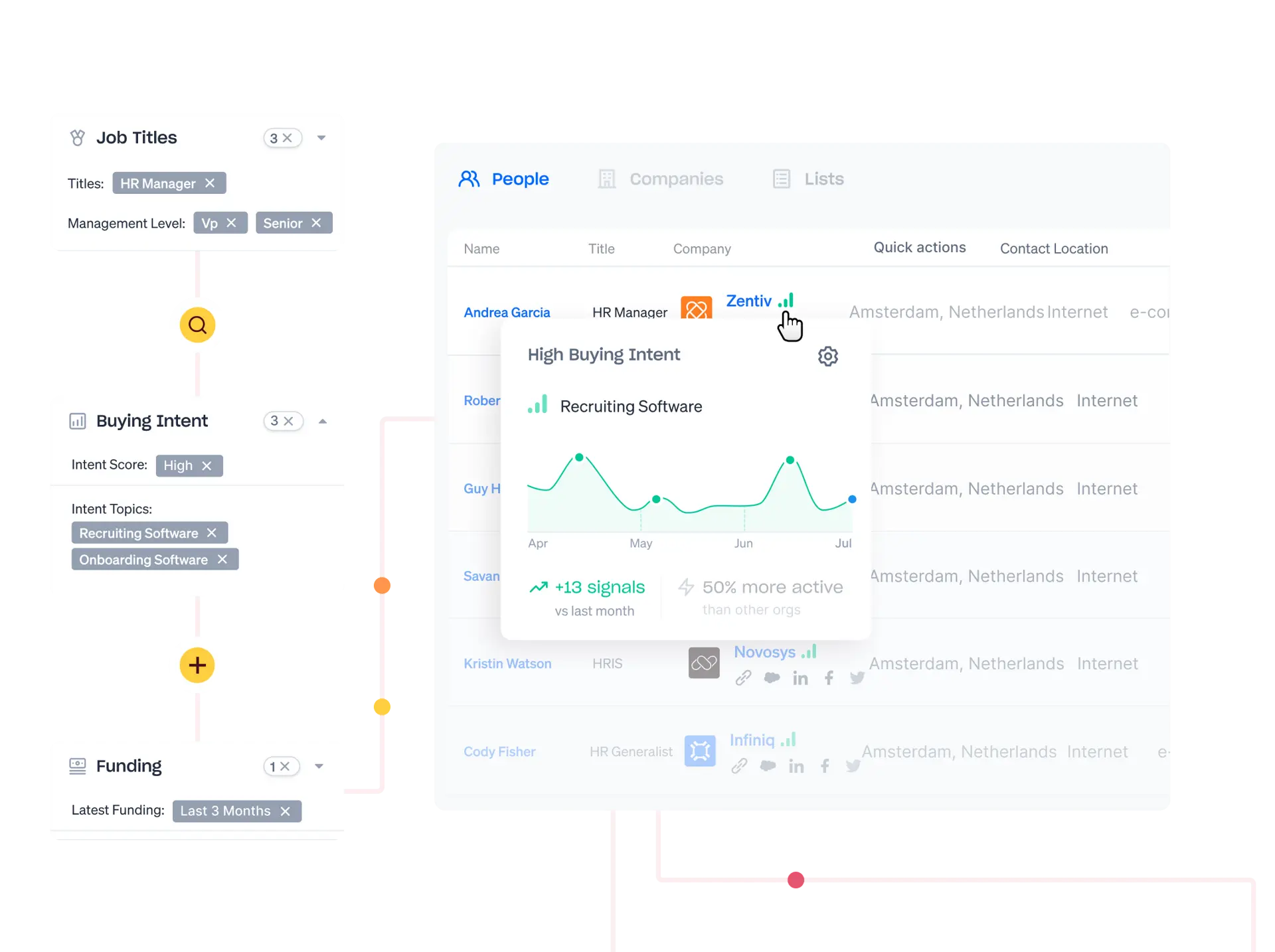
Apollo gives you a proprietary database of 275M+ contacts and 73M+ companies. When you search for prospects in Apollo, you are querying Apollo's own data, which is continuously updated through a combination of web scraping, user contributions, and third-party data partnerships. You can filter by role, company size, revenue, tech stack, funding stage, and intent signals — and build a list within minutes.
Clay has no proprietary database. You import lists from Apollo, LinkedIn Sales Navigator, a CSV, or another source — and then Clay does what it does best: enriches, verifies, and layers on additional data from 150+ providers.
📢 Verdict: Apollo wins for building lists fast from scratch. Clay wins once you have a list and need to make it smarter.
Data Quality & Enrichment
This is where apollo io vs clay gets most interesting — and most consequential for your deliverability.
Many users report outdated data, 5–10% bounce rates, and low reply rates of 1–2% with Apollo. Clay's waterfall approach changes the math. Clay benchmarks at about 95% accuracy on emails and 90% on phone numbers, thanks to its layered approach.
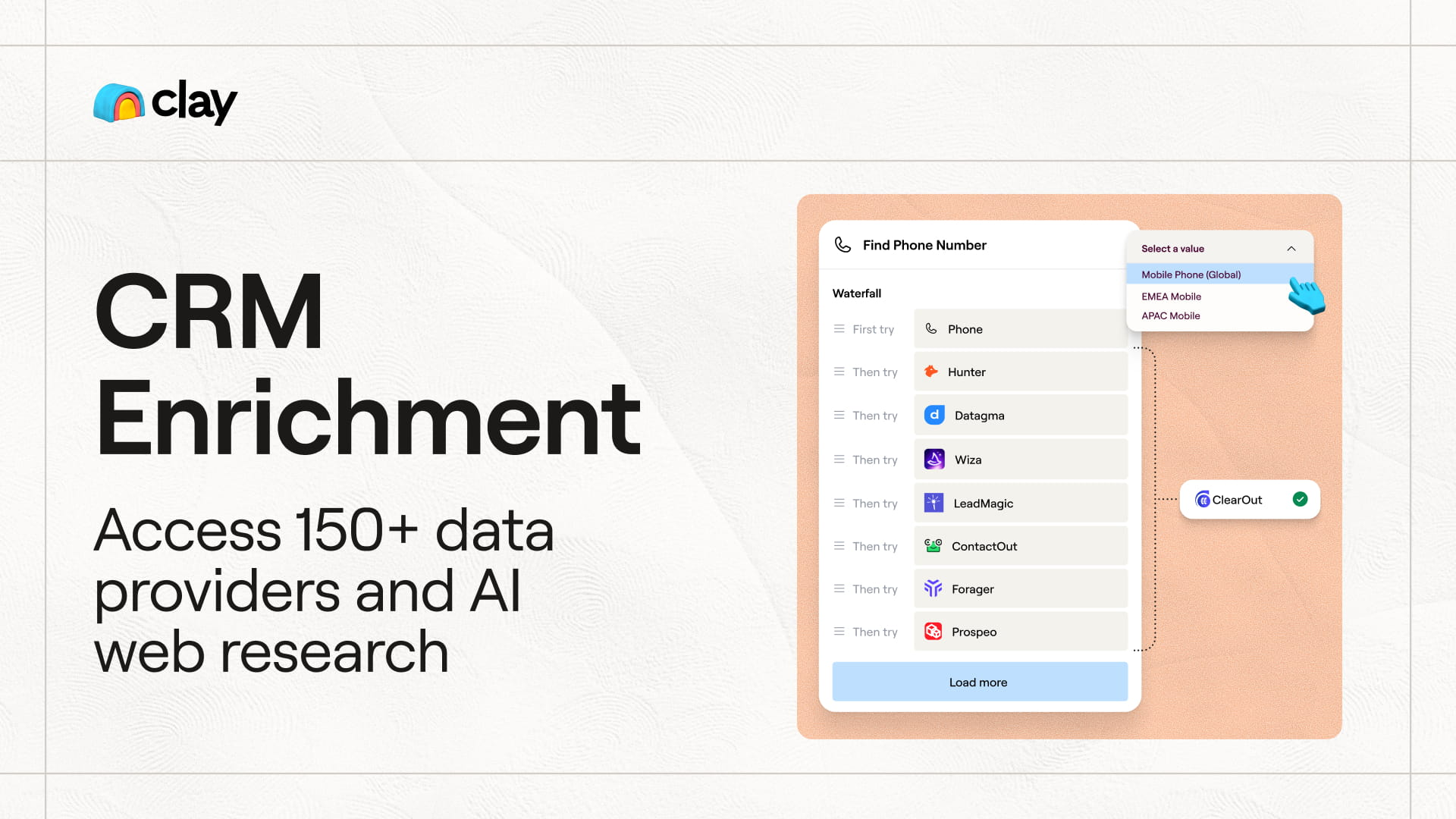
The mechanism behind that gap is waterfall enrichment. When looking up a contact's email or phone, Clay queries multiple data providers in sequence — Clearbit, Hunter, Apollo, and others — until it finds a verified result. This typically produces higher match rates than any single provider.
The waterfall approach receives universal praise, with users reporting 2-3x more phone numbers found compared to single-source tools.
📢 Verdict: Clay wins clearly on data accuracy. Apollo is sufficient for many US-based, tech-heavy lists — but if bounce rates are killing your campaigns, Clay's waterfall enrichment is the fix.
Automation & Workflow Capabilities
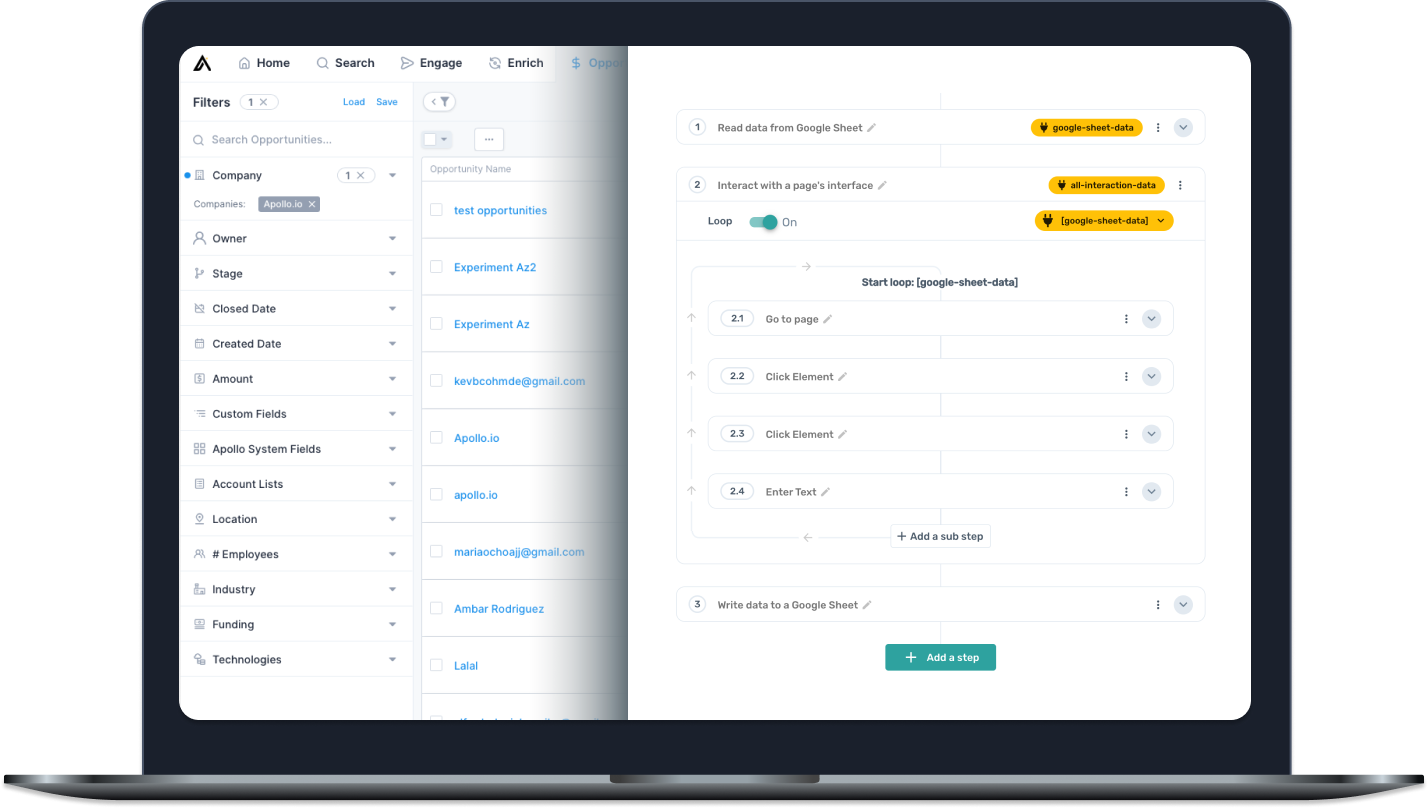
Apollo's automation is built for speed: email sequences with conditional branching, automated follow-ups, job change alerts, A/B testing on Professional and above, and AI-recommended outreach timing. Apollo offers 20+ AI-generated pipeline templates and straightforward sequence builders that sales teams can deploy within hours.
Clay's automation is built for depth. Clay's signature feature is waterfall enrichment — its spreadsheet-like interface lets you build customized prospecting workflows, combining data from multiple sources. You can add conditional logic ("if email not found in Source A, try Source B"), run Claygent AI research tasks, and monitor trigger signals like funding rounds, hiring activity, and leadership changes.
Clay's spreadsheet-like interface with conditional logic, HTTP API integrations, and AI agents requires steeper learning investment but enables complex multi-step workflows impossible in Apollo's structured environment.
📢 Verdict: Apollo wins for plug-and-play simplicity. Clay wins for custom, signal-based outbound at scale.
Outreach & Sending Capabilities
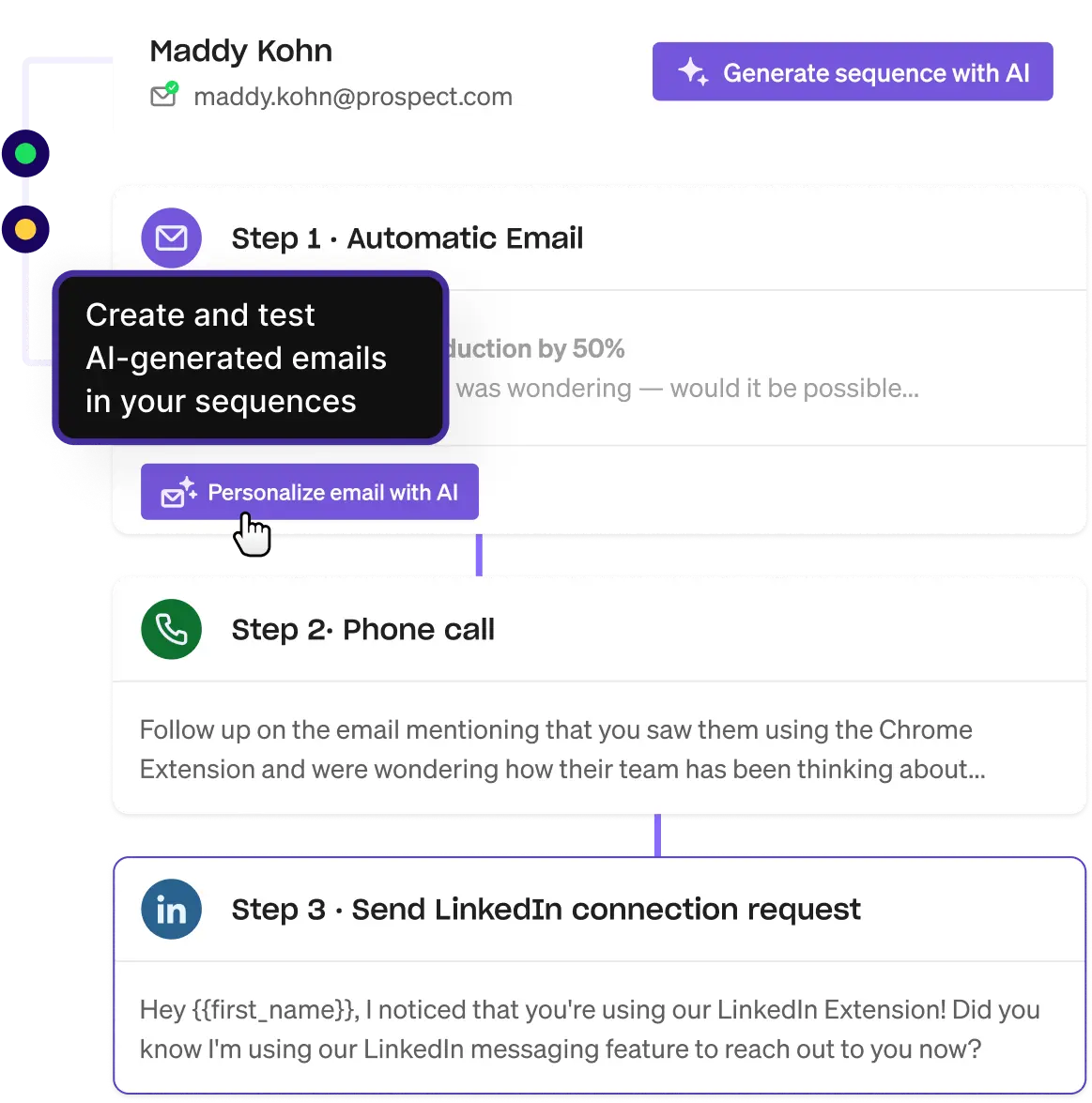
Apollo is a full outreach platform. It has a native email sequencer, a US dialer starting at the Professional plan, an international dialer at Organization, call recording, and CRM sync — everything in one product.
Clay does not send emails. It does not have a built-in dialer. What it does is connect to over 100 data providers, let you build sophisticated enrichment workflows, and use AI to research prospects at a depth that no other tool matches. You connect Clay to Instantly, Smartlead, Salesforge, or HubSpot — Clay prepares the data; those tools send it.
📢 Verdict: Apollo wins outright. If you want to go from list to outreach in a single platform, Apollo is the clear choice. Clay requires a separate sending tool in your stack.
AI Capabilities
Apollo added AI features through late 2025 and early 2026: AI-generated email copy, AI lead scoring, natural language prospect search, and sequence recommendations. These feel bolted on rather than architecturally integrated. They work, but they do not approach the depth or flexibility of Clay's AI enrichment chains.
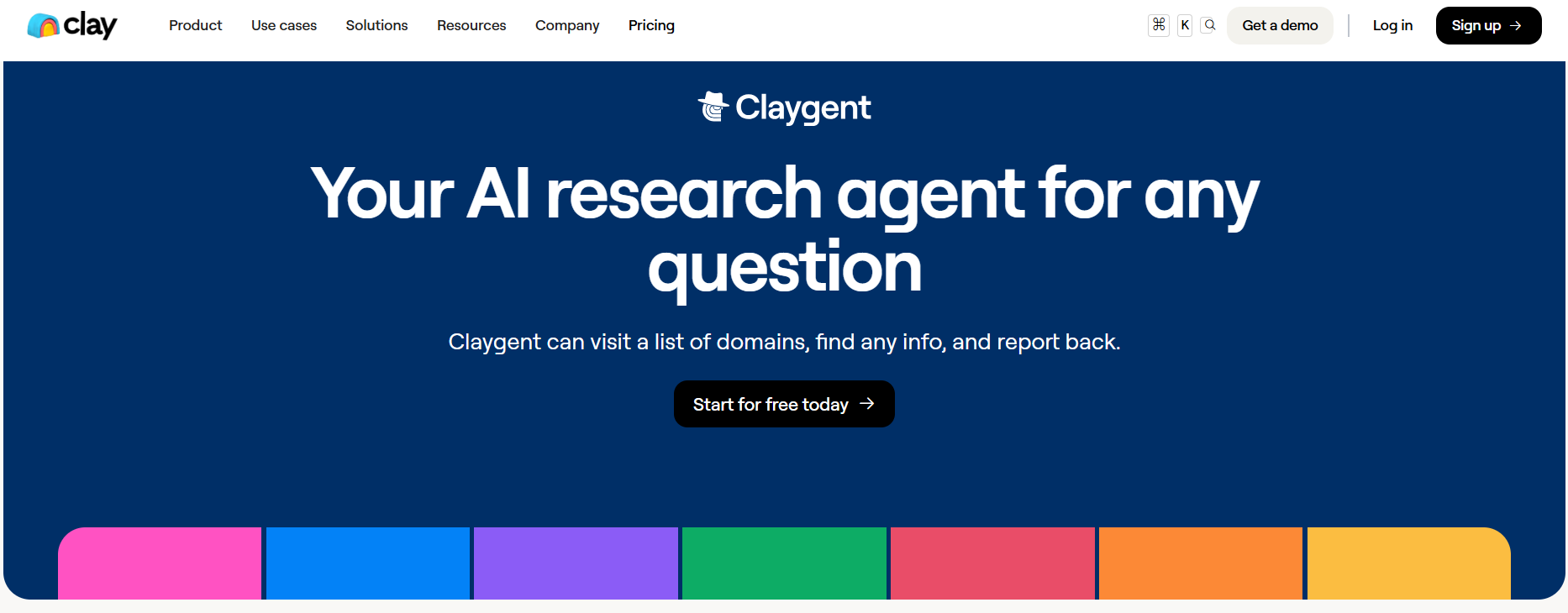
Clay's AI is core to the product, not a layer on top. Claygent — Clay's AI research agent — can scrape websites, summarize recent LinkedIn activity, detect company news, and write hyper-personalized first lines at scale. One growth marketer reported that Claygent researched 1,000 prospects' recent LinkedIn posts and wrote personalized first lines that got a 32% reply rate.
📢 Verdict: Clay wins on AI depth and custom research capability. Apollo wins on ease of AI-assisted outreach execution without technical setup.
Integrations
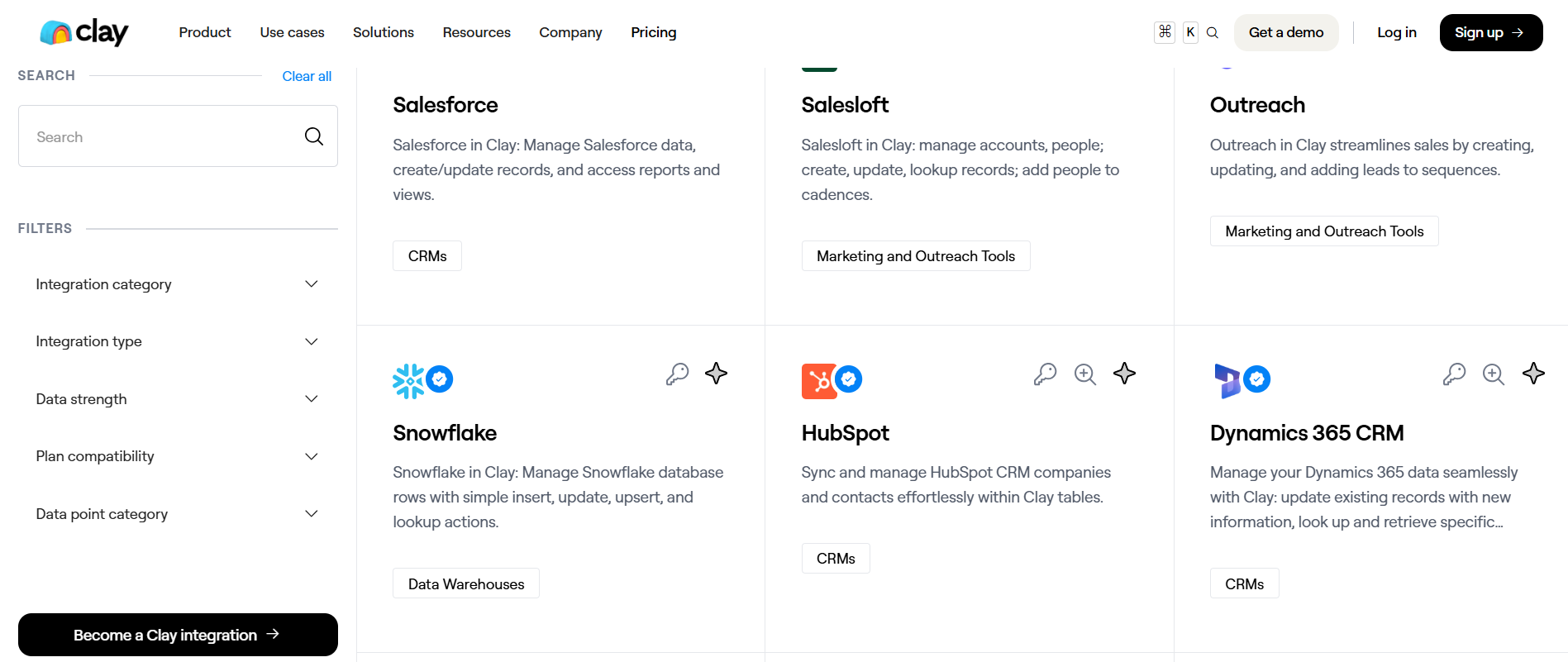
Apollo offers 150+ data provider integrations available in Clay, and Clay includes unlimited users on all plans — both features missing in Apollo. Apollo integrates natively with Salesforce, HubSpot, Outreach, SalesLoft, Marketo, and all major email providers.
Clay connects to 150+ data providers and integrates with all major CRMs, sequencers, and enrichment tools — and Apollo itself is actually one of Clay's 150+ data sources.
📢 Verdict: Clay wins on breadth of data integrations. Apollo wins on native, out-of-the-box CRM sync for teams that want less configuration.
Clay vs. Apollo — Pricing Compared
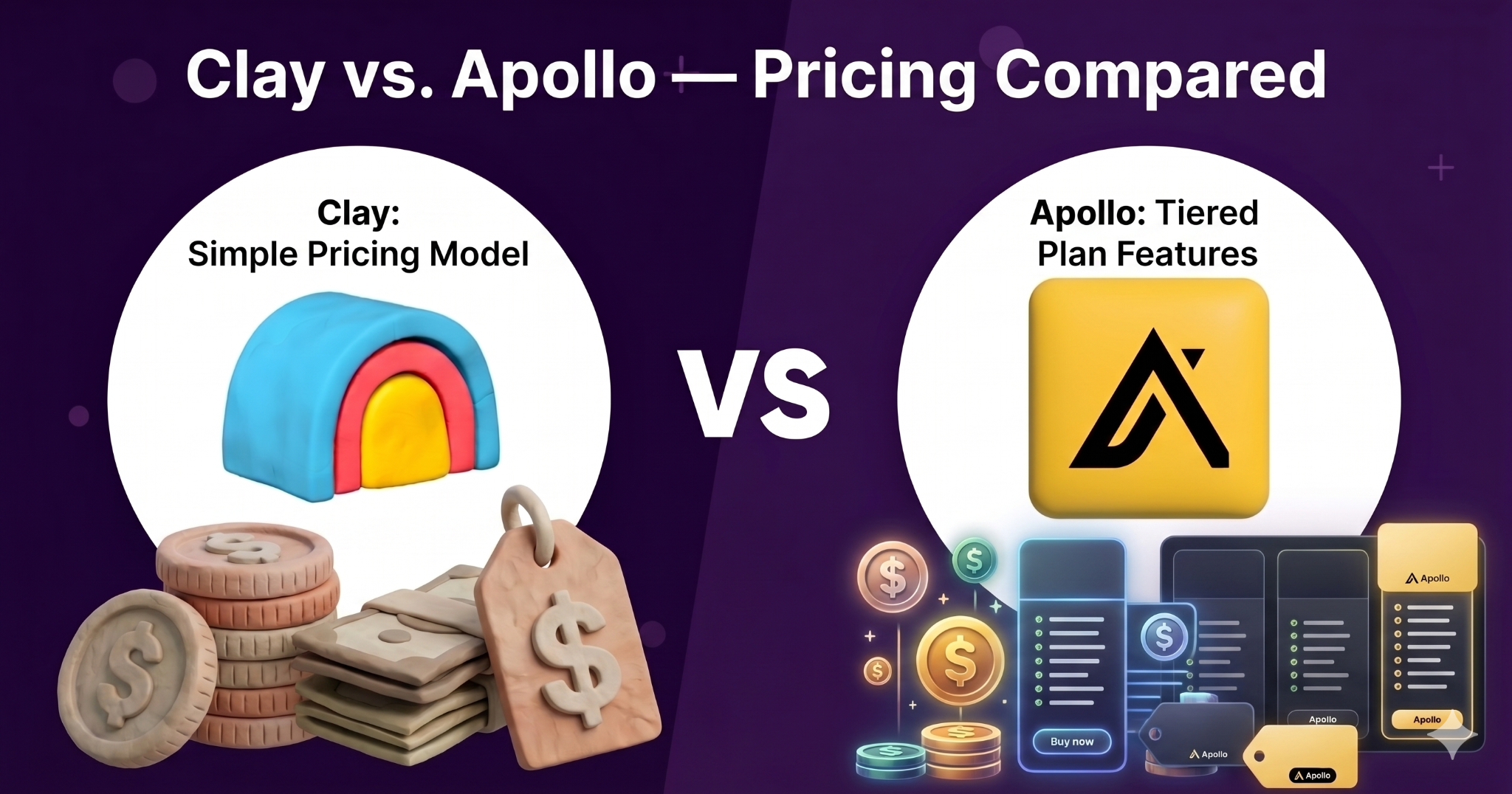
Clay Pricing (2026)
Clay uses a credit-based model with flat-rate team pricing — you pay for enrichment volume, not seats.
- Free: $0/mo — 100 Data Credits, unlimited users and tables
- Starter: $185/mo — 2,000–3,000 credits/month, unlimited users, 2,000 searches/month
- Explorer: $495/mo — expanded credits and features
- Enterprise: Custom — for teams enriching 10,000+ records per month
High-volume users can spend $500–$2,000+/month depending on enrichment depth and AI model usage.
The key advantage with Clay is that it includes unlimited users on all plans, which significantly changes the per-person math as teams grow.
Apollo Pricing (2026)
Apollo uses a per-user, per-month model across four tiers:
- Free: $0/user/mo — limited credits, 2 active sequences, basic filters
- Basic: $49/user/mo (annual) — advanced filters, CRM integrations, no dialer
- Professional: $79/user/mo (annual) — US dialer, A/B testing, call recording
- Organization: $119/user/mo (annual, min. 3 seats) — international dialer, custom reporting, SSO
A 5-person team on Professional would pay about $4,740/year with annual billing. Phone number reveals cost 8 credits each; credits expire at month end with no rollover — which can push real costs higher than the sticker price suggests.
Pricing Verdict
Apollo is the more accessible starting point. Clay's unlimited-seat model becomes a meaningful cost advantage once your team grows beyond 4–5 users running high-volume workflows.
⚡ More Data ≠ More Deals
$312M pipeline came from execution, not tools. We handle targeting → outreach → booking. You just close.
Clay vs. Apollo — Automation Capabilities Deep Dive
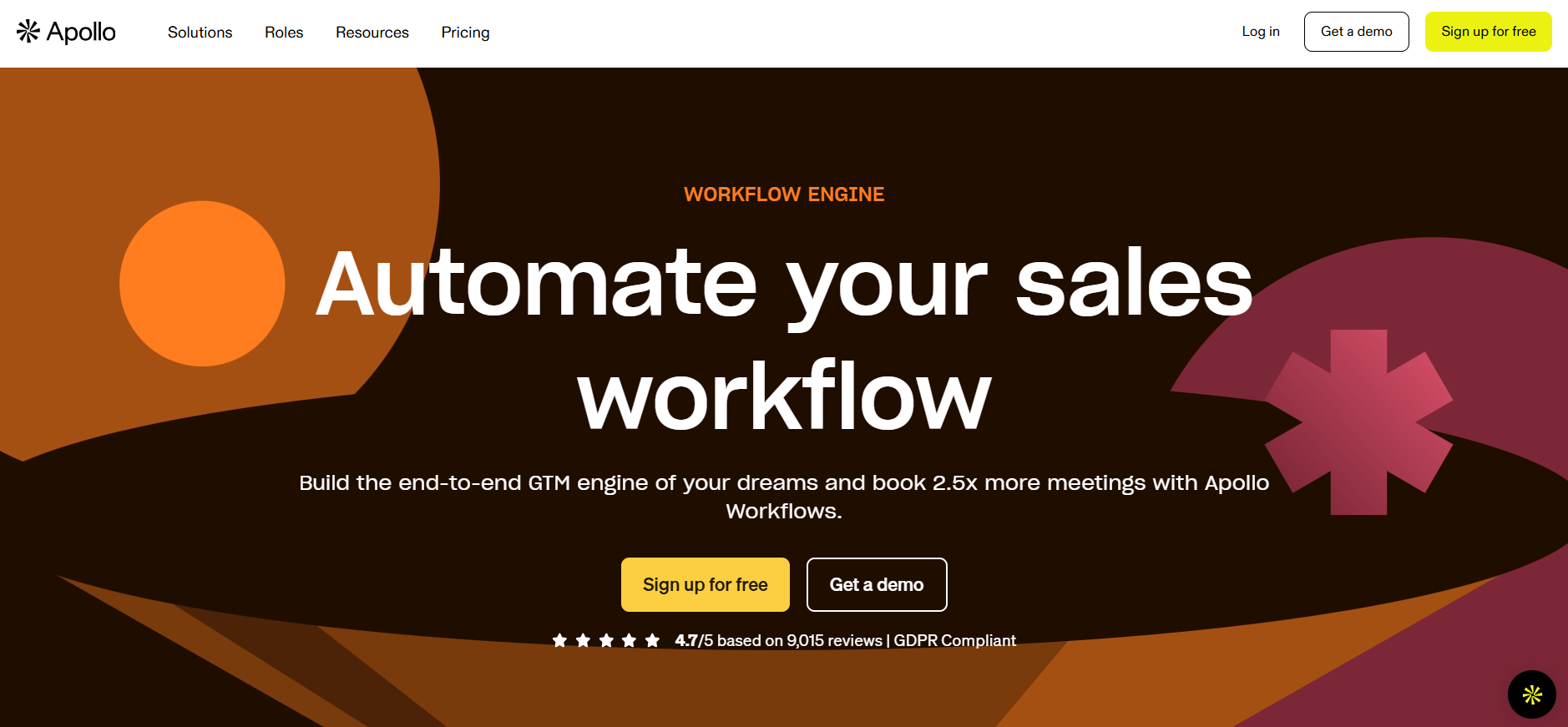
Apollo's automation is built to run without a dedicated operator. Sequence branching, automated follow-ups, task creation, job change alerts — everything works out of the box. A sales rep can log in on day one and start outreach within hours.
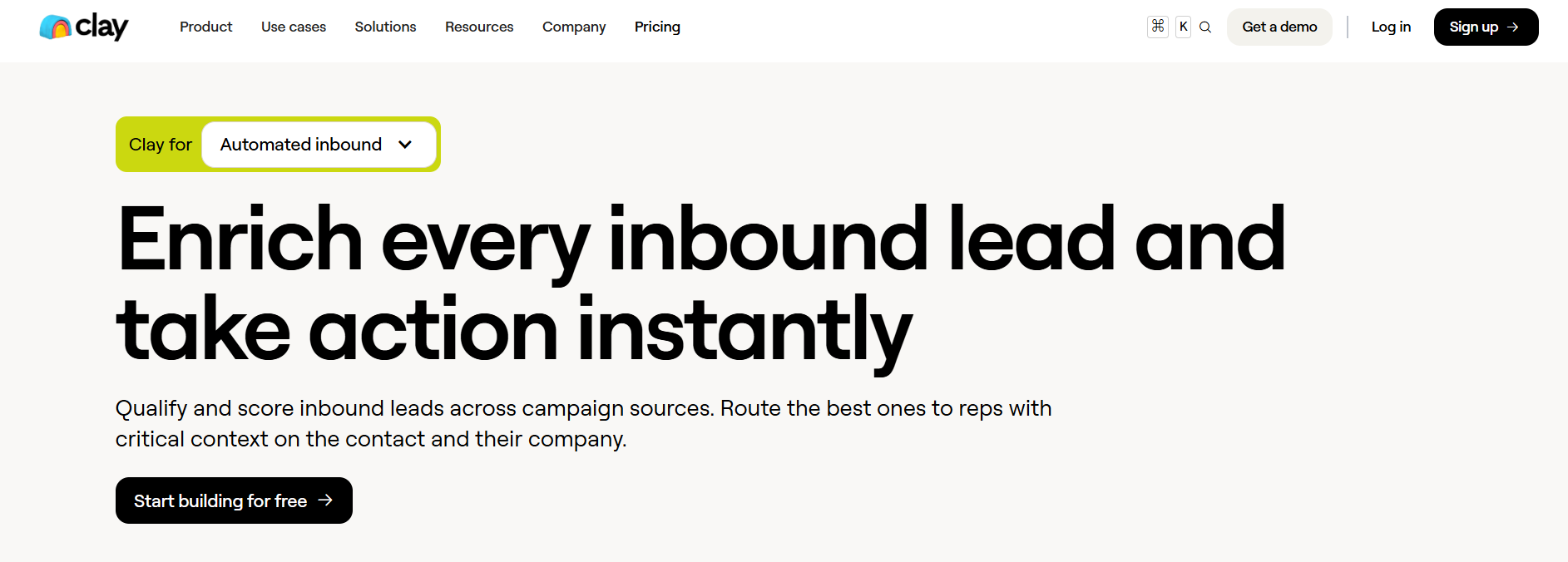
Clay's visual workflow builder lets you add conditional logic like "if email is missing from Source A, try Source B" or "only generate personalized copy if the person posted on LinkedIn in the past 14 days." Every enrichment column can run a custom AI prompt. Claygent can monitor trigger events, scrape websites, and synthesize context that would take an SDR 20 minutes per prospect to gather manually.
Where Apollo automation falls short: personalization is largely template-based. AI features are accessible but surface-level. You can't build custom multi-source data pipelines without leaving the platform.
Where Clay automation excels: building signal-based outbound at scale, turning trigger events (funding, hiring, leadership changes) into hyper-relevant first lines automatically, and connecting enriched data directly to your CRM or sequencer.
The learning curve reality is worth naming. Clay is kind of like a spreadsheet, except way smarter — but the people who really love Clay are the ones running point on outbound, including RevOps leaders, growth teams, agencies, and technical marketers. If that's not your profile, Apollo's no-code simplicity is a real advantage.
📊 Clay vs. Apollo — Head-to-Head Comparison Table
Which Tool Is Right for Your Team?
This is the part most comparisons skip: the answer isn't universal. It's entirely dependent on your team's setup, technical sophistication, and what's actually breaking in your outbound right now.
Choose Apollo if:
- You're an early-stage team or solo SDR that needs to go from zero to outbound fast.
- You want prospecting, sequencing, and dialing in one platform without integrating anything else.
- You have a limited budget and a small team (under 5 users).
- You don't have a RevOps professional or technical operator on your team.
- You're doing US-focused outreach in tech or SaaS — where Apollo's data is strongest.
Choose Clay if:
- You have a RevOps professional or technical operator who can build and manage workflows.
- Data quality and personalization depth are the primary constraints in your current outbound.
- You're running high-volume data enrichment and want flat-rate pricing that doesn't scale per user.
- You already have a dedicated sending tool and need a better data layer behind it.
- You're an agency managing multiple client accounts or ICPs simultaneously.
Use both if:
- You're running signal-based outbound at scale — Apollo as the list source, Clay as the enrichment and AI personalization engine, a dedicated sender for delivery.
- You want the speed of Apollo's database with the accuracy and personalization depth of Clay's waterfall approach.
One group that should not start with Clay: early-stage founders with no RevOps support, teams that need to launch outreach this week, or anyone who doesn't yet have a clear ICP and enrichment workflow defined. Clay rewards teams that already know what they're doing. Apollo gets you in motion faster.
How Cleverly Uses Data Enrichment to Power Cold Email Campaigns That Get Replies
The Clay vs. Apollo debate matters — but it's also possible to obsess over tooling and underinvest in the harder part: targeting, offer, and execution.
The truth is that most in-house teams set up a tool, build a list, write some sequences, hit send — and then spend months troubleshooting why reply rates are flat. It's rarely the software. It's the strategy and execution behind it.
That's where a done-for-you cold email lead generation approach changes the equation.
At Cleverly, we handle the full cold email system — from ICP-aligned list building and multi-source email verification through to copy, sequencing, and qualified reply management. You don't manage a data stack. You show up to meetings.
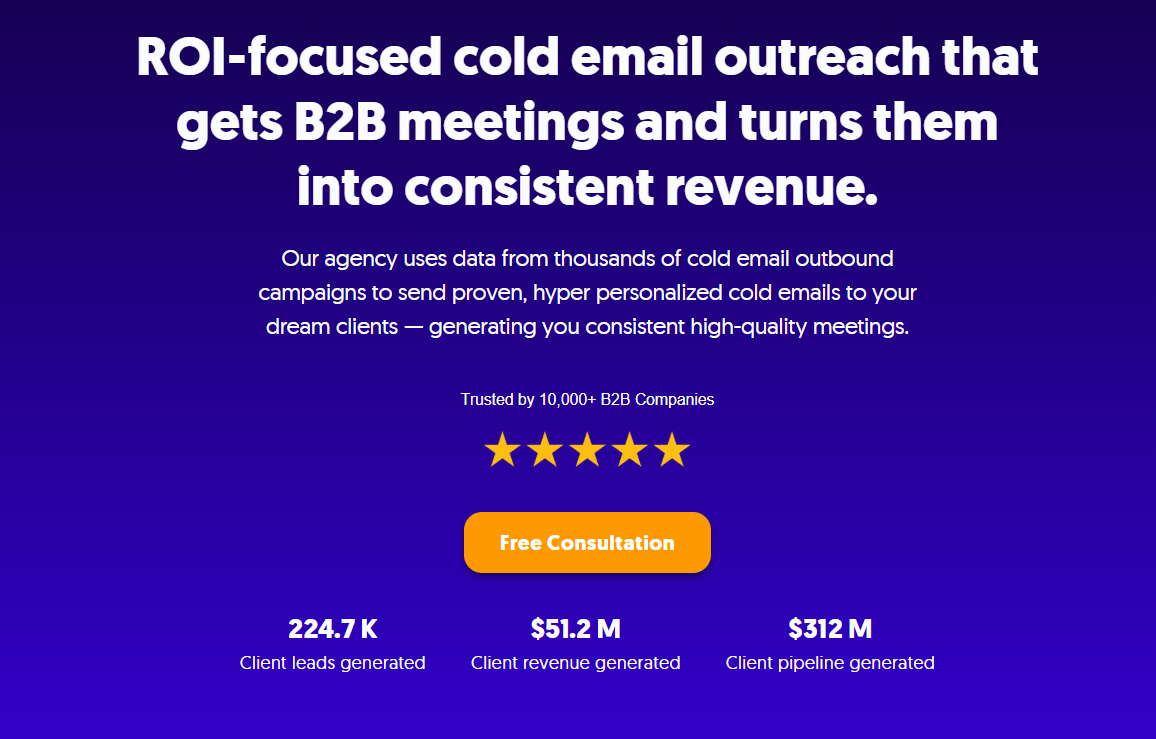
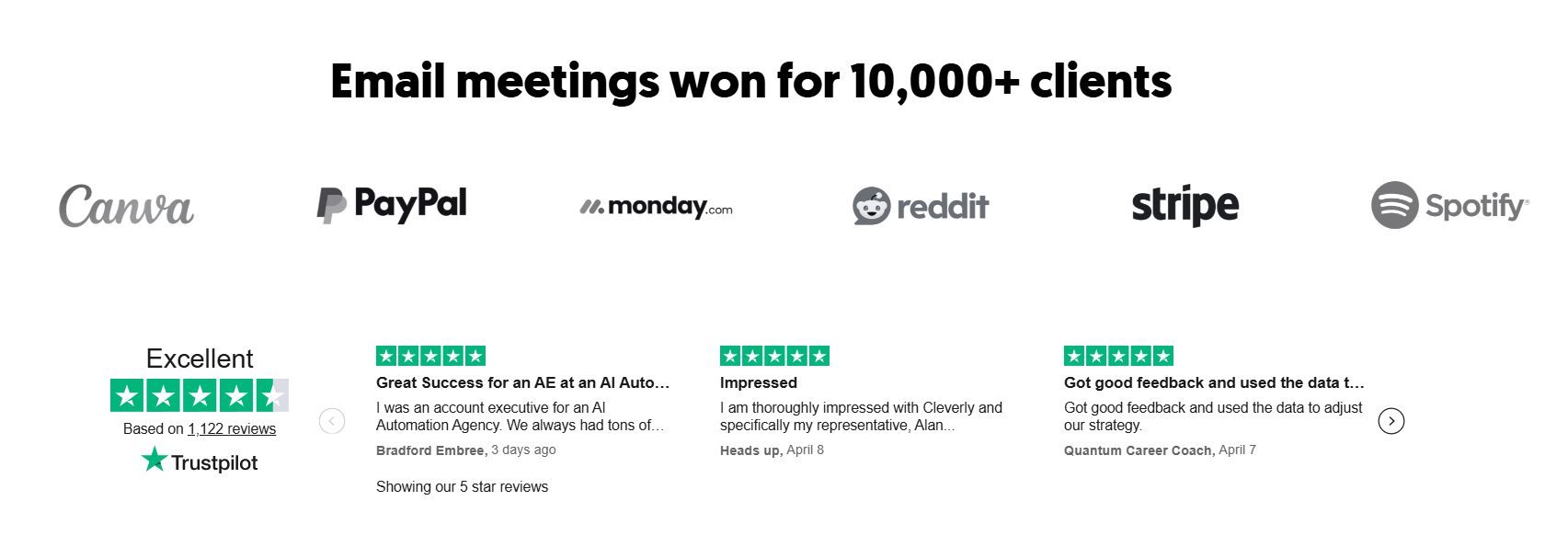
We've run cold email campaigns for 10,000+ B2B companies, generating $312M in pipeline and $51.2M in closed revenue. The difference between our campaigns and what most in-house teams run isn't just the tools — it's the targeting precision, the tested messaging frameworks, and the ongoing optimization that compound results over time.
Our cold email service runs on a pay-per-performance model: month-to-month, no long-term contracts, with two engagement options — a Growth (flat monthly retainer) and a Scale model where you only pay for what performs.
📧 Want cold email outreach handled end-to-end — without managing the data stack yourself?
Book a strategy call with Cleverly and we'll show you exactly how we'd approach your outbound.
Conclusion
Clay and Apollo aren't competing for the same job. Apollo is the right starting point for teams that need speed, simplicity, and an all-in-one outbound stack on a budget. Clay is the right choice for teams ready to invest in data quality, AI-powered personalization, and custom enrichment workflows at scale.
The smartest outbound teams in 2026 aren't debating clay vs apollo — they're using both in sequence. The real question isn't which tool to pick. It's whether your team has the strategy and execution to make either one work.
Frequently Asked Questions
Free Resource
How to Scale a Profitable Cold Call System
Get the complete guide — download it instantly now.
Free Ebook
Download the Free Guide
Enter your details to get instant access.
You're all set! 🎉
Your ebook is downloading now.
Click below if the download didn't start automatically.