Table of Contents
What Is Brand Awareness?
How to Measure Brand Awareness
What Is Lead Generation?
What Is a Lead Generation Strategy?
Brand Awareness vs Lead Generation — Key Differences
When Should You Focus on Brand Awareness?
When Should You Prioritize Lead Generation?
Why B2B Companies Need Both
How Cleverly Supports Lead Generation While Complementing Brand Awareness
Conclusion
Frequently Asked Questions
Modified On :
February 27, 2026
Key Takeaways
- Brand awareness builds recognition and trust; lead generation builds pipeline and drives revenue.
- They serve different goals — one is top of funnel, the other is middle to bottom.
- Brand awareness makes your outbound work better by reducing cold resistance.
- Lead generation has a faster feedback loop and more direct revenue attribution.
- Early-stage companies should prioritize awareness; companies with product-market fit should prioritize lead gen.
- The best B2B growth strategies run both in parallel, with budget split based on growth stage.
Marketing budgets are under more pressure than ever. And if you're running a B2B company, you've probably asked yourself: should we be building the brand or filling the pipeline?
See, brand awareness vs lead generation isn't really an either/or question. But confusing the two, or mixing up their goals, leads to wasted spend and poor ROI decisions.
In this guide, we'll break down what each one actually means, how they differ, when to prioritize one over the other, and how to make them work together.
What Is Brand Awareness?
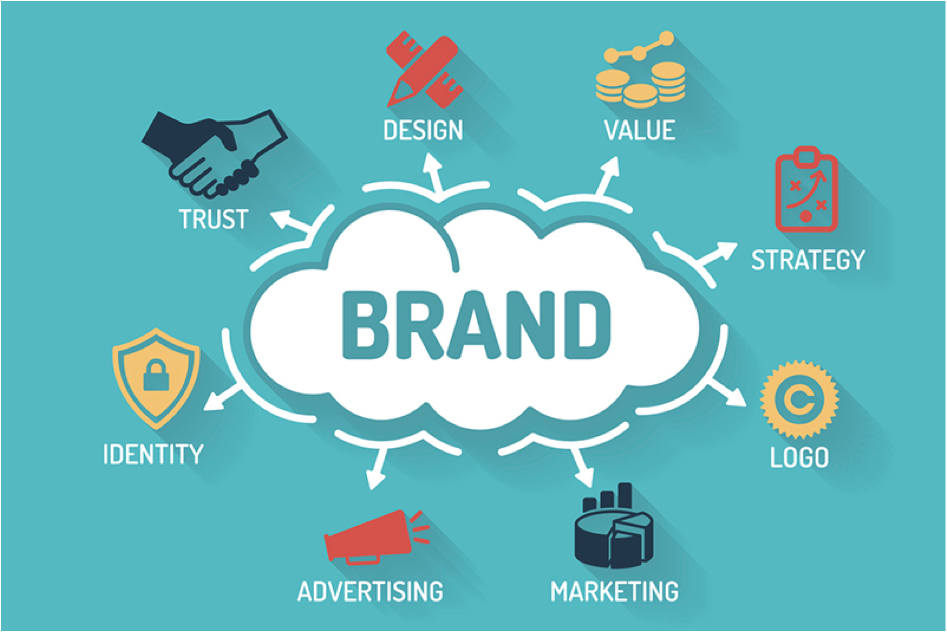
Brand awareness is how familiar your target audience is with your company. It's not about getting someone to buy right now. It's about making sure they know you exist, what you do, and why you're credible, so when they're ready to buy, you're already top of mind.
A solid brand awareness strategy typically includes:
- Content marketing (blogs, videos, thought leadership)
- Social media visibility across LinkedIn, X, and industry channels
- Paid ads optimized for reach, not just conversions
- PR, partnerships, and co-marketing
Brand awareness is a long game. It doesn't fill your CRM this quarter, but it makes everything else, including outbound outreach, work better over time.
🚀 Awareness Is Nice. Meetings Pay the Bills.
Cleverly drives revenue with LinkedIn outreach, pay-per-meeting cold email, and guaranteed cold calling — focused on qualified conversations.
How to Measure Brand Awareness
This is where a lot of teams get stuck. How to measure brand awareness isn't as straightforward as tracking leads, but it's not impossible either.

Some metrics that actually matter:
- Branded search volume — are more people searching your company name?
- Impressions and reach — how many people are seeing your content?
- Direct traffic growth — people typing your URL directly into their browser
- Share of voice — how much of the conversation in your space do you own vs competitors?
- Social engagement — comments, shares, saves on your content
- Brand recall surveys — asking your audience directly if they know and remember you
The honest truth? Brand awareness is harder to tie directly to revenue. That's not a flaw, it's just the nature of it. You're planting seeds, not harvesting them.
Also Check: Why Single-Channel Outreach Is Breaking Your Attribution Model
What Is Lead Generation?
What is lead generation? Simply put, it's the process of identifying and capturing people who are actually interested in what you sell, and moving them toward a sales conversation.
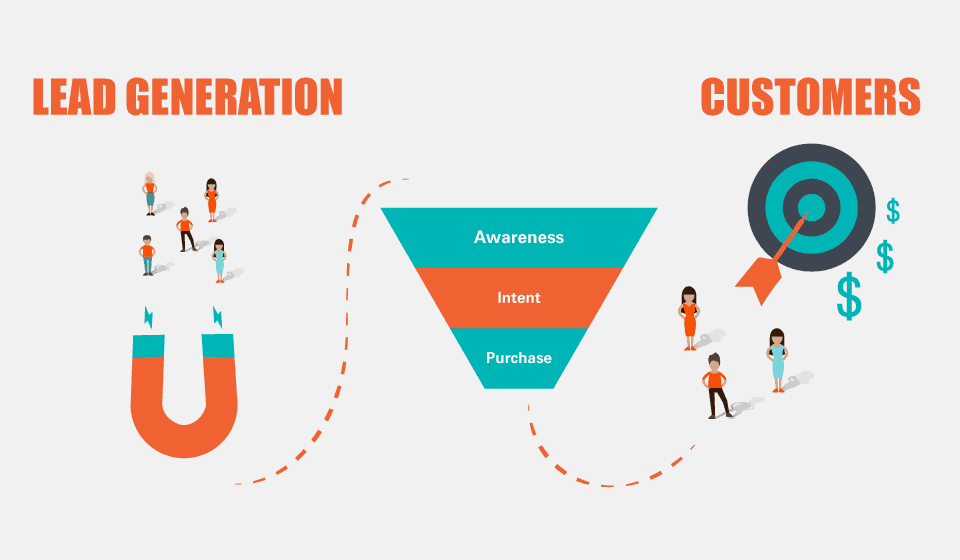
Where brand awareness is about visibility, lead generation is about conversion. Common lead gen tactics include:
- Cold outreach via email, LinkedIn, or phone
- LinkedIn direct messaging to your ICP
- Email campaigns to targeted prospect lists
- Paid lead forms on Google or LinkedIn
- Gated content like whitepapers or webinars
Lead generation has a much shorter feedback loop. You reach out, you get a response (or you don't), and you iterate. The revenue impact is direct and measurable.
Know More: Targeted Lead Generation (A Complete Guide to Precision Outreach)
📈 Build Brand. Book Pipeline.
10,000+ companies trust Cleverly to turn multi-channel outreach into sales-ready meetings and $312M+ in pipeline.
What Is a Lead Generation Strategy?
A good lead generation strategy isn't just about blasting messages. It's a structured system built around a few key things:
- Defining your ICP (Ideal Customer Profile) — who exactly are you targeting?
- Multi-touch outreach — reaching prospects across multiple channels
- Qualification criteria — not every lead is a good lead
- Appointment setting — the goal is booked meetings, not just replies
- Pipeline tracking — knowing where every lead is in the funnel
- Conversion optimization — constantly improving what's working
When these pieces are in place, lead generation becomes a repeatable, scalable system, not a guessing game.
Read More: 12 Lead Generation Channels That Actually Work for B2B
Brand Awareness vs Lead Generation — Key Differences
A clean breakdown of lead generation vs brand awareness across the factors that matter most for B2B decision-making:
When Should You Focus on Brand Awareness?
Not every company should be running aggressive outbound right now. Sometimes building awareness first is the smarter move. You should lean into a brand awareness strategy when:
- You're an early-stage startup that most people haven't heard of yet.
- You're entering a new market where you have no existing credibility.
- You're selling into long enterprise sales cycles where buyers need to trust you before they talk to you.
- You need to differentiate in a crowded space and stand out from competitors who look just like you.
In these cases, awareness creates the foundation that makes everything else convert better.
When Should You Prioritize Lead Generation?
If any of the following are true, you probably need to focus on lead generation strategy right now:
- You need pipeline this quarter, not next year.
- You're under revenue pressure and need results fast.
- You have a clearly defined ICP and know exactly who you're targeting.
- You've already established product-market fit.
- You're ready to scale outbound sales in a repeatable way.
When the fundamentals are in place, structured lead generation is the most direct path to booked meetings and closed revenue.
Why B2B Companies Need Both
Here's what most people get wrong about brand awareness vs lead generation: they treat it as a competition. It's not.
They actually feed each other:
- Brand awareness improves outbound reply rates. When a prospect has seen your name before, your cold email doesn't feel as cold.
- Lead generation converts awareness into pipeline. Awareness without a system to capture demand is just noise.
- Multi-touch familiarity makes prospects more likely to respond when you reach out directly.
- Awareness reduces cold resistance. People are more open to a conversation when they already have context on who you are.
- Pipeline systems monetize brand equity. All that credibility you've built? Outbound turns it into actual revenue.
The best B2B growth engines run both in parallel, even if the budget split varies depending on growth stage.
Related: Sales and Marketing Alignment Explained for Modern B2B Teams
How Cleverly Supports Lead Generation While Complementing Brand Awareness
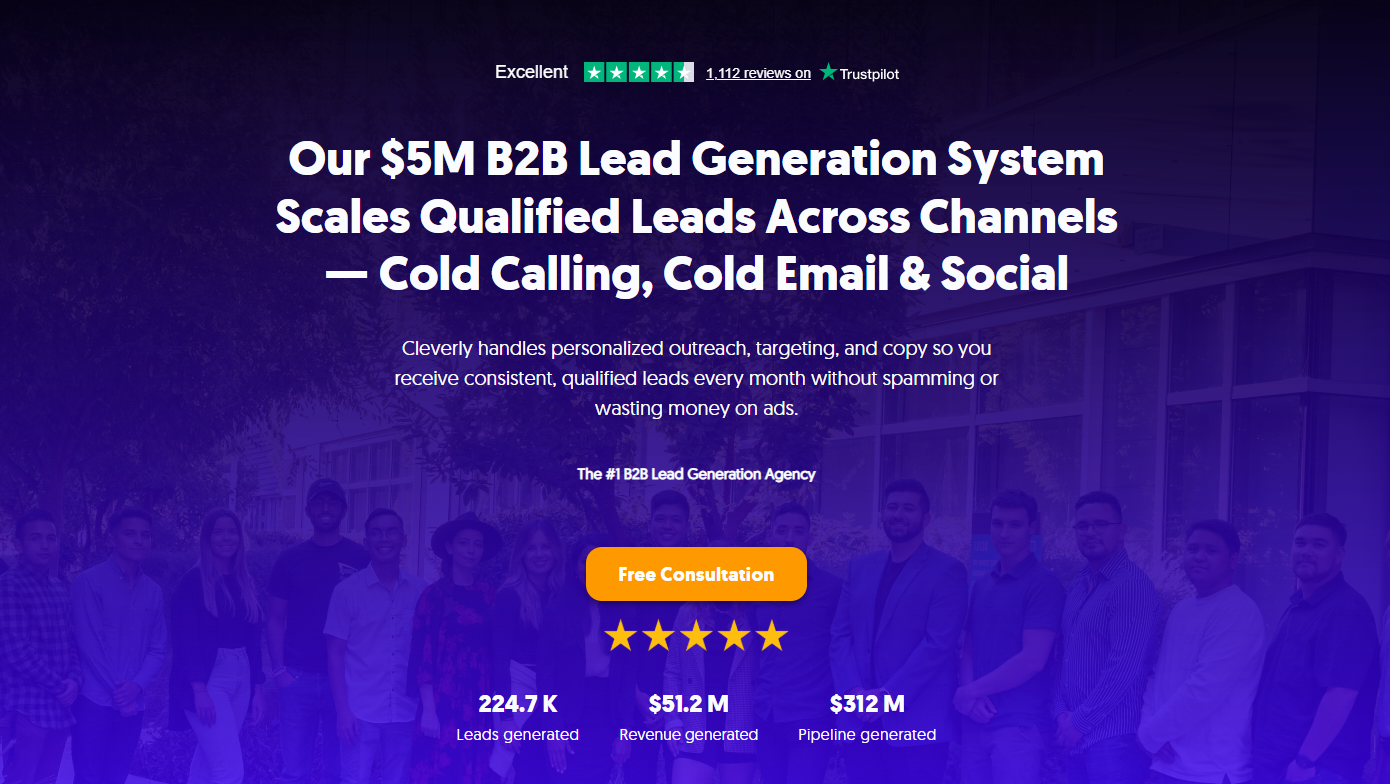
We're a B2B lead generation agency focused on one thing: getting you qualified meetings with the right people, consistently.
At Cleverly, we run structured, multi-touch outbound across three core channels:
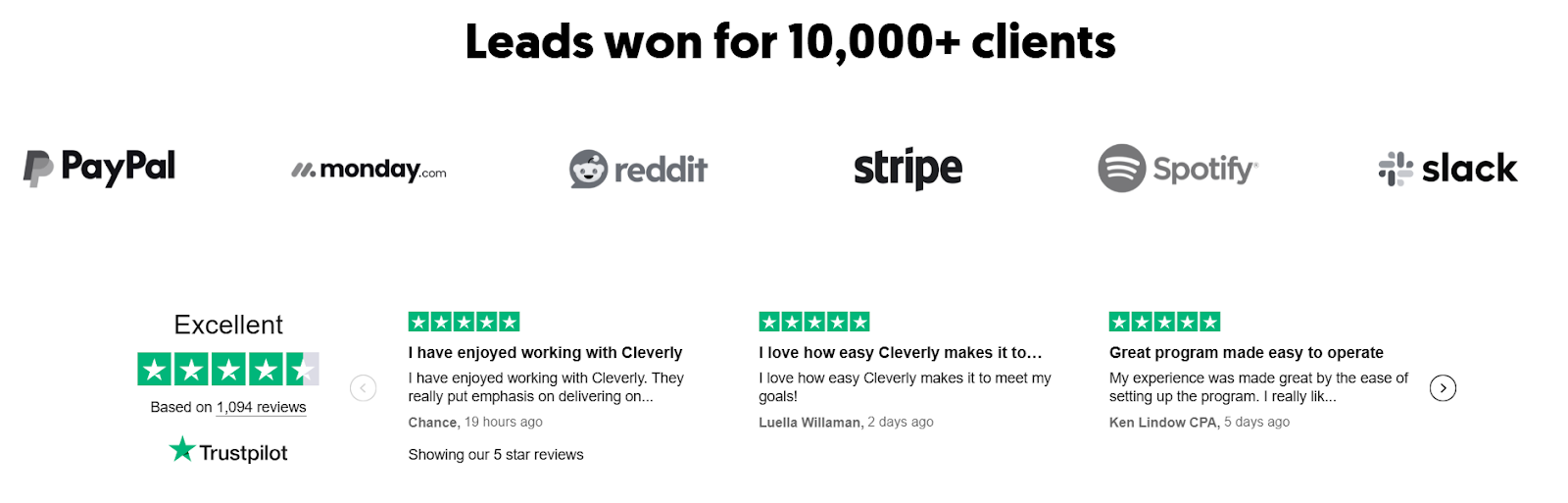
1️⃣ LinkedIn Lead Generation — We've helped 10,000+ clients generate leads with companies like Amazon, Google, Uber, PayPal, Slack, and Spotify.
…That's resulted in $312 million in pipeline revenue and $51.2 million in closed revenue through LinkedIn outreach alone. Plans start at just $397/month.
2️⃣ Cold Email Lead Generation — We write the copy, build the lists, and manage the campaigns. You only pay for meeting-ready leads we actually send you. No retainers, no fluff.
3️⃣ Cold Calling — Our $5M cold calling system books you 10 to 30 qualified sales calls every month, guaranteed. What's included:
- No-accent appointment setter placed for you
- Rigorous training, ready to go live in 2 weeks
- Breakthrough call scripts written for your offer
- Data, tech, and power dialer all included
- Half the cost of building this in-house
- Guaranteed appointments or we replace your SDR
We've made 1M+ cold calls, set 53K+ appointments, and generated $312M in pipeline across our client base.
Cleverly works best when you already have some basic brand credibility and a defined ICP. We take that foundation and turn it into a consistent flow of booked meetings.
🚀 Let’s get started!

Conclusion
Brand awareness and lead generation aren't competing strategies. They serve different purposes and work at different speeds.
Brand awareness builds familiarity. Lead generation builds pipeline. One drives perception, the other drives revenue. And for B2B companies that want sustainable growth, you eventually need both working together.
Where you start depends on your growth stage and revenue goals. But if you need pipeline now, a structured outbound system is the fastest path to get there.
Frequently Asked Questions
Free Resource
How to Scale a Profitable Cold Call System
Get the complete guide — download it instantly now.
Free Ebook
Download the Free Guide
Enter your details to get instant access.
You're all set! 🎉
Your ebook is downloading now.
Click below if the download didn't start automatically.