Table of Contents
What Is a B2B Value Proposition?
Why Your B2B Value Proposition Directly Impacts Lead Generation
The Key Components of a Strong B2B Value Proposition
How to Write a B2B Value Proposition Step-by-Step
B2B Value Proposition Frameworks Worth Knowing
B2B Value Proposition Examples That Actually Work
How to Adapt Your B2B Value Proposition for Outreach
Using AI to Build and Refine Your B2B Value Proposition
Common B2B Value Proposition Mistakes That Kill Outreach Performance
How Cleverly Uses Value Proposition Development to Drive B2B Lead Generation Results
Conclusion
Frequently Asked Questions
Modified On :
April 10, 2026
Key Takeaways
- A B2B value proposition is not a tagline or mission statement — it's a precise statement of who you help, what problem you solve, and what measurable outcome you deliver.
- Most outbound fails not because of bad timing or wrong channel, but because the value prop says nothing the prospect actually cares about.
- The strongest B2B value propositions are built around buyer outcomes and specific numbers — not product features or vague benefits.
- Your website value prop and your outreach value prop are not the same thing and should never be treated as interchangeable.
- AI tools can accelerate drafting, but they can't replace the customer insight and market context that makes a value prop land.
- A weak value prop compounds across every channel simultaneously — cold email, LinkedIn, cold calls, and your website all suffer together.
One uncomfortable truth most B2B teams won't say out loud: your outreach isn't failing because of bad timing, the wrong channel, or a deliverability issue. It's failing because your B2B value proposition says nothing that a prospect actually cares about.
The gap is wider than most teams realize.
The problem isn't effort. Teams work hard on their messaging. The problem is they're writing for themselves — describing their product, their process, their differentiators — instead of writing for the buyer staring at their screen trying to figure out if this is worth three seconds of their attention.
Research from McKinsey shows that companies with clear, customer-centric messaging achieve up to 2x higher revenue growth than those relying on generic positioning.
This guide fixes that. We'll cover the exact definition of a B2B value proposition, the components that make one work, a step-by-step writing process, outreach-specific adaptations, B2B value proposition examples, how to use AI effectively, and the most common mistakes that silently kill reply rates.
Whether you're a founder, SDR leader, marketer, or someone running a B2B lead generation program — if you send outbound, this guide is for you.
What Is a B2B Value Proposition?
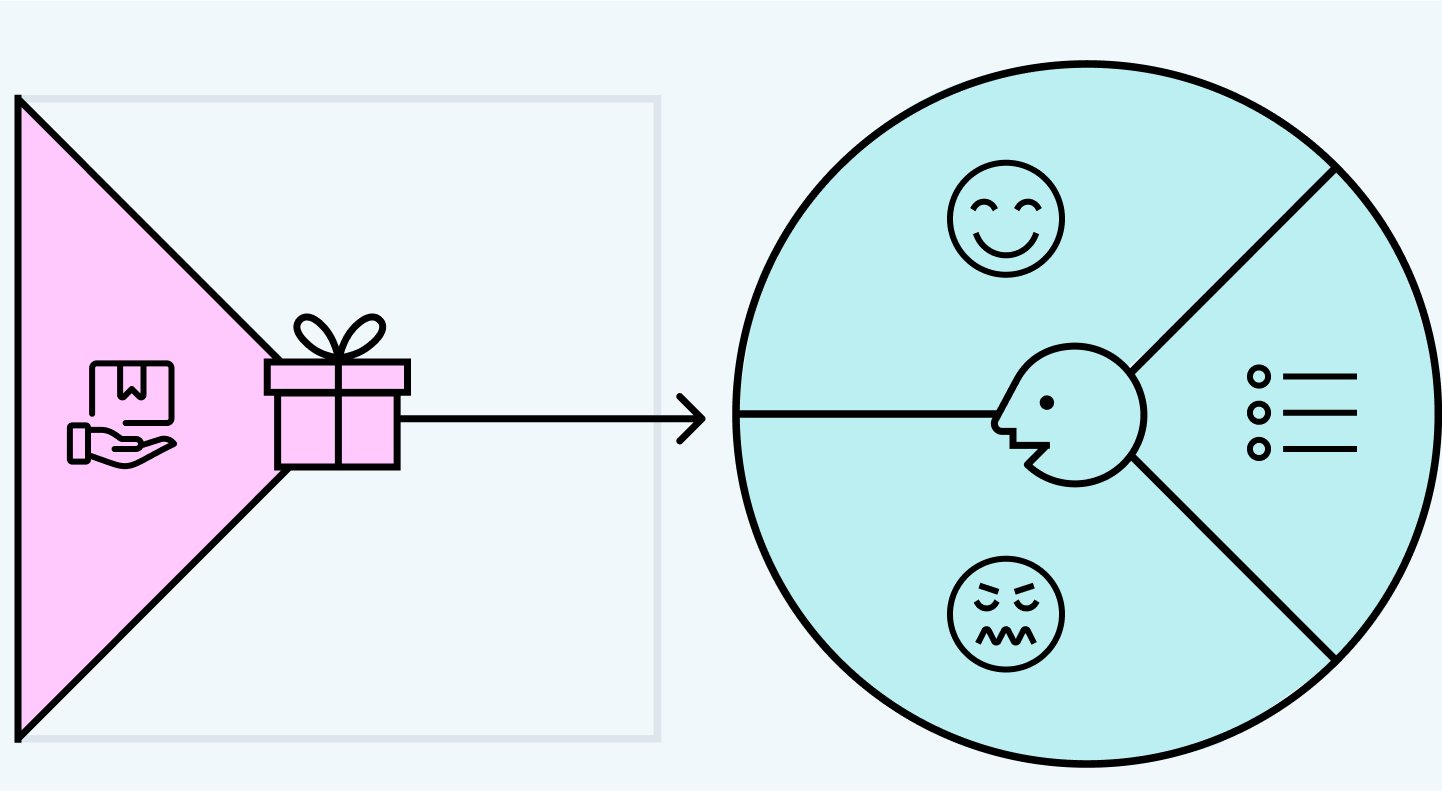
A B2B value proposition is a clear, concise statement that explains who you help, what problem you solve, and what measurable outcome you deliver — told entirely from the buyer's perspective, not yours.
That last part is where most teams go wrong.
What a Value Proposition Is NOT
It's not a tagline ("The future of sales"). It's not a mission statement ("We empower businesses to grow"). It's not a product description or a feature list. These things might matter internally, but they mean nothing to a cold prospect reading your opening line.
A value prop answers three specific questions:
- Who is it for? (Your exact ICP — not "businesses" or "companies")
- What problem does it solve? (A real, costly, felt pain)
- Why YOU over everyone else? (Your specific differentiator with proof)
B2B vs. B2C Value Propositions
B2C can afford to lead with emotion — lifestyle, aspiration, identity. B2B doesn't have that luxury.
B2B value propositions must lead with ROI, efficiency, revenue impact, or risk reduction. Buyers are accountable to a business outcome, and your message has to map to it.
The other complication in B2B? Multiple stakeholders. A CFO, a Head of Sales, and a VP of Operations are all in the same buying committee — and they each care about completely different things. One value prop rarely fits all of them.
📢 Your Offer Isn’t the Problem. Distribution Is.
We turn your value prop into booked meetings via LinkedIn, cold email & cold calling. Fully done-for-you. Real pipeline, not just clicks.
Why Your B2B Value Proposition Directly Impacts Lead Generation
A strong B2B value proposition does something no SDR can do manually at scale: it pre-qualifies prospects before a single sales conversation happens.
When your message is clear and outcome-specific, the right people self-select in. When it's vague, everyone ignores it — including your best-fit prospects.
How Weak Messaging Creates Friction at Every Stage
A generic value prop doesn't just hurt cold email reply rates. It creates drag everywhere:
- Your cold email outreach open rates might look okay, but reply rates are flat because line one says nothing worth responding to.
- Your LinkedIn connection requests get accepted, but follow-up messages go unanswered.
- Your demos don't close because prospects never fully understood the value you were delivering.
- Your SDRs sound unsure on cold calls because even they can't articulate why a prospect should care.
The SDR Performance Connection

Your reps can only be as good as the message they're delivering. A sharp value prop doesn't just improve outreach metrics — it gives your sales team clarity and confidence. They know who they're calling, why it matters, and what outcome to lead with. That changes the entire energy of a conversation.
A vague value prop is like giving someone a map with no destination marked. They might move, but they won't get anywhere useful.
The Key Components of a Strong B2B Value Proposition
Every strong B2B value proposition is built from the same six components. Miss one and the whole thing softens.
The Six Components
✅ Target Customer
Not "businesses" or "companies." A specific ICP — a named persona with a named problem. "VP of Sales at B2B SaaS companies with 50–200 employees."
✅ Problem Statement
The real pain, inefficiency, or risk your buyer is actively experiencing. Not the problem you wish they had — the one keeping them up at night.
✅ Solution
What you do in plain language. No jargon. No acronyms. If a sharp 12-year-old couldn't understand it, rewrite it.
✅ Measurable Outcome
The specific result you deliver: time saved, revenue added, costs reduced, meetings booked. "We reduce onboarding time by 40%" beats "we improve efficiency" every single time.
✅ Differentiator
Why you over the five other vendors saying similar things. This is where most teams go vague. "Great customer support" is not a differentiator. It's a table stake.
✅ Proof
The credibility element — a client name, a stat, a case study reference. Claims without proof are just noise. Proof makes the claim believable.
How These Map to Outreach Formats
- One-liner for LinkedIn: lead with outcome + differentiator, nothing else
- Expanded for cold email: outcome first, then brief proof, then CTA
- Spoken for cold calls: framed as an observation or question, not a pitch
📈 More Replies. More Calls. More Revenue.
$312M pipeline generated across LinkedIn, email & calling. We handle everything—you just show up to close.
How to Write a B2B Value Proposition Step-by-Step
Step 1 — Start With Your ICP, Not Your Product
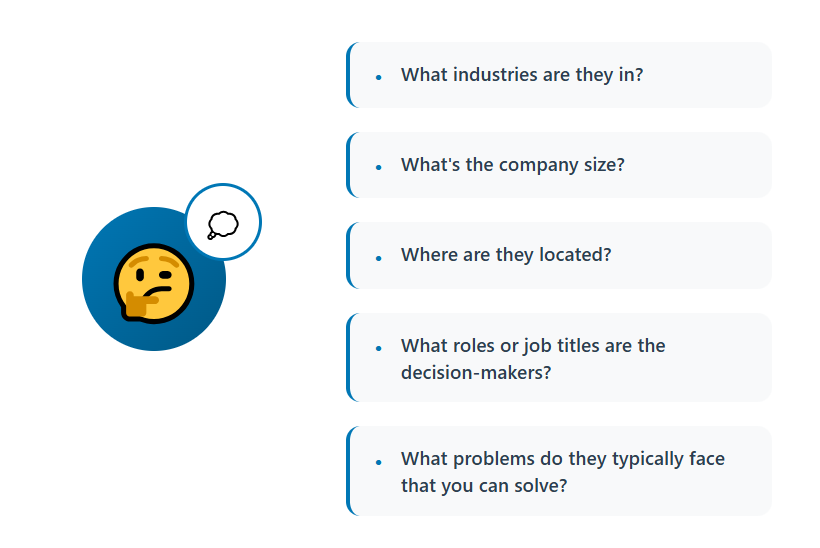
The most common mistake in value prop writing: starting with what you sell instead of who you're selling to.
Map your buyer persona first. Role, industry, company size, and — critically — the core KPIs they're held accountable for. A Head of Sales is measured on pipeline and revenue. A COO is measured on operational efficiency and cost. These are different conversations.
Identify the job-to-be-done: what is this person hired to achieve? Your value prop should speak directly to that outcome. Not your product's features. Their job.
Step 2 — Identify the Pain Worth Solving

Surface the real cost of the problem. Not just the frustration — the actual business impact in time, revenue, headcount, or risk.
One important distinction: there's pain buyers feel daily and pain they've normalized and stopped noticing. The second type is often the bigger opportunity — but you have to name it before they do.
Use the language your best clients actually use in conversations and emails. Their words outperform your marketing language every time.
Step 3 — Define the Outcome You Deliver (With Numbers)

Vague outcomes kill trust. "Increase efficiency" says nothing. "Reduce onboarding time by 40%" says everything.
If you don't have a published case study with hard numbers, use ranges or directional outcomes from real client work: "Most of our clients see X within 90 days." That's still specific. It's still believable.
Prospects trust numbers far more than adjectives. "Significant improvement" is forgettable. "53,000 appointments booked" is not.
Step 4 — Write Your Core Value Proposition Statement
A proven formula that works across industries:
"We help [ICP] [achieve specific outcome] [without/by] [key mechanism or differentiator]."
Write multiple versions for different seniority levels. A CFO needs to hear about cost reduction and ROI. A VP of Sales needs to hear about pipeline and quota attainment. The core truth is the same — the framing shifts.
Keep it under two sentences for any outreach environment. Attention is scarce. Earn it fast or lose it.
Step 5 — Test, Validate, and Iterate
A value prop is a hypothesis until data confirms it. Test language variations across cold email subject lines and opening lines. Track reply rate, positive reply rate, and meeting booking rate — not open rate.
Open rate tells you the subject line worked. Reply rate tells you the value prop worked.
Build a 90-day refresh cycle. Market conditions shift, competitors reposition, and your ICP's priorities evolve. A value prop that crushed it in Q1 can quietly go stale by Q3.
B2B Value Proposition Frameworks Worth Knowing
There's no single right framework. The best teams pick the one that fits the job.
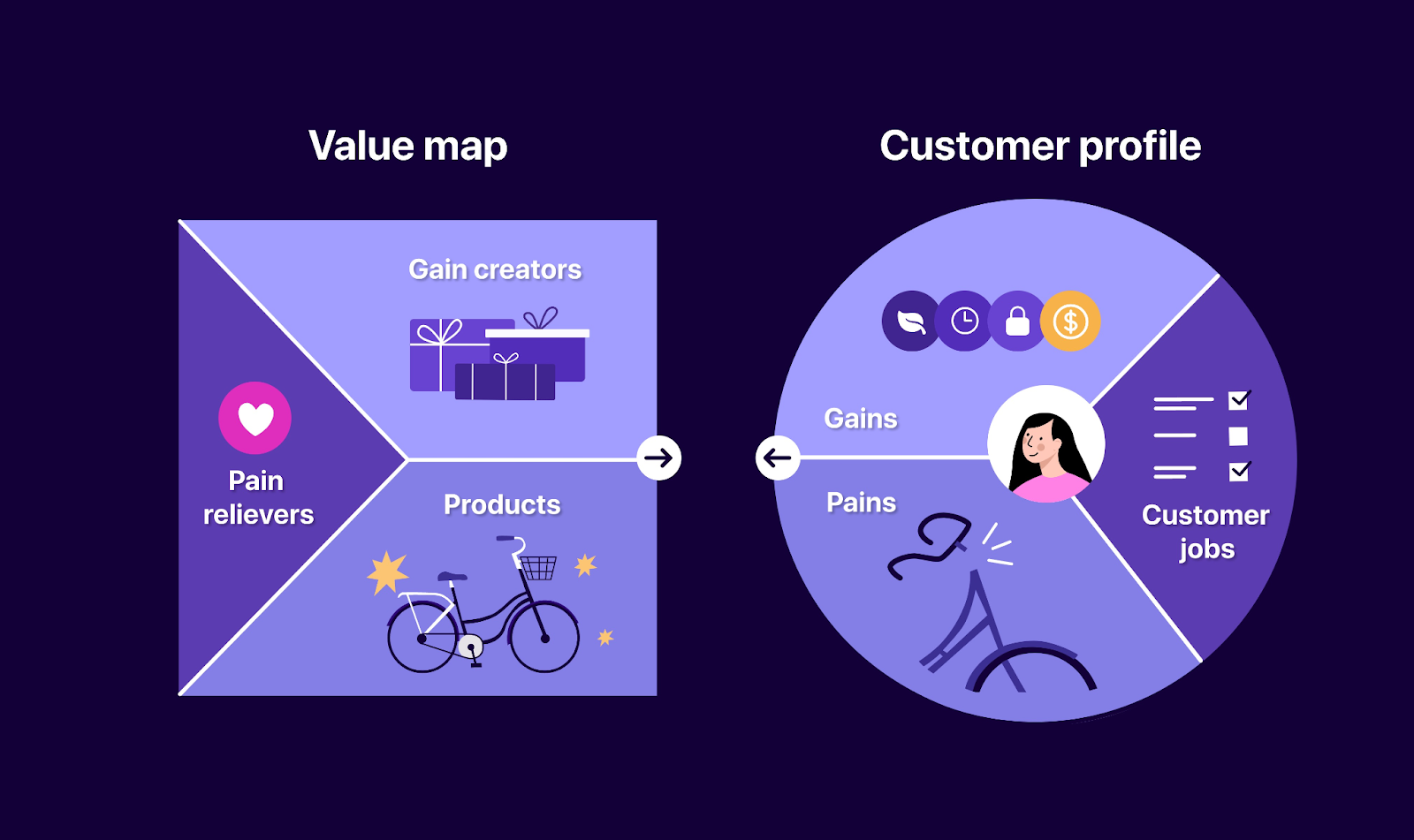
The Value Proposition Canvas (Osterwalder)
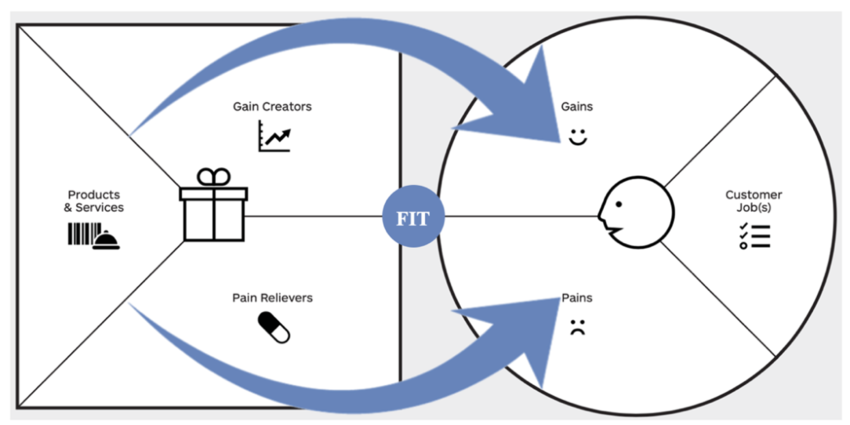
Built around two sides: the customer profile (jobs, pains, gains) and the value map (gain creators, pain relievers, products/services). The goal is alignment between what the customer cares about and what you actually offer.
Best used for strategic positioning work — when you're building or rebuilding your messaging from the ground up.
The Geoff Moore Template
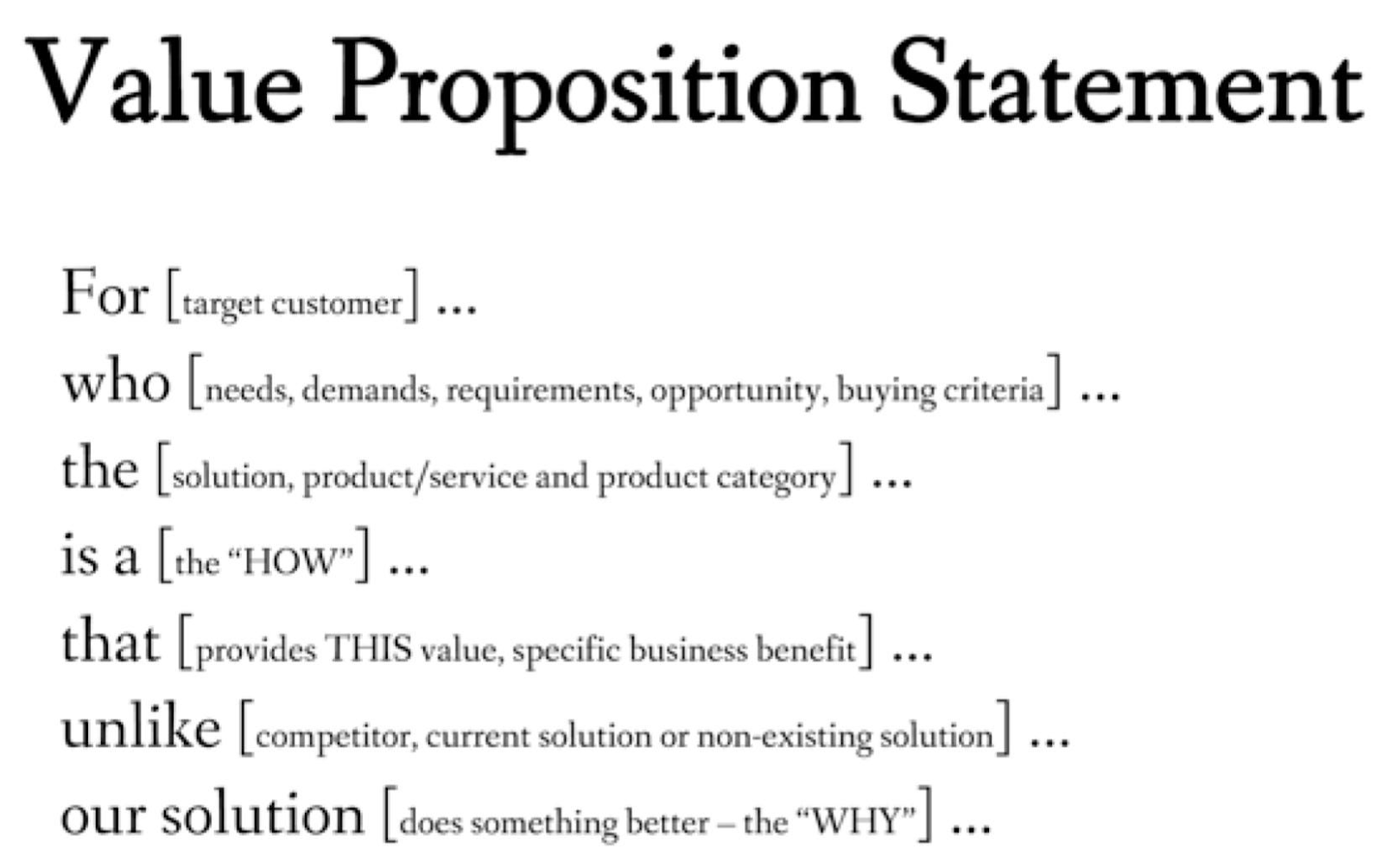
"For [target customer] who [has this need], [product/service] is a [category] that [key benefit]. Unlike [alternative], we [key differentiator]."
This is the clearest competitive positioning format available. It forces you to name your alternative — which clarifies your differentiation immediately.
Best used for sales decks and positioning documents where you need to draw a clear line between you and the competition.
The Jobs-to-Be-Done (JTBD) Framework
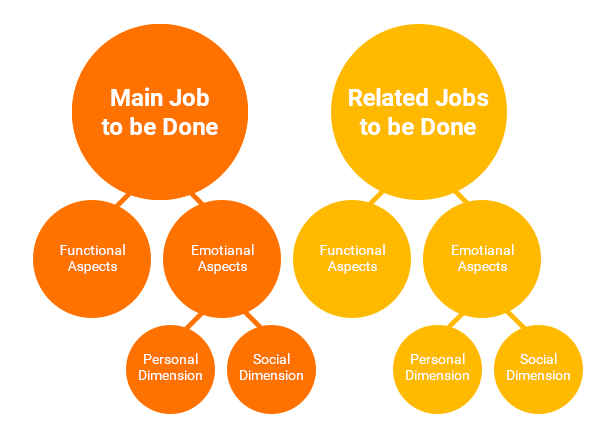
Shifts the focus from what your product does to what outcome the buyer is "hiring" it to accomplish. Instead of "we provide CRM software," it becomes "our clients hire us to make sure no deal falls through the cracks."
Best used for outreach messaging where you need to connect instantly with what the buyer actually cares about.
The Before/After/Bridge Framework
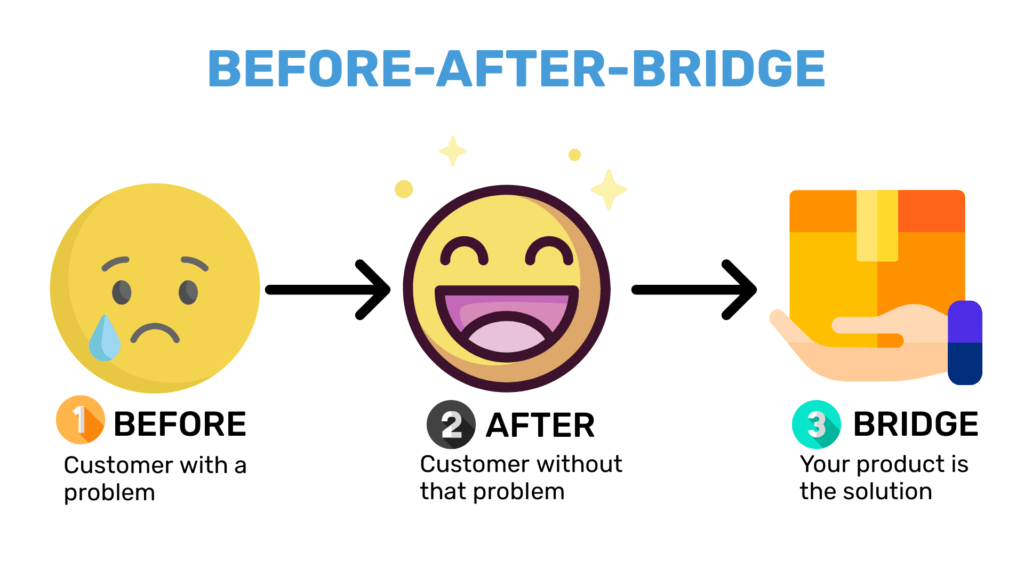
Describe the painful "before" state your prospect is living in. Describe the desirable "after" state. Position your product or service as the bridge between the two.
This structure is particularly powerful for cold email opening lines because it shows the buyer you understand exactly where they are and where they want to be.
B2B Value Proposition Examples That Actually Work
Let's look at how strong value props are built across different B2B categories — and what separates the ones that get replies from the ones that get ignored.
SaaS / Technology

What makes SaaS B2B value proposition examples work is the combination of a specific outcome, a speed-to-value claim, and integration ease.
Weak: "Our platform helps sales teams be more productive."
Strong: "We help mid-market SaaS sales teams cut their manual CRM data entry by 70% — without changing the tools they already use."
The strong version names the persona, quantifies the outcome, and removes the biggest objection (change management) in the same sentence.
Professional Services / Agencies

Services value props have to lead with outcome, not process. "We use a proprietary methodology" is not a value prop. What does the buyer get at the end?
Weak: "We provide strategic consulting services to help businesses grow."
Strong: "We help B2B financial services firms generate 15–25 qualified enterprise introductions per quarter through structured referral systems."
Named industry. Specific result. Specific mechanism. That's a value prop that earns a reply.
B2B Lead Generation
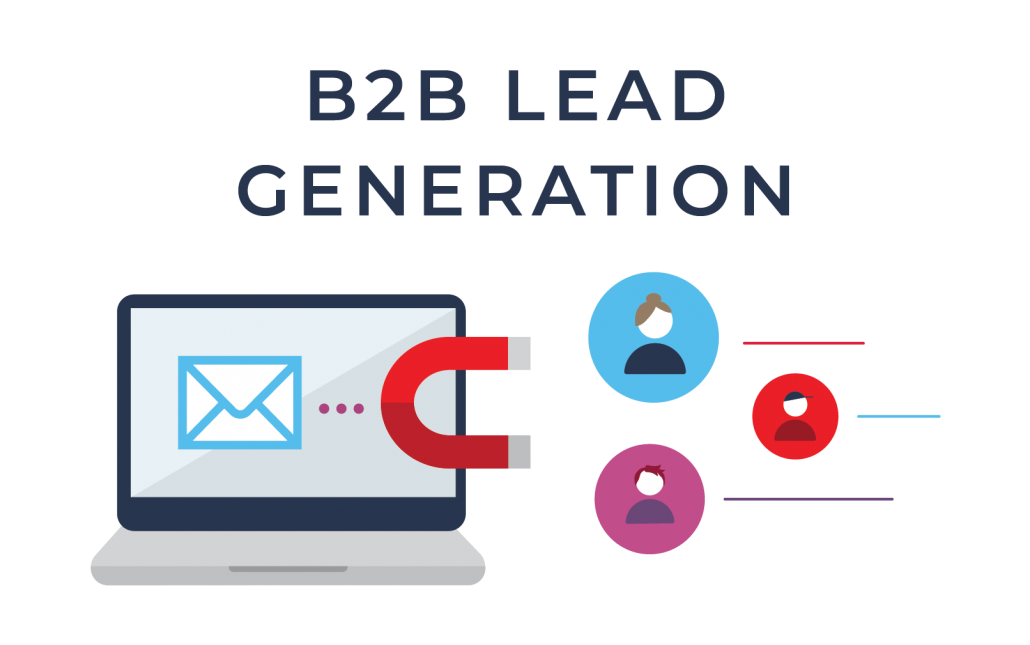
"We generate leads" is the weakest value prop in outbound. Everyone says it. It means nothing without specificity.
Weak: "We help B2B companies generate more leads and grow their pipeline."
Strong: "We book 10–30 qualified sales calls per month for B2B SaaS companies — using a done-for-you cold calling system at half the cost of an in-house SDR."
Outcome-first. ICP-specific. Proof-backed mechanism. That's what converts.
Weak vs. Strong: Side-by-Side
The pattern is always the same: specificity, outcome, and proof beat vague, generic, and feature-first every time.
How to Adapt Your B2B Value Proposition for Outreach
Your website value prop and your B2B value proposition for outreach are not the same document — and treating them as interchangeable is one of the most common messaging mistakes in B2B.
Your website has time and space. Outreach has neither.
For Cold Email

In cold email, your value prop lives in lines 1–2, not the subject line. The subject line earns the open. The opening line earns the read. Lead with the outcome your prospect wants, not an introduction to who you are.
Bad open: "Hi [Name], I'm reaching out because we help companies like yours improve their sales process."
Strong open: "Most VP Sales teams I talk to are generating plenty of meetings but losing 30–40% of them before a proposal goes out. That's usually a value prop gap."
The second version positions you as someone who understands the problem before asking for anything.
For LinkedIn Outreach
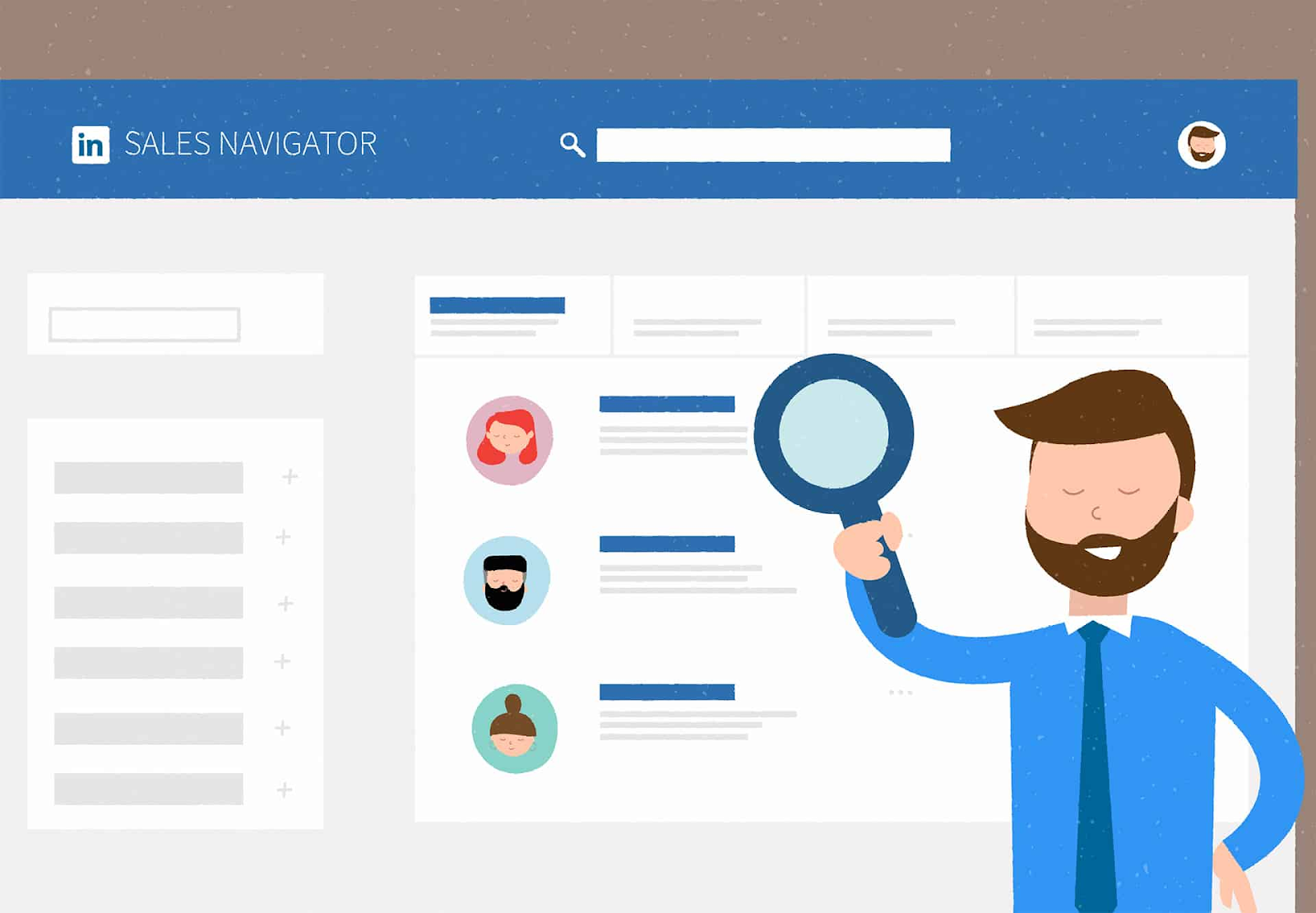
LinkedIn outreach needs a tighter, more conversational version of your value prop. Prospects don't read paragraphs in DMs. One sentence. Outcome-first. End with a soft opener, not a hard CTA.
Example: "We help [ICP] book [X outcome] without [main objection]. Worth a quick conversation?"
For Cold Calling

A spoken value prop must be framed as an observation or question — not a pitch. The "Are you still experiencing X?" structure opens the door. It shows you know their world.
Example: "We work with a lot of [role] at [company type] and the most common thing I hear is [specific pain]. Is that something you're running into?"
Persona-Based Adaptation

The same core value prop shifts based on who you're talking to:
- CFO: Lead with cost reduction and ROI timeline
- VP Sales: Lead with pipeline volume and quota attainment
- Head of Operations: Lead with efficiency, process reliability, and headcount impact
Trigger-Based Personalization
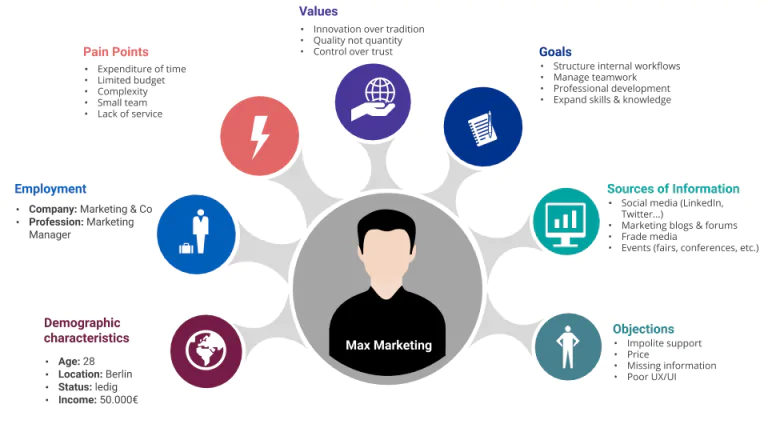
Layer a buying signal onto your value prop for a 2–3x lift in reply rates. A recent funding round, a new leadership hire, a job posting for an SDR role — these signals tell you exactly what problem they're trying to solve right now.
"I saw you just posted three SDR roles — a lot of our clients are in that exact moment when they realize the hiring timeline is going to miss their pipeline targets by a full quarter."
That's a value prop. That's also a door-opener.
Using AI to Build and Refine Your B2B Value Proposition
AI tools like Claude and ChatGPT can meaningfully accelerate first-draft value prop generation. But they have a hard ceiling without the right inputs.
The Right Prompting Framework
Don't ask AI to write your value prop from scratch. It doesn't know your buyers, your client results, or your actual differentiators. Feed it what it needs first:
- Your ICP definition (role, industry, company size, core KPIs)
- The specific pain points your best clients describe in their own words
- The measurable outcomes you've delivered (numbers, timeframes, ranges)
- Your primary differentiator vs. the most common alternative
With those inputs, AI can generate 10–15 strong variants in minutes — far faster than manual iteration.
AI for Persona-Specific Variants at Scale
Once you have a working core value prop, use AI to adapt it across personas, verticals, and company sizes. What resonates with a Series A founder is not what resonates with an enterprise procurement lead. AI can generate those variants quickly. Your team refines and tests them.
AI for Testing and Refinement
Use AI to analyze language patterns from your best-performing reply data. Feed it your top 20 opening lines by positive reply rate and ask it to identify what they have in common. That pattern becomes your next round of copy.

The Critical Human Layer
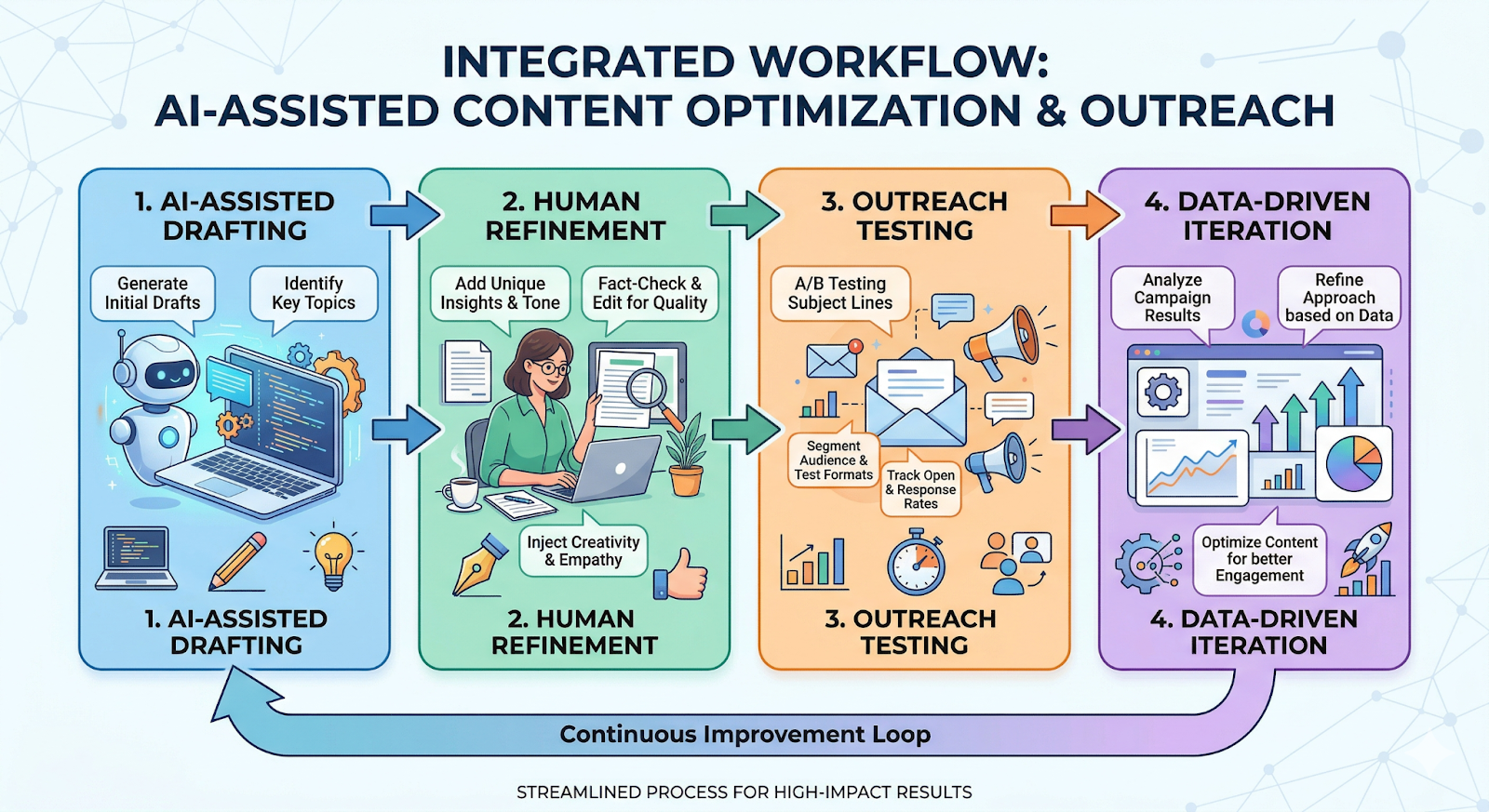
AI can draft fast. It cannot replace the customer insight and market context that makes a value prop actually land. The teams that get the most out of AI for b2b value proposition work are the ones using it as a drafting and scaling layer — not a replacement for thinking.
Common B2B Value Proposition Mistakes That Kill Outreach Performance
These mistakes are common, quiet, and expensive. Most teams don't realize they're making them until they've burned through months of outreach budget.
❌ Writing for yourself instead of your buyer
Features-first instead of outcomes-first. You are not your customer. What excites your product team rarely excites a cold prospect. Start with the buyer's problem, not your solution.
❌ Being so broad the prospect doesn't feel spoken to
"We help businesses grow" speaks to no one. The more specific your B2B value proposition, the more the right person thinks "this is exactly me."
❌ Confusing table stakes with differentiators
"We have great customer support" is not a differentiator. Every vendor says it. Differentiators are things that are genuinely hard to copy or hard to find elsewhere.
❌ Using the same value prop for every persona and seniority level
A buying committee has multiple stakeholders. Your value prop for a CFO and your value prop for a Head of Sales should be different documents — same core truth, completely different framing.
❌ Treating the value prop as a one-time exercise
Your market shifts. Your competitors reposition. Your ICP's priorities evolve. A value prop that worked six months ago can quietly go stale without anyone noticing — until the reply rates tell you.
❌ Burying the value prop in paragraph three
In cold email, the value prop belongs in lines 1–2 or it doesn't belong at all. By paragraph three, most prospects have already moved on. Lead with your strongest point, not your warmest intro.
How Cleverly Uses Value Proposition Development to Drive B2B Lead Generation Results
Before Cleverly launches any outbound campaign — cold email, LinkedIn lead gen, or cold calling — the first thing we work on is the value proposition.
Not the channel. Not the sending infrastructure. The message. Because a technically perfect campaign built on weak messaging generates technically impressive vanity metrics and very few actual meetings.
What that looks like in practice:
- Our team aligns with you on your ICP
- Maps the pain points your best clients actually use to describe their problem, and
- Builds channel-specific value prop variants before a single sequence goes live.
🔥 LinkedIn gets a tighter, conversational version.
🔥 Cold email gets an outcome-first opening line with proof layered in.
🔥 Cold calling gets a spoken version framed as an observation, not a pitch.
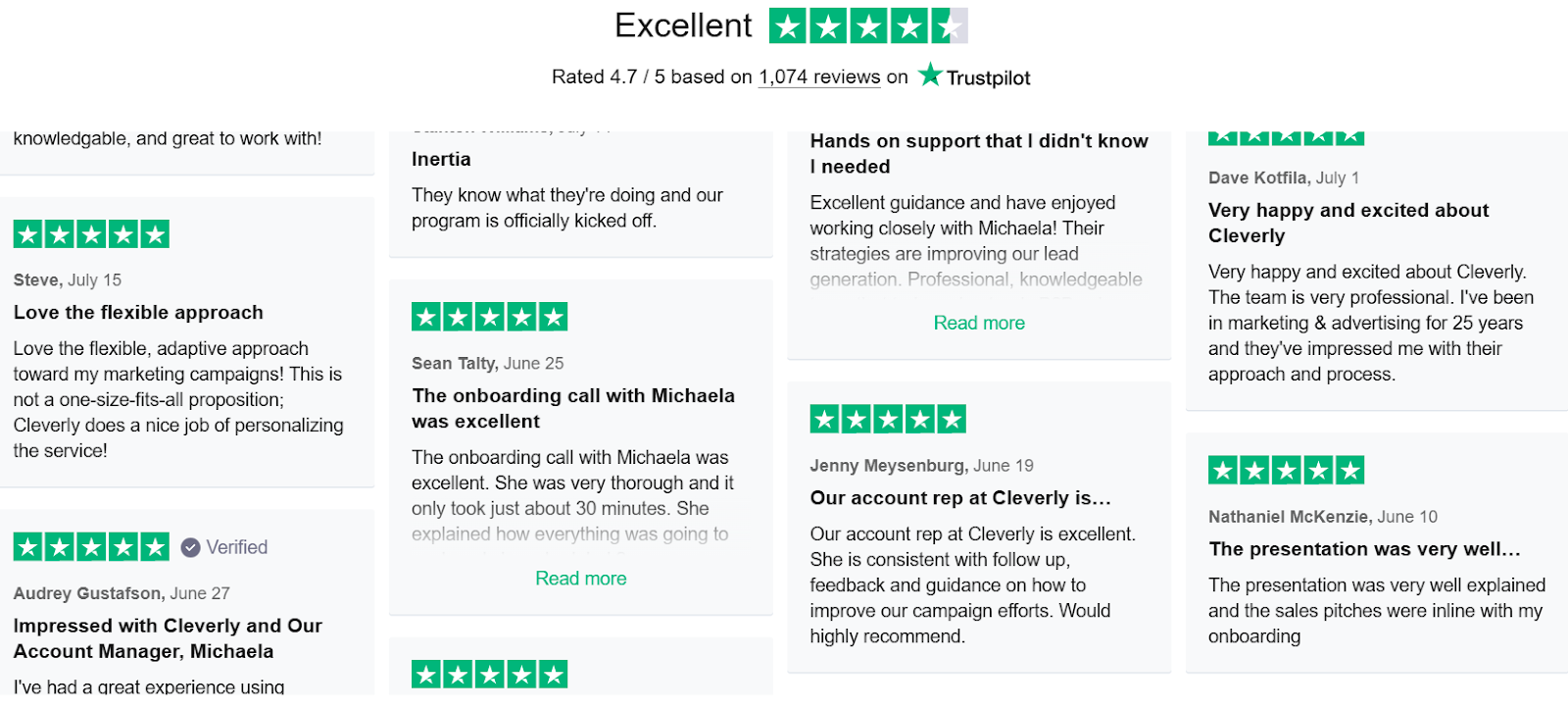
That message-market fit is what connects our infrastructure to real pipelines. It's how we've generated $312M in pipeline and 53,000+ appointments for 10,000+ B2B clients. Sharp messaging compounds — better value prop means higher positive reply rates, which means more qualified conversations, which means more closed revenue.
If you want a done-for-you B2B lead generation system that starts with the message and builds through to booked meetings, that's exactly what we run.
🤝 Book a free strategy call with Cleverly and we'll show you exactly how we'd position your outreach.
Conclusion
A B2B value proposition isn't a branding exercise. It's the core of every conversation your sales team has with the market — and the difference between outreach that gets replies and outreach that gets ignored.
The best ones are short, specific, outcome-driven, and built entirely around the buyer's language. Start with ICP clarity. Build around measurable outcomes. Test in outreach. Iterate based on what the reply data actually tells you.
Get this right and it compounds across every channel simultaneously — email, LinkedIn, cold calls, and your website all get better at the same time.
Frequently Asked Questions
Free Resource
How to Scale a Profitable Cold Call System
Get the complete guide — download it instantly now.
Free Ebook
Download the Free Guide
Enter your details to get instant access.
You're all set! 🎉
Your ebook is downloading now.
Click below if the download didn't start automatically.