

Table of Contents
Why Biotech Lead Generation Works Differently
10 Lead Generation Strategies for Biotech
Timing Outreach Around Funding and Programme Milestones
Writing Outreach That Scientific Buyers Will Read
What to Measure in Biotech Lead Generation
Common Mistakes When Selling Into Biotech
How Cleverly Runs Lead Generation for Biotech Companies
Conclusion
Frequently Asked Questions
Modified On :
October 30, 2026
Key Takeaways
- Biotech’s market is small enough to list by name, so build a finite account list and work it deeply instead of blasting volume.
- Budget shows up after funding rounds, grants, and milestones. Outreach timed to those events beats a better pitch sent at the wrong moment.
- Scientists buy on evidence. Technical specificity earns replies, and marketing language gets you ignored.
- Multi-thread the purchase. The person who specifies, the person who negotiates, and the person who can veto are rarely the same.
- Measure account coverage, trigger speed, and meeting quality, not lead volume, and expect long cycles.
A biotech that closes a financing round on Monday starts spending in the weeks that follow. A biotech that has not raised yet will not buy from you, however good your pitch is. That one fact explains why B2B lead generation for biotech works so differently from standard outbound.
The numbers show how tight this market is. Biopharma venture funding reached $23.9 billion across 385 rounds in 2026 year to date, per J.P. Morgan’s Q3 2026 report. EY found that publicly traded US and EU biotechs fell from 977 in 2021 to 758 in 2025. Just 50 financing rounds accounted for half of all 2025 venture investment.
So the market is small, concentrated, and tied to funding cycles. Your buyer is usually a scientist. Volume plays waste money here, and named-account precision wins.
This guide covers why biotech is different, ten strategies that work, how to time outreach around funding, how to write for scientific buyers, and what to measure.

Why Biotech Lead Generation Works Differently
Every strategy below follows from a handful of constraints. Get these straight first, because biotech lead generation breaks the usual outbound playbook in seven ways.
The market is small and concentrated
You are not selling to millions of companies. You are selling to a few thousand at most, clustered in hubs like Boston/Cambridge, the Bay Area, San Diego, and the New Jersey/Philadelphia corridor. That makes named-account targeting realistic and volume approaches wasteful.
Budgets follow funding, not fiscal years
Purchasing often unlocks after a financing round or grant award. A company can sit on a perfect-fit need for a year and buy nothing until money arrives.
Your buyer is a scientist
Principal investigators, heads of research, and process development leads judge you on evidence. Marketing language pushes them away.
Purchases involve several people
The scientist specifies. Procurement negotiates. Quality or regulatory may hold a veto. Win only one of them and the deal stalls.
Validation cycles are long
Switching a reagent, instrument, or service provider carries experimental risk. Trust builds slowly, and one bad experience ends it.
Regulation limits what you can claim
Anything touching GxP environments faces scrutiny. Overstated claims get caught by quality teams.
Reputation travels fast
In a small, well-connected market, word gets around. An aggressive campaign does not just burn leads. It burns your name with the exact people you need later.
🧬 Your Next Biotech Client Won't Find You by Accident
Don't wait for prospects to discover you. Cleverly helps you reach ideal B2B buyers through targeted LinkedIn, cold email, and cold calling.
10 Lead Generation Strategies for Biotech
These are the best lead generation strategies for biotech companies we know of, in the order we would set them up. Each one covers the approach, why it fits biotech, and how to run it.
1) Build a Named Account List, Not a Volume List
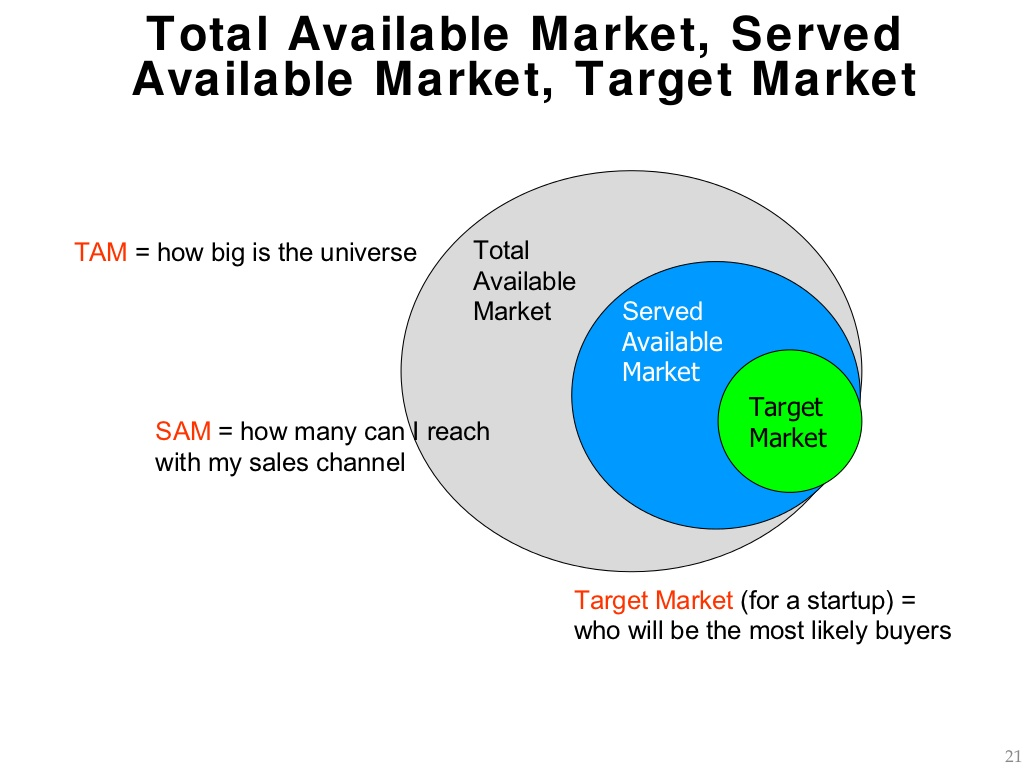
Because the TAM is finite, you can list it properly. Build a real list of target companies, then segment it by modality, development stage, and therapeutic area. Skip generic firmographics like headcount and revenue.
A 40-person cell therapy company and a 40-person small molecule company have different needs, even though a standard filter treats them as the same.
How to execute:
- Pull companies from funding databases, trade directories, and conference lists.
- Tag each account with modality, stage, therapeutic area, and location.
- Rank accounts by fit, then by timing signals.
This one decision changes the economics of everything else. You stop paying to reach companies that were never going to buy.
2) Trigger Outreach on Funding and Grant Events
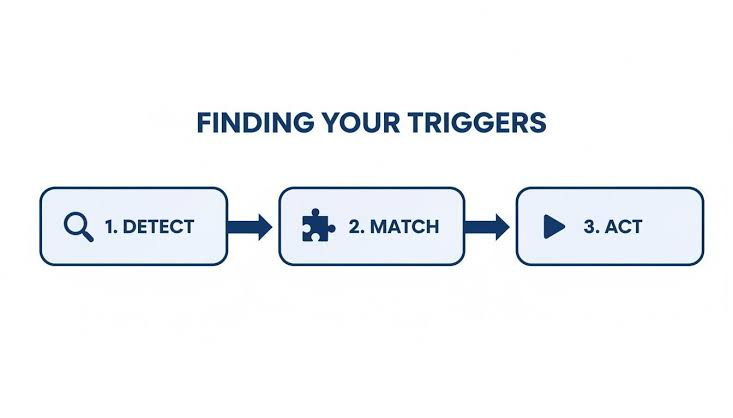
Financing rounds, grant awards, and milestone achievements are when the budget appears. This is the strongest timing signal in the sector.
Watch public funding databases, award announcements, and company news. When an account on your list raises, it moves to the top of the queue. We cover this in detail in the timing section below.
3) Track Hiring as a Capability Signal
A company hiring process development, analytical, or manufacturing scientists is building something. Job postings reveal programme direction months before any press release.
What to watch for:
- Process development hires often signal a move toward scale-up, which matters for CDMOs and equipment vendors.
- Analytical roles point to assay and instrumentation needs.
- First commercial or quality hires suggest a company preparing for a new phase.
4) Lead With Scientific Credibility, Not Marketing Copy
Application notes, method comparisons, and technical data outperform brochures with this audience. The fastest way to lose a scientific buyer is to sound like a salesperson.
Pro tip: Get a scientist on your team involved in outreach content. A field application specialist or technical lead will catch wording that a marketer would miss, and the buyer can tell.
5) Target by Modality and Therapeutic Area
Relevance in biotech is technical, not firmographic. A gene therapy developer, an antibody company, and a diagnostics startup have almost nothing in common operationally.
Segment your messaging by modality. A message about viral vector analytics should go to a gene therapy team. The same message sent to a small molecule team signals that you did not look.
6) Use Publications and Conference Activity as Intent Data
Published papers, posters, and conference talks show what a group is working on right now. Reference the science rather than the company. It shows real attention and gives you a reason to reach out that has nothing to do with your product.
Example angle: “Saw your poster on lentiviral titer variability. We ran a comparison of three quantification methods on similar constructs. Want the data?”
7) Work the Conference Circuit Properly
Biotech is still heavily conference-driven, and the sector gathers at a predictable set of events. The value is not in badge scanning. It is in what happens before and after.
Teams that only show up and scan badges get a stack of contacts and no conversations.
8) Multi-Thread the Scientific and Commercial Sides
The scientist who specifies and the procurement lead who buys judge you on different criteria. The scientist wants performance and reproducibility. Procurement wants terms, supply reliability, and price.
Reach both with different angles. Do not rely on a technical champion to sell internally for you. Champions get busy, change roles, or leave.
9) Invest in Proof That Survives Technical Scrutiny
Use case studies with real data, validation results, and named reference customers where you can get them. Peer-reviewed or published validation carries weight that no marketing asset can match.
Be careful with claims. Regulatory and quality teams will check them. An overstated claim that falls apart in diligence costs you more than a modest claim that holds.
10) Build Relationships Across the Validation Cycle
Buying decisions are slow, and switching carries experimental risk. Stay useful across long cycles instead of chasing a short close.
Share relevant data, flag useful papers, and check in around programme milestones. The account you nurture through a failed programme is often the one that buys at the next one.
Timing Outreach Around Funding and Programme Milestones
If you are asking how do I generate leads in the biotech sector, start here. Timing dominates. A perfect pitch to an unfunded company goes nowhere. An average pitch after a raise gets a meeting.
Events worth monitoring
Where to find them
- Funding databases and investor announcements
- Grant award listings
- Company press releases and news pages
- Trade press and conference programs
- Hiring pages and job boards
How to act on them
Move fast. Budget allocation happens in the weeks after funding, not months later. If you reach out at month three, the vendor list may already be set.
Reference the milestone, not the money. “Congrats on the Series B” reads as opportunistic. “Saw the IND clearance and the move into process scale-up” reads as attentive.
Build a monitoring routine instead of checking sporadically. Set alerts on your named list, assign someone to review them weekly, and define what happens when a trigger fires. These events are the best predictor of buying activity you will find. A signal you catch late is just news.
🎯 Turn the Right Biotech Prospects Into Meetings
Stop wasting outreach on companies that aren't a fit. Cleverly helps you target high-potential B2B accounts and start conversations with the people who matter.
Writing Outreach That Scientific Buyers Will Read
The same biotech lead generation rules apply to every channel: email, LinkedIn, or phone. Scientists do not read like marketers’ target personas. They read like reviewers.
What works:
- Lead with the technical problem. Open with their work, not your company intro.
- Be specific about the application. Vague capability statements tell them you do not understand the work.
- Use correct terminology. Getting it wrong disqualifies you instantly.
- Keep claims evidence-based. Avoid superlatives. This audience discounts them entirely.
- Make the first ask small. Offer a technical conversation or a data package, not a demo.
- Have a technical person review everything before it sends.
Short beats long, but precise beats short. A technically dense three-line email outperforms a polished paragraph of marketing copy.
A starting shape (adapt it, do not paste it):
Hi Dr. Patel, saw your team’s recent paper on AAV capsid characterization. We’ve been comparing two orthogonal methods for full/empty ratio on similar constructs and the variance was bigger than expected. Happy to send the data if useful. Worth a quick look?
It names the work, states a specific finding, and asks for almost nothing.
What to Measure in Biotech Lead Generation
If you hire biotech lead generation services, or run this in-house, these are the numbers that tell you whether it works.
Three rules for reading these:
- Coverage beats volume. When the TAM is finite, the question is how much of it you have reached properly, not how many emails went out.
- Track leading indicators. Cycles often run six to twelve months for deals involving instruments, software, or services, so waiting for closed revenue means flying blind. Watch replies, meetings, and opportunities created.
- Use your own baseline. Biotech benchmarks are scarce and rarely comparable across sub-sectors. Compare against your own past performance.
Common Mistakes When Selling Into Biotech
These are the patterns we see most often.
1. Running volume outbound against a tiny market. It burns the TAM. You cannot rebuild trust with accounts you already irritated.
2. Sending generic messaging. Ignoring modality and therapeutic area signals that you did not do the homework.
3. Using marketing language on evidence-driven buyers. It reads as noise.
4. Single-threading through a scientific champion. With no procurement relationship, the deal dies when the champion gets busy.
5. Ignoring funding cycles. Pitching companies with no budget wastes effort on both sides.
6. Overstating capability. It fails the moment technical diligence starts.
7. Dropping accounts too early. A long cycle is not a lost deal.
8. Underestimating reputational risk. In a connected market, a pushy campaign follows you.
How Cleverly Runs Lead Generation for Biotech Companies
Biotech lead generation is precision work against a finite list. That makes it a research and consistency problem, not a volume problem, and consistency is where most teams in this sector run out of capacity. Commercial headcount is thin, scientific staff are busy, and nobody has time to monitor funding events and work named accounts every single week.
That is the gap we fill as a biotech lead generation agency. We define your ICP by modality, stage, and therapeutic area, build verified lists against a named account universe, and run LinkedIn outreach and cold email on managed infrastructure, with domains and warm-up handled. Where the phone outperforms the inbox, our cold calling team makes 200 to 300 calls a day.
For teams without commercial headcount, our appointment setting and outsourced SDR support handles replies, qualification, and bookings.
For biotech specifically, we run multi-threaded outreach across both the scientific and procurement sides, because the specifier and the buyer are usually different people. We also build trigger-based timing into campaign structure, so messages land when budget exists. We optimize for qualified meetings held with the right decision-makers, not volume contacted.
Our campaigns have generated $312M in pipeline and $51.2M in closed revenue for clients.
Selling into biotech and short on commercial capacity? Cleverly builds and runs the outreach. Book a strategy call.
Conclusion
Biotech rewards precision over volume. The market is small enough to work properly and small enough to burn. Timing around funding and programme milestones matters more than any single message, and scientific credibility is the entry requirement. Marketing language is a liability with this audience.
Your next step is simple. Build a named account list segmented by modality, set up funding and hiring alerts on it, and work the first twenty accounts properly. In a market this connected, how you sell is part of your reputation, and reputation is most of what gets you the second meeting.
Frequently Asked Questions
Free Resource
How to Scale a Profitable Cold Call System
Get the complete guide — download it instantly now.

Free Ebook
Download the Free Guide
Enter your details to get instant access.
You're all set! 🎉
Your ebook is downloading now.
Click below if the download didn't start automatically.


