Table of Contents
What Is an ABM Campaign?
When Does ABM Make Sense for Your Business?
Step-By-Step: How to Plan an ABM Campaign
How to Run an ABM Campaign: Execution Across Channels
ABM Campaign Examples
How to Measure ABM Campaign Performance
Common ABM Campaign Mistakes to Avoid
How Cleverly Supports B2B ABM Campaigns With Done-For-You Outreach
Conclusion
Frequently Asked Questions
Modified On :
July 9, 2026
Key Takeaways
- An ABM campaign only works when sales and marketing agree on the account list before any outreach starts. Skip this step and the program collapses within a quarter.
- Buying committees now average 6 to 17 stakeholders depending on deal size. Targeting one champion and ignoring the rest leaves most of the room unconvinced.
- Start with a small Tier 1 list (10 to 20 accounts). Trying to run 1:1 personalization across 100 accounts at once is the fastest way to burn out your team and your budget.
- Multi-channel execution isn't optional. Coordinated outreach across LinkedIn, email, calls, and ads moves accounts through the pipeline dramatically faster than any single channel alone.
- Measure ABM at the account level, not the lead level. Penetration rate, buying committee coverage, and pipeline velocity tell you the truth. MQL counts don't.
Most companies running "ABM" are really just running targeted demand gen with a fancier name on it. They build a spreadsheet of logos, fire off a few LinkedIn ads, and call it done. Then three months later, nobody can explain why pipeline didn't move.
Here's why that keeps happening. Companies that align marketing and sales around buying groups instead of individual leads see win rates 2 to 3 times higher than teams still centered on single contacts, and a typical buying group now includes 13 to 17 stakeholders with different priorities and levels of influence.
That's a big shift from the "find the decision maker" playbook most teams were trained on.
On top of that, when sales and marketing touchpoints are actually coordinated, prospects move through the pipeline faster than with disconnected outreach. And organizations that pair ABM with account-based advertising report 60% higher win rates than programs running the two in isolation.
The gap between "we do ABM" and "ABM is actually working" comes down to execution discipline: a validated account list, real buying committee mapping, and channels that reinforce each other instead of running on separate tracks.
That's what this guide walks through step by step, from picking your accounts to measuring whether any of it actually moved the needle.
If you're a marketing or sales leader building your first structured ABM program (or fixing one that's stalled), this is built for you.
What Is an ABM Campaign?
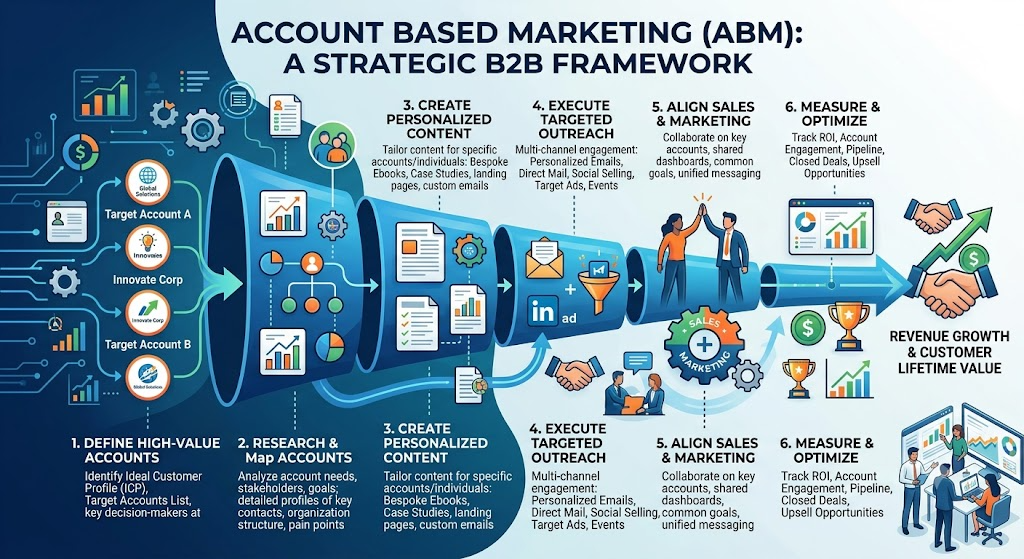
An ABM campaign is a coordinated, account-specific effort where sales and marketing agree on a defined list of target accounts and run personalized outreach, content, and advertising to multiple people inside each account at the same time.
You're not fishing with a wide net. You're picking specific companies and going after everyone in the room who has a say in the deal.
This is the core difference from regular demand generation. Traditional demand gen casts wide and counts individual leads. Account based marketing campaigns target named companies, map out entire buying committees, and get measured at the account level, not the lead level.
A campaign that generates 200 leads and zero engaged accounts is a demand gen win and an ABM failure. Different scoreboard entirely.
The Three ABM Tiers You Need to Know
Not every account gets the same treatment, and it shouldn't. Here's how the tiers break down:
Most teams that are new to ABM try to jump straight to 1:Many because it feels more scalable. That's usually backwards. Start narrow, prove the motion works, then expand.
Pro tip: if you're not sure which tier fits your situation, look at your average deal size and sales cycle length first. Long cycles and big ACVs point toward 1:1 or 1:Few. Shorter cycles with a broader ICP lean toward 1:Many.
🎯 Target Fewer Accounts. Close Bigger Deals.
We help B2B teams reach decision-makers through LinkedIn, cold email, and cold calling to generate 15–30 qualified meetings every month.
When Does ABM Make Sense for Your Business?
ABM isn't the right move for every company, and pretending otherwise wastes budget.
ABM works best when:
- Deal sizes justify the per-account investment, typically $20K+ ACV
- Sales cycles run 3 to 18+ months
- Multiple stakeholders are involved in the buying decision
- Your ICP is well-defined and finite, not a vague "any B2B company"
Signs you're ready:
- Your sales team already knows which account types close fastest
- You have the data infrastructure to identify and track target accounts
- Sales and marketing are willing to share an account list and shared metrics
Signs ABM isn't the right move yet:
- Your ICP is still fuzzy
- Deal sizes are too small to support per-account investment
- Sales and marketing operate in separate lanes with no shared accountability
The most common mistake we see: teams jump straight to tactics (ads, direct mail, personalized landing pages) before doing the groundwork. Account selection, ICP alignment, and buying committee mapping have to happen first.
Otherwise you're personalizing outreach to the wrong people at the wrong companies, which is worse than generic outreach because it costs more to produce.
Step-By-Step: How to Plan an ABM Campaign
Planning comes before execution, always. Most ABM campaigns that fail do so because one of these four steps got rushed or skipped entirely.
Step 1: Define Your ICP for ABM
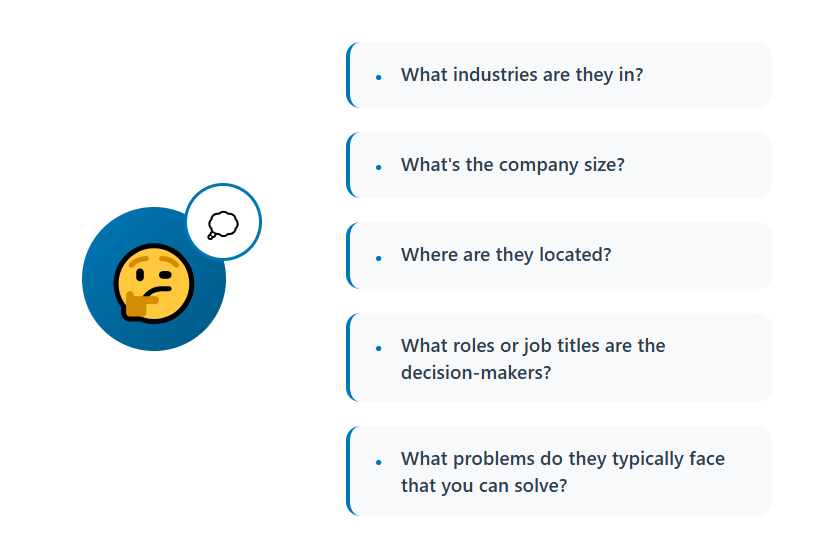
Your ABM ICP needs to go deeper than your standard ICP. It's not just "what type of company should we target." It's "what signals tell us this account is actively in a buying window right now."
Firmographic criteria to nail down:
- Company size (headcount, revenue)
- Industry
- Geography
- Technology stack
- Growth stage
Behavioral and intent signals to layer on top:
- Hiring signals (SDR or RevOps roles posted)
- Funding announcements
- Technology installs
- Content consumption patterns
- Competitor research signals
Your ICP document needs both sales and marketing input. Sales brings deal history and win/loss patterns. Marketing brings intent data and account intelligence. Build it with just one side and the list will be wrong.
Where to start: pull your last 20 to 50 closed-won deals and find the 5 to 7 attributes they share. That's your starting ABM ICP.
Step 2: Build and Tier Your Target Account List
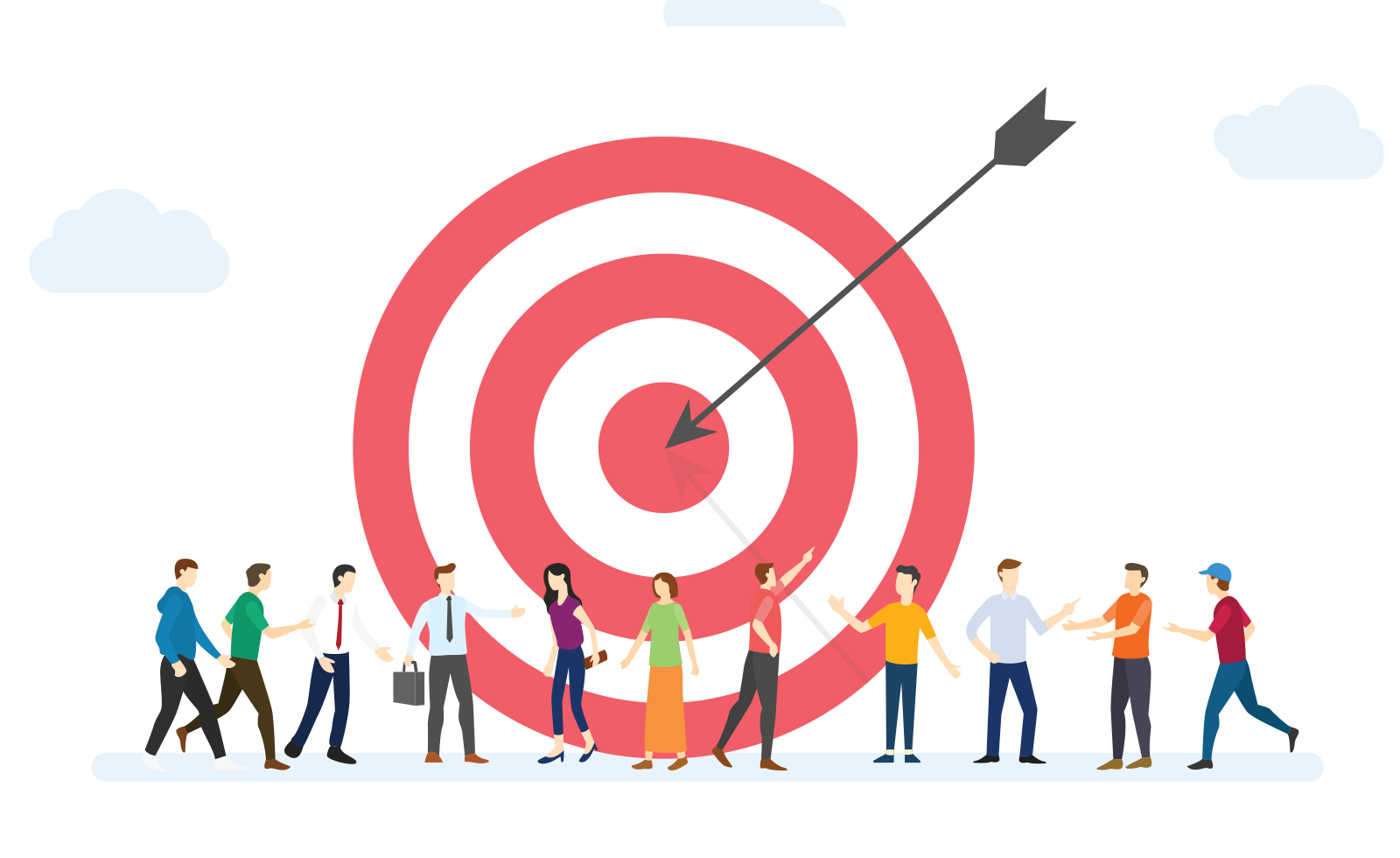
Once your ICP criteria are locked, generate your initial account list using data sources like ZoomInfo, Apollo, LinkedIn Sales Navigator, Bombora for intent data, or G2 intent signals.
Then tier immediately:
- Tier 1: highest fit + highest intent → 1:1 treatment
- Tier 2: good fit, moderate intent → 1:few treatment
- Tier 3: ICP fit, lower intent signals → 1:many treatment
Keep Tier 1 small. 10 to 20 accounts is the right scale for a first pilot. Trying to run 1:1 campaigns against 100 accounts at once is how ABM programs collapse under their own weight.
Sales has to validate the list before any outreach begins. Share it with the AEs and SDRs who'll actually work these accounts. If sales doesn't believe in the list, the program never gets real traction, no matter how good your content is.
Refresh the list quarterly. Accounts exit buying windows, priorities shift, and new intent signals show up. A static list starts losing relevance within 3 to 6 months.
Step 3: Map the Buying Committee Within Each Account
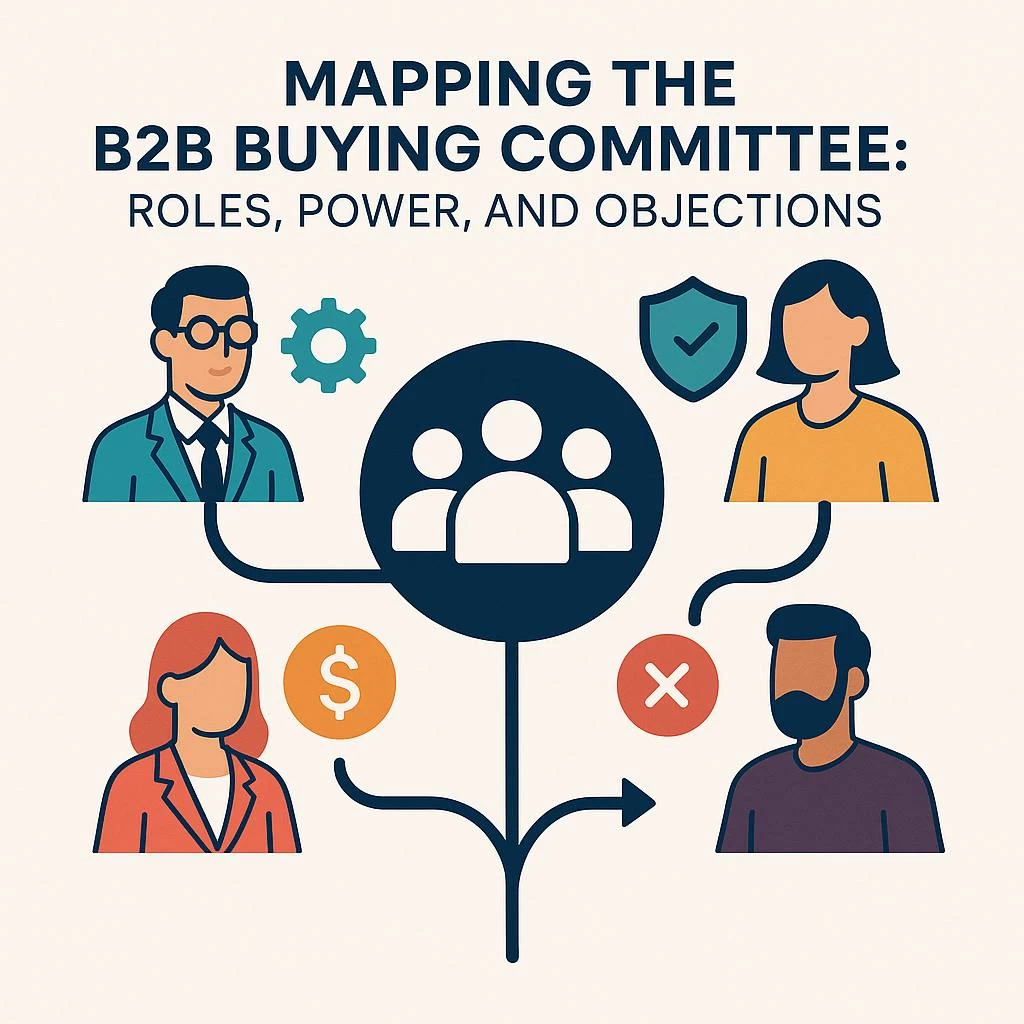
B2B purchases now regularly involve 6 to 10+ stakeholders, and in larger deals that number climbs closer to the mid-teens. Target only the champion and you've influenced maybe 15% of the room.
Typical buying committee roles to map:
For each target account, get the name, title, LinkedIn profile, and communication preference for each role. Use LinkedIn Sales Navigator, ZoomInfo, or Clay to build these profiles out.
Assign clear ownership too. Every buying committee member should have one person (AE, SDR, or a specific marketing channel) responsible for that relationship and touchpoint sequence.
Buying committee mapping is the thing that actually separates ABM from "we targeted an account and reached one guy." Without it, you're still doing single-contact outreach with better branding.
Step 4: Develop Personalized Messaging and Content by Role
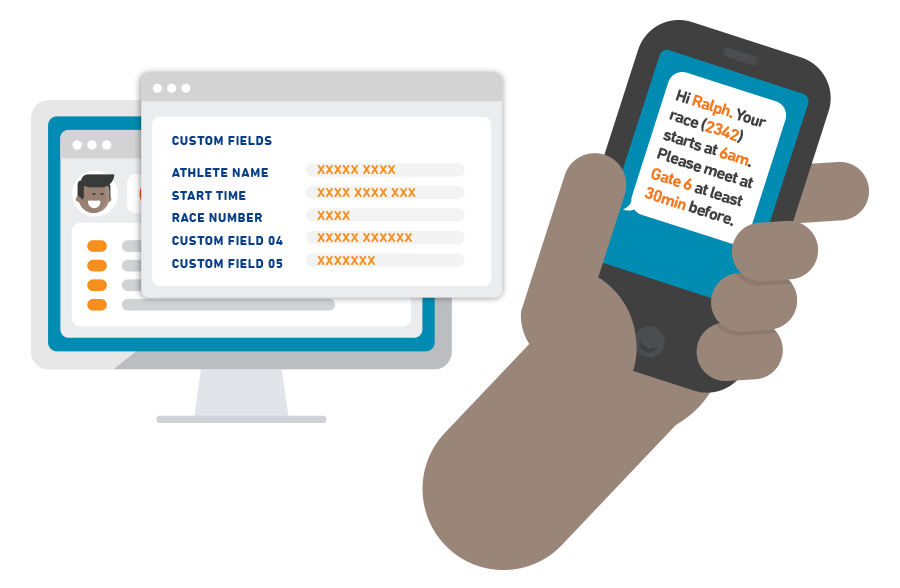
Every buying committee role cares about something different. The CFO wants ROI and cost control. The end user wants workflow fit. The champion wants internal credibility for backing this decision.
Build a messaging matrix that maps each role to:
- Their primary pain point
- The specific value your solution delivers for that role
- The most relevant proof point (case study, ROI data, peer review)
- The CTA that fits their stage
Content you'll need for a full ABM campaign:
- Personalized outreach sequences (email + LinkedIn)
- Role-specific one-pagers or landing pages
- Targeted ads (by account or persona)
- Case studies from similar companies
- A tailored executive brief for Tier 1 accounts
For Tier 1, personalization needs to be account-specific: reference the company's actual situation, recent news, or known pain points. Generic "personalization" at this tier (swapping in a first name and calling it a day) undermines the whole program.
For Tier 3, segment-level personalization is enough. Personalize by industry, company size, or use case cluster instead of chasing individual account detail you don't have time to research.
🚀 ABM Works Best With Multi-Channel Outbound
Join 10,000+ companies using Cleverly to turn high-value target accounts into predictable pipeline and revenue.
How to Run an ABM Campaign: Execution Across Channels
Planning tells you who to reach and what to say. Execution is how and where. Effective ABM marketing campaigns are multi-channel by design because buying committees almost never convert from one touchpoint on one channel.
LinkedIn Outreach and Social Selling
LinkedIn is the primary channel for reaching buying committee members directly. It lets you target by company, title, seniority, and function with a precision no other channel matches.
For Tier 1 accounts, AEs and SDRs should be actively engaging with target contacts before any explicit sales conversation starts: commenting on posts, sharing relevant content, sending personalized connection requests and InMail.
LinkedIn Ads for ABM: use matched audience uploads to serve ads exclusively to contacts within your account list. This keeps budget focused only on accounts already in your pipeline motion instead of bleeding out to a broad audience.
Message Ads and Conversation Ads deliver directly to inboxes of specific roles inside target accounts. Great for event invitations, content offers, and direct meeting requests.
Engagement data feeds back into account scoring too. Contacts who click ads or engage with company content are warming signals worth escalating to direct outreach.
Cold Email and Outbound Outreach Sequences
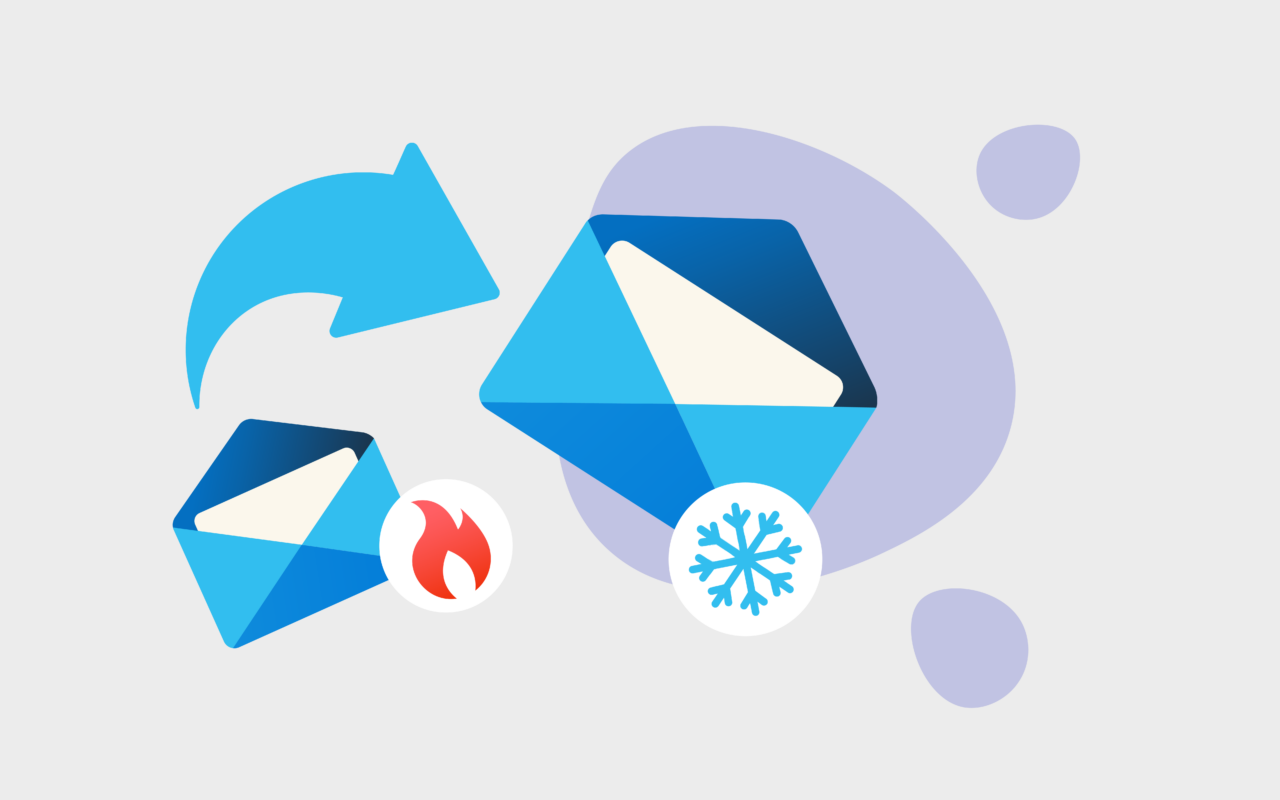
For ABM, cold email is not spray and pray. Each sequence should be personalized to the recipient's role and the account's specific situation, referencing real context like industry, company news, shared connections, or tech stack.
Sequence structure that works: 5 to 7 touches over 3 to 4 weeks, mixing email and LinkedIn. First email is shortest and most personalized. Follow-ups add social proof, case studies, or a perspective shift.
Multi-threading matters: run parallel sequences to multiple buying committee members in the same account at the same time. Coordinate so different roles get complementary messaging, not identical copy.
Timing: sync outreach with your other ABM channels (ads, events, content) so target contacts see a consistent, reinforcing message across every touchpoint in the same window.
Personalization at scale for Tier 2/3: use Clay or similar tools to pull account-specific data points (funding news, job postings, tech stack) and inject them into templates automatically. You get relevant personalization without manually researching every single contact.
Targeted Advertising (Display, LinkedIn, Intent-Based)
ABM advertising is account-targeted, not audience-targeted. Ads should only reach people inside your defined target list, not broad demographic segments that happen to look similar.
Channels worth using:
- LinkedIn Matched Audiences
- Display retargeting via Demandbase or RollWorks
- Google Display with account-level audience uploads
- G2 intent-based ads for in-market category researchers
Use company-specific or persona-specific creative for Tier 1 (referencing the company name, industry, or use case directly in the ad). Segment-level creative works fine for Tier 2/3.
The real job of ABM ads isn't generating clicks in isolation. It's making sure your brand and message show up everywhere a buying committee member looks, which creates ambient familiarity that makes direct outreach land better. Concentrate display and retargeting spend on Tier 1 and Tier 2. Save Tier 3 for broader programmatic spend at lower CPM.
Events, Webinars, and Executive Dinners

Live touchpoints, virtual or in-person, accelerate deal velocity for Tier 1 accounts fast. A 30-minute in-person conversation can compress weeks of email nurturing.
ABM-specific event tactics:
- Host a private dinner for 8 to 12 economic buyers from target accounts, no product pitch, just executive peer conversation.
- Invite champions to an exclusive roundtable or advisory board call.
- Sponsor or host a panel featuring target accounts as speakers.
For webinars, gate registration to invitation-only or account-targeted lists so the room is full of the people you actually want there.
Follow-up is where most teams drop the ball. Assign a specific follow-up sequence to every target contact who attended, referencing the event conversation directly. That's where the event investment actually turns into pipeline.
Events work best as accelerators layered onto an ABM motion that already has ongoing outreach and advertising running. They don't work well as standalone tactics.
Direct Mail and Personalized Gifting

For Tier 1, physical touchpoints cut through digital noise in a way email and ads can't. A well-chosen gift or hand-addressed mailer signals a level of investment that stands out.
What makes direct mail work for ABM:
- Relevant to the recipient's role or pain point
- Personalized with their name and company
- Timed to a specific trigger (closed-lost revival, post-event follow-up, renewal window)
- Always paired with a follow-up email or call referencing the package
Tools like Sendoso, Postal, or Alyce integrate with your CRM so gifting can trigger automatically off pipeline events or engagement signals.
Budget guidance: Tier 1 accounts can justify $50 to $500 per package. The goal is a meaningful, relevant gesture, not an expensive generic item nobody remembers. Track response rate and meeting-to-send ratio on every campaign. Without tracking, direct mail is just an expensive guess.
ABM Campaign Examples
Let’s understand by examples.
Example 1: SaaS Company Targeting Enterprise Accounts With Multi-Channel ABM
Scenario: A mid-size SaaS company targeted 25 enterprise accounts with 3 to 6 month buying cycles, $80K+ ACV, and buying committees of 4 to 6 stakeholders per account.
Execution: LinkedIn matched audience ads served to every identified contact at target accounts. Personalized 6-touch email and LinkedIn sequences run by SDRs to the champion and economic buyer at the same time. An executive-hosted private dinner for 10 CFOs from Tier 1 accounts. Account-specific landing pages for inbound clicks from target companies.
Result: 14 of the 25 target accounts engaged meaningfully within 90 days. 6 moved to active pipeline. 3 closed within 6 months.
What made it work: sales and marketing co-owned the account list from day one, messaging was mapped by buying committee role, and every channel reinforced the same core message instead of running its own separate story.
Example 2: B2B Services Firm Running 1:Few ABM for Mid-Market Targets
Scenario: A professional services firm targeted 80 mid-market accounts segmented by industry (financial services, healthcare, manufacturing), $30K ACV, 2 to 3 buying committee members per account.
Execution: Industry-specific content tracks distributed via email and LinkedIn ads. SDR outreach personalized to industry and role. Monthly industry-specific webinars with target account invitations. Intent data from Bombora used to prioritize accounts showing active research signals.
Result: 22% of target accounts engaged with content within 60 days. Intent-triggered outreach generated a 2x reply rate compared to non-intent-triggered sequences.
What made it work: segment-level personalization at scale through Clay-built data enrichment, plus intent signals that told SDRs exactly where to spend their limited time.
How to Measure ABM Campaign Performance

ABM gets measured at the account level, not the lead level. Individual MQL counts are the wrong yardstick here. Account engagement, pipeline generation, and deal velocity are the right ones.
Core metrics to track:
- Account penetration rate: percentage of target accounts with at least one engaged contact. One-to-one programs should hit 90%+ coverage within 60 days, one-to-few programs 70%+ within 90 days, and one-to-many programs 50%+ within 90 days.
- Buying committee reach: average number of stakeholders engaged per account (aim for 3+ on Tier 1 accounts)
- Account engagement score: a composite of ad clicks, email opens/replies, site visits, and content downloads
- Pipeline generated from target accounts: total pipeline sourced from your ABM list vs. non-ABM accounts
- Win rate vs. non-ABM accounts: target accounts should close at a higher rate if the motion is working
- Deal velocity: time from first engagement to closed-won for ABM accounts vs. baseline
What not to measure: total impressions served, total emails sent, or individual lead form fills. These are vanity metrics that don't reflect what ABM is actually supposed to do.
Review cadence that works: weekly account-level engagement review between sales and marketing, monthly pipeline review by tier, quarterly ICP and account list refresh.
Common ABM Campaign Mistakes to Avoid
❌ Building the account list without sales input. Marketing-only account selection almost always misses the accounts sales actually wants to work. Co-ownership from day one isn't optional.
❌ Treating ABM as a paid media program. Ads alone aren't ABM. Without coordinated direct outreach, personalized content, and sales engagement, account-targeted ads are just expensive display advertising with a narrower audience.
❌ Too many accounts, too little personalization. Running 1:1 campaigns across 100 accounts with a small team dilutes everything. Start small, do it well, then scale.
❌ Measuring ABM with lead gen metrics. Counting MQLs from target accounts misses the point entirely. Measure penetration, committee engagement, and pipeline instead.
❌ No patience for the timeline. ABM typically takes 3 to 6 months to show engagement signals and 12 to 24 months to show full pipeline impact. Teams that judge it on 30-day lead counts abandon it before it ever had a chance to work.
❌ Sales and marketing running separate plays. The fastest way to kill a program is marketing running ads while sales runs sequences with zero coordination. Buying committee members notice when the messaging doesn't match up.
How Cleverly Supports B2B ABM Campaigns With Done-For-You Outreach
The most labor-intensive part of any ABM campaign is the direct outreach motion: building contact lists for every buying committee role, writing personalized sequences, running multi-threaded LinkedIn and email outreach, and managing responses at scale.
This is the layer most internal teams underestimate until they're three weeks into a Tier 1 pilot and drowning in manual research.
This is exactly the layer we specialize in. We run ICP-targeted prospect research, personalized multi-channel outreach across LinkedIn and cold email, and qualified meeting booking with the right stakeholders at target accounts, all done for you.
While your marketing team runs ads and content for target accounts, our outreach team runs direct, personalized outreach to buying committee members at the same time, creating the multi-channel, multi-stakeholder presence that real ABM requires.
What you don't have to build in-house: SDR capacity, outreach infrastructure, sequence copywriting, contact data sourcing, and follow-up management.
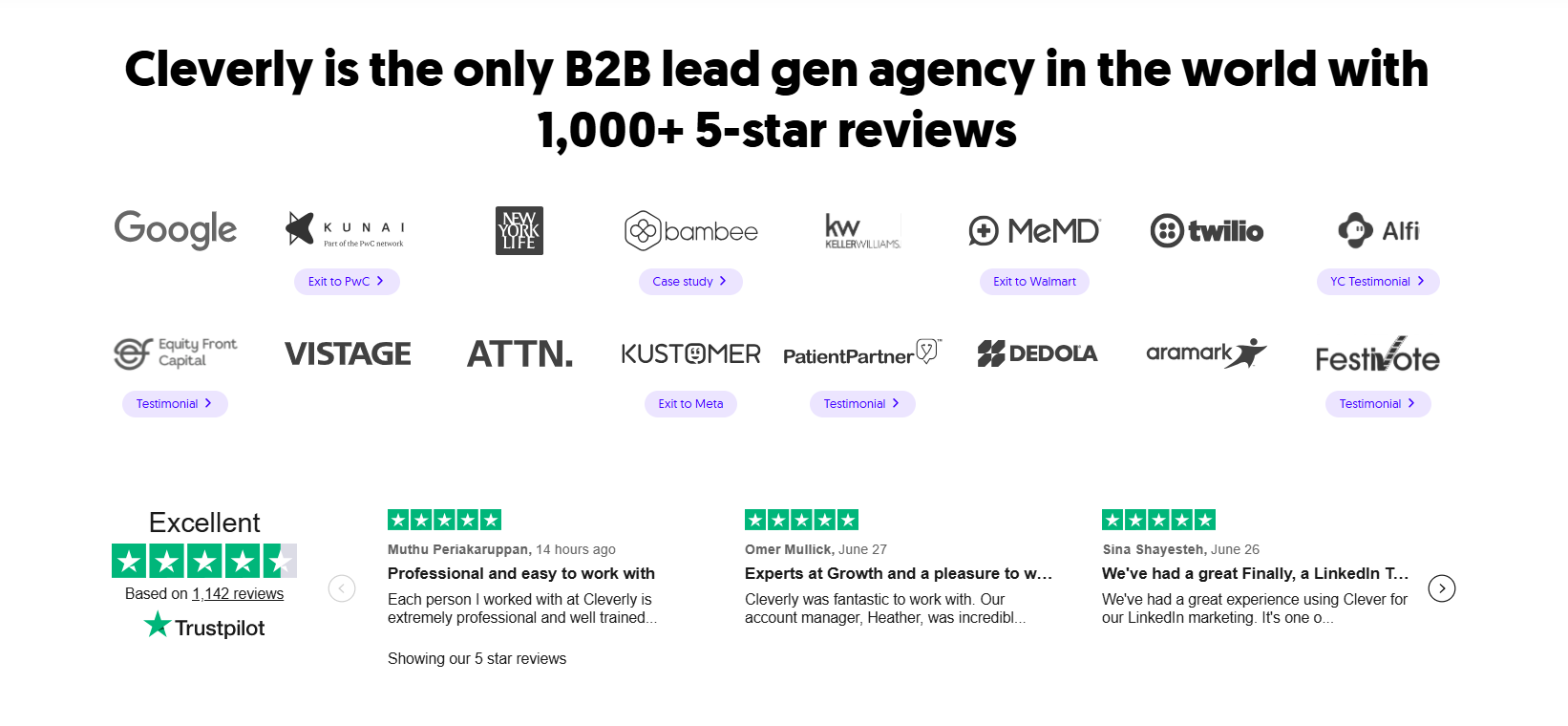
We've handled this for over 1,000 active B2B clients and generated over $312 million in pipeline for them in the process. The outcome is the same thing every ABM program is ultimately built to produce: qualified meetings booked with the right people at the right accounts.
Want a done-for-you outreach layer that plugs into your ABM motion and books qualified meetings with target accounts? Book a free consultation with Cleverly and we'll walk through what that looks like for your account list.
Conclusion
ABM works because it concentrates resources on the accounts actually worth winning. But that only holds true when the full motion is in place: a validated account list, buying committee mapping, role-specific messaging, coordinated multi-channel execution, and account-level measurement. Skip any one of those and you're not really running ABM, you're running targeted ads with extra steps.
The failure mode we see most often is skipping straight to tactics: ads without alignment, outreach without personalization, or an account list sales never bought into in the first place. Start smaller than feels comfortable. A 10 to 20 account Tier 1 pilot with a tight ICP, coordinated outreach, and shared metrics will teach you more in 90 days than a 500-account list run with zero coordination ever will.
And if your target accounts aren't engaging more, closing at higher rates, and moving faster than your non-ABM pipeline, something in the foundation needs fixing before you scale it any further.
Frequently Asked Questions
Free Resource
How to Scale a Profitable Cold Call System
Get the complete guide — download it instantly now.
Free Ebook
Download the Free Guide
Enter your details to get instant access.
You're all set! 🎉
Your ebook is downloading now.
Click below if the download didn't start automatically.