Table of Contents
What Are the 5 P's of Marketing?
The 5 Ps of the Marketing Mix in B2B
The 5 P's of Marketing (With B2B Examples)
Why the 5 Ps Still Matter in Modern B2B Marketing
How the 5 Ps Connect to Lead Generation
Common Mistakes B2B Companies Make With the 5 Ps
How Cleverly Applies the 5 Ps to Lead Generation Strategy
Conclusion
Frequently Asked Questions
Modified On :
March 5, 2026
Key Takeaways
- The 5 Ps of marketing (Product, Price, Place, Promotion, People) work as a system, not a checklist.
- In B2B, longer sales cycles and multi-stakeholder decisions make alignment across all 5 Ps critical.
- Your product messaging should lead with outcomes, not features.
- Pricing in B2B is about perceived value and ROI, not being the cheapest option.
- Promotion without ICP clarity wastes budget, multi-touch outbound outperforms single-channel every time.
- Weak alignment across the 5 Ps of the marketing mix is the most common reason B2B pipeline stalls.
The 5 Ps of marketing have been around for decades. And yet, most B2B companies still get them wrong.
They either treat them as a checkbox exercise or focus on one or two Ps while ignoring the rest. In 2026, that's a problem. The 5 P's of marketing only work when they're aligned with your sales motion and lead generation strategy.
In this guide, we'll break down what the 5 Ps are, give you real B2B examples, and show you how they connect to actually building pipeline.
What Are the 5 P's of Marketing?
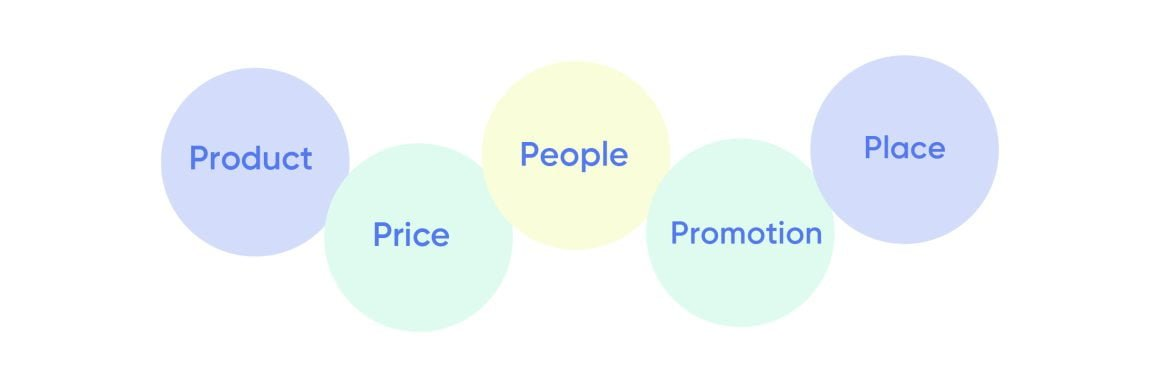
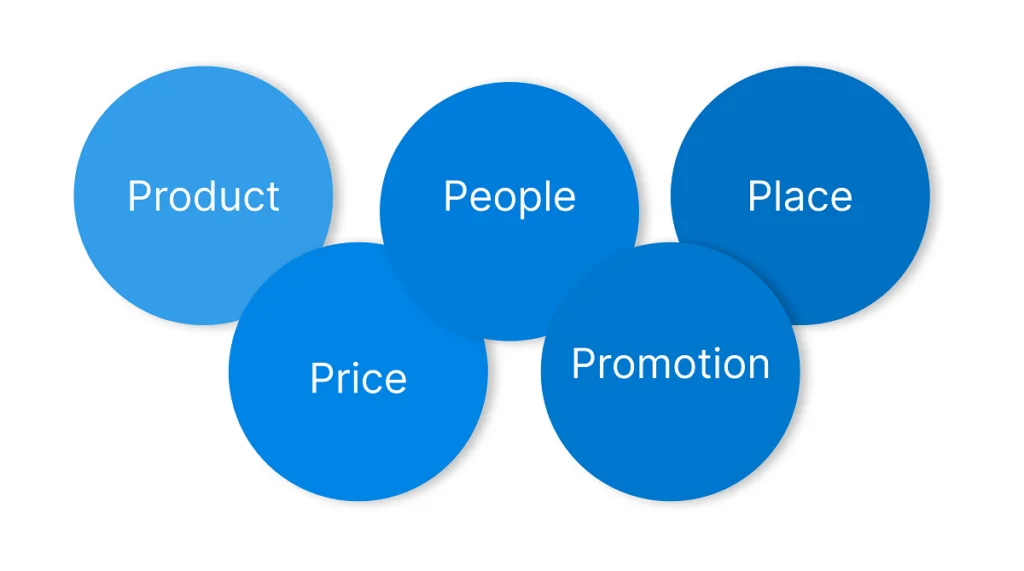
If someone asked you what are the 5 Ps of marketing, here's the straightforward answer:
- Product — What you're selling and the value it delivers?
- Price — What you charge and how you position it?
- Place — Where and how your product reaches the buyer?
- Promotion — How do you create awareness and generate demand?
- People — The humans on both sides of the sale.
Each one influences the others. If your pricing doesn't match your product's perceived value, your promotion will fall flat. If your people aren't aligned with your messaging, deals stall. It's a system, not a checklist.
In-depth: Omnichannel vs Multichannel Marketing Explained (With Examples)
📈 Strategy Is Nothing Without Pipeline
Cleverly turns your marketing mix into meetings using LinkedIn outreach, pay-per-meeting cold email, and guaranteed cold calling.
The 5 Ps of the Marketing Mix in B2B
Here's where B2B gets different from B2C. The 5 Ps of the marketing mix don't change, but how you apply them does — significantly.
B2B buying looks like this:
- Longer sales cycles — weeks or months, not minutes
- Multiple decision-makers — you're convincing a committee, not a person
- Relationship-driven — trust matters more than a good ad
- Higher deal values — the stakes are higher on both sides
That changes everything. Your product needs to solve a real business problem. Your price has to justify ROI. Your promotion needs to reach the right person at the right time. And your people need to build confidence, not just close deals.
Let's break each one down with real examples.
The 5 P's of Marketing (With B2B Examples)
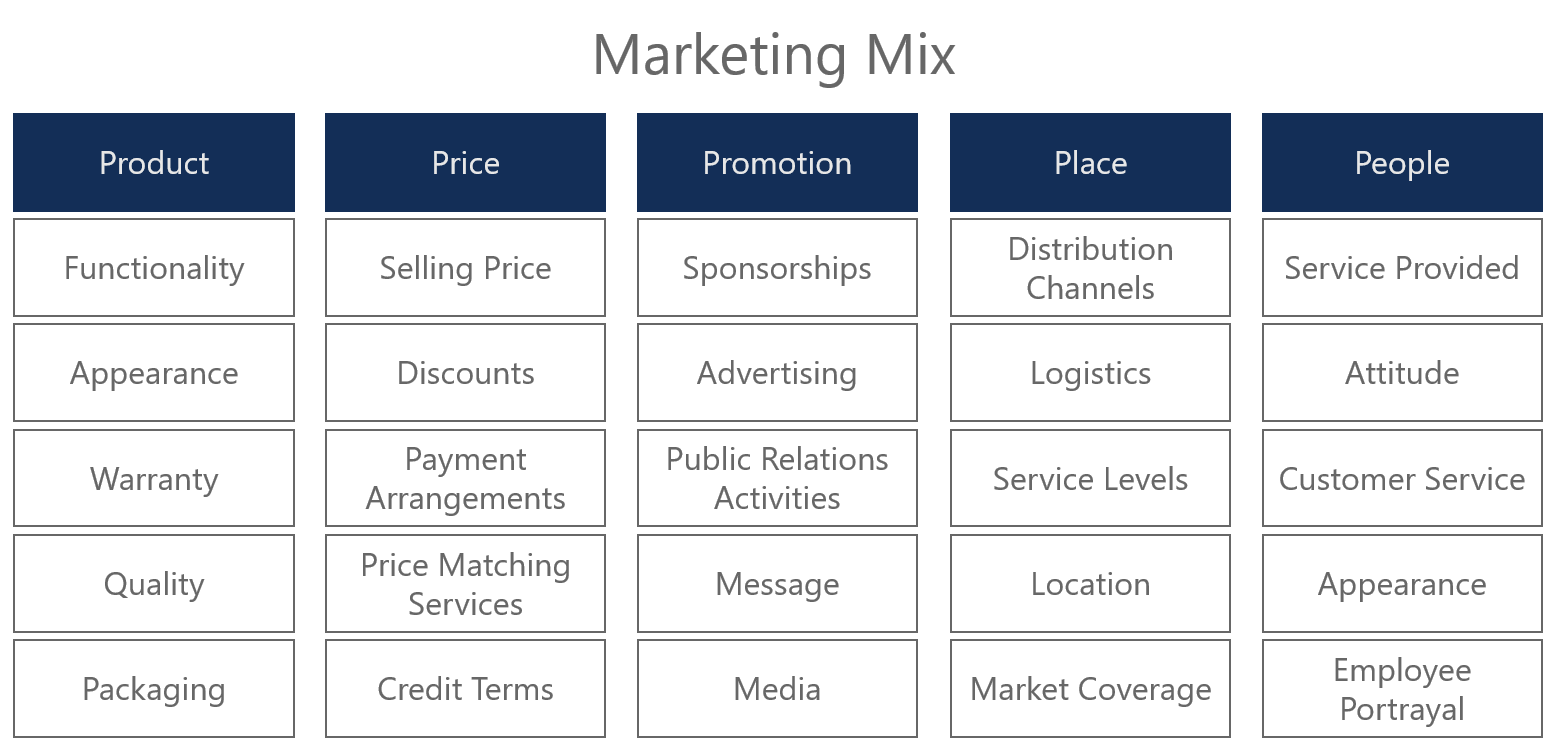
1. Product (B2B Context)
In B2B, your product is rarely just the thing you sell. It includes everything wrapped around it: onboarding, support, integrations, and outcomes.
Buyers aren't asking "what does this do?" They're asking "what problem does this solve for my business?"
Key things that matter in B2B product positioning:
- Outcome-driven value prop — lead with business results, not features
- Integration capability — does it work with what they already use?
- Scalability — can it grow with their team or volume?
B2B Example: A SaaS platform that integrates natively with Salesforce, supports enterprise compliance requirements, and has a dedicated CSM for accounts over a certain size. That's a product built for B2B buying.
2. Price (Value vs. Cost)
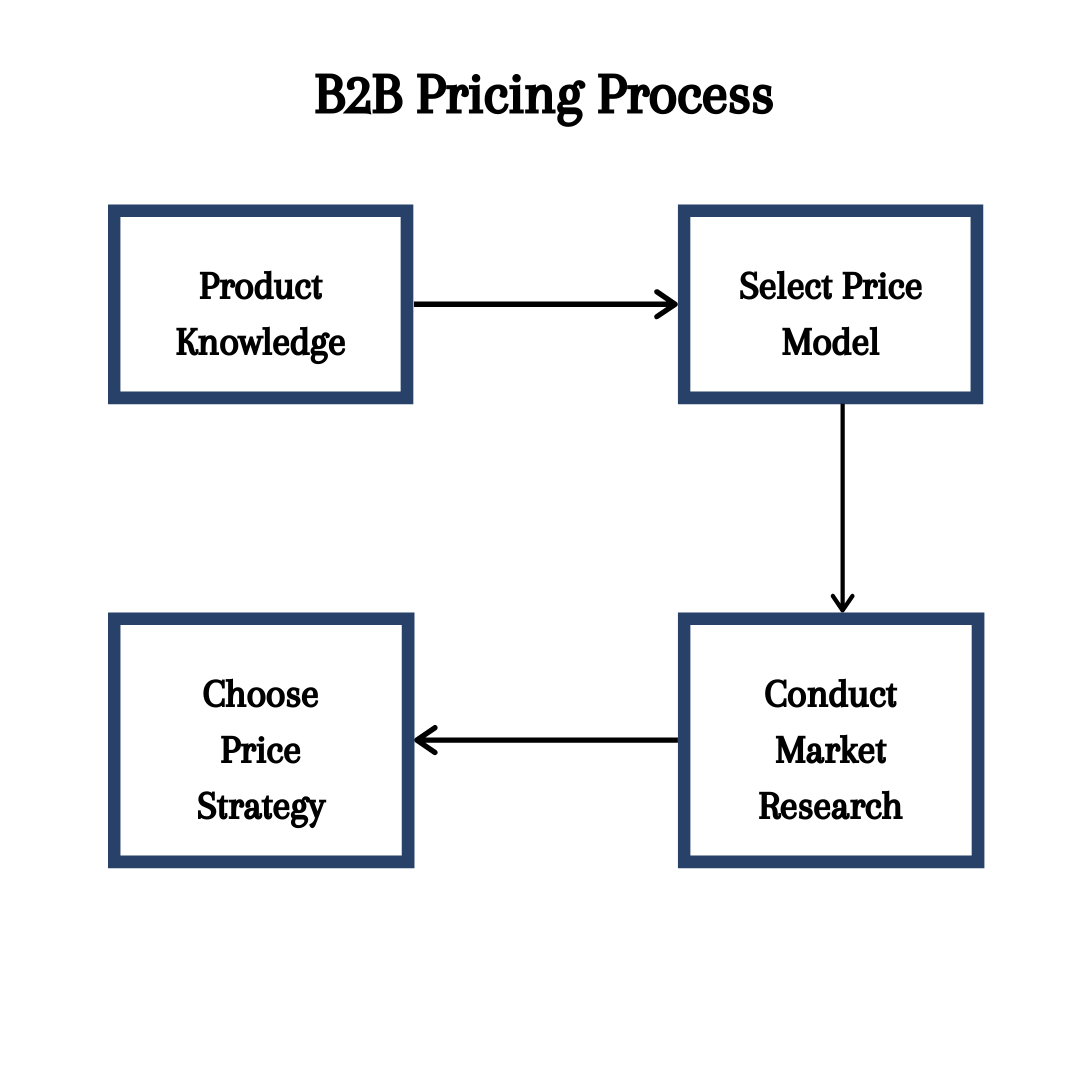
Pricing in B2B is less about being cheap and more about being worth it. Two approaches most B2B companies use:
- Cost-based pricing — you mark up your cost to deliver. Simple, but often leaves money on the table.
- Value-based pricing — you price based on the outcome you deliver. Harder to sell, but better for positioning.
For high-ticket B2B, value-based pricing almost always wins. Buyers aren't comparing your price to a competitor's price. They're comparing it to the cost of not solving the problem.
B2B Example: A software company with tiered pricing — one plan for mid-market teams and a custom enterprise quote for larger orgs. The mid-market plan is transparent and self-serve.
Enterprise pricing is negotiated based on scope and seats. Both serve different buyers without undercutting positioning.
3. Place (Distribution Channels in B2B)
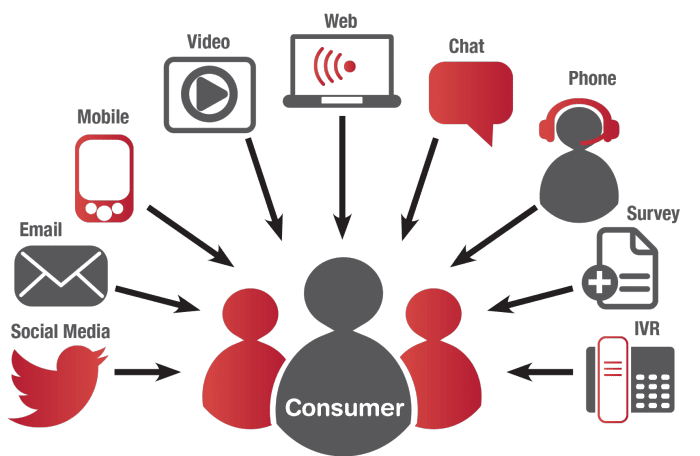
"Place" doesn't mean a physical store. In B2B, it means how your solution gets in front of the right buyer.
Common B2B distribution channels:
- Direct sales — SDRs and AEs reaching out to target accounts
- Online demos — inbound or outbound-driven demo funnels
- Channel partnerships — resellers, integrators, or referral partners
- Remote selling — video calls, async demos, digital proposals
The channel you choose has to match where your buyers actually are and how they prefer to buy.
B2B Example: An enterprise SaaS company that generates pipeline through outbound LinkedIn outreach, books demos via a Calendly link, and closes deals over a 3-call video sales process. No in-person sales needed. That's a modern "place" strategy.
4. Promotion (Lead Generation Focus)
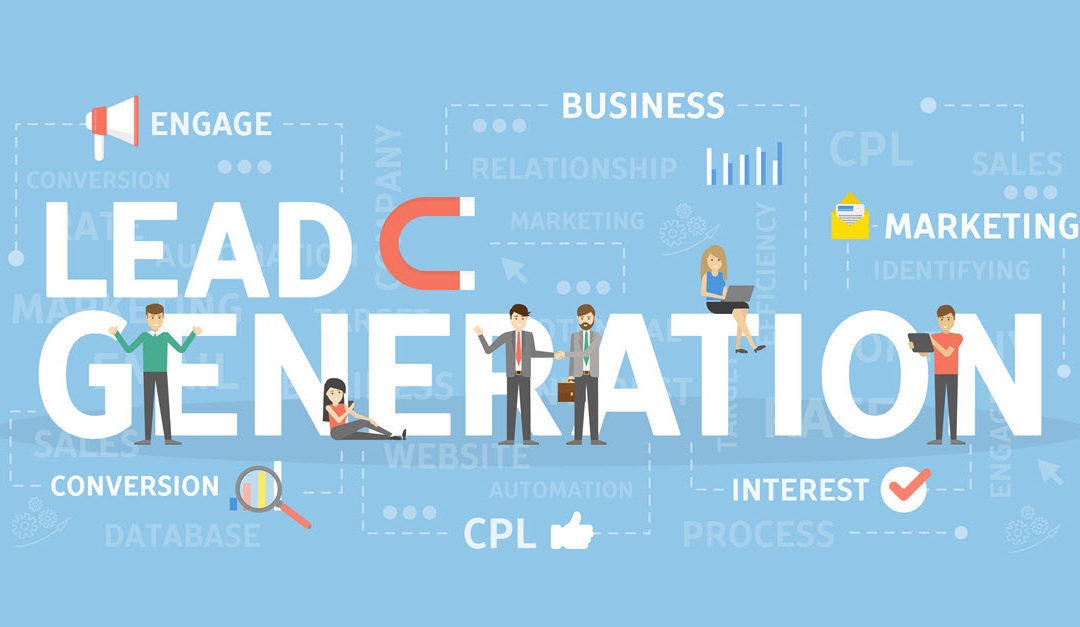
This is where most B2B companies either overspend or underperform. Promotion isn't just ads. It's everything you do to create awareness, generate interest, and move buyers toward a conversation.
Effective B2B promotion includes:
- Content marketing — blogs, case studies, and guides that build trust
- Paid advertising — LinkedIn ads, Google PPC for high-intent keywords
- Multi-touch outbound — sequenced outreach across email, LinkedIn, and calls
- LinkedIn outreach — direct, personalized prospecting to your ICP
- Email campaigns — cold and nurture sequences that drive replies
The mistake most companies make is picking one channel and hammering it. The best B2B promotion strategies are multi-touch and coordinated.
B2B Example: An account-based campaign targeting CFOs at mid-market SaaS companies. Week 1: LinkedIn connection request with a personalized note.
Week 2: Cold email referencing a relevant case study.
Week 3: Follow-up call. That layered approach is what actually books meetings.
5. People (Sales and Customer Experience)
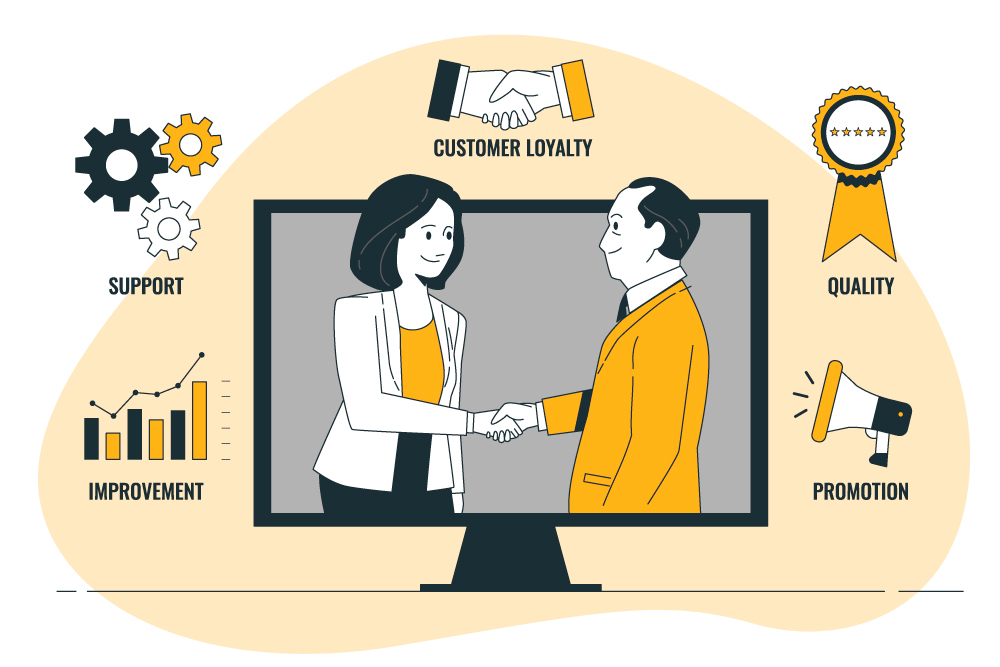
Even the most polished product with perfect pricing and a strong promotion strategy can lose deals if the wrong people are on the front line.
In B2B, "people" covers:
- SDRs — prospecting, qualifying, and booking meetings
- Account executives — running discovery, demos, and closing
- Customer success teams — onboarding and retaining clients
- Relationship managers — handling enterprise accounts long-term
Buyers buy from people they trust. Especially in B2B, where the stakes are high and decisions involve multiple stakeholders. Your team's ability to communicate value, handle objections, and build rapport is often what separates a closed deal from a lost one.
B2B Example: A dedicated onboarding manager assigned to every new enterprise account. They handle the first 90 days, ensure smooth implementation, and reduce churn by building a real relationship before renewal conversations come up.
Read More: High Ticket Sales in B2B - Strategy, Funnels & Real Examples
🚀 From Positioning to $312M+ in Pipeline
10,000+ companies trust Cleverly to convert strategy into sales-ready meetings across LinkedIn, email, and phone.
Why the 5 Ps Still Matter in Modern B2B Marketing
Some people treat the 5 Ps of marketing like an outdated MBA concept. They're wrong.
Here's why they still matter:
- Aligns marketing and sales — when both teams understand the full mix, messaging gets consistent
- Improves positioning clarity — you stop saying everything and start saying the right thing
- Reduces wasted ad spend — promotion without product and ICP clarity burns budget
- Supports stronger lead generation — a clear mix means you know who to target and how
- Ensures campaign consistency — every touchpoint reinforces the same story
The companies winning in B2B aren't doing anything exotic. They've just gotten really good at the fundamentals.
How the 5 Ps Connect to Lead Generation
Weak alignment across the 5 Ps is one of the biggest reasons B2B pipeline dries up. Here's how each one directly impacts lead generation:
- Product clarity — if your value prop is vague, your outreach messaging will be too. Buyers won't reply to generic pitches.
- Price positioning — if your pricing doesn't match your audience's budget or expectations, you'll attract the wrong leads.
- Place — if you're showing up in the wrong channels, you're missing the people who actually buy.
- Promotion — this is the engine. Without structured, multi-touch outreach, even a great product stays invisible.
- People — leads don't convert themselves. Your SDRs and AEs have to be sharp, trained, and aligned with the message.
When even one of these is off, pipeline quality suffers. You get meetings that don't close. Leads that go cold. Deals that stall at proposal.
Getting all five aligned is what separates companies that grow predictably from those that rely on referrals and luck.
Explore More: Sales-Ready Leads in B2B (Real Definition & Practical Guide)
Common Mistakes B2B Companies Make With the 5 Ps
We see these constantly:
❌ Treating product as features only — buyers care about outcomes, not bullet points on a spec sheet.
❌ Competing only on price — racing to the bottom kills margin and attracts bad-fit clients.
❌ Relying on one channel — one channel going quiet can kill your entire pipeline.
❌ Over-investing in promotion without ICP clarity — spending on ads before you know exactly who you're targeting is expensive guessing.
❌ Ignoring the human element — automating everything and removing real relationship-building from the process.
Fix these and you'll already be ahead of most B2B companies.
How Cleverly Applies the 5 Ps to Lead Generation Strategy
At Cleverly, we're a lead generation agency focused on the two Ps that most directly drive pipeline: Promotion and People.
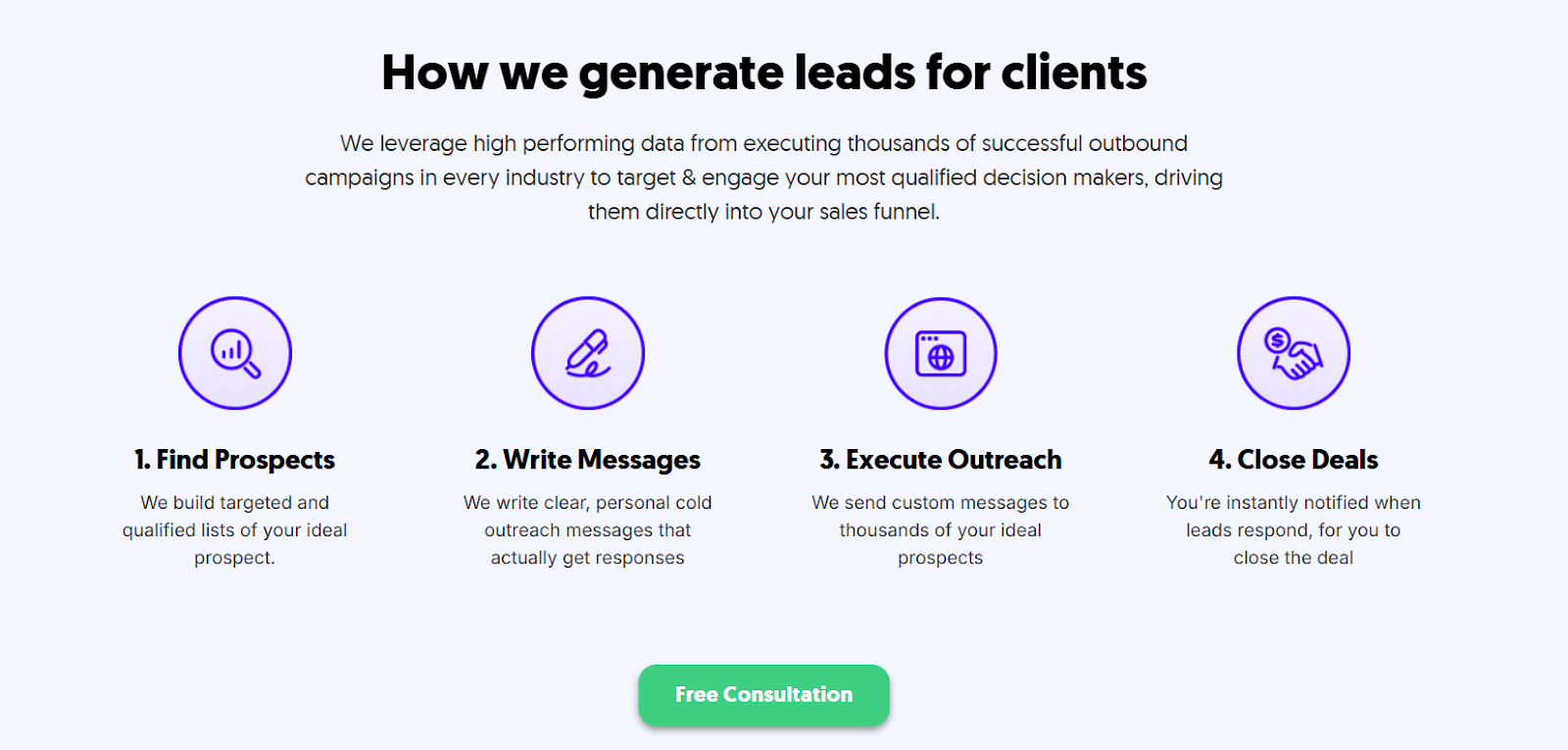
We take your product messaging and pricing positioning, then build a structured outbound system that gets that message in front of the right buyers, at the right time, through the right channels.
Specifically, we help with:
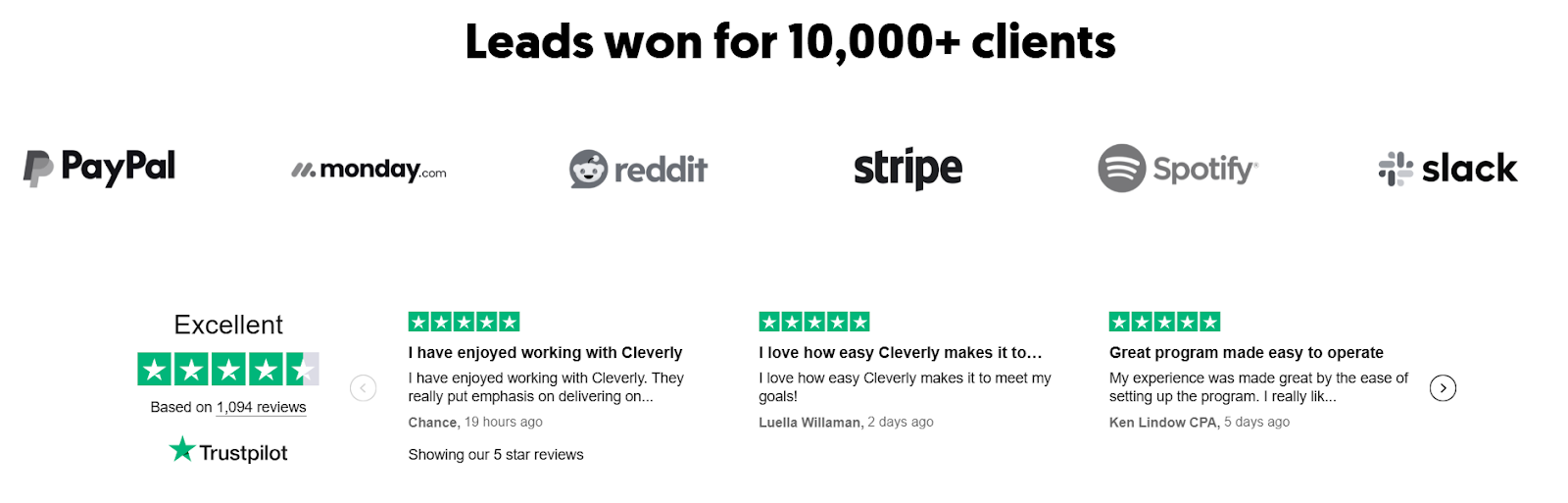
1️⃣ LinkedIn outreach — personalized prospecting campaigns targeting your exact ICP. We've helped 10,000+ clients generate pipeline with companies like Amazon, Google, Uber, PayPal, Slack, and Spotify, driving $312M in pipeline revenue and $51.2M in closed revenue. LinkedIn services start at just $397/month.
2️⃣ Cold email lead gen — you only pay for meeting-ready leads we actually send you. No retainer risk.
3️⃣ Cold calling — our $5M cold calling system books you 10 to 30 qualified sales calls every month, guaranteed. We place a no-accent appointment setter, write breakthrough call scripts, handle all the data and tech, and include a power dialer. It's half the cost of in-housing, and if appointments aren't delivered, we replace the SDR. With 1M+ cold calls made and 53K appointments set, it works.
Even the best product and pricing strategy need a structured promotion system to create pipeline. That's what we build.
🚀 Let’s get started for you?
Conclusion
The 5 Ps of marketing aren't going anywhere. In B2B, they're more relevant than ever because the buying process is complex and the margin for misalignment is small.
Promotion and people play an outsized role in driving revenue. But they only work when your product, pricing, and distribution are dialed in too.
Get all five working together and you have a repeatable growth system, not just a marketing strategy.
Frequently Asked Questions
Free Resource
How to Scale a Profitable Cold Call System
Get the complete guide — download it instantly now.
Free Ebook
Download the Free Guide
Enter your details to get instant access.
You're all set! 🎉
Your ebook is downloading now.
Click below if the download didn't start automatically.