Table of Contents
What Is Website Visitor Identification Software?
Why B2B Teams Need Website Visitor Identification Tools in 2026
What to Look for in the Best Visitor Identification Software
8 Best Website Visitor Identification Software in 2026
Company-Level vs. Person-Level Identification: Which Do You Need?
How Cleverly Uses Website Visitor Intent Data to Drive Qualified B2B Leads
Conclusion
Frequently Asked Questions
Modified On :
May 7, 2026
Key Takeaways
- The average B2B website converts just 2–3% of visitors — website visitor identification software turns the other 97% from invisible traffic into qualified pipeline.
- Two identification types exist: company-level (30–65% match rates) and person-level (5–20% match rates) — your ICP, geography, and outreach motion determine which you need.
- With over 60% of knowledge workers now remote or hybrid, pure IP-based identification has become less reliable — the best tools layer multiple data sources to compensate.
- GDPR and CCPA compliance are non-negotiable for any EU or global team — not all tools are built with this in mind.
- Identification is only half the equation — without a system to act on the signal, even the best data goes to waste.
Your website is already generating pipeline signals. You just can't see them.
The median B2B site converts just 2.1% of visitors through forms. That means 97.9% leave without raising their hand. They read your pricing page, compare you to competitors, evaluate your case studies — and then disappear without a trace. No form fill. No demo request. Nothing.
Website visitor identification software changes this.
Instead of relying on form fills, these tools de-anonymize your traffic using reverse IP lookup, identity graphs, and behavioral signals — revealing the companies (and sometimes the specific individuals) evaluating your product right now.
This guide covers the 8 best tools available in 2026 — what each one does, who it's built for, real pricing, and honest limitations.
What Is Website Visitor Identification Software?
Visitor identification software is technology that de-anonymizes your website traffic — turning anonymous sessions into company names, contact details, and behavioral signals, all without a visitor ever filling out a form.
It works by matching visitors to known data sources through reverse IP lookup, first and third-party cookies, device IDs, and identity graphs. The result is a profile: who visited, what pages they viewed, how long they stayed, and often who works there.
There are two main types to know:
1️⃣ Company-level identification maps an IP address to a specific organization. You get the company name, industry, size, revenue, and a list of employees from a contact database. Match rates typically range from 30–65% for B2B traffic. This is the most widely available form of identification.
2️⃣ Person-level identification goes further — revealing the actual individual browsing your site, including their name, email, job title, and LinkedIn profile. Match rates for person-level are significantly lower at 5–20%, and most tools limit this to US-based visitors for GDPR compliance reasons.
This is fundamentally different from standard web analytics.
Google Analytics tells you how many people visited and from where. B2B website visitor identification software tells you who visited and what they're interested in — and gives you a path to reach them.
One context shift that matters in 2026: with over 60% of knowledge workers now remote or hybrid, IP-based matching has inherent limitations — home IPs don't resolve cleanly to corporate networks, and that's a structural problem no vendor has fully solved. The best tools compensate by layering multiple data sources, but it's worth setting realistic expectations going in.
🚀 Traffic Is Anonymous. Revenue Shouldn’t Be.
We turn unknown visitors into booked meetings via LinkedIn, email & calls. Done-for-you outbound that actually converts.
Why B2B Teams Need Website Visitor Identification Tools in 2026
Most B2B revenue teams are running half-blind. They invest in SEO, paid ads, and content — drive traffic to the site — and then wait for a form fill that never comes.
The problem is structural. Modern B2B buyers do most of their research independently before ever engaging with sales.
B2B buyers spend only 17% of their time meeting with potential suppliers, while the remaining time is spent independently researching online across websites, content, review platforms, and peer communities.
That means the buying journey is happening on your website — before your SDRs know anything about it.
What identification unlocks for B2B teams:
- Outbound prioritization — Surface warm, in-market accounts your reps can reach out to with real context, not just cold lists.
- Timely follow-up triggers — Alert your reps the moment a target account hits your pricing page or compares you to a competitor.
- ABM signal enrichment — Feed high-intent behavioral data into your account-based campaigns to sharpen targeting and messaging.
- CRM enrichment — Automatically populate company firmographics, technographics, and behavioral history into your existing records.
- Pipeline prioritization — Know which deals in your pipeline are actively re-evaluating you, and which are going dark.
The compounding reality: identified visitors respond to outreach at 5–8x the rate of cold leads, and following up within one hour produces 22% response rates versus 3% at five or more days. Speed and context are everything — and visitor identification gives you both.

What to Look for in the Best Visitor Identification Software
Not all tools solve the same problem. Here's what actually separates a platform worth paying for from one that just generates a dashboard you'll never use.
✅ Match Rate Accuracy (and Honesty About It)
Match rate is the single most important metric. But many vendors inflate their numbers by counting company-level and person-level matches together, or by including low-confidence signals.
Always ask: what percentage of my actual traffic will you identify, at what confidence level, in my specific geographies?
✅ Identification Depth
Company-level tools tell you an organization visited. Person-level tools tell you which individual. Knowing which matters — ABM teams often need company-level; high-velocity outbound SDR teams need person-level contact data to actually reach someone.
✅ GDPR and CCPA Compliance
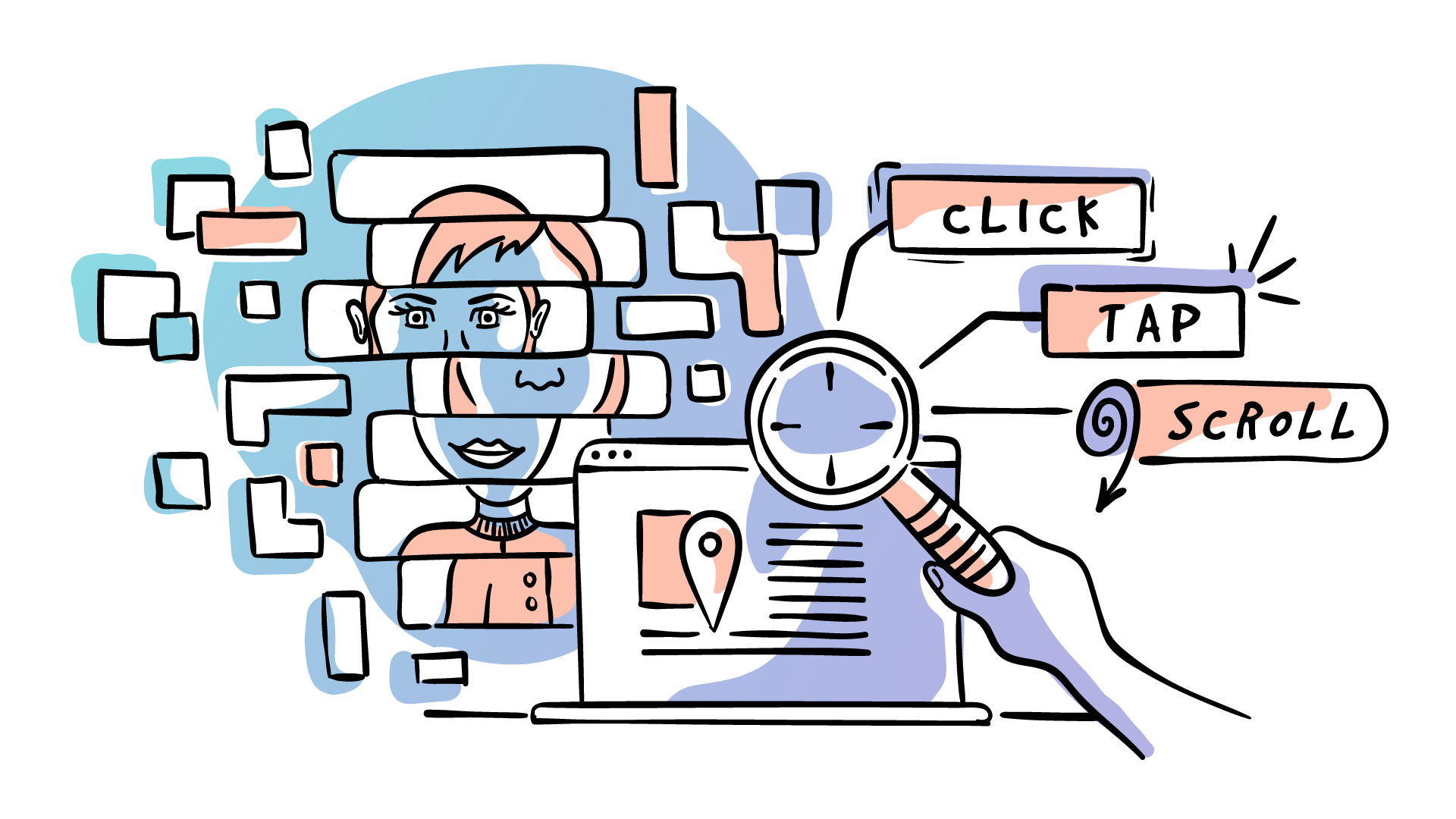
Person-level identification of EU residents is a legal minefield. If any portion of your traffic comes from Europe, you need a tool built with GDPR-first architecture — not one that bolted compliance on as an afterthought. Ask specifically how the tool handles EU visitor data.
✅ CRM and Sales Tool Integrations
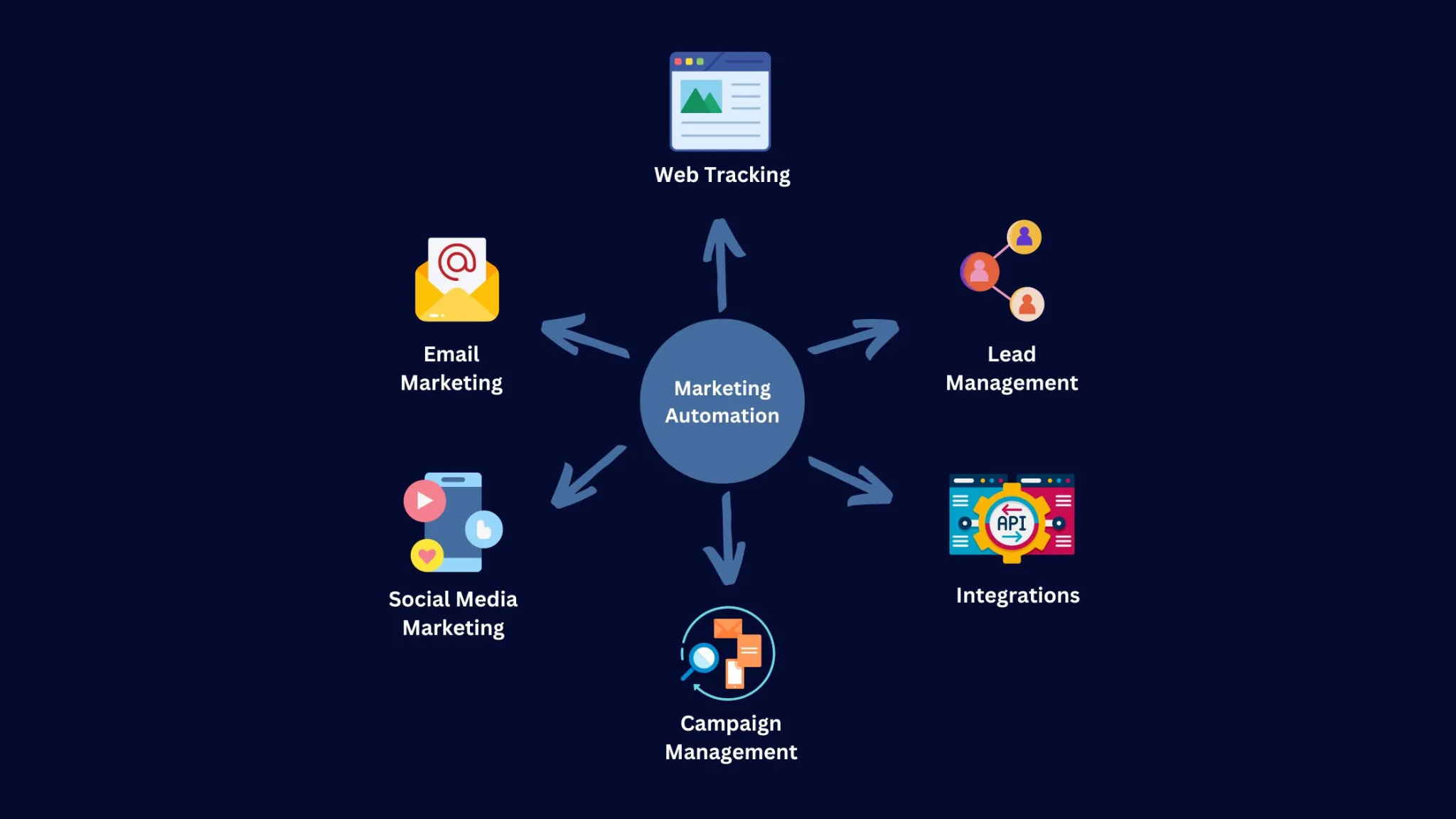
Visitor data is useless if it lives in a separate dashboard your reps never check. The best tools push identified accounts directly into Salesforce, HubSpot, Slack alerts, or your sequencing tool — so the signal flows into your existing workflow.
✅ Activation Capability
Does the tool just surface data, or does it help you do something with it? The most advanced platforms combine identification with automated outreach triggers, AI chat, or workflow orchestration. Simpler tools hand you a list and stop there.
✅ Pricing Transparency
Credit-based pricing, per-visitor billing, and usage caps can make costs unpredictable. Understand exactly what you're paying for — and what happens when you exceed your monthly limits — before signing.
📈 Visitor Data Is Useless Without Outreach
$312M pipeline generated across outbound channels. We handle targeting → outreach → booking—you just close.
8 Best Website Visitor Identification Software in 2026
Here's the full breakdown — what each tool is best at, standout features, real pricing, and the right fit for each.
Quick Comparison Table
1) RB2B
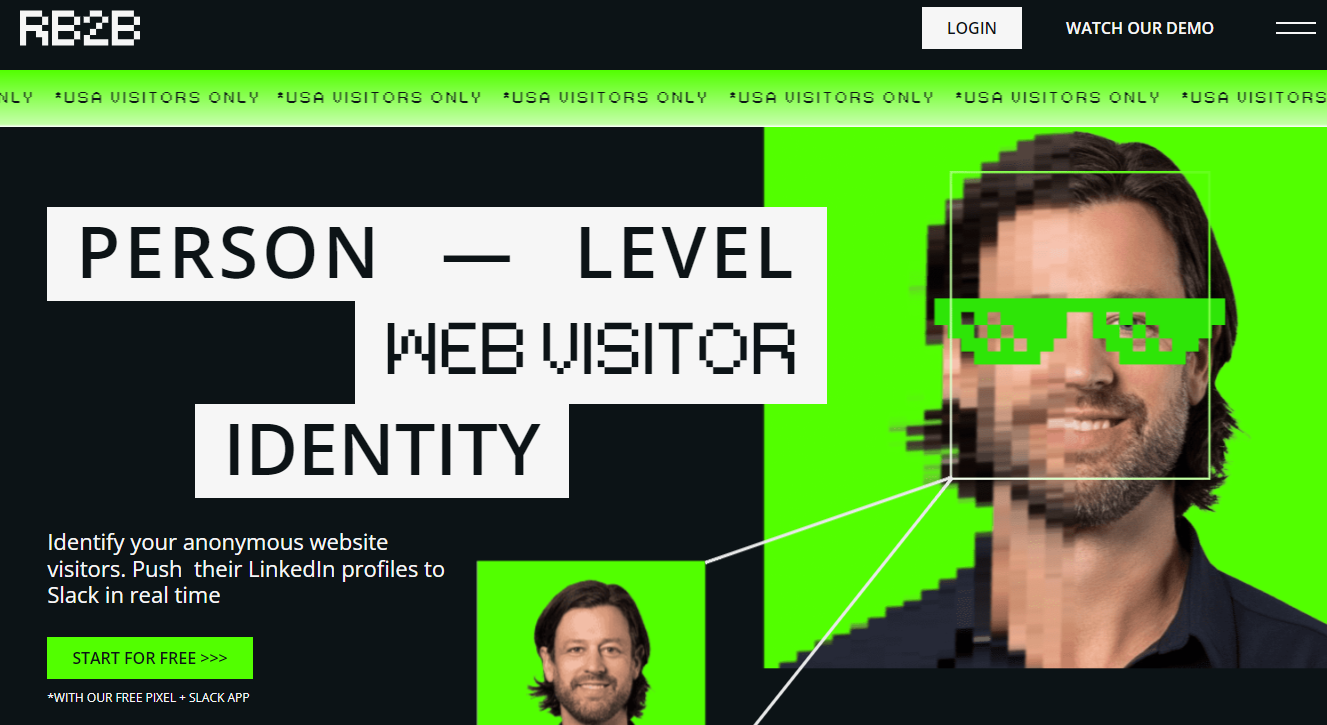
RB2B is the go-to tool for SDR teams that need individual contact data from website traffic, not just company names. Install a JavaScript pixel and within minutes, identified visitors start flowing into your Slack — complete with name, company, job title, LinkedIn profile, and the pages they viewed.
RB2B identifies 5–20% of US traffic at the person level. That might sound limited, but for a team doing high-velocity outbound, even 10–15 person-level contacts per day from warm, in-market visitors is a meaningful top-of-funnel add.
Standout Features:
- Real-time Slack alerts with full LinkedIn profiles — often under 30 seconds from visit to notification.
- ICP-based hot lead filtering by company size, revenue, seniority, and geography — so your reps only see the contacts worth chasing.
- Company-level identification globally through a Demandbase partnership when person-level isn't available (e.g., EU visitors).
- CRM sync with HubSpot, Salesforce, and 20+ tools via native integrations and Zapier.
Pricing: Free plan gives 150 credits/month. Starter is $79/mo (300 credits, LinkedIn URLs). Pro is $149/mo (600 credits, business emails). Pro+ is $199/mo (premium resolution). Credits expire monthly — high-traffic sites scale up quickly.
Best Fit: SDR teams running US-focused outbound who need individual contacts, not just company names. Less suited for international teams or companies with primarily EU traffic, where person-level identification doesn't apply.
One Caveat: RB2B is US-only for person-level. With RB2B's 5–20% match rate, you're missing 80–95% of identifiable visitors. It's a strong signal tool, not a complete pipeline solution.
2) Warmly

Warmly goes well beyond basic visitor identification. It combines de-anonymization with AI-powered chat, live video, and automated outreach — so your team can identify and engage high-value visitors while they're still on your site.
Warmly optimizes data through a waterfall approach, using 20+ data providers — including two other leading de-anonymization providers — to validate accuracy, quality, and overall match rate of signal and contact data. That multi-source stacking gives it among the highest company-level match rates available.
Standout Features:
- Real-time "Warm Call" dashboard showing who's on your site right now, with full firmographic and intent data.
- AI chatbot that engages visitors automatically when your team is offline, qualifying leads and booking meetings.
- Live video chat for reps to jump directly into a conversation with a high-value visitor while they're actively browsing.
- Automated outreach sequences triggered by visitor identity and behavior — route target accounts to specific reps, add to sequences, or fire Slack alerts.
- Bombora intent signals baked in to help prioritize which visitors matter most.
Pricing: Warmly starts at $15,000/year. A free plan is available for up to 500 identified visitors per month. The $700/month Business plan unlocks the features most sales teams actually need: automated outreach, AI chat, and deeper intent signals. Enterprise is fully custom.
Best Fit: Mid-market and enterprise B2B teams with meaningful website traffic who want identification plus real-time engagement in one platform. Less ideal for SMBs, teams outside HubSpot/Salesforce, or anyone who just needs a simple lead list.
3) Dealfront (formerly Leadfeeder + Echobot)
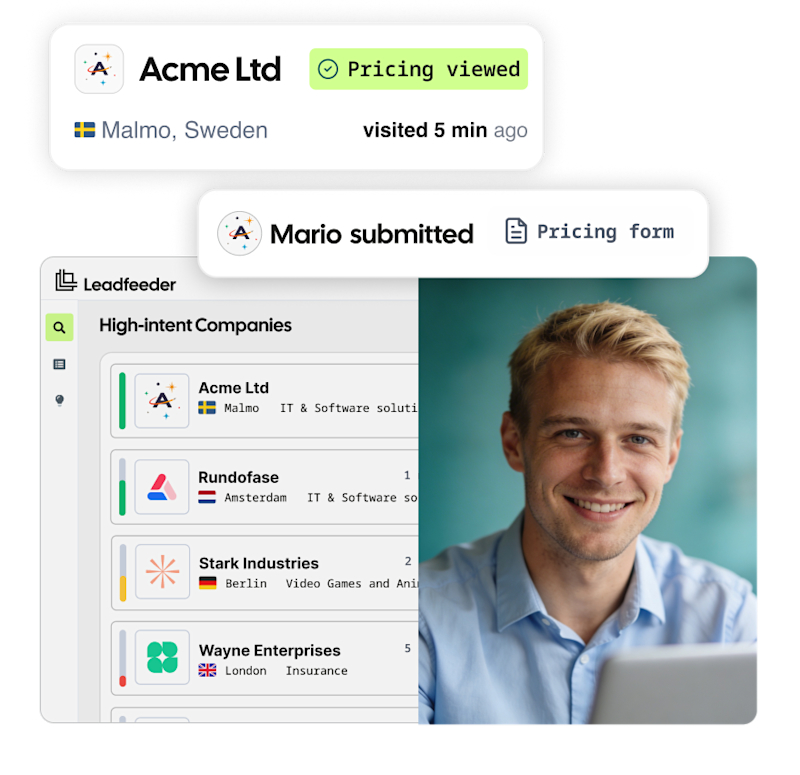
Dealfront is the result of a merger between Leadfeeder (visitor identification) and Echobot (European B2B sales intelligence). For companies selling into DACH, the Nordics, Benelux, or the broader EU, it's the most compliance-first option on this list.
Dealfront is a Europe-first go-to-market and sales intelligence platform that combines website visitor identification, B2B company and contact data, buyer intent signals, and B2B display advertising to help revenue teams discover, qualify, and convert high-fit accounts, particularly in European markets.
Standout Features:
- GDPR-first architecture — built from the ground up for European privacy regulations, not retrofitted.
- Strong EU/UK company coverage from the Echobot database (34M+ companies, 106M+ contacts), with particularly deep data in DACH and Nordic regions.
- Company-level visitor identification with firmographic enrichment, intent signals, and CRM sync (HubSpot, Salesforce, Pipedrive).
- IP-based B2B display advertising module to retarget identified accounts across the web.
- Free plan for teams wanting to test before committing.
Pricing: Its Web Visitors (Leadfeeder) product offers a free plan with up to 100 identified companies and 7 days of data, while paid plans start at $99 per month (billed annually) and scale based on the number of companies identified. Sales intelligence modules (Target, Connect) are custom-quoted separately.
Best Fit: European B2B sales and marketing teams where GDPR compliance is non-negotiable and EU data coverage matters more than person-level identification. US-focused teams will find alternatives with better match rates and feature depth.
One Caveat: The 7-day data retention on the free plan is brutally short — if you don't check it daily, the signal disappears before you can act on it.
4) ZoomInfo WebSights (Onsite)
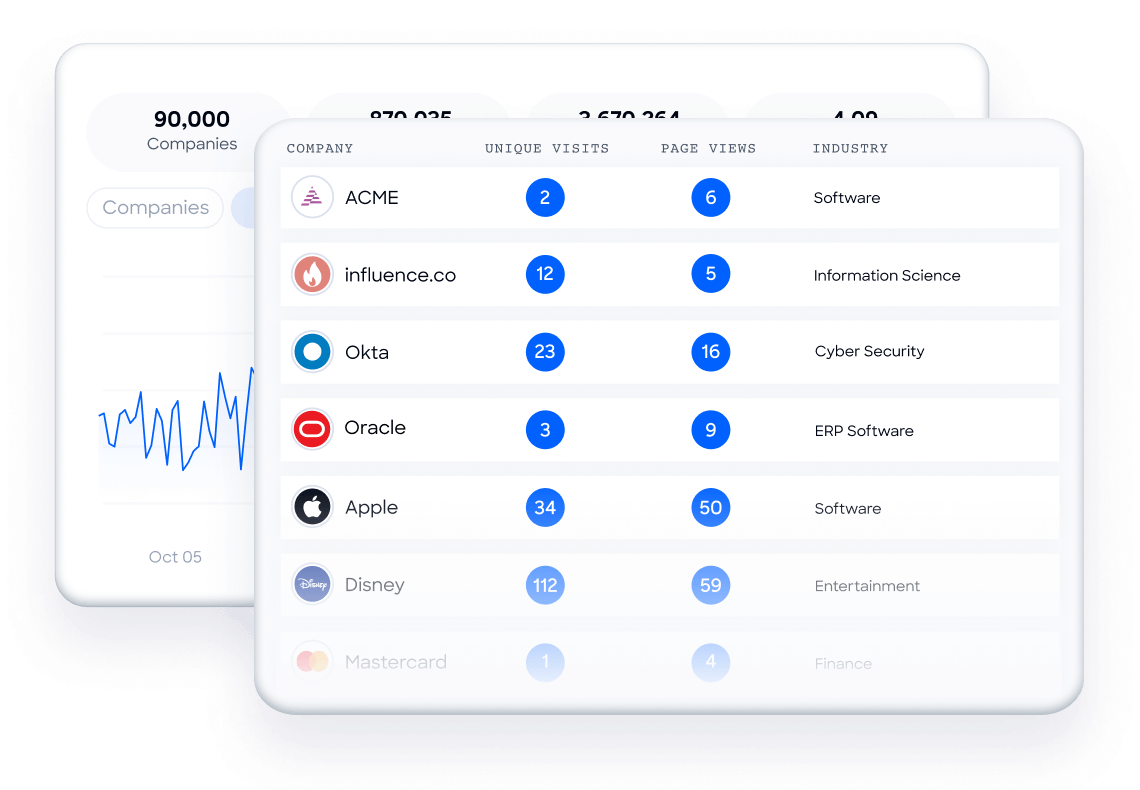
ZoomInfo's WebSights product — now branded as ZoomInfo Onsite — adds website visitor identification on top of the world's largest B2B contact database. If your team already runs on ZoomInfo for prospecting and sales intelligence, adding visitor identification is a natural extension rather than a separate purchase.
ZoomInfo Onsite turns anonymous website traffic into actionable pipeline. The platform identifies which companies are visiting your site and surfaces verified contact details for decision-makers at those accounts — including direct-dial phone numbers and business email addresses.
Standout Features:
- Identified visiting companies are immediately enriched from ZoomInfo's database of 500M+ contacts and 100M+ companies.
- Native sync with Salesforce, HubSpot, and Microsoft Dynamics — no manual export required.
- Connects visitor identification to firmographics, technographics, and intent data across ZoomInfo's full GTM Context Graph.
- Bot traffic filtering to reduce noise in your identification data.
Pricing: Starting at $15,000 annually for small teams but typically costing $30,000–$50,000 for mid-market deployments. WebSights is part of ZoomInfo's broader enterprise plans — not available as a standalone purchase.
Best Fit: Large revenue teams already inside the ZoomInfo ecosystem who need visitor identification as part of a broader GTM intelligence stack. The cost and complexity make it overkill for SMBs or teams using visitor ID as their primary data source.
5) Lead Forensics
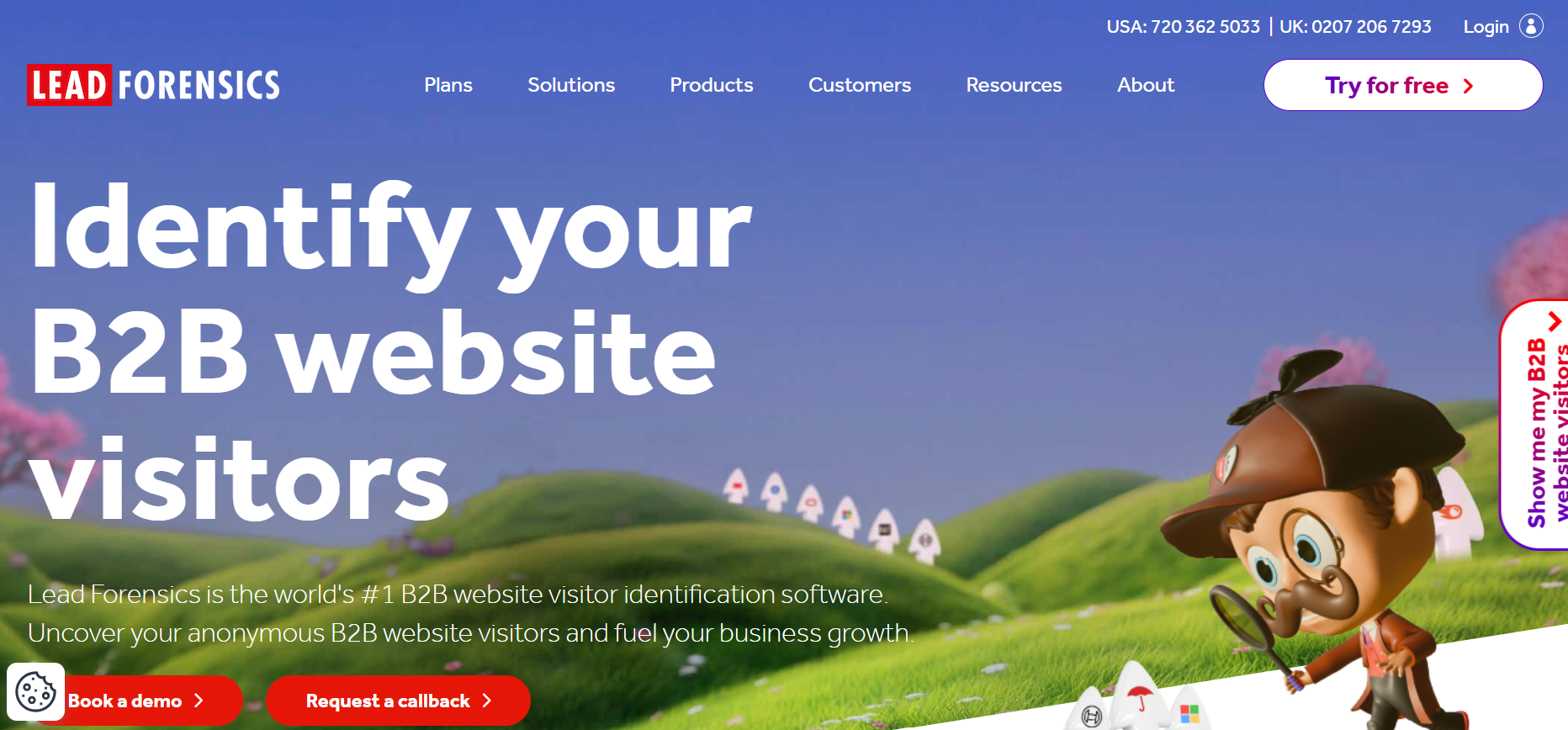
Lead Forensics is one of the longest-running tools in this category — founded in 2009 and built around one of the largest proprietary IP-to-company databases available. It's a focused, dedicated visitor identification tool, not a multi-feature platform.
Lead Forensics emphasizes sales team enablement and lead qualification workflows, helping reps prioritize outreach based on website engagement. You get real-time alerts when target accounts visit, deep page-level behavior tracking, and contact data pulled from their database.
Standout Features:
- One of the largest proprietary B2B IP databases in the market — strong historical coverage for US and UK traffic.
- Real-time notifications when target accounts visit, with behavior tracking across pages and visit frequency.
- Unlimited users on both Essential and Automate plans — pricing is based on traffic volume, not seats.
- Deep CRM integrations on the Automate plan: Salesforce, HubSpot, Pipedrive, Zoho, and Dynamics.
Pricing: Lead Forensics pricing starts at $6K/year and averages $35K/year. No public pricing — costs are traffic-based and require a demo. Annual contracts only. No monthly billing option.
Best Fit: Established mid-market to enterprise B2B companies that want a dedicated, database-heavy visitor identification solution and already have a separate outreach stack.
One Caveat: Multiple reviewers flag data accuracy issues, a legacy UI, and slower product innovation compared to newer entrants. At the average $35K/year, Lead Forensics costs 4–6x more than most alternatives while offering fewer features — no outreach, no chatbot, no individual identification.
6) 6sense
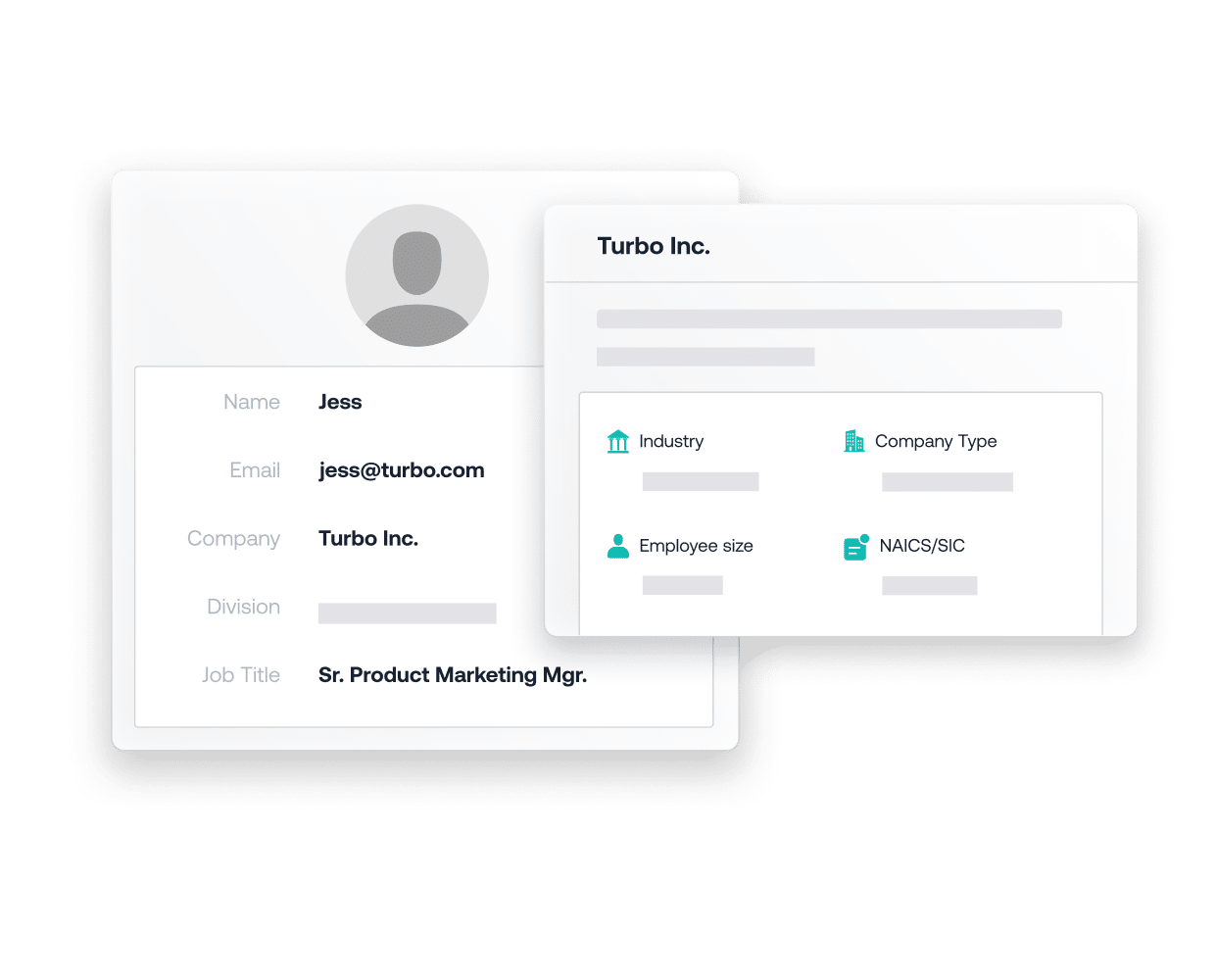
6sense is a different category of tool. It's an enterprise revenue intelligence platform where visitor identification is just one capability layered into a much larger ABM orchestration system. If you're running sophisticated, multi-channel ABM at scale with the budget to match, 6sense delivers capabilities no other tool on this list can match.
6sense identifies up to 64% of anonymous visitors while processing 1 trillion signals daily through their Signalverse platform. The platform uses AI to score accounts by purchase readiness, predict buying stage, and orchestrate campaigns across paid media — all from a single interface.
Standout Features:
- Predictive account scoring powered by AI — tells you which accounts are in an active buying cycle, not just which ones visited.
- Bombora-powered third-party intent data layered on top of first-party visitor signals.
- Full ABM campaign activation across display, social, and email — triggered by intent signals and account stage.
- Buying committee identification — see which roles at a target account are engaging across multiple touchpoints.
Pricing: 6sense starts around $60,000–$100,000/year for mid-market deployments and ranges from $100,000–$250,000+ for enterprise. Multi-year contracts are standard.
Best Fit: Large enterprise B2B marketing teams running sophisticated, multi-channel ABM programs with dedicated RevOps support. Not a fit for SMBs, early-stage companies, or anyone primarily looking for simple visitor identification.
7) Clearbit (now HubSpot Breeze Intelligence)
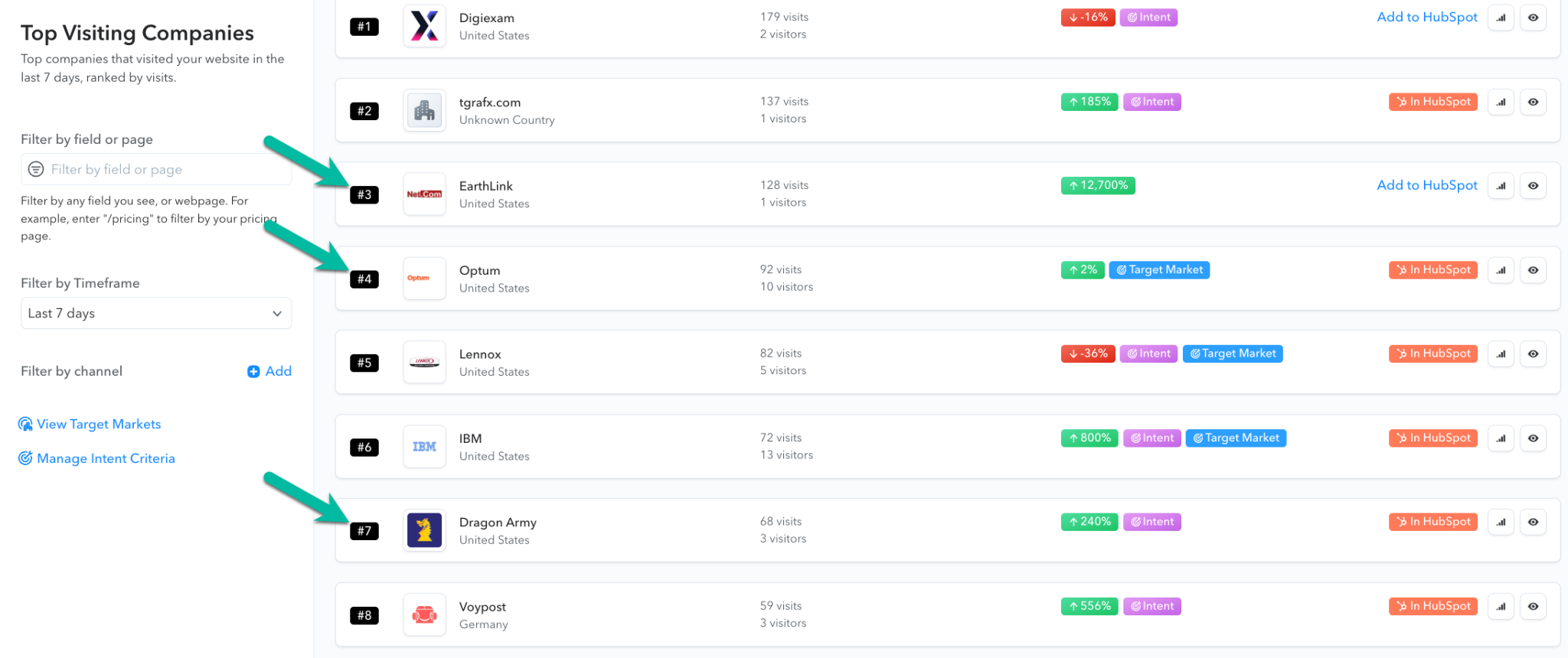
Clearbit was acquired by HubSpot in late 2023 and has since been rebranded as Breeze Intelligence — a native HubSpot feature rather than a standalone product. If you're already running on HubSpot, Breeze Intelligence adds visitor identification, CRM enrichment, and form shortening without any additional integration work.
Clearbit's enrichment data quality remains competitive. The data quality is still good — firmographics, technographics, and company-level insights remain accurate for US B2B companies. The native HubSpot integration saves real engineering time for teams that are already in the ecosystem.
Standout Features:
- Real-time company reveal for anonymous website traffic (formerly Clearbit Reveal) — identifies visiting organizations and enriches them with firmographic data.
- Form shortening — shows visitors a 3–4 field form while Breeze fills in the rest automatically from its database, increasing form completion rates.
- Native HubSpot workflows — enriched data flows directly into HubSpot properties, triggers automation, and feeds lead scoring without custom API work.
- Technographic enrichment — adds tech stack data to company records to help personalize outreach.
Pricing: Clearbit (Breeze Intelligence) costs a minimum of $75/month — $30 for HubSpot Starter and $45 for 100 Breeze Intelligence credits on annual billing. Mid-market teams running HubSpot Professional with moderate enrichment needs are paying $5,390/month or $64,680 annually — before overages.
Best Fit: HubSpot-centric B2B teams that want seamless identification and enrichment baked into their existing CRM workflow. Not a practical option for teams outside the HubSpot ecosystem — Clearbit now requires a HubSpot subscription; you can no longer purchase it as a standalone tool.
8) Factors.ai

Factors.ai started as a marketing analytics and attribution platform and has evolved into a full-stack account intelligence tool. It's the best choice for B2B marketing teams that want visitor identification plus a clear picture of how their ads, content, and campaigns are actually driving pipeline.
At its core, Factors.ai is built on a strong first-party data foundation. The platform identifies more than 75% of companies visiting your website — the highest in the industry — and tracks how those accounts move across pages, channels, and campaigns.
Standout Features:
- Industry-leading 75%+ company-level match rate from website traffic, built on a 6sense data partnership.
- Multi-touch attribution and revenue attribution — see which campaigns actually contribute to closed deals, not just clicks.
- LinkedIn AdPilot and Google AdPilot — built-in tools for running ABM on LinkedIn and Google, with account-level targeting based on visitor signals.
- Real-time sales alerts and CRM workflows — automatically notify reps when high-intent accounts visit, add them to sequences, or update CRM fields.
- GDPR compliance, SOC 2 Type II, and ISO 27001 certified.
Pricing: Factors.ai offers a free plan for basic website account identification and paid tiers (Basic, Growth, and Enterprise) with annual contracts. The Growth plan is around $15,000 per year, but most paid plans are sold on a custom-quote basis, and startup discounts are available.
Best Fit: B2B marketing teams that want visitor identification alongside deep analytics, attribution, and ad optimization — not just a lead list. Strong fit for teams running significant LinkedIn or Google Ads spend where attribution clarity directly impacts budget decisions.
Company-Level vs. Person-Level Identification: Which Do You Need?
This is the most common question teams ask before choosing a tool. Honest breakdown -

Choose company-level identification if:
- You're running ABM campaigns targeting a defined list of named accounts.
- Your sales motion is account-based — you need to know which companies are in-market, then use your own contacts or outreach to reach the right people.
- Your buyers are spread across EMEA or globally, where person-level tools don't apply.
- You need higher match rates (30–65%) to generate meaningful signal volume.
Choose person-level identification if:
- Your SDRs do high-velocity, contact-level outbound and need individual names, emails, and LinkedIn profiles to reach out directly.
- Your primary market is the US, where person-level tools are legally viable.
- You want the fastest path from "someone visited" to "rep sends a personalized message" — with no guesswork about who at the company to contact.
The reality in 2026: remote and hybrid work trends have made pure IP-based tools significantly less reliable — home IPs don't resolve cleanly to corporate networks.
Tools like RB2B and Warmly compensate using identity graph layering and multi-source enrichment, but no tool has fully cracked this limitation.
Set realistic expectations on match rates before selecting a vendor, and always pilot test against your actual traffic before committing to an annual contract.
How Cleverly Uses Website Visitor Intent Data to Drive Qualified B2B Leads
Knowing who's on your site is only half the equation.
The teams that actually win from visitor identification aren't the ones with the best dashboard — they're the ones with a system to act on the signal fast, with personalized, relevant outreach that speaks to what the visitor was actually looking at.
That's exactly where Cleverly comes in.
As a done-for-you B2B lead generation agency, we integrate visitor intent signals directly into our outbound strategy. When high-intent accounts are showing real buying behavior — pricing page visits, competitor comparisons, repeat sessions — those signals inform how we build and prioritize our outreach lists. Instead of purely cold list outreach, we layer intent data to identify warm, in-market accounts worth reaching first.
From there, our LinkedIn lead gen and cold email programs craft messaging tied to what your prospect actually cares about — based on their behavioral signals, firmographics, and pain points. The result is higher reply rates, more qualified conversations, and a faster path to booked meetings.
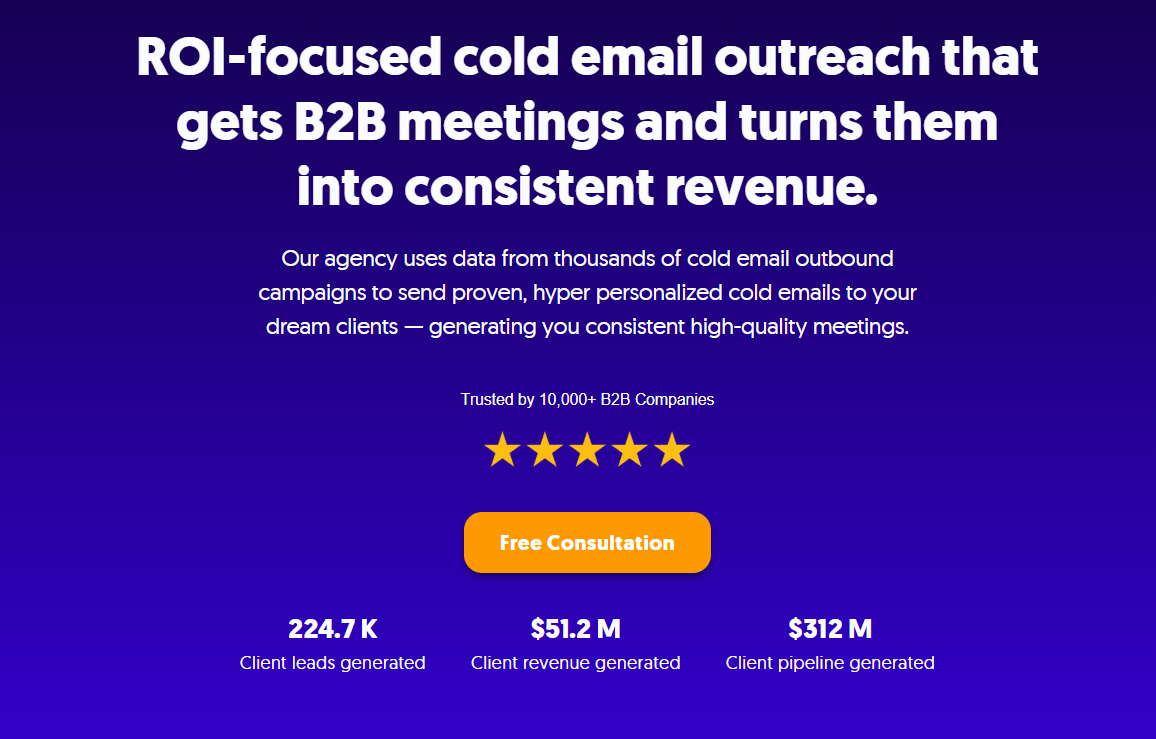
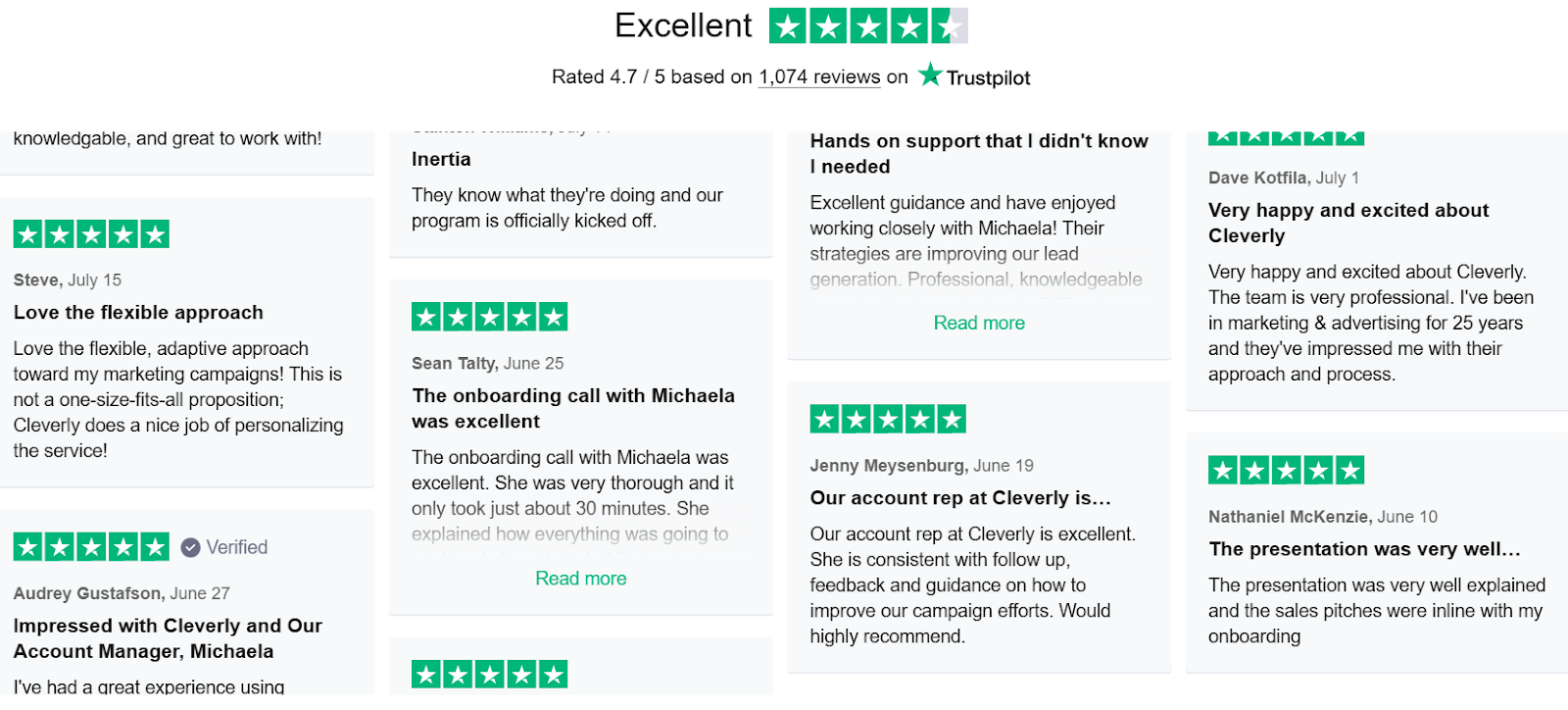
We've helped 10,000+ B2B companies generate $312M in pipeline and $51.2M in closed revenue — and none of that happens by blasting generic outreach at cold lists. It happens because we connect the right signal to the right message at the right time.
If you have the traffic and the intent data but aren't converting it into meetings, the gap isn't the tool. It's the outreach system behind it.
🤝 Let's build that system together. Book a free strategy call.
Conclusion
Website visitor identification is one of the highest-leverage investments a B2B team can make if you're sitting on unconverted traffic and flying blind on who's evaluating you.
The right tool depends on your geography, traffic volume, ICP, and whether your sales motion needs company-level account signals or person-level contact data.
RB2B and Warmly lead for US-focused teams wanting individual contact identification. Dealfront is the clear winner for GDPR-first European operations. Factors.ai wins for attribution-driven marketing teams. ZoomInfo and 6sense serve enterprise teams with the budget and RevOps infrastructure to match.
But here's the one thing every tool on this list has in common: the data only creates pipeline if your team acts on it with fast, relevant, personalized outreach. Identification is the signal. Follow-up execution is where deals are actually won.
Frequently Asked Questions
Free Resource
How to Scale a Profitable Cold Call System
Get the complete guide — download it instantly now.
Free Ebook
Download the Free Guide
Enter your details to get instant access.
You're all set! 🎉
Your ebook is downloading now.
Click below if the download didn't start automatically.