Table of Contents
What Makes a Sales Productivity Tool Actually Useful
Sales Productivity Metrics That Actually Matter
Best Sales Productivity Tools for B2B Teams
How AI Is Changing Sales Productivity in B2B Teams
How to Choose the Right Sales Productivity Tools for Your Team
How Cleverly Helps B2B Teams Stay Productive Without Tool Overload
Conclusion
Frequently Asked Questions
Modified On :
August 21, 2026
Key Takeaways
- Sales productivity tools should eliminate busywork and create more time for actual selling, not add complexity to your workflow.
- The best tools automate data entry, meeting scheduling, and call summarization so reps focus on revenue-driving conversations.
- AI excels at drafting emails, scoring leads, and surfacing insights but can't replace human judgment in closing deals.
- Choose tools that match your specific sales motion (outbound, inbound, or hybrid) instead of buying based on feature lists.
- Fewer integrated tools beat a bloated tech stack that forces constant context-switching and reduces productivity.
- Measure productivity by revenue per rep and meetings booked, not activity metrics like calls logged or emails sent.
Let's be honest. Your sales team is drowning in busywork.
They're updating CRMs, chasing cold leads, scheduling follow-ups, and jumping between a dozen tabs just to send one email. They're busy all day but closing fewer deals.
Sound familiar?
The reality is, sales productivity tools aren't just nice-to-haves anymore. They're the difference between a team that's constantly "working" and a team that's actually generating revenue.
The good news?
The right stack of automation and AI can eliminate the grunt work, streamline your process, and let your reps do what they're actually paid for: selling.
We've tested countless platforms, and these 10 sales productivity tools consistently deliver real impact for B2B teams trying to scale without burning out.
Let's dig in.
What Makes a Sales Productivity Tool Actually Useful
Before we jump into the list, let's talk about what actually matters. Because here's the thing: most tools to improve sales rep productivity end up doing the opposite.
They add another login, another dashboard, another thing your team has to learn and maintain.
A tool is only useful if it saves more time than it takes to use. That's it. If your reps need three training sessions and a Slack channel just to figure it out, you've added friction, not efficiency.
What separates the winners from the shelf-ware:
- Revenue-facing vs admin productivity.
Does this tool help your reps close deals, or does it just make reporting easier for managers? Both matter, but revenue-facing wins every time. Prioritize tools that get reps in front of buyers faster or help them convert better. - AI assistance vs rule-based automation.
Old-school automation follows rigid if/then rules. Modern AI adapts, learns, and handles nuance. If you're investing in new tools to improve sales rep productivity, lean toward platforms that use actual intelligence, not just fancy triggers. - Real evaluation criteria.
Stop buying based on feature lists. Ask instead: Does this eliminate a painful manual task? Does it integrate with what we already use? Will reps actually adopt it without constant reminders?
The best productivity tools disappear into your workflow. You barely notice them because they just work.
Also Check: Perfect B2B Sales Strategy to Close More Deals (Proven Methods)
🚀 Tools Don’t Close Deals. Leads Do
From $397/mo LinkedIn outreach to pay-per-meeting cold email and 10–30 guaranteed calls/month, we deliver qualified pipeline that actually converts.
Sales Productivity Metrics That Actually Matter
Most sales dashboards are packed with numbers that don't actually tell you if your team is productive. Calls logged, emails sent, tasks completed - these are activity metrics, not productivity metrics. Your reps can be insanely busy and still generate zero revenue.
Track these instead:
- Time spent selling vs admin work.
If your reps are spending 60% of their day on data entry and scheduling, you've got a problem. The best sales productivity tools automatically capture this split so you can see where time is bleeding out. - Meetings booked per rep.
This is where prospecting effort converts into real opportunity. If this number is low, your outreach process is broken. - Pipeline created per rep.
Revenue starts here. How much qualified pipeline is each rep generating monthly? This metric separates top performers from the rest. - Revenue per sales rep.
The ultimate productivity measure. More deals closed with the same headcount means your systems are working.
The advantage: Modern sales productivity tools surface these metrics automatically without your team manually tracking everything. No spreadsheets, no guessing.
Just make sure the tools you install and the sites you access are trusted - unexpected pop-ups or redirects can be safety concerns that put accounts and data at risk. A quick check now can save you from bigger cleanup later.
One warning: Don't fall into the vanity KPI trap. Tracking 47 different metrics doesn't make you more productive. It just makes your dashboard prettier. Focus on the numbers that directly connect to closed revenue, ignore the rest.
Here’s More: B2B Sales KPIs Every Revenue Team Should Track
Best Sales Productivity Tools for B2B Teams
1. HubSpot Sales Hub
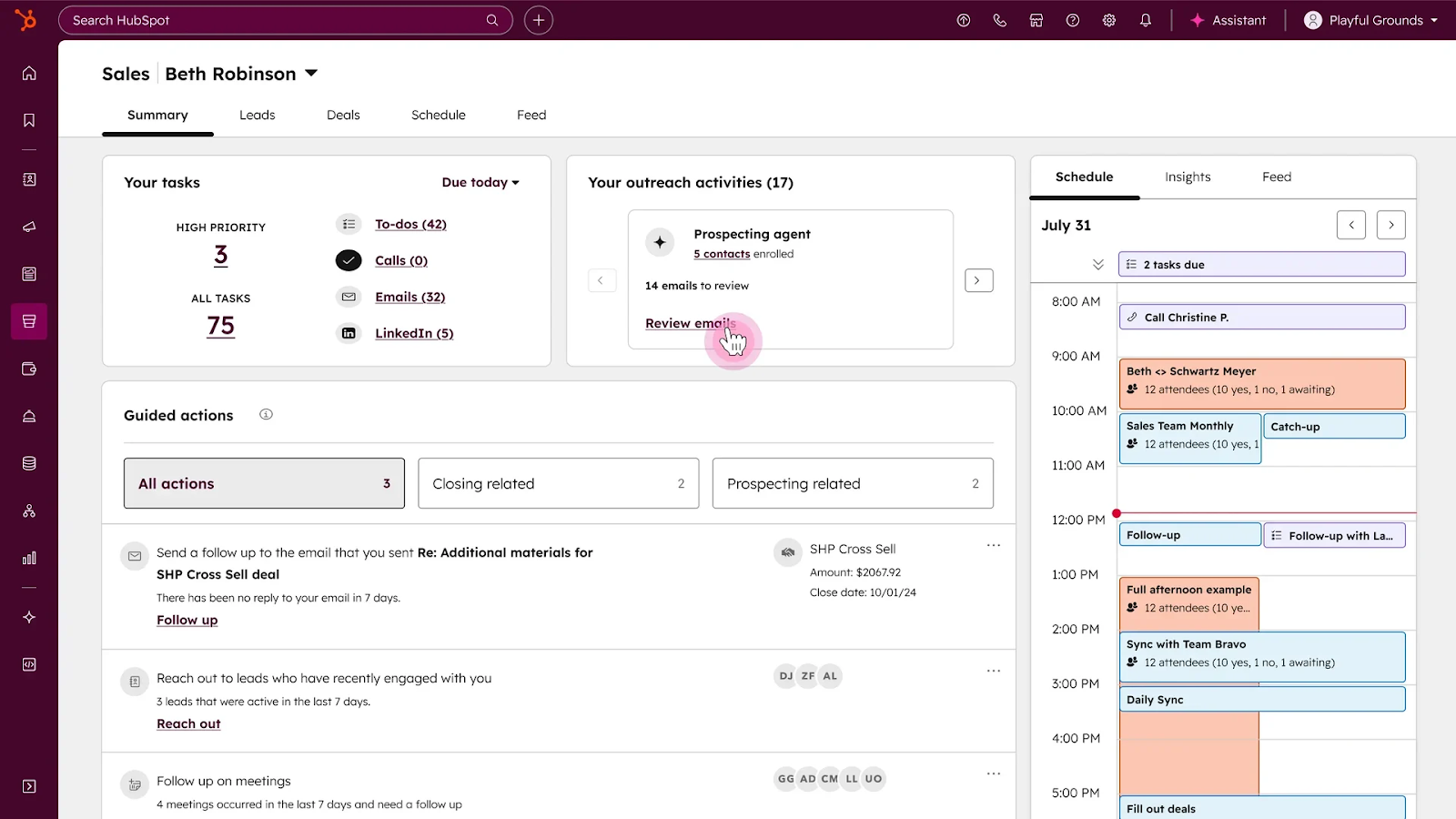
HubSpot Sales Hub is the all-in-one CRM that actually reduces busywork instead of adding to it. It centralizes your sales process so reps stop juggling five different tools just to send a follow-up email.
The platform automates repetitive tasks, tracks every customer interaction automatically, and gives you real-time insights without manual reporting. If you want sales productivity tools that eliminate data entry and meeting coordination chaos, this is the standard.
Key features that save time or improve output:
- Email tracking and templates let you see when prospects open emails and reuse proven messaging instantly.
- Sales sequences automate follow-up emails and task reminders so nothing falls through the cracks.
- Meeting scheduler eliminates scheduling ping-pong by letting prospects book directly on your calendar.
- Pipeline management with drag-and-drop visibility shows exactly where deals are stuck.
- AI assistants write follow-ups, summarize calls, and score leads so reps focus on hot prospects.
- Document tracking shows how prospects interact with proposals and enables e-signatures without leaving the platform.
- Call recording with AI transcription turns conversations into coaching insights automatically.
- Sales analytics and forecasting deliver data-driven pipeline predictions without spreadsheet exports.
Primary productivity use case: Eliminates tool-switching and manual data entry by running your entire sales process from one unified platform.
Best for: SDRs benefit from automated sequences and lead scoring. AEs love the meeting scheduler and document tracking for closing deals faster. Managers get conversation intelligence and forecasting for coaching and strategy. RevOps teams appreciate the integrated data for cross-functional revenue operations.
Pricing: Free plan available. Paid plans start at $15/user/month (Starter), $90/user/month (Professional), and $150/user/month (Enterprise) when billed annually.
2. Salesforce Sales Cloud
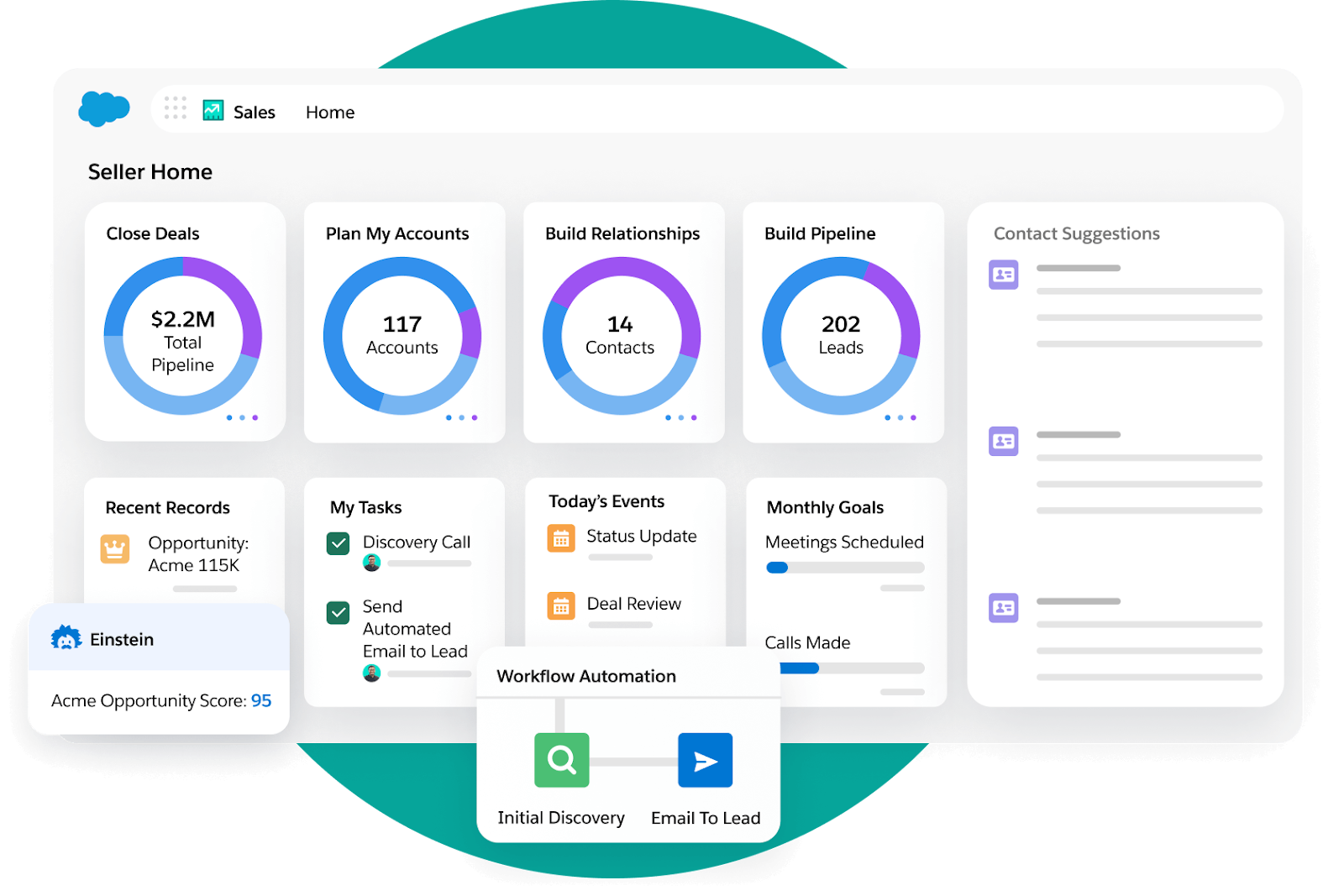
Salesforce Sales Cloud is the enterprise-grade CRM that uses AI to handle the grunt work so your reps can actually sell. It's built for teams that need serious customization and automation at scale.
The platform captures activities automatically, scores leads with AI, and gives you real-time pipeline visibility without manual updates. If you're managing complex B2B sales cycles across multiple teams, this is the sales productivity tool that keeps everyone aligned and moving fast.
Key features that save time or improve output:
- Automated activity capture logs emails, calls, and meetings without reps lifting a finger.
- AI-powered lead scoring ranks prospects by conversion likelihood so reps chase the right deals.
- Workflow automation handles follow-ups, task creation, and approval processes on autopilot.
- Real-time pipeline management shows bottlenecks and at-risk deals instantly.
- Mobile app delivers full CRM functionality anywhere so reps can update on the move.
- AI call summaries transcribe and recap sales conversations automatically for coaching and context.
- Intelligent quoting generates accurate proposals fast by applying pricing rules automatically.
- Collaborative tools like Slack integration keep sales, marketing, and service teams synced in real time.
Primary productivity use case: Creates a unified AI-powered hub that automates admin work and surfaces actionable insights so reps spend time selling instead of updating spreadsheets.
Best for: SDRs get AI lead prioritization and automated cadences for smarter prospecting. AEs manage complex deals with account planning tools and real-time insights. Managers use dashboards and AI forecasting for coaching and pipeline visibility. RevOps teams align departments with end-to-end workflow automation and strategic analytics.
Pricing: Starter Suite at $25/user/month, Pro Suite at $100/user/month, Enterprise at $175/user/month, Unlimited at $350/user/month (billed annually).
3. Outreach.io
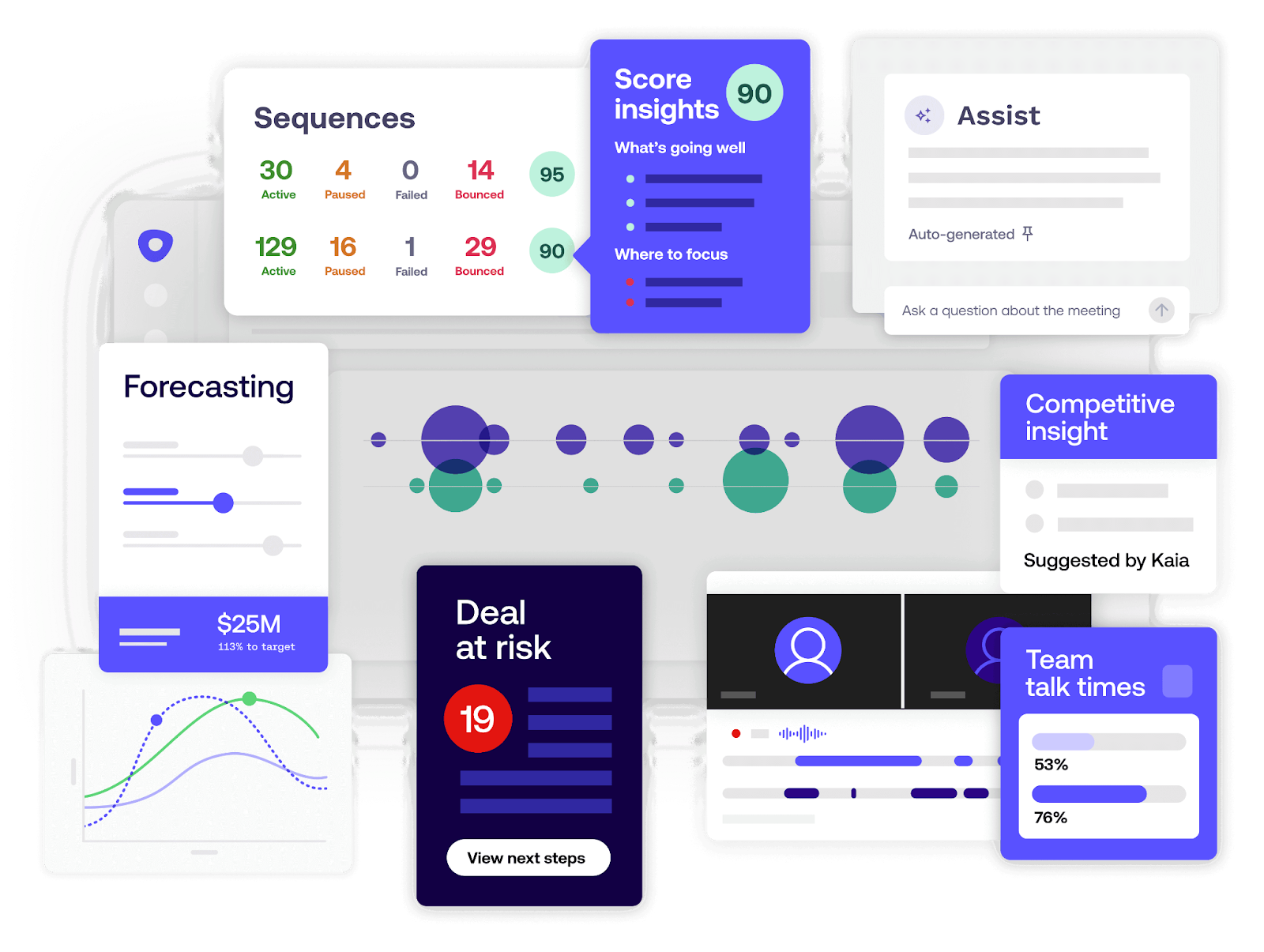
Outreach is the AI-powered sales execution platform built for enterprise teams running complex, high-volume operations. It automates multichannel outreach and eliminates the manual chaos of keeping your CRM updated.
The platform uses AI to draft emails, transcribe calls, and score deals automatically so reps stay focused on closing instead of admin work. If you're scaling a large sales org and need serious automation across the entire workflow, Outreach delivers.
Key features that save time or improve output:
- Multichannel sequences automate outreach across email, phone, and LinkedIn for consistent touchpoints.
- AI conversation intelligence (Kaia) transcribes calls in real time and detects action items so reps never miss follow-ups.
- Automated CRM sync eliminates manual data entry by logging every email and call automatically.
- Deal insights use AI to score opportunities, flag risks, and recommend next steps for better forecasting.
- Smart email assist drafts contextual replies based on past conversations and CRM data.
- Integrated meeting scheduler lets prospects book time instantly without the coordination dance.
Primary productivity use case: Automates the entire sales workflow from prospecting to close so reps spend time selling instead of updating systems and chasing tasks.
Best for: SDRs build qualified pipelines efficiently with high-volume prospecting automation. AEs get deal insights and admin automation to move opportunities faster. Sales managers track performance and coach with analytics and conversation intelligence. RevOps teams streamline processes and maintain data governance across the entire sales motion.
Pricing: Custom pricing only. Contact Outreach sales for a quote based on your team size and needs.
4. Salesloft
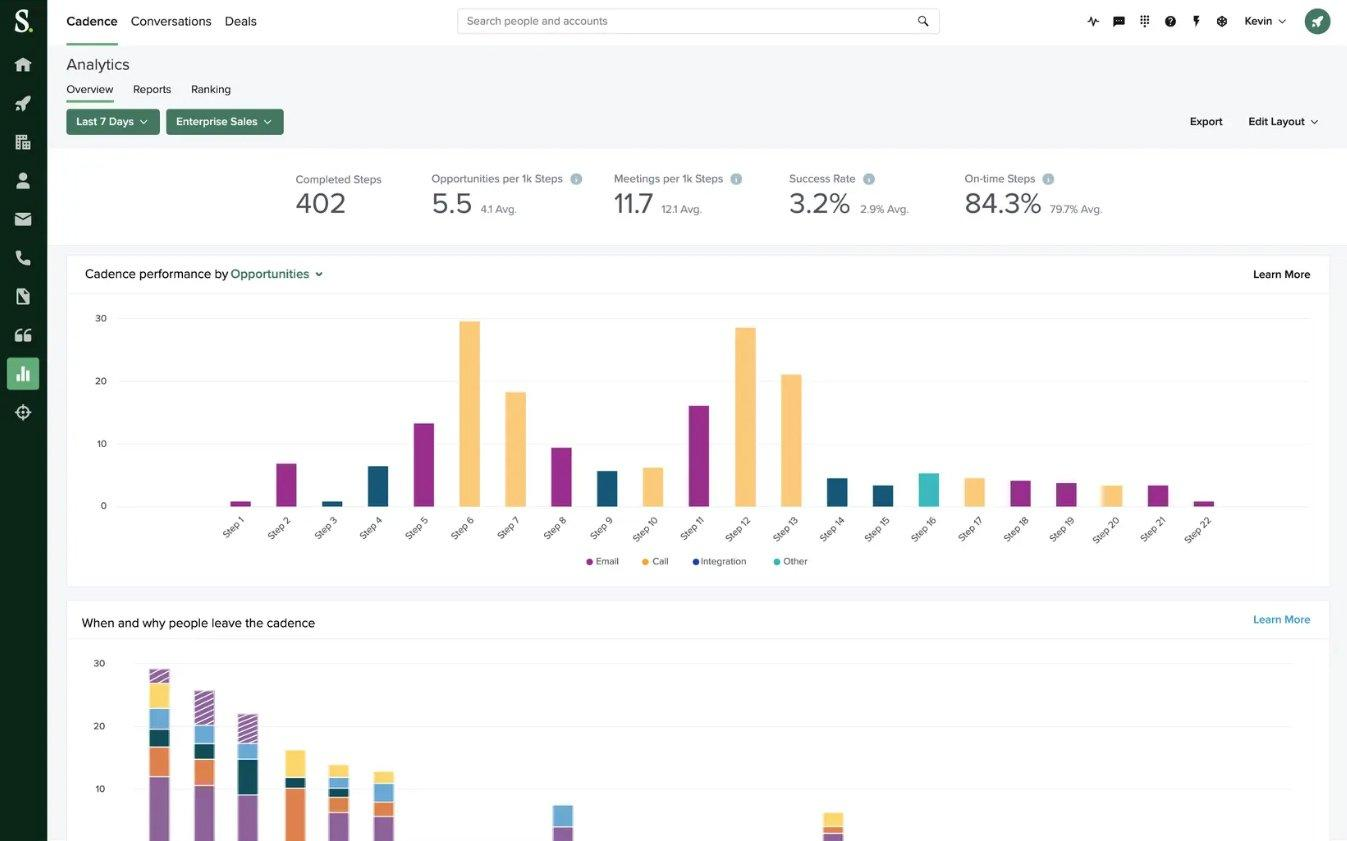
Salesloft is the AI-powered revenue orchestration platform that tells your reps exactly what to do next based on real buyer signals. It sits on top of your CRM and turns data into prioritized action so sellers stop guessing and start closing.
The platform automates multichannel cadences, analyzes every sales call, and flags at-risk deals automatically. If you need AI tools for sales team productivity that guide reps through complex deals with intelligence, not just automation, Salesloft delivers.
Key features that save time or improve output:
- Rhythm AI prioritizes daily tasks based on real-time buyer engagement like email opens and link clicks.
- Cadence management automates personalized outreach sequences across email, phone, and social media.
- AI agents handle data entry, meeting summaries, and follow-up scheduling automatically.
- Conversation intelligence records and analyzes calls to identify winning patterns and coaching moments.
- Bi-directional CRM sync logs all activities in Salesforce or Dynamics without manual updates.
- Deal management uses AI to flag at-risk opportunities and recommend next steps for pipeline health.
- Real-time analytics show team performance and campaign effectiveness for data-driven decisions.
Primary productivity use case: Acts as an intelligent execution layer that guides sellers through the buyer journey with AI-prioritized actions, ensuring every move drives revenue.
Best for: SDRs generate pipeline with automated outreach and lead qualification at scale. AEs manage complex deals and track multi-threaded conversations efficiently. Managers coach with conversation insights and monitor pipeline health. RevOps teams optimize processes and maintain data integrity across the entire revenue stack.
Pricing: Custom pricing only. Request a demo for a quote based on team size and features needed.
5. Fathom AI
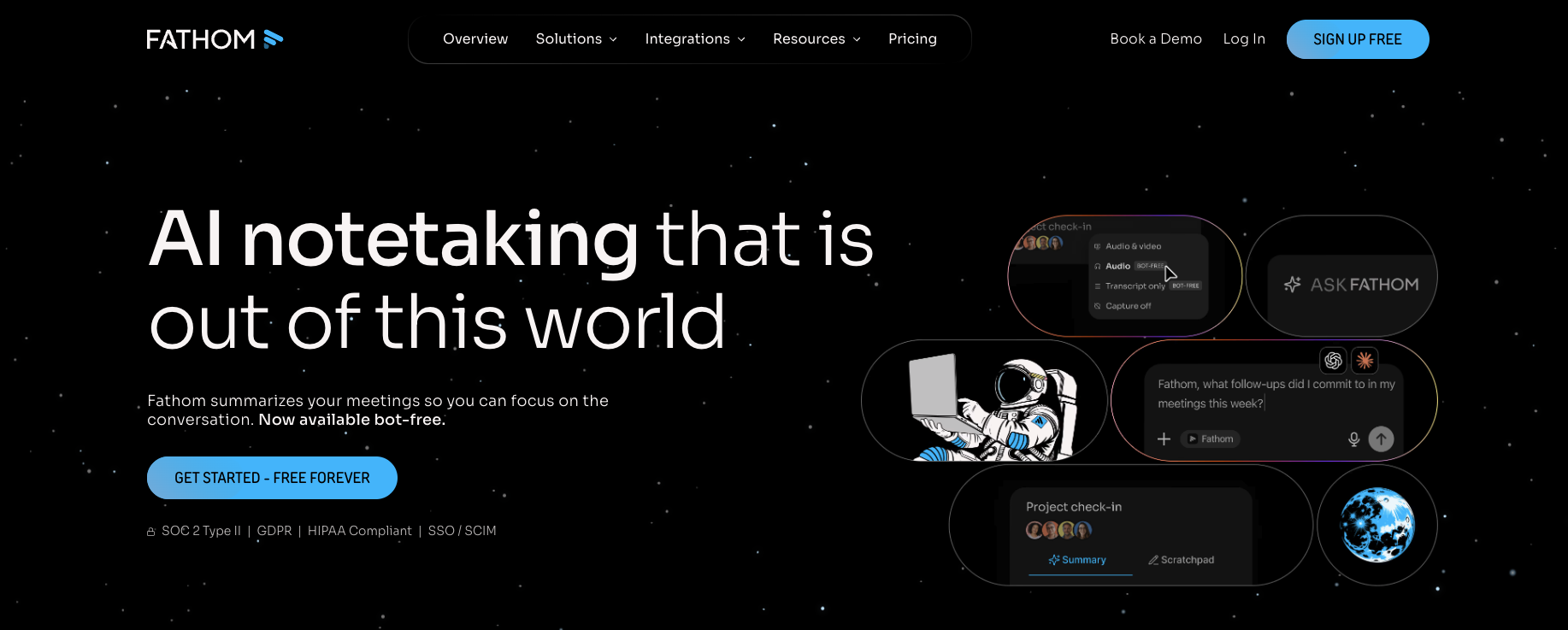
Fathom is the AI meeting intelligence tool that turns every sales call into a structured summary instead of a wall of raw transcript. It listens for context, not just words, so reps get accurate recaps, key decisions, and action items the second a call ends.
The platform maps insights like pain points, timelines, and objections straight into Salesforce or HubSpot without anyone touching a keyboard. If you want the deal visibility and coaching power of a platform like Gong without the heavy setup or price tag, Fathom delivers it with a lot less friction.
Key features that save time or improve output:
- Context-aware call summaries and action items generated automatically within minutes of a call ending, so reps stop typing notes after every conversation.
- Native integration with Zoom, Google Meet, and Microsoft Teams means no extra setup to start capturing calls.
- Automatic CRM sync maps clean insights like pain points and timelines directly into Salesforce and HubSpot without manual cleanup.
- Native Deal View gives sales leaders pipeline health visibility pulled straight from real call data.
- AI Scorecards let managers run objective, consistent coaching at scale instead of subjective spot-checks.
- Ask Fathom lets reps search past calls conversationally to pull up what a prospect said about budget or timeline without re-listening to the recording.
Primary productivity use case: Eliminates manual call notes and CRM data entry by turning every sales conversation into structured, CRM-ready insight automatically.
Best for: SDRs and AEs get call recaps and action items without writing a single note. Sales managers use Deal View and AI Scorecards to coach reps with real data instead of guesswork. RevOps teams get clean, automatic CRM updates without chasing reps for notes.
Pricing: Free plan available with unlimited recordings and transcripts. Premium at $20/user/month ($16 billed annually). Team at $19/user/month ($15 billed annually, 2-seat minimum). Business at $34/user/month ($25 billed annually), which adds the Salesforce/HubSpot CRM sync.
6. Apollo.io
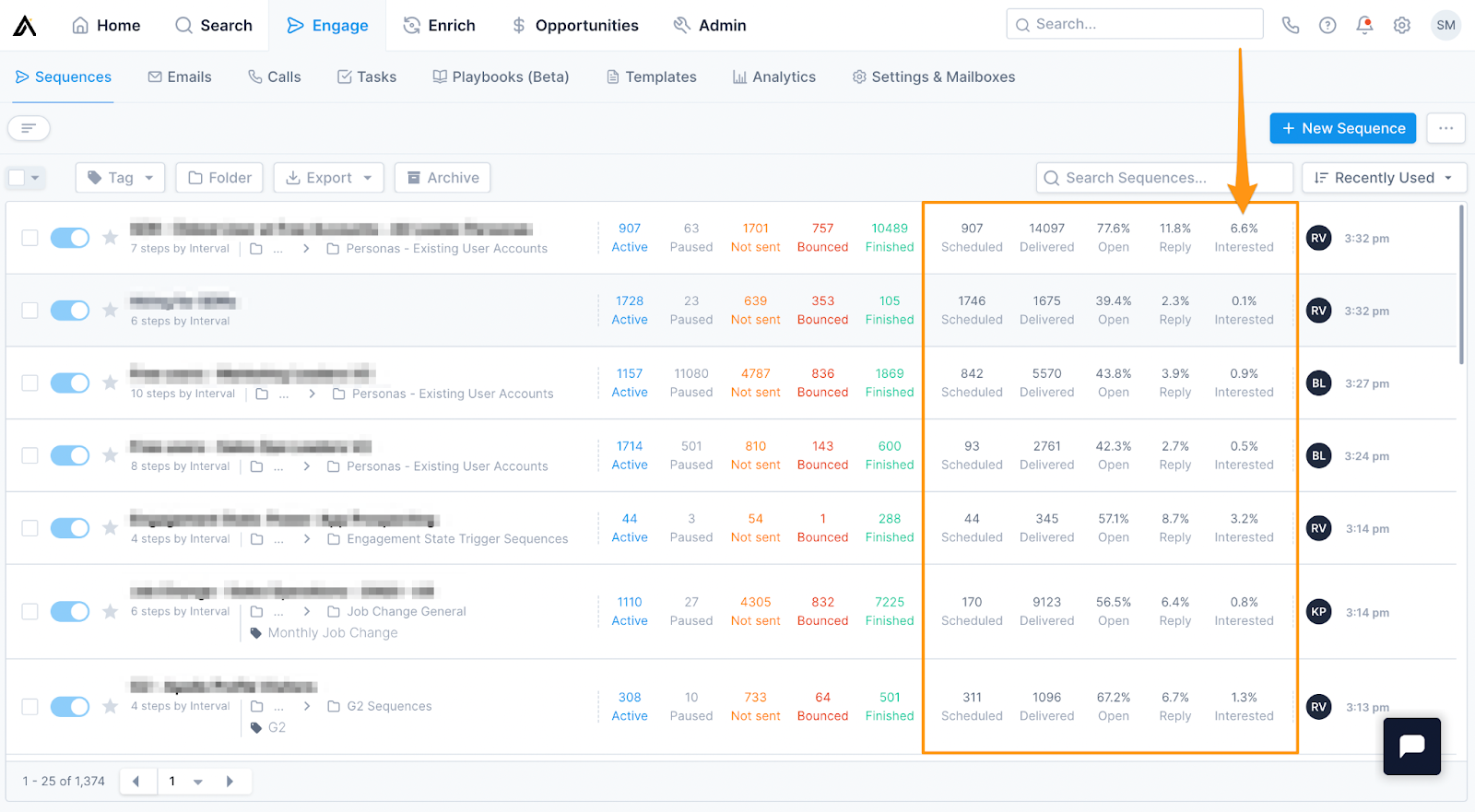
Apollo is the all-in-one sales intelligence platform that combines prospecting, outreach, and engagement in one place. It's built for teams tired of paying for separate tools for data, sequences, and calling.
With 275+ million contacts and automated multichannel sequences, Apollo lets you find leads, reach them, and track results without switching platforms. If you want best sales productivity tools that consolidate your entire outbound process, Apollo is hard to beat.
Key features that save time or improve output:
- Massive B2B database with 275M+ contacts and 65+ filters builds targeted lists in minutes.
- Automated sequences run multi-step campaigns across email, calls, and LinkedIn without manual follow-ups.
- AI writing assistant generates personalized email copy and subject lines at scale.
- Built-in dialer with conversation intelligence delivers AI call summaries and transcriptions automatically.
- Bi-directional CRM sync keeps Salesforce or HubSpot updated without data entry.
- Real-time analytics show what's working so you optimize campaigns with actual data.
- Lead scoring and intent data prioritize prospects most likely to convert.
- Chrome extension lets you add leads and access data directly from LinkedIn without tab-switching.
Primary productivity use case: Consolidates the entire outbound sales process from lead discovery to deal closure in one integrated platform, eliminating tool-switching and duplicate data entry.
Best for: SDRs streamline prospecting and book more meetings with automated outreach. AEs get deal management and meeting intelligence to close faster. Managers track performance and optimize strategies with analytics. RevOps teams consolidate tech stack and standardize processes across the revenue org.
Pricing: Free plan available with limited credits. Basic at $49/user/month, Professional at $79/user/month, Organization at $119/user/month (billed annually, 3-seat minimum for Organization).
7. Gong
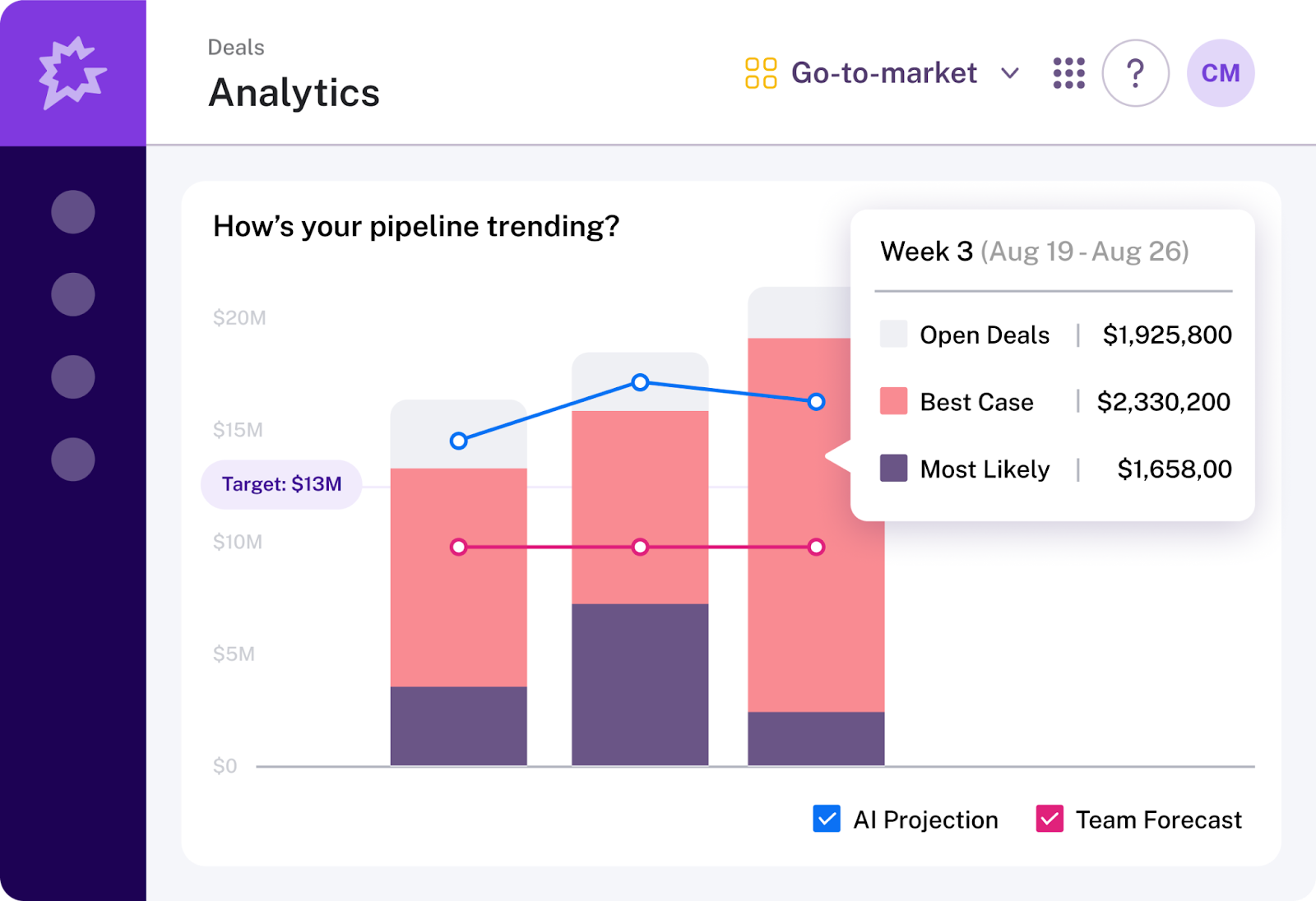
Gong is the revenue intelligence platform that turns every customer conversation into actionable data. It records, transcribes, and analyzes all your calls, emails, and meetings so your team stops relying on gut feelings and starts closing based on facts.
The platform automatically captures deal intelligence, flags risks, and coaches reps using real performance data. If you want AI tools for sales team productivity that eliminate guesswork and manual note-taking, Gong is the gold standard.
Key features that save time or improve output:
- Automated data capture logs calls, emails, and meetings without manual notes or CRM updates.
- AI-powered analysis surfaces customer sentiment, buying signals, and deal risks from every interaction.
- Real-time deal boards visualize pipeline health and flag stalled opportunities for quick action.
- Personalized coaching uses top-performer examples and data to onboard new reps faster.
- AI Tasker and Composer automate follow-up suggestions and draft contextual emails automatically.
- Accurate forecasting predicts deal outcomes based on actual conversation data, not guesses.
Primary productivity use case: Creates a single source of truth from customer interactions that eliminates manual work and drives data-backed decisions across the entire revenue team based on real buyer behavior.
Best for: SDRs and AEs get automated admin work, real-time guidance, and data-driven coaching to prioritize high-impact activities. Managers coach with conversation insights and monitor at-risk deals proactively. RevOps teams use unified analytics for strategy, process optimization, and accurate forecasting.
Pricing: Custom pricing only. Includes annual platform fee, per-user licenses, and mandatory professional services. Contact Gong sales for a quote.
8. Clari
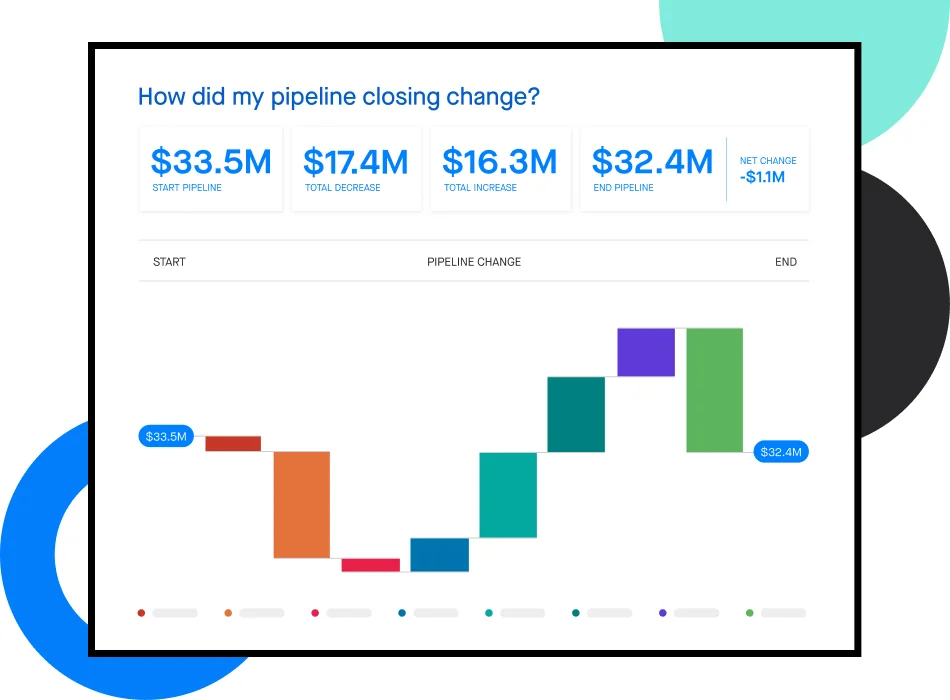
Clari is the revenue orchestration platform that unifies your entire sales process into one source of truth. It automates data capture, predicts revenue with AI, and shows you exactly where deals are stuck so nothing slips through the cracks.
The platform eliminates manual forecasting and CRM updates while giving managers real-time pipeline visibility. If you're tired of revenue leaks and manual roll-ups, Clari turns chaos into predictable growth.
Key features that save time or improve output:
- Automated data capture logs emails, calls, and meetings across all channels without manual entry.
- AI-powered forecasting delivers accurate revenue predictions without manual spreadsheet gymnastics.
- Conversation intelligence (Clari Copilot) records, transcribes, and summarizes calls with AI for efficient follow-ups.
- Pipeline inspection flags at-risk deals in real time so managers can intervene before it's too late.
- Sales engagement automation (Groove) runs multi-step sequences and includes a dialer for streamlined prospecting.
- Mutual action plans (Clari Align) create shared buyer-seller milestones that accelerate deal cycles.
- Groove Omnibar updates CRM directly from inbox or calendar without switching tools.
Primary productivity use case: Unifies the entire revenue process from prospecting to retention, eliminating manual work and revenue leak by giving all teams a shared view of pipeline health and outcomes.
Best for: RevOps teams unify data and automate processes across the revenue org. Sales managers improve forecast accuracy and coach with data-driven insights. AEs manage pipelines and prioritize high-value deals effectively. SDRs automate prospecting and track top-of-funnel metrics like meetings booked.
Pricing: Custom pricing based on modules and team size. Targeted at mid-market and enterprise organizations. Contact Clari sales for a quote.
9. Lavender
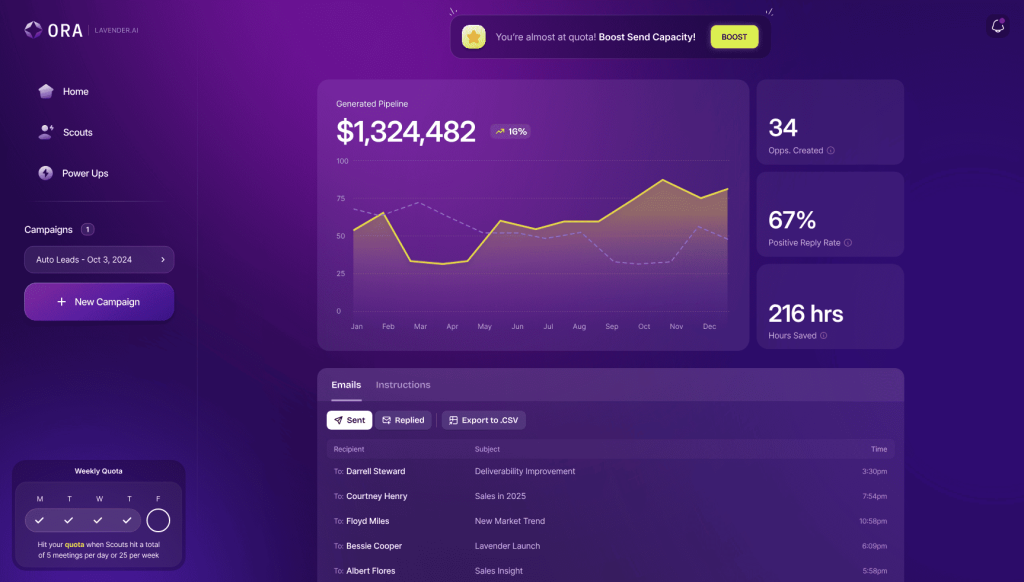
Lavender is the AI email coach that lives inside your inbox and makes sure every email you send actually gets a response. It scores your emails in real time and tells you exactly how to fix them before you hit send.
The platform pulls in prospect data automatically and optimizes for mobile readability so your outreach doesn't get ignored. If your team is sending hundreds of emails that go nowhere, Lavender turns mediocre copy into replies.
Key features that save time or improve output:
- Real-time email scoring rates effectiveness as you type with instant suggestions for improvement.
- AI email generation creates first drafts from bullet points to beat writer's block fast.
- Personalization assistant pulls prospect work history, social posts, and company news directly into your inbox.
- Mobile optimization preview ensures emails look good on phones where most prospects actually read them.
- Team coaching dashboard tracks open and reply rates so managers spot coaching opportunities instantly.
- Writing assistance analyzes sentence length, word choice, and tone to sound human instead of robotic.
Primary productivity use case: Streamlines outbound email outreach with real-time AI coaching and personalization directly in your workflow to increase reply rates and generate more pipeline.
Best for: SDRs and AEs craft better 1:1 cold emails and follow-ups to book more meetings. Sales managers use analytics and coaching dashboards to standardize best practices across the team. RevOps teams leverage performance data to optimize email strategies across the funnel.
Pricing: Free plan for 5 emails/month. Starter at $27/user/month, Individual Pro at $45/user/month, Team Plan starts at $89/user/month (all billed annually).
10. Notion
Notion is the all-in-one workspace that turns scattered sales docs, playbooks, and processes into one searchable hub. It's not a traditional CRM, but it's perfect for teams that need flexible organization without rigid software constraints.
The platform lets you build custom pipelines, automate workflows, and use AI to draft emails or summarize meetings instantly. If your team drowns in Google Docs, spreadsheets, and Slack threads, Notion consolidates everything so reps actually find what they need.
Key features that save time or improve output:
- Centralized knowledge hub puts all sales resources, battle cards, and company knowledge in one searchable place.
- Customizable sales pipelines use Kanban boards, timelines, or tables to track deals visually.
- AI-powered content generation drafts sales emails, summarizes meeting notes, and creates documents in seconds.
- Automated workflows handle repetitive admin tasks and trigger Slack notifications or follow-ups automatically.
- Collaborative workspace lets teams share pages, assign tasks, and comment in real time.
- Templates and checklists ensure consistency across proposals, onboarding, and sales processes.
Primary productivity use case: Creates a single source of truth for all sales processes and documentation that reduces context-switching and aligns cross-functional teams around shared information.
Best for: Sales managers create and maintain playbooks while tracking team progress. RevOps designs GTM strategies, manages tech stack, and ensures cross-functional alignment. SDRs and AEs access up-to-date information quickly, manage daily tasks, and draft communications with AI assistance.
Pricing: Free plan available for individuals and small teams. Plus at $10/user/month, Business at $18/user/month, Enterprise with custom pricing (all billed annually).
11. Calendly
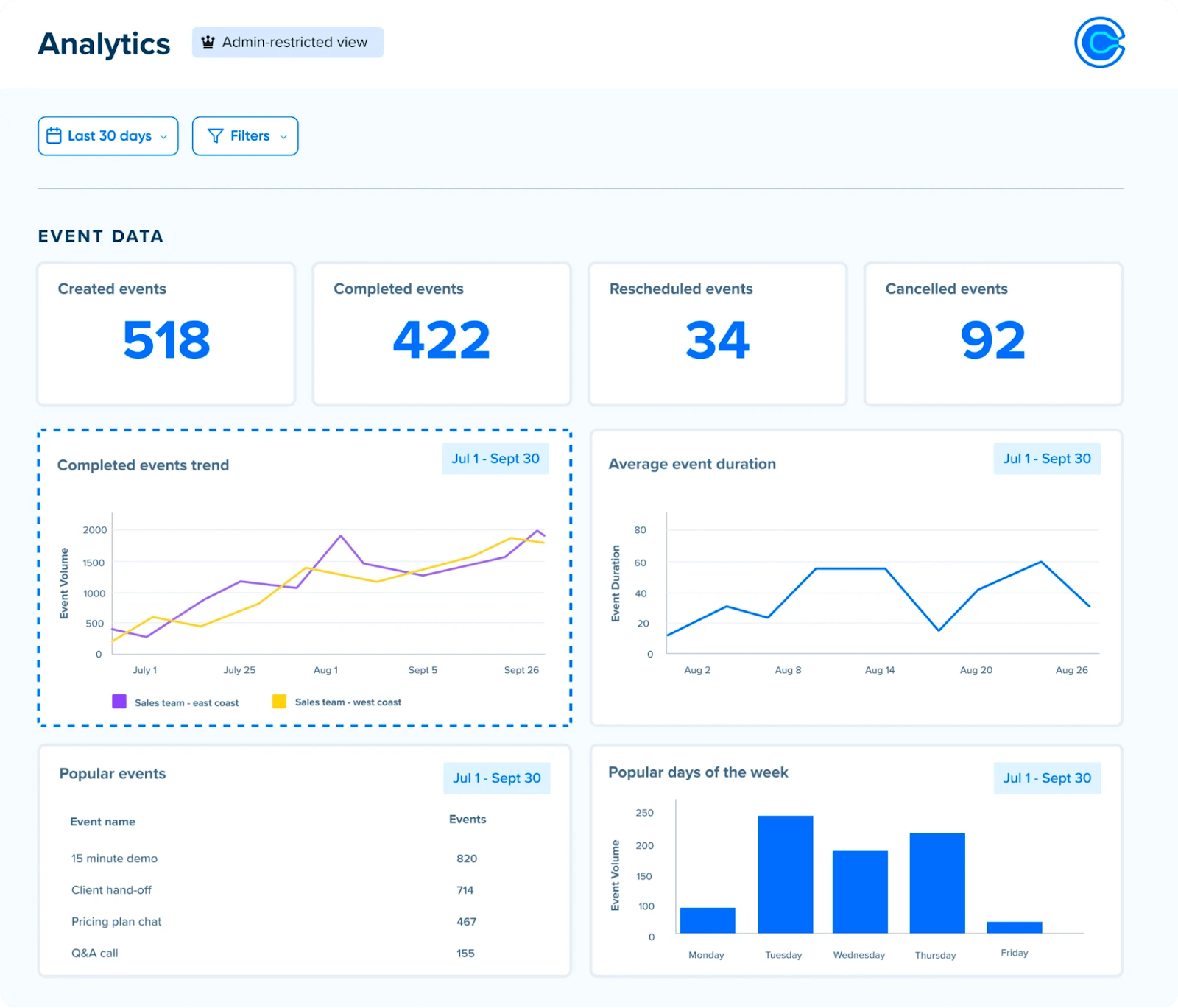
Calendly eliminates the scheduling ping-pong that wastes hours every week. It's the simple tool that lets prospects book time with you instantly without the "how about Tuesday?" email chains.
The platform syncs with your calendar, shows only available slots, and automatically logs meetings in your CRM. If your team spends more time coordinating calls than actually having them, Calendly fixes that immediately.
Key features that save time or improve output:
- Automated scheduling eliminates back-and-forth emails completely.
- Availability management checks calendars in real time and prevents double-bookings.
- Round robin assignments distribute inbound meetings evenly across team members.
- Meeting buffers insert breaks between calls to prevent burnout and allow prep time.
- CRM integration logs meetings and updates prospect records in Salesforce automatically.
- Automated follow-ups send reminders and post-meeting communications without manual effort.
Primary productivity use case: Enables instant, hassle-free meeting bookings between sales pros and prospects, shortening sales cycles and increasing meeting volume dramatically.
Best for: SDRs and AEs benefit most from eliminating scheduling friction with prospects. Managers use scheduling data and team management tools for optimization. RevOps teams leverage process automation and integration capabilities.
Pricing: Basic plan free with limited features. Standard at $10-12/user/month, Teams at $16-20/user/month, Enterprise with custom pricing (all with annual vs monthly billing options).
Inbound Meeting Routing and Qualification Tools
Calendly and its competitors solve one problem: your rep sends a link, the prospect picks a time. That's outbound scheduling, and it works fine when your reps are the ones initiating.
Inbound is a different animal. A prospect fills out a form on your site, and now someone has to figure out who that lead belongs to, whether it's even worth a rep's time, and how fast someone can get on their calendar before they book a demo with a competitor instead.
The data on this is blunt. B2B lead response times average around 47 hours across recent studies, while the conversion-optimal window is under 5 minutes. Tools like Chili Piper, RevenueHero, and HubSpot's routing workflows exist specifically to close that gap by qualifying and assigning the second a form gets submitted, not whenever a rep happens to check their inbox.
Key features that save time or improve output:
- Instant lead-to-rep matching assigns inbound leads by territory, company size, or industry the moment a form is submitted, instead of sitting in a shared inbox waiting for someone to claim them.
- Built-in qualification logic filters out bad-fit leads before they ever hit a rep's calendar, so reps stop taking calls with prospects who were never going to buy.
- SDR-to-AE handoff automation passes a qualified lead straight to the right AE's calendar with context attached, cutting out the manual Slack message or CRM reassignment that usually causes a delay.
- Calendar and CRM sync keeps routing rules current as territories or headcount change, so leads don't get stuck routing to a rep who left the team three weeks ago.
Primary productivity use case: Removes the manual triage step between "lead submitted a form" and "qualified rep is on a call with them," which is usually where inbound speed dies.
Best for: SDRs stop manually qualifying and reassigning inbound form fills. AEs get warmer meetings on their calendar without doing the routing legwork themselves. Managers get visibility into how fast inbound leads are actually getting worked. RevOps teams maintain routing logic centrally instead of it living in someone's head.
Pricing: Most inbound routing tools run in the $15 to $50/user/month range depending on qualification complexity, with enterprise tiers priced by lead volume.
When it's worth adding beyond a basic scheduler: if your team is fielding fewer than 20 inbound form fills a month, a Calendly-style scheduler with basic round robin is probably enough. Once inbound volume climbs past that, or once you're routing across multiple territories, product lines, or a mixed SDR/AE structure, the manual reassignment tax starts costing more in lost speed than the tool costs in licenses.
Closing-Stage Tools: Proposals, Quotes, and E-Signatures
Here's an uncomfortable truth about the closing stage: it's where a lot of well-run pipelines quietly stall out, even after prospecting, discovery, and demos all went fine.
Research from Harvard Business Review found that 40% to 60% of B2B deals end in no decision, not lost to a competitor, just stuck. RAIN Group's data puts the average win rate at 47% once a deal actually reaches the proposal stage. Translation: getting to "yes, let's do this" verbally is not the same as getting the deal closed. The tools in this category exist because that gap is real and it's expensive.
Proposal software that tracks buyer engagement in real time
Tools like PandaDoc, Proposify, and Qwilr let you see when a prospect opens your proposal, how long they spend on the pricing page versus the case studies, and which sections get forwarded to other stakeholders. That visibility matters because it tells your rep exactly when to follow up and what objection to get ahead of, instead of guessing.
Quoting and CPQ tools for configurable or recurring pricing
If your pricing has any complexity to it, tiered plans, add-ons, usage-based components, multi-year terms, manual quoting turns into a bottleneck fast. CPQ platforms like Salesforce CPQ and DealHub apply your pricing rules automatically, so reps generate accurate quotes in minutes instead of routing every non-standard deal through finance for approval.
Built-in e-signature vs. standalone signing tools
DocuSign remains the standalone standard, but most modern proposal and CPQ platforms now bundle e-signature directly into the same document. The tradeoff is simple: a standalone tool like DocuSign is often more familiar to enterprise legal and procurement teams, while a built-in signature feature keeps the whole close, proposal, quote, and signature, inside one system with one audit trail.
Key features that save time or improve output:
- Real-time engagement tracking flags exactly when a prospect opens, views, or forwards a proposal, so follow-up timing stops being a guess.
- Configurable pricing rules generate accurate quotes for complex or recurring deals without manual math or a finance approval loop for every non-standard configuration.
- Native e-signature closes the loop in the same document a prospect already reviewed, cutting out the print, sign, scan cycle that adds days to a close.
- CRM sync automatically updates deal stage the moment a document is signed, so reps aren't manually moving deals through the pipeline after the fact.
Primary productivity use case: Removes the friction that builds up right after a prospect says yes verbally but before the paperwork is actually done, which is where deals lose momentum and go quiet.
Best for: AEs get real-time signals on stalled proposals instead of finding out three weeks later that a deal went cold. RevOps teams standardize pricing and approval rules so quotes don't require manual sign-off on every deal. Sales managers get visibility into exactly which stage deals are dying at instead of a vague "it's stuck somewhere in closing."
Pricing: Proposal tools like PandaDoc and Proposify typically start around $19 to $49/user/month. CPQ platforms are usually custom-priced based on deal complexity and often start in the low hundreds per user per month for full CPQ functionality. Standalone e-signature tools like DocuSign start around $10 to $25/user/month.
Why closing-stage tools matter even after strong prospecting: it's tempting to assume that if your top-of-funnel is healthy, the rest takes care of itself. It doesn't. A rep who books meetings well and runs a clean discovery call can still lose a deal to indecision if the proposal sits unopened for two weeks and nobody notices. Closing-stage visibility isn't a nice-to-have layered on top of a good sales process. For a lot of B2B teams, it's the missing piece that turns a strong pipeline into actual closed revenue.
Sales Compensation and Pay Clarity Tools
Sales productivity conversations almost always focus on the buyer side: faster follow-ups, better proposals, cleaner CRM data. What gets skipped is the rep's own relationship with their paycheck, and that gap costs more selling time than most sales leaders realize.
Average annual turnover in sales roles sits around 35%, nearly three times the 13% average across all industries, and replacing a rep typically costs $115,000 to $150,000. A meaningful chunk of that churn is preventable.
Industry research puts commission disputes behind roughly 9% of voluntary resignations in sales roles, and Aberdeen Group data suggests reps can lose 25% to 50% of their monthly time to "shadow accounting," building a private spreadsheet just to verify what the commission system says they earned.
That's the case for tools like QuotaPath, CaptivateIQ, Spiff, and Everstage. They're not CRMs and they're not engagement platforms. They sit alongside your existing stack and give reps a real-time view of quota attainment and exactly how a deal translates into a payout.
Key features that save time or improve output:
- Real-time payout visibility shows reps exactly how a closed deal affects their earnings, instead of waiting for an end-of-month statement to find out.
- Quota attainment tracking gives reps a live view of where they stand against target, so pipeline prioritization decisions are based on real numbers, not a rough mental estimate.
- Automated commission calculation applies plan rules consistently every period, cutting down on the manual reconciliation errors that trigger disputes in the first place.
- Dispute and audit trails let RevOps resolve a pay question in minutes by pointing to the exact calculation, instead of spending hours rebuilding it from scratch.
Primary productivity use case: Cuts the time reps spend privately verifying their own pay and cuts the time RevOps spends fielding and resolving commission disputes, freeing both sides up for actual selling and actual operations work.
Best for: Reps get a real-time answer to "how much did that deal just earn me" instead of guessing until payday. RevOps and finance teams spend meaningfully less time on manual commission reconciliation and dispute resolution. Sales managers get a cleaner read on whether comp plans are actually driving the behavior they were designed for.
Pricing: Most compensation platforms in this category price per payee per month, generally in the $15 to $35 range, with enterprise plans priced based on plan complexity and payee volume.
Where this fits alongside your existing stack: compensation tools aren't a replacement for your CRM or engagement platform, and they're not competing with any of the other tools on this list. Think of them as the layer that sits underneath everything else, making sure the system reps are grinding through every day is one they actually trust to pay them correctly. A rep who doesn't trust their commission math is a rep who's mentally checked out of the deal in front of them, no matter how good your CRM or sequencing tool is.
More Tools: Best Sales Pipeline Management Software for B2B Teams
🔥 More Productivity Starts With Better Leads
Cleverly fuels your sales stack with meeting-ready leads from LinkedIn, cold email, and cold calling, so reps spend time closing, not chasing.
How AI Is Changing Sales Productivity in B2B Teams
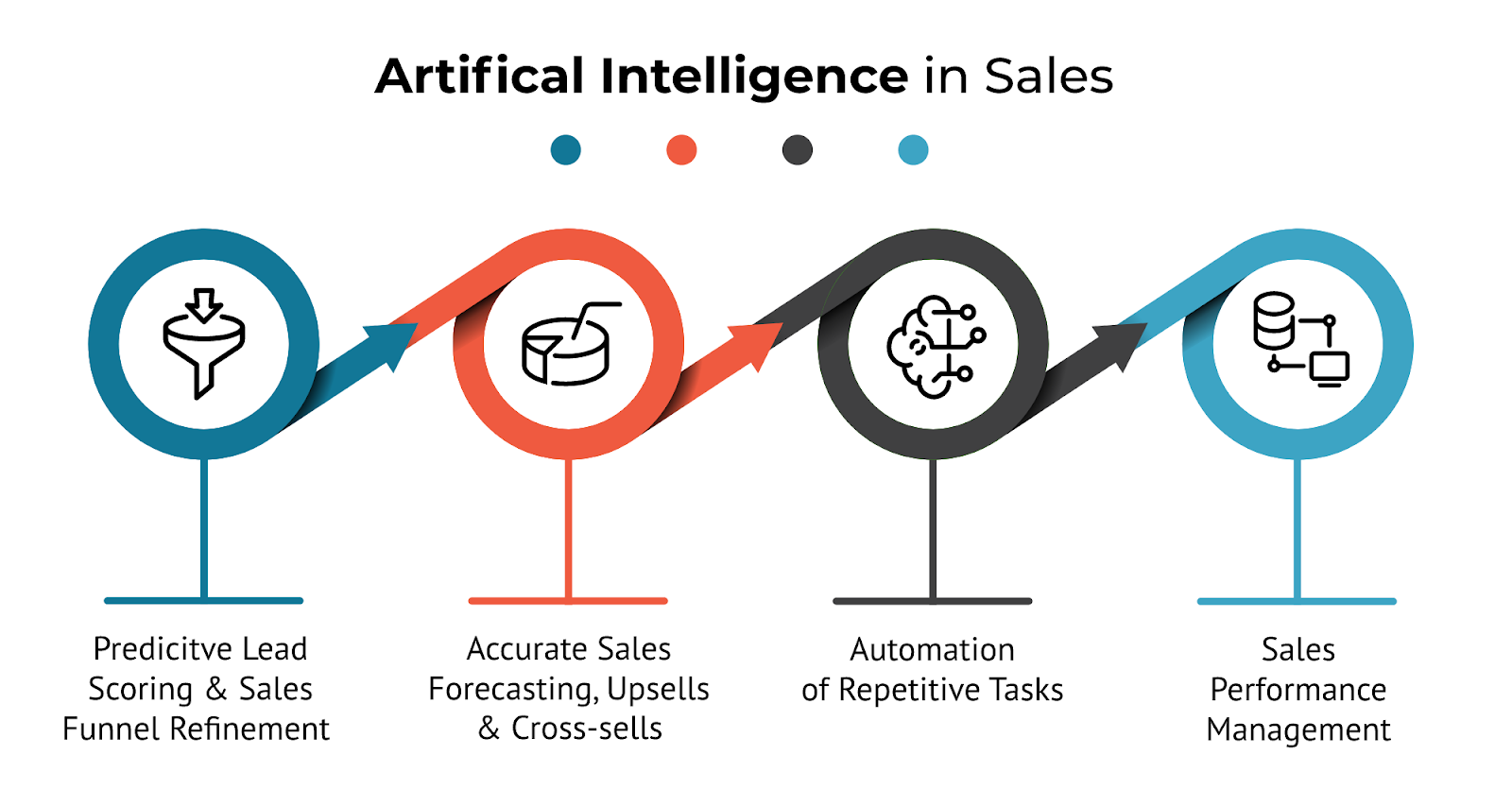
AI isn't replacing your sales team. It's just handling the stuff they shouldn't be doing in the first place.
The best AI tools for sales team productivity eliminate repetitive admin work so reps can focus on closing deals.
Where AI actually saves time:
- Email drafting and reply suggestions.
AI writes first drafts based on conversation context so reps aren't staring at blank screens. It's not perfect, but it beats spending 20 minutes crafting a follow-up. - Call summaries and insights.
AI transcribes calls, pulls out action items, and flags buying signals automatically. No more scrambling to remember what the prospect said about the budget. - Lead prioritization.
AI scores leads based on engagement and fit so reps chase hot prospects instead of cold ones. It reads the signals humans miss in the noise. - Follow-up automation.
AI triggers the right message at the right time based on prospect behavior. Opens your email three times? AI knows to escalate priority.
AI assistance vs full automation
Here's the key difference: AI assists with tasks but doesn't replace judgment. It drafts the email, but your rep personalizes it. It summarizes the call, but your AE decides the strategy.
Full automation works for scheduling and data entry. Everything else needs human oversight.
Why human-led sales still wins
Deals close because buyers trust people, not algorithms. AI handles the grunt work so your reps have time to actually sell: ask better questions, handle objections, negotiate terms, read the room.
The teams winning right now use AI tools for sales team productivity to amplify human performance, not replace it.
Explore More: How to Shorten the B2B Sales Cycle Without Discounting
How to Choose the Right Sales Productivity Tools for Your Team
Buying more tools doesn't make your team more productive. It just gives them more logins to forget.
The best AI tools for sales team productivity solve specific problems in your actual sales process. Everything else is just expensive clutter that creates more work than it eliminates.
Diagnose the actual gap before you shop
Most tool-buying decisions start backward. A manager sees a category everyone's talking about, books a demo, and buys based on the feature list. Then six months later, adoption is low and nobody can point to a number that actually moved.
Flip the order. Start with a specific, measurable question about where your process is actually breaking down, not a general category you feel like you're missing.
Write the specific productivity question first
"We need better sales productivity tools" isn't a diagnosis, it's a feeling. Compare that to something like: "why is our speed-to-lead sitting at 12 hours instead of under 5 minutes?" That's a question with a real answer, and the answer points you toward a specific fix, whether that's inbound routing automation, a staffing gap, or a broken handoff between marketing and sales.
Shortlist against that one problem, not a general category
Once you have the actual question, your shortlist gets a lot shorter. If the problem is response time, you're evaluating routing and qualification tools, not CRMs in general. If the problem is deals going quiet after the proposal goes out, you're looking at closing-stage visibility tools, not a new sequencing platform. Buying inside a vague category almost always leads to a tool that's technically impressive and practically underused.
Audit existing tools for low adoption before adding new ones
Before anything new gets purchased, check what's already sitting in your stack unused. Sales reps spend only about 28% to 30% of their time actually selling according to Salesforce's most recent State of Sales research, and a bloated, underused tech stack is one of the biggest reasons why. If half your team never opens the sequencing tool you bought last year, the fix isn't a second sequencing tool. It's figuring out why the first one didn't stick.
Tie any new tool to one measurable metric before purchase
Before you sign a contract, write down the single metric that tool needs to move, and by how much, within a defined window. Speed-to-lead under 5 minutes. Proposal-to-close time under 10 days. Quota attainment up by a specific percentage. If you can't name that metric in advance, you're not ready to buy yet, you're just shopping.
Match tools to your sales motion
Outbound teams need prospecting databases, sequence automation, and conversation intelligence. Inbound teams need meeting schedulers, lead routing, and qualification workflows. Hybrid teams need both but should prioritize tools that handle the motion generating most revenue. Don't buy enterprise sales tools if you're running high-volume transactional deals.
Avoid tool overload and context switching
Every new tool is another place your reps have to check, update, and remember passwords for. If adding a tool means reps spend more time managing software than talking to prospects, you've made things worse. Consolidate wherever possible. One platform that does three things well beats three platforms that each do one thing perfectly. Many teams solve this by consolidating workflows into simpler project management tools that reduce context switching and keep work visible in one place.
Prioritize tools that support conversations
The best productivity gains come from tools that make sales conversations better or more frequent. Call recording with AI insights, email personalization at scale, automated meeting booking. These directly impact revenue. Tools that just make reporting prettier or dashboards fancier don't move the needle.
When AI assistants actually help vs distract
AI tools for sales team productivity help when they eliminate grunt work: transcribing calls, drafting follow-ups, scoring leads.
They distract when they interrupt flow: pop-ups suggesting what to say mid-call, constant notifications about minor updates, recommendations that don't match your process. The best AI runs quietly in the background and surfaces insights when needed, not constantly.
Buy fewer tools. Use them better. Your reps will thank you.
How Cleverly Helps B2B Teams Stay Productive Without Tool Overload
The problem with most sales productivity stacks is that you buy 10 tools to make your team more efficient, and they end up spending half their day just managing the tools.
Real productivity isn't about adding more software. It's about removing the work that shouldn't exist in the first place.
That's where working with a B2B lead generation agency like Cleverly changes the game. We don't give you another platform to learn.
We handle the entire front-end of your sales process so your team can do what they're actually good at: closing deals.
We take prospecting, outreach, and qualification completely off your plate:
- LinkedIn lead generation that books qualified meetings starting at $397/month.
- Cold email service where you only pay for meeting-ready leads we deliver.
- Cold calling service with trained appointment setters using our $5M proven system, placing a no-accent SDR on your team for half the cost of hiring in-house.

While your competitors are training reps on new AI tools and troubleshooting integrations, your team is having sales conversations.
We've helped over 10,000 clients generate $312 million in pipeline working with companies like Amazon, Google, Uber, and PayPal.
The productivity multiplier isn't another tool. It's getting back the 60% of time your reps waste on prospecting and admin work.
We guarantee appointments or we replace the SDR. No setup. No learning curve. Just qualified meetings showing up on your calendar.
Ready to let your sales team actually sell?
Book a strategy call with Cleverly
Conclusion
Your sales team doesn't need more sales productivity tools. They need better systems that actually let them sell.
The tools that matter eliminate busywork, automate admin tasks, and create more time for revenue-driving conversations. Everything else is just noise. The best sales orgs we've seen don't have the biggest tech stacks. They have the cleanest workflows with tools that actually get used.
The winning formula is simple: fewer tools, smarter automation, more time talking to buyers. Stop adding software and start removing friction. Build a stack where every sales productivity tool directly contributes to closed deals, or cut it.
Productivity isn't about doing more. It's about doing what matters. Choose tools that support that, ignore everything else, and watch your numbers climb.
Frequently Asked Questions
Free Resource
How to Scale a Profitable Cold Call System
Get the complete guide — download it instantly now.
Free Ebook
Download the Free Guide
Enter your details to get instant access.
You're all set! 🎉
Your ebook is downloading now.
Click below if the download didn't start automatically.