Table of Contents
Why Companies Choose to Outsource Their SDR Function
What "Losing Momentum" Actually Looks Like During SDR Onboarding
Before You Start: What to Prepare Before the Outsourced SDR Team Onboards
The Outsourced SDR Onboarding Framework: Week by Week
How to Maintain Momentum After Launch
Common Outsourced SDR Onboarding Mistakes to Avoid
How Cleverly Onboards Your Outsourced SDR Team — Fast
Conclusion
Frequently Asked Questions
Modified On :
July 6, 2026
Key Takeaways
- Bring a written ICP definition, qualification criteria, and messaging inputs to your kickoff — the outsourced SDR team can't build or write without them.
- Week 1 is strategy, Week 2 is copy and lists, Week 3 is soft launch — don't rush to full volume before early signals validate your targeting.
- Slow copy approvals are the single biggest killer of SDR ramp time — set a 24-hour turnaround expectation on both sides from day one.
- AE alignment is non-negotiable: brief your closers before the first meeting lands, or you'll burn qualified leads on unprepared calls.
- Judge performance at 60–90 days, not week two — the first 30 days are calibration, not conversion
Signing a contract with an outsourced SDR team is the easy part. What happens in the first 30 days after that determines whether you hit pipeline milestones or spend two months waiting for the machine to start.
The mistake we see constantly: companies treat outsourcing like a software purchase. Sign, onboard, and expect results by week two. That's not how this works.
The average in-house SDR takes 3.1 to 3.2 months to ramp — and fully loaded, a single rep costs $110,000 to $160,000 per year when you account for salary, benefits, tools, management time, and training. Outsourcing sidesteps that. But it only sidesteps it if you know how to onboard your external team properly
Over 70% of B2B companies plan to expand outsourced SDR investment through 2026, and 78% report improved lead generation within the first six months. The ones in the other 22%? They handed over a vague brief, waited on copy approvals, and then blamed the agency.
This guide is for founders, sales leaders, and RevOps teams bringing on an external SDR partner for the first time — or transitioning from in-house to outsourced.
We're covering exactly how to structure onboarding, what to prepare before day one, and how to keep momentum from the first week through the first quarter.
Why Companies Choose to Outsource Their SDR Function
The math on B2B outsourced sales has shifted decisively.
Beyond the 3 to 6 months it takes for an SDR to become fully productive, there are significant upfront costs tied to recruiting, training, and management. During this ramp-up phase, SDRs often cost more than they contribute to the sales pipeline — a phenomenon known as "ramp-up loss."
An outsourced SDR team doesn't have that problem. The reps are already trained. The playbooks exist. The infrastructure — dialers, data, sequences, CRM integrations — is already built. You're not paying for a learning curve. You're buying a running start.
The cost comparison is stark. An in-house SDR typically costs $9,800 to $14,200 per month per productive rep once you include compensation, employer burden, tool stack, data, management, and enablement — with fully-loaded time to first pipeline usually 3 to 4 months after hire.
A well-run outsourced model gets outreach live in days. For many companies, outsourced models deliver 50 to 70% lower costs per meeting than in-house.
What you're actually buying with B2B outsourced sales:
- Pipeline activity from week one, not month four
- No HR overhead, no management distraction
- A team that's already made thousands of calls and knows what converts
- Scalable volume without headcount risk
- Multi-channel coverage — LinkedIn, email, cold calling — under one managed function
The catch is real though. Outsourcing only works if onboarding is tight. A disorganized handoff wastes the speed advantage entirely — and that's where most companies go wrong.
🚀 Why Spend 60 Days Onboarding When You Can Launch in 2 Weeks?
Our SDRs are trained, equipped, and ready to prospect fast. Start booking qualified meetings without the ramp-up delays.
What "Losing Momentum" Actually Looks Like During SDR Onboarding
Before we get into the framework, let's name what you're trying to avoid.
SDR ramp time with an outsourced team should be days to a couple of weeks — not months. But it can stretch to 60-plus days fast if any of these happen:
Delayed ICP definition. The team can't build verified prospect lists or write personalized copy until they know exactly who they're targeting. Title, seniority, company size, industry, geography — if this isn't nailed down in writing before kickoff, you're burning a week before a single message gets written.
Slow copy approvals. Every round of revisions adds days before the first outreach goes out. A 5-day approval cycle on a 2-week launch timeline kills momentum before it starts. We've seen campaigns launch three weeks late purely because of slow internal feedback.
No CRM integration from day one. Meetings get booked with zero visibility into how leads are being tracked, followed up, or attributed. This creates chaos — and AEs start questioning the quality of everything.
Misaligned qualification criteria. SDRs are booking meetings based on what they think qualifies. AEs are accepting meetings based on entirely different criteria. The result: meetings that get canceled, no-shows, and AEs who stop trusting the pipeline the external team is generating.
No communication rhythm. No regular check-ins means problems compound unnoticed for weeks. Small targeting or messaging issues become expensive ones.
The cumulative result of any of these: a 30-day onboarding becomes a 60-day one. A 60-day onboarding means 30 extra days of zero pipeline. At any reasonable deal size, that's a material problem.
Before You Start: What to Prepare Before the Outsourced SDR Team Onboards

Outsourced sales team onboarding success is mostly determined before the team even starts. Here's what to have ready at kickoff:
Your ICP in writing. Not "mid-market SaaS companies." We mean: specific titles (VP of Sales, Head of Revenue Operations), seniority levels, company size range, industries, geographies, and hard exclusions — companies you don't want targeted. The more specific this is, the better the list quality and copy precision from day one.
Your qualification criteria, documented. What makes a meeting "ready" for your AE? Be specific. Revenue threshold? Intent signals? Use of a particular tool? Geography? Budget confirmed? If your external team doesn't know your bar, they'll set meetings you won't accept.
Messaging inputs ready to hand over. Your core value proposition. Top two or three differentiators. The specific pain points your best customers had before they found you. Two or three short proof points or case study outcomes. Common objections you hear. This is the raw material for every sequence they write.
CRM and calendar access live. The SDR team should be able to log activity, track lead status, and book meetings directly into your AE calendars from day one. Don't let this be a week-two task — it creates a tracking gap that's painful to unwind.
Your AEs briefed internally. Tell them what's coming, what volume to expect, what meeting quality looks like in the first 30 days (calibration, not perfection), and how you want them to give feedback on booked meetings. AE buy-in from the start changes how the whole program runs.
📞 53,000+ Appointments Didn't Happen by Accident
1M+ cold calls made. $312M pipeline generated. Plug into a proven outbound system instead of building one from scratch.
The Outsourced SDR Onboarding Framework: Week by Week
Here's how a tight SDR agency transition actually runs. This is a practical timeline — not theoretical.
Week 1: ICP Deep Dive and Strategy Alignment
This is strategy week. Nothing goes out yet — and it shouldn't.
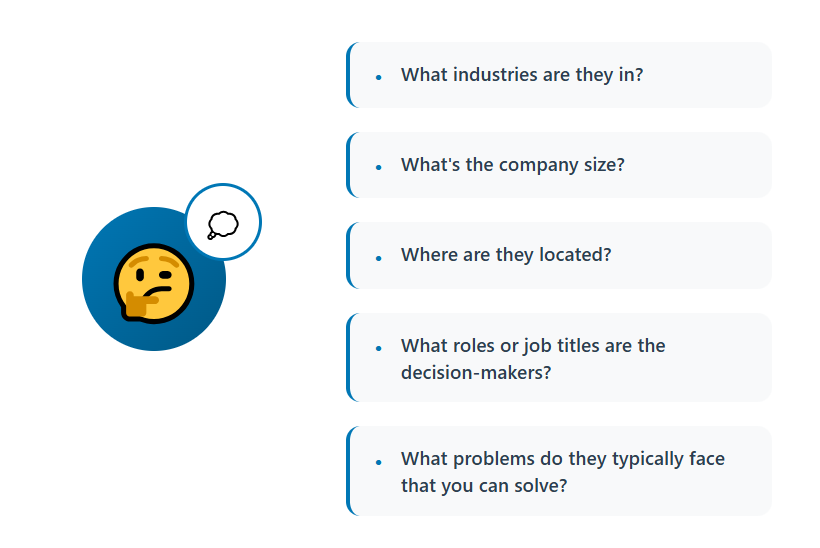
How to work with an outsourced SDR team effectively starts here: a joint ICP definition session where you work through everything together, not just hand over a brief and hope they interpret it correctly. Walk through target titles and firmographics, buying triggers that indicate someone is in-market, and your hard exclusion criteria.
Share competitive and market context. What messaging has worked in past outreach? What has completely bombed? What does your competitive landscape look like, and how do you want to be positioned against the alternatives prospects are evaluating?
Define your success metrics upfront — before a single message is written. What connection rate, reply rate, and meetings booked per month are you targeting? What does a "qualified meeting" look like to your AEs? Getting agreement on this now prevents misaligned expectations later.
Agree on your communication cadence. Who is the main point of contact on your side? How often will you review performance together? What's the approval process for copy — who signs off, and what's the turnaround expectation?
👍 Week 1 output: A signed-off ICP brief and campaign strategy document, reviewed and agreed by both sides, before any outreach begins.
Week 2: List Building, Copy Development, and Approval

Now the operational work starts.
Your SDR team builds verified, ICP-matched prospect lists. Your job this week: review a sample batch — typically 50 to 100 records — and validate targeting accuracy before the full list is built. Are these actually the right titles? The right company sizes? Are there any accounts that should be excluded? Catch this now, not after 1,000 contacts are imported.
First-draft copy comes next: connection request messages, follow-up sequences, and email copy. Review everything with your specific offer, ICP pain points, and proof points in mind. Don't just approve grammar — push back on messaging that doesn't reflect how your customers actually talk about the problems you solve.
On approval speed: move fast. Every day of revision rounds is a day without outreach. Set a 24-hour turnaround expectation on both sides. If you need stakeholder sign-off internally, loop them in before the drafts land in your inbox — not after.
Technical setup should be completed this week too. CRM integration, calendar connection, tracking and reporting access — everything should be live before launch day.
👍 Week 2 output: Approved copy and a verified target list, ready to go.
Week 3: Soft Launch and Early Signal Monitoring

This week is about sales outsourcing onboarding in practice — getting real data, not just confirming the theory.
Start with controlled send volume. Don't go straight to full capacity. A soft launch — 20 to 30% of target volume — gives you real signal on how the ICP and messaging are landing before you scale.
The metrics to watch this week aren't the ones you care about long-term. Don't obsess over meetings booked at week three. Watch connection acceptance rate (LinkedIn), reply rate, and the quality of who's replying. Are the right people engaging? Is the tone and framing landing the way you intended?
Set up a clear process for handling positive replies — and set it up before the first response comes in. Who picks up a warm reply? How fast does follow-up happen? A positive reply that goes cold because nobody responded within 24 hours is an expensive mistake.
Document everything. What's working, what's not, what prompted a question back. This feedback loop is the engine the whole program runs on.
👍 Week 3 output: A live campaign with real early data to optimize from going into week four.
Week 4: Optimization and Full Launch
This is where SDR ramp time in an outsourced model really earns its advantage.
Review week three data together. What's converting? What's flat? What needs a targeting or messaging adjustment? Are the right people accepting connection requests but not replying to follow-ups? That's a messaging issue. Are you getting replies but from the wrong titles? That's a list issue. The data tells you where to look.
A/B test where the signals point. Subject lines, opening lines, or offer angles based on early reply behavior — not random testing. Test what the data suggests is the variable.
Once early signals validate the approach, scale to full send volume. And as the first meetings start landing, make sure AEs are briefed on each one before it happens — context on the prospect, what the outreach said, what they responded to. A prep note per meeting takes two minutes and changes the quality of every call.
Week 4 output: A fully operational campaign at target volume with an active optimization rhythm and the first qualified meetings on your AE calendars.
How to Maintain Momentum After Launch
Getting to full launch is step one. Keeping it running is where most teams drop the ball.
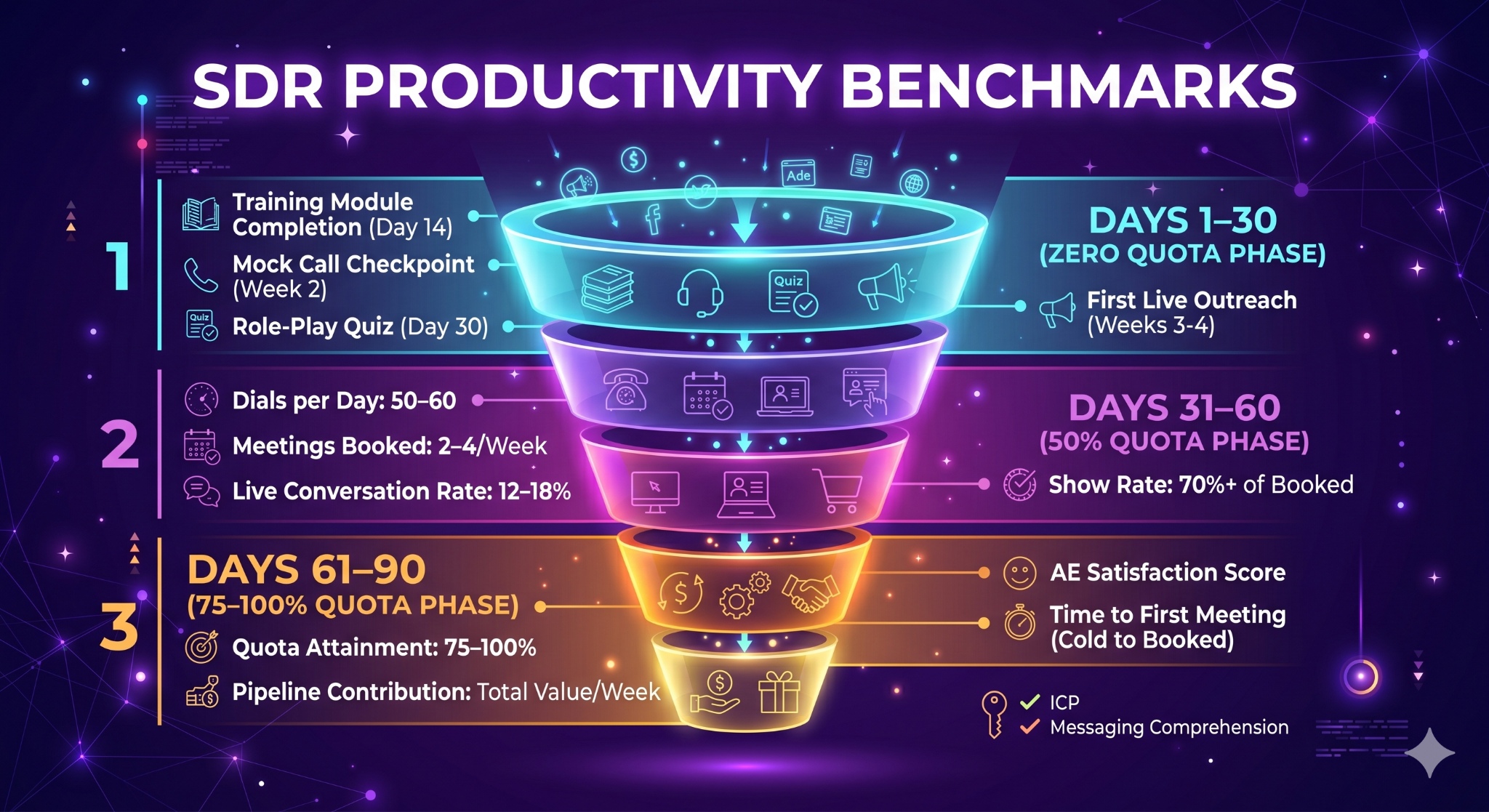
Weekly performance reviews shouldn't just be a PDF report in your inbox. Pull the numbers together — connection rate, reply rate, meetings booked, meeting show rate, qualified meeting rate — and review them with your external team on a live call. Numbers without context don't drive improvement.
Feedback from AEs back to the SDR team is critical. Were booked meetings truly qualified? What did AEs hear from prospects about what they expected from the call? What's the objection pattern? Feed this back to the SDR team regularly — it tightens qualification criteria and improves message precision over time.
Monthly copy refreshes matter. Sequences go stale. What converts in month one can plateau by month three. Update messaging based on what's actually working, what market feedback is surfacing, and any positioning shifts in your product or offer.
Ongoing list hygiene. Remove bounced contacts, refresh lists when you're targeting new segments or geographies, and monitor data quality continuously. A decaying list is a quiet pipeline killer.
The highest-performing outsourced SDR programs treat the external team exactly like an internal one. The more context they have on your product, your deals, and your customers, the better their outreach performs. Share wins. Share deal notes. Tell them what's closing and why. That context shows up directly in how they write and qualify.
Common Outsourced SDR Onboarding Mistakes to Avoid
A few patterns come up repeatedly in outsourced sales team onboarding that go wrong:
❌ Handing over a vague brief and expecting the team to figure it out
"We sell to B2B companies" is not an ICP. Specificity in targeting and messaging inputs saves weeks of iteration. The vaguer your brief, the broader your list, and the weaker your copy — three compounding problems.
❌ Slow copy approvals
If your internal review cycle runs five to seven days, you're a week into your campaign window before a single message has gone out. Set expectations with your team before kickoff. 24-hour turnaround. If someone needs to approve copy, they know it's coming.
❌ No AE alignment
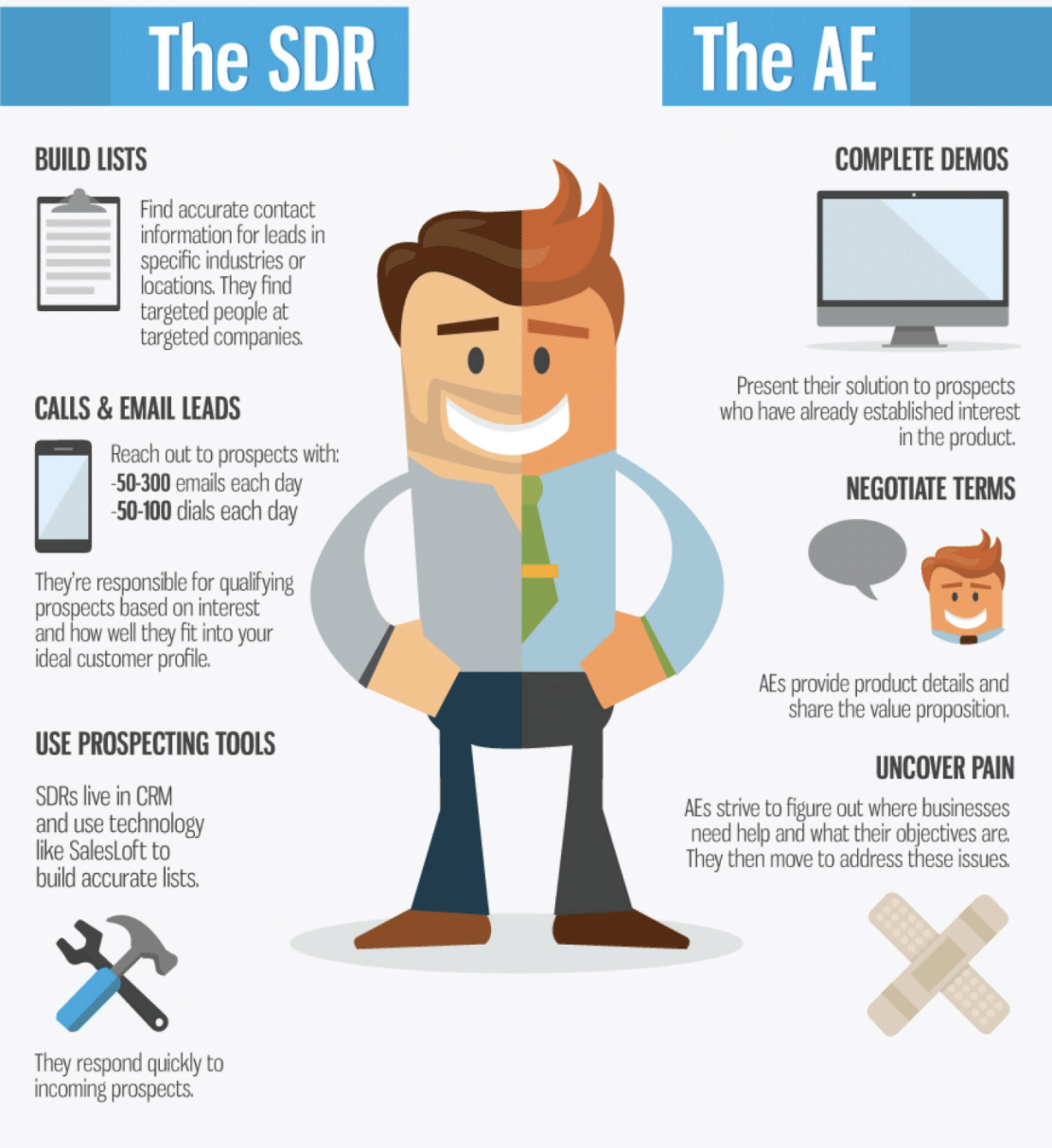
Booking meetings that your AE team doesn't trust, won't prep for, or cancels at a high rate defeats the entire program. Bring your AEs into the process early — not as a courtesy, as a requirement.
❌ Treating onboarding as a one-time event
The first 30 days are calibration. Expect iteration. The team is learning your market, your ICP's language, and how your offer lands against the competition. That takes reps.
❌ Measuring too early
Judging the program at week two sets expectations nobody can meet. Hold performance accountable at 60 to 90 days. That's a reasonable window to assess whether the targeting and messaging is generating qualified pipeline — not week two.
How Cleverly Onboards Your Outsourced SDR Team — Fast
If you want a fully managed outsourced SDR team without the coordination overhead, Cleverly handles the entire outbound function for you — across LinkedIn, cold email, and cold calling — so your pipeline doesn't wait on a new hire or a slow ramp period.
From day one, we handle ICP-matched prospect research and list building, personalized multi-channel outreach copy, campaign launch across LinkedIn, email, and cold calling, response handling and lead qualification, and meetings booked directly to your AE calendars.
A dedicated account manager and go-to-market strategist leads your kickoff, copy is built around your ICP and what's actually converting in your market right now, and campaigns go live in days — not months.
What clients stop dealing with: SDR hiring delays, expensive payroll, generic outreach, inconsistent pipeline, and guessing what's working week to week. What they get instead: a fully managed outbound function, multi-channel execution, qualified meetings with ideal-fit prospects, and predictable pipeline growth without internal overhead.
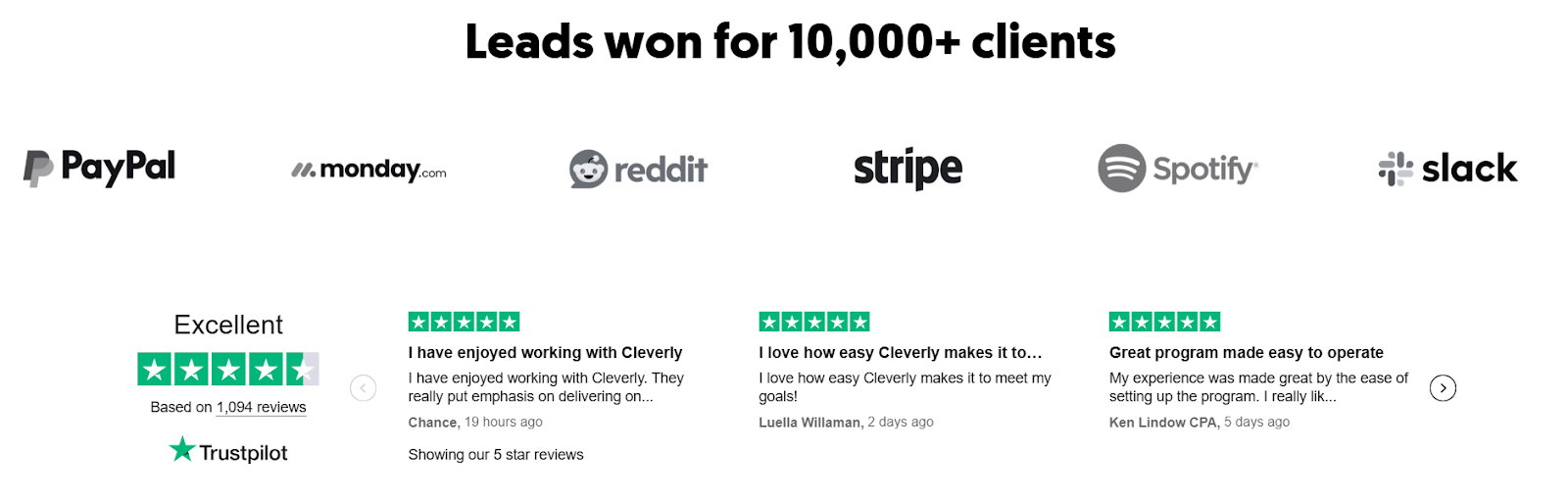
We've generated 224.7K client leads, $312M in pipeline, and $51.2M in closed revenue across 10,000+ clients — including companies like eBay, Airbnb, DocuSign, and Loom. We're rated 4.6 out of 5 on Trustpilot across 1,137+ reviews.
Your pipeline doesn't have to wait on a new SDR hire. Book a strategy call with Cleverly and launch your outbound engine in days!
Conclusion
Outsourcing your SDR function buys you speed — but only if onboarding is taken seriously. The speed advantage disappears the moment the handoff gets disorganized, ICP clarity gets skipped, or copy approvals slow to a crawl.
The companies that win with outsourced SDR teams show up prepared, review performance consistently, and treat their external team like a genuine extension of the org.
Get the first 30 days right, and the next 90 take care of themselves.
Frequently Asked Questions
Free Resource
How to Scale a Profitable Cold Call System
Get the complete guide — download it instantly now.
Free Ebook
Download the Free Guide
Enter your details to get instant access.
You're all set! 🎉
Your ebook is downloading now.
Click below if the download didn't start automatically.