Table of Contents
Why a LinkedIn Content Calendar Is Essential for Lead Generation
What Is a LinkedIn Content Calendar?
Step 1 — Define Your Content Pillars
Step 2 — Choose Your Posting Frequency and Schedule
Step 3 — Map Your Content Types to Lead Generation Goals
Step 4 — Build Your LinkedIn Content Calendar Template
Step 5 — Generate LinkedIn Content Ideas Consistently
Step 6 — Measure What's Working and Optimize
How Cleverly Combines LinkedIn Content Strategy With Done-for-You Lead Generation
Conclusion
Modified On :
October 1, 2026
Key Takeaways
- A LinkedIn content calendar turns posting from a reactive habit into a structured lead generation system — consistency is the single biggest driver of inbound results.
- Personal profiles outperform company pages by 8x on engagement — your calendar should be built around founders, executives, or subject matter experts, not brand accounts.
- The 3:2:1 content ratio (3 authority posts, 2 engagement posts, 1 conversion post per week) gives you a sustainable mix that builds trust without feeling salesy.
- Carousel and document posts drive the highest engagement among static formats (6.6% engagement rate), while text-only posts deliver the widest organic reach.
- Content and outbound outreach work better together — prospects who've seen your posts before receiving a LinkedIn message connect and reply at significantly higher rates.
LinkedIn is generating 80% of all B2B leads from social media right now. And yet, most B2B teams are leaving that pipeline on the table because their content strategy looks like this: post something when there's time, disappear for three weeks, wonder why nothing's working.
The problem isn't the platform. It's the absence of a system.
Thought leadership content positions creators as trusted experts before any commercial conversation begins. When buyers arrive, trust is already established. That's the entire case for building a LinkedIn content calendar — not as a creative exercise, but as a repeatable lead generation system.
Only 3% of LinkedIn users post more than once per week, which means content creators have a massive visibility advantage if they can just stay consistent.
This guide covers how to build a LinkedIn content calendar from scratch — which content types work, how often to post, a template you can use this week, and how to measure what's actually driving leads.
Whether you're a founder, sales leader, consultant, or B2B marketer, this is how you turn LinkedIn into a consistent inbound channel.
Why a LinkedIn Content Calendar Is Essential for Lead Generation
Random posts produce random results. That's the whole problem with how most B2B teams approach LinkedIn content.
A content calendar for LinkedIn fixes this by giving your posting schedule structure, your content purpose, and your effort direction. Without it, you're reacting. With it, you're compounding.
Personal profiles drive significantly more interactions than company pages — 2.60% engagement rate for personal profiles versus lower rates for company pages across equivalent content.
The implication is clear: founder-led content and employee advocacy aren't optional anymore. They're the primary LinkedIn channel for any B2B team serious about organic lead generation.
Here's what consistent content actually does over time:
1. It warms your outreach. Prospects who've seen your posts before receiving an outreach message are far more likely to connect and reply. Your content does the trust-building before anyone sends a single message.
2. It builds compounding reach. Each post expands your follower base. A larger, more engaged follower base means more organic impressions on the next post. The algorithm rewards accounts that show up regularly — accounts that post in bursts with long gaps lose that baseline reach quickly.
3. It drives inbound interest. A well-positioned profile with a consistent content track record attracts DMs from buyers who never received any outreach at all.
Company pages that post at least once per week see follower growth 7x faster than those posting less frequently, and weekly posting drives 2x more engagement per post.
Realistic expectation: meaningful lead generation from LinkedIn content typically takes 90 to 180 days of consistent posting. A content calendar is what makes that consistency achievable.
🚀 Content Builds Trust. Outreach Books Meetings.
The best LinkedIn strategy combines both. We handle outreach, follow-ups & booking starting at $397/mo.
What Is a LinkedIn Content Calendar?
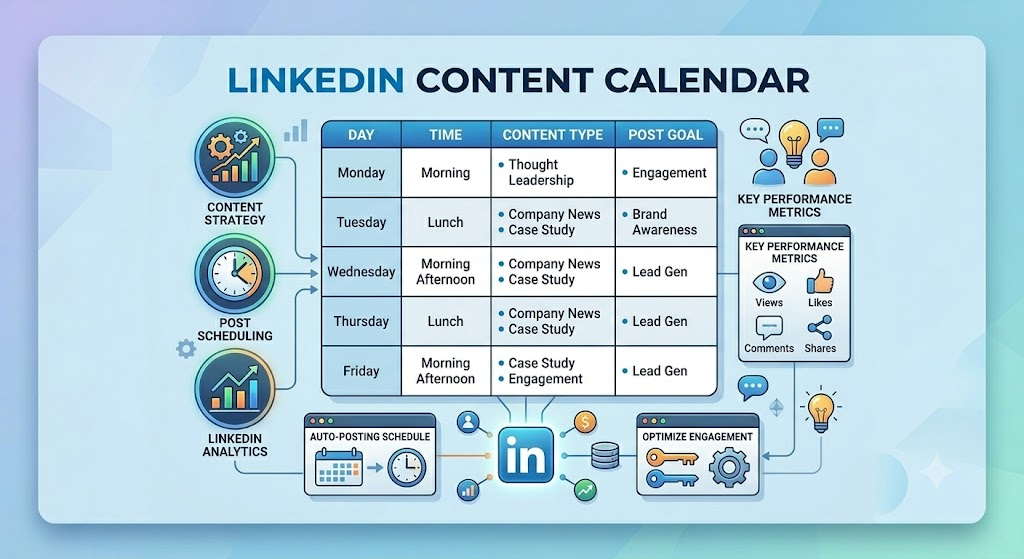
A LinkedIn content calendar is a structured plan that documents what you're posting, when you're posting it, what format it takes, and what goal it serves.
It's not a rigid script. It's a flexible framework that ensures your content serves your lead generation goals without requiring you to reinvent the wheel every week.
A functional LinkedIn content calendar includes:
- Posting schedule — which days and how often
- Content pillars — the 3 to 4 topic areas you consistently own
- Post format — text, carousel, video, article, newsletter, or poll
- Post goal — awareness, engagement, or conversion
- Draft or headline — a working title or opening line for each slot
- Status — drafted, scheduled, published, reviewed
One important distinction: in 2026, the LinkedIn algorithm heavily favors people over logos. Personal profiles generate 8x more engagement than company pages.
A calendar built around individual profiles — your founders, executives, or subject matter experts — consistently outperforms company page-only strategies. If your LinkedIn content plan is centered on the brand page, you're already working against the algorithm.
Step 1 — Define Your Content Pillars
Content pillars are the 3 to 4 topic areas you'll consistently own on LinkedIn. They signal to the algorithm what you're an authority on and signal to your audience what to expect from following you.
Choosing the wrong pillars is one of the most common mistakes. Your pillars shouldn't be what your company offers — they should be what your ICP actually wants to learn.
How to identify the right content pillars for lead generation:
Ask yourself these three questions:
- What problems is my ICP Googling at 11pm?
- What questions do prospects ask in the first five minutes of a discovery call?
- What misconceptions about my space can I correct with actual experience?
The answers are your content pillars.
Example pillars for a B2B outbound agency:
The rule of topical consistency: posting in the same subject area repeatedly signals authority to the algorithm and builds audience trust. Scattered topics produce scattered results.
Three to four pillars is the right range. Fewer than three limits variety. More than four dilutes focus and makes it harder for the algorithm — or your audience — to understand what you stand for.
💼 Posts Don’t Create Pipeline on Their Own
10,000+ clients generated leads with Cleverly. We turn LinkedIn into a predictable meeting-generation channel.
Step 2 — Choose Your Posting Frequency and Schedule
Frequency is where most content strategies fall apart. Teams start ambitious, burn out by week three, and disappear for a month. That inconsistency is worse than posting less frequently on a stable schedule.
The frequency math:
- Minimum for algorithmic consistency: 3 posts per week
- Recommended for lead generation: 4 to 5 posts per week
- Maximum before quality suffers: depends on your team, but 5 to 6 is typically the ceiling for solo creators
Best days to post on LinkedIn in 2026:
The middle of the working week — Tuesdays to Thursdays — sees the highest levels of engagement on LinkedIn. Monday and Friday are noticeably lower. Weekends are minimal for B2B audiences.
Best times to post: 7 to 9am, 12 to 1pm, and 5 to 6pm in your target audience's time zone. Morning commute, lunch, and end of workday consistently outperform mid-afternoon slots.
Sample 4-day posting schedule:
The goal is to choose a frequency you can maintain for 90 days, not a maximum you can hit for two weeks before you run dry. Start at three posts per week and increase once the habit is locked in.
Step 3 — Map Your Content Types to Lead Generation Goals
Not all LinkedIn posts serve the same purpose. A well-built linkedin content calendar uses different content types intentionally to move the same prospect through awareness, trust, and then conversion.
The simplest framework that works: 3:2:1 per week.
- 3 Authority posts — educational, insight-driven content that builds credibility with your ICP. No selling, no CTA. Just value.
- 2 Engagement posts — content designed to spark comments and conversation. Questions, polls, contrarian takes, relatable observations.
- 1 Conversion post — content with a soft CTA. A case study, lead magnet offer, booking link, or invitation to DM.
This ratio ensures you're consistently giving value before you ask for anything, which is the only sustainable way to build trust on LinkedIn at scale.
Content Types That Drive Lead Generation on LinkedIn
1. Text-only posts remain the highest organic reach format in 2026. No image required. Great for insights, opinions, and observations. Fast to produce and consistently algorithm-friendly. Long-form text posts over 1,300 characters get 18% more engagement than short posts.
2. Carousel posts (PDF documents) produce the highest engagement among static formats. Carousel and document posts achieve 6.60% engagement rate — ideal for step-by-step frameworks, checklists, and data-driven guides. High save and share rates mean they continue generating impressions days after posting.
3. Short-form video is growing in reach. Works best for personal, talking-head content that demonstrates real expertise. Authentic beats polished for B2B — a 60-second selfie video shot in your office often outperforms a produced brand video.
4. LinkedIn Articles establish deep subject matter authority. They show up in Google search and LinkedIn's internal search, making them the best content type for SEO crossover. Great for long-form takes on topics your ICP is actively searching.
5. LinkedIn Newsletter (Creator Mode only) sends email notifications to subscribers on every issue. Open rates of 30 to 50% far exceed standard email newsletters. It builds a warm, opted-in audience that reads every post — the closest thing to an owned audience LinkedIn offers.
6. LinkedIn Live and Audio Events generate real-time engagement. LinkedIn Live videos get 24x more comments and 7x more reactions than native video. Best for Q&As, roundtables, and industry conversations that attract concentrated audiences of ideal buyers.
Pro tip: Don't try to use all six formats at once. Pick two to three formats that match your strengths and your audience's preferences, then master those before expanding.
Step 4 — Build Your LinkedIn Content Calendar Template
The most functional LinkedIn content calendar template isn't complicated. Six columns in a Google Sheet or Notion page is all you need to get started:
Monthly planning rhythm: block two hours at the start of each month to plan the next four weeks. Headlines, formats, and goals only — write the actual copy weekly to keep content fresh and timely.
Weekly execution rhythm: write and schedule three to five posts every Monday morning. Spend 15 to 20 minutes per day engaging with comments and relevant content in your feed. Engagement drives algorithmic reach on your next post.
Batching content creation: write all posts for the week in one sitting. Context switching is the enemy of consistent output. Batching four to five posts takes 60 to 90 minutes versus 20 to 30 minutes per individual post spread across the week.
Scheduling tools: Buffer, Hootsuite, Taplio, and LinkedIn's native scheduler all work. Pick one and stick with it. Taplio has LinkedIn-specific features worth exploring if content is a core part of your strategy.
Sample 30-Day LinkedIn Content Calendar Structure
- Week 1 — Foundation
Introduce your perspective on a key industry topic. One engagement post. One social proof post. - Week 2 — Education
Deep-dive carousel or how-to post. One contrarian take. One newsletter issue if you're running one. - Week 3 — Authority
Share a client result or case study. One insight post. One question or poll to drive comments. - Week 4 — Conversion
Soft CTA post — lead magnet, booking link, or DM invitation. One recap or retrospective. One personal story that connects to your expertise.
Then repeat with variation. Same structure, fresh angles. Build on the posts from weeks prior that performed well.
Step 5 — Generate LinkedIn Content Ideas Consistently
Running out of ideas after the first two weeks is the most common reason LinkedIn content calendars fail. The fix isn't creativity — it's having reliable systems for generating ideas.
Five sources that never dry up:
1. Discovery call notes. The questions prospects ask and the objections they raise are ready-made post topics. Your ICP is telling you what they want to learn. Every sales call is a content brief.
2. Industry news and research. React to relevant data, studies, or trends with your own analysis and perspective. "Here's what this LinkedIn stat actually means for your outreach strategy" is more valuable than the stat alone.
3. Client wins and results. Anonymized or named — real outcomes are the most credible content you can post. Specific numbers outperform vague claims every time.
4. Commonly held beliefs you disagree with. Contrarian takes generate strong engagement and establish a distinct point of view. "How I..." posts generate 3x more saves than listicles — process transparency builds trust faster than polished brand content.
5. "How I" posts. Walk through how you actually do something in your work. What your real process looks like. What you'd do differently. What surprised you. This is the format that converts readers into followers and followers into leads.
6. Content repurposing framework: one long-form asset — a webinar, newsletter issue, or LinkedIn article — generates five to eight short-form posts. A single well-researched piece becomes a full week or more of calendar content.
Using AI for ideation: use ChatGPT or Claude to generate 20 post headline options from a single topic prompt, then edit and personalize the best five. It saves ideation time without removing your voice from the content. The ideas are the starting point — your experience and perspective are what make them worth reading.
Step 6 — Measure What's Working and Optimize
The metrics that matter for LinkedIn content lead generation are not the ones most people track.
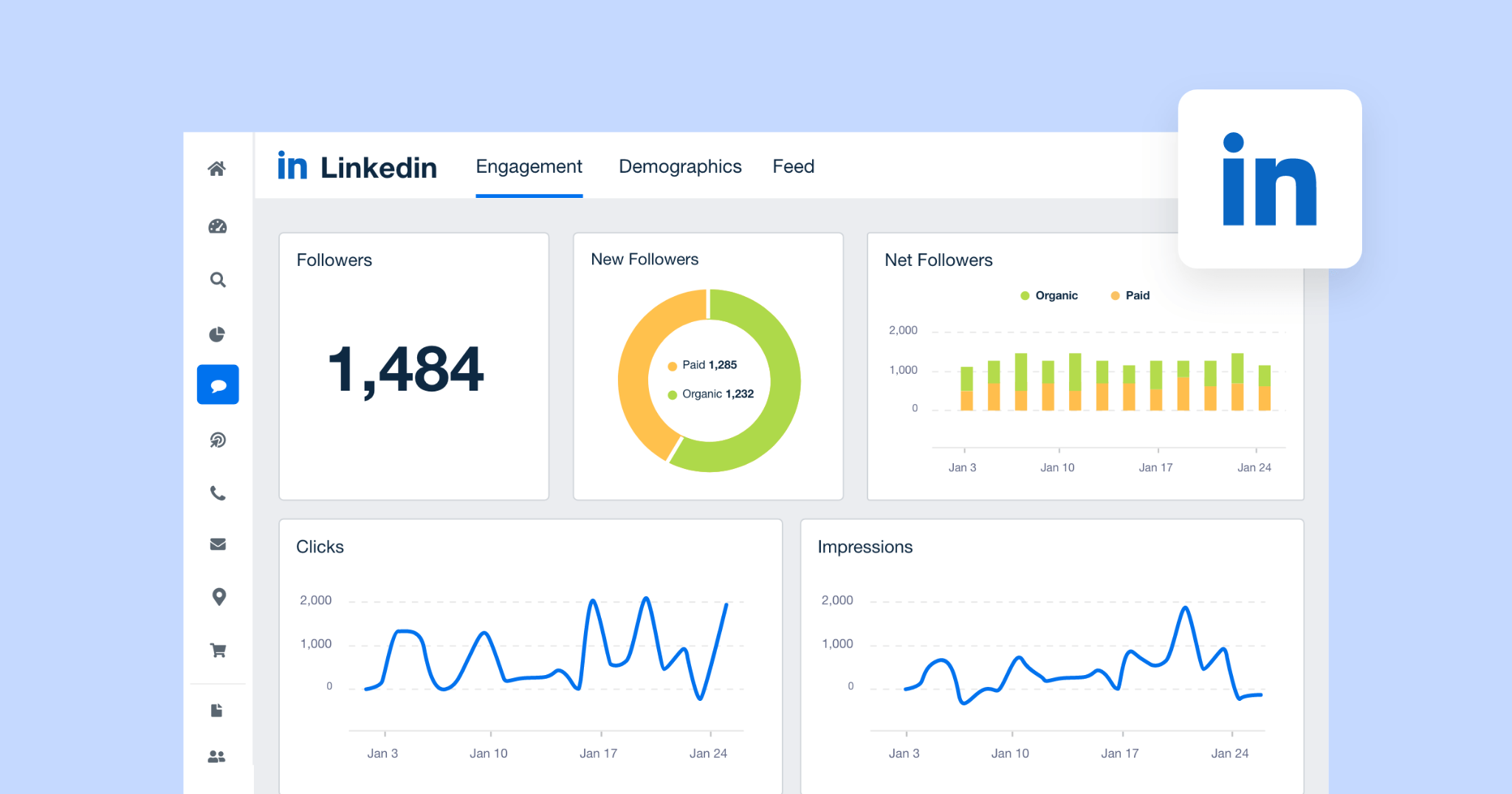
Track these:
- Profile views — are the right people finding you after seeing your posts?
- Follower growth — is your audience expanding week over week?
- Post impressions — is your content reaching beyond your immediate network?
- Engagement rate — are your ideal buyers responding, saving, and sharing?
- Inbound DMs and leads generated — is content actually converting?
Ignore this:
Total likes and reactions. They feel good. They don't correlate with pipeline.
Monthly content review process:
Identify your top two to three posts by impressions and engagement at the end of each month. Understand why they performed — was it the topic, the format, the hook, the timing? Plan more content in that direction the following month.
When to pivot:
If impressions are flat after 60 days of consistent posting, test new content formats. If engagement is consistently low, your content pillars may not align with your ICP's actual interests. Both are fixable — but you need the data to know which problem you're solving.
The 90-day milestone:
After 90 days of consistent posting on a focused LinkedIn content calendar, you should have enough data to identify your top-performing content types, your most engaged audience segments, and two to three content angles that reliably generate inbound profile visits and DMs. That's when optimization becomes more science than guesswork.
How Cleverly Combines LinkedIn Content Strategy With Done-for-You Lead Generation
A strong LinkedIn content calendar builds inbound momentum over time. But content alone typically takes three to six months to produce consistent pipeline — and most B2B teams can't afford to wait that long for results.
The most effective LinkedIn lead generation strategies in 2026 run content and outbound outreach simultaneously. Content builds awareness and warms your audience. Outreach fills your calendar now.
When both are running together, the compounding effect is real: prospects who've already seen your content before receiving an outreach message connect at higher rates and reply faster. Your content makes the outreach work harder.
This is exactly how we approach LinkedIn lead generation at Cleverly. We handle ICP-based targeting, personalized outreach sequences, and reply management — running in parallel with whatever content strategy you're building on your profile. You're generating pipeline from two directions at once, not betting everything on one channel.
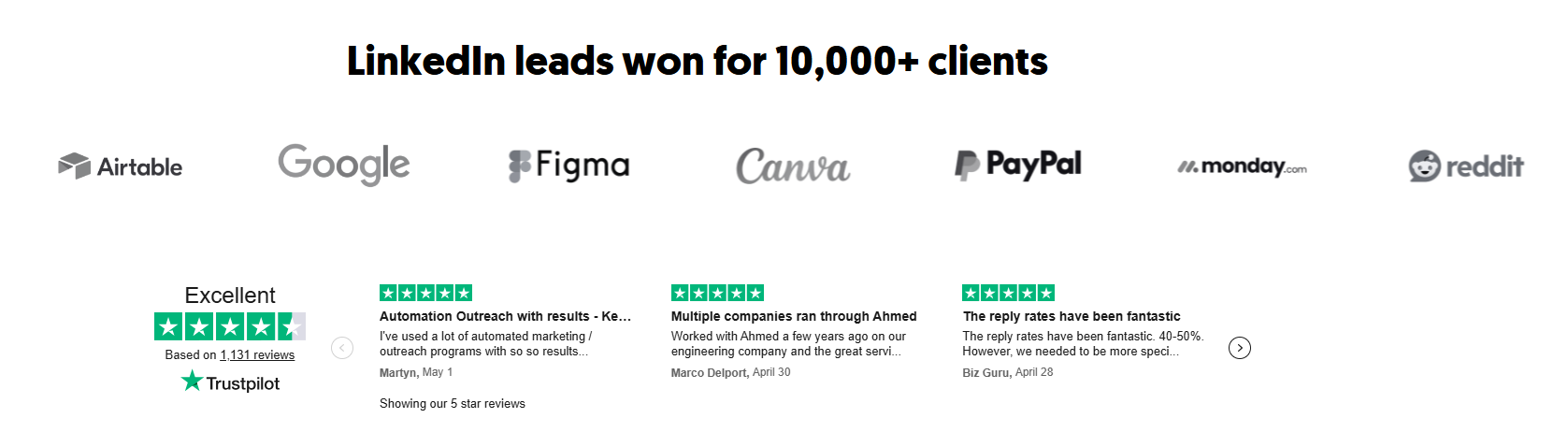
We've helped 10,000+ B2B clients generate qualified pipeline through LinkedIn, working with teams at companies like Amazon, Google, Uber, PayPal, Slack, and Spotify.
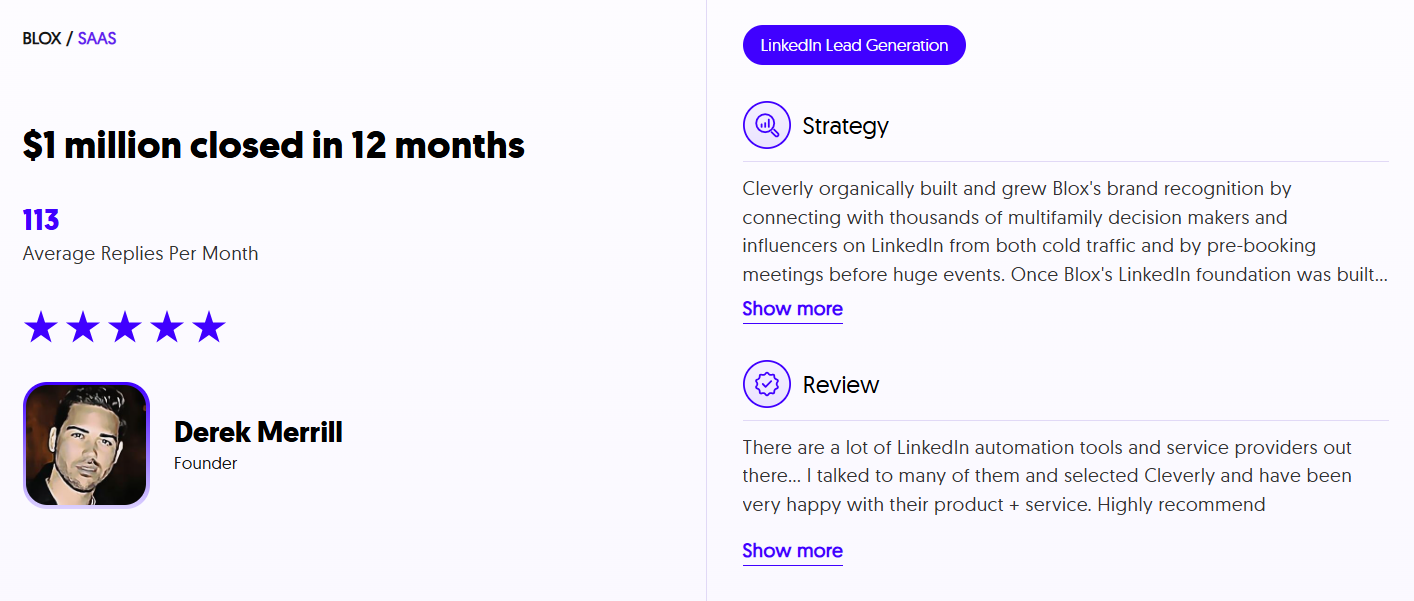
Our LinkedIn lead generation service is fully managed from targeting to meetings booked, starting at just $397/month — no long-term contracts, month-to-month pricing.
Want LinkedIn working for you on content and outbound simultaneously? Book a free strategy call with Cleverly and we'll show you exactly how we'd build that for your market.
Conclusion
A LinkedIn content calendar is not a creative project. It's a lead generation infrastructure decision. The teams generating the most inbound pipeline from LinkedIn right now are not the ones with the biggest budgets or the most polished content — they're the ones who showed up consistently for 90 days with a clear focus on who they're serving and what those people want to learn.
The formula is simpler than most people make it: define three to four content pillars, post four to five times per week using the 3:2:1 content ratio, batch your writing, track the metrics that actually tie to pipeline, and optimize monthly. Build the calendar this week, start posting this week, and review in 30 days. The data will tell you exactly what to do next.
Frequently Asked Questions
Free Resource
How to Scale a Profitable Cold Call System
Get the complete guide — download it instantly now.
Free Ebook
Download the Free Guide
Enter your details to get instant access.
You're all set! 🎉
Your ebook is downloading now.
Click below if the download didn't start automatically.