Table of Contents
What Customer Engagement Software Actually Does
What to Evaluate Before Choosing a Platform
Quick Comparison of B2B Engagement Platforms
10 Best Customer Engagement Platforms for B2B in 2026
Pricing Realities In This Category
How to Choose the Right Platform for Your Team
What Engagement Platforms Cannot Do for You
How Cleverly Helps on the Acquisition Side
Conclusion
Frequently Asked Questions
Modified On :
October 21, 2026
Key Takeaways
- Pick the platform based on the problem you are solving. Churn, onboarding, expansion, and support each point to different tools.
- Health scoring is only as good as the data feeding it. Native CRM sync and real product usage ingestion matter more than a long feature list.
- Judge a platform by what your team will actually run every week, not by the demo.
- Budget for the total cost over three years: license, implementation, integrations, and the internal time to own it.
- Retention tooling and acquisition are separate problems. A great engagement platform cannot fix a thin pipeline.
B2B retention is won between purchases, not at renewal. A 2025 Benchmarkit survey found that B2B software companies spend a median of $2.00 in sales and marketing for every $1 of new-customer revenue, against $1.00 for expansion revenue.
Bain’s widely cited research says a 5% lift in retention can raise profits by 25% to 95%. That is the case for customer engagement software.
The category itself is a mess, though. Vendors from five different software types all call themselves a customer engagement platform, so comparing them is harder than it should be.
In this guide, the term means software that tracks and manages ongoing communication and relationship health with customers you already have.
We cover what the category is, what to evaluate, the ten platforms, pricing realities, and how to choose.

What Customer Engagement Software Actually Does
Defining the category properly is half the battle, so we will do it first.
A customer engagement platform is software that tracks, manages, and automates ongoing communication and relationship health with existing customers. It tells you which accounts are healthy, which are drifting, and what your team should do about it.
The capabilities that define it:
- Customer health scoring based on usage, support, billing, and relationship signals.
- Lifecycle and usage tracking from onboarding through renewal.
- Multichannel messaging across email, in-app, and sometimes chat.
- In-app engagement such as guides, announcements, and surveys.
- Playbooks that turn signals into repeatable CS actions.
- Renewal and expansion signals so nothing surprises you 90 days out.
How It Differs From Tools You Already Own
The Honest Overlap
Several platforms genuinely span two or more of these categories. HubSpot is a CRM with service and marketing tools. Intercom started as messaging and now leans into support. Braze is lifecycle messaging that some B2B teams adapt for engagement. That overlap is exactly why the category is confusing.
What Is Out of Scope Here
We left out pure helpdesks, standalone email tools, and customer acquisition platforms. Every tool on this list either manages existing-customer relationships directly or covers enough of that job to compete for the same budget.
🎯 Engage Better. Fill Your Pipeline.
Customer engagement starts with reaching the right people. Cleverly runs targeted LinkedIn, cold email, and cold calling campaigns to start more B2B conversations.
What to Evaluate Before Choosing a Platform
Before you book a single demo, get clear on what separates a good customer engagement management software setup from an expensive dashboard nobody opens.
Your Data Foundation
- CRM integration depth. This decides whether the data is trustworthy. Shallow, one-way syncs create duplicate records and arguments about which number is right.
- Product usage data ingestion. Usage is what makes health scoring meaningful instead of a guess. Ask exactly how usage data gets in, how often it refreshes, and who builds the pipeline.
How the Platform Acts on That Data
- Health scoring model. Check whether you can configure it to your own definition of risk. A fixed model built for someone else’s business will mislead you.
- Channel coverage. Look at in-app, email, and chat. Ask whether multichannel is native or bolted on through a third party.
- Playbooks and automation. You need repeatable CS motions, like a risk alert that creates a task, triggers an email, and notifies the account owner.
- Reporting. Leadership should be able to read retention and expansion reports without a CS ops translator.
The Practical Reality
- Implementation time. Find out if you need an external partner. Some platforms go live in weeks. Others take a quarter.
- Pricing model. Seat-based, contact-based, and quote-based pricing scale very differently. We break these down below.
- Ownership. Decide who will own and operate it. Unowned platforms decay fast.
Pro tip: If you cannot name the person who will own the platform on day one, pause the evaluation. A cheaper tool with an owner beats a better tool without one.
Quick Comparison of B2B Engagement Platforms
This table is the fastest way to narrow the field. It covers pricing models and reported entry points, plus how each tool handles health scoring and omnichannel customer engagement software capabilities like in-app, email, and chat.
🚀 Your Next Customer Is One Conversation Away
Let Cleverly find your ideal buyers and start the conversations that lead to qualified meetings.
10 Best Customer Engagement Platforms for B2B in 2026
1) Gainsight
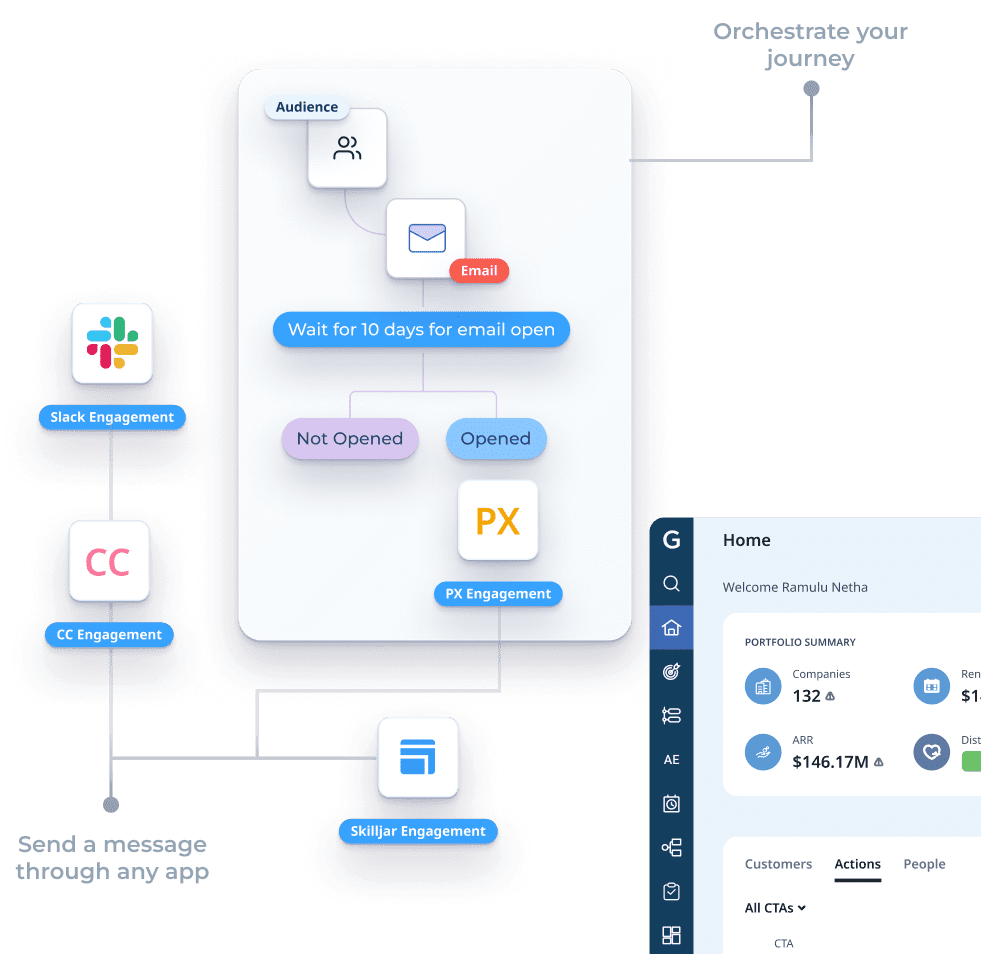
Gainsight is the platform other customer success tools get measured against. It is built for large CS teams managing complex account structures, multiple products, and heavy reporting needs. It also sells adjacent products for in-app engagement, communities, and customer education, which helps if you want a single vendor.
- Best for: Enterprise customer success teams with complex account structures.
- Standout: Mature health scoring, playbooks, and the strongest Salesforce-native footprint in the category.
- Pricing: Quote only. Buyer data sources put median annual contracts near $50K, with enterprise deals running well above that.
- Limitation: Cost and implementation effort put it out of reach for smaller teams.
2) ChurnZero
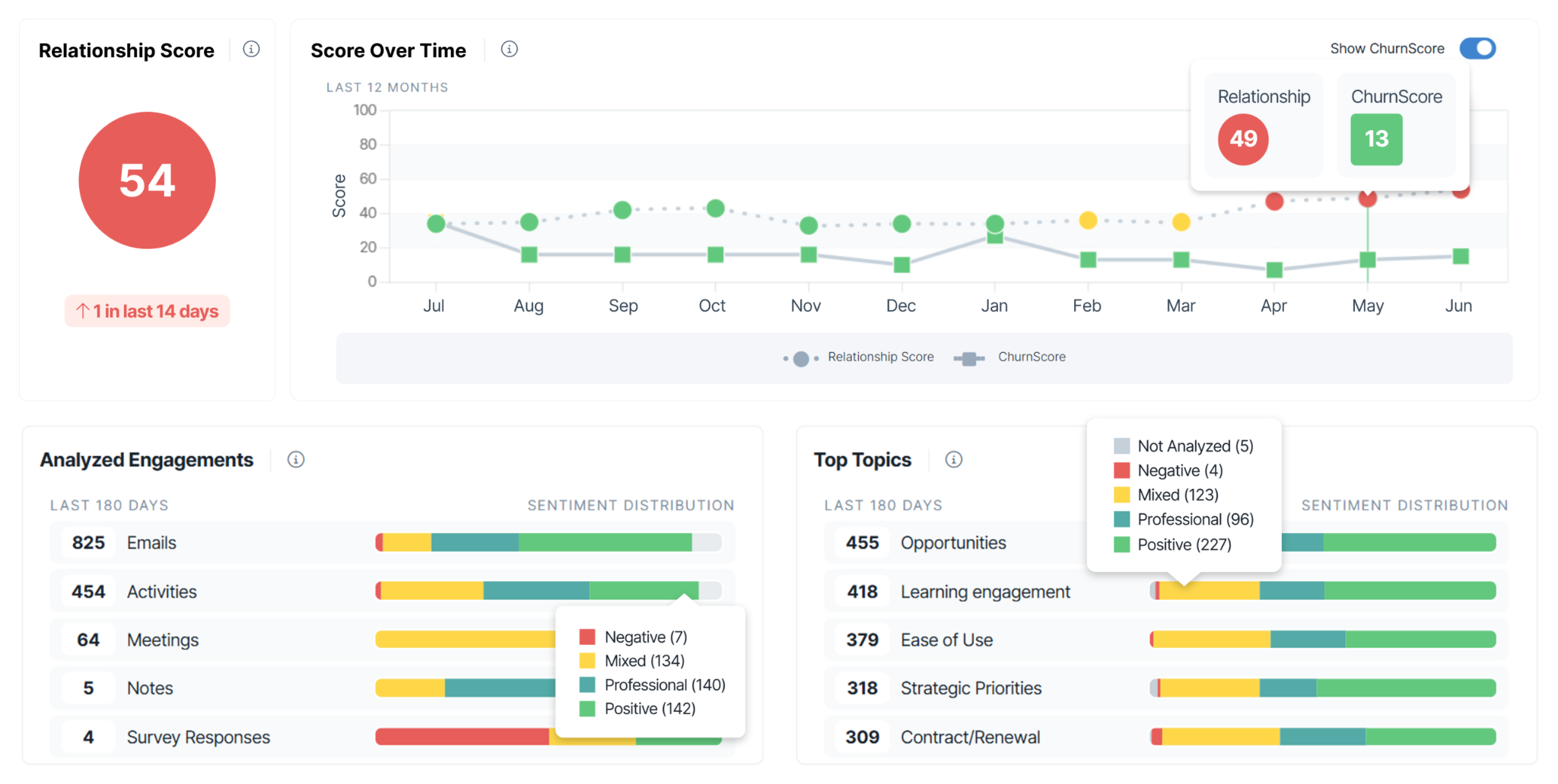
ChurnZero is built around one job: keeping customers from leaving. It combines health scores, real-time alerts, and CS workflows so your team sees risk early and acts on it. It suits teams that want a focused churn tool instead of a sprawling suite.
- Best for: Teams whose primary goal is churn prevention.
- Standout: Renewal and risk alerting, plus strong CS-specific workflows.
- Pricing: Quote based. Vendr-based buyer data shows annual deals from roughly $19K to $114K, with a median around $40K.
- Limitation: Narrower than broader engagement platforms.
3) Planhat
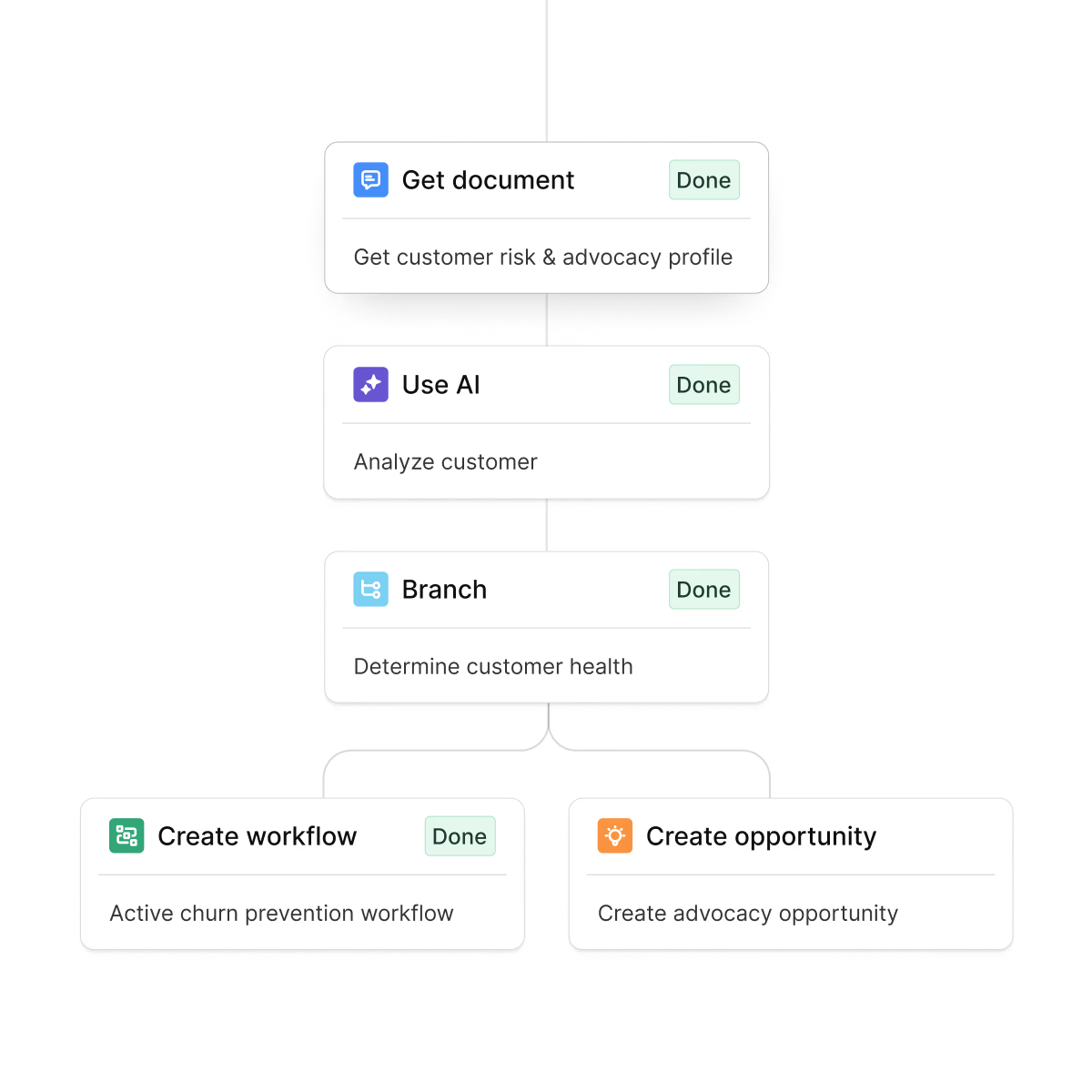
Planhat positions itself as a customer platform that spans CS, CRM, and professional services workflows. Its draw is a configurable data model, so you can shape the system around how your business sells and supports, instead of the other way around. Reporting is clean, which helps when leadership wants answers fast.
- Best for: Mid-market and upper mid-market CS teams wanting flexibility.
- Standout: Configurable data model and clean reporting.
- Pricing: Quote based. Third-party sources report entry from about $1,150 per month, with enterprise deals higher.
- Limitation: Requires configuration effort to get value.
4) Vitally
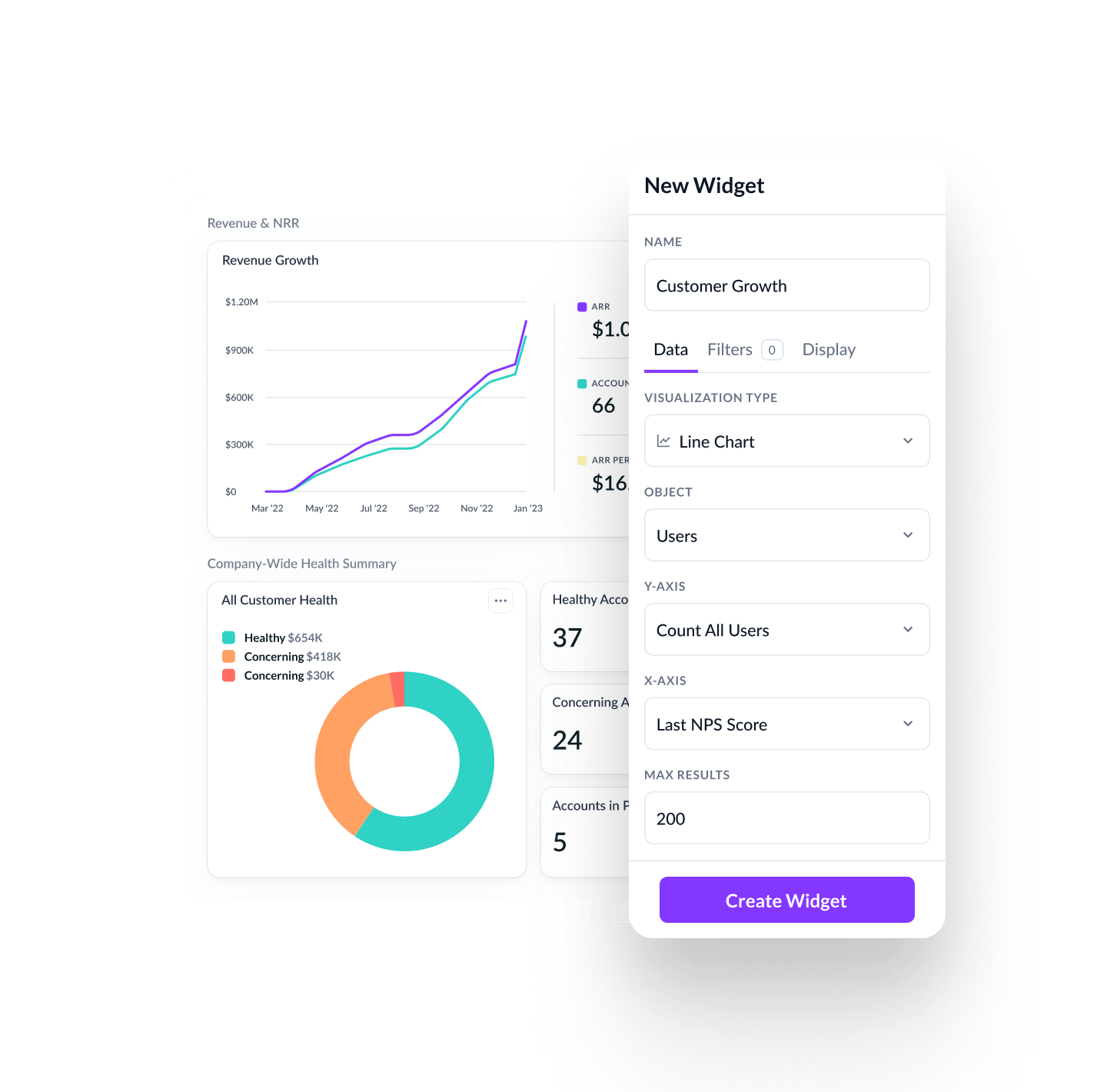
Vitally is built for B2B SaaS teams that care about product usage. It pulls usage data into account views, so CSMs can see what customers are actually doing. Setup is lighter than enterprise tools. Its three plans are organized by CS motion (tech-touch, hybrid-touch, and high-touch), and all of them include unlimited automations and observer seats.
- Best for: Product-led B2B SaaS teams.
- Standout: Usage data handling and fast setup relative to enterprise tools.
- Pricing: Not published. You request pricing by plan, and reviewers generally place it below enterprise platforms.
- Limitation: Less suited to complex enterprise account hierarchies.
5) Custify
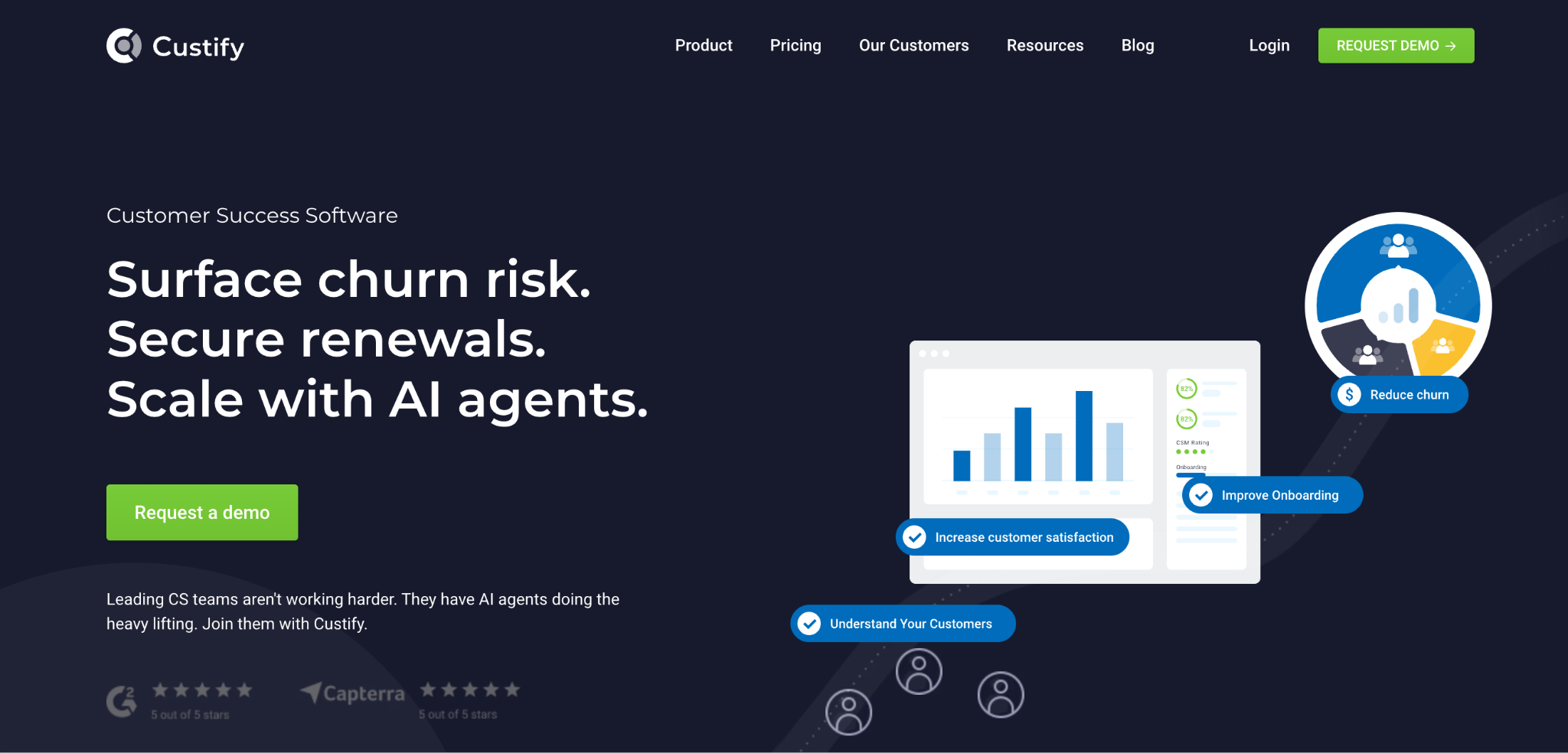
Custify is a dedicated customer success platform aimed at smaller B2B SaaS teams. It pulls CRM, support, and billing data into one view, then layers on health scores, playbooks, lifecycle tracking, and outreach. You get the core CS toolkit without an enterprise rollout.
- Best for: Small CS teams wanting an affordable dedicated platform.
- Standout: Straightforward health scoring and automation without enterprise overhead.
- Pricing: Monthly, through a quote request. Third-party sources cite entry plans around $400 to $500 per month, with setup fees reported as zero.
- Limitation: Smaller ecosystem and fewer integrations.
6) HubSpot
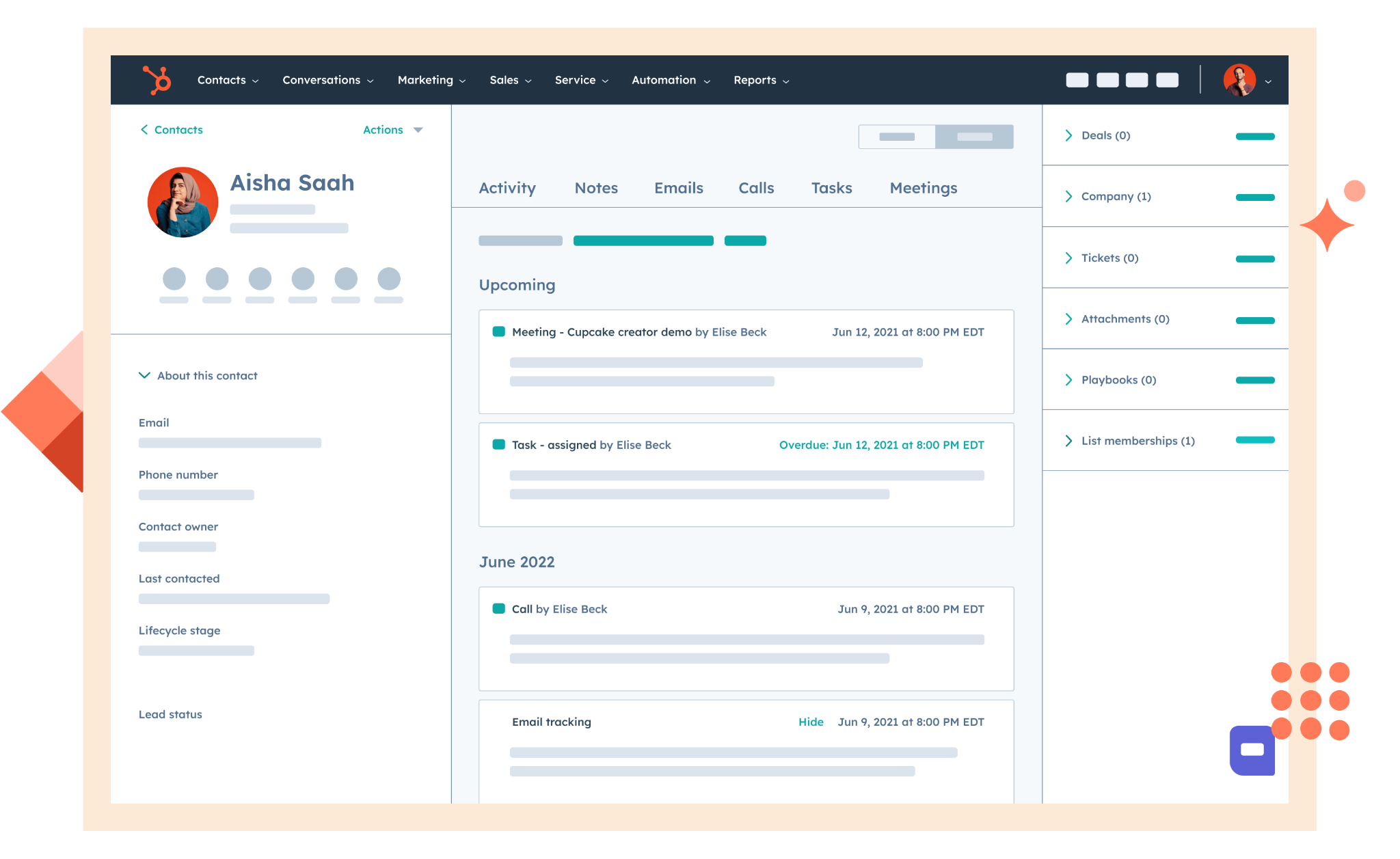
HubSpot is the pick when engagement should live next to your CRM and marketing in one system. Its free CRM tier gets small teams started. Service Hub adds ticketing, SLAs, and a knowledge base as you scale. It is an engagement option, but not a dedicated CS platform.
- Best for: Teams wanting engagement alongside CRM and marketing in one system.
- Standout: Free CRM tier, strong usability, and a broad integration ecosystem.
- Pricing: Free CRM. Starter seats list from about $20 per month (with promotional rates lower). Service Hub Professional runs about $90 to $100 per seat per month, with a one-time onboarding fee of about $1,500.
- Limitation: CS-specific depth is lighter than dedicated platforms, and costs climb as you add hubs.
7) Intercom
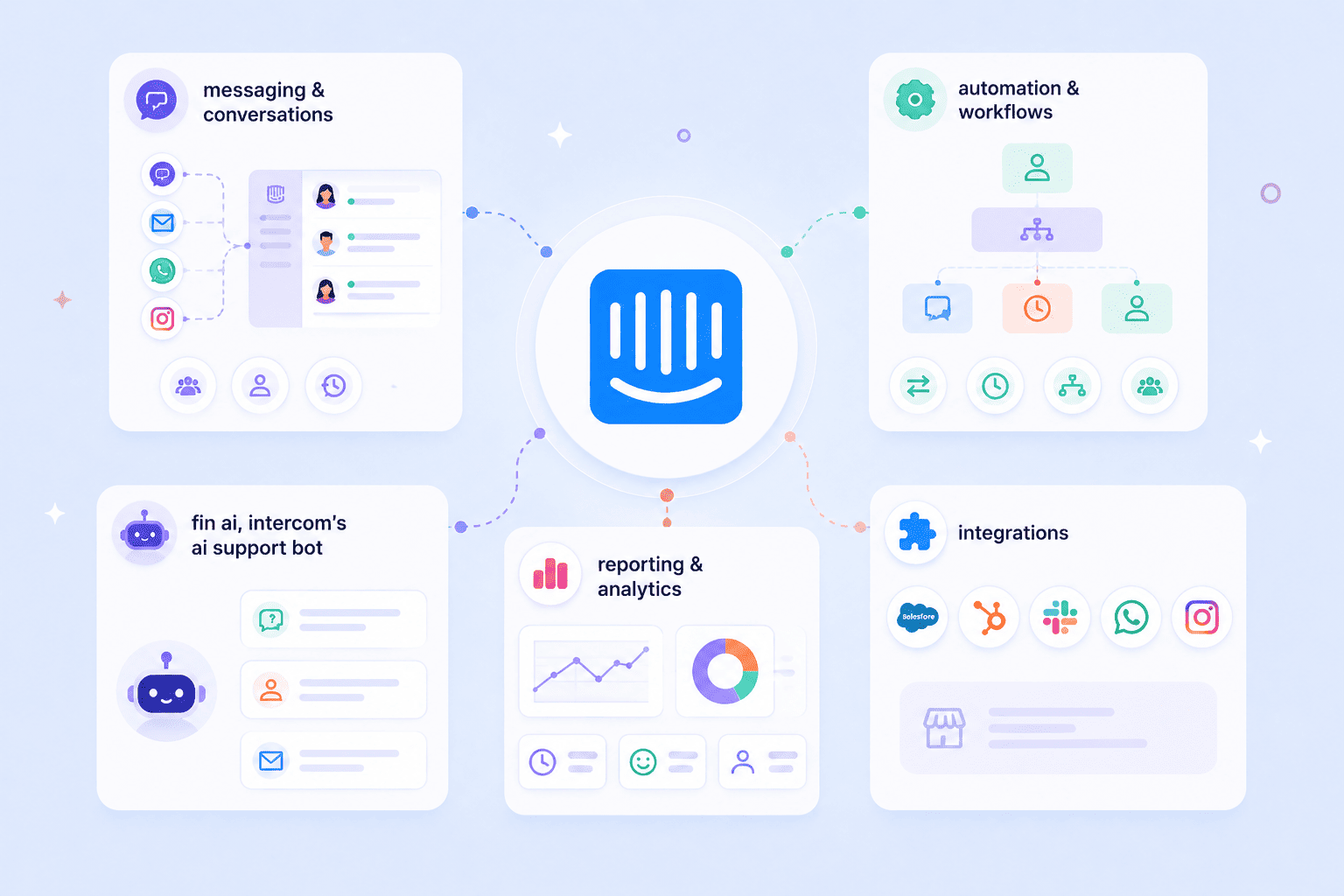
Intercom is a messaging-first platform. Its Messenger, shared inbox, and AI agent (Fin) make it strong for conversational and in-product engagement. It fits teams whose customer relationships happen mostly in chat and in the product.
- Best for: In-app messaging and conversational engagement.
- Standout: In-product messaging, AI-assisted support, and strong UX.
- Pricing: Per seat at $29 (Essential), $85 (Advanced), or $132 (Expert) per month on annual billing. Fin is billed separately at $0.99 per resolved outcome.
- Limitation: Skews toward support rather than account health management.
8) Braze
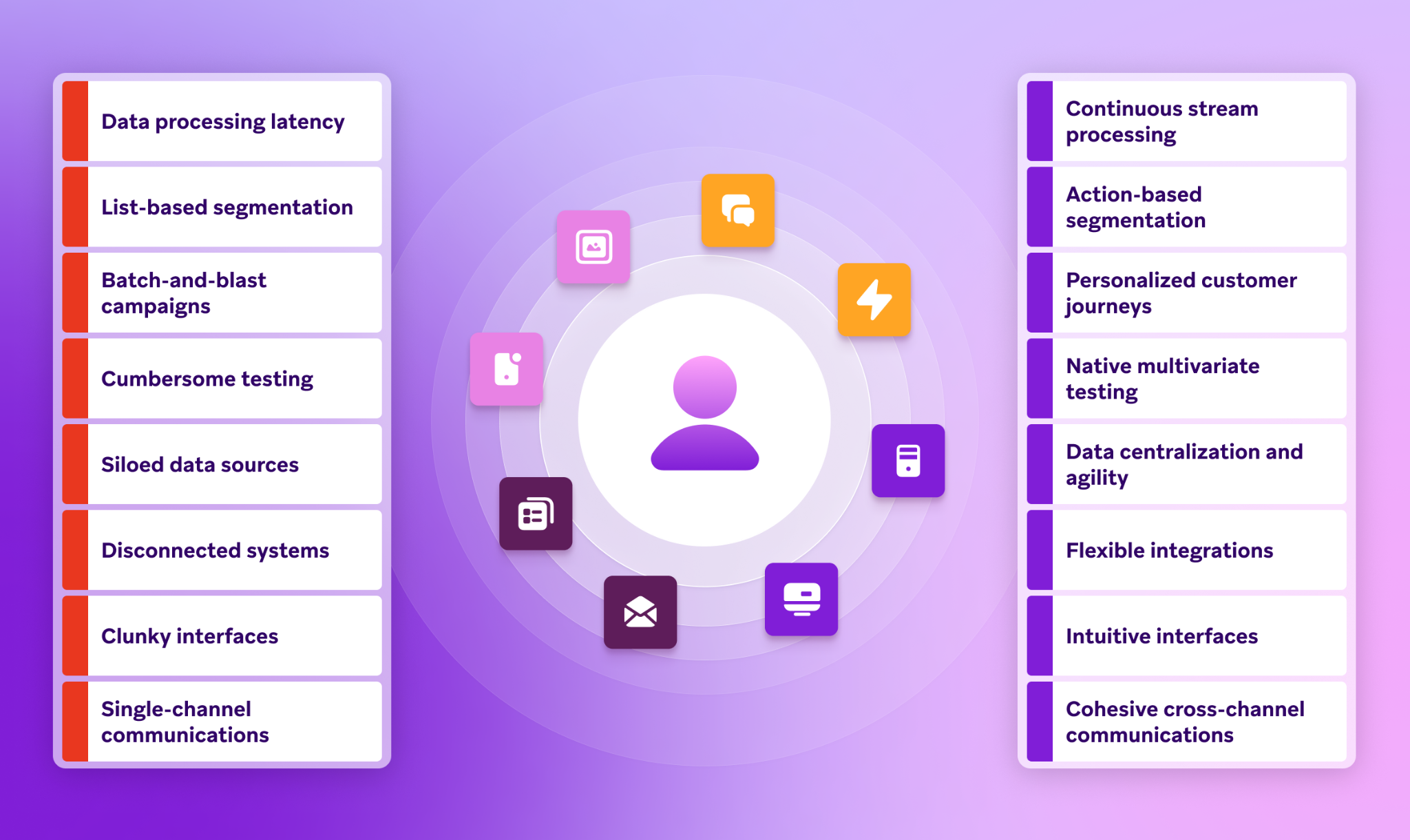
Braze is a lifecycle messaging platform built for cross-channel orchestration across email, push, in-app, SMS, and more. Its campaign logic is sophisticated. Pricing depends on platform edition, active users, and usage. Some B2B teams use it for engagement when they have large user bases and in-house marketing ops.
- Best for: High-volume lifecycle messaging across channels.
- Standout: Sophisticated orchestration and cross-channel campaign logic.
- Pricing: Quote only, enterprise contracts. Public benchmarks suggest mid-market deals often land between $40K and $100K per year.
- Limitation: Built with consumer scale in mind, which can be more than B2B teams need.
9) Totango
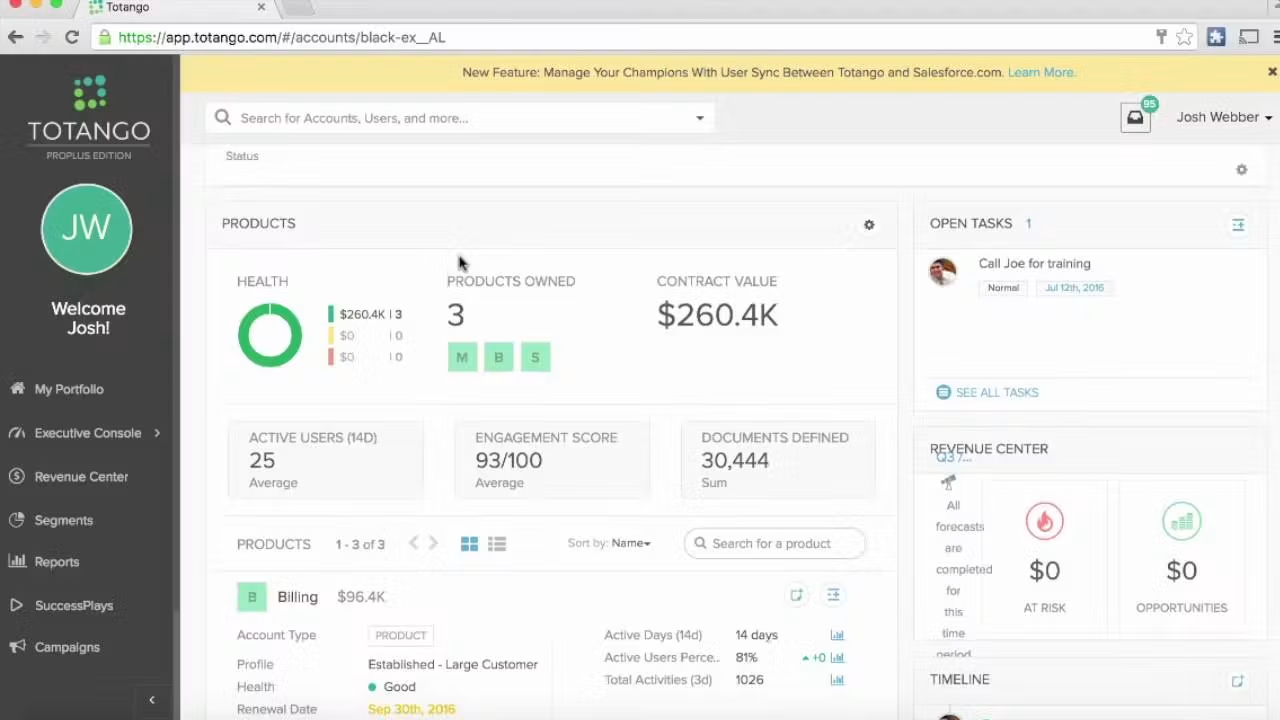
Totango sells modular customer success, so you can start with a core and add capabilities over time. It now includes Unison (AI-driven churn intelligence) and Catalyst (a customer growth platform) after combining with Catalyst. Pre-built CS programs, called SuccessBlocks, shorten the path to a working setup.
- Best for: Teams wanting modular CS capability they can adopt progressively.
- Standout: Pre-built CS programs and a flexible adoption path.
- Pricing: Tiered, with a free option reported for small teams. Paid tiers are quote based.
- Limitation: Breadth can mean less depth per module.
10) Creatio
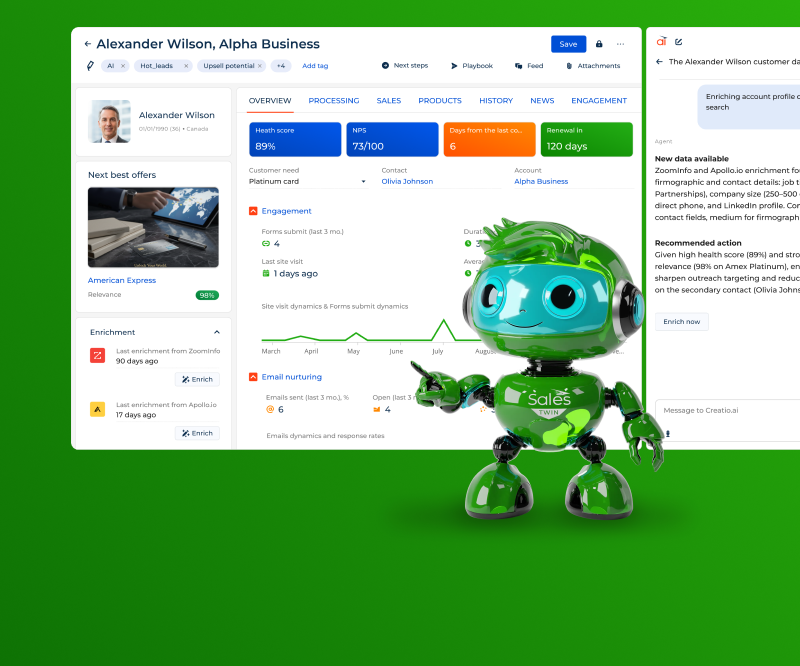
Creatio is a low-code platform that combines CRM with workflow automation. Its Sales, Marketing, and Service products can be configured through no-code tools, so you can build engagement processes without heavy development. It works for teams that want to design their own workflows instead of adopting a fixed CS methodology.
- Best for: Teams wanting CRM and engagement with low-code workflow customization.
- Standout: Configurable processes without heavy development.
- Pricing: Per user per month, billed annually. Growth starts at $40 per user, Enterprise at $75, and each product module adds about $15. New customers face a $10K annual minimum, and AI usage is metered separately.
- Limitation: Broader platform, so CS-specific features are less specialized.
Pricing Realities In This Category
Pricing is where good evaluations go sideways. This is how to model it properly for customer engagement management software.
Why Budgeting Is Hard
The serious dedicated platforms are quote only. That makes comparison genuinely difficult, because you cannot see a rate card before you talk to sales.
The Three Pricing Models
Usage layers matter too. Take Intercom’s published rates. Ten Advanced seats cost $850 per month. If its AI agent resolves 2,000 conversations at $0.99 each, that adds $1,980. The usage line is larger than the seat line.
The Costs Nobody Advertises
- Implementation and onboarding fees. These are common and rarely on the pricing page. HubSpot’s Service Hub Professional, for example, lists a one-time onboarding fee.
- Integration work. Connecting product usage data is often the largest hidden cost, in engineering time or partner fees.
- Internal cost. These platforms need an owner. An unowned platform produces nothing.
How to Model It
Calculate three-year total cost, not year-one license price:
- License fees for all three years, including expected renewal increases
- Implementation and onboarding
- Integration build and maintenance
- The share of an owner’s time, and any ops support, that the platform will consume
How to Negotiate
Push on term length and seat flexibility rather than headline price. Vendors discount more readily for committed terms and predictable seat counts than for a lower list number. Ask for caps on renewal increases in writing.
How to Choose the Right Platform for Your Team
This is how we would narrow a shortlist from the ten above, focusing on the customer engagement platform that fits your constraints.
Match to Company Size Honestly
Enterprise platforms punish teams without CS operations capacity. If you have two CSMs and no ops person, a lighter tool will outperform a heavier one you cannot configure.
Let Your Data Decide
If product usage data is central to your health scoring, prioritize platforms built to ingest it properly. If you already run HubSpot or Salesforce, native integration usually beats a marginally better standalone tool.
Test Before You Commit
- Pilot with a real customer segment before signing a multi-year contract.
- Ask for references at your size and in your model, not their flagship logos.
The Question to Ask Last
Is engagement genuinely your constraint, or is it acquisition? If your retention numbers are healthy and revenue is still flat, a better platform will not move the needle. The next section explains why.
What Engagement Platforms Cannot Do for You
A customer engagement software purchase can do a lot. It still has limits you should know before signing.
- They deepen relationships with customers you already have. They do not create new ones.
- They surface churn risk, but somebody still has to act on the alert. A red health score nobody follows up on is just a red health score.
- They cannot fix a product problem that is causing the churn. If customers leave because the product misses their needs, no playbook will save the account.
- They will not compensate for a customer base too small to sustain the business. Retention math needs volume to work.
- Good engagement data often makes the acquisition gap more visible. You see exactly how stable your base is, and how little is entering at the top.
Retention and acquisition are separate problems with separate solutions. Tooling for one does nothing for the other.
How Cleverly Helps on the Acquisition Side
Engagement platforms work on the customers you already have. For many B2B companies, the harder constraint sits upstream, in how many of the right buyers enter the funnel in the first place. We want to be direct about scope: Cleverly is not an engagement platform and does not compete with anything on this list.
We are a fully done-for-you B2B lead generation agency. We run ICP definition, verified multi-source list building, LinkedIn outreach, cold email, cold calling, and reply handling, all the way through to booked meetings. Our clients keep their own CRM and their own retention stack. We fill the top of the funnel that those tools depend on.
Retention tooling compounds only when new customers keep entering the system. That is the part we optimize for: qualified meetings held with in-ICP decision-makers. So far that work has generated $312M in pipeline and $51.2M in closed revenue for clients.
Retention handled but new business flat? Cleverly builds the top of your funnel. Book a strategy call to see how.
Conclusion
The right platform depends on which problem you are solving, since churn, onboarding, and expansion point to different tools. In practice, platforms differ most in two places: how deep the health scoring goes, and whether they ingest real usage data or just promise to. Judge by those, not by the length of the feature list.
Model three-year cost, including implementation and internal ownership, rather than the list price. Then shortlist two platforms that integrate natively with your CRM and pilot one on a single customer segment. A platform only pays off when someone owns it, and that matters more than any row on the comparison table.
Frequently Asked Questions
Free Resource
How to Scale a Profitable Cold Call System
Get the complete guide — download it instantly now.
Free Ebook
Download the Free Guide
Enter your details to get instant access.
You're all set! 🎉
Your ebook is downloading now.
Click below if the download didn't start automatically.