

Table of Contents
What Is ChatGPT and How Can Lawyers Use It?
Why ChatGPT Is a Game-Changer for Legal Lead Generation
How to Write Effective ChatGPT Prompts as a Lawyer
Best ChatGPT Prompts for Lawyers to Generate Qualified Leads
Claude vs ChatGPT for Lawyers: Which Is Better?
Common Mistakes Lawyers Make When Using ChatGPT
ChatGPT Ethics and Compliance for Lawyers
How Cleverly Helps Lawyers and Law Firms Book Qualified Meetings
Conclusion
Modified On :
July 6, 2026
Key Takeaways
- ChatGPT works best for lawyers on the marketing side of the business, not legal research or case strategy, where hallucination risk is highest.
- The R.I.S.E. framework (Role, Input, Specifics, Expectation) turns vague prompts into usable, on-brand marketing copy in one or two tries.
- The highest-leverage use cases for lead generation are post-consultation follow-up, cold outreach, nurture sequences, and referral asks, all areas where speed and consistency drive more signed clients.
- ABA Formal Opinion 512 confirms lawyers can ethically use AI tools, but every attorney remains fully responsible for what gets sent or published.
- Better prompts get you better drafts, but a real lead generation pipeline still needs a system behind it, which is where most solo firms and small practices hit a wall.
A junior associate can bill $400 an hour for legal work. That same associate spends hours each week writing follow-up emails, drafting intake scripts, and putting together social posts nobody's paying for.
That math doesn't work, and it's part of why 69% of legal professionals now personally use generative AI tools for work, more than double the 31% who said the same just a year earlier.
ChatGPT sits at the center of that shift. Among law firms already using AI, it's the single most popular platform, with more than half turning to it over legal-specific software. And it makes sense. Client acquisition in this profession is expensive and often inconsistent.
Law firms typically spend somewhere between $500 and $1,500 just to sign one new client, and that number climbs fast in competitive practice areas like personal injury or criminal defense.
None of that requires legal expertise. It requires good writing, done consistently, which is exactly what ChatGPT for lawyers is good for.
This guide covers how attorneys can actually use ChatGPT for lead generation, a simple framework for writing prompts that produce usable output on the first or second try, and a full library of copy-paste prompts organized by use case.
What Is ChatGPT and How Can Lawyers Use It?
ChatGPT is an AI language model. You give it instructions, called prompts, and it generates text in response. Think of it as an on-demand copywriter that never gets tired of writing your fifth follow-up email of the day.
For lawyers, the highest-value use cases have nothing to do with practicing law. They're about marketing and client communication:
- Drafting outreach emails and LinkedIn messages
- Writing follow-up sequences after consultations
- Creating social media content
- Building client intake scripts
- Generating blog posts and website copy
What ChatGPT Should Never Do for You
ChatGPT is not a substitute for legal judgment, and it's not reliable for case citations. It can generate confident-sounding case names, courts, and outcomes that simply don't exist. That's not a minor bug. It's led to real sanctions against attorneys who filed briefs without checking the citations first.
The rule is simple: use it for marketing and communication drafts, verify everything before it goes out, and never treat it as a source of legal authority.
ABA Formal Opinion 512 (issued in 2024) confirms lawyers can ethically use AI tools, as long as they maintain competence in understanding the tool's capabilities and limits, protect client confidentiality, supervise the output, and keep fees reasonable.
That's a low bar to clear if you're using ChatGPT the way this guide recommends.
⚖️ AI Creates Content. We Create Conversations.
Generate 15–30 qualified meetings every month with done-for-you LinkedIn, cold email, and outbound prospecting.
Why ChatGPT Is a Game-Changer for Legal Lead Generation
Law firm marketing has historically been the thing that happens when everything else is done, which usually means it doesn't happen consistently. ChatGPT changes that math.
Speed You Can Actually Measure
You can draft a full week of social content, a complete nurture email sequence, or ten personalized cold outreach messages in under 30 minutes. Compare that to hiring a copywriter or blocking off half a day yourself.
Personalization Without a Marketing Team
With the right prompt, ChatGPT tailors messaging to a specific practice area, client type, or local market. A prompt written for a family law firm in Austin produces noticeably different copy than one written for a commercial litigation practice in Chicago, and that specificity is what makes outreach feel personal instead of generic.
No Copywriting Background Required
You don't need to know how to write a subject line that gets opened or a LinkedIn message that gets a reply. You need to know your practice area and your client, and ChatGPT handles the structure.
One caution worth repeating here: ChatGPT generates drafts, not finished products. Review everything before it goes out, especially anything touching client-specific facts or legal claims about outcomes.
How to Write Effective ChatGPT Prompts as a Lawyer
Here's the part most attorneys skip, and it's the reason so many give up on AI after one bad experience. The output is only as good as the prompt. Type "write me a follow-up email" and you'll get something generic enough to belong to any firm in the country.
The R.I.S.E. Framework
Use this structure every time and your output quality jumps immediately:
Every prompt you write should include: practice area, target client type, jurisdiction or location, channel (email, LinkedIn, phone script), and tone. Leave any of those out and you're rolling the dice on the output.
Iterate, Don't Restart
If the first draft misses, don't throw it out and start over. Add more specifics to the same prompt. "Make it shorter and drop the third paragraph" gets you further than a completely new prompt every time.
🚀 Turn Better Outreach Into Better Clients
Join 10,000+ businesses using Cleverly to build predictable pipeline through proven multi-channel outbound campaigns.
Best ChatGPT Prompts for Lawyers to Generate Qualified Leads
These prompts are organized by lead generation use case. Find the section where your firm is losing the most time or opportunities right now, and start there.
Prompts for Follow-Up After Initial Consultation

Speed and quality of follow-up directly impacts whether a consultation turns into a signed client. Most firms follow up too slowly, too generically, or not at all.
Prompt 1 (Single follow-up email):
"Act as a legal marketing specialist. Draft a follow-up email to a prospective client after a free initial consultation about [matter type, e.g., personal injury claim]. Thank them for their time, briefly summarize the key issues discussed, outline next steps, mention the firm's relevant experience, and include a clear CTA to move forward. Tone: professional and reassuring. Under 200 words."
Prompt 2 (3-touch sequence):
"Write a 3-email follow-up sequence for a prospective client who attended a free consultation about [matter type] but hasn't responded. Email 1 sent same day, Email 2 three days later, Email 3 one week later. Each email should build urgency without being pushy. Under 150 words each."
Prompt 3 (Voicemail script):
"Write a 30-second voicemail script for following up with a prospective client who missed their scheduled consultation call. Tone: warm, not salesy. Include a clear next step and a way to easily reschedule."
Prompts for Cold Outreach to Potential Clients

Cold outreach works when it's relevant, specific, and doesn't sound like a form letter. ChatGPT can draft targeted messages for different prospect types fast.
Prompt 1 (LinkedIn DM):
"Write a cold outreach LinkedIn message from a family law attorney to individuals who have recently posted about going through a difficult divorce. Keep the tone empathetic, not promotional. Offer a free 30-minute consultation. Under 100 words."
Prompt 2 (Cold email to a niche segment):
"Write a cold email from an employment law attorney to HR directors at companies with 50-200 employees, offering a free compliance audit related to [specific regulation]. Tone: consultative, not salesy. Under 120 words."
Prompt 3 (Community outreach):
"Write an outreach message from an estate planning attorney to local financial advisors, proposing a referral partnership. Explain the mutual benefit clearly and suggest a short intro call. Under 100 words."
Prompts for Email Marketing and Lead Nurture Sequences
Most prospective clients take weeks or months to decide. A nurture sequence keeps your firm top of mind without you manually following up with every lead.
Prompt 1 (Lead magnet nurture sequence):
"Write a 4-email nurture sequence for prospective clients who downloaded our free estate planning guide. Each email should provide one actionable tip related to estate planning, build trust in the firm's expertise, and include a soft CTA to book a free consultation. Tone: educational and friendly. Each email under 150 words."
Prompt 2 (Re-engagement campaign):
"Write a 2-email re-engagement sequence for leads who inquired about a [practice area] consultation 6 months ago but never booked. Acknowledge the time gap naturally, offer something new (updated info, a limited-time offer), and include a low-pressure CTA."
Prompt 3 (Past client check-in):
"Write a friendly check-in email to a past [practice area] client, 12 months after their case closed. Ask how things are going, mention that we're here for future needs, and softly note that referrals are always appreciated. Under 100 words."
Prompts for Social Media Content
A consistent social presence builds authority and drives inbound inquiries. ChatGPT makes batching a week or a month of content fast.
Prompt 1 (Weekly batch):
"Act as a social media strategist for a personal injury law firm. Write 5 LinkedIn posts for this week covering: a client win story (anonymized), a common misconception about personal injury claims, a FAQ about the claims process, a tip for what to do immediately after an accident, and a community spotlight. Tone: authoritative but approachable."
Prompt 2 (Myth-busting series):
"Write 3 short LinkedIn posts busting common myths about [practice area, e.g., bankruptcy law]. Each post should state the myth, correct it clearly, and end with a soft CTA to learn more. Under 100 words each."
Prompt 3 (Local visibility post):
"Write a LinkedIn post introducing our firm's involvement in a local community event or sponsorship. Tone: genuine, not promotional. Mention our practice area naturally without sounding like an ad."
Pro tip: LinkedIn works best for professional authority content. Facebook tends to perform better for community-facing consumer law firms. Instagram fits visually-driven practice areas like real estate or personal injury.
Prompts for Blog and Website Content (SEO)
Blog content drives organic traffic and positions your firm as the go-to authority for a specific issue. ChatGPT can outline and draft posts quickly, though every legal detail needs a human check before publishing.
Prompt 1 (Educational post):
"Write a 600-word blog post for a criminal defense law firm explaining what to do if you're arrested. Target audience: individuals who have never been arrested before. Tone: calm, informative, and reassuring. Include a brief CTA at the end to book a free consultation. Include the phrase 'criminal defense attorney' naturally 2-3 times."
Prompt 2 (FAQ-style post):
"Write a 500-word blog post answering the 5 most common questions clients ask before hiring a [practice area] attorney. Format each question as an H2, answer in 2-3 sentences first, then expand with more detail."
Prompt 3 (Local SEO post):
"Write a 400-word blog post targeting people searching for '[practice area] attorney in [city]'. Include local context naturally, avoid sounding like a directory listing, and end with a clear CTA."
Important: always verify legal accuracy and jurisdiction-specific details before publishing. Never push AI-generated legal content live unchecked.
Prompts for Client Intake Scripts
A well-structured intake script qualifies leads faster and captures the right information before the first consultation even happens.
Prompt 1 (Phone intake):
"Create a phone intake script for a personal injury law firm. The script should help the intake specialist qualify the prospect by asking about: date and type of injury, location, whether they sought medical treatment, insurance coverage, and whether they've spoken to another attorney. Keep the tone warm and professional. Include natural transition phrases between questions."
Prompt 2 (Web chat script):
"Write a web chat intake script for a family law firm's website. Ask 4 qualifying questions to determine urgency and matter type before offering to schedule a consultation. Keep responses conversational, not robotic."
Prompt 3 (Consultation qualifier):
"Write a short pre-consultation questionnaire for a bankruptcy attorney to send prospects before their first call. Include 5 questions that help the attorney prepare and identify if the prospect is a good fit."
Prompts for Referral Outreach

Referrals convert better than almost any other lead source, but most attorneys don't have a system for asking or nurturing them.
Prompt 1 (Direct referral ask):
"Write a short email to a past client asking for referrals. The client successfully completed a real estate transaction with our firm 6 months ago. Keep the tone warm and genuine, not transactional. Briefly mention that we're accepting new clients and that referrals are the best way we grow. Under 100 words."
Prompt 2 (Referral partner outreach):
"Write an outreach message to a financial advisor proposing a mutual referral relationship. Our firm handles estate planning, theirs handles wealth management. Keep it professional and highlight the overlap in client needs."
Prompt 3 (Referral thank-you):
"Write a short, genuine thank-you note to a client who just referred someone to our firm. Mention that we noticed and appreciate it, without sounding scripted."
Claude vs ChatGPT for Lawyers: Which Is Better?
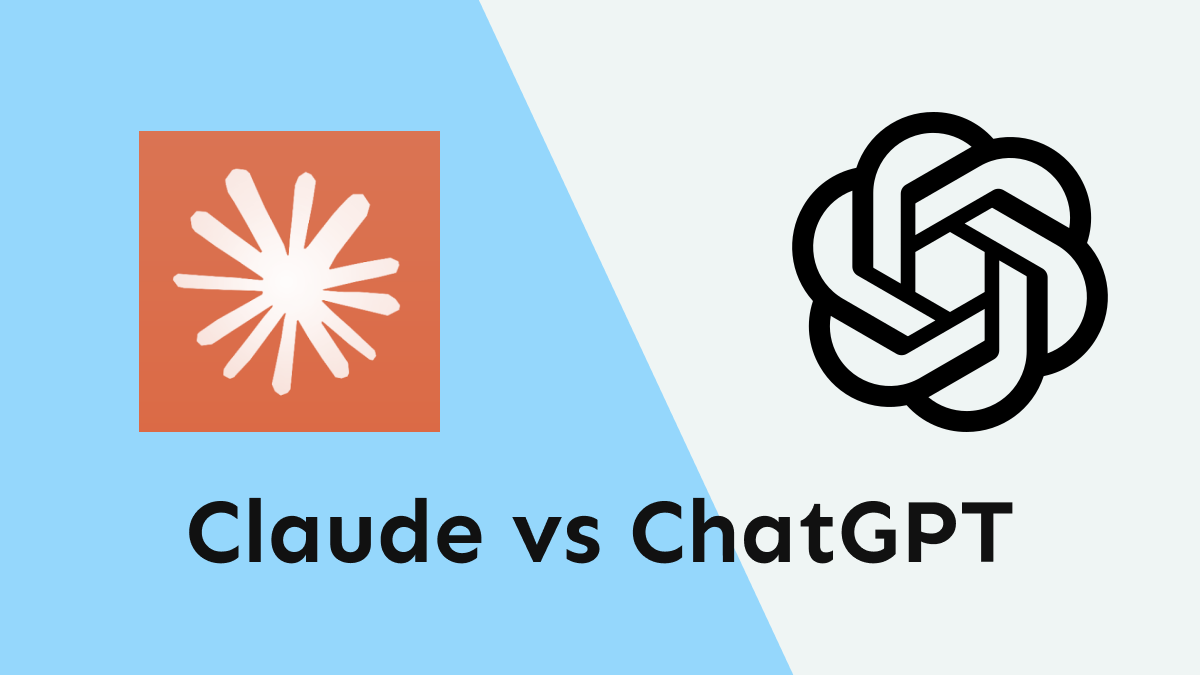
Both are capable of drafting marketing content, client communications, and intake scripts, but they lean differently.
ChatGPT (GPT-4o) is stronger for structured, high-volume content generation and has a wider ecosystem of legal-tool integrations (Clio, Spellbook, and similar platforms), which makes it a natural starting point for most firms.
Claude tends to handle longer documents better thanks to its context window, and some attorneys find its output slightly more cautious, which matters for nuanced drafting tasks.
For lead generation specifically, the two perform similarly on marketing copy, emails, and social content. The better tool is whichever one your team will actually use consistently. Neither should generate case citations without verification against Westlaw or LexisNexis, since hallucinated citations are a real and documented risk for both.
Our take: start with ChatGPT for lead generation tasks since it's easier to access and has a bigger third-party ecosystem. Reach for Claude when you need to review or analyze a long document.
Common Mistakes Lawyers Make When Using ChatGPT
❌ Writing vague prompts, getting generic output, then deciding "AI doesn't work for law." The prompt is almost always the problem, not the tool.
❌ Publishing or sending output without review. This is especially risky for anything touching legal claims, jurisdiction-specific rules, or client-specific facts.
❌ Using ChatGPT to generate case citations without checking them. It can confidently invent case names, courts, and outcomes that don't exist.
❌ Entering real client names or privileged information into a public AI tool. Confidentiality risk doesn't disappear just because the tool is convenient.
❌ Skipping practice area and tone customization. Generic prompts produce generic content that reads like every other firm's website.
❌ Treating ChatGPT as a one-off experiment instead of a repeatable system. The firms actually winning with AI use it consistently across their marketing workflow, not just when someone remembers to.
ChatGPT Ethics and Compliance for Lawyers

ABA Formal Opinion 512 is the baseline every attorney should know. Lawyers may ethically use AI tools provided they maintain competence in understanding the tool's capabilities and limitations, protect client confidentiality, supervise all AI output, and keep fees reasonable.
A few things worth keeping in mind:
- Confidentiality risk is real. Public AI tools may use your inputs for training. Avoid entering client-identifying or privileged information, and use enterprise or API versions with data privacy guarantees for anything sensitive.
- Supervision is non-negotiable. You're responsible for everything you send or publish. "The AI wrote it" isn't a defense before the bar.
- State bar guidance varies. A growing number of state bars have issued their own AI guidance, and requirements differ, so check your jurisdiction's rules before deploying AI-generated content in anything client-facing.
- The safest lane is marketing and intake, not research or strategy, without rigorous human verification layered on top.
How Cleverly Helps Lawyers and Law Firms Book Qualified Meetings
ChatGPT solves the content problem. It writes your follow-ups, your social posts, your intake scripts. What it doesn't solve is the pipeline problem: getting a steady, predictable flow of the right prospects into your calendar in the first place. That takes a system, not just better writing.
We built Cleverly specifically to be that system for firms that don't want to manage prospecting lists, outreach cadences, and follow-up sequences on top of actually practicing law.
For law firm clients, that means ICP-targeted prospect list building by practice area, location, and client type, paired with LinkedIn and cold email campaigns written around your specific practice areas and ideal client profile.
We've helped generate over $312 million in pipeline for clients across industries by handling the parts of outbound that eat the most time: the targeting, the sequencing, the follow-up, and the ongoing optimization. You handle the consultations. We handle getting qualified prospects to your calendar in the first place.

If you're already using ChatGPT to sharpen your marketing copy, pairing it with a done-for-you lead generation system is the natural next step.
Book a free strategy call and we'll walk through what a predictable consultation pipeline could look like for your firm.
Conclusion
ChatGPT is one of the most practical additions a lawyer or law firm can make to their marketing workflow. It saves hours on content, outreach copy, and follow-up that would otherwise sit unwritten at the bottom of a to-do list.
The firms getting real results aren't running one-off experiments. They're systematizing: consistent social content, faster follow-up, structured intake, and outreach on a regular cadence.
Start with whatever's costing you the most right now, whether that's slow post-consultation follow-up, inconsistent social presence, or referrals you never actually ask for, and build from there. Better prompts, paired with human review and real personalization, turn ChatGPT for lawyers from a novelty into an actual edge in client acquisition.
Frequently Asked Questions
Free Resource
How to Scale a Profitable Cold Call System
Get the complete guide — download it instantly now.
Free Ebook
Download the Free Guide
Enter your details to get instant access.
You're all set! 🎉
Your ebook is downloading now.
Click below if the download didn't start automatically.


