Table of Contents
What Is a Sales Call Script? (+ Modern vs Old-School Scripts)
How to Write a High-Converting Sales Call Script (Step-by-Step)
15 Best Sales Call Script Examples
Sales Discovery Questions That Make Your Scripts Stronger
Outbound vs Inbound Sales Call Scripts (Key Differences)
7 Sales Call Script Best Practices
How Cleverly Helps Companies Close More Deals With Better Sales Calls
Conclusion
Frequently Asked Questions
Modified On :
June 22, 2026
Key Takeaways
- Sales call scripts work because they provide structure, confidence, and consistency, not because they make you sound robotic.
- Modern scripts are adaptive frameworks, not rigid word-for-word spiels—listen and adjust based on what the prospect actually says.
- Discovery comes before pitching. Ask layered questions to uncover real pain, then tie your solution directly to what they told you.
- Outbound scripts need to create curiosity and earn attention, while inbound scripts should qualify fast and close faster.
- Keep your intro under 10 seconds, speak only 30-40% of the time, and never pitch before you understand the prospect's pain.
- Record your calls and optimize your scripts based on what's actually working—the best frameworks evolve over time.
- Industry-specific scripts outperform generic frameworks — SaaS, recruiting, financial services, and healthcare buyers all need different openers, pacing, and proof points.
- AI tools like ChatGPT and Gong can help you draft and iterate scripts faster — but the human edit layer is what makes them actually convert.
Winging a sales call script rarely works. We've all been on calls where reps ramble, prospects tune out, and what could've been a solid lead turns into a polite "we'll think about it."
That's exactly what happens when you don't have a framework.
Here's the thing: sales call scripts still work in 2026 because they give your team three things that actually move deals forward—structure, confidence, and consistency.
They're not about sounding robotic or reading word-for-word like you're in a call center. A good sales script is a framework that keeps your reps on track, handles call objections smoothly, and qualifies prospects faster.
Scripts solve the biggest problems we see on sales calls: reps who ramble without a clear direction, low conversion rates because the pitch misses the mark, and unqualified prospects who waste everyone's time.
When your team has a proven sales call script, they know exactly what to say, when to say it, and how to pivot based on what the prospect needs.
Whether you're running outbound campaigns, handling inbound leads, or booking demos, having the right script makes the difference between closing deals and chasing ghosts.
Let's walk through 15+ proven scripts that actually work.
What Is a Sales Call Script? (+ Modern vs Old-School Scripts)
A sample sales call script is basically a roadmap for your conversation with a prospect. It outlines what you'll say during the introduction, how you'll ask discovery questions, handle objections, and close for the next step.
The goal isn't to sound like you're reading from a teleprompter—it's to give your reps a proven structure so they don't fumble through calls or forget to ask the questions that actually matter.
Old-school scripts vs modern frameworks
Here's where most companies get it wrong. Old-school scripts were rigid—word-for-word spiels that made reps sound like robots.
Modern sales call scripts are adaptive frameworks. They give your team talking points, key questions, and transition phrases, but leave room to actually listen and respond like a human being.
Why conversation-based scripting matters now
Prospects can smell a canned pitch from a mile away. Modern sales calls require conversation-based scripting because buyers want to feel heard, not sold to.
Your script should guide the flow, but your rep needs to adjust based on what the prospect cares about. That's how you build trust and actually move deals forward.
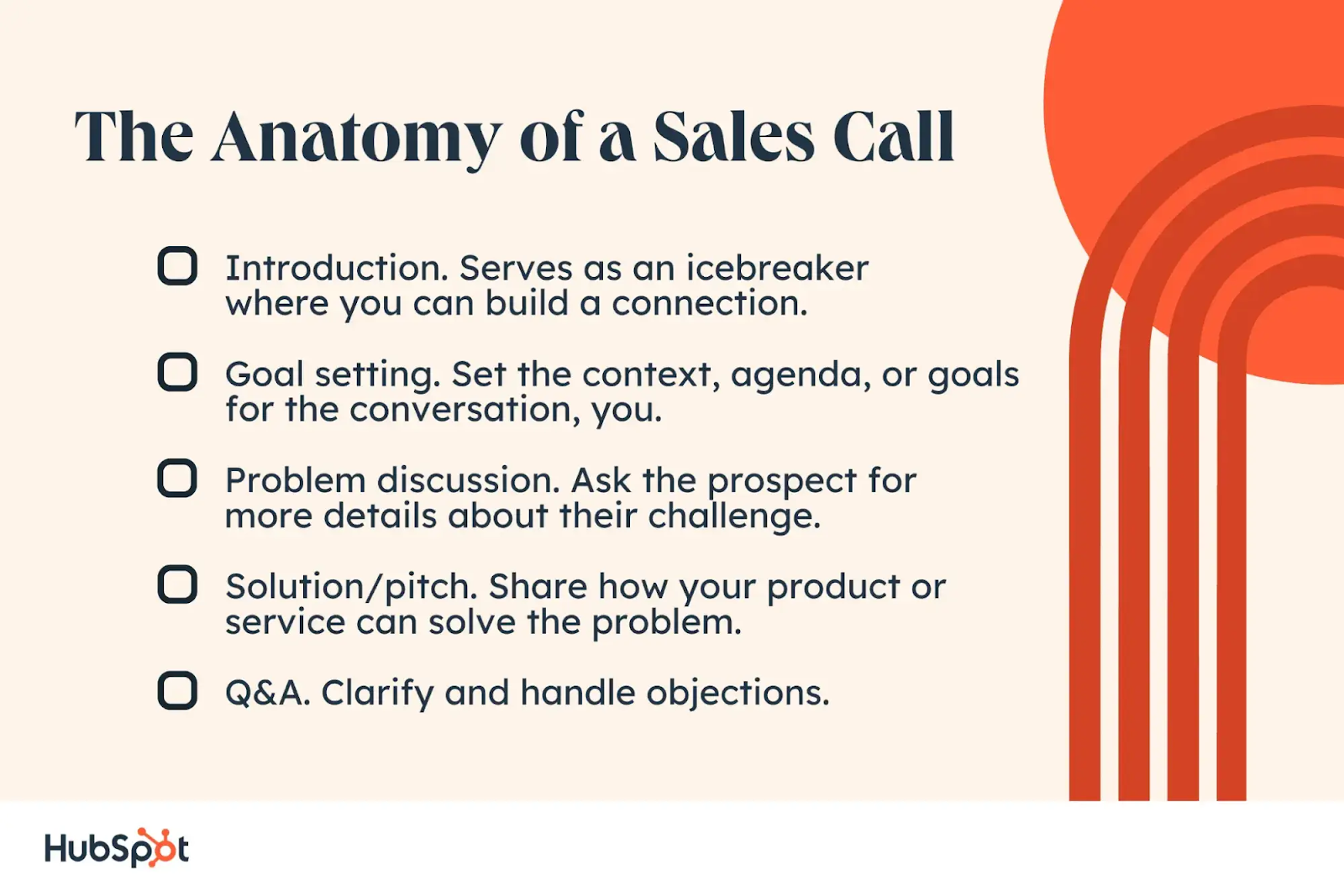
What a good script does for your team:
- Reduces anxiety for new reps who don't know what to say yet.
- Improves qualification by making sure the right questions get asked every time.
- Increases conversions because your messaging stays consistent and proven.
- Keeps calls focused so you're not wasting time on unqualified leads.
When you shouldn't use a script
This is important. There are situations where scripts don't fit. High-level enterprise accounts often need customized, research-heavy conversations.
Warm referrals already trust you, so a scripted approach can feel off. In those cases, use the framework as a mental guide but let the relationship lead the conversation.
For everyone else? A solid sample sales call script is how you scale results without scaling chaos.
Also Check: Cold Calling Scripts That Actually Work (With Examples)
🔥 More Calls, More Closures
Cleverly sends you qualified, sales-ready leads so your reps spend less time prospecting and more time closing.
How to Write a High-Converting Sales Call Script (Step-by-Step)
So how do you write a sales call script that actually converts? It's not about cramming in as many features as possible or hoping your prospect stays on the line.
It's about building a framework that moves the conversation forward at every step. Here's exactly how we do it.
Step 1: Research + find context
Before you even pick up the phone, know who you're calling. Check their LinkedIn, company website, recent news, or mutual connections.
This context lets you personalize the opening and shows you're not just another cold caller blasting through a list.

Step 2: Create a strong opening line
Your first 10 seconds make or break the call. Skip the "How are you today?" fluff.
Lead with something relevant—mention a trigger event, a mutual connection, or a specific pain point you know they're dealing with. Make it about them, not you.
Here’s a full guide: Best Cold Call Opening Lines to Nail the First 15 Seconds (With Examples)
Step 3: Identify the reason for the call
Don't make prospects guess why you're calling. Be direct. "The reason I'm reaching out is..." works every time.
Whether it's a demo request, a follow-up, or a discovery call, tell them upfront so they know what to expect.
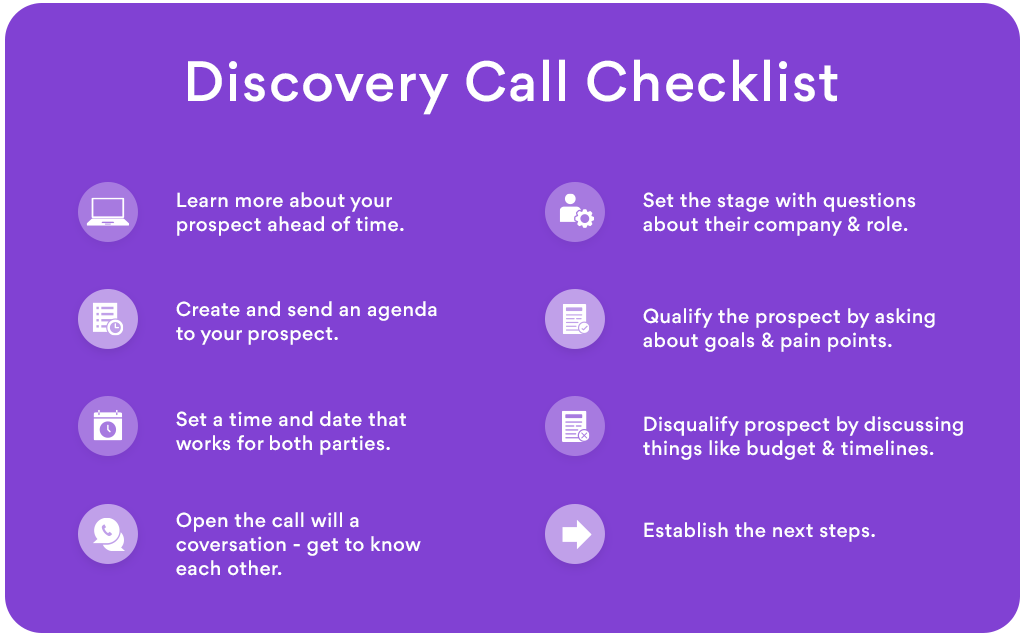
Step 4: Ask discovery questions
This is where most reps mess up. They pitch too early. Instead, ask questions that uncover the prospect's pain points, goals, and timeline.
Listen more than you talk. The better your questions, the easier it is to position your solution later.
Step 5: Use storytelling + social proof
People remember stories, not feature lists. Share a quick example of how you helped a similar company solve the exact problem your prospect mentioned.
Drop names if you can—"We helped a SaaS company like yours book 25 qualified demos last month." Social proof builds credibility fast.
Step 6: Position the offer (tailored)
Now you can pitch, but make it specific to what they told you. Don't run through your entire service list.
Focus on the one or two things that solve their exact problem. Tailored positioning shows you were actually listening.
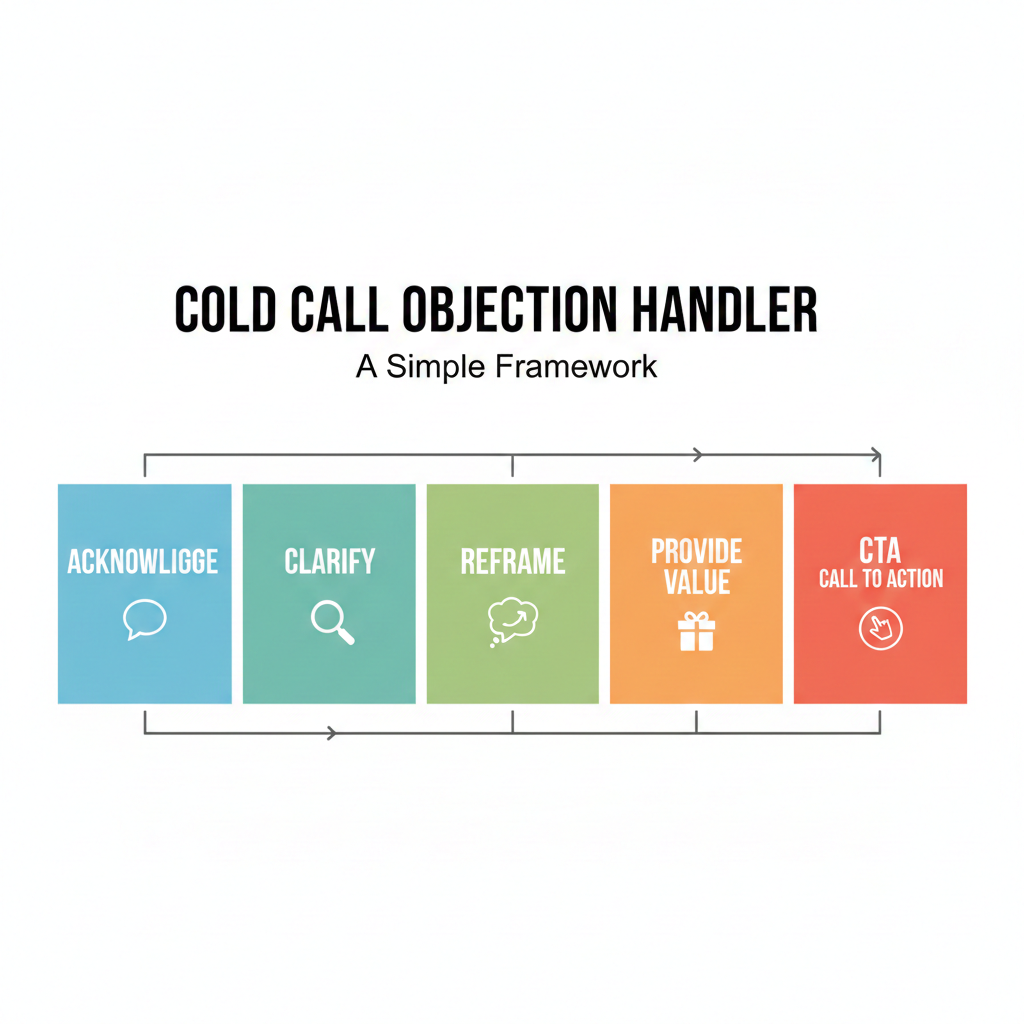
Step 7: Handle objections
Objections are normal. Budget concerns, cold call timing issues, competitor comparisons—expect them and have responses ready.
The key is acknowledging the objection without getting defensive, then reframing it with value or a question that keeps the conversation moving.
Step 8: Set next steps + close
Never end a call without a clear next step. Book the demo, schedule a follow-up, send a proposal—whatever moves the deal forward.
Confirm the time, send a calendar invite, and recap what you'll cover. Vague "let's touch base soon" kills momentum.
Script-building formulas that work
If you're wondering how do you write a sales call script from scratch, these frameworks make it easier:
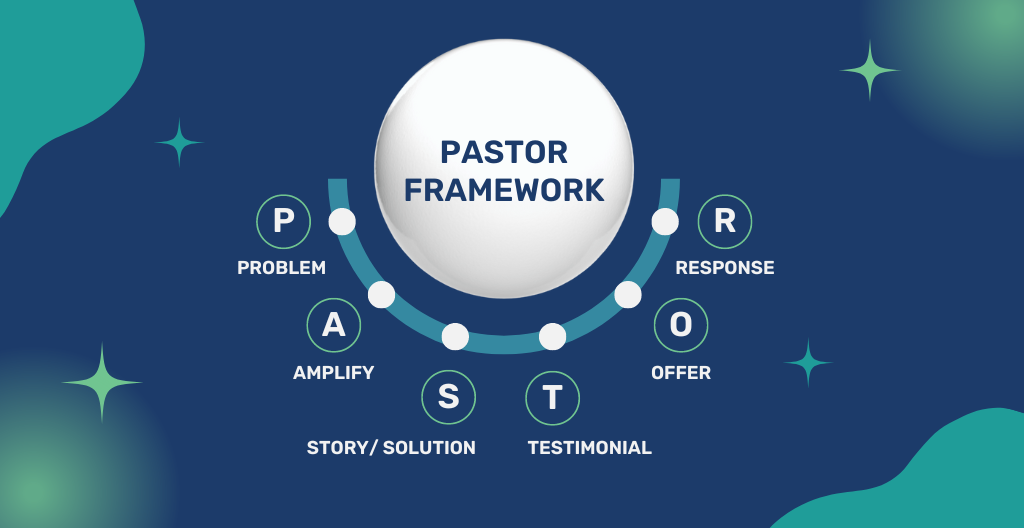
- PASTOR: Problem, Amplify, Story, Transformation, Offer, Response. Great for discovery calls where you need to dig into pain points.
- SPIN: Situation, Problem, Implication, Need-Payoff. Perfect for consultative selling where you're guiding the prospect to their own conclusion.
- Consultative: Ask, Listen, Educate, Recommend. Works well when you're positioning yourself as a partner, not a vendor.
Pick the formula that fits your sales motion, then customize it with your specific questions, objections, and proof points. That's how you write a sales call script that actually closes deals instead of just checking boxes.
How to Use AI to Write and Improve Your Sales Call Scripts
Writing a solid sales call script from scratch takes time. You have to nail the opener, the discovery questions, the objection handlers, and the close — and it all needs to sound human, not formulaic.
AI tools have changed that. Used correctly, they won't replace your reps or produce a publish-ready script on the first try. But they can cut the time it takes to build a solid first draft and help you identify where your existing scripts are losing calls.
Here's how to actually use them.
Step 1: Generate a first draft with AI
Tools like ChatGPT or Claude can generate a usable first-draft script if you give them the right inputs. The problem most reps have is they type "write me a cold call script" and get something generic that sounds like every other pitch.
The fix is a specific prompting framework. Give the AI:
- Your ICP: "I'm selling to VP of Sales at mid-market SaaS companies with 50–200 employees"
- The pain point: "They're manually tracking outbound activity in spreadsheets and losing deal visibility"
- Your desired CTA: "Book a 15-minute discovery call"
- Tone: "Direct, conversational, no fluff — they're busy and skeptical"
- One proof point: "We helped a similar company book 30% more meetings in 60 days"
With those five inputs, you'll get a draft that's actually usable instead of a template that sounds like it came from a 2017 sales blog. Then you edit it — which is still the essential step, not the optional one.
Step 2: Use call recording analysis to find what's breaking
A good script on paper doesn't always survive contact with real prospects. Platforms like Gong and Chorus record and analyze your sales calls, then flag patterns across hundreds of conversations — which sections generate the most objections, where prospects disengage, what language your top performers use versus your average reps.
Reps who rate their coaching as excellent are 50% more likely to achieve quota than those receiving poor coaching, and call analysis tools are how you make coaching scalable. Instead of a manager listening to 20 calls a week, you can run analysis across your entire team's calls and surface the three or four moments where your script is consistently losing prospects.
Common patterns these tools catch:
- Intros that run too long before the first question
- Objections that come up repeatedly at the same script point (usually a sign of premature pitching)
- Discovery sections where reps talk more than they listen
- Close language that creates friction instead of commitment
Strategic AI tool stacks can increase win rates by 43% and shorten sales cycles by 37% — and a big part of that comes from connecting call analysis data to script iteration. You find out what's breaking, you fix it, and you test the new version across the team.
Step 3: Apply the human edit layer
This is non-negotiable. AI-generated scripts need rep review before they go live.
Here's what the edit layer catches:
- Tone calibration: AI tends toward slightly formal or slightly robotic phrasing. Your rep needs to rewrite it in the language they actually use on a call.
- Proof point insertion: Generic AI drafts say "we've helped companies like yours." Your rep knows the actual client name, result, and timeframe. Put that in.
- Local and industry-specific language: A script for healthcare buyers in the Southeast sounds different from a script for SaaS buyers in San Francisco. AI doesn't know that unless you tell it — and even then, reps with real context do it better.
- The "does this sound like me" test: If a rep reads the script out loud and it doesn't sound like how they actually talk, it won't land. The best scripts match the rep's natural voice, not a generic sales template.
The workflow that actually works: AI writes the draft, call analysis identifies what to fix, the rep edits it into something that sounds human. That loop — draft, analyze, iterate — is how you build scripts that compound over time instead of staying static.
15 Best Sales Call Script Examples
Here are sales call script examples you can actually use. These aren't theoretical—they're built from real conversations that book meetings and close deals.
Customize them for your offer, but keep the structure intact.
1) Cold Sales Call Script (Outbound)
Rep: "Hey [Name], this is [Your Name] from [Company]. I know I'm catching you out of the blue—do you have 27 seconds?"
Prospect: "Uh, sure."
Rep: "Perfect. I work with [similar companies in their industry] who are struggling with [specific pain point]. We've helped them [specific result]. Not sure if it's relevant for you, but worth a quick conversation?"
Prospect: "Maybe. What exactly do you do?"
Rep: "We help companies like yours [core value prop in 10 words]. If I'm way off base, just tell me. But if this sounds relevant, I'd love to ask you two quick questions to see if we're a fit. Fair?"
Why this works: Pattern interrupt with the "27 seconds" line. No pitch dump—just relevance and permission to continue. This outbound sales call script gets past the initial resistance by being direct and respectful of their time.
2) Sales Introduction Script (First-Time Call)
Rep: "Hi [Name], this is [Your Name] with [Company]. The reason I'm calling is I noticed [trigger event—new funding, job posting, recent article]. Companies in your space are usually dealing with [pain point]. Does that sound familiar?"
Prospect: "Yeah, actually. We've been looking at that."
Rep: "Got it. Before I assume anything, can I ask—what's your current process for [relevant area]?"
Prospect: "[Explains current situation]"
Rep: "Makes sense. And what's working or not working about that right now?"
Why this works: This sales introduction script leads with context, not a pitch. You're opening with research, asking permission, and using discovery questions to understand their world before you talk about yours.
Dive Deeper Into: Sales Call Structure We Used to Generate $16,000,000+
3) B2B Sales Discovery Call Script
Rep: "Thanks for hopping on, [Name]. I've got about 20 minutes blocked—does that still work for you?"
Prospect: "Yeah, that's fine."
Rep: "Perfect. So just to set expectations, I want to learn more about what you're dealing with around [pain area], share what we do if it's relevant, and if there's a fit, figure out next steps. Sounds good?"
Prospect: "Sure."
Rep: "Cool. So first question—walk me through how you're handling [process] today."
Prospect: "[Explains]"
Rep: "And what made you open to exploring other options now?"
Prospect: "[Shares pain point]"
Rep: "Got it. If you could wave a magic wand and fix one thing about this, what would it be?"
Why this works: This sales discovery call script sets the agenda upfront, then uses open-ended questions to uncover pain. You're not pitching yet—you're listening and qualifying.
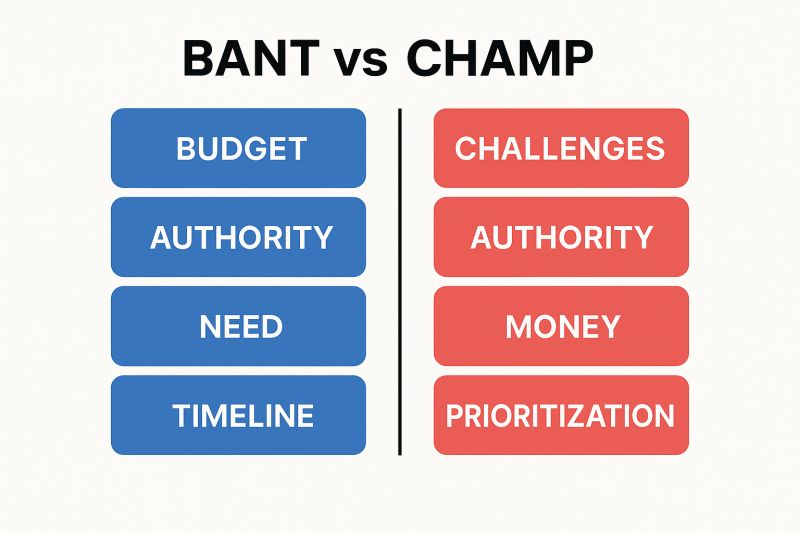
4) Sales Qualification Script (BANT/CHAMP)
Rep: "Before we go too far, let me ask a few quick questions to make sure this makes sense. First—what's your timeline for making a decision on this?"
Prospect: "Probably next quarter."
Rep: "Got it. And is there a budget earmarked for solving this, or is this more exploratory?"
Prospect: "We have a budget, but we're comparing a few options."
Rep: "Makes sense. Who else is involved in the decision besides you?"
Prospect: "Our VP of Sales and our CEO will need to sign off."
Rep: "Perfect. Last thing—if we can show you [specific result], is this a priority or more of a nice-to-have?"
Why this works: BANT (Budget, Authority, Need, Timeline) or CHAMP (Challenges, Authority, Money, Prioritization) keeps you from chasing deals that won't close. This script qualifies without feeling like an interrogation.
5) Sales Pitch Call Script
Rep: "So based on what you told me, sounds like the main issue is [pain point]. Here's how we solve that."
Rep: "We work with companies like [similar company] who had the same problem. They were [specific pain]. We helped them [specific result] in [timeframe]. The way it works is [brief explanation of solution]."
Prospect: "Okay, interesting. What does that cost?"
Rep: "Fair question. Most clients see [ROI metric] within [timeframe], so the investment pays for itself pretty quickly. Let me ask—if we can deliver [result they care about], does the pricing conversation make sense?"
Prospect: "Yeah, let's talk about it."
Rep: "Perfect. Let's get a demo on the calendar so I can show you exactly how this works for your team. Does [day/time] work?"
Why this works: This sales pitch call script follows the Problem → Value → ROI → CTA formula. You're not dumping features—you're connecting their pain to your solution and showing proof it works.
6) Demo Call Script
Rep: "Hey [Name], before we jump in, let me set the agenda. I want to show you how [solution] works, but more importantly, I want to make sure it actually solves what you're dealing with. Sounds good?"
Prospect: "Yeah, that works."
Rep: "Cool. Remind me real quick—what's the main thing you want to get out of this demo?"
Prospect: "[Shares goal]"
Rep: "Perfect. So here's what I'm going to show you. [Brief walkthrough of 2-3 key features tied to their pain]. As we go, jump in with questions. I'd rather this be a conversation than me just talking at you."
[After demo]
Rep: "So based on what you saw, does this solve [their main pain]?"
Prospect: "Yeah, I think so. I just need to run it by my team."
Rep: "Totally fair. What questions do you think they'll have that I can answer now?"
Why this works: This demo call script sets expectations, ties the demo to their specific needs, and handles objections in real time. You're not giving a generic product tour—you're showing them how it solves their problem.
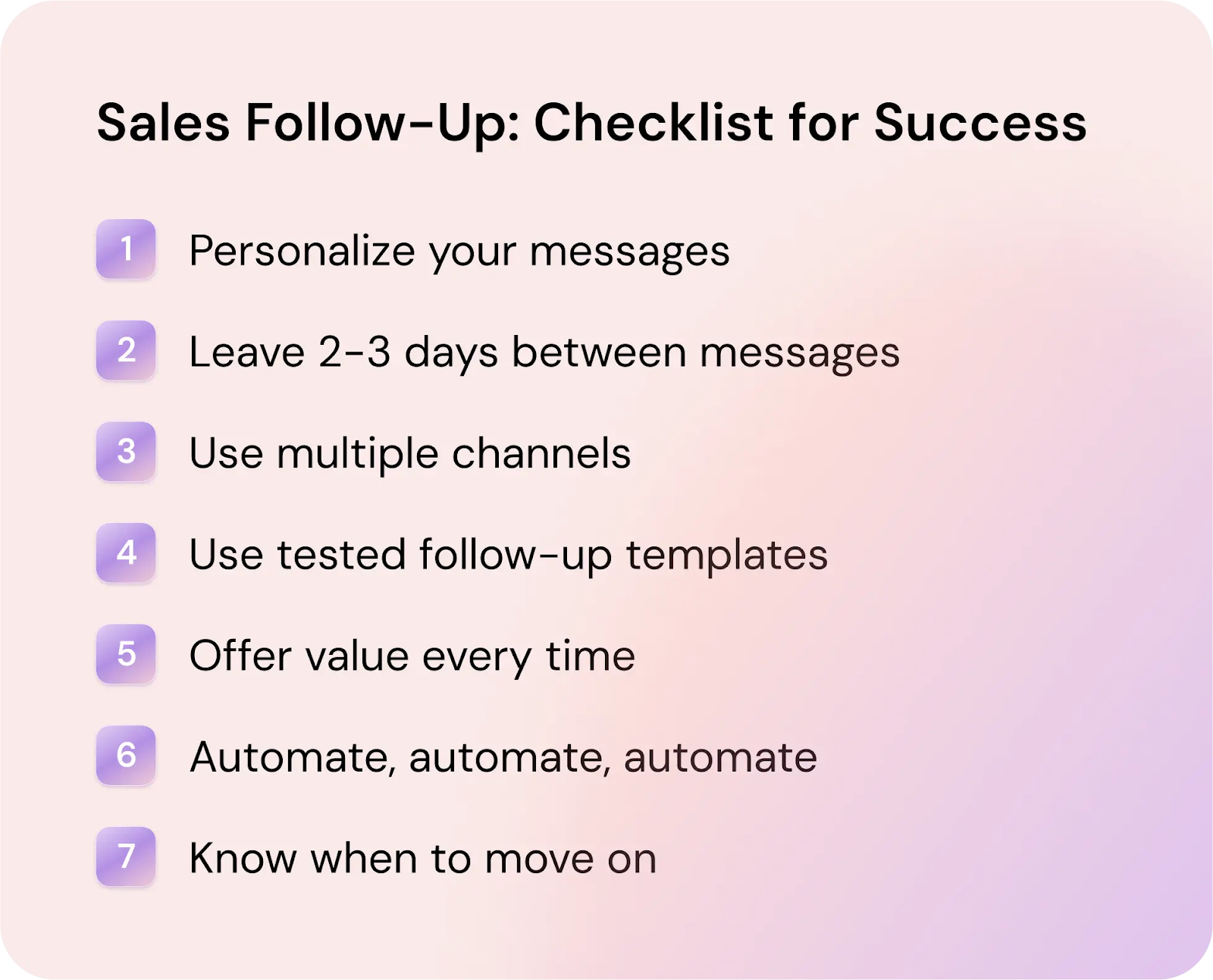
7) Follow-Up Sales Call Script
Rep: "Hey [Name], it's [Your Name] from [Company]. I saw you opened my email about [topic]—figured I'd give you a quick call to see if you had any questions."
Prospect: "Oh yeah, I saw that. Just been busy."
Rep: "Totally get it. Look, I don't want to take up a ton of your time. The email was about [brief recap]. Is this still something you're thinking about, or should I check back in a few weeks?"
Prospect: "No, it's still relevant. Just haven't had time to dig in."
Rep: "Got it. How about this—let's get 15 minutes on the calendar so I can walk you through exactly how this works. Then you can decide if it's worth pursuing. Does [day/time] work?"
Why this works: This follow-up sales call script references a specific action (email open) and gives them an easy out while still pushing for a next step. You're not being pushy—you're being helpful.
8) Inbound Sales Call Script
Rep: "Hi [Name], this is [Your Name] from [Company]. I'm calling because you [filled out a form/requested a demo/downloaded our guide]. Do you have a minute?"
Prospect: "Yeah, I do."
Rep: "Awesome. Just to make sure I'm helpful—what made you reach out to us?"
Prospect: "[Explains their situation]"
Rep: "Got it. And are you actively looking at solutions now, or just doing research?"
Prospect: "We're looking to make a decision in the next month or so."
Rep: "Perfect. Let me ask you two quick questions, then I'll show you exactly how we can help. First—[discovery question]. Second—[qualification question]."
Why this works: Inbound leads are already warm, so this inbound sales call script skips the cold intro and gets straight to qualification. You're confirming intent and moving them to the next step fast.
9) Outbound Sales Call Script (Multi-Touch)
Rep: "Hey [Name], this is [Your Name] from [Company]. I sent you a LinkedIn message last week about [topic]—not sure if you saw it. Do you have 30 seconds?"
Prospect: "Uh, maybe. What's this about?"
Rep: "No worries. I work with [similar companies] who are dealing with [pain point]. We've helped them [result]. Figured it might be relevant for you, but honestly, I don't know enough about your situation yet. Can I ask you one quick question?"
Prospect: "Sure."
Rep: "Are you currently using [tool/process] to handle [pain area], or is this something you're still figuring out?"
Why this works: This outbound sales call script references a previous touchpoint (LinkedIn message) to create familiarity, then uses a soft ask to get them talking. It's conversational, not salesy.
10) Voicemail Script
Rep: "Hey [Name], this is [Your Name] from [Company]. I'm calling because I noticed [specific trigger]. We help companies like yours [result]. If that's relevant, give me a call back at [number]. If not, no worries—I'll try you again next week. Thanks."
Why this works: Short, specific, and curiosity-driven. You're not pitching in a voicemail—you're giving them a reason to call back or expect your next call.
11) Gatekeeper Navigation Script
Rep: "Hi, this is [Your Name] with [Company]. I'm trying to reach [Decision Maker] about [specific topic]. Is he/she available?"
Gatekeeper: "What's this regarding?"
Rep: "It's about [pain point or result]. We work with [similar companies in their space]. I'm not sure if it's relevant, but I wanted to see if [Decision Maker] would be open to a quick conversation. Should I email instead, or is there a better time to reach them?"
Why this works: Polite, confident, and specific. You're not being vague or dodgy—you're treating the gatekeeper like a partner, not an obstacle.
12) Re-Engagement Call Script
Rep: "Hey [Name], it's [Your Name] from [Company]. We talked a few months ago about [topic], but I never heard back. I figured one of three things happened—either you went with someone else, you decided not to move forward, or it's just not the right time. Which one is it?"
Prospect: "Honestly, it just fell off our radar."
Rep: "No worries. Is this still something you're thinking about, or should I just close the loop and stop bothering you?"
Prospect: "No, we're still interested. Just got busy."
Rep: "Got it. Let's get something on the calendar in the next week or two. Does [day/time] work?"
Why this works: Direct and honest. You're giving them permission to say no, which ironically makes them more likely to re-engage. This script works for leads that went cold but never officially said they weren't interested.
Learn More Here: Ways to Re-Engage Lost Leads (Templates & Email Sequences)
13) Objection Handling Script
- Objection: "We don't have a budget right now."
Rep: "Totally fair. Can I ask—if budget wasn't an issue, is this something you'd want to move forward with?"
Prospect: "Yeah, probably."
Rep: "Got it. So it's not a 'no,' it's a 'not right now.' When does your budget reset, and can we get this on your roadmap for then?"
- Objection: "Just send me some information."
Rep: "Happy to. Before I do, can I ask what specifically you want to know? I don't want to spam you with a generic deck that doesn't answer your actual questions."
- Objection: "We're already working with [Competitor]."
Rep: "Got it. Are you happy with them, or is there anything you wish they did better?"
Prospect: "They're fine, but [pain point]."
Rep: "Interesting. That's actually something we specialize in. Would it make sense to show you how we handle that differently, just so you have options?"
- Objection: "I'm too busy right now."
Rep: "I get it. If I could show you how to [result] in less time than you're spending now, would 15 minutes be worth it?"
Why this works: You're not arguing with objections—you're acknowledging them and reframing the conversation around value. These responses keep the deal alive instead of letting it die.

14) Closing Call Script
Rep: "Alright [Name], based on everything we've talked about, it sounds like this could save you [specific pain] and get you [specific result]. Is there anything holding you back from moving forward?"
Prospect: "No, I think we're good."
Rep: "Perfect. So next steps are [action items]. I'll send over the agreement today, and we can get you onboarded by [date]. Does that work?"
Prospect: "Yeah, let's do it."
Rep: "Awesome. I'll follow up with an email in the next hour confirming everything. Looking forward to working with you."
Why this works: Assumes the sale, confirms ROI, handles final objections, and sets clear next steps. You're making it easy for them to say yes.
15) Referral Ask Script
Rep: "Hey [Name], I wanted to reach out because you've been a great client, and we've seen some solid results working together. I'm curious—do you know anyone else in [industry/role] who might be dealing with [similar pain]?"
Client: "Yeah, actually. Let me think."
Rep: "No pressure, but if anyone comes to mind, I'd love a warm intro. I'll take great care of them, just like we've done with you."
Why this works: Simple, direct, and low-pressure. You're asking for referrals from happy clients who already trust you. This is the easiest way to generate high-quality leads.
So, finally! These sales call script examples cover every stage of the sales cycle. Pick the ones that fit your process, customize them with your specific pain points and proof points, and train your team to use them as frameworks, not word-for-word scripts.
That's how you close more deals without sounding robotic.
16) High-Urgency Sales Call Script
Not every call needs urgency. But when the timing is genuinely right, urgency can be the difference between a deal that closes this quarter and one that gets pushed indefinitely.
The key word is "genuinely." This script only works when the urgency is real — tied to their timeline, their budget cycle, or a specific event in their business. The moment you manufacture urgency for your own quota pressure, prospects feel it, and you lose their trust.
When to use this script:
- Contract renewal windows (theirs or a competitor's)
- Fiscal year-end budget cycles — use it or lose it situations
- Competitive displacement (they're currently evaluating alternatives)
- Time-sensitive trigger events: a funding announcement, a leadership change, a new initiative they're launching
The script:
Rep: "Hey [Name], this is [Your Name] from [Company]. I'll be direct — the reason I'm reaching out now specifically is [time-bound trigger: e.g., 'your contract with [Competitor] typically renews in Q4' / 'companies in your space tend to lock in budget before December']. Does that timing apply to you, or am I off base?"
Prospect: "Yeah, actually. We're in the middle of reviewing our options right now."
Rep: "That's exactly why I'm calling. I don't want to get on your calendar three weeks from now when the window's already closing. Can we find 15 minutes this week — not to pitch you, but just to see if what we do is even worth exploring before your deadline?"
Prospect: "What does this involve?"
Rep: "Quick conversation. I'll ask you two or three questions about your current setup, share one thing we do differently, and you can tell me if it's worth a follow-up. That's it. Does [Tuesday or Wednesday] work?"
Why this works: You're opening with their timeline, not yours. The urgency is framed around the consequence of inaction for them — a missed budget window, a renewal they didn't optimize, a decision they'll have to revisit under worse conditions. You're asking for 15 minutes this week specifically, not a vague "call sometime." That specificity makes it feel real.
What NOT to do:
- Don't fake scarcity: "We only have one spot left" — if it's not true, they'll find out.
- Don't pressure with your quota: "I need to hit my number by Friday" is your problem, not theirs.
- Don't manufacture deadlines that don't exist. Artificial urgency is one of the fastest ways to burn a prospect's trust permanently.
Urgency works when it's grounded in their reality. Tie it to something real in their business, frame the cost of delay honestly, and ask for a fast, low-commitment next step. That's how this script converts.
Industry-Specific Sales Call Script Examples
The 16 scripts above work across most B2B sales situations. But if you're calling into a specific vertical, a generic framework can actually hurt you. Tech buyers are different from healthcare buyers. A financial services prospect needs a completely different pace than a SaaS prospect.
Here's how to adapt the core structure for four of the most common verticals.
SaaS / Tech Sales Call Script
Tech buyers are busy, skeptical, and have heard every pitch. They're also drowning in tools — the average company ran 106 SaaS applications in 2025, down from 130 in 2022, as procurement teams cut redundant subscriptions and demand ROI proof for everything. That means your opener needs to earn attention fast by leading with a specific pain, not a feature list.
Rep: "Hey [Name], this is [Your Name] from [Company]. Quick question — are you the right person to talk to about [specific workflow: e.g., your outbound sequencing stack / how you're handling data enrichment]?"
Prospect: "Yeah, that'd be me."
Rep: "Perfect. I'll be fast. We work with SaaS teams that are running [tool X] and running into [specific integration friction or data gap]. Usually, it's causing [outcome: slow rep ramp, bad contact data, missed handoffs]. Is that something you're dealing with, or is your stack pretty solid right now?"
Prospect: "We've got some issues with [specific pain]."
Rep: "Got it. That's exactly what I wanted to ask about. I don't want to assume anything — can I ask two quick questions about how you're set up? Then I'll tell you if we're even relevant."
Why this works: Tech buyers hate vague pitches. Leading with a specific tool name or workflow signals that you've done your homework. Asking about their stack before pitching respects their time and positions you as a peer, not a vendor.
Key adjustments for SaaS/Tech calls:
- Skip the long intro — get to the pain in under 20 seconds
- Name the specific integration or tool they're likely using to show context
- Frame your ask around switching cost or data accuracy, not feature superiority
- Use language like "how you're set up" and "what your current workflow looks like" rather than "are you interested in"
Recruiting and Staffing Sales Call Script
Staffing calls live and die on timing. If you reach a hiring manager when they're not actively recruiting, you'll get politely brushed off every time. The play is to use external hiring signals — active job postings, LinkedIn activity, or growth news — to make the call feel inevitable rather than random.
Rep: "Hey [Name], this is [Your Name] from [Company]. I noticed you're hiring [specific role] right now — I actually saw [two/three] postings go up in the last couple weeks. Is the search going well, or is it as painful as it usually is?"
Prospect: [Laughs] "It's been a nightmare, honestly."
Rep: "Yeah, that's usually what I hear. The [specific role] market is tight right now — good candidates are fielding four or five offers. We specialize in placing [role type] specifically for [their industry], and we've filled similar roles in [timeframe] for companies your size. Worth a quick conversation to see if we can help?"
Why this works: You've already done the research. The job posting reference makes it clear you're not cold-blasting a list — you're calling because they have an actual need right now. The "is it as painful as it usually is" line gets them talking honestly, which is how you qualify fast.
Key adjustments for Recruiting/Staffing calls:
- Always reference a specific open role or hiring signal — never call blind
- Acknowledge talent scarcity in their sector as the hook, not your agency's credentials
- Your goal on the first call is a discovery conversation, not a pitch on fee structure
- Keep the first call under 10 minutes — staffing buyers want results, not relationship-building
Financial Services Sales Call Script
Financial services buyers are risk-aware and compliance-sensitive. They're also slower to trust, because bad decisions in their world have regulatory consequences. Rushing the pitch or asking for too much too fast will kill the call. Your job on the first call is to establish credibility and earn the right to a longer conversation.
Rep: "Hi [Name], this is [Your Name] from [Company]. I know you're cautious about who you bring into [your practice / your firm], and I'm not here to pitch you anything today. I wanted to introduce myself because we work with [RIAs / financial advisors / insurance firms] in [your region/niche], and we're seeing a few things happening in the market that are directly affecting how they think about [risk management / compliance / client acquisition]. Do you have five minutes for a quick conversation?"
Prospect: "What kind of things are you seeing?"
Rep: "Happy to share. It's mostly around [specific trend — e.g., regulatory shifts in reporting requirements / how advisors are handling fee compression]. We've been helping firms like yours navigate that without adding overhead. Before I go further — what does your current setup look like for [relevant area]?"
Why this works: You're leading with humility and market context instead of a pitch. Financial services buyers respond to ROI language and risk framing, not feature lists. The compliance-aware opener — "I know you're cautious about who you bring in" — signals that you understand their world before you've asked them a single question.
Key adjustments for Financial Services calls:
- Slow the pace down — this is a trust-building call, not a close
- Lead with market context and risk language, not product benefits
- Compliance awareness in your opener signals credibility immediately
- The goal of the first call is a second conversation, not a commitment
Healthcare Sales Call Script
Healthcare is one of the longest sales cycles in B2B. Healthcare and MedTech deals average 72-day sales cycles with a 25% win rate — and that's for relatively standard engagements. Complex healthcare solutions involving EHR integrations or clinical workflow changes can take six to twelve months. That means the first call has one job: get the discovery meeting. Nothing else.
Rep: "Hi [Name], this is [Your Name] from [Company]. I'll keep this brief because I know you're probably between patients or meetings. We work with [health systems / medical groups / specialty practices] specifically on [area — e.g., reducing administrative burden on clinical staff / improving revenue cycle efficiency]. I'm not calling to pitch you anything today — I wanted to see if the challenges you're dealing with around [area] are even relevant to what we do before we take up more of your time. Does [the problem area] sound like something your team is actively working on?"
Prospect: "We've been looking at that, yeah."
Rep: "Interesting. Who else on your team is typically involved when you look at something like this? I want to make sure if we do get on a proper call, the right people are in the room."
Why this works: You're acknowledging their time constraints upfront, which builds immediate credibility. The patient outcome or regulatory framing in your positioning tells them you understand healthcare specifically, not just SaaS or generic B2B. Asking about decision-makers on the first call is smart — healthcare decisions involve multiple stakeholders (clinical, IT, finance, compliance), and knowing that early saves weeks of chasing.
Key adjustments for Healthcare calls:
- Always acknowledge you're keeping it brief — healthcare buyers are time-starved
- Reference patient outcomes or regulatory context to signal domain knowledge
- Decision cycles are long — your entire goal is a proper discovery call, not a close
- Ask about the buying committee early — healthcare is almost never a single decision-maker
🚀 Fill Your Calendar With Buyers
We deliver meeting-ready leads to your team, helping you close more deals—fast. Only pay for the qualified leads we send.
Sales Discovery Questions That Make Your Scripts Stronger
Your sales discovery call script is only as good as the questions you're asking. Most reps lose deals because they pitch too early or ask surface-level questions that don't uncover real pain.
The truth is, discovery is where deals are won or lost. Ask the right questions, and closing becomes the easiest part of the process.
Let's break down the questions that actually move deals forward.
Pain-driven questions
These dig into what's not working. You want the prospect to feel the pain again so they're motivated to fix it.
- "What's the biggest challenge you're dealing with right now around [area]?"
- "How is [problem] impacting your team or revenue?"
- "What happens if you don't solve this in the next 6 months?"
- "Walk me through the last time [pain point] caused an issue for you."
Process questions
These help you understand how they currently handle the problem. You're looking for inefficiencies, manual work, or gaps you can solve.
- "What's your current process for [task/goal]?"
- "Who's responsible for handling [area] on your team?"
- "How much time does your team spend on [task] each week?"
- "What tools are you using right now, and what's working or not working about them?"
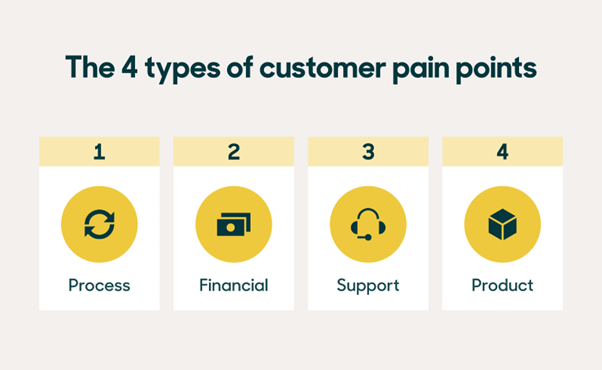
Priority questions
Not every problem is urgent. These questions tell you if solving this is actually a priority or just something they're casually exploring.
- "If you could fix one thing about [area] right now, what would it be?"
- "Where does this rank on your list of priorities for this quarter?"
- "What's driving the need to solve this now versus six months from now?"
- "Is this a 'nice to have' or a 'we need to fix this ASAP' situation?"
Decision-making questions
You need to know who's involved, what the process looks like, and how decisions actually get made. This keeps you from wasting time with someone who can't sign off.
- "Who else is involved in making this decision besides you?"
- "What does your decision-making process typically look like for something like this?"
- "Have you bought something similar before? What did that process look like?"
- "What's the approval process on your end once you decide to move forward?"
Budget and timeline questions
These qualify whether the deal is real or just a tire-kicker situation. You're not being pushy—you're being respectful of both your time and theirs.
- "Do you have a budget allocated for this, or is this exploratory?"
- "What's your timeline for making a decision?"
- "If everything looks good, when would you want to have this implemented?"
- "What happens if you don't hit that timeline?"
Why discovery improves close rates by 30–50%
When you skip discovery or rush through it, you're pitching blind. You don't know what they care about, so your pitch misses the mark.
But when you use a solid sales discovery call script with the right questions, you're doing three things that drastically improve close rates:
- You're uncovering real pain.
When prospects tell you what's broken in their own words, they're selling themselves on why they need a solution. You're just connecting the dots.
- You're qualifying hard.
Discovery questions filter out leads who aren't ready, don't have budget, or can't make decisions. That means your team stops wasting time on deals that were never going to close.
- You're building trust.
Asking thoughtful questions shows you actually care about solving their problem, not just hitting quota. That's how you turn skeptical prospects into buyers.
At Cleverly, we build discovery frameworks into our cold calling campaigns so our SDRs aren't just booking meetings, they're booking qualified meetings with decision-makers who have real pain and budget.
That's why our clients see $312 million in pipeline generated and close deals faster.
So, the bottom line is - your sales discovery call script should spend more time asking than telling. Get the prospect talking, uncover what actually matters to them, and your close rate will jump. The pitch becomes easy when discovery is done right.
Outbound vs Inbound Sales Call Scripts (Key Differences)
Not all sales calls are created equal. The way you approach an outbound sales call script should be completely different from how you handle an inbound lead.
Why? Because the context, intent, and mindset of the prospect are totally different. Use the wrong approach, and you'll either lose warm leads or waste time on cold ones.
Let's break down the key differences and when to use each type.
Outbound: Low Context → Curiosity + Value First
When you're making outbound calls, the prospect doesn't know you exist. They didn't ask for your call, they're probably in the middle of something, and they have zero context about why you're reaching out.
That means your outbound sales call script needs to do three things fast: grab attention, create curiosity, and deliver value before they hang up.
Your opener has to interrupt their pattern without being annoying. That's why the best outbound scripts lead with relevance—a trigger event, a pain point you know they're dealing with, or social proof from a similar company.
You're not pitching yet. You're earning the right to have a conversation.
Inbound: High Intent → Simplify the Call → Close Faster
Inbound leads are a different beast. They already raised their hand. They filled out a form, requested a demo, downloaded your guide, or clicked on your ad.
They have context, they have intent, and they're expecting your call. Your job isn't to convince them to care—it's to qualify them fast and move them to the next step.
The biggest mistake reps make with inbound calls is over-explaining. The prospect already knows what you do.
They don't need the full pitch. They need you to confirm they're in the right place, ask a few qualifying questions, and book the demo or next step. That's it.
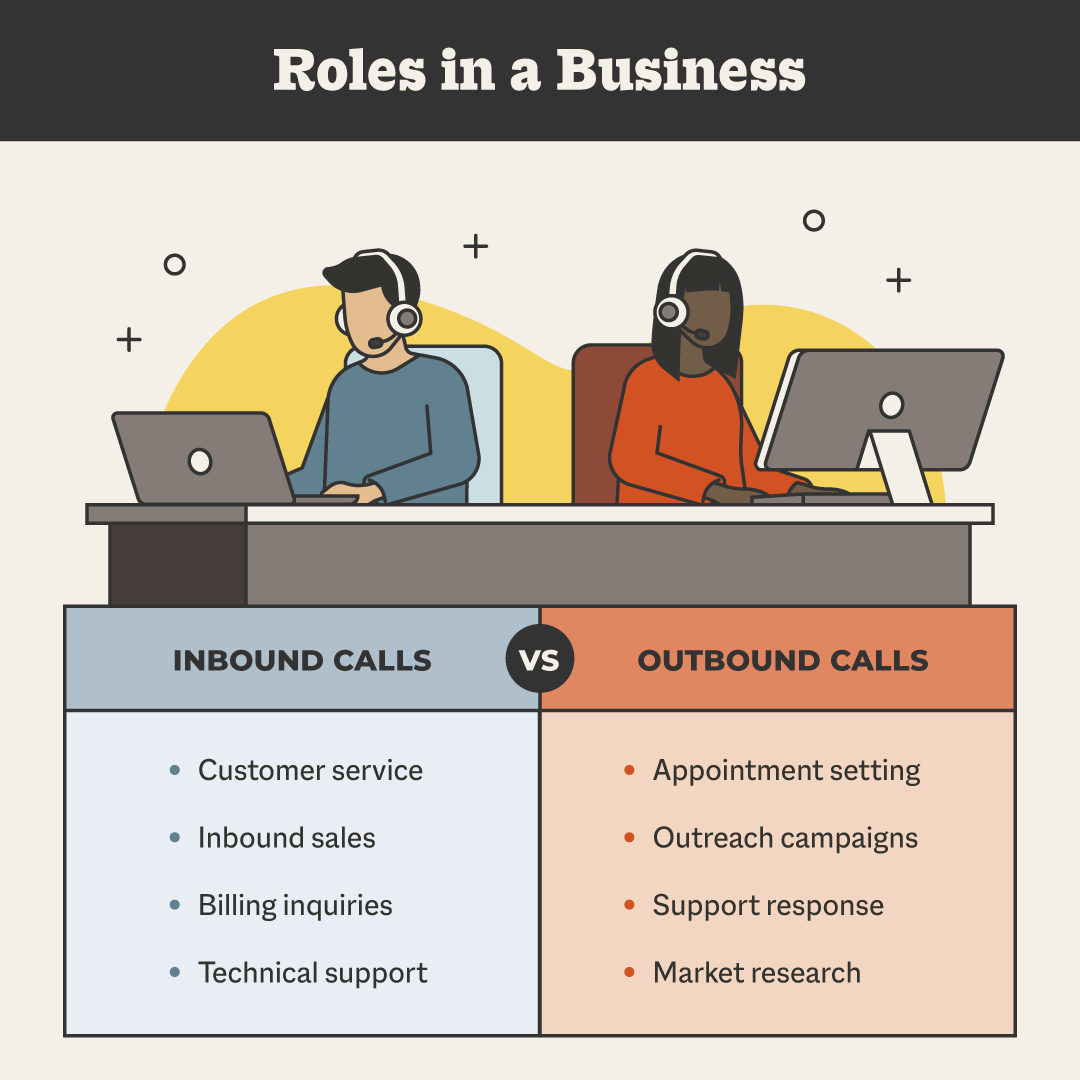
Key differences between outbound and inbound scripts
When to use outbound scripts
Use an outbound sales call script when you're initiating contact with prospects who didn't ask to hear from you. This includes cold calls, LinkedIn outreach follow-ups, or multi-touch sequences where you're reaching out based on triggers like job changes, funding announcements, or industry events. The goal is to create interest where none existed before.
At Cleverly, our cold calling system uses proven outbound scripts to book 10–30 qualified appointments every month for our clients. We're not pitching on the first call—we're sparking curiosity and booking the real conversation. That's how we've made over 1 million cold calls and set 53,000 appointments.
When to use inbound scripts
Use an inbound script when the prospect already reached out—demo requests, form fills, content downloads, or pricing page visits. These leads have intent, so your script should focus on speed and qualification. Don't waste time explaining who you are. Confirm their interest, ask the right questions, and move them to the next step fast.
Your outbound sales call script should build curiosity and earn attention. Your inbound script should qualify fast and close faster. Use the wrong approach, and you'll either annoy warm leads or lose cold ones. Match your script to the context, and your conversion rates will jump.
Also Check: Cold Calling vs Warm Calling: Which Works Better for B2B Sales?
7 Sales Call Script Best Practices
A sales call script is only as good as how you use it. You can have the perfect framework, but if you're talking over prospects, skipping discovery, or pitching before you understand their pain, you're going to lose deals.
Here are seven best practices that separate reps who hit quota from reps who struggle.
1. Keep the intro under 10 seconds
Your opening line makes or breaks the call. If you take 30 seconds to introduce yourself, explain your company, and ramble through your value prop, the prospect is already checked out. Get to the point fast.
❌ Bad intro: "Hi, my name is [Name] and I'm calling from [Company]. We're a leading provider of sales solutions that help companies like yours improve their outreach and generate more qualified leads through a combination of technology and proven strategies..."
✅ Good intro: "Hey [Name], this is [Your Name] from Cleverly. I know I'm catching you out of the blue—do you have 27 seconds?"
The difference? One respects their time. The other wastes it. Keep your intro tight, acknowledge that you're interrupting them, and earn permission to continue. That's how you get past the first 10 seconds without getting hung up on.
2. Use pattern interrupts
Prospects hear the same pitches all day. "How are you today?" and "Is now a good time?" are death sentences because they signal you're reading from a script. Pattern interrupts break that expectation and force the prospect to actually pay attention.
Examples that work:
- "Do you have 27 seconds?" (specific number grabs attention)
- "I'll be totally honest with you..." (creates curiosity)
- "Quick question—are you the right person to talk to about [area], or should I be talking to someone else?" (respectful and direct)
Pattern interrupts make you sound human instead of robotic. That's the whole point of a sales call script—give structure without sounding scripted.
3. Ask layered questions
Surface-level questions get surface-level answers. If you ask, "Are you happy with your current solution?" they'll say yes even if they're not. Layered questions dig deeper and uncover real pain.
Start broad, then go specific:
- "What's your current process for [area]?" (broad)
- "And what's working or not working about that?" (uncover pain)
- "How is that impacting your team or revenue?" (quantify pain)
- "What happens if you don't fix this in the next six months?" (create urgency)
Each question builds on the last. By the time you're done, the prospect has talked themselves into why they need to change. That's how discovery turns into closed deals.
4. Speak 30–40% of the time
If you're doing most of the talking, you're doing it wrong. The prospect should be talking more than you are. Why? Because the more they talk, the more you learn. And the more you learn, the easier it is to position your solution around what actually matters to them.
A good rule: aim for 60/40 or 70/30 prospect-to-rep talk time. Ask questions, shut up, and listen. When they're done talking, ask a follow-up question instead of jumping into your pitch. Let them sell themselves on why they need help.
At Cleverly, we train our cold calling SDRs to listen more than they talk. That's why we book qualified appointments instead of wasting time on leads who aren't ready. Discovery-first scripts work because they're built around the prospect, not the pitch.
5. Use micro-yes questions
Micro-yes questions are small commitments that keep the conversation moving forward. Instead of asking one big yes at the end, you're getting agreement at every step. This builds momentum and makes the final close feel natural.
Examples:
- "Does that make sense?"
- "Fair?
- "Sounds good?"
- "Is this still relevant, or am I off base?"
Each micro-yes keeps them engaged and confirms they're following along. By the time you ask for the meeting or demo, they've already said yes five times. It's harder to say no at that point.
6. Mirror and label (Chris Voss method)
Chris Voss, former FBI hostage negotiator, teaches two techniques that work just as well in sales calls: mirroring and labeling. Mirroring is repeating the last 1–3 words the prospect said to get them to elaborate.
Prospect: "We're just not seeing the ROI we expected."
Rep: "Not seeing the ROI?"
Prospect: "Yeah, we're spending a ton on ads but the leads aren't converting."
Labeling is calling out what the prospect is feeling to build rapport and uncover objections.
Rep: "It sounds like you're frustrated with the lead quality."
Prospect: "Exactly. We're getting volume, but not the right people."
Both techniques make the prospect feel heard, which builds trust. And trust is what closes deals. Use these in your sales call script to go deeper without sounding like you're interrogating them.
7. Never pitch before you understand pain
This is the most important one. If you pitch before you understand their pain, your pitch won't land. You'll talk about features they don't care about, benefits that don't matter, and pricing that feels expensive because you haven't justified the value.
Discovery comes first. Always. Ask questions, listen to what's broken, and get them to quantify the impact. Then—and only then—do you pitch. And when you do, tie everything back to what they told you.
Rep: "So based on what you said—you're spending 20 hours a week on manual outreach, you're only booking 2–3 meetings a month, and your team is burned out—here's how we solve that."
Now your pitch feels personal, not generic. You're solving their exact problem, not pitching your entire feature list. That's how you close deals instead of just having conversations.
Follow these rules, and your conversion rates will jump.
How Cleverly Helps Companies Close More Deals With Better Sales Calls
See, your team can have the best sales call script in the world, but it doesn't matter if they're talking to the wrong people.
Most companies waste time chasing unqualified leads, running outbound campaigns that don't convert, or letting their SDRs burn out making cold calls that go nowhere.
That's where Cleverly comes in.
We're a B2B lead generation agency that handles the entire outbound process for you—LinkedIn outreach, cold email campaigns, and cold calling—so your sales team only talks to qualified, ready-to-buy prospects.
No more wasted calls. No more chasing leads that ghost you. Just meetings with decision-makers who actually have budget, authority, and pain.
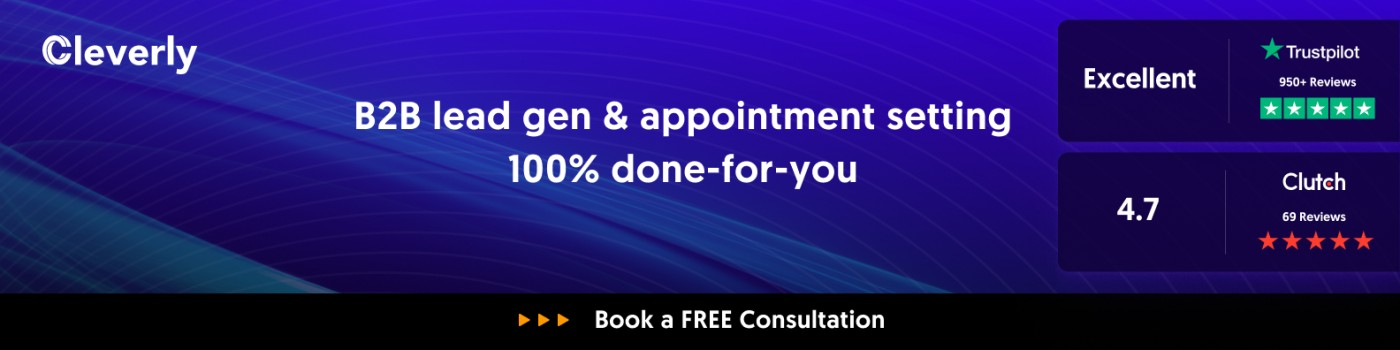
Our numbers speak for themselves:
We've helped over 10,000 clients generate $312 million in pipeline revenue and $51.2 million in closed revenue. Companies like Amazon, Google, Uber, PayPal, Slack, and Spotify trust us to book their sales calls.
We've made over 1 million cold calls, set 53,000+ appointments, and our system guarantees 10–30 qualified meetings every month—or we replace your SDR.
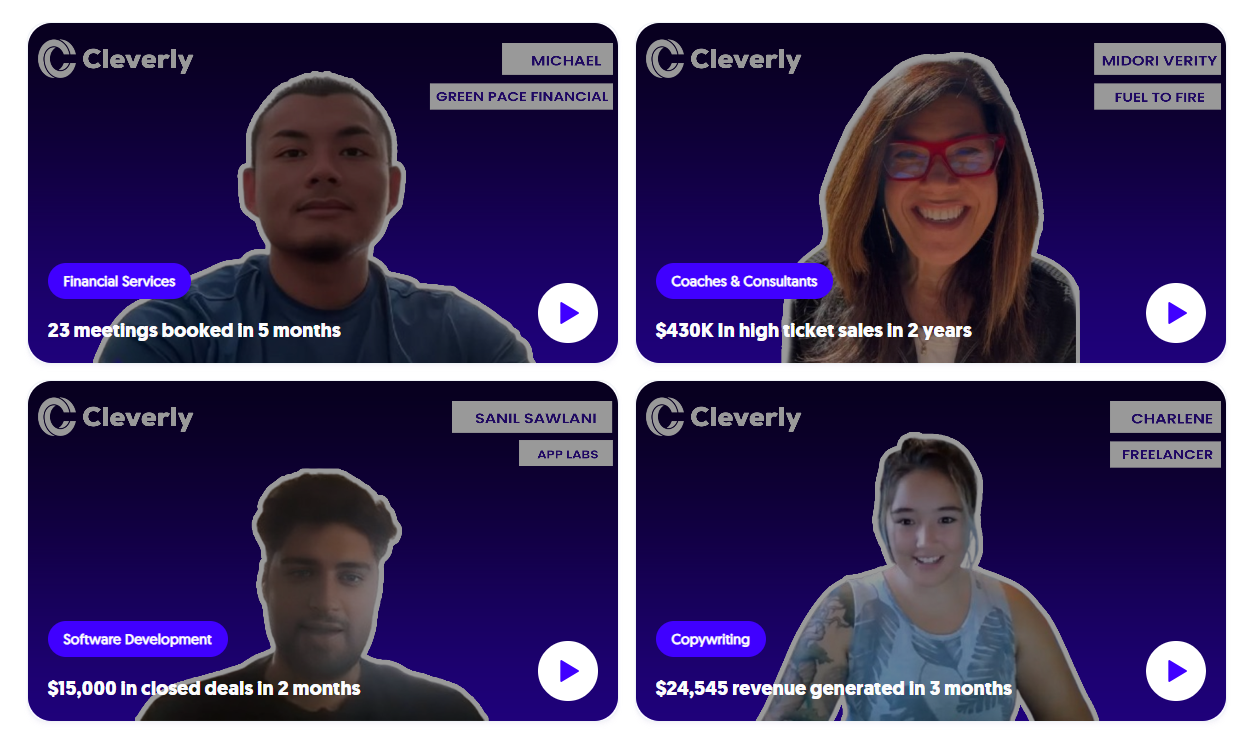
Your sales team should be closing deals, not chasing cold leads. Let Cleverly handle the B2B lead generation so your reps can focus on what they do best - running killer sales calls with the scripts we've covered and closing deals that hit your revenue goals.
Want to book 10–30 qualified sales calls every month?
🔥 Book a FREE Consultation →

Conclusion
A solid sales call script isn't about sounding robotic, it's about giving your team a proven framework that actually works.
Scripts accelerate onboarding, build confidence for new reps, and improve conversions across the board when they're used the right way.
The key is adaptability. Take the templates we've covered, personalize them for your offer and your audience, and train your team to use them as guides, not word-for-word spiels. The best scripts evolve based on what's working.
Record your calls, listen back, and optimize. What objections keep coming up? Where are prospects dropping off? What questions lead to closed deals? Use those insights to tighten your sales call script over time.
Your reps have the framework. Now it's time to put it to work and close more deals.
Frequently Asked Questions
Free Resource
How to Scale a Profitable Cold Call System
Get the complete guide — download it instantly now.
Free Ebook
Download the Free Guide
Enter your details to get instant access.
You're all set! 🎉
Your ebook is downloading now.
Click below if the download didn't start automatically.