Modified On :
November 4, 2026
Key Takeaways
- Screening happens at four layers before a human decides anything: carrier labels, caller ID authentication, phone settings, and AI assistants. Most of it is invisible to the caller.
- Phone reach is now a reputation problem. Volume per number, call length, and recipient complaints decide whether you get through.
- Caller ID authentication is necessary, but it does not stop a spam label. Labeling is a separate reputation decision.
- Anything that works by disguising the call, like local presence dialing or number churning, buys a short-term win and a long-term cost.
- Fewer, better-targeted calls to accurate direct dials, warmed up on other channels first, now beat raw dial volume.
You are dialing the same list, with the same reps, using the same script. Your connect rate keeps sliding anyway.
The pitch is usually not the problem. Call screening in cold calling now happens in four places before a human decides anything: the carrier, the caller ID layer, the phone itself, and increasingly an AI assistant that answers for the prospect.
Hiya’s 2026 State of the Call report puts the average American at 9.9 unwanted calls per week, growing 16% a year since 2023. Hiya also reports that 86% of unidentified calls go unanswered. Hiya sells call protection, so treat those numbers as directional.
The bigger shift is this: call deliverability is becoming email deliverability. Reaching someone by phone is now a reputation problem, not a dialing problem. And more dials make it worse, because volume is exactly what triggers the filters.
This guide covers the four layers of screening, why numbers get flagged, what works now, what to avoid, and how to measure it. It is written for sales leaders, SDR managers, and founders running outbound calling.
The Four Layers of Cold Call Screening
Most teams know about one or two of these layers. You need to know all four, because each one fails in a different way and needs a different fix.
Carrier-Level Spam Labeling
This is where most answer rate damage happens. Carriers apply labels like “Spam Risk” or “Scam Likely” using analytics from firms such as Hiya, First Orion, and TNS.
The label is based on how your number behaves, not who you are. Call volume, answer rates, call duration, and complaint data all feed in. You usually find out when results collapse, because nobody tells you your number is flagged.
A flagged number does not just get ignored. Many people will never see it ring at all.
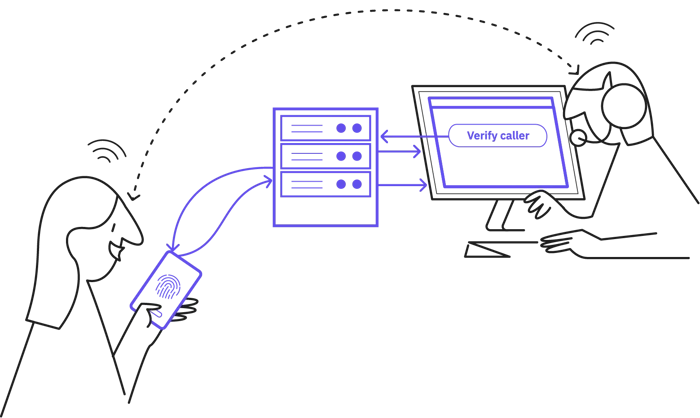
Caller ID Authentication
Authentication frameworks, mainly STIR/SHAKEN in the US, verify that a number has not been spoofed. The originating carrier signs the call with an attestation level (A, B, or C). A is the strongest. TNS reported that 85% of voice traffic between Tier-1 carriers was signed in 2025, so this layer is now table stakes.
One point matters more than any other here. Passing authentication does not prevent a spam label. Authentication proves the call is really coming from that number. Labeling is a separate judgment about whether that number behaves like a spammer. You can be fully authenticated and still wear a “Spam Risk” tag.
The reverse is also true. Unauthenticated calls are more likely to be flagged or blocked outright.
Device and Operating System Screening
Phones now have built-in controls that silence or filter unknown numbers. Some people turn them on because they have simply had enough.
On iPhone, iOS 26 added a Screen Unknown Callers setting under Settings, Apps, Phone. The options include sending unknown callers straight to voicemail, or asking the caller for a reason before the phone rings. It works on iPhone 11 and newer, and it builds on Live Voicemail, which arrived in iOS 17. Reports differ on whether it ships on by default, so do not assume either way.
The takeaway is simple. A call that never rings cannot be answered, no matter how good your opener is.
AI Assistants Answering on the Recipient’s Behalf
This is the newest layer and the one moving fastest. Google’s Call Screen on Pixel phones has an assistant pick up, ask who is calling and why, and show a live transcript. At the maximum setting, it screens every unknown number. It also hangs up on calls it judges to be spam.
Apple’s version does something similar. The caller is asked for a name and reason, and the recipient reads the response before deciding.
Functionally, this is a gatekeeper that never has a bad day and cannot be charmed. We cover how to handle it later in this guide.
📞 Getting Screened Out? Change Your Calling Strategy.
Reach decision-makers with better targeting and proven cold calling. Let Cleverly turn more calls into qualified meetings.
Why Your Numbers Get Flagged
If you want to protect your numbers, you first need to know what call screening for businesses actually reacts to. Carriers and analytics firms do not publish exact thresholds, so treat everything below as patterns, not rules.
Behavior Signals
- High volume from one number in a short window. This is the clearest trigger. One number pushing out hundreds of calls looks like a robocaller.
- Lots of very short calls. Calls that end in under ten seconds look like spam to an algorithm, even when a human made them.
- Low answer rates. These compound. Fewer answers lower your reputation, which lowers answers further.
- Recipient spam reports. People tapping “report spam” carry significant weight.
Identity Signals
- New or unregistered numbers. A number with no calling history has no reputation to lean on.
- Number recycling. A number that someone else abused can be reassigned to you, and the reputation comes with it.
- Caller ID that does not match the registered business. If the display name, the number, and the company behind it do not line up, filters notice.
Pro tip: If you buy or lease numbers in bulk, ask your provider where each one came from. A cheap batch of recycled numbers can start your campaign with a reputation hole.
The Part to Remember
None of these signals has anything to do with what you say on the call. The filtering happens before anyone hears you. That is why rewriting your script rarely fixes a connect rate problem.
What Still Works: Protecting Number Reputation
This is the practical core. None of it is glamorous, and all of it works better than guessing.
Register Your Numbers Properly
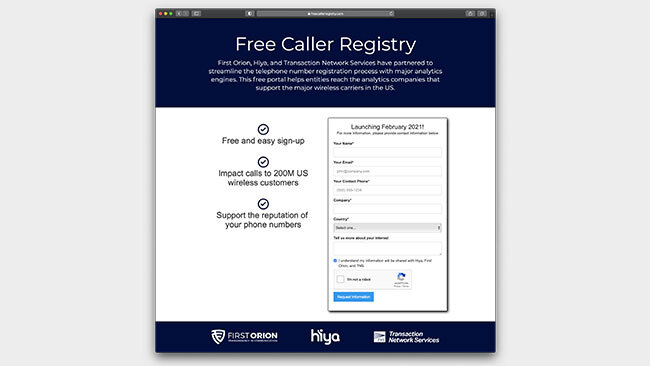
Make sure your calls are authenticated and attributable. That means confirming with your voice provider that your numbers carry strong attestation, and registering them with the relevant registries. The Free Caller Registry, run by First Orion, Hiya, and TNS, feeds all three major analytics engines from one submission. Your carrier may also have its own process.
Registration will not guarantee clean labels. It gives the analytics engines a reason to treat your numbers as a real business and not an unknown source.
Use Branded Caller ID, With Honest Expectations
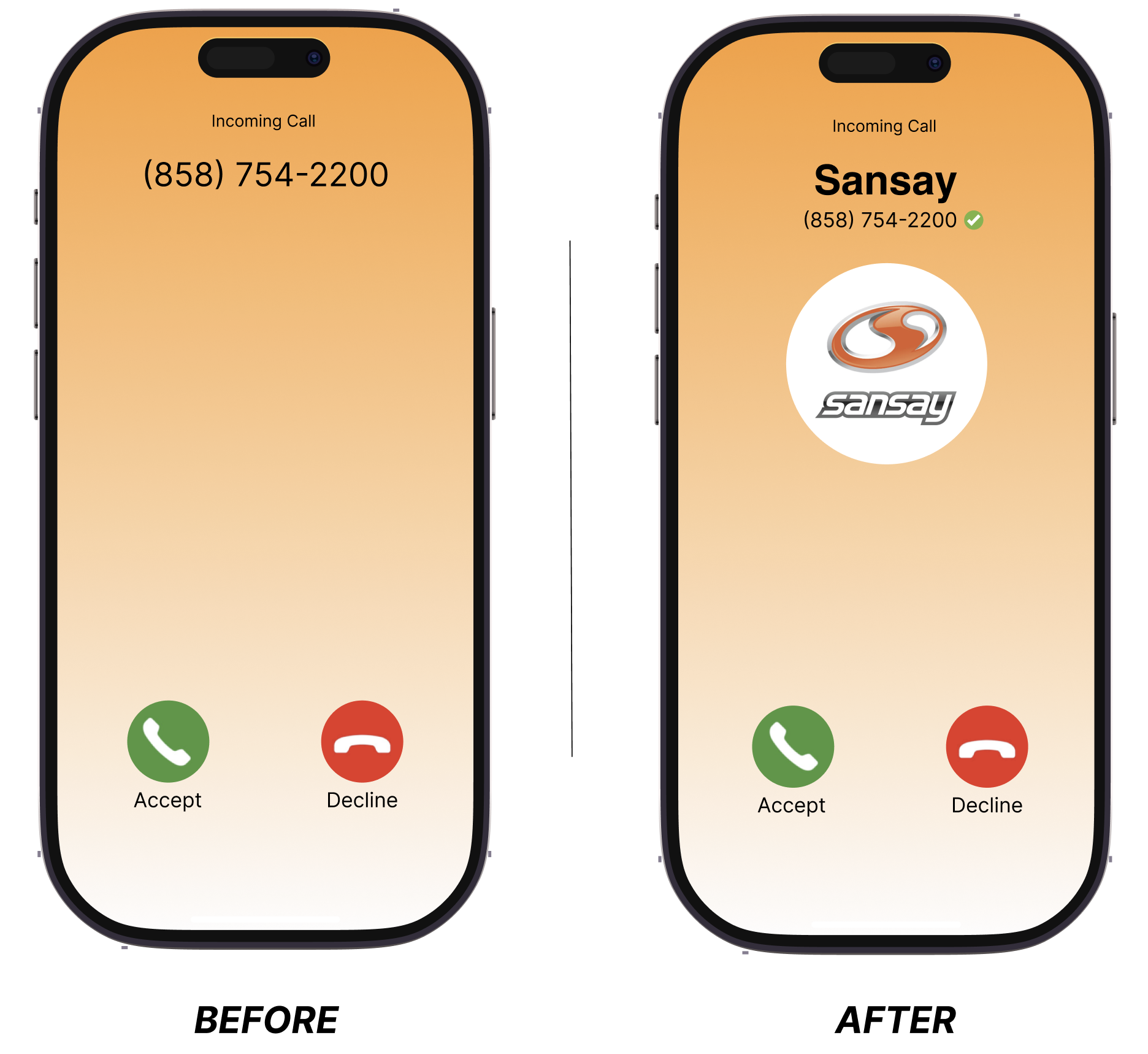
Branded caller ID shows your company name on supported networks and devices. It helps people recognize who is calling.
The honest caveat: branded calling controls what is displayed. It does not prevent a spam label. Vendors publish big answer rate uplift numbers for it, and those claims are widely repeated and poorly sourced. We would not plan around any specific figure. Test it on your own numbers and judge it by your own results.
Spread Volume Across Numbers on Purpose
Email senders learned this years ago. You do not send everything from one domain. The same logic applies here.
Spread volume across a pool of numbers so no single number looks like a robocaller. Then reduce the volume per number. Reach now costs more dials, spread more thinly. That is the price of staying clean.
Warm New Numbers Gradually
A new number should not start at full dialing volume. Start light, then ramp up only while connect rate and call length stay healthy.
Nobody publishes an official warm-up schedule, so you build your own from your data. If your connect rate drops or short calls start rising, pause the ramp and hold volume steady.
Monitor Your Own Numbers
Check how your numbers actually display. Call test phones on different carriers and see what shows up. Do this regularly, not once at setup.
Pro tip: Put a recurring test on the calendar. A weekly check across three carriers takes a few minutes and can catch a flagged number before a whole week of dials is wasted.
Keep Call Duration Healthy
A pattern of very short calls damages reputation. This is where targeting matters. If your reps call the wrong people, calls end fast, and your numbers pay for it.
Fix Flagged Numbers, Do Not Just Abandon Them
When a number gets flagged, go through the carrier and registry review processes. Only the carrier or its analytics partner can remove a label. You can request review, but you cannot force it.
Dumping the number and grabbing a new one treats the symptom. The behavior that caused the label follows you to the next number.
🚀 Get Past the Voicemail. Get Into the Conversation.
Stop wasting calls on the wrong contacts. Let Cleverly put your offer in front of the people who can actually buy.
What to Avoid
The search term “bypass call screening” invites bad advice, so we want to be direct. Anything that works by disguising the call is a short-term tactic with a long-term cost.
Local Presence Dialing
This means showing a local area code when the caller is not actually based there. It is widely used, increasingly detected, and ethically questionable. Carriers flag the pattern. Recipients who notice feel deceived, and they remember it.

Churning Through Numbers
Rotating to fresh numbers every time one gets labeled treats the symptom. It also accelerates the problem, because constant new numbers with no history look exactly like what filters are built to catch.
Misrepresenting Who Is Calling or Why
Fake company names, vague pretexts, and false reasons may breach rules as well as destroy trust. If a recipient reads your screener response and later finds it was a lie, that deal is dead.
Pushing Volume to Compensate
When connect rates fall, the instinct is to dial more. That is the behavior that caused the labeling in the first place. More volume from the same numbers makes the labels stick harder.
Automated or AI Voice Calls Without Consent and Disclosure
Automated and AI-voice outbound calls carry their own regulatory exposure, especially around consent. Read our TCPA compliance checklist before you add anything automated to your calling. This is not legal advice, so check your setup with counsel.
How Cold Calling Strategy Has to Change
Cold calling still works. The economics have shifted toward precision and away from volume. Here is how that plays out in practice.
Why Call Screening in Cold Calling Rewards Fewer, Better Calls
Volume is now the thing being penalized. A smaller, tighter list of people who fit your ICP gives you longer calls, better answer rates, and healthier number reputation. It also gives your reps more time per conversation.
Accurate Direct Dials Matter More
A switchboard number or a dead line wastes the reputation you are trying to protect. Every bad dial counts against the number that made it. Data quality used to be a rep efficiency issue. Now it is also a reach issue.
Warm Prospects on Other Channels First
When your name is familiar, the phone call stops being a stranger calling. A connection request, a profile view, or a short email before the call all help. When we run calling for clients, we line up LinkedIn and email touches ahead of the dial so the number that rings is attached to a name the prospect has seen.
Our multichannel appointment setting guide covers how to sequence this.
Treat Voicemail as a Real Channel
More screened calls end up in voicemail, so your voicemail now does real work. Keep it short. Say who you are, give one specific reason to call back, and leave your number once. Our cold call voicemail scripts guide has examples you can adapt.
Pay Attention to Timing
Reaching someone at their desk beats reaching a screened mobile. Test different time blocks and look at answer rate by hour. There is no universal best time, so let your own data decide.
Use Referrals and Warm Introductions
A warm introduction skips screening entirely, because the person is expecting the contact. That makes referrals worth more now than they used to be. Ask for them more often.
Adapting to AI Call Screeners
AI screening is still developing quickly. Both Apple and Google have changed their screening features more than once, so check current behavior on real devices before you rewrite your opener. What follows is the general pattern.
What an AI Screener Asks
Typically three things: who is calling, what company, and what it is regarding. The recipient then sees a transcript or hears a recording and decides whether to pick up.
How to Answer
Treat it like a human gatekeeper, because functionally it is one. Be clear, specific, and brief. Give a real reason. Vague answers are exactly what the screener is built to filter out.
Notice what the stronger answers do. They name a person, a company, and a topic that is relevant to the recipient. They are also short, because the message gets read, not heard. That means plain language beats tone and delivery.
What Not to Do
Never try to trick the screener. The transcript is a permanent record the recipient can read after the call. A fake name or invented reason does not disappear.
Pro tip: Write your screener answer in advance and keep it to one or two sentences. Have reps practice saying it cold, without reading, so it sounds natural and does not run long.
Check Your Dialer
Ask your dialer vendor how it handles screening prompts. A screener that picks up can look like a live answer to some systems, which can lead to dead air or abandoned calls. Vendors are adjusting to this, so ask for their current behavior.
The underlying skill is the same one you use on gatekeepers. Our gatekeeper guide covers it in more depth.
What to Measure
You cannot fix what you cannot see. Track these metrics by individual number, not in aggregate, because one damaged number drags the average down and hides the problem.
A few rules for reading the numbers:
- Watch for two things moving together. A sudden drop in answer rate plus more very short calls usually means labeling has started.
- Benchmark against yourself. Published answer rate figures in this area are vendor-sourced and inconsistent. Your own trend is the only benchmark you can trust.
- Anchor on meetings per hundred dials. Reach can improve while results stay flat. This metric keeps you honest.
How Cleverly Keeps Cold Calling Connecting
Number reputation is now a discipline of its own. An in-house team working a handful of numbers usually finds out they are flagged when results collapse, and they have no comparison data to work out why. Most teams also do not have the time to run this day to day.
We run the whole calling system for you. That covers verified direct dial data, ICP-aligned target lists, trained SDRs, tested call and voicemail frameworks, and appointments booked straight onto your calendar.
Calling infrastructure and number health are part of the service, so you are not left to discover problems after the fact. Accurate data is the upstream fix, since fewer wasted dials protects your number reputation as well as rep time.
We also warm prospects across channels before the call, so the number that rings belongs to a name they recognize.
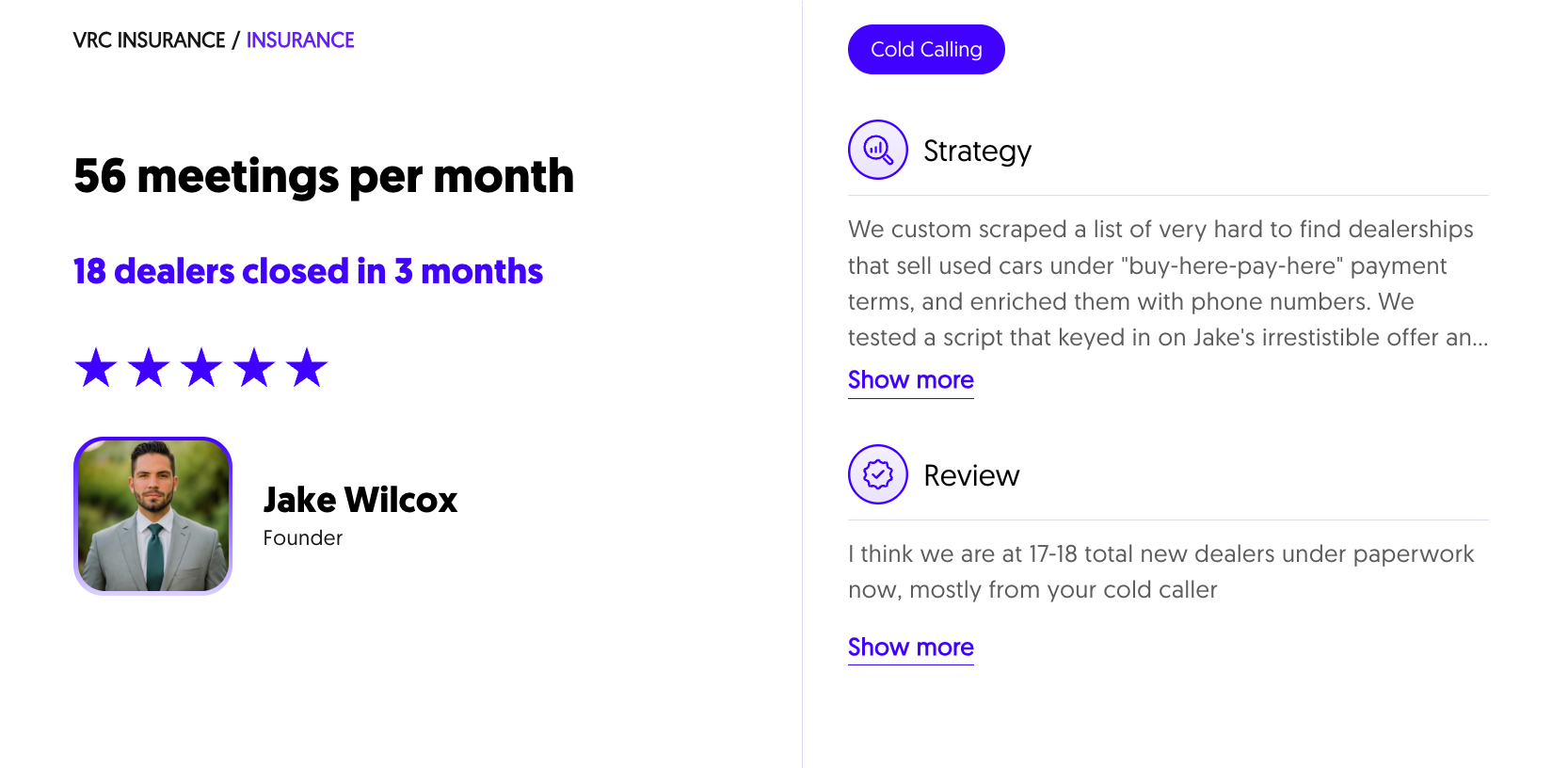
Across more than 1M cold calls, we have set 53K appointments, and we optimize for qualified appointments held, not dial volume. Our cold calling lead generation service is backed by a guarantee of 10 to 30 qualified calls per month, or we replace the SDR.
Watching your connect rates slide? Book a free consultation with Cleverly and we will look at what is actually happening.
Conclusion
Call screening in cold calling now happens at four layers before a human makes any decision, and most of it is invisible to the caller. The shift to understand is that phone reach has become a reputation problem, the same way email did. Protect your number reputation, reduce volume per number, and treat accurate data as a reach issue, not just an efficiency one.
Skip anything that works by disguising the call, because carriers detect the pattern and recipients remember. Your next step is simple. Check how your main calling numbers display right now, and start tracking connect rate per number instead of across the team.
Frequently Asked Questions
Free Resource
How to Scale a Profitable Cold Call System
Get the complete guide — download it instantly now.

Free Ebook
Download the Free Guide
Enter your details to get instant access.
You're all set! 🎉
Your ebook is downloading now.
Click below if the download didn't start automatically.