Table of Contents
Why B2B Prospects No-Show on Sales Meetings
The Right Way to Follow Up After a No-Show
No-Show Follow-Up Email Templates
How to Reduce No-Show Rates Before They Happen
Multi-Channel Follow-Up: When to Use Email, SMS, and Phone
Common Mistakes That Kill Rebooking Chances
How Cleverly Handles Follow-Up and Rebooking
Conclusion
Frequently Asked Questions
Modified On :
August 7, 2026
Key Takeaways
- No-show follow-up works best as a defined process with set timing and tone, not a one-off email you write from scratch every time someone skips a call.
- The fastest recovery window is the first 24 hours. Waiting longer lets the original context and urgency fade.
- Tone matters more than wording. Assume good faith instead of guilt-tripping, and the reply rate goes up.
- Prevention beats recovery. Pre-meeting reminders, prep materials, and flexible scheduling cut no-shows before you ever need a template.
- Email alone isn't enough for higher-value meetings. A short call after two unanswered emails often recovers what email can't.
You booked the meeting. You confirmed the time. Then the prospect just didn't show up.
This happens more than most sales teams admit. Across B2B sales, education, and appointment-based businesses, no-show rates between 20% and 40% are common, with Chili Piper putting the average sales meeting no-show rate at 20 to 35%.
Even the best-run teams aren't immune. Median no-show rates across B2B SaaS sit around 13.5%, and even the top 10% of teams still see 5.5%.
The real cost isn't the empty calendar slot. It's what happens next. A missed meeting with no follow-up, or a bad one, turns a scheduling hiccup into a dead lead. A good no-show email template does the opposite. It gets the meeting back on the books without making the prospect feel called out.
This guide covers why prospects no-show in the first place, how to time and tone your follow-up, ready-to-use templates for different scenarios, and how to reduce no-shows before they happen.
If you're an SDR, AE, founder, or consultant booking your own discovery calls, this is written for you.
Why B2B Prospects No-Show on Sales Meetings
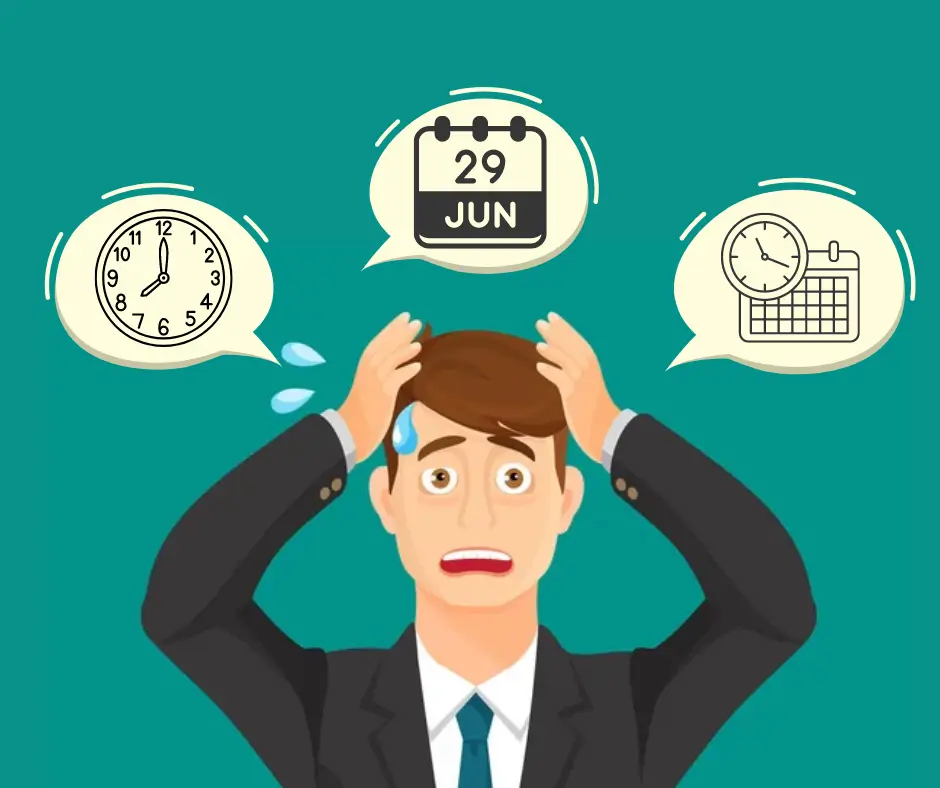
Most no-shows aren't personal, and they usually aren't a rejection either. The most common reasons prospects skip a booked meeting:
- Competing priorities. Something more urgent came up between booking and the call. This is especially common when the meeting was booked more than a week out.
- Low perceived value or urgency. If the prospect isn't clear on what they'll get from the call, it's easy to deprioritize.
- A clunky booking experience. If scheduling felt like friction, showing up often does too.
- No reminder before the call. Life gets busy. Without a nudge, the meeting slips their mind entirely.
Here's the part that matters for how you respond: a no-show isn't the same as a "no." Someone who forgot, got pulled into a fire drill, or simply lost track of time is still a live opportunity. Someone who's ghosting you on purpose is a different situation entirely.
You can usually tell the difference by how they respond to your first follow-up. A prospect who forgot will often reply quickly and apologize.
A prospect who's gone cold will stay silent through multiple attempts. That distinction should shape your tone and how many touches you invest before moving on.
📅 More Meetings Booked. Fewer Opportunities Lost.
Our outbound campaigns generate 15–30 qualified meetings every month with prospects who are ready to have real sales conversations.
The Right Way to Follow Up After a No-Show
How you follow up matters more than most people think. A few rules make the difference between a rebooked call and a permanently lost lead.
✅ Send within 24 hours. The longer you wait, the less the original context matters to the prospect. Speed keeps the meeting relevant and increases your odds of a reply.
✅ Don't scold. Nobody wants to reschedule a meeting where they feel like they're being lectured. Assume good faith. The goal is to get back on the calendar, not to make a point.
✅ Reference what they'd be missing, not just that they missed it. "We missed you" on its own doesn't remind anyone why the meeting mattered. Point back to the specific agenda or outcome you were going to cover.
✅ Make rescheduling effortless. Don't ask them to suggest a time. Include a direct booking link so there's zero friction between "yes, let's reschedule" and an actual slot on the calendar.
✅ Keep subject lines short. Two to four words tends to outperform longer, more formal subject lines in a missed-meeting context. Think "Missed you today," not "Following Up Regarding Our Scheduled Discovery Call."
No-Show Follow-Up Email Templates
Use these as a starting point, not a script to copy word for word. Swap in the prospect's name, the actual topic you were going to cover, and details specific to their business. The more it reads like it was written for them, the better it performs.
Template 1: The Immediate "We Missed You" Email (Send Within Hours)
This one goes out the same day, ideally within an hour or two of the missed call. Keep it light. No apology required on their end, no drama on yours.
Template 2: The Value-Reminder Follow-Up (Send Within 24 Hours if No Reply)
If the first email goes unanswered, this one leans a bit harder into why the conversation mattered in the first place, and lowers the ask.
Template 3: The Final Break-Up Email (Send After 2-3 Unanswered Attempts)
If you've sent two or three follow-ups with no response, this closes the loop without burning the relationship. It's not pushy. It's not passive-aggressive. It just leaves the door open.
Template 4: The Client No-Show Email (Post-Sale / Existing Client Context)
This one's different. You're not trying to earn trust from scratch, you already have a relationship. The tone can be more direct, and you can tie the reschedule to something concrete in their account or project.
🚀 53,000+ Meetings Booked. $312M+ Pipeline Generated.
Join 10,000+ businesses that trust Cleverly to build a predictable flow of qualified meetings—not just calendar invites.
How to Reduce No-Show Rates Before They Happen
The best no-show follow-up is the one you never have to send. A few changes upstream cut how often meetings get skipped in the first place.
- Send pre-meeting prep materials. A short agenda, what to bring, and what outcome to expect gives the prospect a reason to show up prepared, not just present.
- Use automated reminders. A reminder at 24 hours and another at 1 hour before the call catches people who simply forgot, which is a large share of no-shows.
- Book sooner rather than later. Meetings scheduled for the same day or next day show up far more reliably than ones booked a week or two out. The longer the gap between booking and the call, the more time for priorities to shift.
- Let the prospect pick the time. Rigid, salesperson-driven scheduling creates more friction than a simple link where the prospect chooses a slot that actually fits their day.
- Qualify intent before booking. A poorly qualified lead who agreed to a call out of politeness is far more likely to skip it than someone who raised their hand with a real problem to solve.
Multi-Channel Follow-Up: When to Use Email, SMS, and Phone
Email is a good first move, but it's not the only tool, and it's not always the fastest one.
Email works well for your first follow-up. It creates a paper trail and gives the prospect something to act on when they're ready. The downside is that it isn't always seen quickly, especially in a full inbox.
SMS tends to get faster responses when time is tight, particularly for same-day or next-day rescheduling. If the original meeting was time-sensitive, a short text often beats waiting on an email reply.
Phone is underused here. A quick call after two unanswered emails recovers meetings that email alone won't. It also signals that the meeting genuinely matters to you, which prospects notice.
Match the channel to the deal. A $500/month tool doesn't need a three-channel chase. A six-figure enterprise deal probably does.
Common Mistakes That Kill Rebooking Chances
❌ Waiting too long to follow up. Momentum fades fast. A follow-up sent three days later is working against a cold trail.
❌ Guilt-tripping the prospect. Lines like "as I mentioned, we had a meeting scheduled" put the prospect on the defensive instead of moving them toward action.
❌ Not including a direct way to rebook. Asking "let me know a good time" just hands the scheduling work back to them, and most people won't do it.
❌ Giving up after one email. A single follow-up isn't a sequence. Run two or three touches before you write the lead off.
❌ Sending the same generic template every time. A cold prospect and an existing client need a different tone. One-size-fits-all follow-up reads as exactly that.
How Cleverly Handles Follow-Up and Rebooking
A booked meeting only counts if it actually happens. That's why no-show recovery isn't something we treat as an afterthought at Cleverly. It's built into how we run outbound from day one.
As a cold email agency, we design structured follow-up sequences into every campaign, not just the initial outreach. That includes confirmation touches before the meeting, reminder messages as the call approaches, and rebooking follow-up the moment a prospect misses a call.
The goal is simple: protect the meetings that outreach already worked to earn, instead of letting them quietly disappear from the calendar.
For most B2B teams, this is the part that gets skipped when outbound is managed piecemeal with a stack of separate tools. Someone has to write the reminder sequence, track who showed up, and personalize the follow-up based on the account.
That's manual work most sales teams don't have time for on top of actually running their pipeline.
With Cleverly's done-for-you cold email service, personalized sequencing, meeting reminders, and no-show recovery are handled as one connected system rather than a task you manage by hand.
If you'd rather have outreach and meeting follow-up handled end-to-end, book a strategy call with Cleverly and we'll walk you through how it works for your pipeline.
Conclusion
No-shows are a normal part of B2B sales. They're not a sign the deal is dead, but they are a moment where your response decides what happens next. A fast, low-pressure follow-up with a frictionless way to rebook recovers a meaningful share of meetings that would otherwise just vanish from the pipeline.
Prevention matters just as much as recovery. Prep materials, reminders, and flexible scheduling reduce how often you need these templates in the first place. But when a no-show does happen, treat the follow-up as a defined process, not something you write from scratch under pressure.
The templates above give you a starting point. The timing and tone are what actually get the meeting back on the calendar.
Frequently Asked Questions
Free Resource
How to Scale a Profitable Cold Call System
Get the complete guide — download it instantly now.
Free Ebook
Download the Free Guide
Enter your details to get instant access.
You're all set! 🎉
Your ebook is downloading now.
Click below if the download didn't start automatically.