Table of Contents
What Is a Cold Calling List?
What Should a Cold Calling List Include?
How to Define Your ICP Before Building a Cold Calling List
How to Build a Cold Calling List Step-by-Step
Cold Calling List Building for Free — What's Actually Possible
Common Cold Calling List Building Mistakes That Kill Connect Rates
How Cleverly Builds Cold Calling Lists That Drive Qualified Meetings
Conclusion
Frequently Asked Questions
Modified On :
April 10, 2026
Key Takeaways
- A cold calling list is only as good as its ICP definition — calling the wrong people wastes dials, burns SDR time, and poisons your pipeline before a conversation even starts.
- A ready-to-dial list includes direct dials or mobile numbers, verified firmographics, timezone data, and DNC-scrubbed records — not just a raw contact export.
- Building a cold calling list the right way follows a seven-step process: ICP definition, data sourcing, enrichment, phone validation, segmentation, CRM sync, and ongoing maintenance.
- Free methods work for 50–100 contacts; beyond that, paid data tools pay for themselves in SDR time saved on bad dials.
- B2B contact data decays at roughly 2% per month — revalidate your list every 90 days or your connect rates will slide even if everything else is working.
- Skipping DNC scrubbing before dialing isn't just inefficient — it's a legal liability, especially for US mobile numbers under TCPA.
Cold calling failures aren't a script problem. They're mostly a “list” problem.
Your SDRs could have the sharpest opener in the industry and still finish the day with zero meetings if they're dialing the wrong people.
According to Salesforce research, sales reps spend only 28% of their week actually selling — the rest is eaten up by admin, research, and chasing dead-end contacts. A bad cold calling list accelerates that waste fast.
The data backs it up. Reports say that B2B contact data decays at a rate of 22–30% per year, meaning roughly one in four records on an untouched list is outdated within twelve months.
This guide is for B2B SDR teams, founders running their own outbound, sales managers trying to fix a pipeline problem, and cold calling agencies building systems at scale.
We'll cover everything that goes into cold calling list building — from defining your ICP and sourcing data to enrichment, verification, segmentation, and keeping the list healthy long-term.
By the end, you'll know exactly what separates a random contact dump from a list your team can actually dial.
What Is a Cold Calling List?
A cold calling list is a structured, verified collection of prospects that match your ideal customer profile and include the specific contact data needed to reach them by phone.
That sounds simple. In practice, most teams skip the "structured" and "verified" parts and start with a raw export from a data tool. Those are two very different things.
A raw contact export gives you names, companies, and maybe some job titles. A properly built cold calling list gives you verified direct dials, enriched firmographics, timezone data, line-type flags, and ICP fit scores — everything an SDR needs to dial efficiently and open the right conversation.
The biggest myth in outbound: more contacts = better results. It doesn't. A list of 500 highly verified, ICP-matched prospects will consistently outperform a list of 5,000 unverified contacts from a bulk data pull.
Volume feels productive. Precision drives pipeline.
📞 Your SDRs Are Only As Good As the List They're Dialing
Get a trained SDR + proven scripts + dialer — done for you. 10–30 qualified calls booked every month. Guaranteed.
What Should a Cold Calling List Include?
The criteria of list building in B2B cold calling matter more than most teams realize. Here's what every record on a dialer-ready list needs:
✅ Full name and direct dial or mobile number
Switchboard numbers are nearly useless for SDRs. You need a number that reaches the specific person — not a receptionist who screens every call.
✅ Job title, seniority level, and department
You need to confirm this person has buying authority or meaningful influence over the decision before the SDR picks up the phone.
✅ Company name, industry, and employee count
Core firmographic fields that let SDRs personalize openers and confirm ICP fit on the fly.
✅ Revenue range or company size tier
Revenue is often a stronger ICP signal than headcount — especially in SaaS, professional services, and financial verticals.
✅ Location and timezone
Critical for two reasons: smart dial scheduling (don't call East Coast at 8am Pacific) and legal compliance under state-specific telemarketing laws.
✅ LinkedIn profile URL
Gives SDRs a 30-second pre-call research path. A quick LinkedIn profile glance before dialing changes the quality of the opener.
✅ Email address
Cold calling works best as part of a multichannel sequence. Email follow-up after a voicemail significantly lifts response rates.
✅ Line type flag: mobile vs. landline vs. VoIP
Mobile numbers require separate TCPA compliance considerations in the US. Knowing line type also helps you route records correctly across dialers.
✅ Recent trigger data
Funding rounds, leadership changes, new product launches, hiring signals, and tech stack additions all create relevant conversation hooks. Trigger-enriched records convert at higher rates.
How to Define Your ICP Before Building a Cold Calling List
Skipping ICP definition before building a cold calling list is the single biggest list-building mistake. Without it, you're not prospecting — you're guessing.
Firmographic Criteria
Start with the company-level profile. What industry are you targeting? What revenue band or employee count signals a real buyer? What geography matters — US only, specific states, global?
Be specific. "Tech companies" is not an ICP. "Series B SaaS companies with 50–200 employees selling into enterprise, based in North America" is.
Persona Criteria
Once you have the company profile, define the person inside it. What's the exact job title? What seniority level has buying authority for your product — VP, Director, C-suite? Which department owns the budget?
Wrong seniority level is one of the most common list-building mistakes. Calling individual contributors when you need VP-level sign-off wastes everyone's time.
Situational Triggers
The best cold calling lists layer in situational signals on top of firmographic and persona criteria. Recent funding, a new executive hire, rapid headcount growth, a newly adopted technology — these signals tell you when a prospect is most likely to be in a buying window.
Trigger-driven outreach gives your SDRs a natural, specific reason to call. That translates directly to higher connect-to-conversation rates.
ICP Tiering
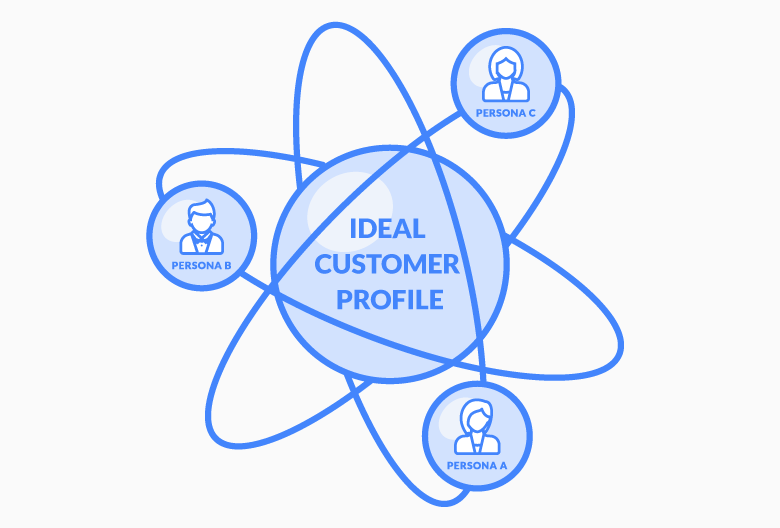
Not every ICP-fit company is equal. Build a scoring model:
- Tier 1 — Perfect fit on all firmographic, persona, and trigger criteria. Dial first, most frequently.
- Tier 2 — Meets most criteria but missing one or two signals. Worth including in sequence.
- Tier 3 — Loosely fits ICP. Lower priority, dial only after Tier 1 and 2 are worked.
Prioritizing by tier keeps your best SDRs focused on the highest-probability conversations.
🚀 Cold Calling That Actually Books Meetings
1M+ calls made. 53K+ appointments set. We build your list, call prospects, and fill your calendar — fast.
How to Build a Cold Calling List Step-by-Step
Here's the full how to build a cold call list process — from blank slate to dialer-ready.
Step 1 — Lock Down ICP and Qualification Criteria
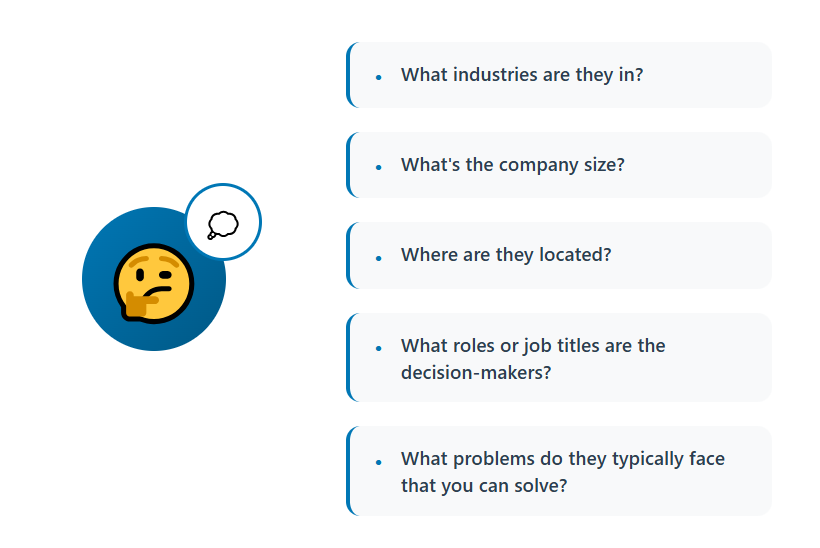
Before you open a single data tool, document your ICP in writing. Define the exact firmographic profile, persona, seniority range, and minimum data requirements per record.
Set a hard rule: if a record doesn't have a direct dial or mobile number, it doesn't go on the list. Switchboard-only records burn time and inflate your dial count without producing conversations.
Step 2 — Source Contacts from the Right Channels
Different channels serve different use cases. The right source depends on your ICP and volume needs:
- B2B data platforms (Apollo, ZoomInfo, Cognism, Lusha) — best for speed and scale. Pull large lists quickly with multi-filter search.
- LinkedIn Sales Navigator — best for niche, high-value ICPs where precision matters more than volume. Boolean search gives you surgical targeting.
- Industry directories and association membership lists — often underused, but highly relevant for specific verticals (healthcare, legal, financial services, manufacturing).
- Event and webinar attendee lists — if your ICP attends specific conferences, attendee lists are pre-qualified intent data.
- CRM re-engagement — past leads, dormant contacts, and churned customers are warm compared to cold data. Re-engage before buying net-new.
Step 3 — Enrich Records with Missing Data
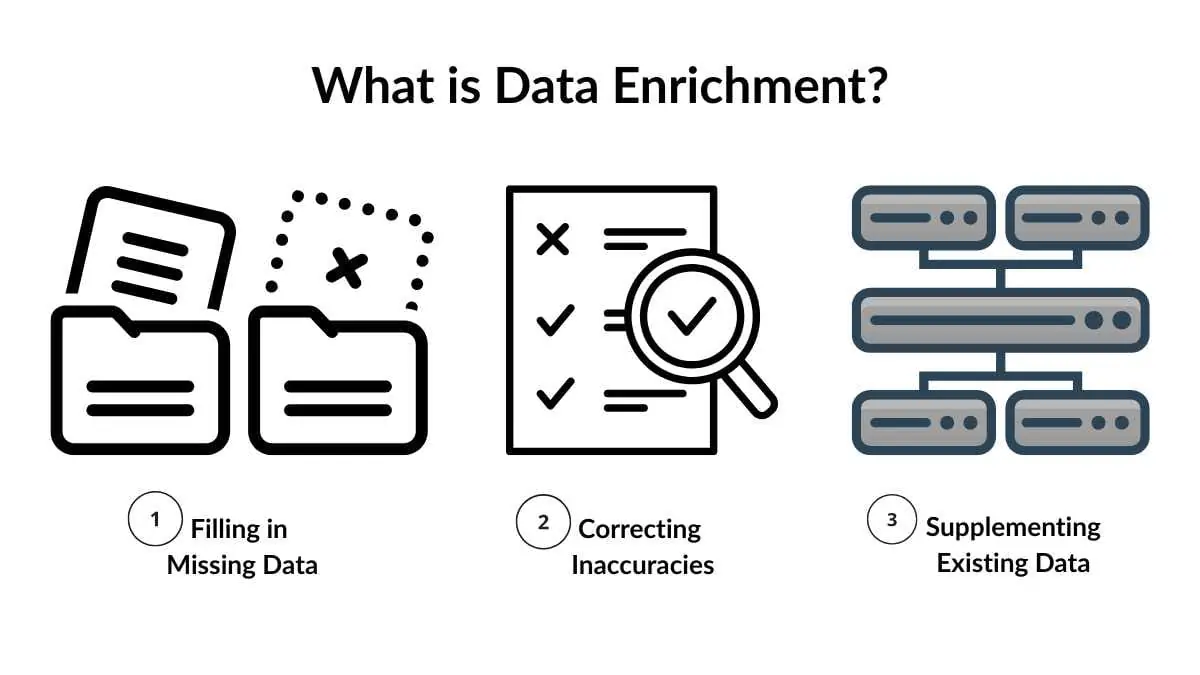
Raw data from any single source will have gaps. Data enrichment fills them.
Append direct dials and mobile numbers using waterfall enrichment — running records through multiple providers sequentially (e.g., Cognism → Lusha → Apollo) to maximize phone coverage. Add timezone data for smart dial scheduling. Flag line type (mobile vs. landline vs. VoIP) for dialer routing and compliance.
The goal is zero blank fields in the columns your SDRs actually use on a call.
Step 4 — Verify and Clean the List
Enrichment gets you data. Verification confirms it's accurate. This step is non-negotiable before any record hits a dialer.
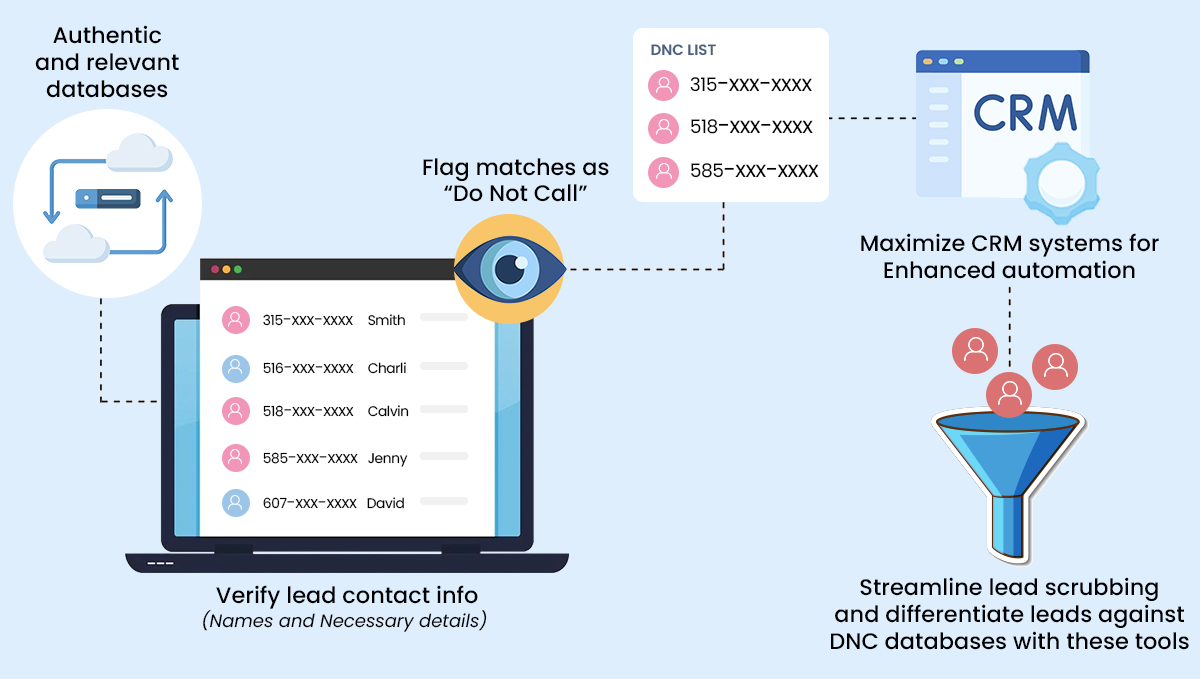
Run phone validation to remove disconnected, invalid, and reassigned numbers. Scrub against federal and state DNC (Do Not Call) registries — this is both a compliance requirement and a time saver. Deduplicate against your existing CRM to avoid calling the same person from two different lists.
For US mobile numbers, flag TCPA-sensitive records. Calling mobile numbers with an auto-dialer without consent can create serious legal exposure.
Step 5 — Segment the List for Prioritized Dialing
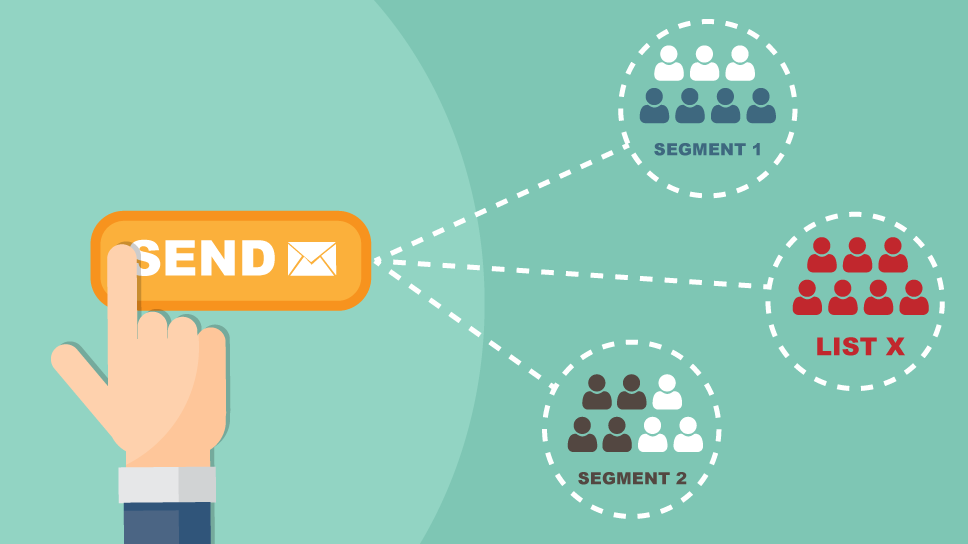
A cleaned list isn't the same as a dialing-ready list. Segmentation turns raw data into a structured calling plan.
Segment by ICP tier (Tier 1 first), timezone (East Coast dials from 8am–5pm ET, West Coast from 11am–8pm ET), and line type (separate mobile vs. landline for dialer routing). Tag records by trigger event or intent signal so SDRs have a natural, specific opener prepared for each group.
SDRs who know exactly who they're calling and why convert at meaningfully higher rates than those working an undifferentiated list.
Step 6 — Push to CRM and Dialer
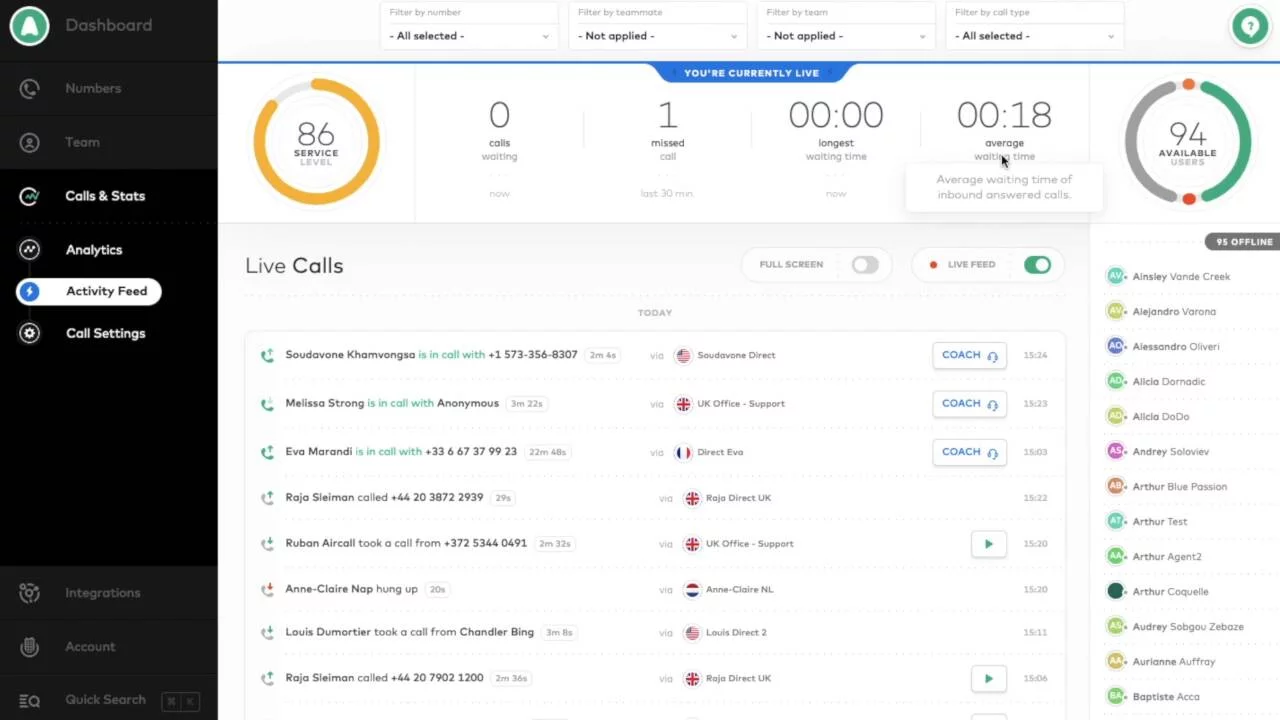
With enriched, verified, segmented records in hand, sync everything into your CRM (HubSpot, Salesforce, Pipedrive) and assign records to SDRs by territory or vertical.
Set up call sequences and cadence in your dialer. Configure voicemail drops for efficiency. Make sure every SDR can see the ICP tier, trigger tag, and pre-call research notes before the first dial.
Step 7 — Refresh and Maintain Ongoing
B2B data decays at roughly 2% per month. A list that was 95% accurate in January is 71% accurate by December if you don't maintain it.
Revalidate every 90 days. Remove bounced and invalid records after each calling cycle. Update contact status post-conversation — DM confirmed, wrong number, callback requested, not interested. A maintained list compounds in quality. An unmaintained one compounds in waste.
Cold Calling List Building for Free — What's Actually Possible
Cold calling list building free options exist and can genuinely work — with the right expectations on scope and output.
Free Methods That Actually Work
- LinkedIn basic search — filter by job title, company size, and geography. Manual, but effective for targeted, low-volume prospecting.
- Google Maps — useful for SMB outreach where business phone numbers are publicly listed.
- Industry association directories — many publish member lists with company and contact data. Underused and often highly relevant.
- Conference and event attendee lists — some events publish speaker or sponsor lists that include contact details.
- Company website scraping — leadership team pages often list names and titles. Pair with Hunter.io for email discovery and cross-reference LinkedIn for LinkedIn profile data.
Free Tools Worth Trying
- Apollo.io free tier — limited credits (10 export/month), but useful for testing the platform and pulling small batches.
- Hunter.io — solid for email discovery when you have a name and company domain.
- LinkedIn basic filters — title and location filters are available without Sales Navigator.
The Honest Verdict
Free methods work well up to 50–100 contacts. Beyond that, the math changes. If an SDR spends 4 hours manually building 80 contacts and half don't have direct dials, the cost-per-qualified-dial from "free" list building is actually higher than buying verified data from a platform.
The right frame isn't cost-per-contact. It's cost-per-qualified-dial. Paid tools pay for themselves once SDR time is factored in.
Common Cold Calling List Building Mistakes That Kill Connect Rates
Even experienced teams make these mistakes. Here's what quietly drags down connect rates and what to do instead.
❌ Buying a pre-made list without verifying data freshness
Pre-built lists from brokers are often 12–24 months stale. Run every purchased list through phone validation and DNC scrubbing before a single SDR touches it.
❌ Skipping DNC registry scrubs
Calling registered DNC numbers is both ineffective and legally risky. Federal and state DNC compliance isn't optional — it's table stakes.
❌ Using switchboard or HQ numbers instead of direct dials
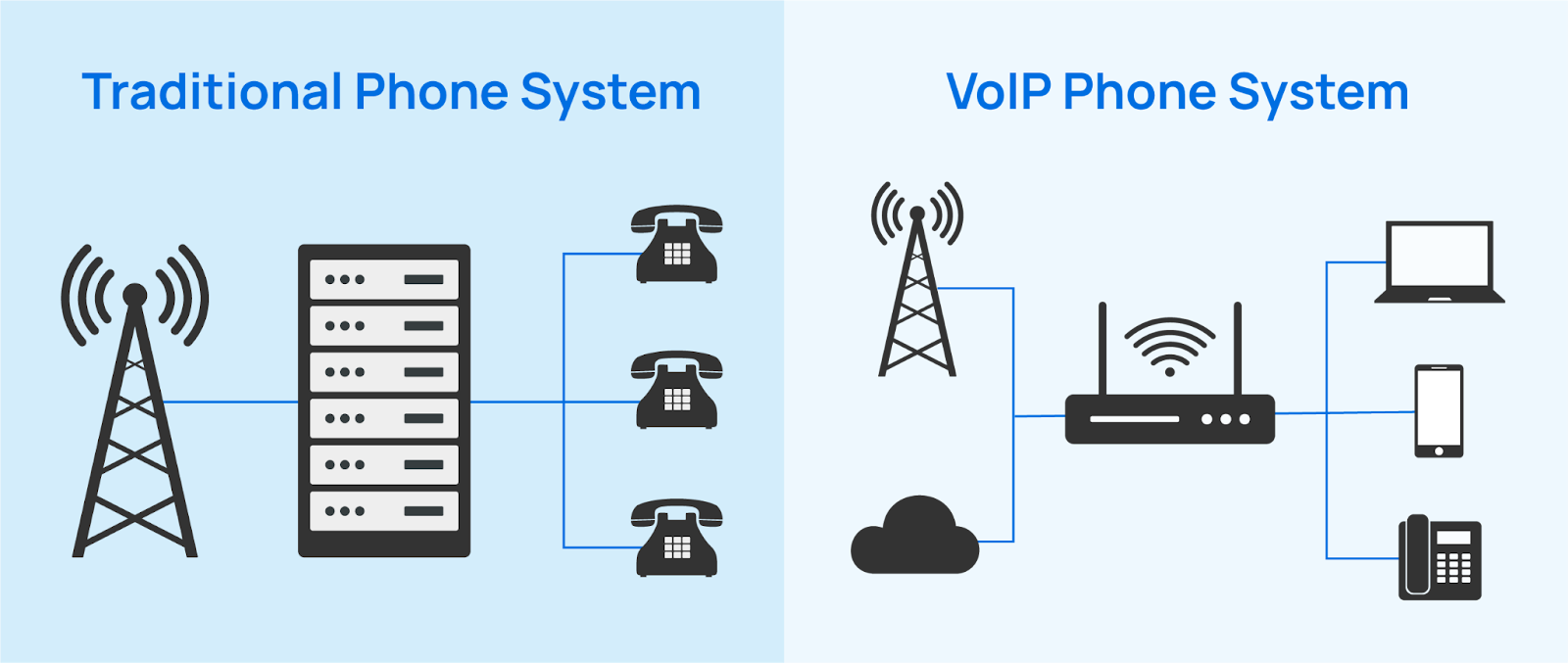
Switchboard calls add friction, reduce connect rates, and frustrate SDRs. Invest in direct dial coverage from the start.
❌ Ignoring timezone data
Calling an East Coast prospect at 8am Pacific (11am their time — fine) vs. calling at 8am Pacific for a West Coast prospect (also 8am — too early for many) sounds minor. Across hundreds of dials, timezone mismatches add up to a measurable drop in connect rate.
❌ Treating list building as a one-time task
A list isn't a one-time deliverable. It's a system. Data decays. People change jobs. Companies get acquired. Without regular maintenance, list quality degrades silently and connect rates follow.
❌ Skipping line-type segmentation
Mobile vs. landline vs. VoIP routing matters for dialers, compliance, and conversation quality. Not flagging line type creates friction at every step downstream.
❌ Building to volume targets instead of ICP fit
Hitting "500 contacts" as a goal sounds productive. Hitting "500 Tier 1 ICP contacts with verified direct dials" is what actually books meetings.
How Cleverly Builds Cold Calling Lists That Drive Qualified Meetings
List quality isn't an afterthought in Cleverly's cold calling system — it's the foundation everything else is built on.
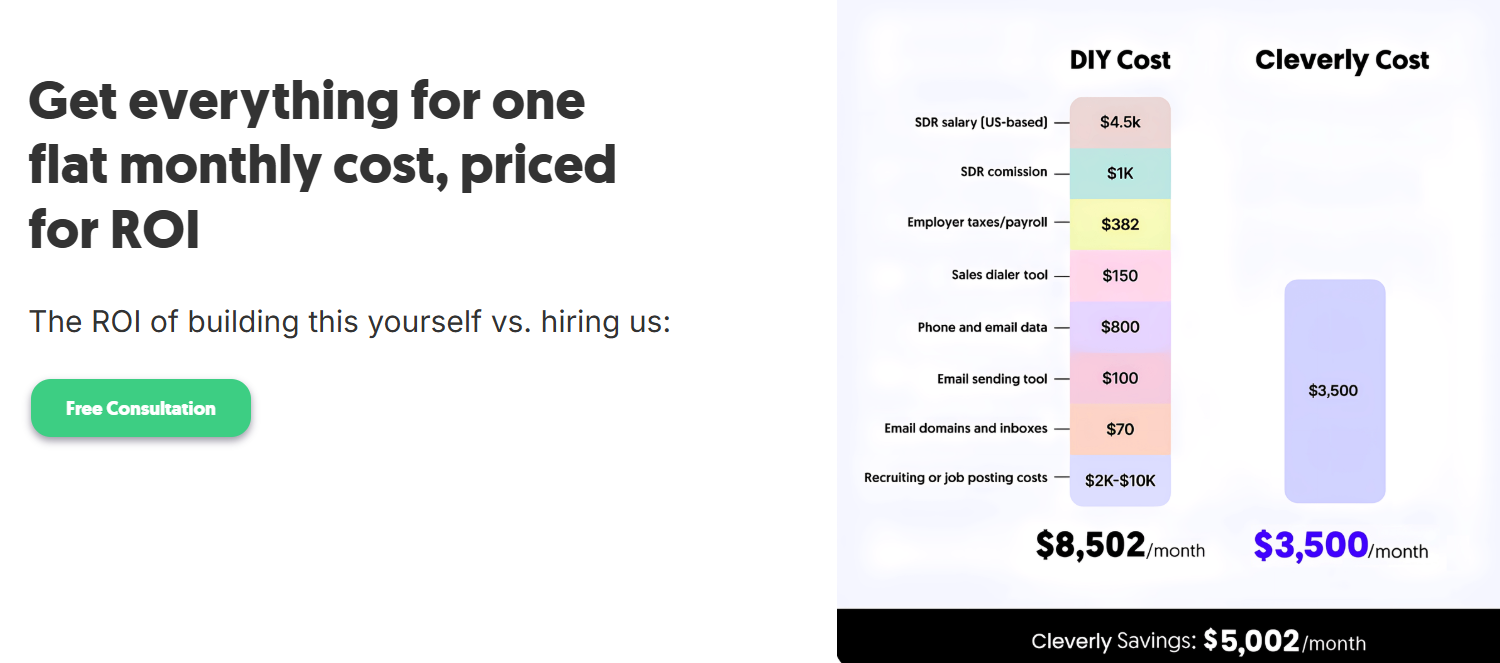
Before a single SDR picks up the phone, Cleverly's team runs a full list-building process: ICP alignment, multi-source data sourcing, waterfall enrichment for maximum direct dial coverage, phone validation, and DNC scrubbing. Every record that goes into the dialer is clean, verified, and matched to your exact buyer profile.
The difference between a raw export and a Cleverly-built list shows up immediately in connect rates. Verified direct dials and mobile numbers reach real decision-makers instead of bouncing off switchboards or disconnected numbers. Trigger-tagged records give our SDRs a specific, relevant reason to call — so conversations start with context, not a generic pitch.
Our cold calling agency system is built end-to-end: dedicated no-accent appointment setter, custom call scripts written for your offer, power dialer, data, and tech stack — all included. SDRs are trained and ready in 2 weeks.
We've made 1M+ cold calls, set 53K+ appointments, and generated $312M in pipeline for our clients.
You don't hand an SDR a random export. You hand them a list built to convert.
📞 Want a cold calling list built to your ICP — verified, enriched, and ready to dial?
Book a free strategy call with Cleverly and we'll show you exactly how our system works.
Conclusion
A cold calling list is only as good as the criteria, data quality, and maintenance behind it.
The best SDR teams don't win more meetings by making more dials — they win because they're dialing better lists. Get the ICP right first, source and verify your data, segment for prioritized dialing, and treat list maintenance as an ongoing system rather than a one-time task.
That's the difference between a pipeline that compounds and one that slowly drains.
Frequently Asked Questions
Free Resource
How to Scale a Profitable Cold Call System
Get the complete guide — download it instantly now.
Free Ebook
Download the Free Guide
Enter your details to get instant access.
You're all set! 🎉
Your ebook is downloading now.
Click below if the download didn't start automatically.