

Modified On :
July 28, 2026
Key Takeaways
- Ecommerce lead generation focuses on capturing qualified prospects, not just driving traffic to your site.
- B2C relies on speed and volume while B2B ecommerce lead generation requires longer nurture cycles and relationship building.
- The best strategies combine email capture, content-led generation, retargeting, and outbound outreach for maximum pipeline growth.
- Rising ad costs and shrinking margins make alternative lead sources like LinkedIn and cold email essential for profitability.
- Traffic without lead capture limits your ability to scale because you lose 95%+ of visitors with no way to follow up.
- Outbound lead generation works for ecommerce when you target the right decision-makers with personalized, intent-driven messaging.
Paid ads are expensive. Organic reach is slow. And if you're running a DTC brand, B2B ecommerce store, wholesale operation, or marketplace, you already know that customer acquisition costs keep climbing while conversion rates stay flat.
Ecommerce lead generation changes that equation.
Instead of waiting for buyers to find you, we're talking about proactive outreach that puts your products in front of decision-makers who actually have budget, authority, and intent to purchase.
Whether you're targeting procurement teams for bulk orders, retail buyers for wholesale partnerships, or high-value customers for premium products, the right lead generation strategy fills your pipeline with qualified opportunities that paid channels miss.
This isn't about more traffic. It's about better conversations with people ready to buy. Let's break down what works.
What Is Ecommerce Lead Generation?
Lead generation for ecommerce is the process of identifying and attracting potential buyers who've shown genuine interest in your products.
It's not about driving random clicks to your site. It's about capturing contact information from people who are actually considering a purchase.
The difference that matters:
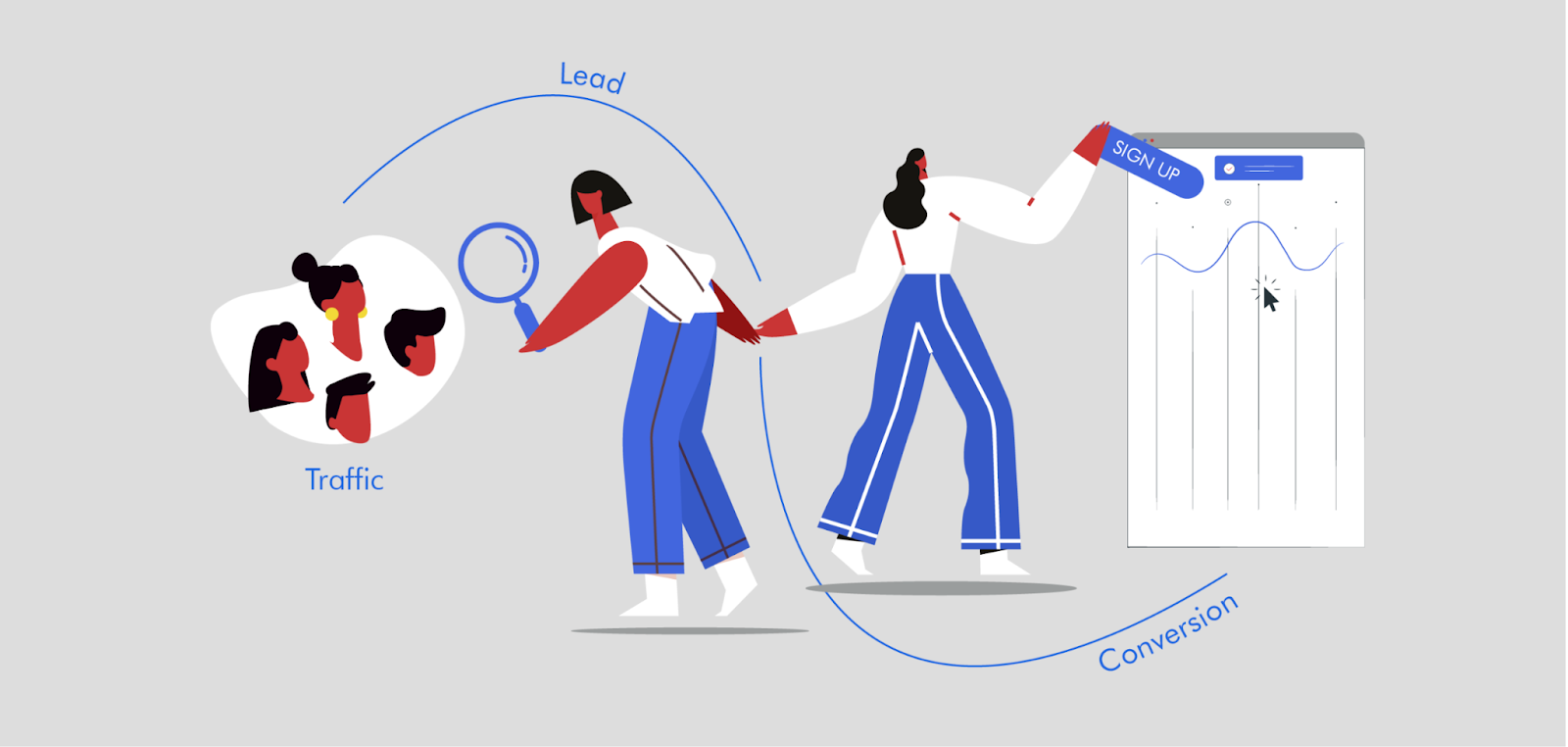
Traffic vs Leads
- Traffic = visitors who browse and leave
- Leads = people who raise their hand and give you their contact details
One-Time Buyers vs Long-Term Customers
- One-time buyers respond to discounts and disappear.
- Long-term customers engage with your brand, ask questions, and come back for repeat orders.
Here's where people get this confused: ecommerce lead generation is not the same activity as running ecommerce marketing, and it's not just another word for driving traffic. Traffic generation gets people to your site. Ecommerce marketing (ads, SEO, social) is how you get that traffic in the first place.
Lead generation is the layer in between, the system that captures contact information from the people who showed up but weren't ready to buy yet, so you have a way to reach them again.
Skip that middle layer and you're stuck running the same paid traffic campaigns on repeat, paying full price to reintroduce yourself to people who already visited once. Build it, and every visitor who isn't ready today becomes someone you can follow up with tomorrow, next week, or next quarter, without spending another dollar to find them again.
If you're not sure how that follow-up system should actually work once you've captured the lead, our breakdown of what lead nurturing is covers the mechanics.
Types of Ecommerce Leads
Not all leads look the same. Depending on your business model, you're capturing different types of interest:
- Email subscribers – shoppers who want updates, offers, or content before they buy.
- Demo or quote requests – common in B2B ecommerce where buyers need pricing for bulk orders or custom solutions.
- Wholesale inquiries – retailers, distributors, or resellers looking to stock your products.
Why Intent Matters More Than Volume
Ecommerce lead generation focuses on intent capture, not just collecting as many emails as possible.
A smaller list of qualified leads who actually want what you sell will always outperform a massive list of people who signed up for a discount code and never opened another email.
We're after quality conversations with buyers ready to move forward.
This is the same tradeoff we cover in lead quality vs. lead quantity, and ecommerce brands run into it just as often as B2B service companies do.
Also Check: Lead Generation Channels That Actually Work for B2B
🛒 Turn Buyer Intent Into Booked Calls
Cleverly uses LinkedIn outreach, pay-per-meeting cold email, and guaranteed cold calling to engage ecommerce decision-makers who are already in buying mode.
B2C vs B2B Ecommerce Lead Generation — Key Differences
The playbook for B2B ecommerce lead generation looks completely different from B2C. Here's why your strategy needs to match your business model:
Why This Matters for Your Lead Generation Strategy
B2C ecommerce thrives on speed. You're capturing email addresses with pop-ups, exit intent offers, and limited-time promotions. The goal is to convert fast before the buyer moves on.
B2B ecommerce lead generation requires a different approach:
- You're nurturing relationships over weeks or months.
- You're speaking to procurement managers, operations directors, and finance teams who need approval before they buy.
- Your lead generation focuses on starting conversations, not closing instant sales.
If you're running wholesale, marketplace partnerships, or enterprise ecommerce, treating your leads like impulse shoppers will kill your pipeline. We need outreach that matches the complexity of the deal.
More to Explore: Lead Generation for Manufacturing Companies
Best Ecommerce Lead Generation Strategies That Actually Work
These aren't theories or tactics we read in a marketing blog. These are the best lead generation for ecommerce strategies we've seen work across DTC brands, B2B ecommerce operations, and wholesale businesses generating millions in pipeline.
Let's break down what actually moves the needle.
1. Email & SMS Lead Capture (Beyond Discounts)
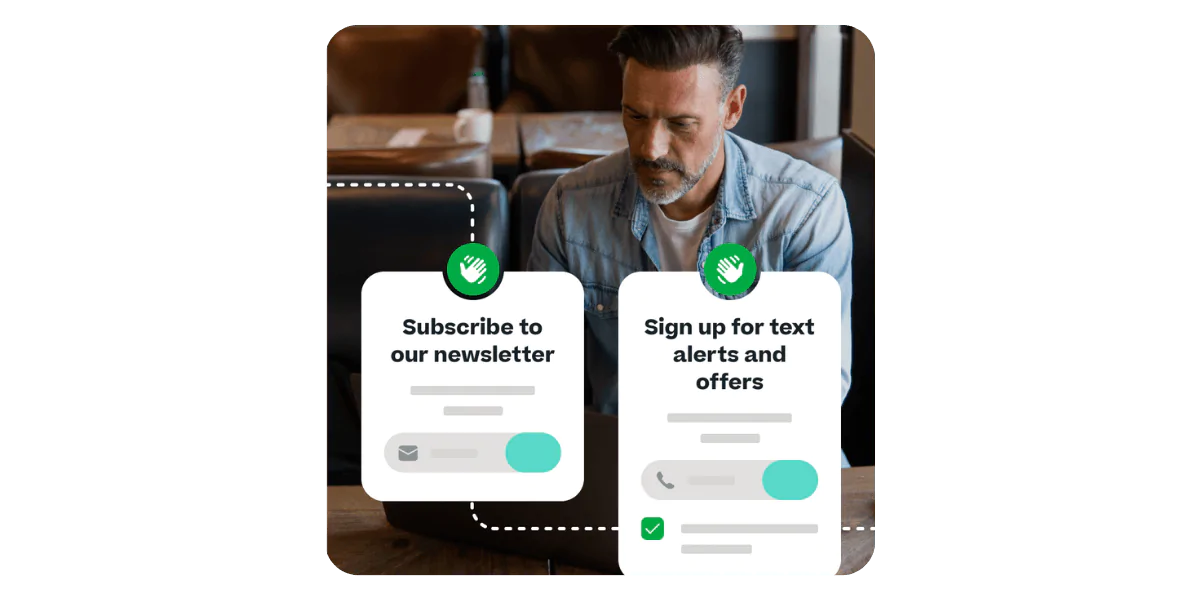
Most ecommerce brands treat email capture like a coupon distribution system. That's leaving money on the table.
What works better:
- Exit-intent offers – catch people before they leave, but offer value beyond 10% off (free shipping, exclusive product access, buying guides).
- Content-driven opt-ins – give buyers something useful like sizing charts, product comparison PDFs, or how-to guides in exchange for their email.
- First-purchase vs long-term nurture – don't burn your list chasing one-time buyers. Segment new subscribers into education sequences that build trust before pushing sales.
SMS works the same way. Use it for high-intent moments like back-in-stock alerts and order updates, not just promotional blasts.
2. Content-Led Lead Generation for Ecommerce
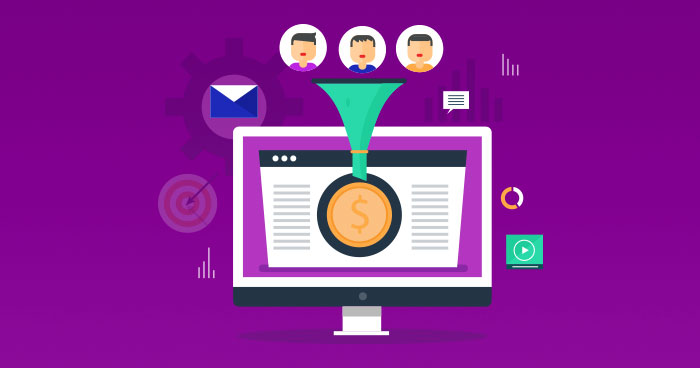
Content isn't just for SEO rankings. It's one of the most effective ways to capture leads who aren't ready to buy yet but are actively researching.
High-converting content formats:
- Buying guides – help people choose the right product and capture their email to send the full guide.
- Comparison pages – "Product A vs Product B" content pulls in buyers who are close to a decision.
- Educational content that supports consideration – how-tos, use case breakdowns, and industry insights that position your brand as the expert.
When someone downloads your guide or reads your comparison content, they're showing intent. That's a qualified lead worth nurturing.
3. Retargeting for Lead Conversion (Not Just Sales)
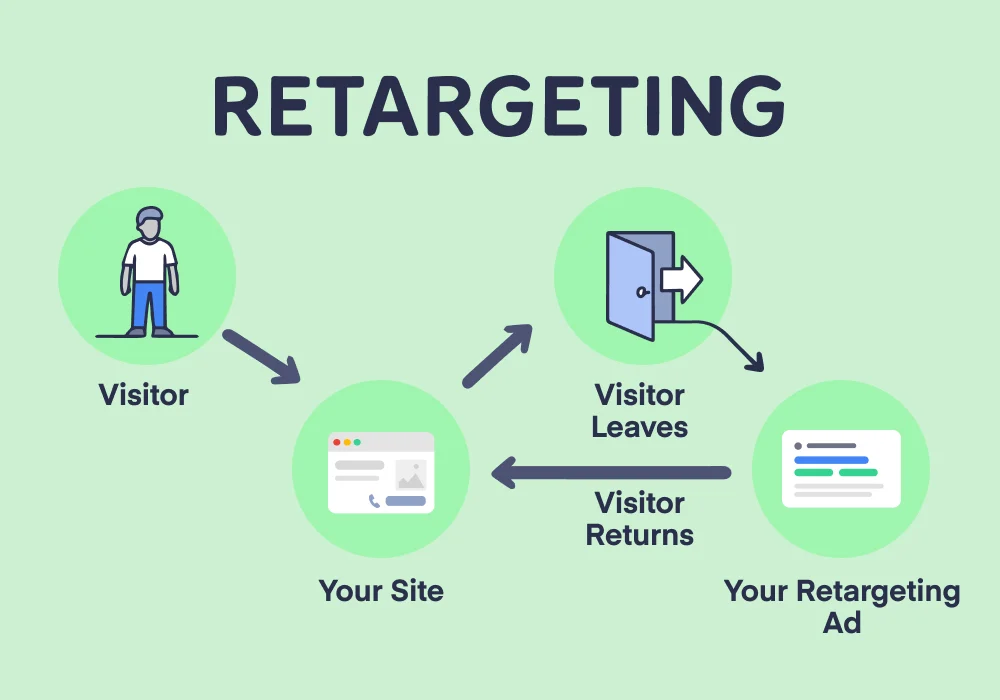
Most retargeting campaigns try to close the sale immediately. But if someone wasn't ready to buy the first time, hitting them with the same product ad won't change their mind.
Smarter retargeting approach:
- Turn browsers into subscribers – offer a lead magnet or content upgrade instead of pushing the purchase.
- Segment-based messaging – different messages for people who viewed product pages vs those who added to cart.
- Reduce reliance on cold traffic – retargeting warms up visitors who already know your brand, making them cheaper and easier to convert.
You're not abandoning the sale. You're building a relationship first.
4. LinkedIn Outreach for B2B Ecommerce Brands
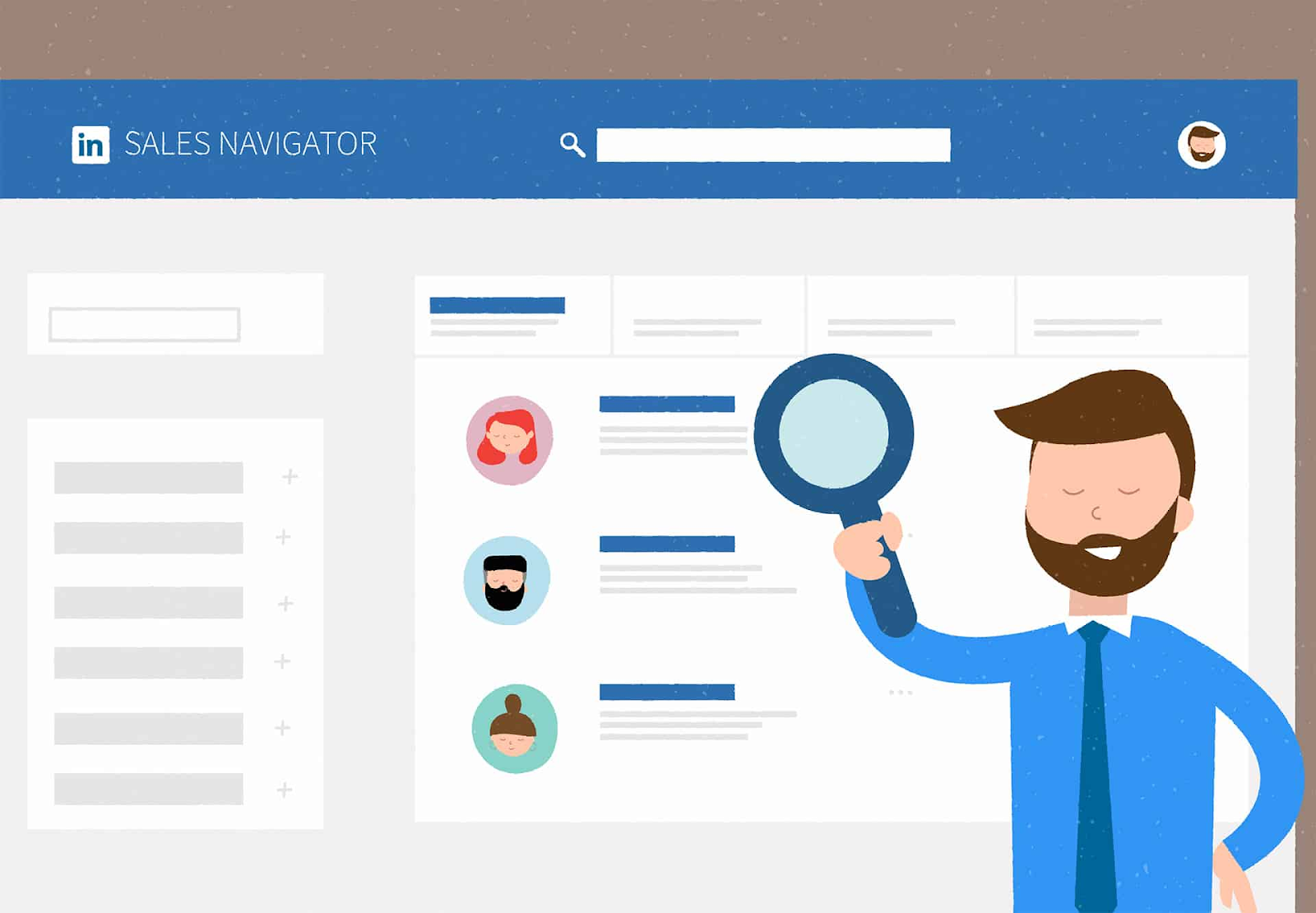
If you're selling wholesale, working with distributors, or targeting procurement teams, LinkedIn is where your buyers live.
Why LinkedIn works for ecommerce lead generation:
- You can target wholesale buyers, distributors, and procurement managers by job title and company.
- LinkedIn account-based targeting lets you go after specific retailers or enterprise accounts.
- Relationship-driven lead generation – you're starting conversations, not spamming product links
At Cleverly, we've helped ecommerce brands use LinkedIn outreach to book meetings with retail buyers, secure wholesale partnerships, and generate bulk order opportunities that paid ads never touch. Our LinkedIn services start at just $397/month and focus on real conversations with decision-makers.
5. Cold Email Outreach for B2B Ecommerce
Cold email isn't dead. It's just done badly by most people.
For B2B ecommerce lead generation, cold email is one of the fastest ways to fill your pipeline with bulk orders, partnership opportunities, and high-value demos.
What makes cold email work:
- Lead gen for bulk orders and partnerships – reach procurement teams, distributors, and retailers directly.
- Personalization by industry and use case – show you understand their business, not just blast generic product pitches.
- Drive demos, catalogs, and pricing conversations – your goal isn't to close in the first email. It's to start a dialogue.
At Cleverly, our cold email services operate on a pay-per-meeting-ready-lead model. You only pay for qualified leads we send you, so there's zero risk and maximum ROI.
Check Out: Cold Email Outreach Best Practices
6. Landing Pages Built for Lead Capture
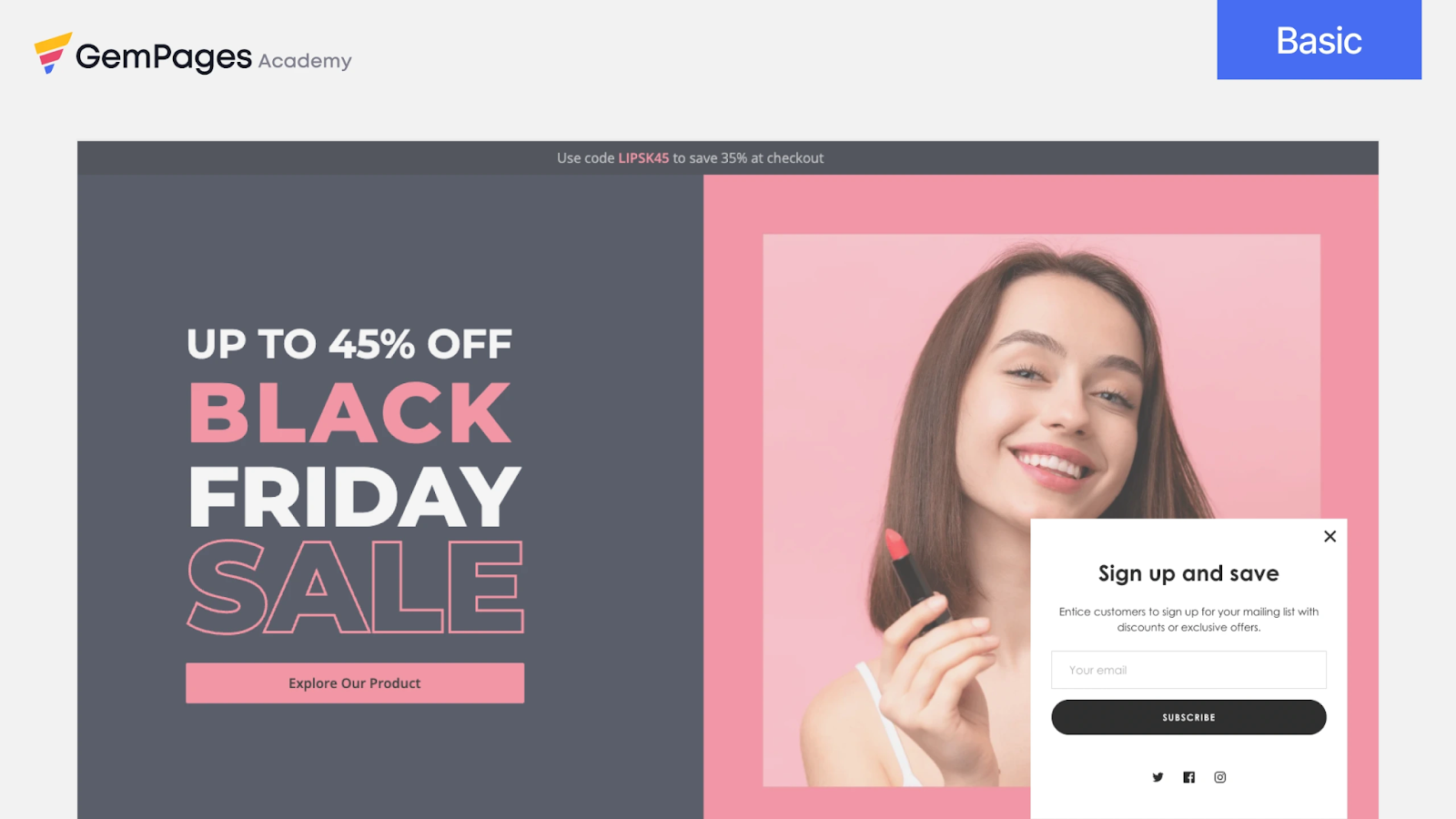
Your landing page shouldn't try to do everything. It should do one thing well: capture the lead.
Two types of landing pages that convert:
- Product-led pages – show the product, explain the value, and ask for contact info to get pricing or a demo.
- Problem-led pages – lead with the pain point your product solves, then offer a solution (and capture the email).
What every high-converting landing page needs:
- Clear value exchange – tell people exactly what they get for giving you their email.
- Optimize for intent, not bounce rate – a lead capture page with a 60% bounce rate but 20% conversion is better than a 30% bounce rate with 5% conversion.
Keep forms short. Remove distractions. Make the CTA obvious.
For a full breakdown of what makes a page convert instead of bounce, see our landing page best practices guide.
7. Data, Segmentation & List Hygiene
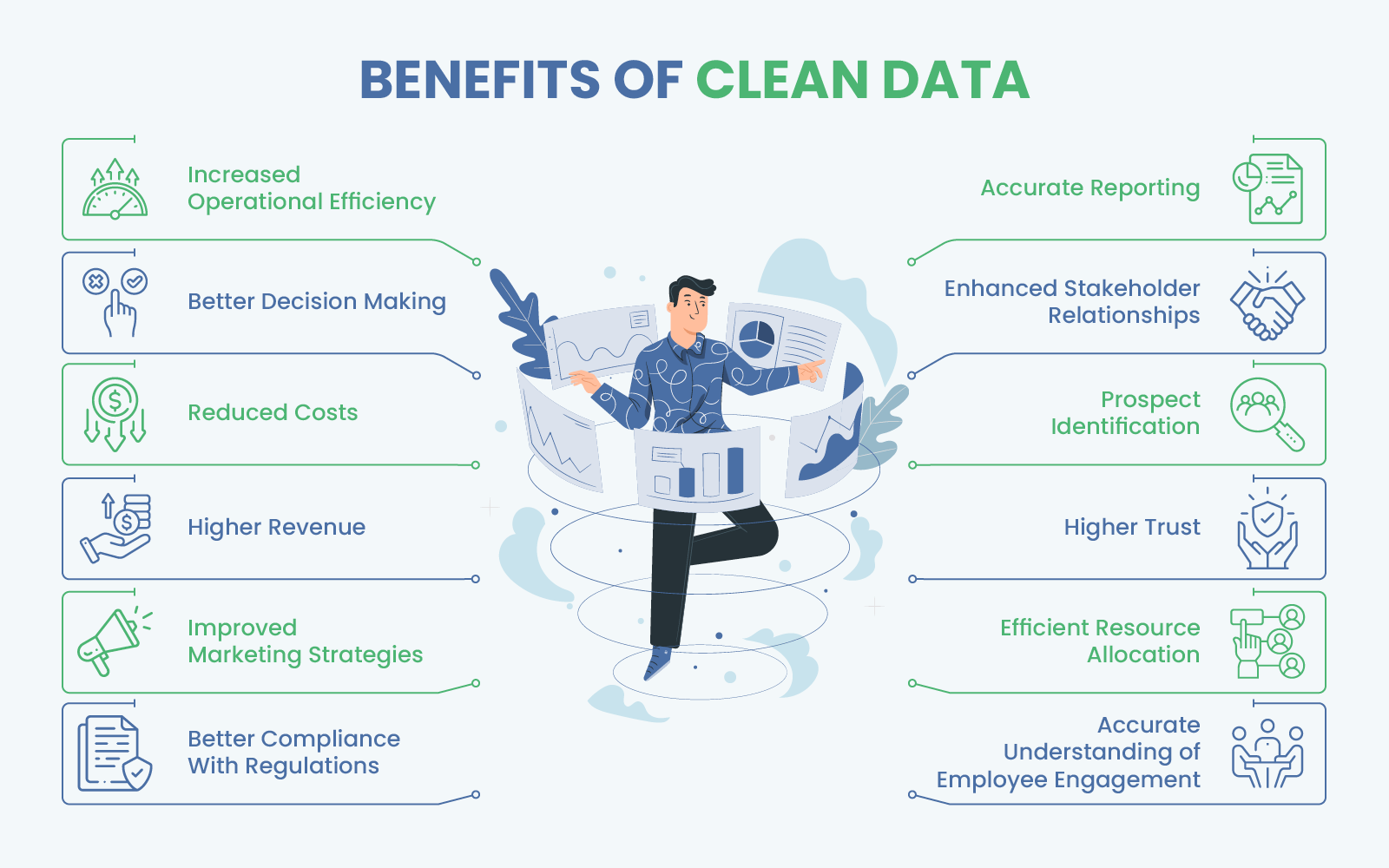
You can have the best outreach strategy in the world, but if your data is garbage, your results will be too.
Why data quality matters:
- Poor data kills ecommerce lead quality – outdated emails, wrong job titles, and bad contact info waste time and budget.
- Segment by behavior and lifecycle stage – treat new subscribers differently than repeat buyers or churned customers.
- Improve conversion downstream – clean, well-segmented lists convert better at every stage of the funnel.
Invest in list hygiene. Remove inactive contacts. Update records regularly. Your email deliverability and conversion rates will thank you.
If you're managing this in spreadsheets instead of a proper system, it's worth understanding what CRM software actually does and why most ecommerce teams outgrow manual tracking fast.
8. Fast Lead Capture Tactics You Can Launch This Week
The seven strategies above are the foundation. These are smaller, faster moves that layer on top of it, the kind of thing you can test in days, not months.
Quiz or product-finder funnels. Instead of a generic "sign up for our newsletter" form, build a short quiz ("Which [product category] fits your [use case]?") that ends with a result and an email capture to send it. People give up contact info far more readily when they're getting something specific back, not just a discount code.
Live chat as a lead form. If you're running live chat for customer support, you're sitting on an underused lead source. Ask for an email before connecting someone to an agent, or offer a scheduled virtual consultation for higher-consideration purchases, and you've turned a support channel into a capture channel.
One-click social sign-up. Every extra form field costs you conversions. Letting shoppers sign up with Google or Apple in one click removes the single biggest point of friction in lead capture, filling out a form on a phone.
Stock alert waitlists. An out-of-stock product page is a dead end unless you turn it into a list. "Notify me when this is back" captures a genuinely high-intent lead, someone who wanted to buy and couldn't, at the exact moment they're most likely to hand over their email.
Cart-saving urgency. A message like "your cart expires in 2 hours" or a small one-time discount tied to completing checkout in a set window gives hesitant shoppers a reason to act now instead of drifting off. Pair it with an abandoned cart follow-up email and you're capturing the lead twice, once on exit, once in the inbox.
None of these replace the core seven strategies. They're the fast wins you layer on while the bigger systems, content, retargeting, outbound, are still ramping up.
These 8 strategies work because they focus on intent, personalization, and relationship building instead of chasing volume.
Whether you're running B2C, B2B, or hybrid ecommerce, the brands winning in 2026 are the ones treating lead generation like a system, not a one-off campaign.
🚀 High-Intent Leads, Done For You
10,000+ companies trust Cleverly to convert email, LinkedIn, and phone outreach into sales-ready meetings and real pipeline.
Common Challenges in Ecommerce Lead Generation
Even with the right strategies in place, most ecommerce brands run into the same roadblocks. If you're struggling to scale lead generation profitably, you're not alone.
Here's what we see holding brands back and why many turn to ecommerce lead generation services to solve these problems.
Rising Ad Costs and Shrinking Margins

Facebook and Google ads aren't getting cheaper. Cost per click keeps climbing while conversion rates stay flat or drop. What used to be a profitable customer acquisition channel now barely breaks even.
For B2B ecommerce brands, paid ads are even less effective because your buyers aren't scrolling Instagram looking for bulk orders. They're on LinkedIn or responding to direct outreach.
✅ The reality: relying only on paid ads means your margins shrink every quarter unless you find alternative lead sources.
The B2B picture backs this up. U.S. manufacturing and wholesale distribution sales hit $15.12 trillion in 2025, but total B2B sales grew just 0.4 percent for the year, the third year in a row of near-flat growth, while digital ordering channels kept expanding at a double-digit pace (source). Overall demand isn't growing much. The share of it moving through digital channels is, which is exactly where outbound and lead capture earn their keep.
Low First-Touch Conversion Rates
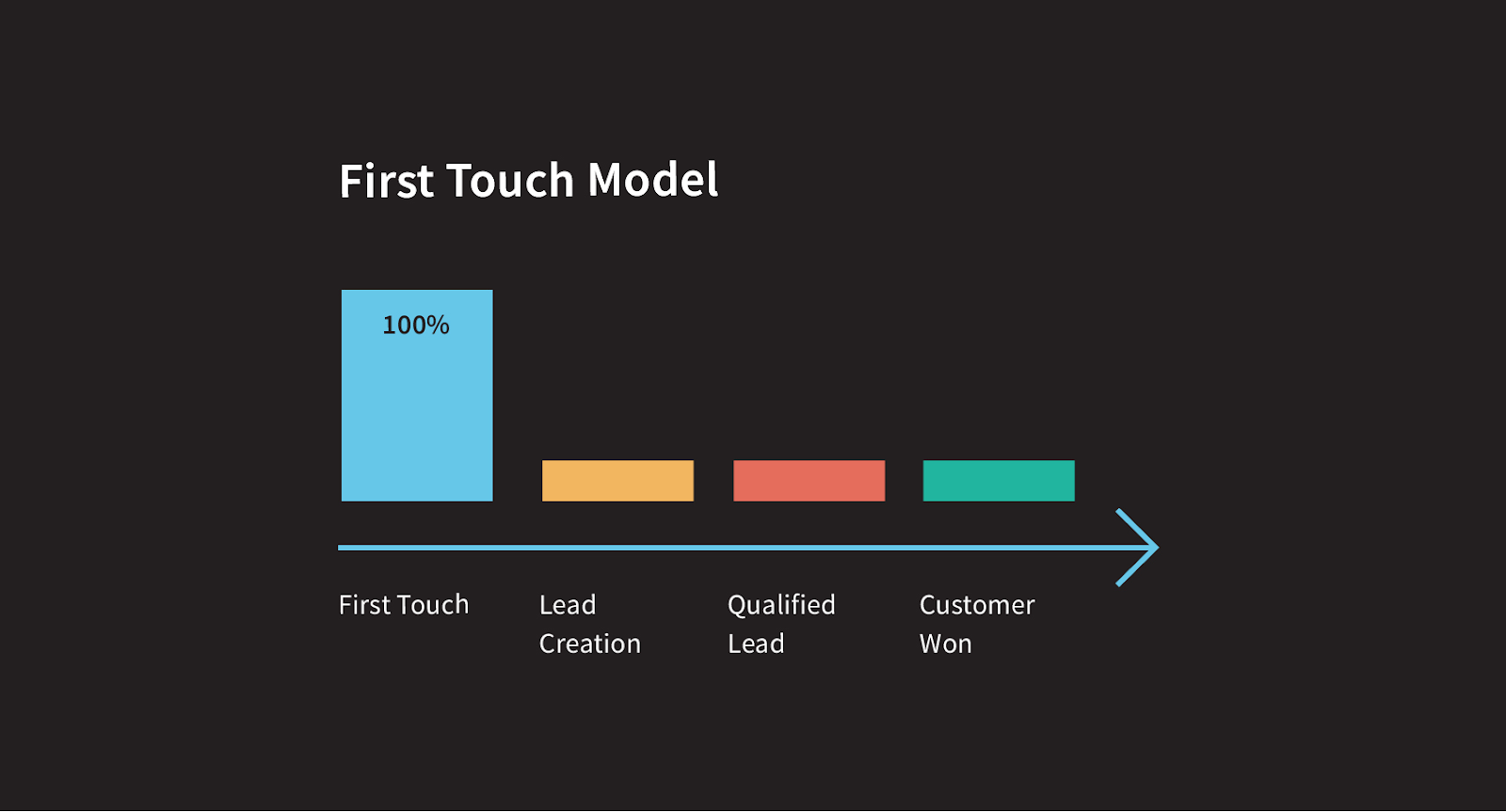
Most ecommerce traffic never converts on the first visit. People browse, compare options, get distracted, and leave. You're paying to bring them in, but they're not giving you anything in return.
Without a strong lead capture system, you're losing most of that traffic for good. Baymard Institute's 2026 analysis of 50 separate cart abandonment studies puts the average ecommerce cart abandonment rate at 70.22% percent, and that's just the shoppers who got as far as adding something to a cart. Even retargeting can only do so much if the visitor never gave you their contact info in the first place.
✅ The fix: focus on capturing leads early so you can nurture them through email, SMS, or outbound follow-up instead of hoping they come back on their own.
Learn More: First-Touch Attribution - What Is It and How Does It Work?
Poor Follow-Up and Nurture Sequences
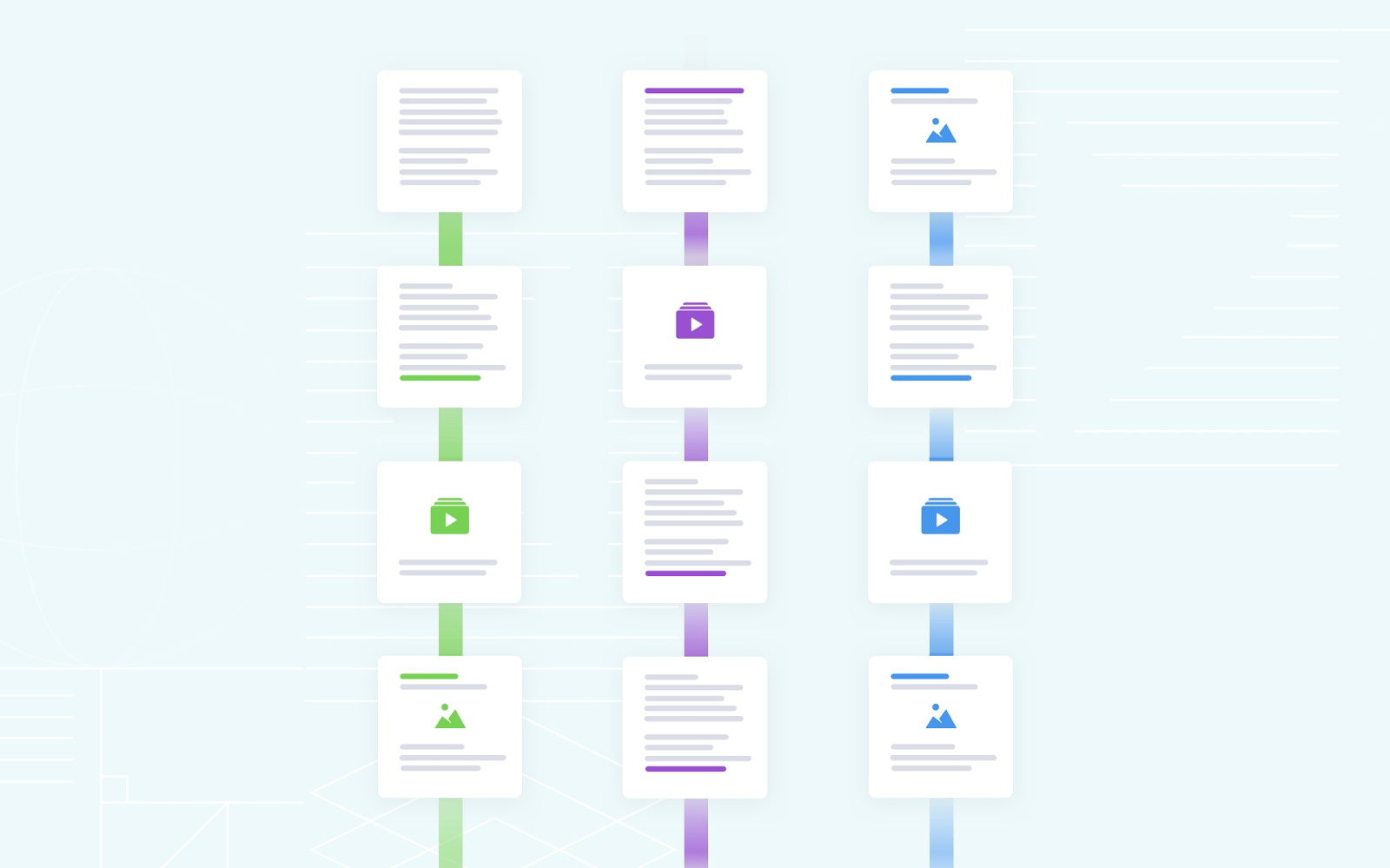
Capturing the lead is only half the battle. Most ecommerce brands either don't follow up at all or send generic email blasts that get ignored.
B2B ecommerce deals especially need consistent, personalized follow-up. A procurement manager who requests a quote today might not make a decision for 60 days. If you're not staying in touch, a competitor will.
✅ What's missing: automated nurture sequences that keep leads warm and manual outreach for high-value opportunities.
Most teams solve this with automated lead nurturing sequences that keep leads warm without requiring a rep to remember every follow-up manually.
Over-Reliance on Discounts
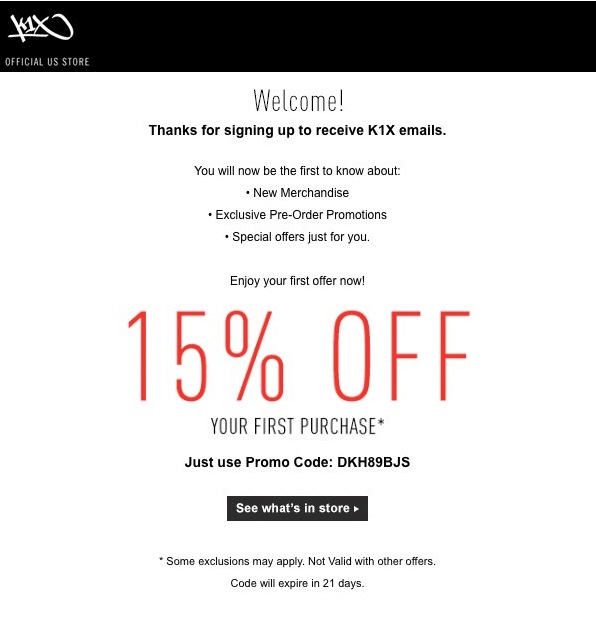
If the only way you can get people to sign up or buy is by offering a discount, you're training your audience to wait for sales. That kills your margins and attracts bargain hunters instead of loyal customers.
Discount-driven lead generation also doesn't work for B2B ecommerce. Enterprise buyers and wholesale partners don't care about 15% off. They care about reliability, bulk pricing, and long-term value.
✅ The better approach: use educational content, product value, and relationship building to generate leads instead of racing to the bottom on price.
Difficulty Generating High-Intent B2B Ecommerce Leads
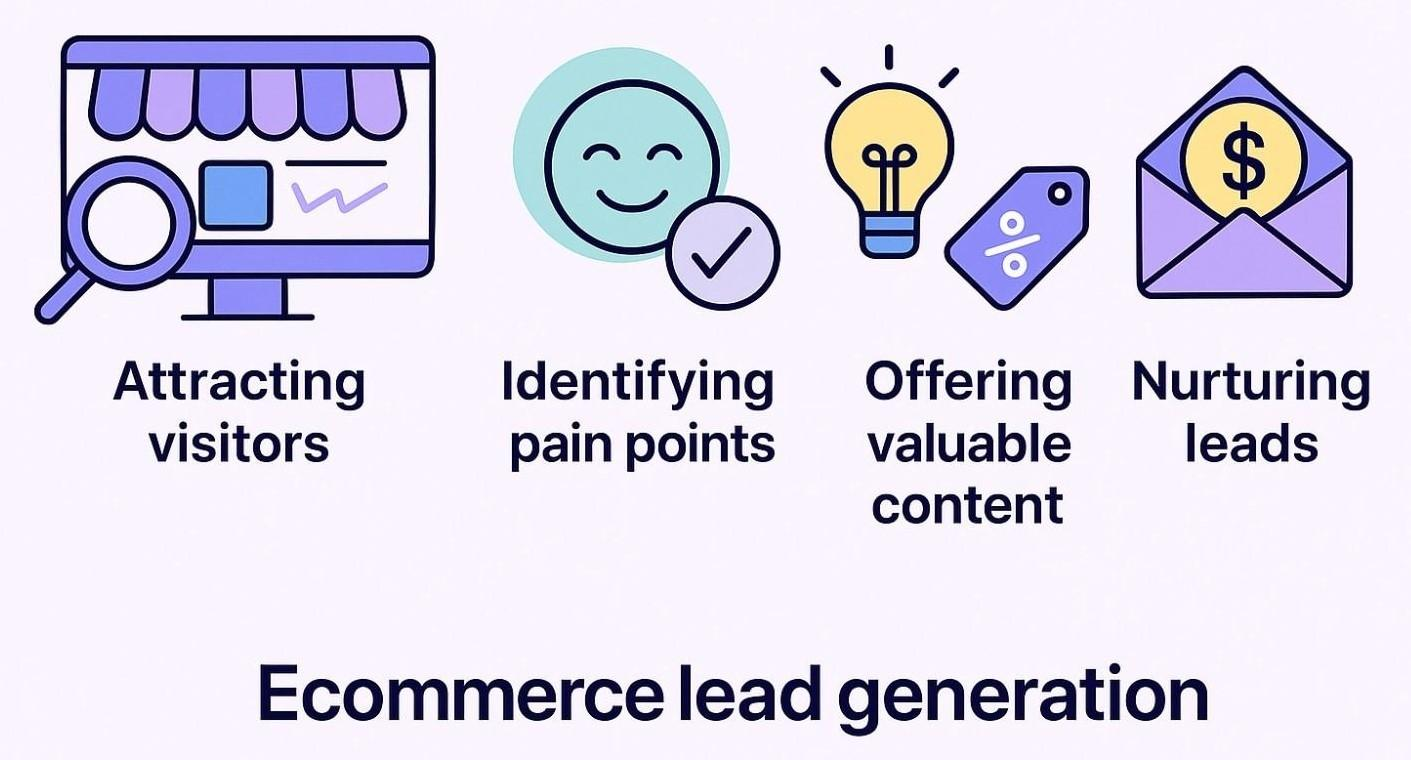
B2B ecommerce lead generation is harder than B2C. You're not selling to individuals making impulse decisions. You're selling to companies with procurement processes, multiple stakeholders, and long sales cycles.
Paid ads don't work well here because decision-makers aren't clicking on product ads. Content marketing takes months to build momentum. And cold outreach only works if you're targeting the right people with the right message.
Why brands partner with lead generation services
Building an outbound system in-house requires hiring SDRs, buying data, writing scripts, and managing a full sales development process. Most ecommerce brands don't have the bandwidth or expertise to do that effectively.
That's where specialized ecommerce lead generation services come in. Instead of figuring it out yourself, you work with a team that already has the systems, data, and experience to generate qualified leads consistently.
If any of these challenges sound familiar, you're not stuck. The brands scaling successfully in 2026 are the ones building multi-channel lead generation systems that don't rely on paid ads alone.
Explore Further: Improve Cold Email Open Rate - 8 Proven Steps + Templates
How Cleverly Helps Ecommerce Brands Generate Qualified Leads
Most ecommerce brands are stuck running the same paid ad playbook while margins shrink. We take a different approach.
At Cleverly, we've helped 10,000+ clients generate leads with companies like Amazon, Google, Uber, PayPal, Slack, and Spotify.
…That's resulted in $312 million in pipeline revenue and $51.2 million in closed revenue.
How We Support Ecommerce Brands
🚀 LinkedIn Outreach to Decision-Makers
- Reach buyers and procurement managers directly on LinkedIn.
- Account-based targeting for specific retailers, distributors, or enterprise prospects.
- Start real conversations that lead to demos, quotes, and partnerships.
- Pricing starts at just $397/month
🚀 Cold Email for Bulk Orders, Partnerships & Demos
- Personalized outreach to high-intent prospects in your target industries.
- Drive catalog requests, pricing conversations, and partnership opportunities.
- Pay only for meeting-ready leads we send you with our cold email service.
🚀 Cold Calling That Actually Books Meetings
- Our $5 million cold calling system books you 10-30 qualified sales calls every month, guaranteed.
- No-accent appointment setters trained and ready in 2 weeks.
- Includes data, tech, power dialer, and breakthrough scripts.
- Half the cost of in-housing with guaranteed results.

More Testimonials Here
Why Ecommerce Brands Choose Cleverly
We focus on intent-driven conversations, not vanity metrics. Every lead we generate is qualified, every meeting is booked with a decision-maker, and every campaign is built around pipeline creation beyond paid ads.
Whether you're running B2B ecommerce, wholesale operations, or DTC brands looking for partnership opportunities, we help you scale lead generation without burning budget on ads that don't convert.
Looking to generate ecommerce leads beyond ads and discounts?
🔥 Book a strategy call with Cleverly

Conclusion
Ecommerce lead generation isn't about chasing more traffic. It's about building a system that turns interest into relationships and relationships into revenue.
Traffic without lead capture is just expensive noise. You need a way to capture, nurture, and convert buyers who aren't ready to purchase today but will be in 30, 60, or 90 days.
For B2B ecommerce brands, outbound strategies like LinkedIn outreach, cold email, and cold calling are non-negotiable. Paid ads alone won't get you in front of procurement teams, wholesale buyers, or enterprise accounts. You need proactive outreach that starts conversations with the right people.
The brands winning in 2026 aren't choosing between inbound and outbound. They're combining both. Content and paid ads bring people in. Outbound puts you directly in front of decision-makers who would never find you otherwise.
Stop waiting for leads to come to you. Go get them.
Frequently Asked Questions
Free Resource
How to Scale a Profitable Cold Call System
Get the complete guide — download it instantly now.
Free Ebook
Download the Free Guide
Enter your details to get instant access.
You're all set! 🎉
Your ebook is downloading now.
Click below if the download didn't start automatically.


