Table of Contents
What Is Customer Retention and Why Does It Matter?
Why B2B Customer Retention Is Harder in 2026
15 Proven Customer Retention Strategies for 2026
Customer Retention Marketing Strategies That Complement Your CS Efforts
How Cleverly Helps B2B Companies Build the Pipeline That Makes Retention Easier
Conclusion
Frequently Asked Questions
Modified On :
September 8, 2026
Key Takeaways
- Retaining a customer costs 5 to 7x less than acquiring a new one -- your existing base is your highest-ROI growth asset.
- The first 30 to 90 days of onboarding set the retention trajectory more than any other period in the customer lifecycle.
- Proactive customer success, health scoring, and early churn signal detection prevent losses before customers make the decision to leave.
- Personalized communication, regular feedback loops, and QBRs tied to client KPIs keep customers engaged and renewing.
- Renewals should be a continuous 90 to 120 day process, not a last-minute conversation.
- Retention metrics like NRR, churn rate, and LTV:CAC need consistent visibility across leadership, sales, and CS to drive real accountability.
A number that should make any B2B revenue leader pause - “companies lose $1.6 trillion every year to customer churn”. Not a typo. And yet, most B2B teams are still pouring most of their budget into acquiring new customers while quietly bleeding out on the retention side.
The math just does not add up.
Acquiring a new customer costs 5 to 7 times more than keeping an existing one, and a 5% improvement in retention can increase profits by 25% to 95%. That kind of leverage does not come from any paid campaign.
This guide breaks down 15 customer retention strategies that actually work in 2026 - no fluff, no recycled advice.
Whether you run customer success, own a revenue number, or lead a B2B team, there is something here you can put to work this week.
What Is Customer Retention and Why Does It Matter?
Customer retention is simply your business's ability to keep existing customers over a defined period of time. But the implications of getting it right (or wrong) go well beyond a single metric.
Some key numbers you should be tracking:
- Customer Retention Rate (CRR): The percentage of customers who stay with you over a given period.
- Churn Rate: The flip side - the percentage who leave.
- Net Revenue Retention (NRR): How much revenue you retain from existing customers after expansions, contractions, and churn.
- Customer Lifetime Value (LTV): The total revenue a customer generates across their entire relationship with you.
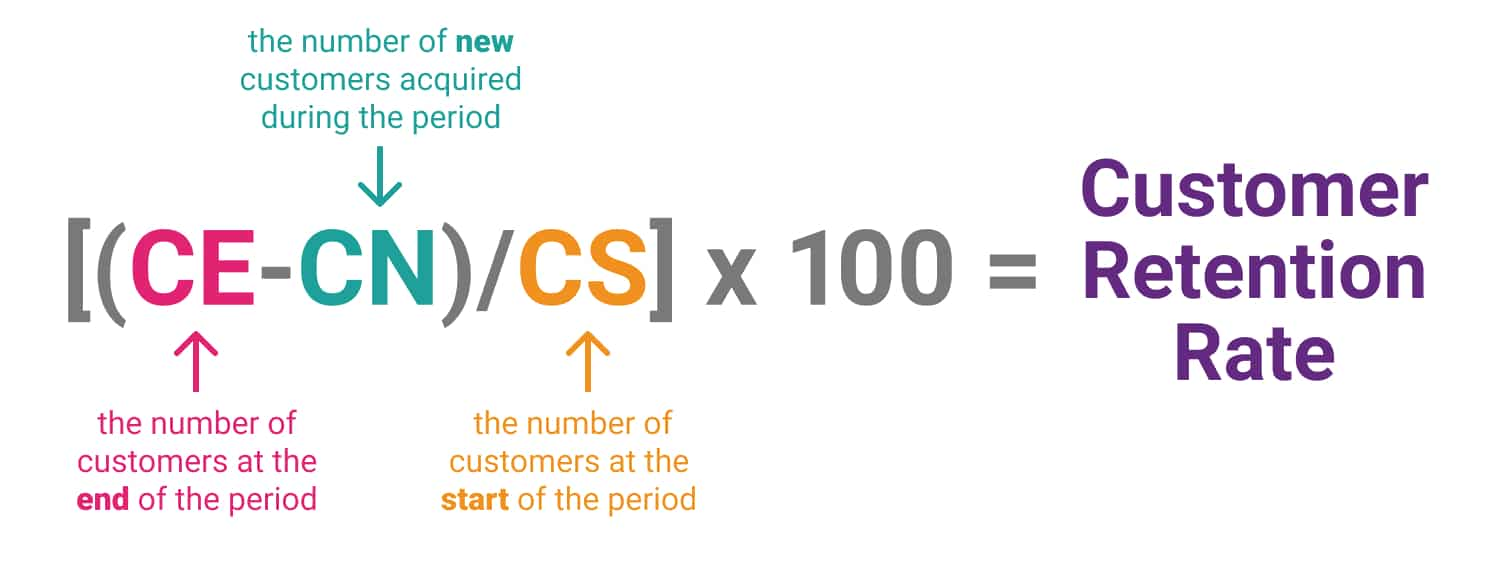
How to calculate your retention rate
Take the number of customers at the end of a period, subtract the new customers acquired during that period, then divide by the number of customers you had at the start. Multiply by 100 to get your percentage.
So if you start the quarter with 400 customers, add 60 new ones, and end with 420, your retention rate is (420 - 60) / 400 = 90%.
A good benchmark for B2B SaaS is 85% or higher annually. Top performers push NRR past 120%, meaning they grow revenue from existing customers alone.
The direct link between retention and revenue is hard to ignore.
Returning customers spend 67% more than new ones, and improving retention by just 2% has the same financial effect as cutting costs by 10%.
The best growth companies invest in both acquisition and retention simply because neither works well in isolation.
🚀 Retention Is Easier With a Full Pipeline
Cleverly generates consistent new opportunities through cold outreach. Over $312M in pipeline created for 10,000+ companies.
Why B2B Customer Retention Is Harder in 2026
B2B buyers today have more options, more information, and far less patience than they did even three years ago. A few things have shifted the dynamics significantly.
Expectations have gone up. Customers now expect proactive communication, faster support, and clear ROI proof from every vendor they pay. If you are not consistently showing them value, someone else will.
The commoditization problem is real. When products and pricing look similar across categories, retention comes down to relationship and experience. Features get copied. Trust does not.
Common reasons B2B customers churn in 2026:
- Poor or slow onboarding that leaves customers figuring things out on their own.
- Lack of perceived value - the product works but the customer cannot articulate what they are getting out of it.
- Slow or unresponsive support.
- No strategic engagement beyond the initial sale.
- Being sold to one contact who eventually leaves, and losing the account with them.
A shift worth internalizing: Customer retention is not a defensive play. It is a revenue growth strategy. Companies with high NRR grow faster, spend less to hit their numbers, and build the kind of compounding revenue base that acquisition alone cannot create.
15 Proven Customer Retention Strategies for 2026
These are not theories. They are battle-tested tactics used by high-performing B2B teams right now.
1) Nail the Onboarding Experience
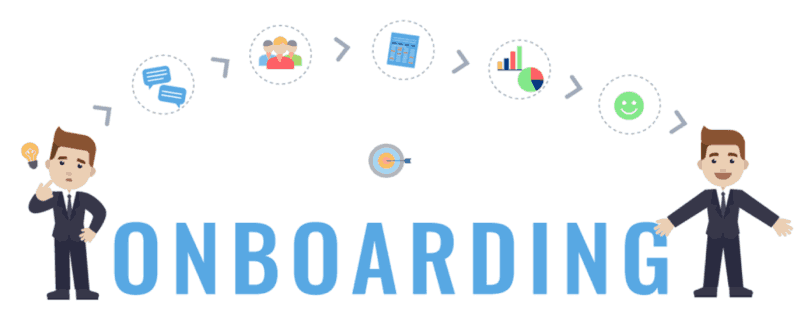
The first 30 to 90 days with a new customer set the trajectory for the entire relationship. Research consistently shows that onboarding quality is the number one driver of churn reduction - over 20% of voluntary churn is linked directly to poor onboarding.
What good onboarding looks like in practice:
- A structured checklist with clear milestones the customer can track.
- An early win identification step -- help them get a result fast, even a small one.
- A dedicated onboarding specialist or CSM contact who owns the experience.
Do not assume customers will figure it out. Build the path for them.
2) Build a Proactive Customer Success Program
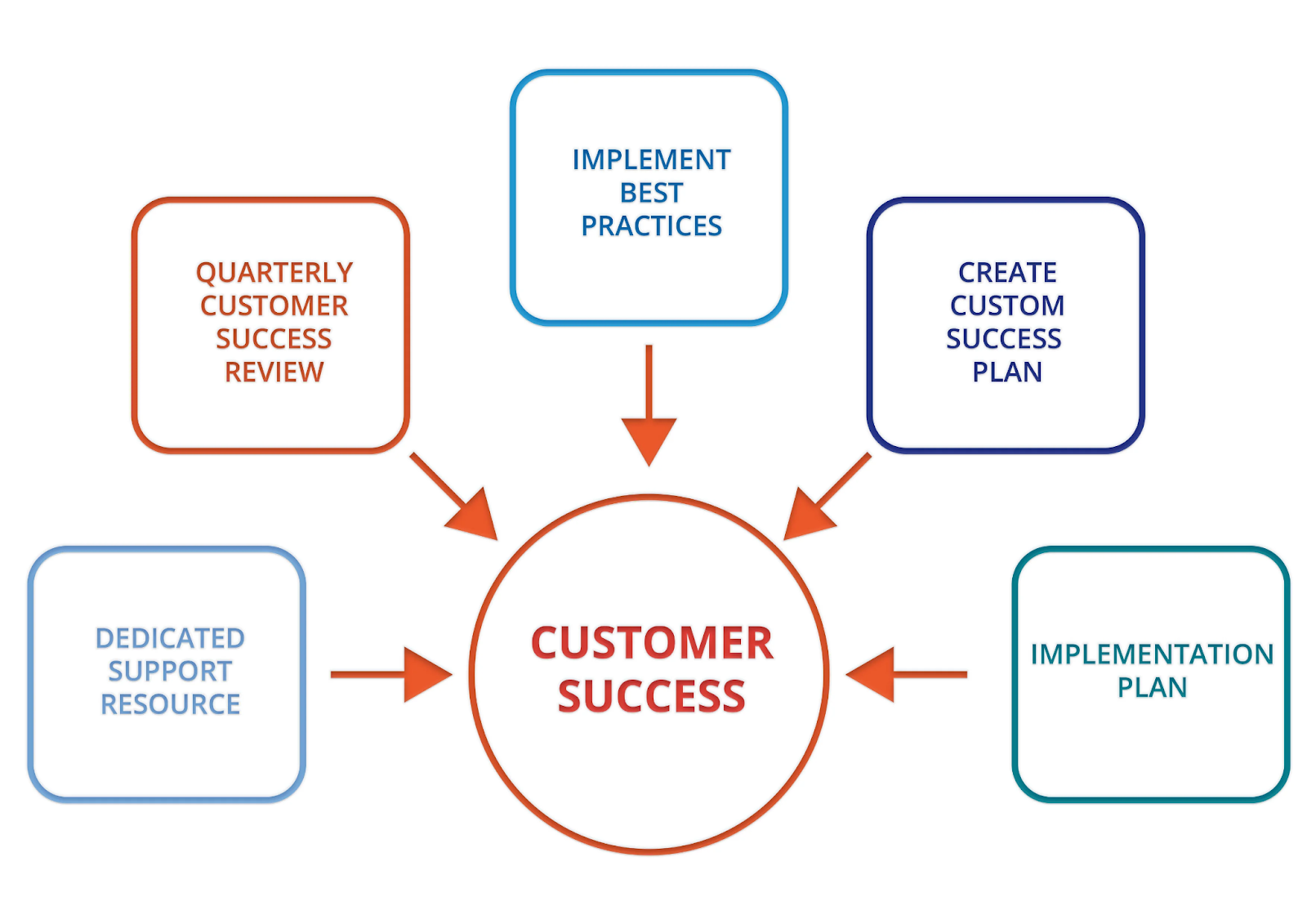
Reactive support is table stakes. If you are only responding to problems when customers raise tickets, you are already behind.
B2B customer retention strategies that work in 2026 are built around proactive success - getting ahead of issues before they become reasons to churn.
What to put in place:
- Customer Health Scores: Aggregate product usage, support ticket volume, NPS scores, and feature adoption into a single health indicator.
- Regular check-ins: Scheduled touchpoints based on health score, not just calendar cadence.
- CSM assignment: Assign dedicated customer success managers to accounts above a defined ARR threshold.
Companies with formal customer success teams retain customers at significantly higher rates and close more expansion revenue. Firms with dedicated CSMs see up to 25% higher NRR than those without.
3) Create a Clear Value Realization Framework
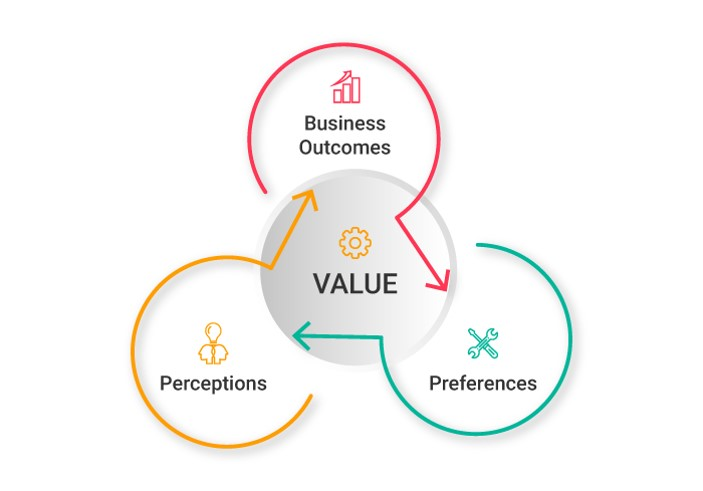
Customers do not churn because your product stopped working. They churn because they stopped seeing the value. Your job is to make that value visible and measurable at every stage of the relationship.
How to do this well:
- Map your product's features to specific business outcomes your customers care about.
- Run quarterly business reviews (QBRs) tied to customer KPIs, not just product updates.
- Build ROI dashboards or reports that show what they have gotten out of working with you.
When customers can point to a number that changed because of you, the renewal conversation becomes a lot easier.
4) Personalize Communication at Every Stage

Mass emails to your entire customer base are fine for announcements. They are not enough for retention. Customers who receive communication that feels relevant to their situation are significantly more likely to stay engaged… and engaged customers stay.
Segment your customers by:
- Industry and use case
- Lifecycle stage (new, growing, at-risk, champion)
- Health score
- Product usage patterns
Then build tailored messaging sequences for each. Customers who receive usage-based personalized in-app messages are 30% more likely to keep their subscriptions active. The tools to do this at scale exist -- the gap is usually in the strategy, not the software.
5) Implement a Customer Feedback Loop
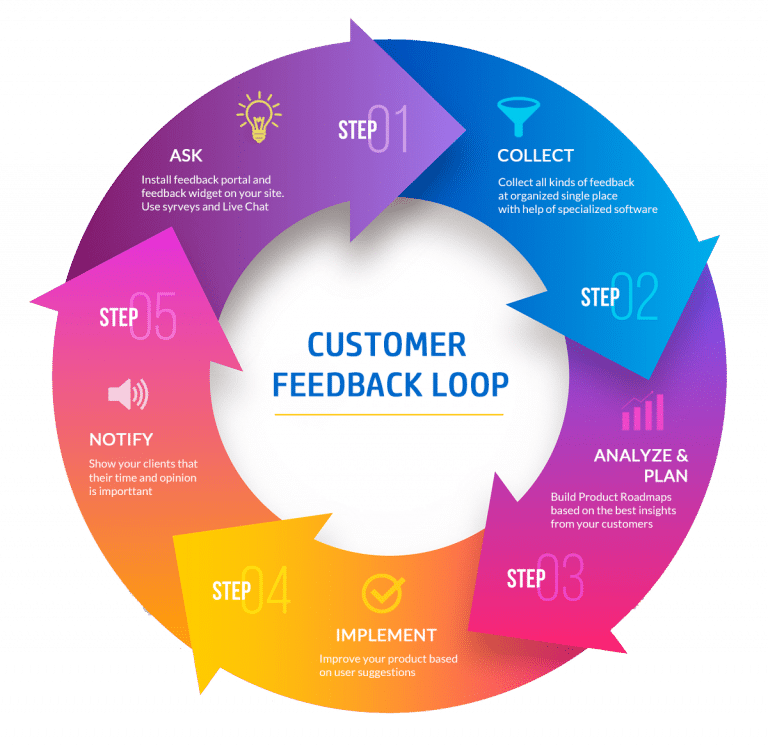
Collecting feedback and doing nothing with it is worse than not collecting it at all. It signals to your customers that their input does not matter, which is one of the fastest ways to lose them.
A functioning feedback loop looks like this:
- Regular NPS, CSAT, and CES surveys at key moments in the journey (post-onboarding, post-support interaction, pre-renewal).
- A clear internal process for triaging and acting on negative responses.
- Closing the loop with customers and telling them what changed because of their feedback.
Responding to feedback within 48 hours can increase retention by 12%. More importantly, it builds the kind of trust that makes customers willing to give you another chance when something goes wrong.
6) Use Predictive Churn Signals to Intervene Early
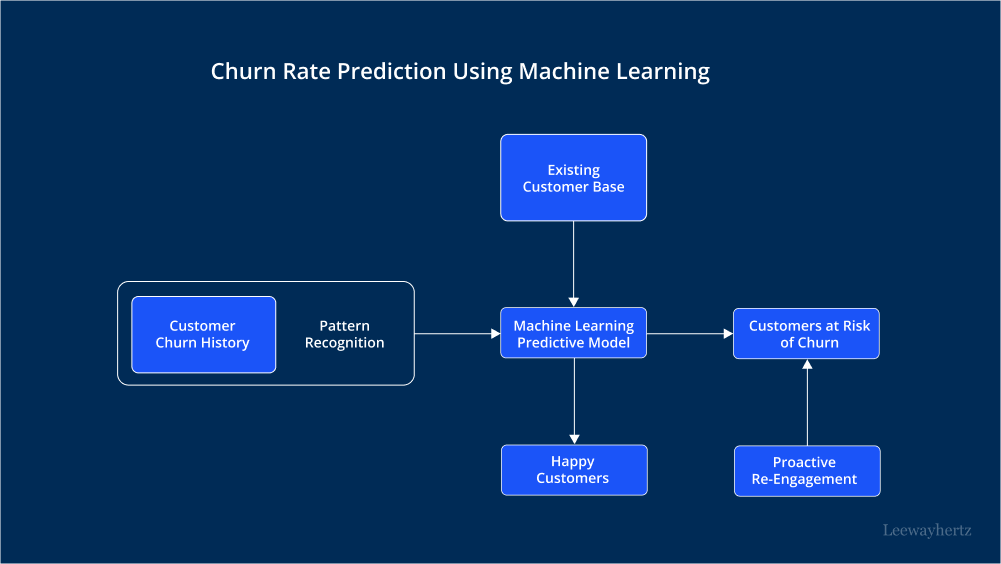
By the time a customer tells you they are leaving, you have usually already lost them. The goal is to identify the warning signs weeks or months earlier, when there is still time to change the outcome.
Key behavioral signals that predict churn:
- Declining login frequency or product usage
- Missed check-ins or slow response to outreach
- Spike in support tickets, especially unresolved ones
- Drop in feature adoption below a defined threshold
Build a churn risk scoring model inside your CRM using these signals. Then build playbooks for each risk tier. High-risk accounts should trigger immediate outreach from a senior CSM, a value review, or an executive check-in. The companies that do this well make churn feel like a choice, not a surprise.
7) Develop a Loyalty and Reward Program

Loyalty programs are not just a B2C tactic. They work in B2B too - the mechanics just look different.
B2B loyalty options worth considering:
- Early access to new features or beta releases
- Referral incentives (discounts, credits, or co-marketing opportunities)
- Customer advisory board membership
- Annual recognition programs for top accounts
The data backs this up. Loyalty program members show 47% lower churn rates and 39% higher referral rates.
A clear, simple value proposition for your loyalty program can increase enrollment and retention by 8% to 14% compared to more complex programs. The goal is to make your best customers feel like insiders, not just buyers.
8) Strengthen Relationships Beyond the Primary Contact
The multi-stakeholder risk is one of the most underappreciated retention threats in B2B. Your champion leaves for a new role, and suddenly you are starting the relationship from scratch with a new contact who has no loyalty to your product.
How to mitigate this:
- Map relationships across the full buying committee: champion, economic buyer, end users, and influencers.
- Schedule executive-level touchpoints with economic buyers at least once per quarter.
- Build relationships with end users through training, webinars, and community. They become your advocates when leadership turns over.
Expanding your footprint inside an account is not just a growth strategy. It is a retention strategy.
9) Deliver Ongoing Education and Enablement
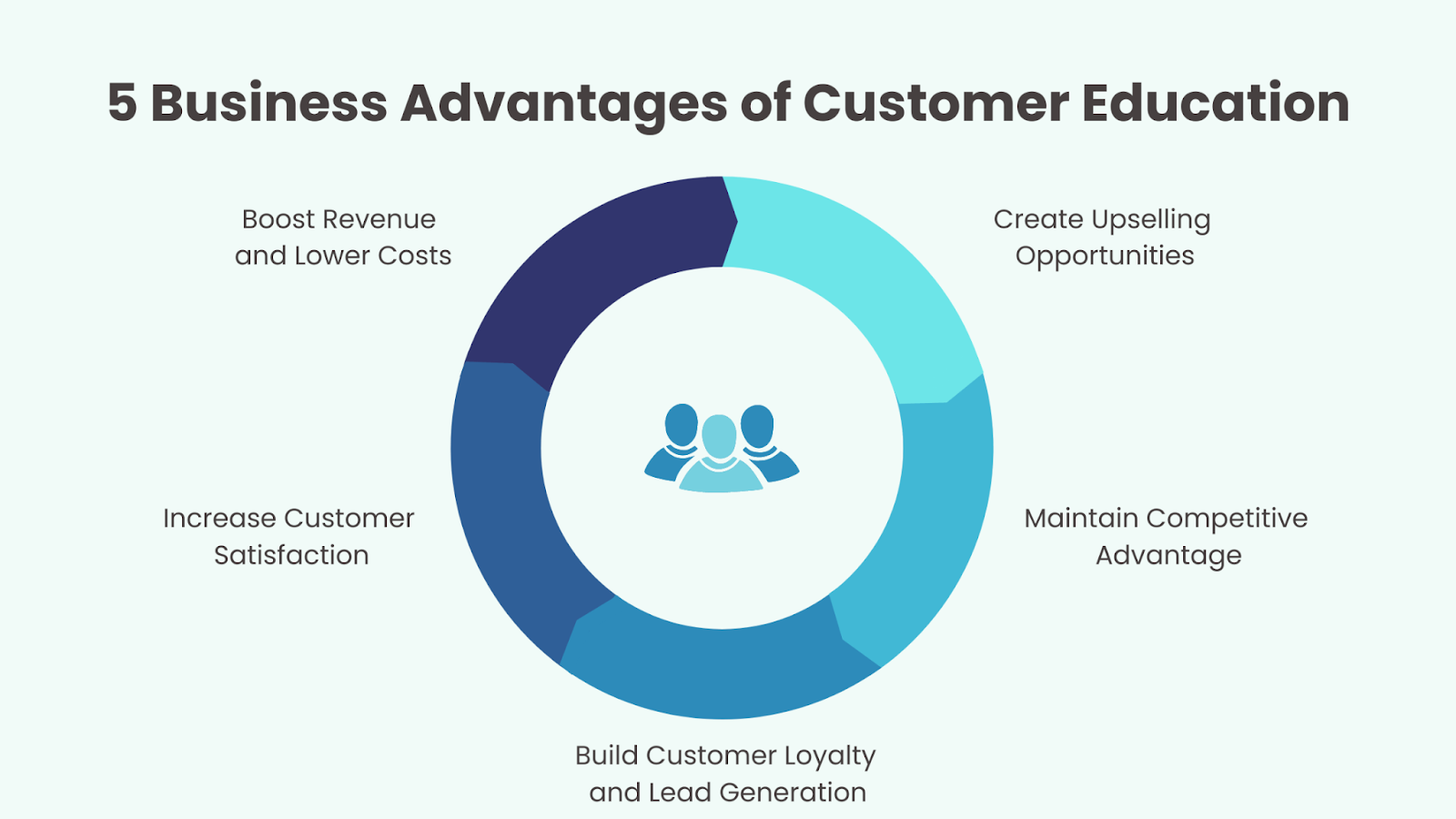
Customers who understand your product more deeply use it more. And customers who use it more stay longer. Education is not a nice-to-have, it is one of the most reliable levers for improving retention.
What this looks like in practice:
- Self-serve training resources: documentation, video walkthroughs, and a searchable help center.
- Live product webinars for new feature releases.
- Certification paths for power users who want to deepen their skills.
The investment in education pays back in retention, expansion, and advocacy.
10) Make Renewals a Process, Not an Event
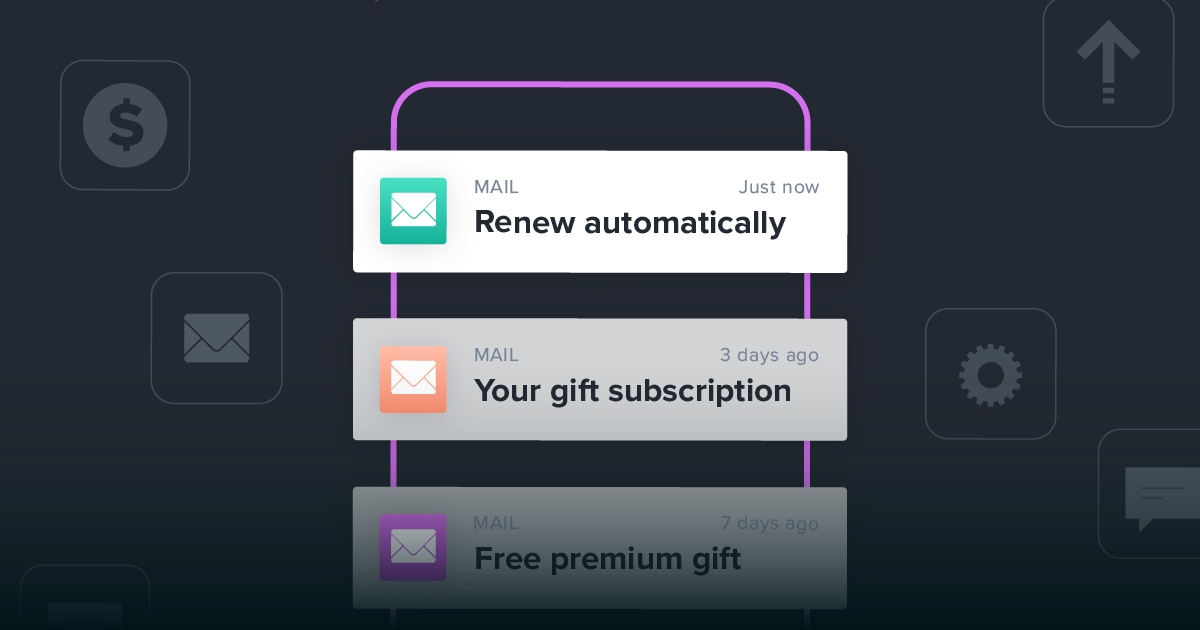
If renewal conversations are starting 30 days before the contract end date, you are already in damage control mode. The best customer retention strategies treat renewal as a continuous process, not a once-a-year fire drill.
A renewal playbook that works:
- Start 90 to 120 days out with a health check and value review.
- Have the expansion conversation before the renewal conversation. What else could they benefit from?
- Address objections early rather than waiting for them to surface in the final weeks.
- Build internal champions who advocate for renewal on your behalf.
This approach reduces last-minute churn because customers are not making the renewal decision in isolation -- they are making it with full context of the value they have received.
11) Use Cold Email Re-Engagement for At-Risk Accounts
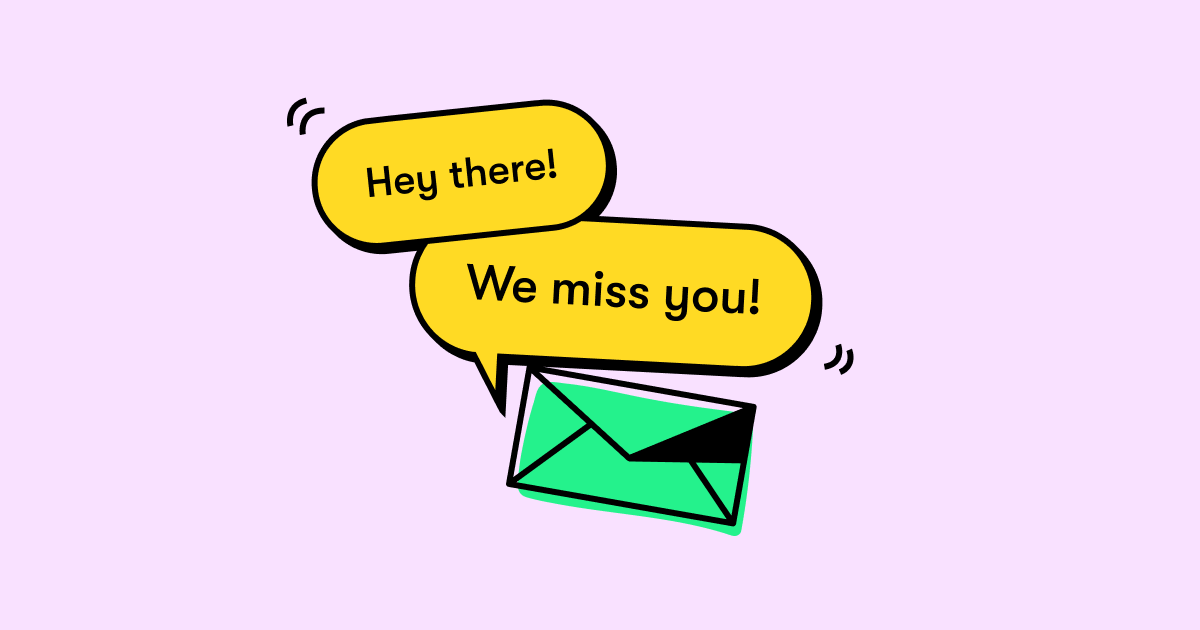
Sometimes a customer goes quiet. Usage drops, responses slow down, check-ins get skipped. Before writing them off as a churn risk, a well-crafted re-engagement sequence can bring them back into the conversation.
A simple messaging framework for re-engagement:
- Lead with value delivered: remind them of a specific result or milestone they hit.
- Acknowledge the gap: "We noticed you have not been as active lately, is there something we can do better?"
- Offer a clear next step: a short call, a resource, or a check-in with a specific person.
Use re-engagement email when account health is declining but there is no active relationship damage. If there is an underlying issue like a bad support experience, an unmet expectation, that needs a direct phone call or in-person conversation from the account manager or CSM.
12) Build a Community Around Your Product or Service
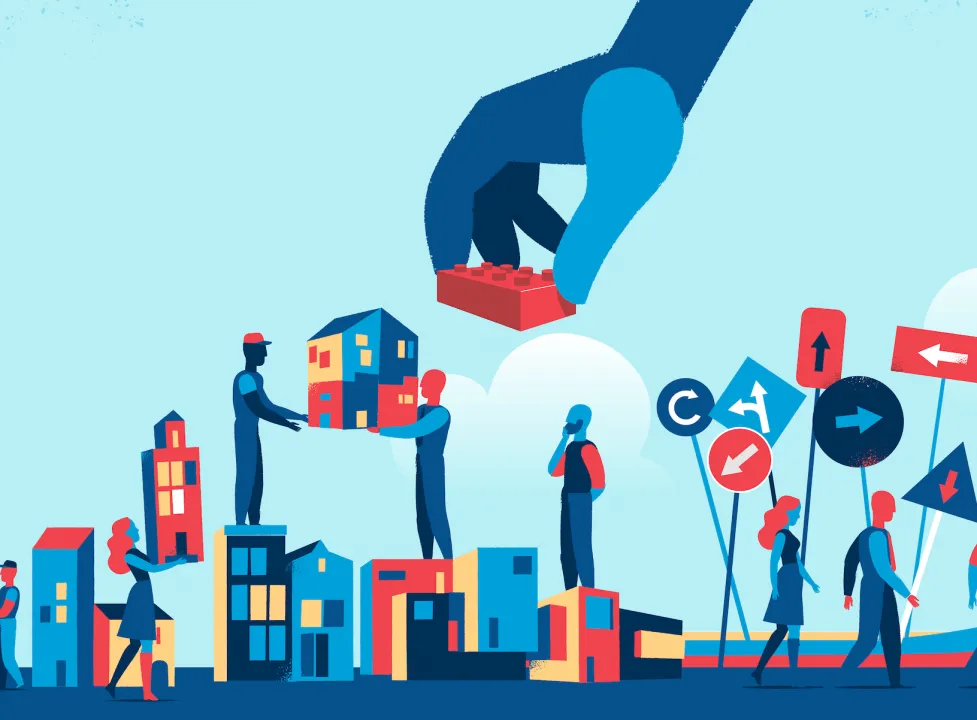
Community is one of the highest-leverage retention tools available, and most B2B companies are not using it. When customers can connect with peers who use the same product, share best practices, and solve problems together, the switching cost goes up significantly.
Community formats that work in B2B:
- Private Slack or LinkedIn groups for customers
- Annual user conferences or virtual summits
- Online forums moderated by your customer success team
- Customer advisory boards that give members influence over your roadmap
A B2B SaaS company reduced churn by 20% after launching a structured customer community. The reason is straightforward: when customers have relationships inside your ecosystem, leaving means losing those relationships too.
13) Offer Flexible Contracts and Pricing Options

Rigid contracts accelerate churn when customers feel locked in without receiving clear value. Flexibility signals confidence in your product. If you believed customers would not get value, you would not offer it.
Options worth considering:
- Monthly plans for customers in earlier stages of commitment.
- Pause options for customers dealing with seasonal budget pressures.
- Usage-based pricing that scales with how much value customers actually extract.
SaaS companies with usage-based pricing have 15% to 30% lower churn. Giving customers more control over how they engage with you reduces the feeling of being trapped -- and a customer who stays by choice is far more likely to expand.
14) Align Sales and Customer Success for Seamless Handoffs
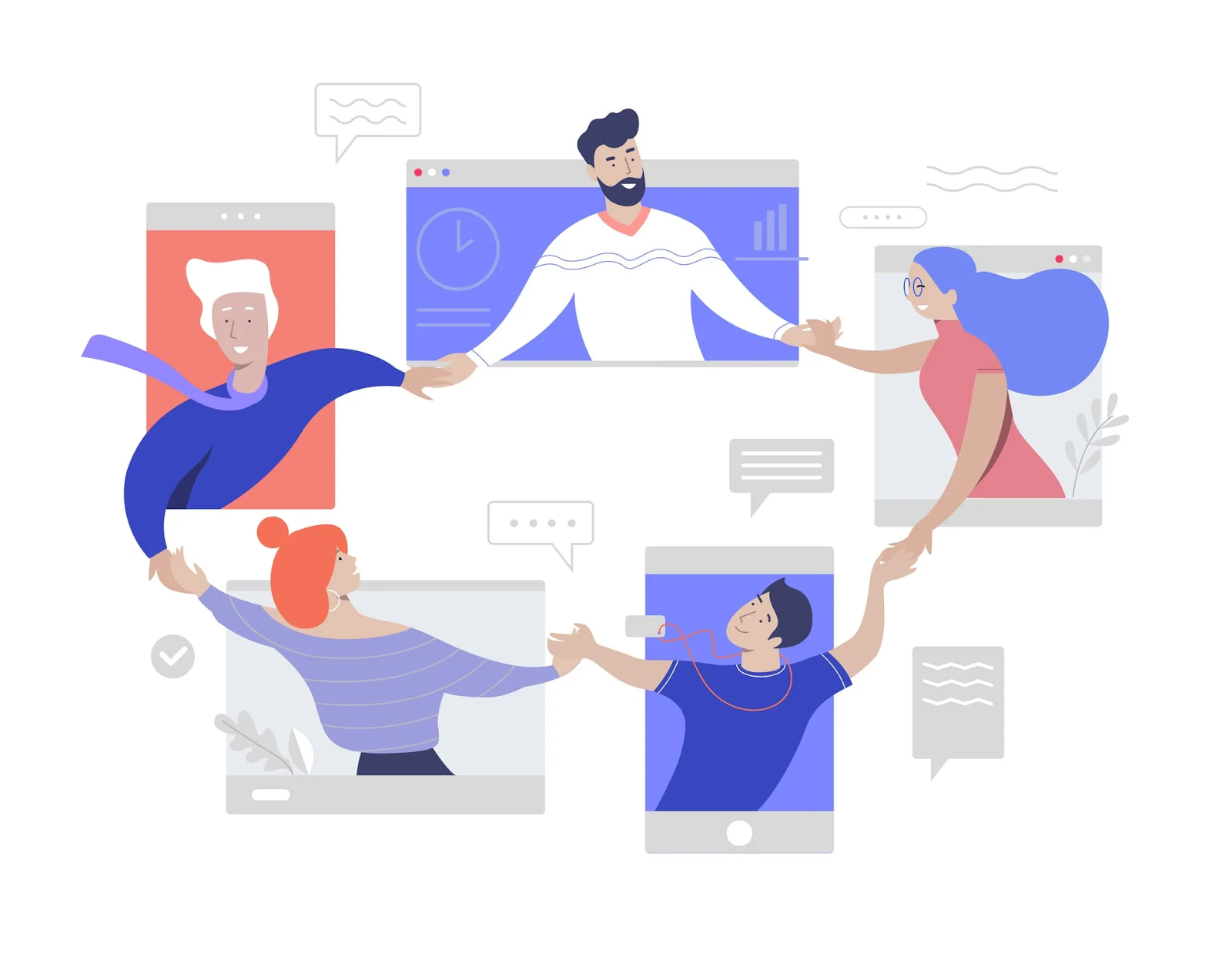
One of the most common but least discussed causes of early churn is what happens between the signed contract and the first 60 days of the customer relationship. Sales promises one thing. CS delivers another. The customer feels misled before the relationship even starts.
How to fix the handoff:
- Build a structured handoff document: what was sold, what was promised, what the customer's specific goals are, and which stakeholders were involved.
- Require a formal internal handoff meeting between AE and CSM for every new account.
- Tie AE compensation to retention metrics at 90 and 180 days, not just the initial close.
When sales and customer success operate from the same playbook, customers feel the continuity. When they do not, customers feel the seam -- and that seam is where churn starts.
15) Track and Act on Retention Metrics Consistently
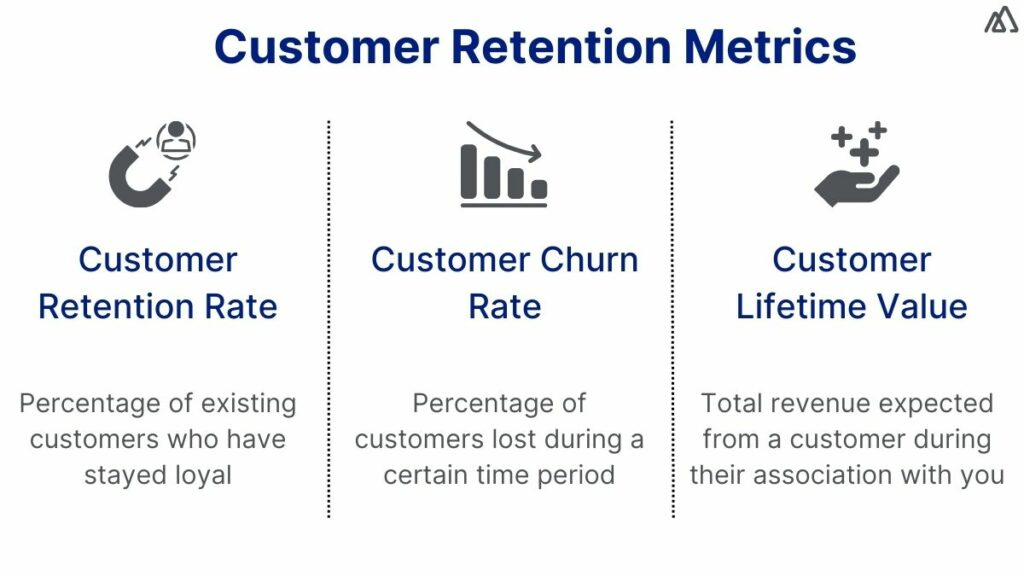
You cannot improve what you do not measure. And you cannot act on what nobody reviews. The best customer retention strategies in the world fall apart if there is no accountability structure behind them.
The metrics that matter most:
- Net Revenue Retention (NRR): Are you growing revenue from your existing base?
- Gross Retention Rate: What percentage of your base is staying at flat or higher contract value?
- Churn Rate: Monthly and annual, broken down by segment and cohort
- Expansion Revenue: Upsells and cross-sells from existing customers
- LTV:CAC Ratio: Are you earning back your acquisition costs fast enough to make retention worthwhile?
Build a retention dashboard visible to leadership, CS, sales, and marketing. Review it monthly. Make it someone's job to own the number. Consistent measurement creates accountability, and accountability creates improvement.
📞 Need More Customers to Retain?
Our $5M cold calling system books 10–30 qualified sales meetings every month. Trained SDRs. Proven scripts. Guaranteed appointments.
Customer Retention Marketing Strategies That Complement Your CS Efforts
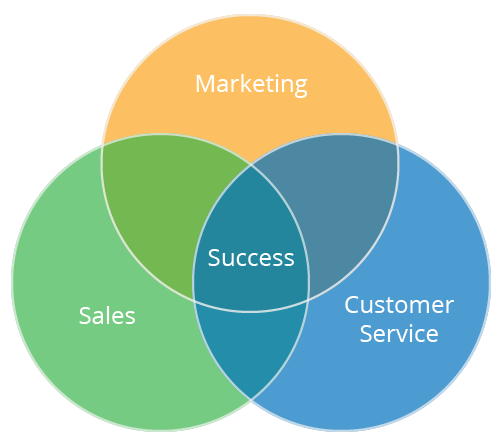
Marketing's role in retention gets underestimated. Most marketing teams are measured on acquisition metrics: leads, pipeline, MQLs. But the same skills that bring customers in can keep them around if applied in the right direction.
Where marketing can support retention:
- Retention-focused content: Monthly newsletters, product update emails, and use case spotlights that remind customers why they bought in the first place.
- Re-engagement campaigns: Targeted sequences for lapsed or low-usage accounts - led by marketing automation, handed off to CS when they respond.
- Customer spotlight and co-marketing: Featuring existing customers in case studies, webinars, and social content deepens the relationship and creates mutual investment in the partnership.
- Onboarding email sequences: Marketing automation tools like HubSpot help guide new customers through key features, milestones, and next steps during their first 90 days.
The companies that align marketing and CS around shared retention goals and metrics do not treat the existing customer base as a captive audience. They treat them as the most valuable audience they have.
How Cleverly Helps B2B Companies Build the Pipeline That Makes Retention Easier
Here is something most retention conversations miss: retention gets harder when your acquisition pipeline is weak.
When there are not enough new leads coming in, your customer success and account management teams end up under pressure to compensate for it. They over-promise, they discount, they avoid difficult conversations about at-risk accounts because every account feels irreplaceable. That dynamic accelerates churn.
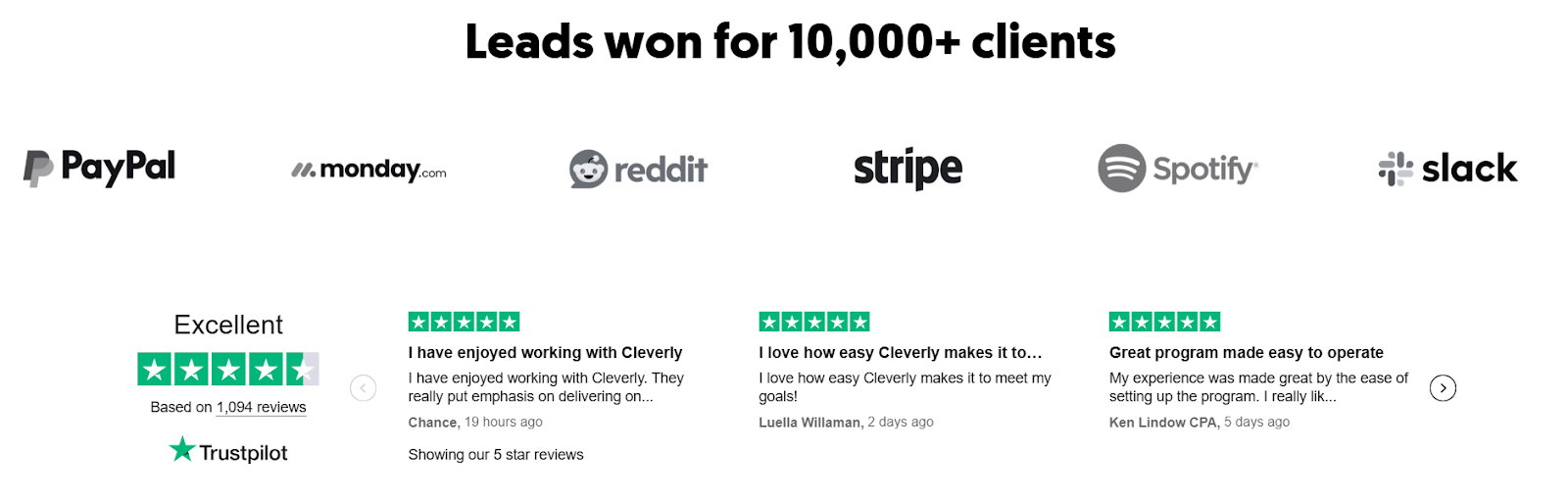
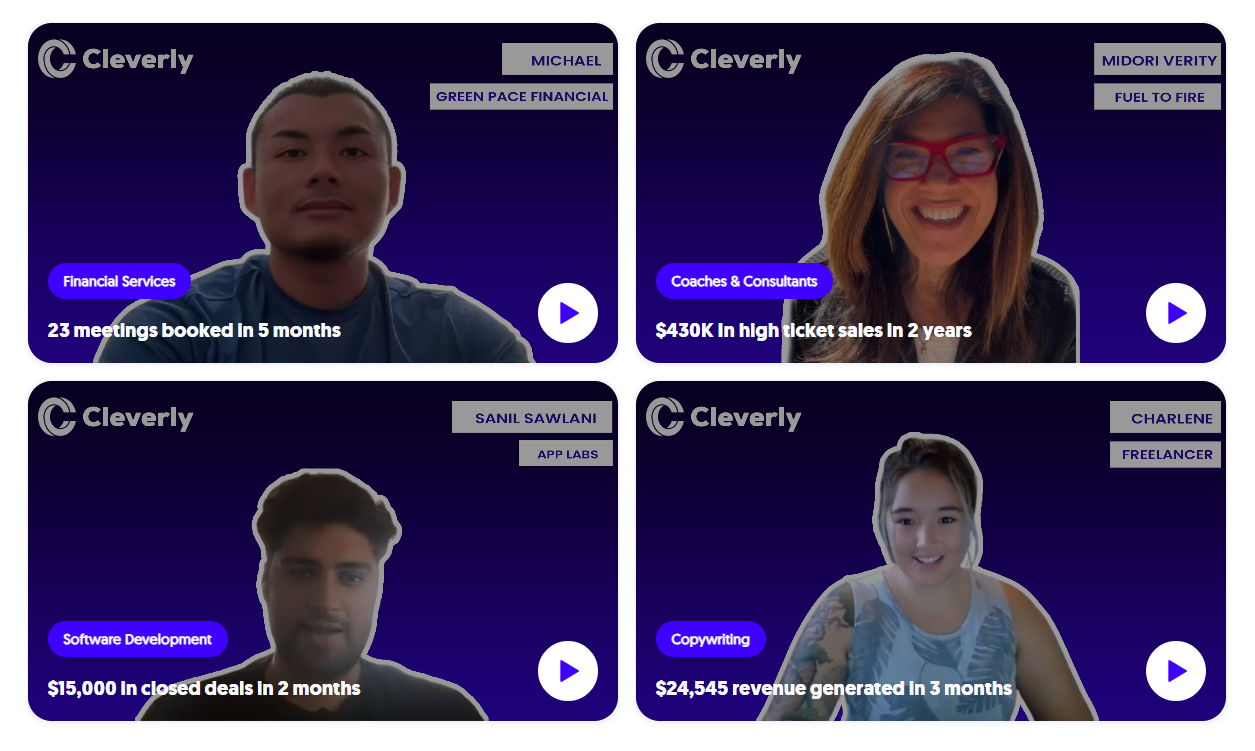
At Cleverly, we are the highest-rated 100% done-for-you B2B lead generation agency. We have helped 10,000+ clients generate consistent, qualified pipeline across LinkedIn, cold email, and cold calling -- so their CS teams can stay focused on delivering value instead of backfilling lost revenue.
Here is what we deliver across our three channels:
👉 LinkedIn Lead Generation (starting at $397/month) - We handle everything: ICP-based targeting, connection requests, personalized messaging sequences, and follow-ups. Our clients have worked with companies like Amazon, Google, Uber, PayPal, Slack, and Spotify. Across all LinkedIn campaigns, we have generated $312M in pipeline revenue and $51.2M in closed revenue for our clients.
👉 Cold Email Lead Generation - We build your lead lists, write your sequences, manage deliverability, and only send you meeting-ready leads. You pay for results, not for activity.
👉 Cold Calling (Our $5M System) - Our done-for-you cold calling system puts a no-accent appointment setter on your account, trained and live within two weeks. We write the scripts, supply the data, power dialer, and technology -- at half the cost of hiring in-house. We guarantee qualified appointments or we replace the SDR. We have made 1M+ cold calls, set 53K appointments, and generated $312M in pipeline.
When your new business engine is running consistently, your retention efforts get the space to work. Your team is not scrambling to replace lost revenue. They are focused on creating the kind of experience that makes customers want to stay.
Want a steady flow of qualified new business to complement your retention strategy? Book a strategy call with Cleverly.
Conclusion
Customer retention in 2026 is not a department or a quarterly initiative. It is a company-wide revenue strategy that compounds over time when you do it consistently.
The 15 strategies in this guide work best when you layer them: strong onboarding feeds into proactive success, which feeds into feedback loops and better communication, which feeds into easier renewals. None of them work in isolation, and all of them get better the longer you run them.
Start with the strategies most directly tied to your current churn drivers. Fix the biggest leak first. Then build from there.
The best time to invest in retention was at the start of the customer relationship. The second best time is right now.
Frequently Asked Questions
Free Resource
How to Scale a Profitable Cold Call System
Get the complete guide — download it instantly now.
Free Ebook
Download the Free Guide
Enter your details to get instant access.
You're all set! 🎉
Your ebook is downloading now.
Click below if the download didn't start automatically.