Table of Contents
Why Finding Accurate Phone Numbers Matters
Free vs. Paid Phone Number Lookup: Which Should You Use?
How to Find Someone’s Phone Number (9 Methods That Actually Works in 2026)
Reverse Phone Lookup: How to Identify an Unknown Number
Tips to Find Contact Numbers Ethically and Legally
How to Use Found Phone Numbers for Cold Calling Success
Boost Your Cold Calling Results with Cleverly
Conclusion
Frequently Asked Questions
Modified On :
July 16, 2026
Key Takeaways
- Consistent tracking and personalization turn phone numbers into qualified leads and appointments.
- People search engines and reverse phone lookup tools give the fastest results when a name search alone isn't enough.
- Cell phone numbers rarely appear in public directories — paid data tools like Apollo or Lusha are the most reliable source.
- Reverse phone lookup lets you identify who owns an unknown number using free or paid tools.
- Segmenting and researching prospects boosts results in cold calling lead generation.
- Always follow ethical practices and comply with data protection laws.
Whether you're trying to reconnect with an old contact, verify an unknown caller, or reach a key decision-maker for your business — finding the right phone number is harder than it should be.
Public directories are outdated. Social profiles rarely list numbers anymore. Generic search results are full of dead ends.
People need to find phone numbers for all kinds of reasons:
- Reconnecting with a former colleague or friend
- Verifying who called from an unknown number
- Sales and B2B prospecting
- Recruiting and hiring outreach
- Locating a local business or service provider
At Cleverly, we've made over 1 million cold calls, set 53,000 appointments, and generated $312 million in pipeline revenue. We've tested every method in the book — free and paid.
In this guide, we'll walk you through 9 proven ways to find someone's phone number in 2026, whether you need it for personal or professional use.
Why Finding Accurate Phone Numbers Matters
When you're running outreach campaigns, the quality of your data decides your results. It's not just about finding a contact number — it's about making sure that number actually connects you to the right person.
Personal reasons
- Reconnecting with people: Maybe you've lost touch with a friend, former colleague, or family member and want to reach out directly rather than sending a cold message on social media.
- Verifying unknown numbers: You receive a call from an unfamiliar number — is it a potential employer, or spam? A reverse phone lookup can answer that in seconds.
- Emergencies and practical needs: From finding a service provider to checking on someone's wellbeing, having a direct number saves time when it matters most.
Professional reasons
- Higher connection and response rates: When your contact info is verified, your team spends less time dialing dead numbers and more time speaking with real decision-makers.
- Better conversion outcomes: Every successful cold calling lead generation campaign starts with reaching the right person at the right time. Verified phone numbers help you skip gatekeepers, get direct lines, and increase your appointment-to-close ratio.
- Avoiding unreliable or scraped data: Many databases offer cheap bulk lists, but they often contain outdated or non-consensual information. Using these can hurt your brand reputation and even violate compliance rules. Instead, rely on permission-based or verified sources that ensure both accuracy and legitimacy.
In short, taking time to find someone’s phone number the right way can transform your outreach from random dials to meaningful business conversations.
Check This Out: 10+ Proven Cold Calling Tips to Book More Meetings
🔎 We Find the Numbers, You Close the Deals
Skip the guessing, our data enrichment finds and verifies direct contact info so your outreach hits the right inboxes and phones. Turn cleaner lists into higher-converting campaigns.
Free vs. Paid Phone Number Lookup: Which Should You Use?
Before diving into methods, here's a quick breakdown so you can pick the right approach for your situation:
Free methods save money but cost time. If you need one number for a personal reason, start there. For ongoing sales or recruiting outreach, paid tools pay for themselves by eliminating dead-end searches.
How to Find Someone’s Phone Number (9 Methods That Actually Works in 2026)
Here are legitimate and effective ways to find business or personal phone numbers online — tested and verified for 2026.
Whether you’re prospecting for your next deal or just trying to reconnect with a potential client, these practical methods will help you learn how to find someone contact number quickly and ethically.
1. Check the Company Website or “Contact” Page
Start simple. Many businesses still publish direct phone numbers on their Contact, About Us, or Team pages.
This is especially true for small and mid-sized companies where employees’ contact details are publicly listed.
- Look for sales, support, or department-specific numbers.
- For executives, check press releases or “Meet the Team” sections.
- Works best for B2B professionals who want to reach decision-makers directly.
This method ensures you get accurate, company-verified information without relying on third-party data.
2. Use LinkedIn to Gather Business Contact Info
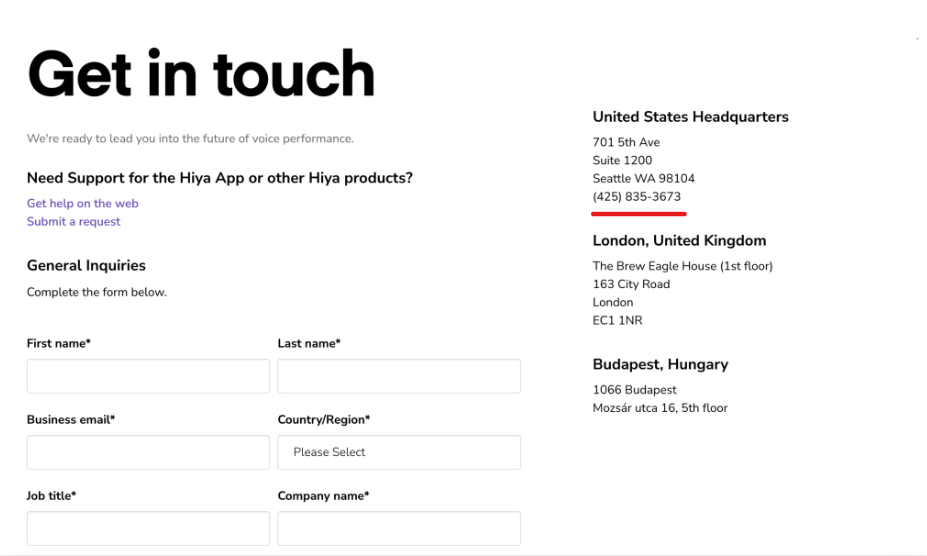
LinkedIn remains one of the best tools to find someone contact number in a professional context.
Many users list their phone numbers in the “Contact Info” section or under Featured posts.
- Go to their LinkedIn profile → “Contact Info” → check for direct or business numbers.
- Use LinkedIn together with tools like Apollo, Clay, or Lusha to enrich data and cross-check accuracy.
- Focus on verified business phone numbers — never scrape or misuse personal data.
This approach works especially well for cold calling lead generation, where personalization and accurate targeting matter.
3. Use Google Search Operators
Google can be surprisingly powerful for uncovering contact information when you use the right search strings. Try these examples:
- "Name" + "Contact Number"
- "Company Name" + "Phone"
- "Name" site:companydomain.com"
- "First Last" + "cell phone number" + "City"
- "First Last" site:whitepages.com
- "First Last" + "contact" + "Company Name"
For personal lookups, combining a name with a city or zip code dramatically narrows results. For B2B, adding a job title (like "VP Sales" or "Founder") alongside the company name helps surface the right contact page.
You can also search the number itself in quotes — "555-867-5309" — to reverse-identify an unknown caller via cached directory pages.
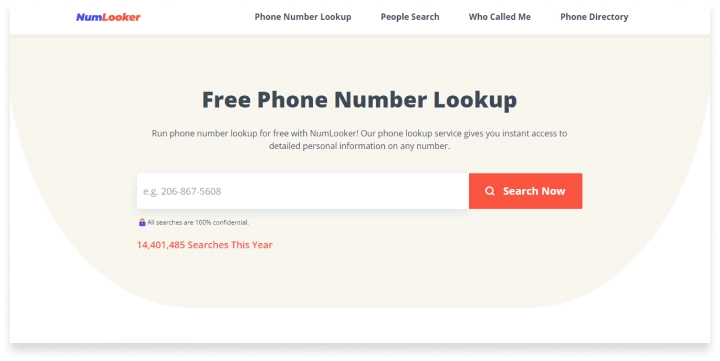
4. Try Free Phone Number Lookup Sites
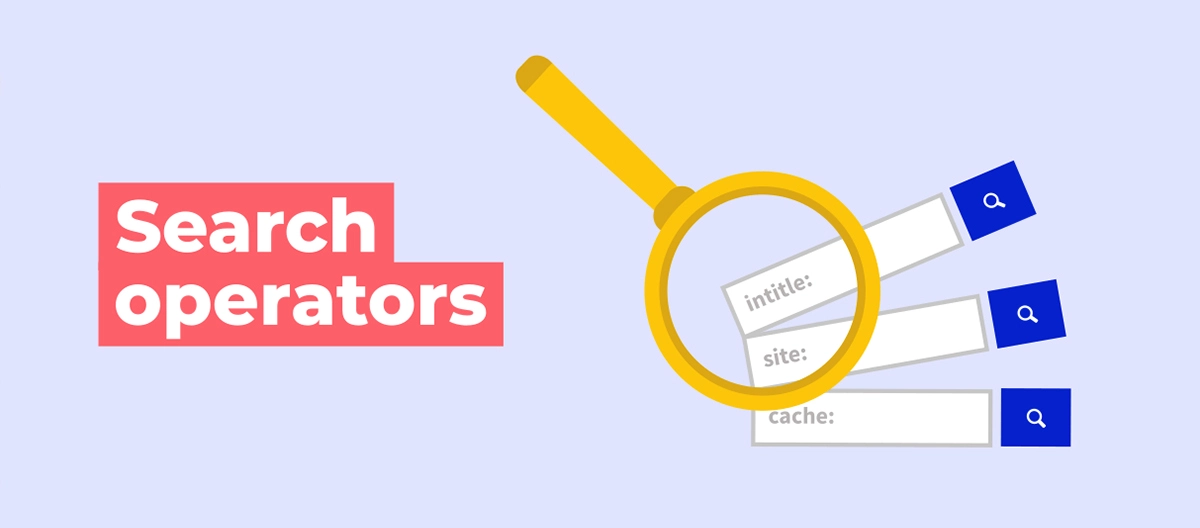
Free phone number lookup tools can help uncover basic details like location, carrier, or the name associated with a number. Some popular options include:
- TruePeopleSearch — good for US personal lookups by name
- Spokeo (limited free info) — limited free results; better with a paid plan
- NumLookup — for identifying an unknown caller's carrier and location
- Whitepages — classic directory, mostly landlines and business numbers
- 411.com — free US directory assistance for personal and business numbers
- AnyWho — AT&T's free directory, useful for landline lookups
For personal lookups specifically, people search engines like Spokeo, Intelius, and BeenVerified aggregate public records, address history, and social profiles into a single report — most useful when you only have a name and a general location. Note that they show landline numbers more reliably than cell phone numbers.
Keep in mind — free tools often return partial or outdated data. They're a good starting point but not reliable enough for professional outreach at scale.
5. Use Paid Data Enrichment & Lookup Tools
If you need verified business phone numbers at scale, paid data platforms are your best bet. Tools like Saleshandy Lead Finder, Lusha, RocketReach, Apollo.io, and ZoomInfo provide:
- Verified mobile and direct-dial numbers
- Decision-maker and company insights
- CRM and outreach tool integrations
These tools are ideal for cold calling lead generation, ensuring your team connects with real people — not voicemail boxes.
Dive Deeper Into: Best GTM Tools to Accelerate Your Growth
6. Check Social Media Profiles (Twitter, Facebook, Instagram)
Many professionals, especially founders and freelancers, list their phone numbers in social media bios, posts, or business pages.
- Check the About or Contact section on Facebook pages.
- On Instagram or Twitter, look for “📞” or “Contact” mentions in bios.
- Be mindful to use this info only for business-related outreach.
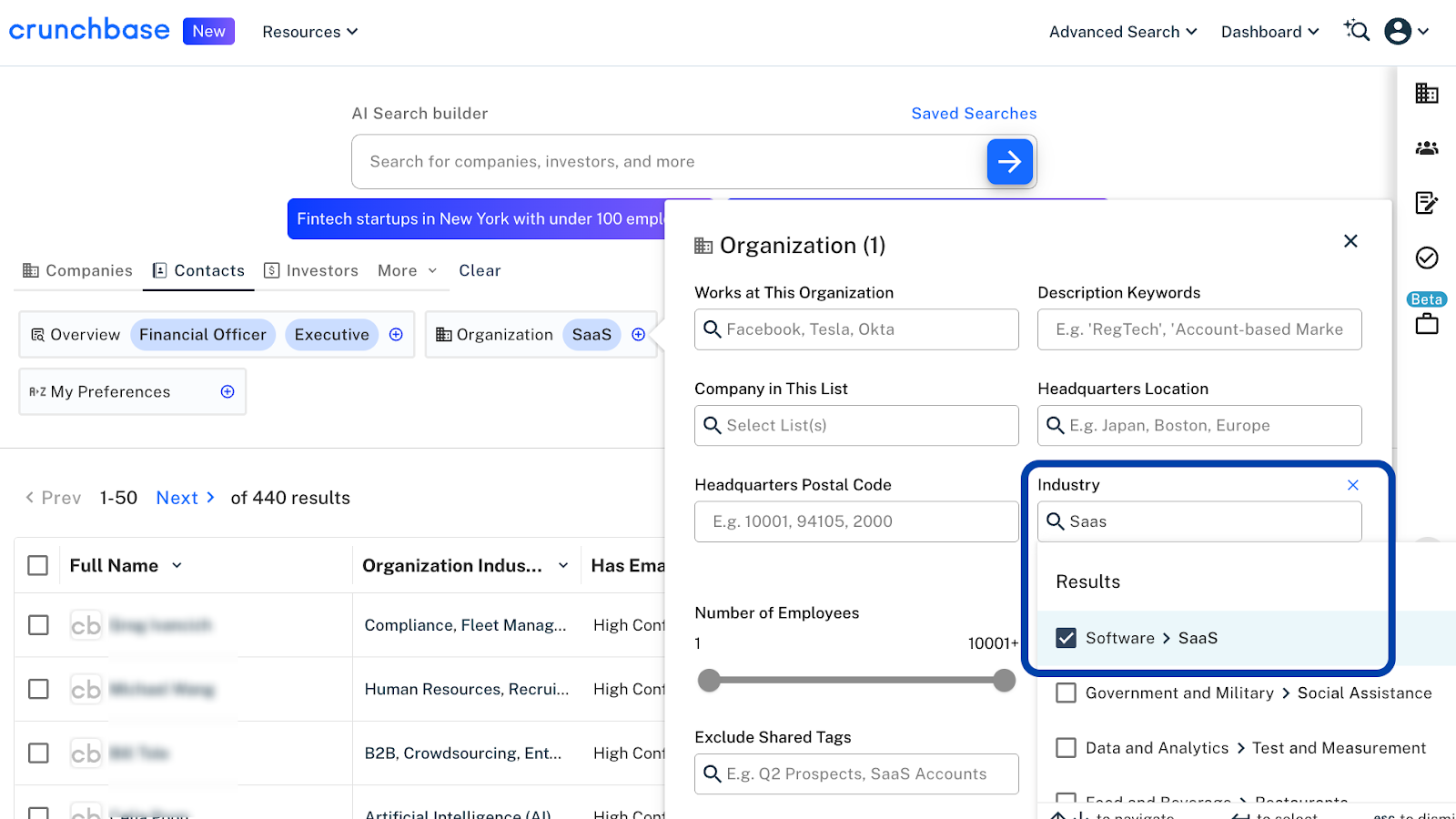
7. Explore Online Directories & Associations
Industry directories and business listings often include verified contact info. Some useful examples:
- Crunchbase – for startups and executives
- Yelp or Yellow Pages – for small businesses and local companies
- Industry-specific associations or trade directories
These are great for finding publicly listed business phone numbers without breaking compliance rules.
8. Use Email Signatures & Past Communication Trails
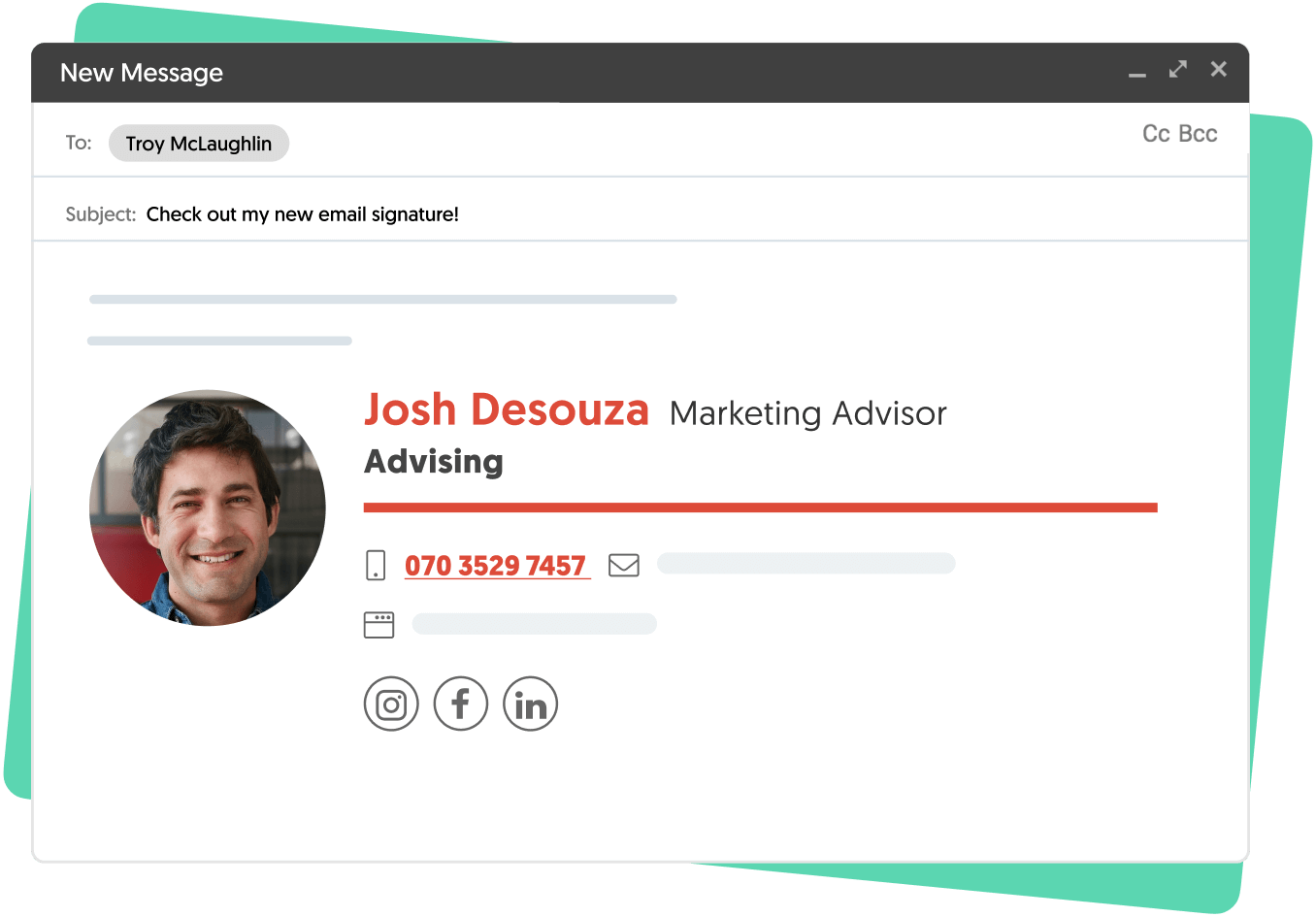
If you’ve previously exchanged emails with a prospect or someone from their team, check the email signature — it’s often the easiest place to spot a direct line.
- Review past threads or CRM records for hidden contact details.
- Even automated responses (like OOO replies) might reveal updated numbers.
A quick scan can often save hours of lookup effort.
9. Use Networking or Mutual Contacts
Sometimes, the most effective way to find someone's contact number is simply to ask.
- Reach out to mutual LinkedIn connections or colleagues for introductions.
- Internal Slack channels or team CRMs might already have the data.
- Always request permission before sharing or using personal numbers.
Networking-based discovery tends to yield more accurate and permission-based contact info than random searches.
These 9 methods cover every practical way to find someone’s phone number — from free online searches to advanced data platforms — giving you a complete, ethical roadmap for better outreach and higher conversion rates.
📞 Want Calls That Convert? We’ll Do the Dialing
Got numbers but no time? Our cold-calling team makes the calls, books qualified meetings, and builds real pipeline, so you only focus on closing.
Reverse Phone Lookup: How to Identify an Unknown Number
Sometimes you don't need to find a phone number from scratch — you already have one, but you don't know who it belongs to. That's where reverse phone lookup comes in.
Instead of searching by name, you enter the number into a lookup tool to uncover the owner's identity, carrier, location, and associated businesses or profiles.

When to use reverse phone lookup:
- You receive calls from an unknown number and want to know if it's spam
- You've found a number for a prospect but want to confirm it belongs to the right person before calling
- You want to reconnect with someone but only have an old number saved
- You need to verify a contact's details before adding them to your CRM
Free reverse lookup tools:
- Truecaller — identifies most mobile numbers globally
- Whitepages (free tier) — strong for US landlines
- NumLookup — carrier and location info
- Google search — put the number in quotes: "555-867-5309"
Paid reverse lookup tools:
- BeenVerified — pulls from public records, gives name, address history, associated businesses
- Spokeo — good for identifying personal numbers
- Intelius — comprehensive background + contact detail reports
Limitations to know: Cell phone numbers are significantly harder to reverse-lookup than landlines since they aren't published in traditional directories. Free tools often show incomplete results. For B2B sales use cases, cross-reference any number you find with a data enrichment platform like Apollo or Lusha for higher confidence.
For a full comparison of tools, see our guide to the best reverse phone lookup tools for B2B sales teams.
Tips to Find Contact Numbers Ethically and Legally
Using ethical and compliant methods helps protect your brand, maintain trust, and ensure your outreach efforts actually deliver results.
Here are some essential best practices to follow when finding or using phone numbers for business communication.
✅ Always Use Verified Sources
When searching for contact details, prioritize verified and permission-based sources like LinkedIn, company websites, trusted data providers, or professionally curated online booklets and directories.
These platforms regularly update their databases and ensure accuracy.
- Verified data reduces bounce rates and wrong-number calls.
- It ensures your outreach connects with genuine decision-makers.
- It keeps your campaigns compliant with privacy laws.
At Cleverly, we only use verified, up-to-date information to make sure every cold call we make starts off on the right foot.
✅ Avoid Buying Bulk Lists or Scraped Data
It might be tempting to buy cheap lead lists online, but they often contain outdated, inaccurate, or illegally obtained data. Using scraped contact information can lead to:
- Low response and connection rates
- Damaged sender reputation
- Potential legal consequences under global privacy laws
Instead, invest in quality data enrichment tools or build your own verified lead lists through research and outreach.
It takes more time upfront but pays off with higher-quality leads and fewer compliance risks.
✅ Comply with Data Protection Laws (GDPR, CCPA)
If you’re contacting prospects in regions like the EU or California, it’s crucial to comply with privacy laws such as GDPR (General Data Protection Regulation) and CCPA (California Consumer Privacy Act).
Key points to remember:
- Only use contact data for legitimate business purposes.
- Never collect or store personal information without consent.
- Be transparent about who you are and why you’re reaching out.
Following these rules doesn’t just keep you legally safe — it builds long-term trust with your audience.

✅ Respect “Do Not Call” Registries
Many countries maintain Do Not Call (DNC) lists that protect individuals and businesses from unwanted sales calls.
Before dialing, always cross-check your contacts against these registries.
- Use automated DNC-checking tools to streamline compliance.
- Remove any restricted numbers from your calling lists immediately.
- Focus on contacting prospects who’ve shown genuine interest or opted in.
Respecting DNC laws isn’t just about avoiding penalties — it shows professionalism and helps maintain a positive brand reputation in the long run.

By following these ethical and legal guidelines, you’ll not only find someone contact number effectively but also ensure your outreach stays compliant, respectful, and successful.
How to Use Found Phone Numbers for Cold Calling Success
Once you’ve gathered verified contact data, the next step is putting it to work effectively. Having the right number is just the starting point — what really drives results is how you use it.
Here’s how to turn your list into high-performing cold calling lead generation campaigns that actually get responses.
Segment Leads Before Calling
Not every contact should be approached the same way. Before you start dialing, organize your leads into segments based on factors like:
- Industry, company size, or job title
- Buying stage or level of decision-making authority
- Previous engagement (email replies, LinkedIn connects, etc.)
Segmenting helps your team tailor their message for each group. A focused list means fewer wasted calls and higher-quality conversations. If you're building this function from scratch, our outbound SDR guide covers exactly how to structure and scale it.
Explore Further: Best Cold Call Opening Lines to Nail the First 15 Seconds (With Examples)
Research the Prospect to Personalize Conversations
Before every call, take a few minutes to understand who you're calling and what they care about. Use tools like LinkedIn, company websites, or recent press releases to gather quick insights. This is part of a broader B2B lead intelligence strategy that high-performing outbound teams use to personalize at scale.
Ask yourself:
- What’s their role and key responsibility?
- What challenges might their company be facing right now?
- How does your solution directly help them?
Personalization turns a generic cold call into a genuine business conversation — a key factor in successful cold calling lead generation.
Prepare Value-Driven Cold Calling Scripts
A great script doesn’t sound like a script — it sounds like a conversation. Focus less on “pitching” and more on creating value in the first few seconds.
Tips for better cold calling scripts:
- Open with relevance (“I noticed your team recently…” instead of “I’m calling to sell you…”)
- Keep it short, conversational, and focused on outcomes.
- Use natural pauses to let the prospect engage.
- Always end with a simple, low-pressure call-to-action (like booking a quick meeting).
Remember: your tone, pace, and confidence matter as much as your words.
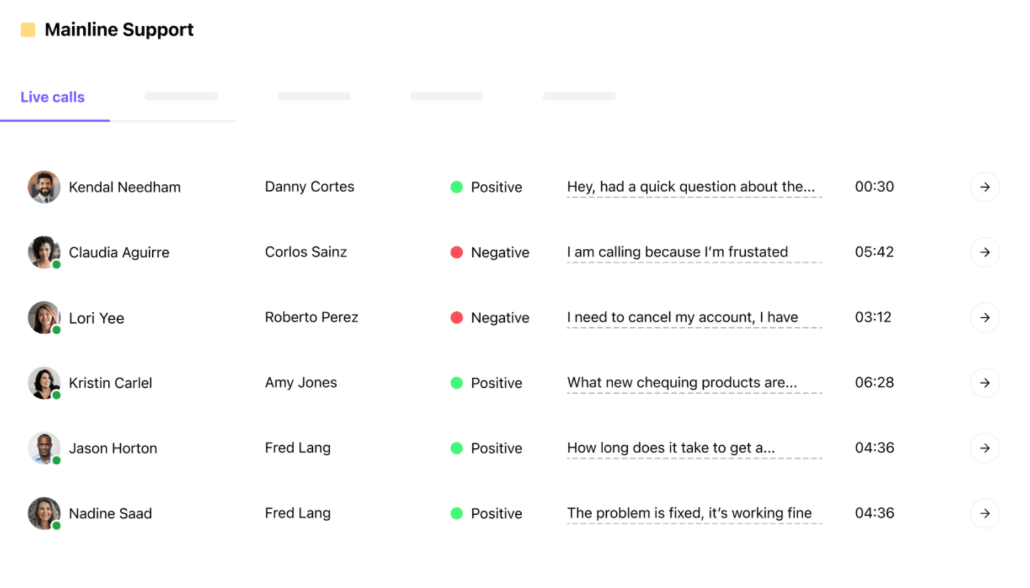
Track Calls and Measure Response Rates
No cold calling lead generation campaign is complete without measurement. Track every call outcome — whether it’s a voicemail, no answer, positive response, or booked meeting.
Use a CRM or call tracking tool to monitor:
- Response rates and call-to-meeting ratios
- Which segments or scripts perform best
- Peak cold calling times and rep performance
These insights help you optimize your approach continuously, double down on what’s working, and refine what’s not.
Boost Your Cold Calling Results with Cleverly
Finding phone numbers is just the first step — turning them into qualified leads requires strategy, timing, and professional execution.
At Cleverly, we don’t just help you find someone contact number; we help you leverage it for real results.
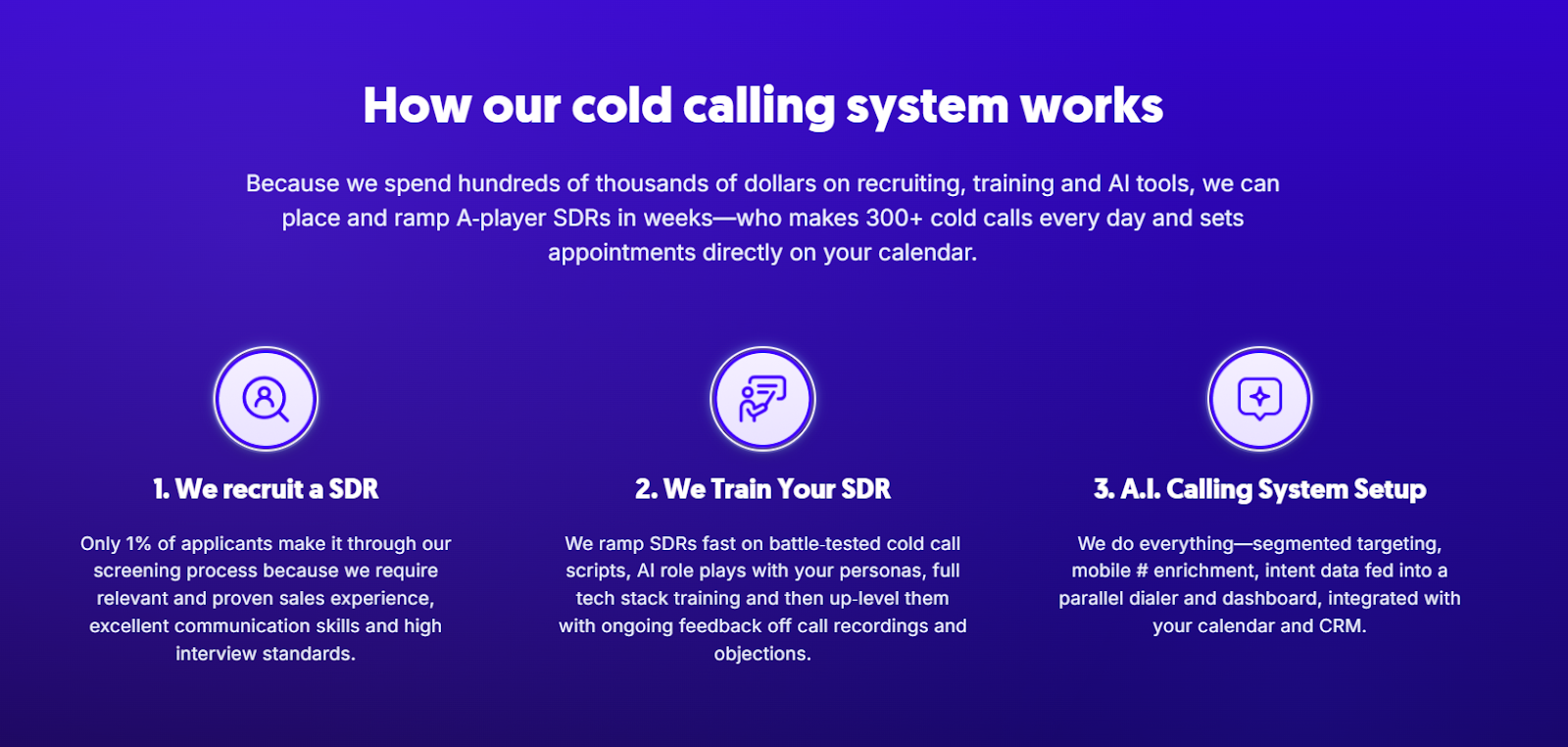
Here’s how our cold calling lead generation service takes your outreach to the next level:
- We make sure you’re reaching the right person with verified, up-to-date phone numbers, so every call counts.
- Our scripts are designed for maximum engagement, personalized for each prospect, and optimized to start meaningful conversations.
- We don’t stop at the first call. Timely follow-ups and tracking help convert more connections into appointments.
With 1M+ cold calls made, 53K appointments set, and $312M in pipeline generated, Cleverly has the experience and tools to make every call more effective.
Book a FREE consultation, and turn your verified contacts into tangible business opportunities.

Conclusion
Knowing how to find someone’s phone number is just the starting point — the real impact comes from using that information ethically, strategically, and effectively.
By combining verified contact data with smart cold calling lead generation techniques, you can connect with the right prospects, build relationships, and drive real results.
With the right approach, your next call could be the one that closes the deal.
Frequently Asked Questions
Free Resource
How to Scale a Profitable Cold Call System
Get the complete guide — download it instantly now.

Free Ebook
Download the Free Guide
Enter your details to get instant access.
You're all set! 🎉
Your ebook is downloading now.
Click below if the download didn't start automatically.