Table of Contents
What Is Email List Hygiene?
Why Email List Hygiene Matters
Signs Your Email List Needs Cleaning
Email List Hygiene Best Practices
Email List Hygiene Checklist
Best Email List Hygiene Tools and Software
How Often Should You Clean Your Email List?
How Cold Email Outreach Depends on List Hygiene
How Cleverly Approaches List Hygiene Differently
Conclusion
Frequently Asked Questions
Modified On :
July 16, 2026
Key Takeaways
- List hygiene isn't a cleanup task you do once. It's an ongoing discipline that has to run in parallel with every campaign you send.
- Deliverability problems almost always trace back to data quality, not copy or targeting, so fix the list before you touch the subject line.
- Verification belongs at the front of the process, not the back. Catch bad contacts before they enter your database, not after they've already bounced.
- Suppressing isn't deleting. Give inactive contacts a real chance to re-engage before you cut them loose for good.
- Cold email has zero room for error on list quality, since there's no existing relationship to absorb the damage from a bad send.
Your email list is losing roughly 22.5% of its accuracy every single year, and it's not because anyone did anything wrong.
Email lists naturally decay by about 22.5% every year due to people changing email addresses, unsubscribing, and abandoned accounts, according to HubSpot data.
That's not a warning about bad list-building. That's just what happens when contacts change jobs, companies get acquired, and domains get abandoned while you're busy running campaigns.
Here's where that shows up on your dashboard. The cross-industry average bounce rate in 2026 sits around 1.2% for well-maintained lists, while teams with poor list hygiene regularly see bounce rates of 5% or higher.
Every point above that isn't just a vanity metric problem. It's a direct signal to Gmail, Outlook, and Yahoo that your sending infrastructure can't be trusted, and inbox providers don't give second chances easily.
This guide breaks down what email list hygiene actually means, why it controls more of your outcomes than your subject lines do, and exactly how to build a maintenance system instead of a one-time cleanup.
You'll walk away with a checklist you can run this week and a shortlist of tools that automate most of it. If you own deliverability, pipeline quality, or cold outreach results at a B2B company, this is the foundation everything else gets built on.
What Is Email List Hygiene?
Email list hygiene is the ongoing practice of keeping your contact database populated only with valid, reachable, and engaged email addresses. It's not a single action. It's a discipline you run in parallel with every campaign you send.
In practice, it covers five things:
- Removing invalid and bounced addresses before they pile up.
- Suppressing contacts who've gone quiet for months.
- Eliminating duplicate records that skew your reporting.
- Verifying new contacts before they ever touch your sending list.
- Segmenting your database by engagement level so you know who's actually worth emailing.
This applies whether you're running cold outreach against a prospect database or nurturing warm subscribers who opted in years ago.
The mechanics differ slightly, but the principle doesn't change: a clean list gets better inbox placement, lower bounce rates, and higher engagement, while a dirty one quietly tanks your sender reputation until you notice the damage is already done.
🧹 A Clean Email List Books More Meetings
Our team combines list verification, deliverability, and personalized outreach to generate 15–30 qualified meetings every month.
Why Email List Hygiene Matters
It Directly Controls Your Deliverability
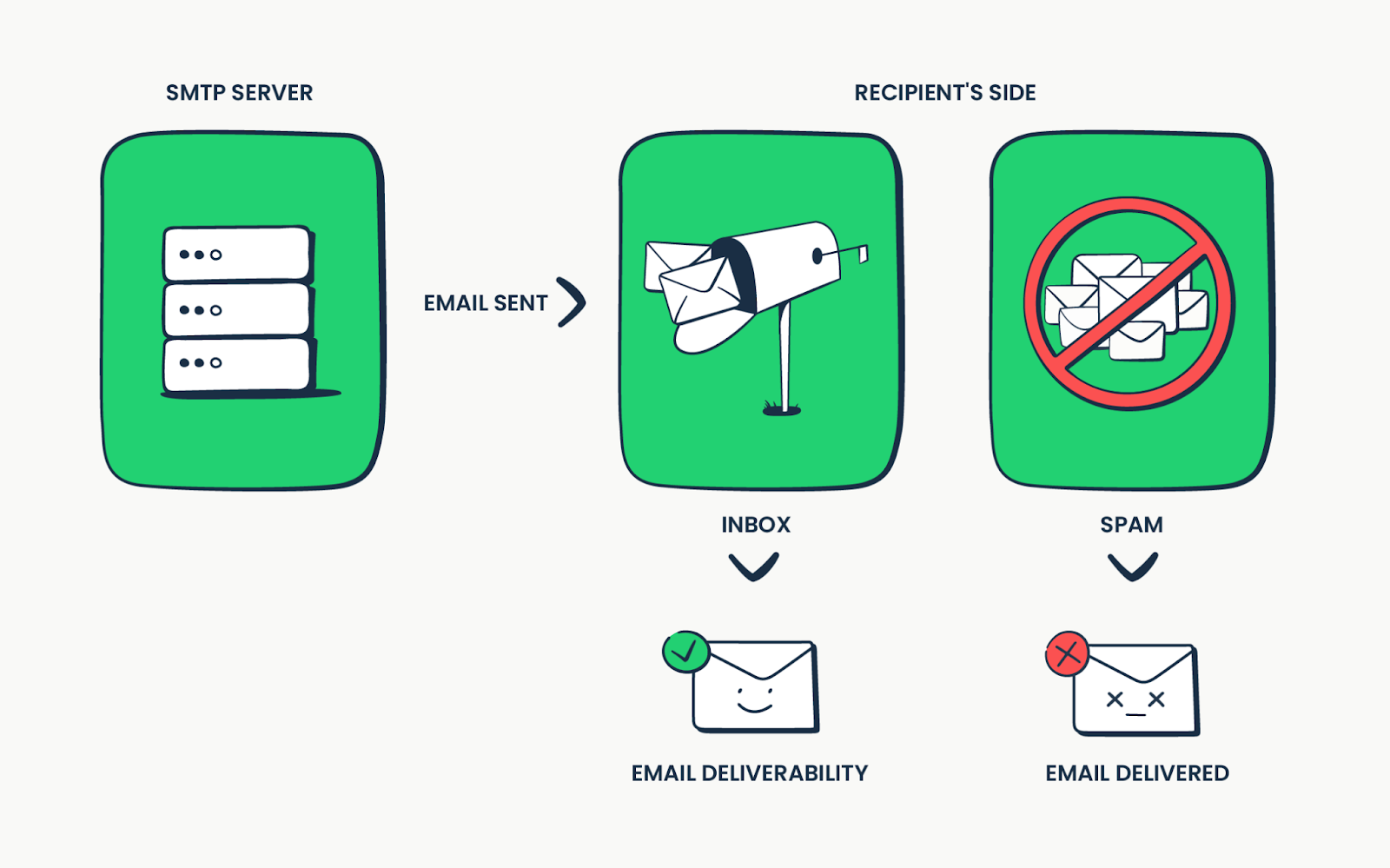
Inbox providers don't judge you on your subject lines first. They judge you on your bounce rate, your spam complaint rate, and how recipients engage with what you send. Cross certain thresholds and your emails stop reaching inboxes at all, regardless of how good the copy is.
Here's the benchmark you're working against: under 2% bounce rate is healthy, 2-5% signals a list quality problem you need to fix now, and anything above 5% means active reputation damage.
Once your domain reputation takes a hit, it doesn't bounce back in a day. Recovery typically runs weeks to months of careful sending, which is exactly why prevention is so much cheaper than the fix.
It Protects Campaign Performance and ROI
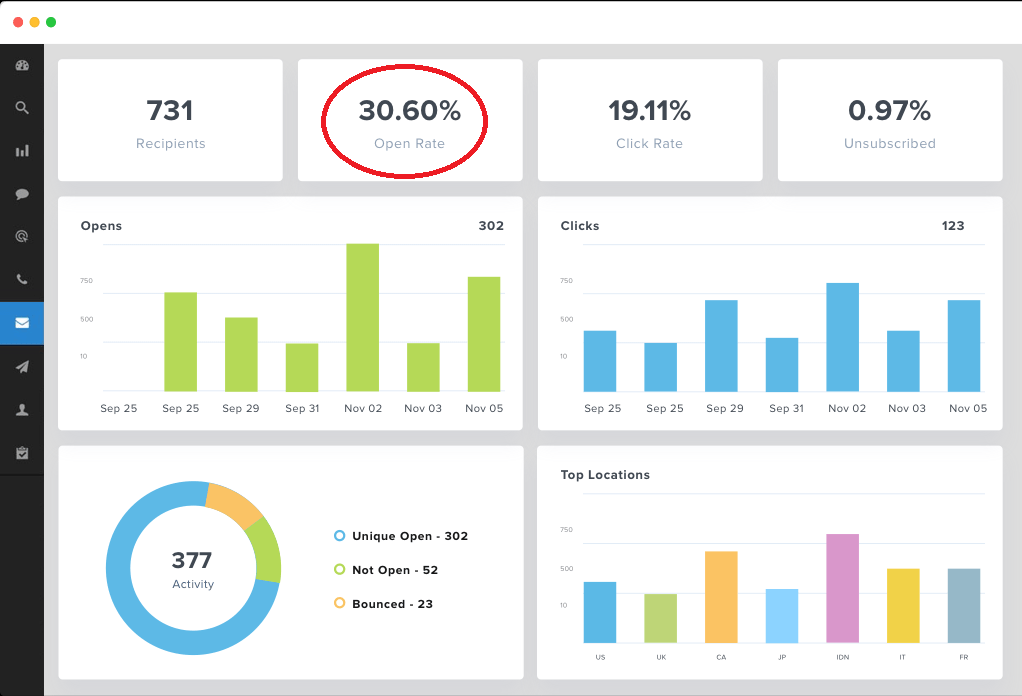
A bloated list full of invalid or unengaged contacts makes your database look bigger, but it deflates every metric that actually matters. Open rate, reply rate, click rate, all of them get diluted by contacts who were never going to respond in the first place.
That skew has a second cost most teams don't think about: it makes your copy and targeting tests unreliable. If half your "sends" are landing on dead addresses or ignored inboxes, you can't tell whether a new subject line actually worked or whether your data was just bad going in.
On top of that, you're paying for send volume, whether that's per-seat software or per-send infrastructure, on contacts who were never reachable.
It Keeps You Compliant
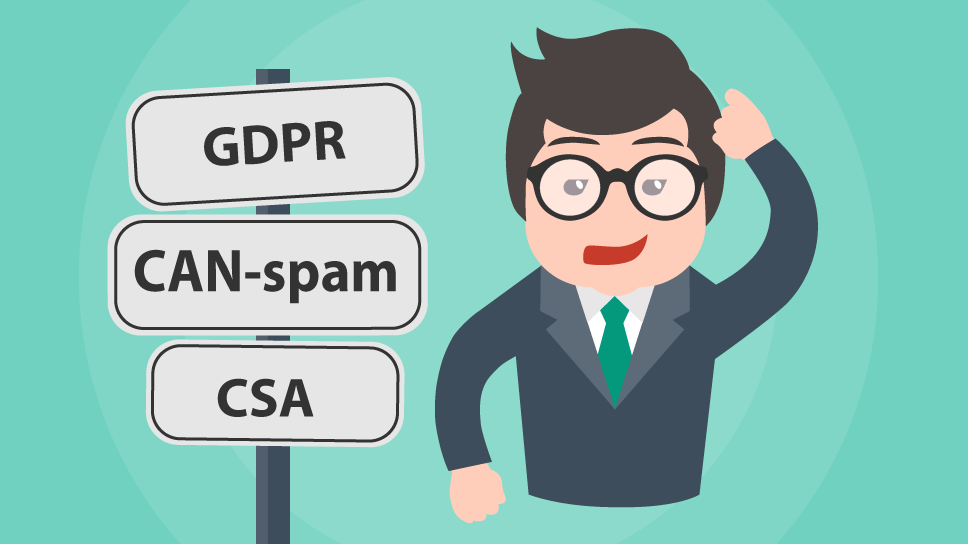
GDPR, CAN-SPAM, and CASL all require you to honor unsubscribes and remove invalid contacts within a reasonable window. That's table stakes. What's changed more recently is enforcement from the inbox providers themselves.
Bulk senders must maintain valid SPF and DKIM records, pass DMARC alignment, keep spam complaint rates below 0.30%, and implement one-click unsubscribe, with Yahoo enforcing its own complaint threshold independent of Gmail's Postmaster Tools.
Google's guidance specifically calls for reported spam rates to stay under 0.10% and never reach 0.30%, and that rule applies to any domain sending 5,000+ messages a day, permanently, even if your volume drops later. Ignore it and you're not just risking a warning.
You're risking domain blacklisting and account suspension from your sending platform.
Signs Your Email List Needs Cleaning
Not sure if your list has a hygiene problem or a copy problem? Run through this quickly.
If you're seeing two or more of these at once, don't wait for a quarterly review. Run a diagnostic this week.
📈 Better Data. Better Inbox Placement. Better Pipeline.
Join 10,000+ businesses using Cleverly to turn clean prospect lists into predictable B2B pipeline with done-for-you cold email campaigns.
Email List Hygiene Best Practices
Verify Emails Before They Enter Your List
Every new contact should pass through a verification tool before it touches your sending list, no exceptions. This matters most for cold outreach, where purchased or scraped lists carry a much higher rate of invalid, role-based, and spam-trap addresses than opt-in data ever will.
If you're capturing leads through forms, real-time API verification at the point of submission stops bad contacts before they enter your database at all. And drop role-based addresses like info@ or admin@ on sight. They bounce more, get flagged more, and rarely lead to an actual conversation.
Remove Hard Bounces Immediately
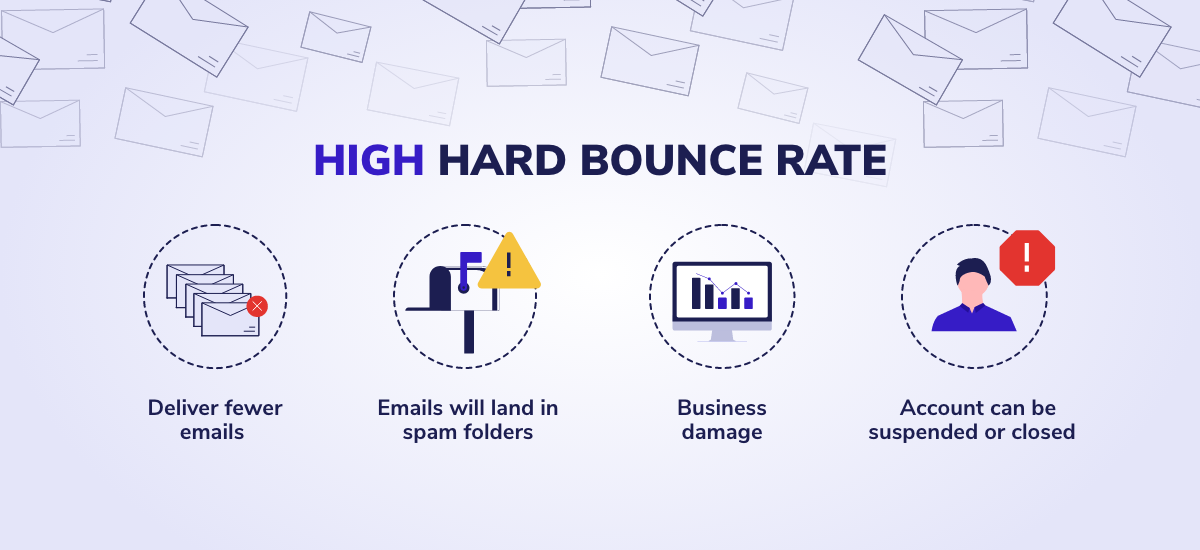
A hard bounce means the address is permanently dead: invalid domain, non-existent mailbox. Suppress it after the first occurrence. Never retry. Most sending platforms auto-suppress hard bounces, but check that your CRM is actually syncing that suppression, not just your email tool.
Soft bounces are different. Those are temporary, a full inbox, a server hiccup, so give them 3-5 consecutive failures before you suppress.
Segment and Suppress Unengaged Contacts
Set an inactivity threshold and stick to it. For warm lists, 90-180 days without an open or click is a reasonable cutoff. For cold outreach, tighten that to 30-60 days since the relationship is already thinner.
Move those contacts to a suppression segment before they cross into spam-complaint territory. And to be clear, suppressing isn't deleting. You keep the data in your CRM, you just stop actively sending to it.
Run Re-Engagement Campaigns Before Removing
Before you cut inactive contacts loose for good, give them one more shot. A short 2-3 email re-engagement sequence with a clear subject line and a single, simple CTA will tell you who's actually still paying attention. Anyone who engages goes back into the active list. Anyone who doesn't gets suppressed or removed.
One tactical note: send these at reduced volume. You're already targeting your riskiest segment, so protect your sender reputation while you test it.
Remove Duplicates and Fix Syntax Errors
Duplicate contacts inflate your list size, skew your reporting, and can trigger double-sends that look sloppy to recipients. Run deduplication on a schedule, not just when you notice a problem.
Syntax errors, a missing @, an extra space, the wrong domain extension, are easy for a verification tool to catch. These show up most often in lists built from manual entry or messy CRM imports, so if that's how your data comes in, budget extra time for cleanup.
Maintain Continuous List Updates
Your list degrades passively even when you're not doing anything wrong. People change jobs. Companies restructure. Domains get abandoned. That's just the baseline reality of B2B data.
Schedule full re-verification every 3-6 months for warm lists, and before every single new cold campaign for outreach lists. If you're using enrichment tools like Clearbit, Apollo, or Clay, connect them to your CRM so contact data updates automatically as it changes, instead of waiting for a quarterly cleanup to catch it.
Email List Hygiene Checklist
Print this, pin it, whatever gets it in front of whoever owns your sending. The teams that actually stick to this schedule are the ones who never end up with a surprise deliverability crisis.
Best Email List Hygiene Tools and Software
ZeroBounce
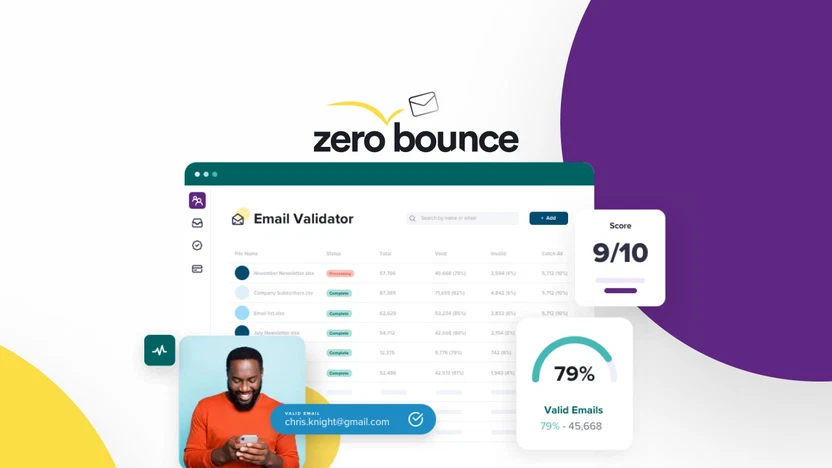
An industry-leading bulk and real-time verification platform. It checks syntax, domain validity, MX records, and does full SMTP handshake verification, plus cross-references known spam trap databases. Integrates with HubSpot, Mailchimp, and Salesforce via API. Best for teams that want enterprise-grade verification with deep platform integrations already built in.
NeverBounce
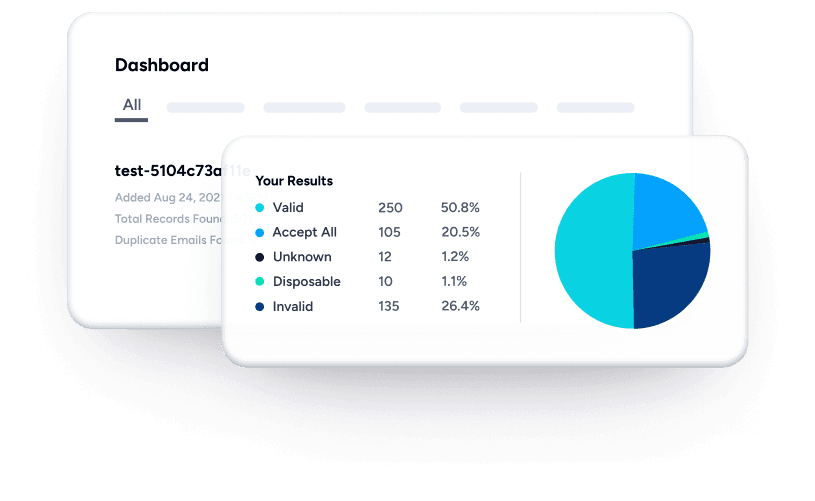
Bulk and real-time verification backed by the ZoomInfo data ecosystem. The "clean my list" bulk upload function sorts results into deliverable, undeliverable, unknown, and risky categories. Best for B2B sales and marketing teams already working inside ZoomInfo or a similar data platform.
Kickbox
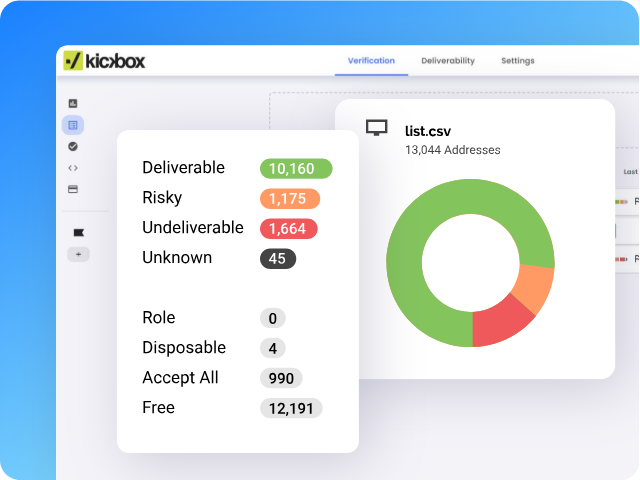
Fast bulk verification with the same categorized output structure, plus a real-time API for verifying at the point of form capture. Integrates cleanly with Mailchimp, HubSpot, and SendGrid. Best for teams that want plug-and-play verification without rebuilding their existing stack.
Clearout
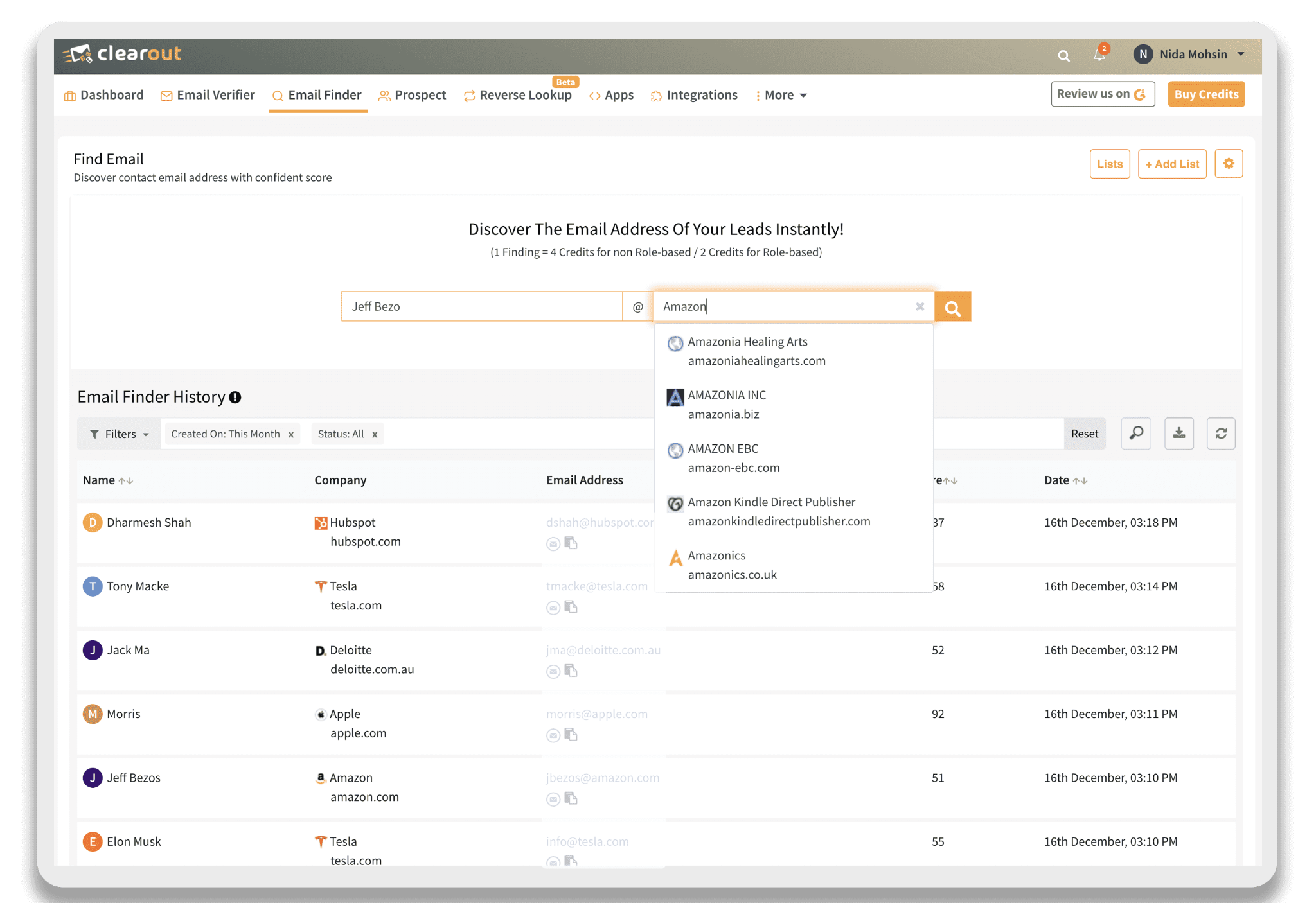
Built with modern sales ops in mind, with LinkedIn and multi-channel prospecting integrations baked in. Strong at verifying contact databases built through outbound prospecting rather than form fills. Best for sales teams building lists through LinkedIn and enrichment tools.
DeBounce
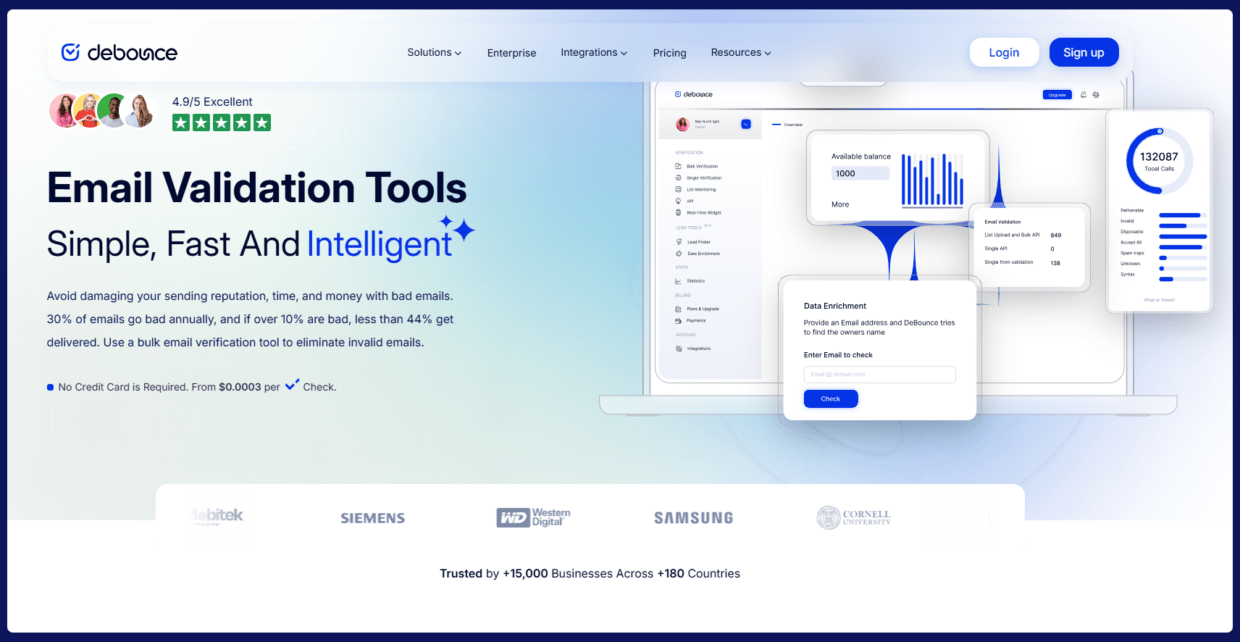
A budget-friendly option that covers most of what the premium tools do: syntax checking, DNS validation, SMTP verification, disposable email detection, and spam trap identification. Best for SMBs or early-stage teams that need solid hygiene without enterprise pricing.
How Often Should You Clean Your Email List?
The honest answer depends on how aggressive your sending is. Cold outreach lists should be verified before every single campaign, since outbound data decays fast and a bad batch damages deliverability immediately, not eventually.
Warm and opt-in lists can run on a lighter schedule: full verification quarterly, with engagement-based suppression happening monthly in between. If you're sending 10,000+ emails a month, build in real-time API verification at every entry point so dirty contacts never make it into the database in the first place.
One rule of thumb that holds up regardless of list type: the higher your volume and the more aggressive your outreach, the more often hygiene needs to run. And treat your bounce rate and complaint rate as live signals. If either one spikes mid-campaign, stop and run an emergency clean before you send another batch.
How Cold Email Outreach Depends on List Hygiene
Cold email lives and dies by list quality in a way warm email doesn't. There's no existing relationship to soften the blow when something goes wrong. Send a single cold campaign to an unverified list and you can damage a sending domain badly enough that recovery takes months, not days.
We've seen this play out enough times to say it plainly: the best cold email copy in the world doesn't matter if the underlying list was never verified. Personalization, sequencing, offer, none of it gets read if the email never clears the spam filter in the first place.
For B2B teams running cold outreach, list hygiene isn't a nice-to-have step in the process. It's the foundation everything else is built on top of.
How Cleverly Approaches List Hygiene Differently
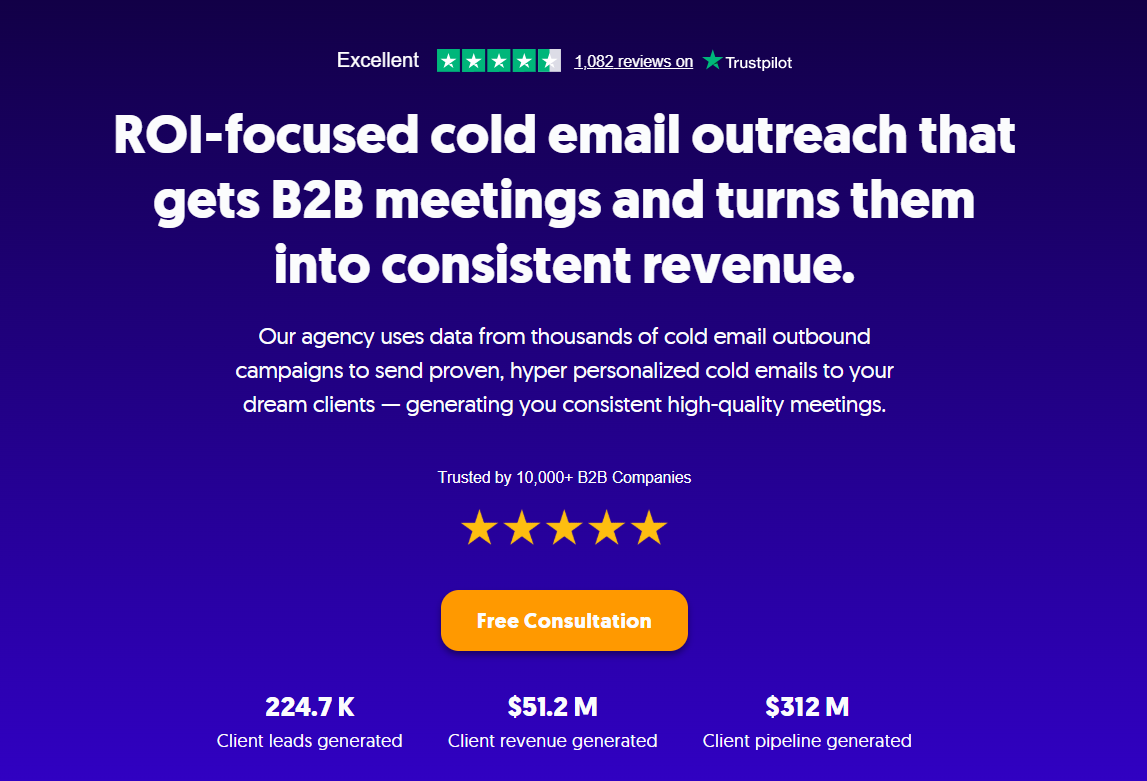
Most teams treat list hygiene as a separate task bolted onto their outreach process, something a marketing ops person handles quarterly if they remember to. We build it into the campaign itself.
When we run cold email outreach for a client, list building, contact verification, and ongoing hygiene aren't add-ons. They're core parts of how the service runs from day one.
That matters because the biggest deliverability failures we've seen over the years didn't come from bad copy. They came from teams sending to unverified data and burning a domain they'd spent months warming up.
Managing that internally means someone on your team owns verification tools, monitors bounce thresholds, and catches decay before it compounds, on top of everything else on their plate.
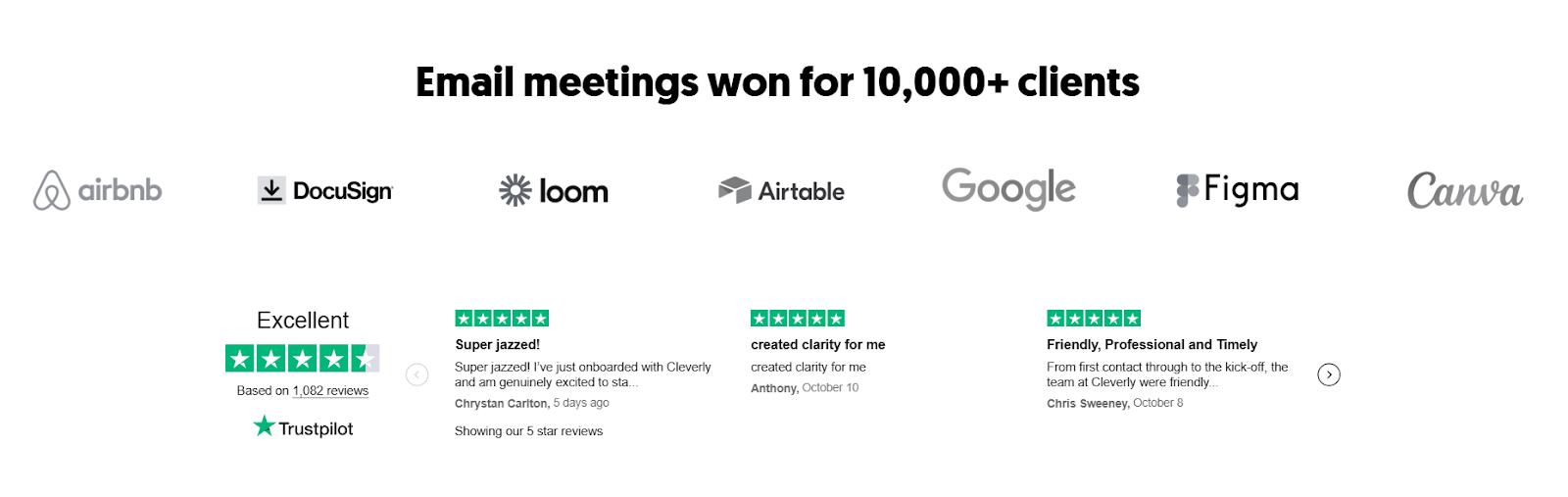
We've run this system across 10,000+ B2B clients, generating over $312M in pipeline along the way, and the pattern holds every time: clean data in means real replies out. That's why our cold email model lets clients pay only for meeting-ready leads, not raw send volume, because the verification and hygiene work happens before a single email goes out under your domain.
If you're deciding whether to build this in-house or hand it to a team that already runs it at scale, book a strategy call and we'll walk through what your current list health actually looks like.
Conclusion
Email list hygiene isn't a project you finish and check off. It's an operational habit that protects your deliverability, your sender reputation, and every dollar you're spending on outreach. Verify before you send, suppress bounces the moment they happen, run re-engagement before you delete, and re-check your full list on a schedule instead of waiting for a crisis to force your hand.
The B2B teams getting the best cold email results all share one trait: they treat their list as a living asset that needs constant upkeep, not a static file they built once and keep blasting forever. Start with a quick audit of your current bounce rate and complaint rate this week. That number alone will tell you exactly where to focus first.
Frequently Asked Questions
Free Resource
How to Scale a Profitable Cold Call System
Get the complete guide — download it instantly now.
Free Ebook
Download the Free Guide
Enter your details to get instant access.
You're all set! 🎉
Your ebook is downloading now.
Click below if the download didn't start automatically.