Table of Contents
Is Cold Email Legal in 2026?
Cold Email Laws by Region (Quick Comparison Table)
Cold Email Laws by Region Explained
Consent Rules Explained
What Every Compliant Cold Email Must Include
What Makes Cold Emails Illegal
Real Risks: Deliverability vs Legal Penalties
Cold Email Compliance Checklist
How Cleverly Ensures Compliant Cold Email Outreach
Conclusion
Frequently Asked Questions
Modified On :
March 30, 2026
Key Takeaways
- Cold email is legal in most countries, but the rules depend on where your recipient is located, not where you are based.
- The US allows sending without prior consent under CAN-SPAM, while Canada and the EU require consent or a documented legitimate interest before you hit send.
- Every compliant cold email must include an honest subject line, clear sender identity, valid contact information, and a working unsubscribe option.
- Scraped lists, misleading subject lines, hidden sender identity, and ignored opt-outs are the most common reasons cold emails cross the legal line.
- Deliverability damage from spam complaints hits faster and more consistently than legal fines, making compliance a practical necessity, not just a legal one.
- When sending across multiple regions, apply the strictest standard on your list to every recipient and you will satisfy most jurisdictions by default.
Let's clear up the most common misconception about cold email laws right from the start: cold emailing is not illegal. It never has been.
But "not illegal by default" and "completely fine to do however you want" are two very different things, and that gap is exactly where most businesses get into trouble.
The part that trips people up the most: there is no single global cold email compliance standard.
The rules are different in the US, Canada, the EU, Australia, and the UK. What's perfectly acceptable to send to a prospect in Texas could be a violation if that same email lands in Toronto or Berlin.
You won’t run into problems because you're trying to do something shady. You will run into problems because you didn't know the rules varied by region, or they assumed their home country's laws applied everywhere.
This guide is here to fix that. Here's exactly what we cover:
- When cold email is legal and what actually determines that
- Cold email laws by region, including the US, Canada, the EU, Australia, and the UK
- What makes cold emails illegal, with the most common mistakes that lead to violations
- A compliance checklist you can apply to your campaigns right now
Whether you're just getting started with outbound or you've been running cold email campaigns for years, this guide gives you a clear, honest picture of where the lines are and how to stay well within them.

Is Cold Email Legal in 2026?
Yes, cold email is legal in 2026, but the answer comes with conditions. It is not a simple yes or no, and anyone who tells you otherwise is either oversimplifying or hasn't actually read the laws.
The legality of any cold email comes down to three variables: the region your recipient is in, whether you have a valid basis to contact them under that region's rules, and how transparent your email actually is about who you are and what you want.
The reason this question keeps coming up is because the landscape looks different depending on where you're sending.
In the US, you can legally email a prospect without prior permission as long as you follow specific rules around sender identity, opt-outs, and message content.
In Canada and the EU, the bar is higher. You need either documented consent or a clearly justifiable reason to be reaching out before you hit send.
These aren't minor differences. They represent fundamentally different philosophies about who controls the inbox.
So is cold email legal in 2026? Yes, if you know what you're doing. Here's what separates a legal cold email from one that isn't.
What Makes Cold Email Legal
A compliant cold email generally checks four boxes, and these apply across most major jurisdictions regardless of the specific law in play:
1️⃣ You have a valid reason to contact the person.
This means there's a genuine, relevant business reason behind your outreach. Reaching out to a sales director about a tool that helps sales teams is a legitimate reason. Mass blasting a purchased list of random emails is not.
2️⃣ The email is relevant to the recipient's role or business.
Relevance is not just a best practice, it is a legal consideration under frameworks like GDPR's legitimate interest standard. The closer the connection between your message and the recipient's professional context, the stronger your legal footing.
3️⃣ Your sender identity is clear.
The "From" name, reply-to address, and any company information in your email must accurately represent who you are. No aliases, no misleading domain names, no fake personas.
4️⃣ You include a working opt-out option.
Every major cold email law globally requires some form of opt-out mechanism. The specifics vary, but the principle is universal: the recipient must be able to tell you to stop, and you must actually stop.
What Makes Cold Emails Illegal
Most cold email compliance violations don't happen because someone set out to break the law. They happen because of shortcuts that seemed harmless at the time. Here are the most common ones that cross the line:
1️⃣ Using scraped or unauthorized data.
If you can't clearly explain where an email address came from and why you're allowed to use it, that's a problem. Under GDPR and CASL especially, data sourcing is not just an ethical question, it's a legal one. Lists purchased from shady vendors, scraped without consent documentation, or collected without a clear purpose are liabilities waiting to surface.
2️⃣ No lawful basis for contact.
In jurisdictions like the EU and Canada, you need more than a desire to sell something. You need either documented consent from the recipient or a legitimate interest assessment that holds up under scrutiny. Sending without either is what regulators actually go after.
3️⃣ Misleading subject lines.
This one catches people off guard. Writing a subject line designed to trick someone into opening an email, whether it implies a prior relationship, fakes urgency, or misrepresents what's inside, is a direct violation under CAN-SPAM, GDPR, and most other frameworks. And in 2025, a Washington State Supreme Court ruling created a new $500-per-email precedent specifically around misleading subject lines, with enforcement already underway.
4️⃣ Ignoring opt-out requests.
Once someone tells you to stop, continuing to email them is not just rude. It is illegal under every major cold email law we'll cover in this guide. CAN-SPAM gives you 10 business days to process an unsubscribe. GDPR expects it handled within 24 to 48 hours. CASL requires the mechanism to stay functional for at least 60 days after the email is sent. There is no grey area here.
Also check: Best Email Service for Cold Emails (Chosen by 10,000+ Agencies)
🔥 Turn Cold Email Into Your #1 Lead Source
10,000+ companies use Cleverly to reach buyers at Amazon, Google, Uber & more. Only pay for meetings we send you.
Cold Email Laws by Region (Quick Comparison Table)
Cold Email Laws by Region Explained
The law that applies to your cold email is not determined by where your company is based. It is determined by where your recipient is located. That one detail changes everything.
Here is a simple breakdown of the major cold email laws by region, so you know exactly what you are working with before you hit send.
United States: CAN-SPAM Act
The cold email laws USA businesses operate under come from the CAN-SPAM Act, passed in 2003 and still enforced by the Federal Trade Commission (FTC) today.
Compared to other regions, the US takes a relatively permissive approach to cold email outreach. You do not need prior consent to send a commercial email. But there are clear rules you have to follow every single time.
What CAN-SPAM requires:
- Accurate sender details. Your "From" name, "Reply-To" address, and email domain must honestly represent who you are. No fake names, no misleading domains.
- Honest subject lines. Your subject line must reflect what the email actually contains. No clickbait, no fake replies, no manufactured urgency that misrepresents the message.
- A working unsubscribe option. Every email must include a clear, functional way for the recipient to opt out. Once someone opts out, you have 10 business days to honor it and you cannot charge a fee or require extra steps to complete the request.
- A physical mailing address. This can be your company's street address, a registered PO box, or a private mailbox registered with the postal service. It must be real and current.
The penalty for getting this wrong? Up to $53,088 per non-compliant email, with no cap on total fines. Each email in a campaign counts as a separate violation, so the numbers add up fast.
One thing worth knowing: CAN-SPAM applies to all commercial emails, not just bulk sends. Even a single one-to-one cold email falls under its rules if it has a commercial purpose.
European Union and UK: GDPR and PECR
The EU and UK take a stricter approach than the US. Under GDPR (General Data Protection Regulation) and the UK's PECR (Privacy and Electronic Communications Regulations), you cannot just send a cold email and wait for someone to opt out. You need a lawful basis before you send the first message.
For B2B cold email, there are two lawful bases most senders rely on:
- Consent. The recipient has explicitly agreed to receive emails from you. This is the cleaner option but harder to achieve in true cold outreach since you're contacting people who don't know you yet.
- Legitimate interest. You have a genuine, relevant business reason to contact this person, and that reason is proportionate enough that their right to privacy does not override it. For example, emailing a CFO about financial software is a reasonable legitimate interest. Emailing that same CFO about something completely unrelated to their role is not.
A few other things that matter under GDPR and PECR:
- Relevance is not optional. Your outreach must be clearly connected to the recipient's professional role or business. Broad, untargeted blasting is where legitimate interest arguments fall apart.
- Data sourcing must be documented. You need to be able to prove where you got the email address and confirm the person knew their data might be used for outreach.
- Unsubscribe requests must be handled immediately. GDPR best practice is 24 to 48 hours, not the 10-day window the US allows.
- Fines are serious. GDPR violations can result in penalties of up to €20 million or 4% of global annual revenue, whichever is higher.
One important nuance: Germany applies GDPR even more strictly under its own Unfair Competition Act (UWG). Cold emailing in Germany without documented prior consent is effectively prohibited, even for B2B, making it one of the most restricted markets for outbound email in the world.
Canada: CASL
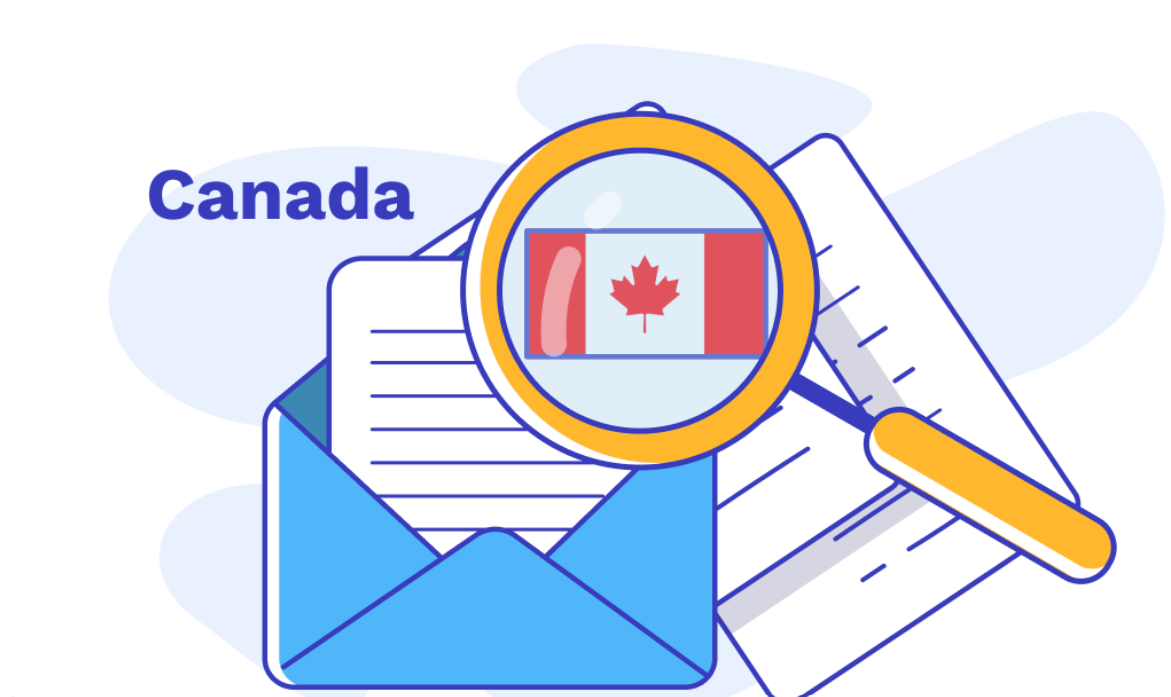
Cold email law in Canada follows, known as CASL (Canada's Anti-Spam Legislation), is widely considered one of the strictest anti-spam laws in the world.
If you are emailing anyone in Canada, you need to understand that CASL operates on a completely different model than CAN-SPAM. In the US, you can email first and let people opt out later. In Canada, you need consent before that first email goes out.
CASL recognizes two types of consent:
- Express consent. The recipient explicitly agreed to receive commercial messages from you, through a form, a checkbox, or a direct verbal confirmation. This is the safest type and does not expire.
- Implied consent. This applies in narrower situations, such as when there is an existing business relationship within the past two years, or when the recipient's email address is publicly listed and your message is relevant to their role. Implied consent has an expiry window, typically two years for an existing business relationship and six months after a business inquiry.
Beyond consent, every email sent to a Canadian recipient must:
- Clearly identify who is sending the message
- Include a valid mailing address and either a phone number or email address for contact
- Contain a working unsubscribe mechanism that stays functional for at least 60 days after the email is sent
- Process opt-out requests within 10 business days
If you cannot prove consent, whether express or implied, you are not in a position to send under CASL. Regulators can and do ask for that documentation. The penalty for businesses that cannot provide it reaches up to CAD $10 million per violation. That word "violation" means per instance, not per campaign.
Australia and APAC: The Spam Act 2003
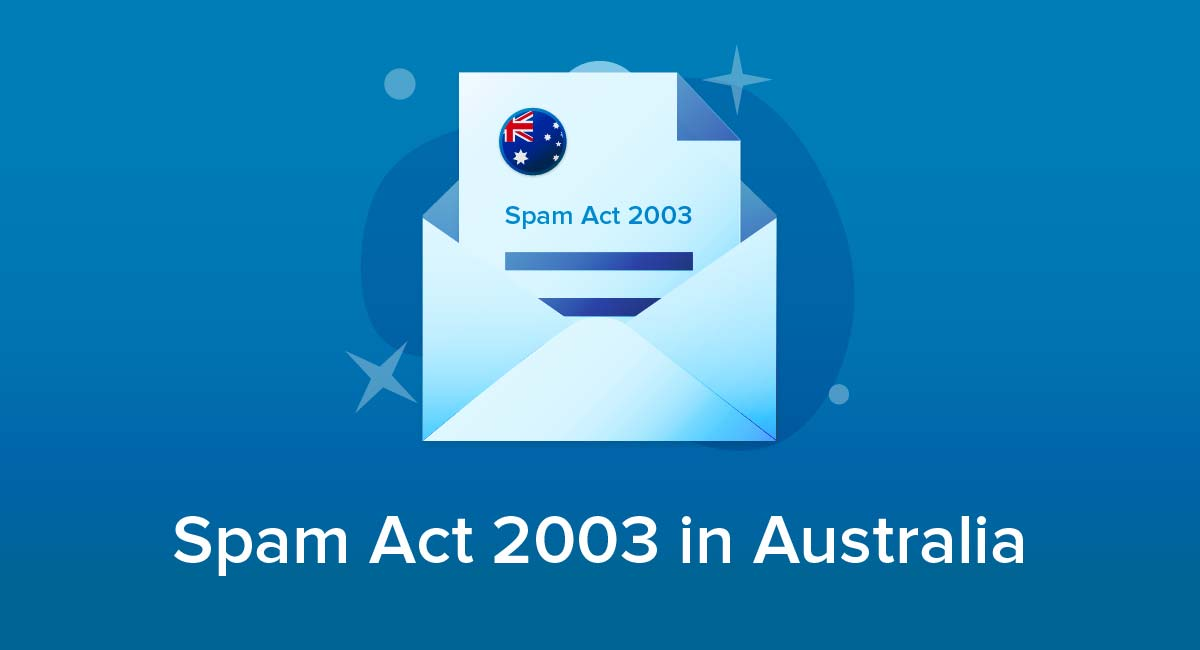
Cold email laws in Australia are governed by the Spam Act 2003, enforced by the Australian Communications and Media Authority (ACMA).
Australia's approach sits between the US and Canada in terms of strictness. You need consent to send, but the law recognizes both express and inferred consent, making it more workable for B2B outreach than CASL.
Here is what the Australian Spam Act requires:
- Consent before sending. Either express consent (explicit opt-in) or inferred consent (based on a prior business relationship or the fact that the email address was publicly published for business purposes).
- Clear sender identification. Every email must accurately identify the sender and include a way to contact them directly.
- A functional unsubscribe option. The opt-out mechanism must work for at least 30 days after the email is sent, and you must honor unsubscribe requests within 5 business days, one of the fastest required response windows globally.
- No misleading content. Subject lines and message bodies must not deceive the recipient about the sender's identity or the nature of the email.
The ACMA has issued penalties up to AU$2.8 million per day for serious or repeated violations.
For other APAC markets, the rules vary significantly. Singapore follows the Spam Control Act with requirements similar in spirit to CAN-SPAM. Japan requires commercial emails to include the word "advertisement" (広告) in the subject line. If you are expanding into Asia Pacific beyond Australia, treat each country as its own compliance exercise.
India and Emerging Markets
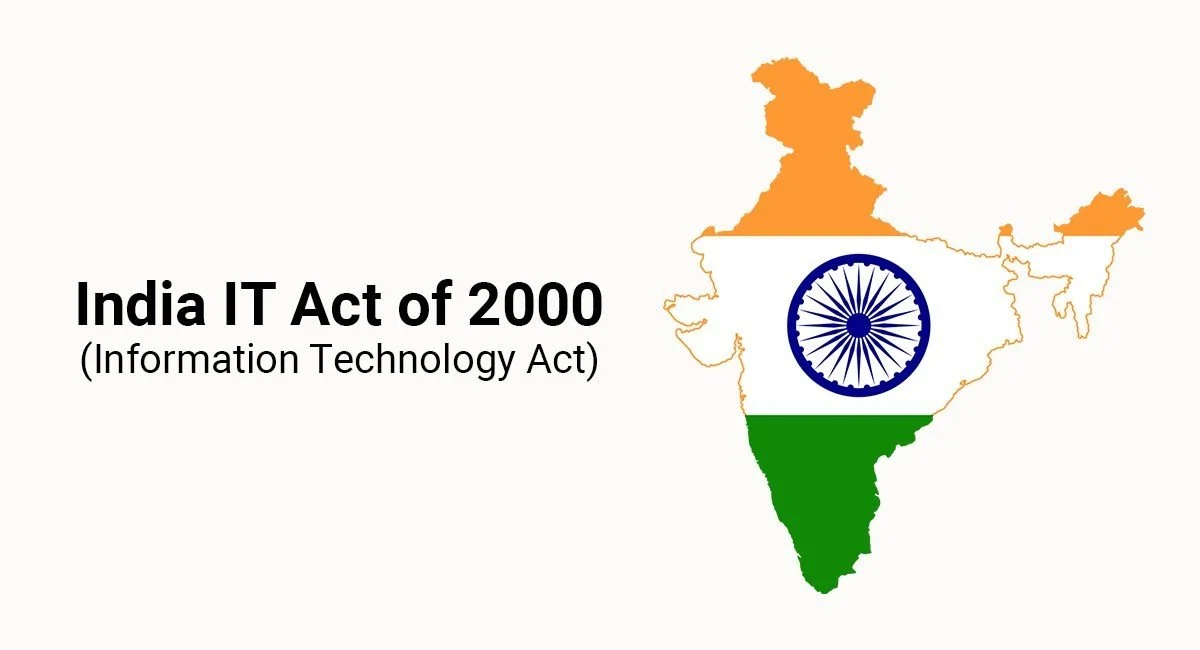
India does not have a single unified cold email law specifically targeting B2B outreach. The Information Technology Act of 2000 and the TRAI regulations govern electronic communications broadly, but enforcement for cold email remains limited. In practice, compliance in India is mainly shaped by:
- Email service providers and their acceptable use policies
- Spam filters that flag high-volume or poorly targeted outreach
- Platform-level enforcement from tools like Google Workspace and Microsoft Outlook
This does not mean anything goes. Poor practices will still get your domain blacklisted and your deliverability destroyed.
🤝 Cold Email That Actually Books Meetings
Cleverly runs compliant cold email campaigns that deliver meeting-ready leads. You only pay for qualified calls we book.
Consent Rules Explained
Cold email compliance is largely a question of consent. Understand how consent works and you understand 80% of the law.
Opt-In vs Opt-Out
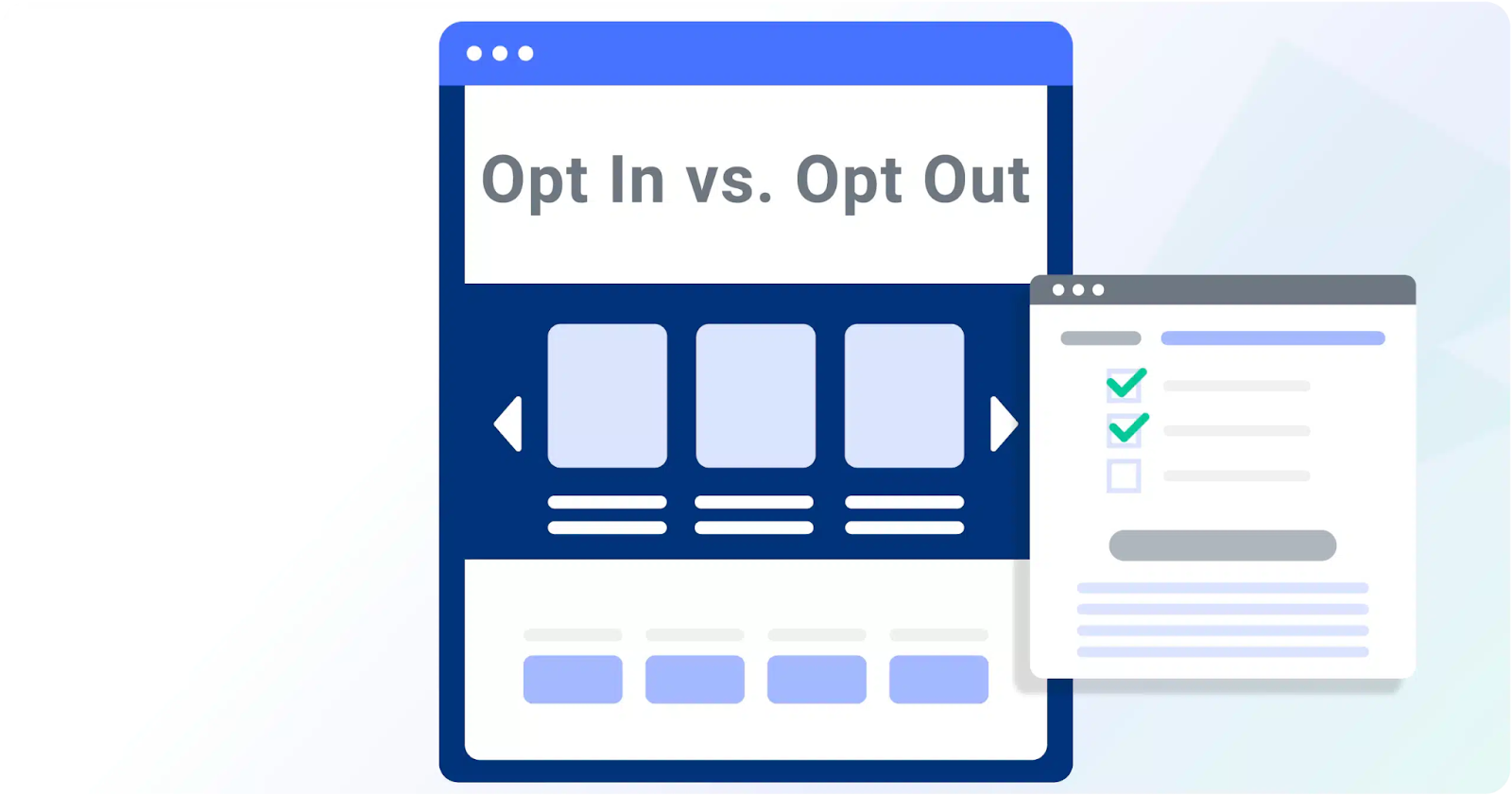
These are the two models that every major email law is built on:
- Opt-in means you get permission before sending. The recipient has actively agreed to hear from you, either through a form, a checkbox, or a direct interaction. GDPR and CASL operate on this model.
- Opt-out means you can send first and give the recipient a way to stop future emails. CAN-SPAM in the US and Australia's Spam Act follow this model, with conditions.
The key thing to remember: even in opt-out jurisdictions, the rules around sender identity, message content, and unsubscribe processing still apply in full.
What Is Legitimate Interest?
Legitimate interest is GDPR's way of allowing B2B cold email without prior consent. But it is not a blank pass. To rely on legitimate interest, three things need to be true:
- You have a genuine business reason to contact this person.
- The outreach is relevant to their professional role.
- A reasonable person in their position would expect or not be surprised to receive this kind of message.
If you cannot clearly answer all three, legitimate interest does not protect you. Many companies skip the documentation step entirely, which is what gets them into trouble during audits.
B2B vs B2C Cold Email
The type of recipient matters as much as the region:
- B2B cold email is generally more permissible across most jurisdictions. Contacting a business professional about something relevant to their role is recognized as a normal part of commerce. Under GDPR, legitimate interest is easier to establish for B2B outreach. Under CAN-SPAM, it is treated the same as any commercial email.
- B2C cold email carries stricter obligations almost everywhere. Emailing individual consumers, especially in the EU, Canada, and Australia, requires explicit consent in most cases. The bar for what counts as "relevant" is much higher, and the risk of spam complaints is significantly greater.
As a rule of thumb: if you are doing B2B outreach to verified business contacts about something relevant to their work, you are on much safer legal ground than a broad consumer email blast.
Read More: Ways to Find Someone's Email Address (Methods We Actually Use)
What Every Compliant Cold Email Must Include
Regardless of which region you are sending to, a compliant cold email consistently checks these boxes. Think of this as your baseline before any campaign goes live:
✅ Clear sender identity. Your real name, company name, and a legitimate "From" address. No aliases or misleading domains.
✅ Valid contact information. A physical mailing address is required under CAN-SPAM. CASL also requires a phone number or secondary contact option.
✅ An honest subject line. It must accurately reflect what the email contains. No fake "Re:" threads, no false urgency, no bait-and-switch language.
✅ A working unsubscribe option. A one-click or reply-based opt-out that is easy to find and actually functions. The mechanism must stay active for at least 60 days under CASL and 30 days under Australia's Spam Act.
✅ A relevant, targeted message. Your email should clearly connect to the recipient's role or business context. Relevance is not just a deliverability best practice, it is a legal consideration under GDPR and CASL.
✅ Prompt opt-out processing. 10 business days under CAN-SPAM and CASL, 24 to 48 hours under GDPR, and 5 business days under Australia's Spam Act.
What Makes Cold Emails Illegal
Here is where most senders go wrong. None of these are gray areas.
Using Scraped or Purchased Lists
If you cannot document where an email address came from and confirm you have a legal basis to use it, you should not be sending it. Scraped lists, purchased CSVs from unknown vendors, and recycled data passed around within organizations are common sources of cold email compliance violations, especially under GDPR and CASL where data provenance is a legal requirement, not just a best practice.
Ignoring Unsubscribes
Continuing to email someone after they have opted out is illegal under every major cold email law covered in this guide. It is also one of the fastest ways to get your domain blacklisted. Process every opt-out immediately. Do not wait for the legal deadline.
Irrelevant Outreach
Sending emails that have no clear connection to the recipient's role or business is not just bad practice, it is a legal risk under GDPR's legitimate interest standard and a practical risk everywhere else. High irrelevance drives spam complaints, and spam complaints damage your sender reputation faster than any fine will.
Misleading Information
This covers subject lines that imply a prior relationship, fake "Re:" or "Fwd:" threads, false claims about your product, and anything else designed to deceive the recipient into opening or engaging. What makes cold emails illegal in many cases is not the outreach itself but the deception layered on top of it.
Hiding Sender Identity
Every compliant cold email must be traceable back to a real person and a real company. Using spoofed domains, generic aliases with no company affiliation, or anonymized senders violates CAN-SPAM, GDPR, CASL, and virtually every other anti-spam framework in existence.
Real Risks: Deliverability vs Legal Penalties
Something most articles on cold email laws do not tell you: the majority of companies that break the rules never receive a formal fine. Regulators prioritize large-scale, egregious violations. A small business sending a few hundred cold emails a month is unlikely to end up in an FTC enforcement action.
But that does not mean there are no consequences. The practical risks hit much faster and more consistently than legal penalties:
- Your emails go to spam. High complaint rates and poor sending practices trigger spam filters almost immediately, long before any regulator gets involved.
- Your domain gets damaged. A burned sender reputation can take months to recover and in severe cases the domain never fully recovers. Many businesses end up having to start over with a new domain entirely.
- Your email accounts get blocked. Providers like Google and Microsoft monitor sending behavior closely. Violations of their acceptable use policies get accounts suspended, sometimes permanently.
The legal fines are the worst-case scenario. The deliverability damage is the everyday reality of non-compliant sending. Both are avoidable with the same set of habits.
Cold Email Compliance Checklist
Before any cold email campaign goes out, run through this list. It covers the core requirements across all major jurisdictions and takes about five minutes to complete.
✅ Verify your data source. Can you document where every email address on your list came from? If not, do not send it.
✅ Segment your list by region. Know which laws apply to which recipients. US, EU, Canada, and Australia all have different rules. Apply the strictest standard that applies to each contact.
✅ Personalize your emails. Generic bulk messaging is both a compliance risk and a deliverability killer. Relevance to the recipient's role matters legally and practically.
✅ Include a clear unsubscribe option. Every email, every time. Make it easy to find and confirm it actually works.
✅ Track and process opt-outs immediately. Do not wait for deadlines. Remove opted-out contacts from all active sequences as soon as the request comes in.
✅ Avoid misleading content. Honest subject lines, accurate sender information, and message content that reflects what you actually offer.
✅ Document your lawful basis. If you are sending to EU or Canadian recipients, have a written record of why you have the right to contact them, whether that is consent documentation or a legitimate interest assessment.
Learn: How to Send an Email to Multiple Recipients Individually (2026 Guide)
How Cleverly Ensures Compliant Cold Email Outreach
Running cold email outreach that is both legally sound and actually generates pipeline is harder than it looks.
As a cold email agency that has executed thousands of B2B campaigns across every major industry, we have built our entire process around the idea that compliance and performance are not in conflict. They work together.
How we do it:
- We build targeted lists, not random ones.
- Our data sourcing is clean by design.
- Every email is hyper-personalized.
- We run multi-touch campaigns built for the inbox.
You get pipeline, not just activity.
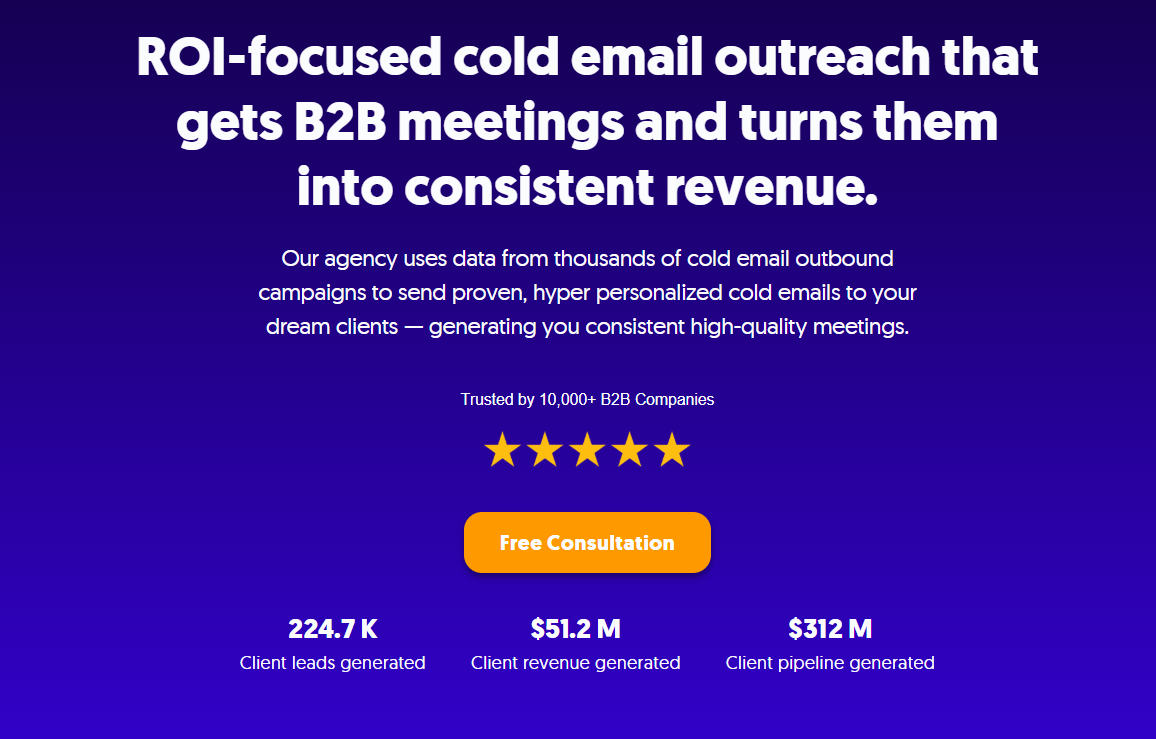
Cleverly is trusted by 10,000+ B2B companies and has generated over $312M in client pipeline and $51.2M in client revenue. Our model is straightforward: we build the lists, write the emails, run the outreach, and notify you the moment a prospect is ready to book a call. You focus on closing. We handle everything else.
We operate on a pay-per-performance model with no long-term contracts, because we are confident enough in our results to earn your business month over month.
If you want cold email outreach that generates consistent meetings without putting your domain or your business at legal risk, book a call with Cleverly and let us show you what a compliant, high-performing campaign actually looks like.
Conclusion
Cold email laws are not designed to stop legitimate B2B outreach. They are designed to stop deceptive, irrelevant, and abusive sending. If your emails are targeted, honest, and respectful of opt-outs, you are already most of the way there.
The biggest mistake most senders make is treating compliance as a one-time checkbox rather than an ongoing practice. Laws differ by region, enforcement is increasing, and deliverability consequences arrive long before any legal fine does.
Build the right habits now, and cold email remains one of the most effective channels in B2B sales.
Frequently Asked Questions
Free Resource
How to Scale a Profitable Cold Call System
Get the complete guide — download it instantly now.

Free Ebook
Download the Free Guide
Enter your details to get instant access.
You're all set! 🎉
Your ebook is downloading now.
Click below if the download didn't start automatically.